Bernese Mountain Dog Health & Gear Guide: What Every Owner Needs
Quick Answer
Berners need XL orthopedic beds for joint support, slow-feeder bowls to prevent bloat, and early joint supplementation. Budget for a high-quality deshedding tool and professional grooming every 6-8 weeks.
On this page9 sections
Our Verdict
Berners need XL orthopedic beds, slow-feeder bowls to prevent bloat, and early joint supplementation. Their average lifespan is just 7-8 years — proactive health management is essential to maximize quality time.
How PawBench is paid: we earn an Amazon Associates commission on qualifying purchases. We don’t accept sponsored placements, paid reviews, or free products in exchange for coverage. Picks are ranked on documented owner outcomes and primary-source research, never on commission rate. Read the full methodology.
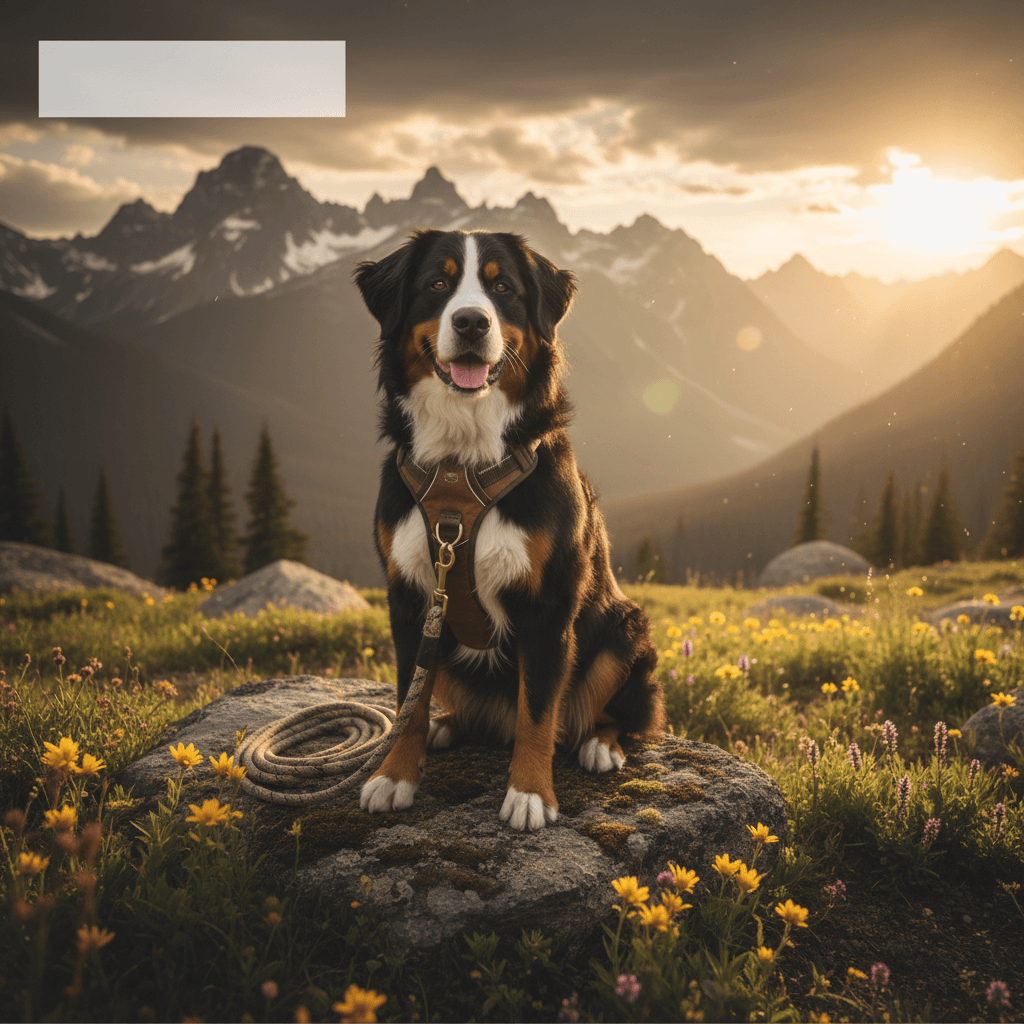
Bernese Mountain Dogs are among the most lovable breeds — gentle, affectionate, and stunning to look at. They're also among the most health-challenged. With an average lifespan of just 7-8 years (shorter than almost any other popular breed) and predispositions to cancer, hip dysplasia, and bloat, Berner ownership requires proactive health management that goes beyond standard dog care.
This guide covers the specific gear, nutrition, and health tools that Bernese Mountain Dog owners need — informed by conversations with Berner breed clubs, veterinary oncologists, and owners who've navigated the breed's unique challenges.
Understanding Berner Health Challenges
Before talking gear, it's important to understand what you're managing:
Cancer is the leading cause of death. Histiocytic sarcoma, lymphoma, and mast cell tumors affect Berners at alarmingly high rates. Nearly 50% of Berners die from cancer, compared to ~25% of dogs overall. Regular veterinary checkups with cancer screening are essential.
Hip and elbow dysplasia are extremely common. An estimated 20-28% of Berners have hip dysplasia. Joint support — through food, supplements, bedding, and weight management — should start from day one.
Bloat (GDV) is a life-threatening risk. As a deep-chested breed, Berners are predisposed to gastric dilatation-volvulus. Preventive measures (slow feeding, avoiding exercise after meals) are non-negotiable.
They overheat easily. That gorgeous thick double coat is designed for Swiss alpine winters, not summer heat. Temperature management through gear and scheduling matters.
Essential Gear for Bernese Mountain Dogs
Bed: Big Barker 7" XL (currently unavailable on Amazon)
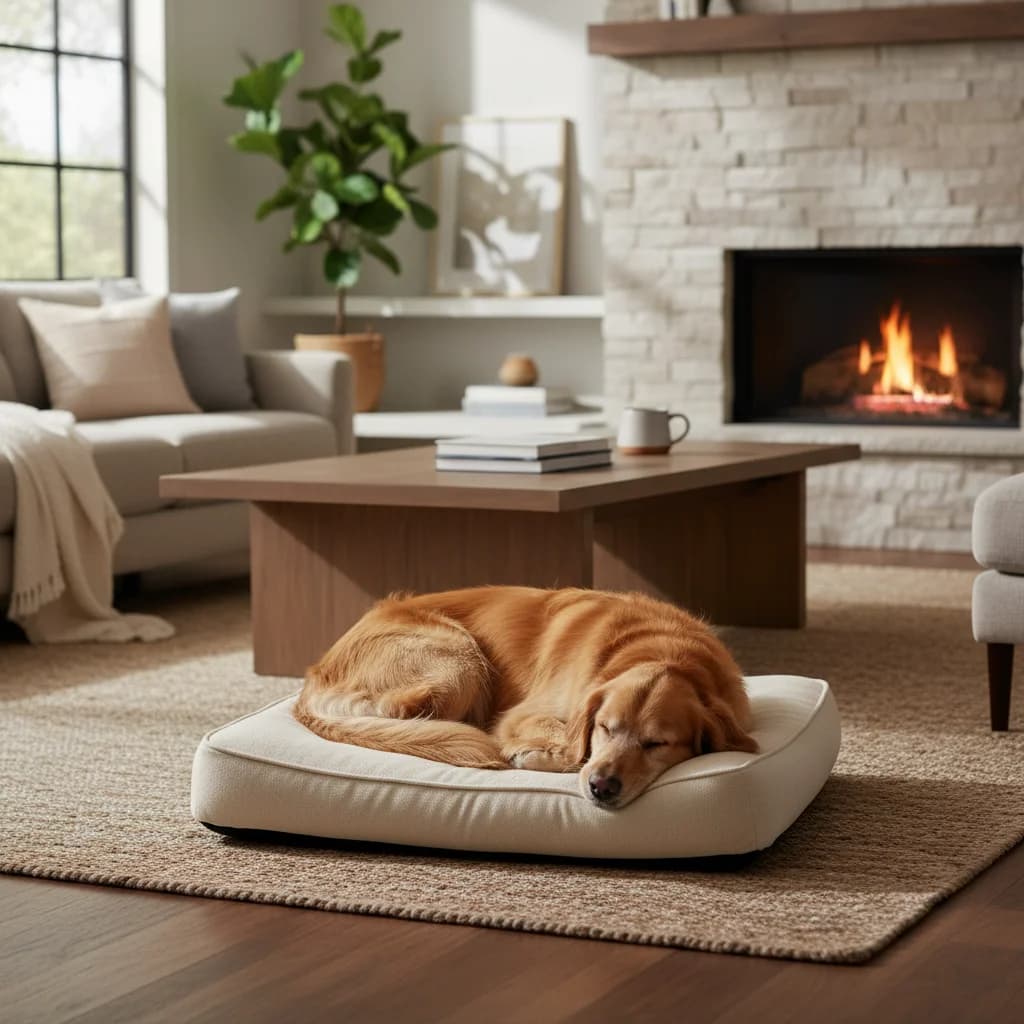
Berners weigh 80-115 lbs and are prone to joint issues. They need the most supportive bed available. Big Barker sizes the XL for dogs 75-120 lbs, which is the right fit for a Berner — the Giant is built for 100-300 lb dogs. It provides 7 inches of foam with a 10-year no-flatten warranty, and its maker cites a University of Pennsylvania study. The XL is currently unavailable on Amazon, so we can't link it right now.
See our full orthopedic bed guide for current picks; whichever bed you choose, buy the size its maker rates for a dog over 80 lb.
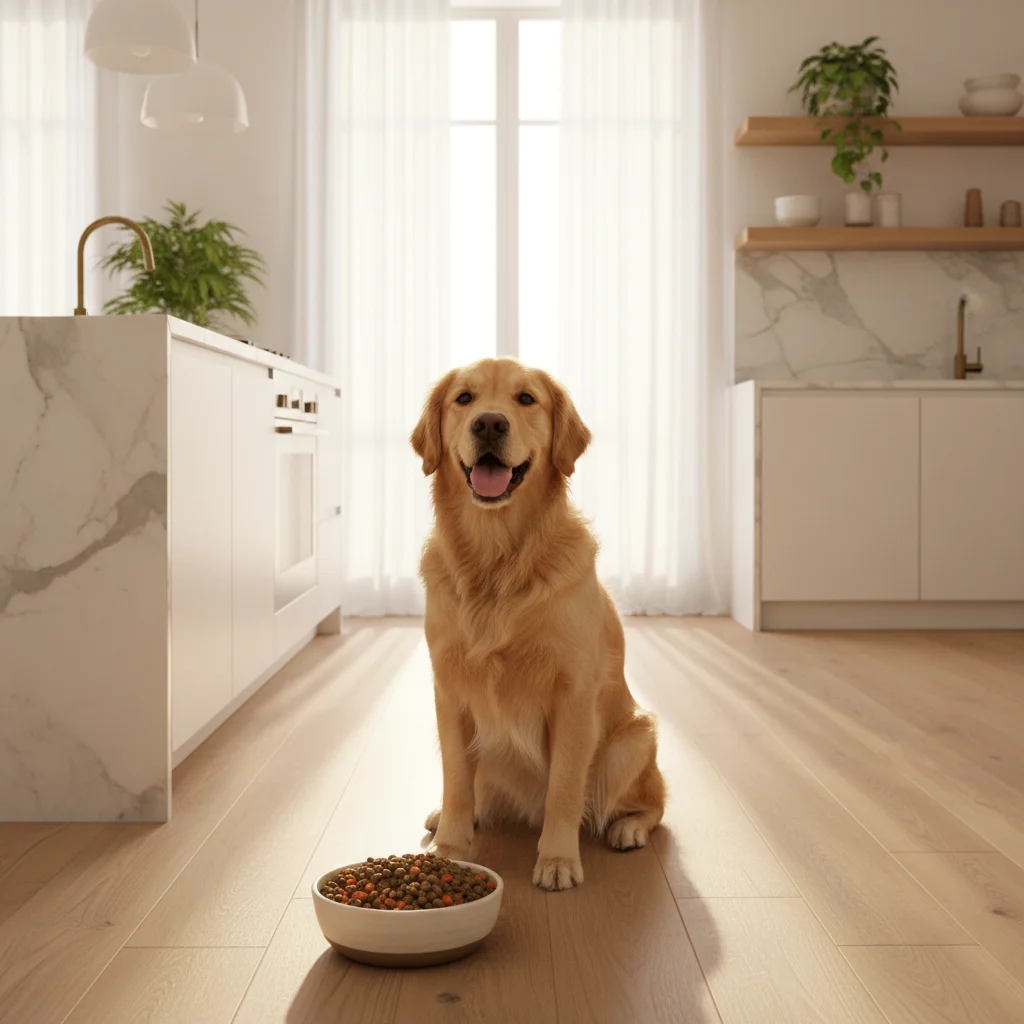
Food Bowl: Outward Hound Slow Feeder + Raised Stand
Two pieces of feeding equipment are non-negotiable for Berners:
- Slow feeder bowl ($12-$15) to prevent gulping, which increases bloat risk
- Raised feeding stand ($25-$40) at chest height to reduce air swallowing
Feed two smaller meals per day rather than one large meal, and avoid exercise for 30-60 minutes after eating.
Harness: Ruffwear Front Range XL (~$60)
Berners pull — gently, but they're 100+ lbs of gentle. A front-clip harness provides steering control without throat pressure. The Ruffwear Front Range's padded design distributes force across the broad Berner chest. Size XL fits most adult Berners.
Grooming: Furminator deShedding Tool + Undercoat Rake
Berners have a thick double coat that sheds heavily year-round and "blows" seasonally. You need:
- Furminator deShedding Tool ($25-$30) for the topcoat — reduces shedding up to 90%
- Undercoat rake ($12-$15) for the dense undercoat during seasonal blowouts
- Slicker brush ($10-$15) for daily maintenance
Brush 3-4 times per week minimum, daily during coat blowout seasons (spring and fall). See our grooming tools guide for detailed recommendations.
Cooling Gear: Cooling Mat + Cooling Vest
Berners were bred for cool Swiss mountain climates. In temperatures above 75°F, they're at risk of overheating:
- Cooling mat ($25-$40): Pressure-activated gel mats that stay 5-10 degrees below ambient temperature
- Cooling vest ($30-$50): Soak in water, wring, and put on your Berner for evaporative cooling during summer walks
- Always carry water on walks with a collapsible bowl
Supplements: Joint + Omega-3
Given the breed's joint and cancer predispositions, two supplements are worth adding to any Berner's regimen:
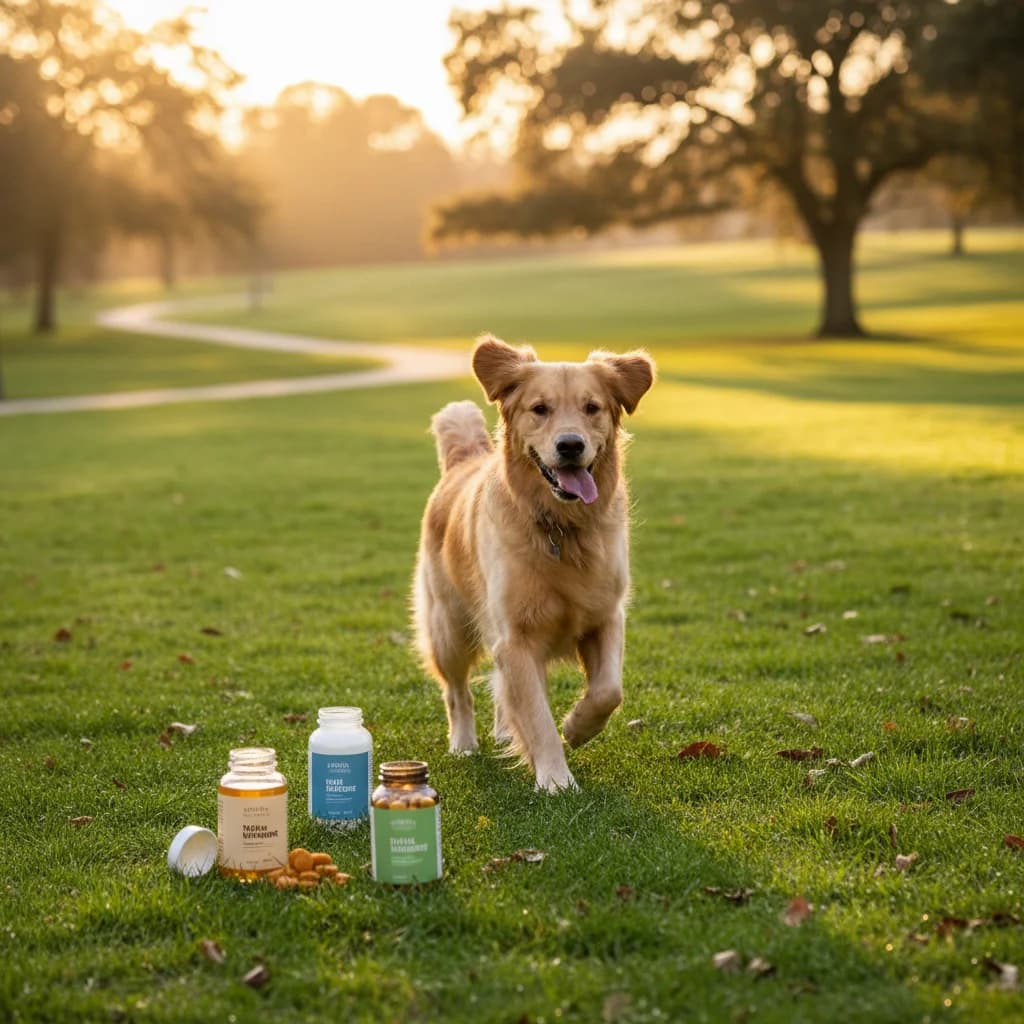
- Glucosamine/chondroitin supplement: Start by age 1-2, before symptoms appear. Cosequin DS or Dasuquin are veterinary-recommended brands.
- Omega-3 fish oil (EPA/DHA): Anti-inflammatory properties support joints, coat health, and may have anti-cancer benefits. 2,000-3,000mg daily for a Berner-sized dog.
See our comprehensive supplement guide for specific product recommendations.
Berner-Specific Nutrition
Best Food: Royal Canin Giant Adult or Purina Pro Plan Large Breed
Berners need a large/giant breed formula with:
- Moderate calories (they gain weight easily despite being large)
- Joint-supporting glucosamine and chondroitin
- Omega fatty acids for coat and skin health
- Controlled portion sizes
Feed 3-4 cups per day for an 80-100 lb Berner, split into two meals. Adjust based on activity level and body condition. An overweight Berner accelerates joint deterioration rapidly.
Foods to Avoid
- High-calorie performance formulas (unless your Berner is a working draft dog)
- Grain-free food (linked to DCM — discuss with vet)
- Single large daily meals (increases bloat risk dramatically)
Berner Health Monitoring Schedule
| Age | Screening | Frequency |
|---|---|---|
| Puppy | Hip/elbow preliminary X-ray | Once at 6-12 months |
| 1-2 years | OFA hip/elbow certification | Once |
| 2+ years | Cancer screening (physical + bloodwork) | Every 6 months |
| 2+ years | Joint assessment | Annual |
| 5+ years | Comprehensive senior screening | Every 6 months |
| All ages | Weight check | Monthly |
Important: The Bernese Mountain Dog Club of America recommends cancer screening every 6 months starting at age 2. Early detection significantly improves treatment outcomes for histiocytic sarcoma and lymphoma.
Exercise Guidelines
Berners are moderate-energy dogs that need regular but not intense exercise:
- Adults: 30-60 minutes of moderate exercise daily (walks, light hiking)
- Puppies: 5 minutes per month of age, twice daily (to protect developing joints)
- Seniors: Shorter, gentler walks as tolerated
- Avoid: Running on hard surfaces, intense fetch sessions, and exercise in heat above 75°F
- Best activities: Walking, swimming (excellent low-impact exercise), cart/draft work
Complete Berner Gear Checklist
Essential (Buy Immediately):
- XL/Giant orthopedic bed — $200-$370
- Slow feeder bowl — $12-$15
- Raised feeding stand — $25-$40
- XL front-clip harness — $40-$45
- Furminator deShedding tool — $25-$30
- Undercoat rake — $12-$15
- Joint supplement — $25-$40/month
- Fish oil supplement — $15-$25/month
Seasonal:
- Cooling mat (summer) — $25-$40
- Cooling vest (summer) — $30-$50
Total estimated annual gear cost: $500-$800 (excluding food and vet)
Frequently Asked Questions
Why do Bernese Mountain Dogs have such short lifespans?
The primary reason is cancer — particularly histiocytic sarcoma, which affects Berners at rates far higher than other breeds. This is a genetic predisposition that's being actively researched by breed clubs and veterinary oncologists. Some breeding programs are making progress through health testing and selective breeding, but the breed's limited genetic diversity makes this a slow process. The best thing individual owners can do is maintain a healthy weight, provide proactive supplements, and screen for cancer every 6 months starting at age 2.
How much exercise does a Bernese Mountain Dog need?
Adult Berners need 30-60 minutes of moderate daily exercise — walks, gentle hikes, or swimming. They're not marathon runners or intense fetch dogs. Over-exercising, especially on hard surfaces, accelerates joint deterioration. Puppies should follow the 5-minutes-per-month-of-age rule (a 4-month-old puppy gets two 20-minute sessions per day). Always avoid exercising in heat above 75°F, as Berners overheat quickly due to their thick double coat.
What's the best food for a Bernese Mountain Dog?
A large or giant breed formula with moderate calories, added joint support (glucosamine/chondroitin), and omega fatty acids. Royal Canin Giant Adult and Purina Pro Plan Large Breed are both excellent options. Feed 3-4 cups per day split into two meals, and always use a slow feeder to reduce bloat risk. Avoid high-calorie performance formulas unless your Berner is doing draft work. See our dog food guide for detailed comparisons.
How do I prevent bloat in my Bernese Mountain Dog?
Bloat (GDV) prevention involves multiple strategies: feed two smaller meals per day instead of one large meal, use a slow feeder bowl, use a raised feeding stand at chest height, avoid exercise 30-60 minutes before and after meals, ensure constant access to water (dehydration increases risk), and discuss preventive gastropexy surgery with your vet. Gastropexy (surgically tacking the stomach) can be done during spay/neuter and dramatically reduces GDV risk.
How often should I groom my Bernese Mountain Dog?
Brush your Berner 3-4 times per week minimum, and daily during seasonal coat blowouts (spring and fall). Professional grooming every 6-8 weeks helps manage the thick double coat. Never shave a Berner — their double coat provides insulation against both cold and heat. Regular grooming also allows you to check for lumps, bumps, and skin changes that could indicate early cancer.
The Bottom Line
Bernese Mountain Dogs require more proactive health management than almost any other breed. The combination of cancer predisposition, joint vulnerability, bloat risk, and heat sensitivity means Berner owners need to be informed, vigilant, and equipped with the right gear.
The investment is real — in time, money, and emotional energy. But anyone who's been loved by a Berner knows: they give back far more than they take. Make the most of every year by giving them the best care possible.
🏆 Bottom Line: Bernese Mountain Dogs are magnificent companions with a shorter lifespan than most breeds. Invest in quality orthopedic support early (don't wait for signs of joint pain), maintain healthy weight through careful feeding, and schedule annual vet wellness exams that include cardiac screening.
Related Reading
- Dog Health — Supplements, joint support, and wellness products
- Dog Beds — XL and giant orthopedic bed picks
- Grooming — Deshedding tools for heavy-shedding breeds
Research Sources
- Bernese Mountain Dog - Dog Breed Information — American Kennel Club
- Hip Dysplasia — Orthopedic Foundation for Animals
- Hemangiosarcoma, Lymphoma, Histiocytic sarcoma — Cornell Canine Genetics Research Laboratory, Cornell University College of Veterinary Medicine
- 2021 AAHA Nutrition and Weight Management Guidelines: Age-specific and Breed-specific Diets — American Animal Hospital Association, 2021
- Golden Retriever Lifetime Study — Morris Animal Foundation

PawBench Editorial
Published by Hilly Shore LabsPawBench’s editorial team researches dog products from primary veterinary sources, manufacturer specifications and aggregated buyer sentiment, alongside the lived ownership of Maggie, an Australian Labradoodle. We do not run hands-on product tests.
331 dog products scored · 1,222,724 buyer review-aspect mentions aggregated · cites AVMA, FDA, AAFCO, Cornell, WSAVA, AKC, ASPCA.
Recommendations are based on published veterinary guidelines, manufacturer specifications, and verified customer feedback. See our editorial standards.