Start with the question everyone skips: collar or harness?
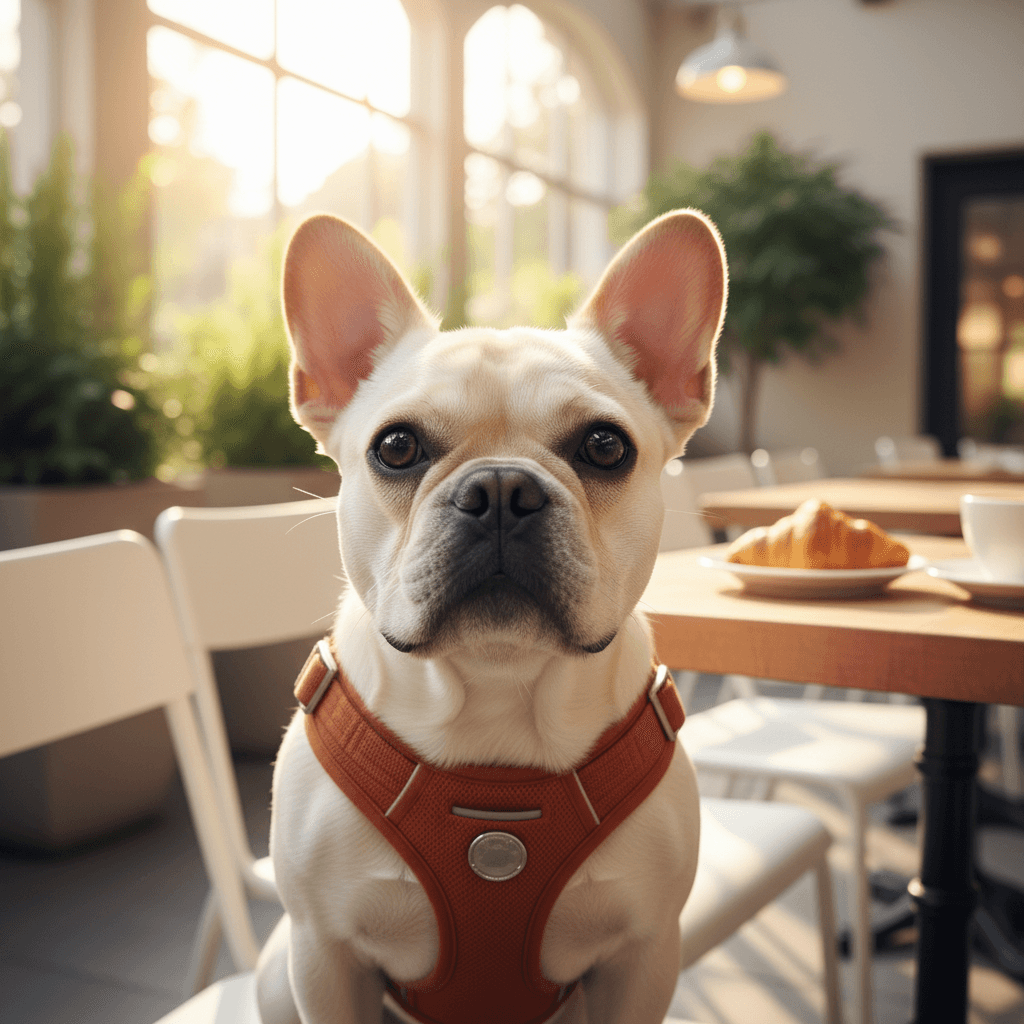
If your dog pulls at all, walk them on a harness. Use the flat collar only to hold ID tags. Pulling on a flat collar puts direct pressure on the trachea and thyroid — it's one of the quiet causes of laryngeal problems, especially in small breeds and brachycephalic dogs like French Bulldogs, Pugs, and Boston Terriers.
Pick the harness shape that matches your dog's body
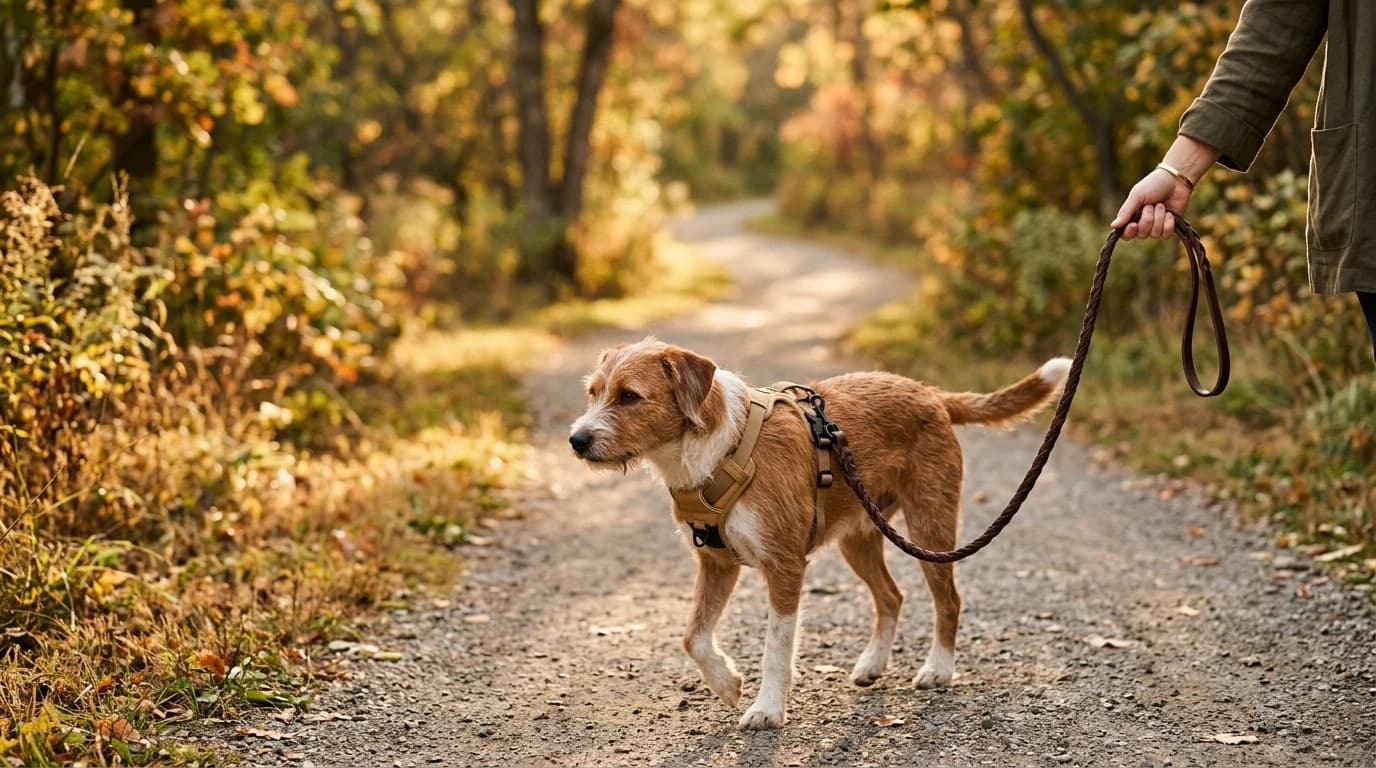
- Y-shape harness (straps form a Y over the chest) — ideal for most dogs. Doesn't restrict shoulder movement. Examples: Ruffwear Front Range, Blue-9 Balance, PerfectFit Fleece.
- Step-in harness — easy for dogs that dislike things pulled over their head. Better for small dogs than horizontal-strap designs.
- Avoid horizontal-strap or "vest" harnesses where a single strap crosses the shoulder blades. The strap restricts gait and over time can contribute to soft-tissue issues.
Match the harness to your specific problem
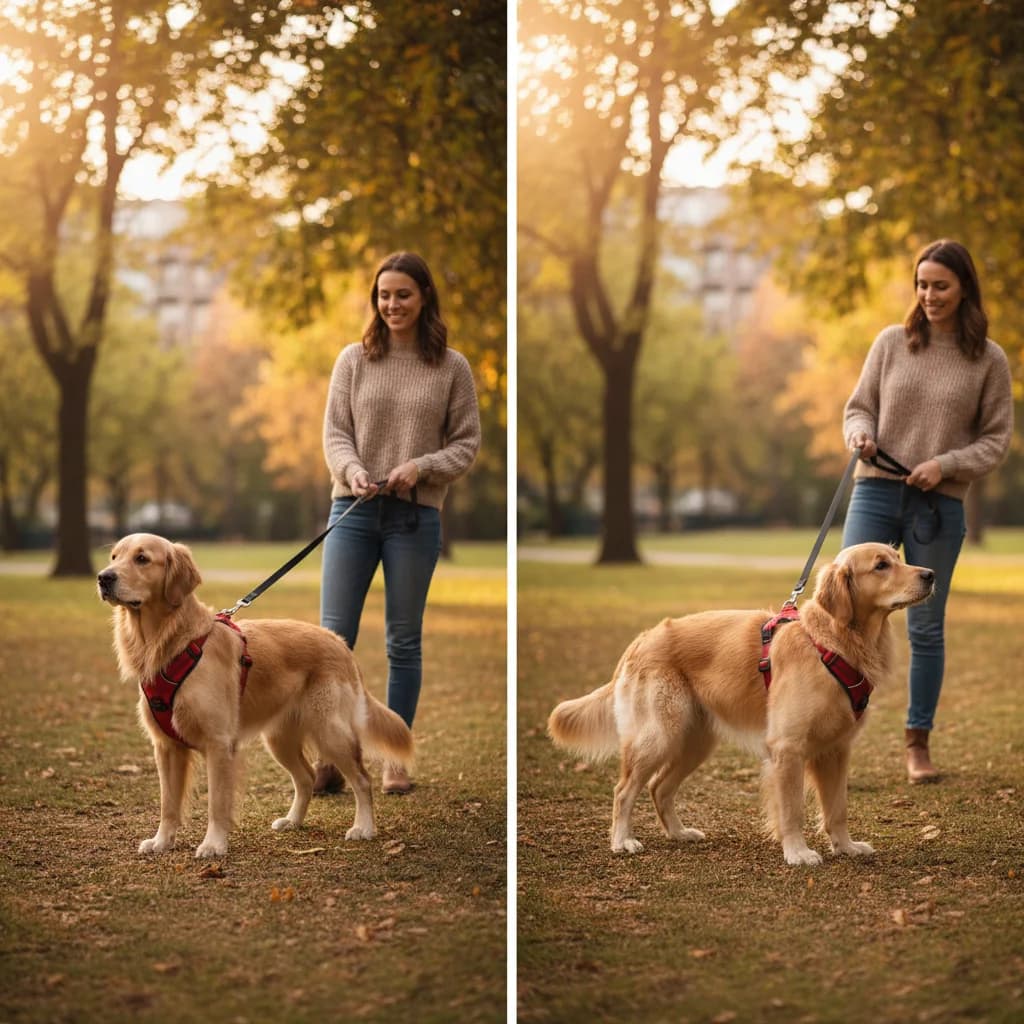
- Puller — go with a harness that has both back-clip and front-clip (chest) rings. The front clip gives you steering leverage without choking. Ruffwear Front Range does this well.
- Escape artist — triple-buckle harnesses like the Ruffwear Web Master are famously hard to slip. Worth the extra cost if your dog has ever backed out of a harness.
- Reactive or sensitive — fleece-lined, modular harnesses like PerfectFit (UK) get the strongest recommendations on r/reactivedogs. Padded contact points reduce the stress signal.
- Sighthound or slim-necked escape-prone — a properly fitted martingale collar prevents back-out without choking. The walk still happens on a harness.
Leash length and material
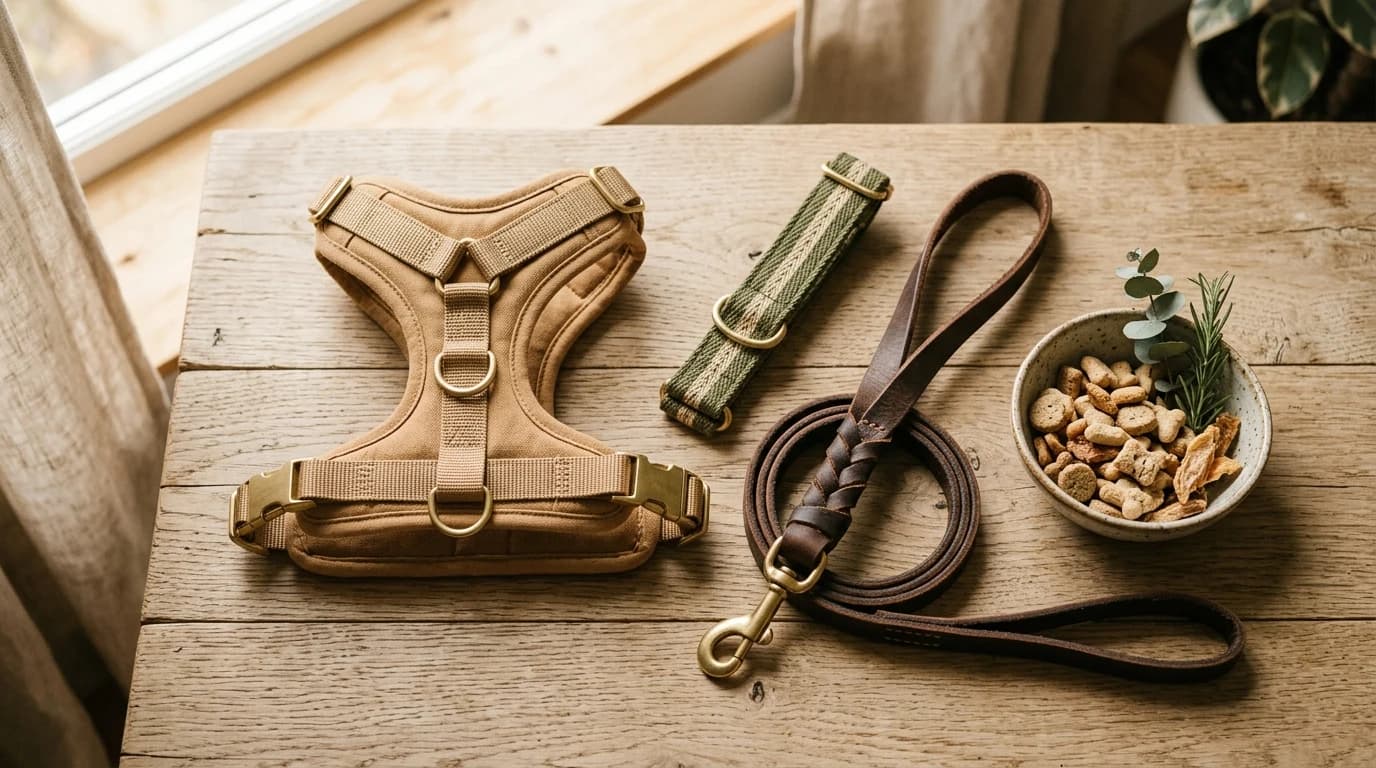
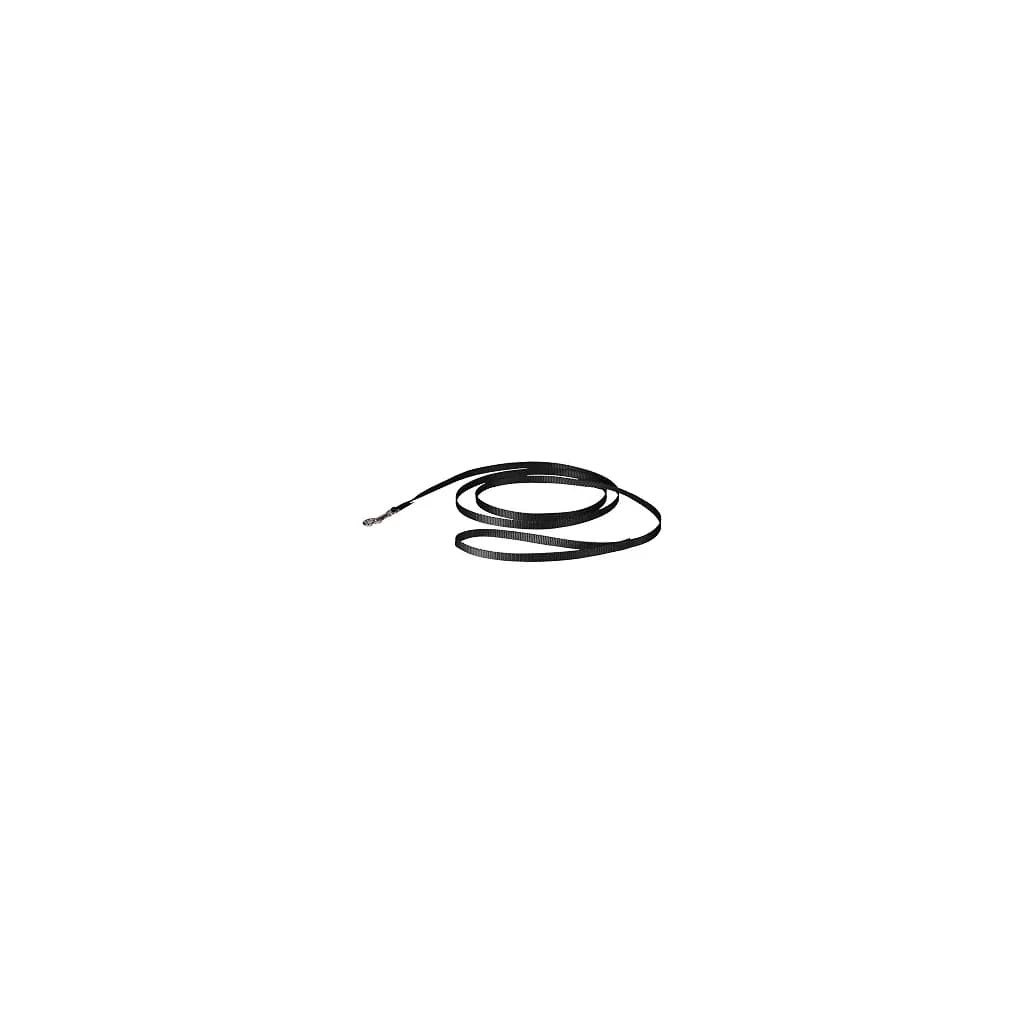
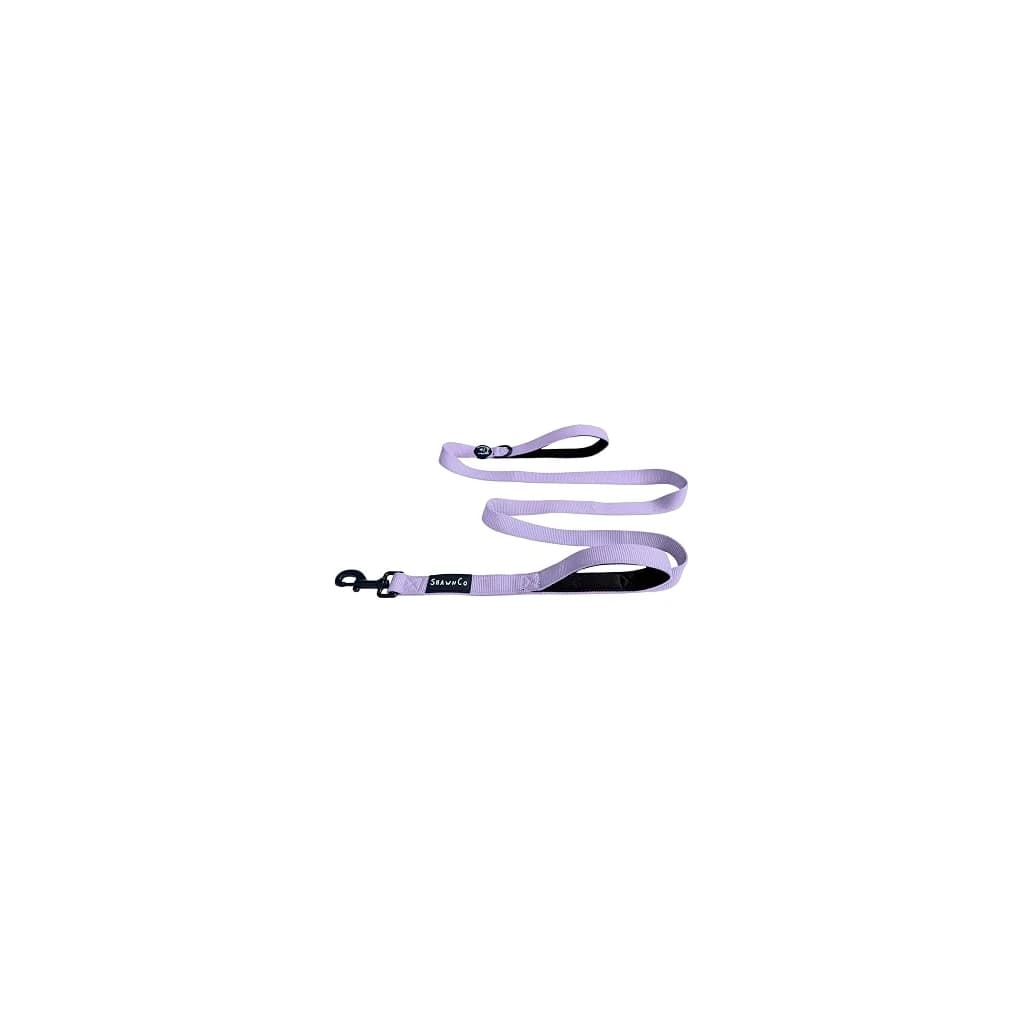
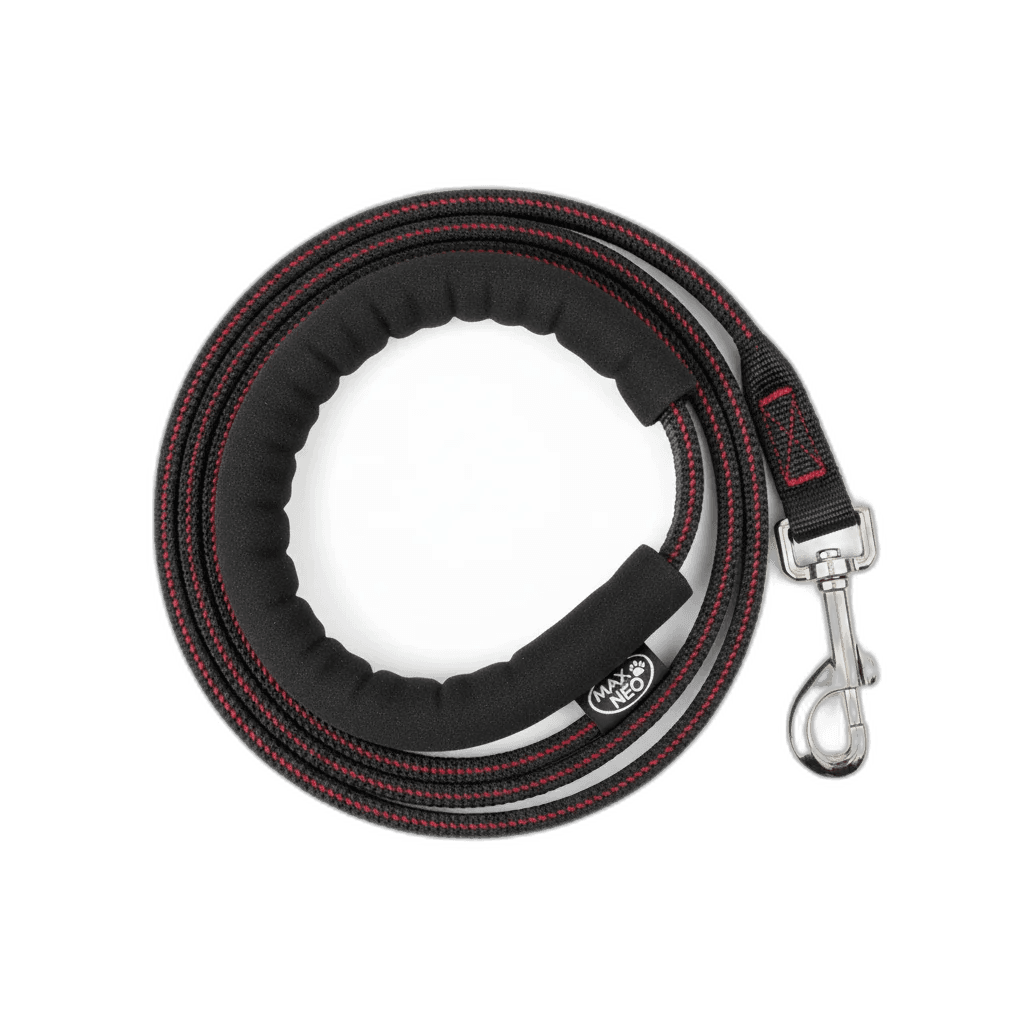
A plain 6-foot flat leash handles 95% of walking situations. Biothane (coated nylon) lasts longer than standard nylon webbing and doesn't absorb odor. For recall training, a 15–30 foot biothane long line gives freedom with control — far safer than a retractable.
What to skip
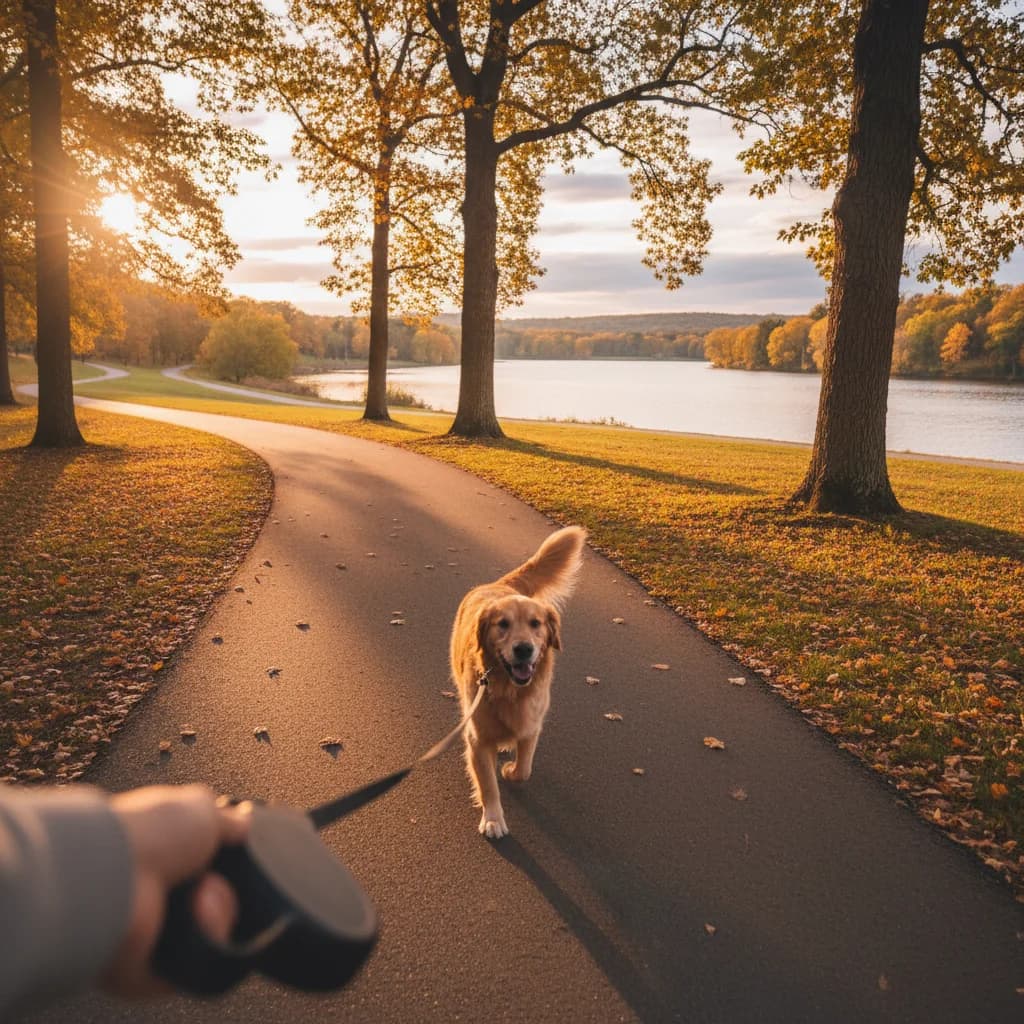
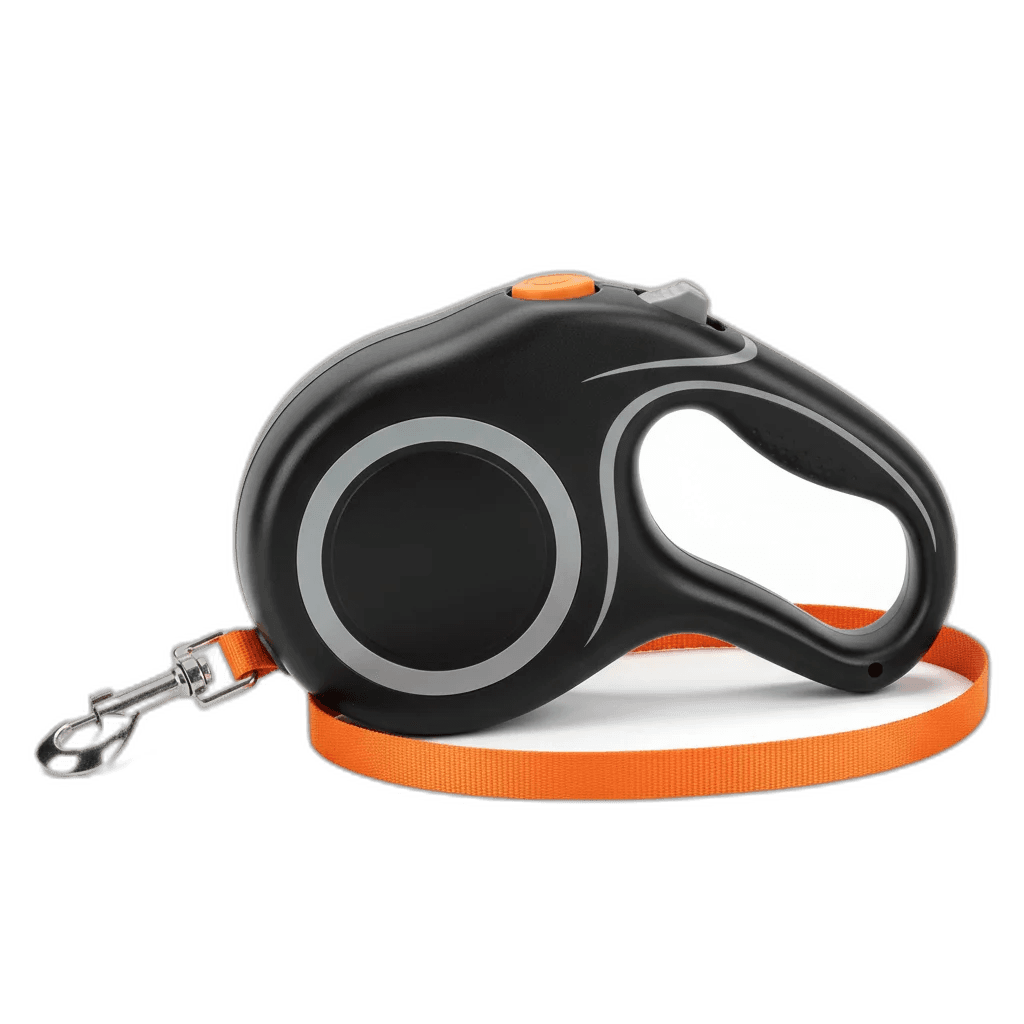
- Retractable leashes. Rope burns, lock failures, and they actively teach dogs that pulling extends the lead.
- Choke or slip chains for general pet use. Misapplied they cause tracheal damage; properly applied they require professional timing most owners can't deliver consistently.
- Cheap prong collars from Amazon. The wrong size or placement causes real damage. If prongs are used, fit them with a balanced trainer.
- Harnesses that tighten under tension. They create pressure at exactly the moment the dog is already stressed.
Fit matters more than brand
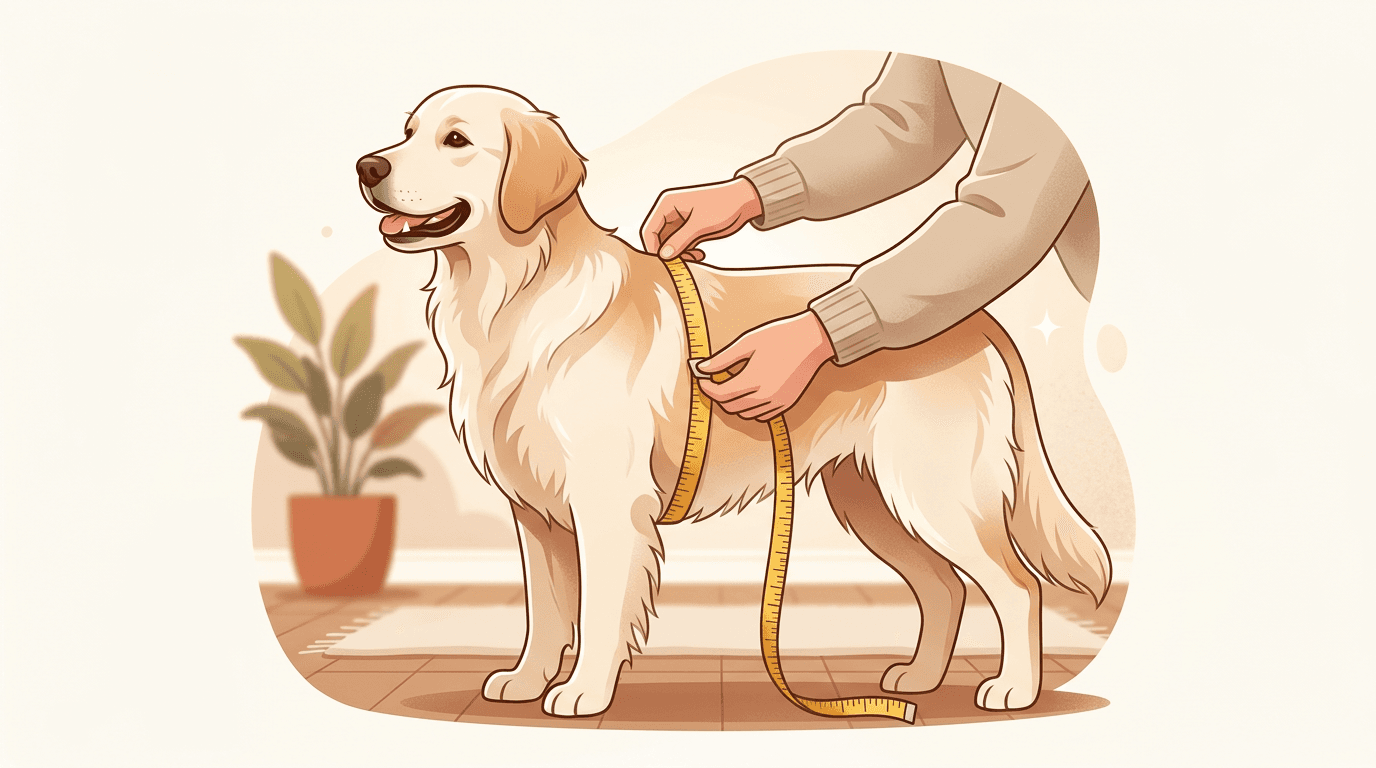
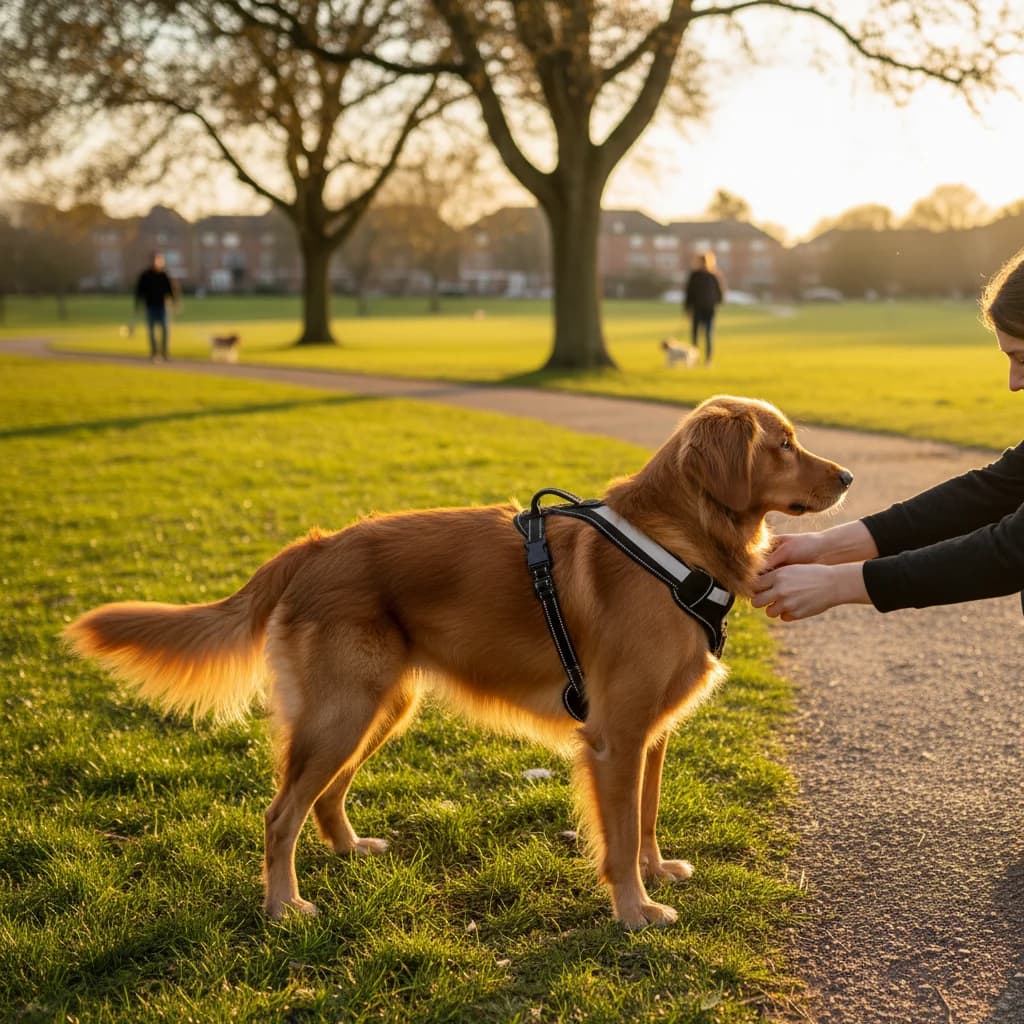
Even the best harness underperforms if it's loose. Two fingers should slide flat between the strap and the dog's body — not a finger, not a fist. Re-check fit every two weeks during a puppy's growth phases. A well-fitted $25 harness beats a poorly fitted $70 one.