Start with the question that saves money
Does your dog actually need a supplement? If the food is WSAVA-compliant and your dog is healthy, the answer is usually no. Supplements are a wedge category — they print money for manufacturers precisely because most dogs don't need them. Spend the money on better food first.
The three supplement classes with real evidence
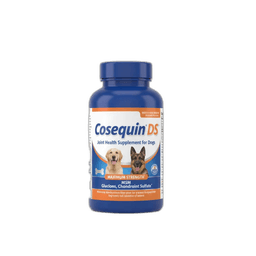
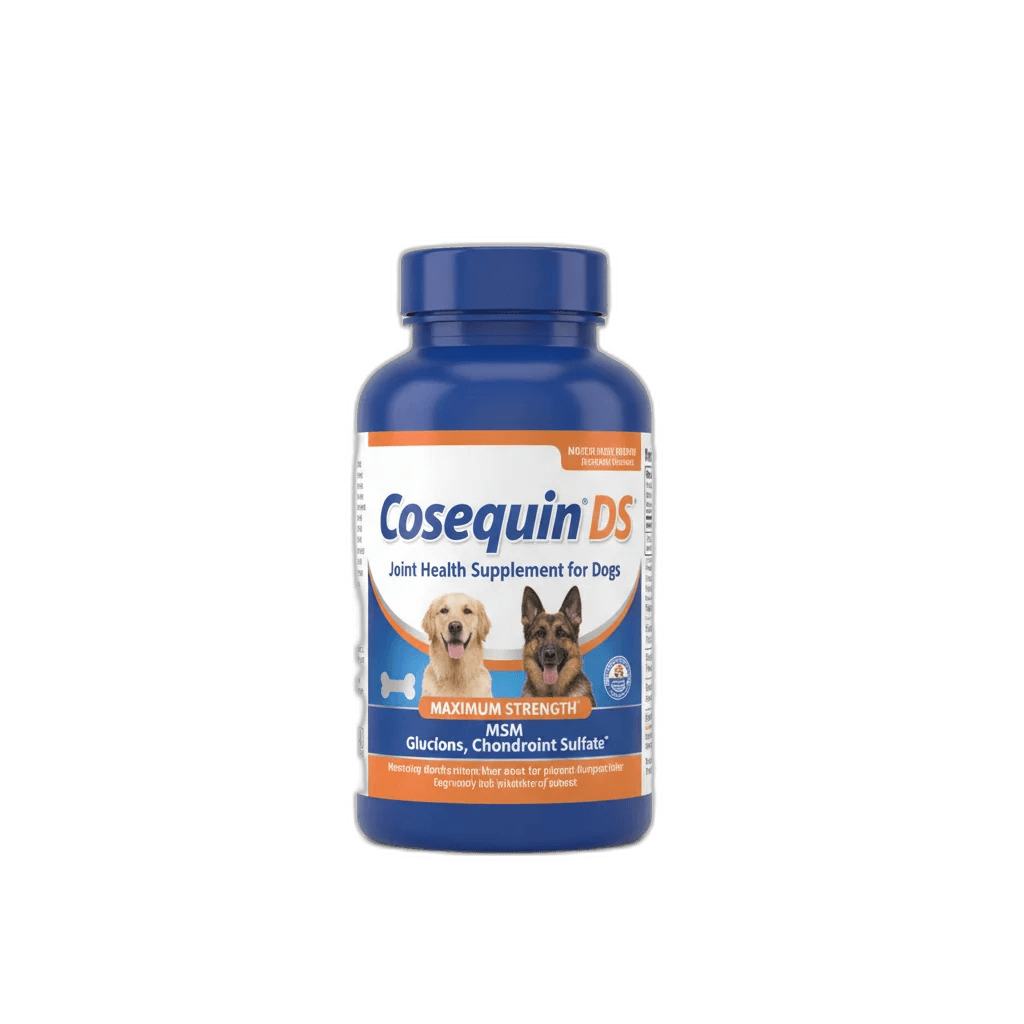
- Joint support — Dasuquin Advanced (glucosamine + chondroitin + ASU + MSM) beats plain Cosequin DS because of the avocado-soybean unsaponifiables. Both are Nutramax. Skip the $15 Amazon generics — quality control is the whole game in this category.
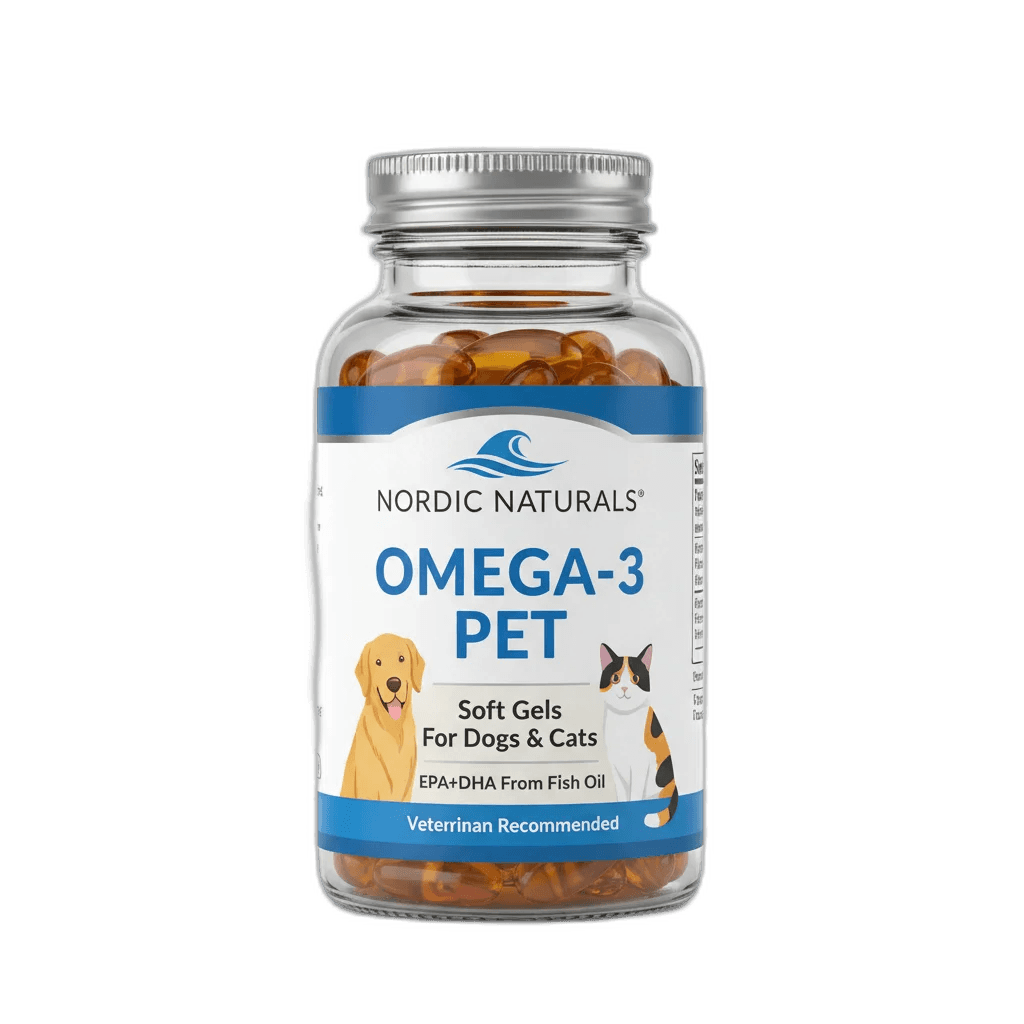
- Omega-3 fatty acids — Nordic Naturals, Welactin, and similar fish-oil products support skin, coat, and anti-inflammatory function. Dose by weight, and buy a brand with third-party purity testing.
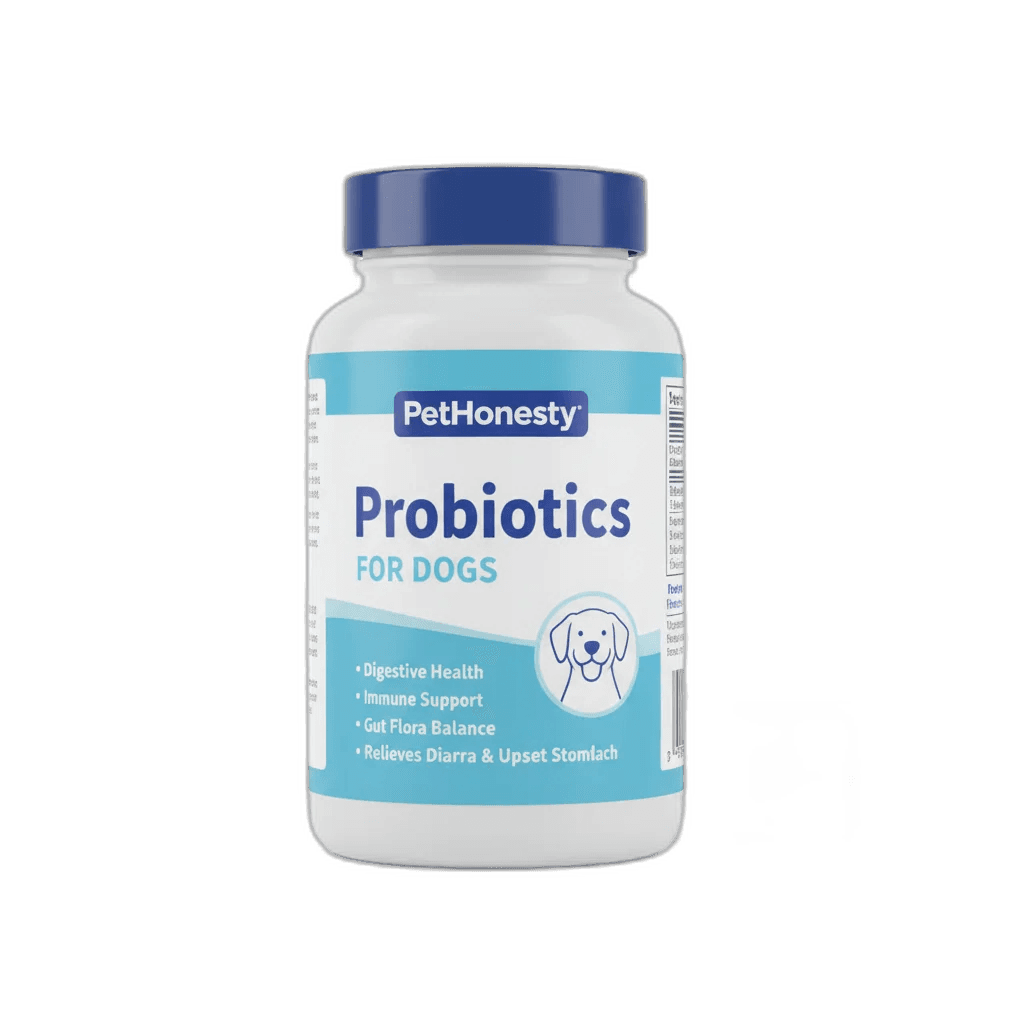
- Probiotics — sometimes. Useful during antibiotic courses or specific GI events. Not a daily preventative for healthy dogs.
Flea, tick, and heartworm in 2026
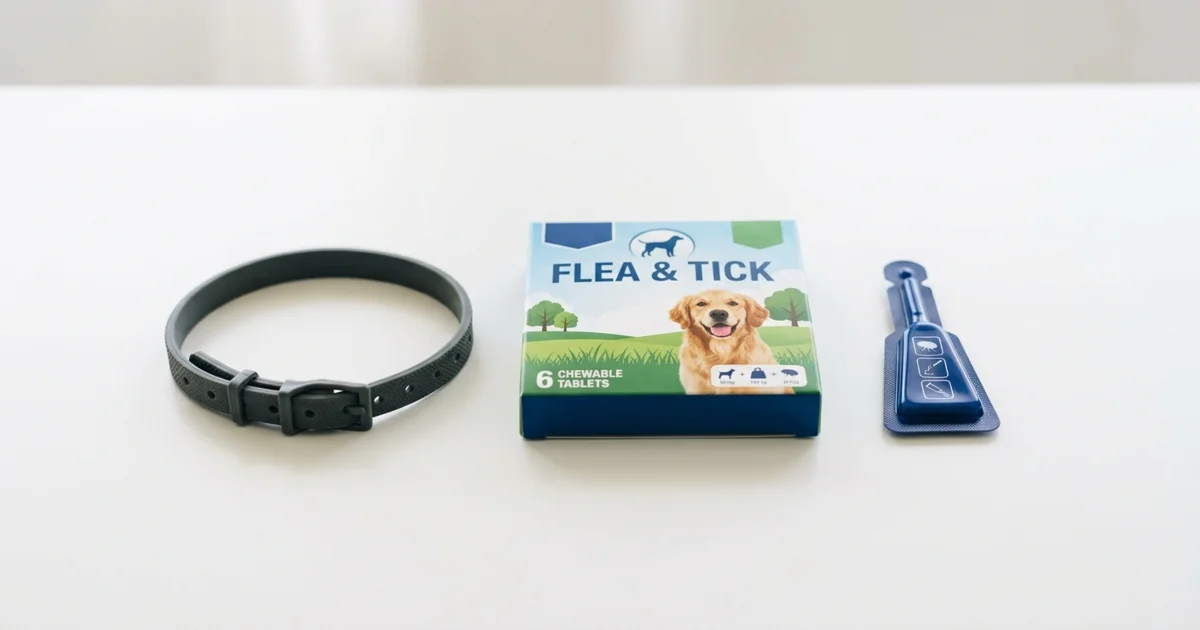
- Simparica Trio — the most-prescribed 2026 default. One chew: fleas, ticks, heartworm, some intestinal worms. Isoxazoline-class (same family as NexGard), which carries an FDA neurological warning — flag any seizure history with your vet.
- Interceptor Plus — heartworm + intestinal worms without the isoxazoline class. The pivot for seizure-risk dogs. Pair with a separate flea/tick topical or collar.
- NexGard Spectra — fleas, ticks, heartworm. Longer safety track record than Simparica but thinner coverage.
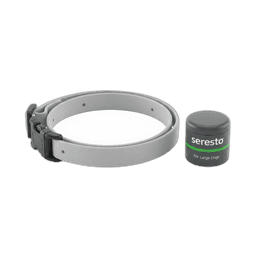
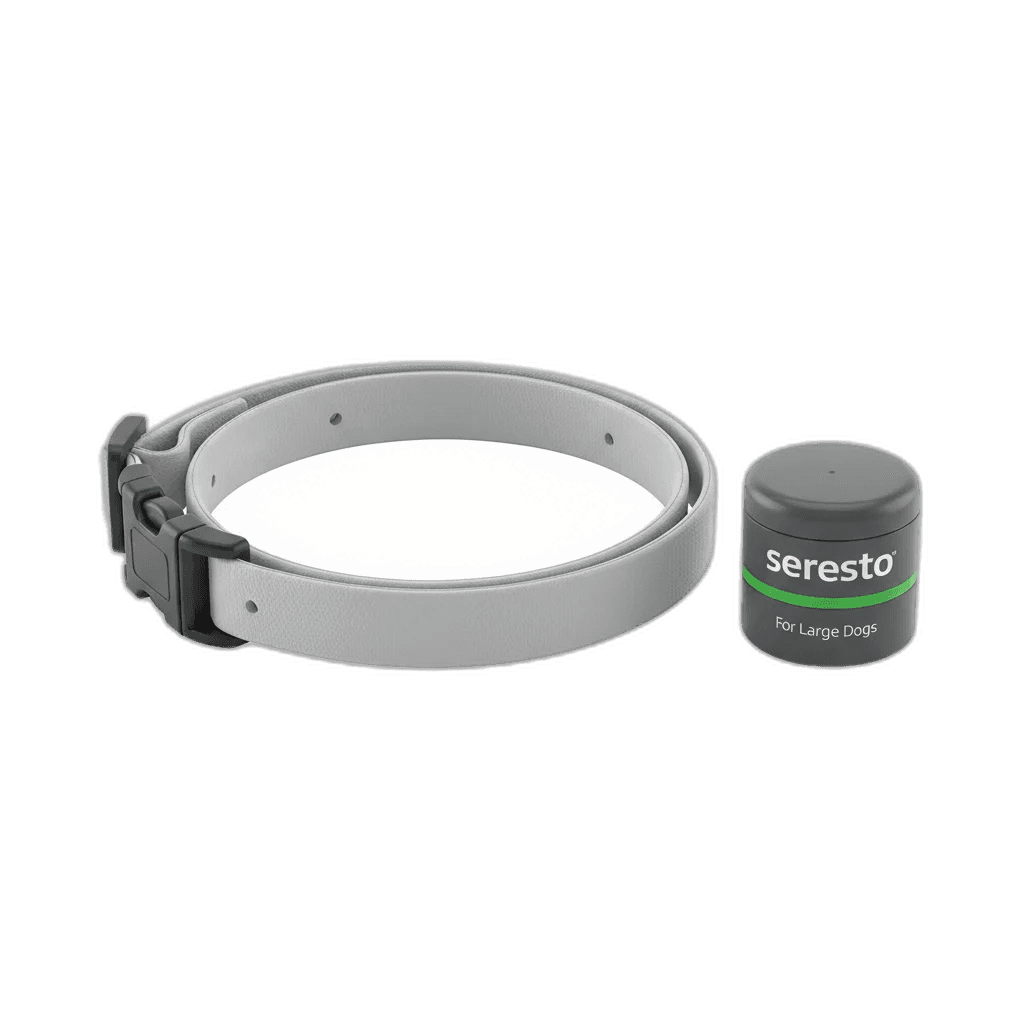
- Seresto collar — 8-month convenience is real, but the 2021 adverse-event flare-up isn't fully closed. Acceptable for healthy adult dogs that don't chew collars; avoid for small dogs (under 18 lbs) and dogs with existing skin sensitivity.
Dental
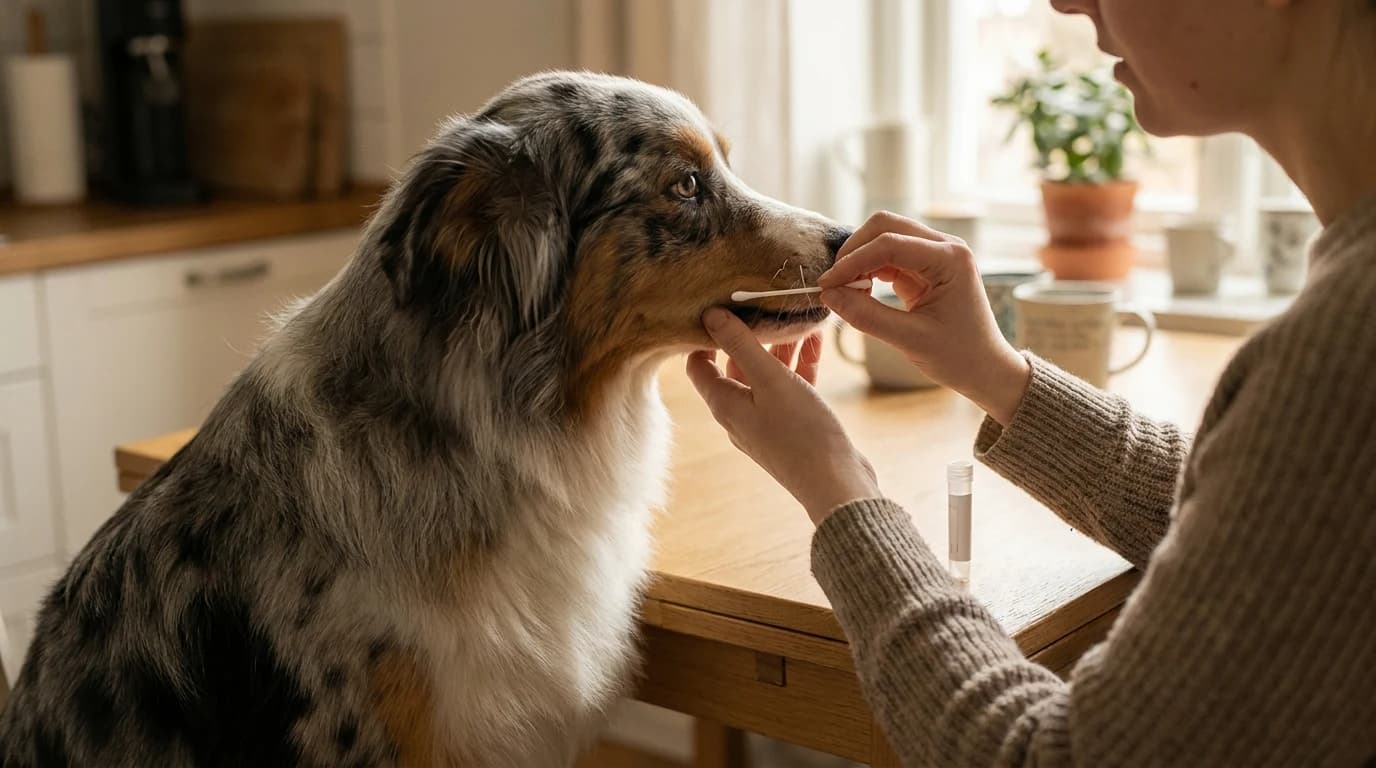
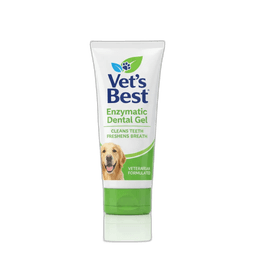
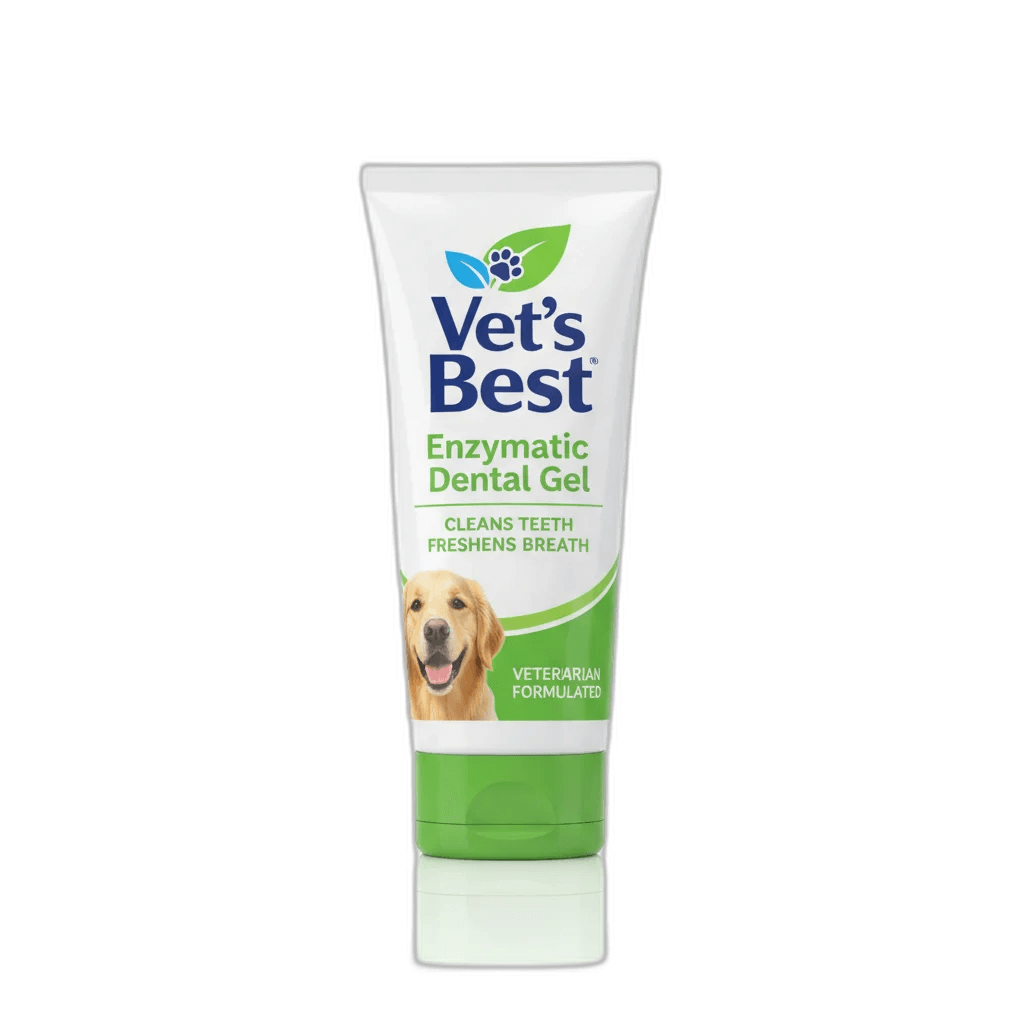
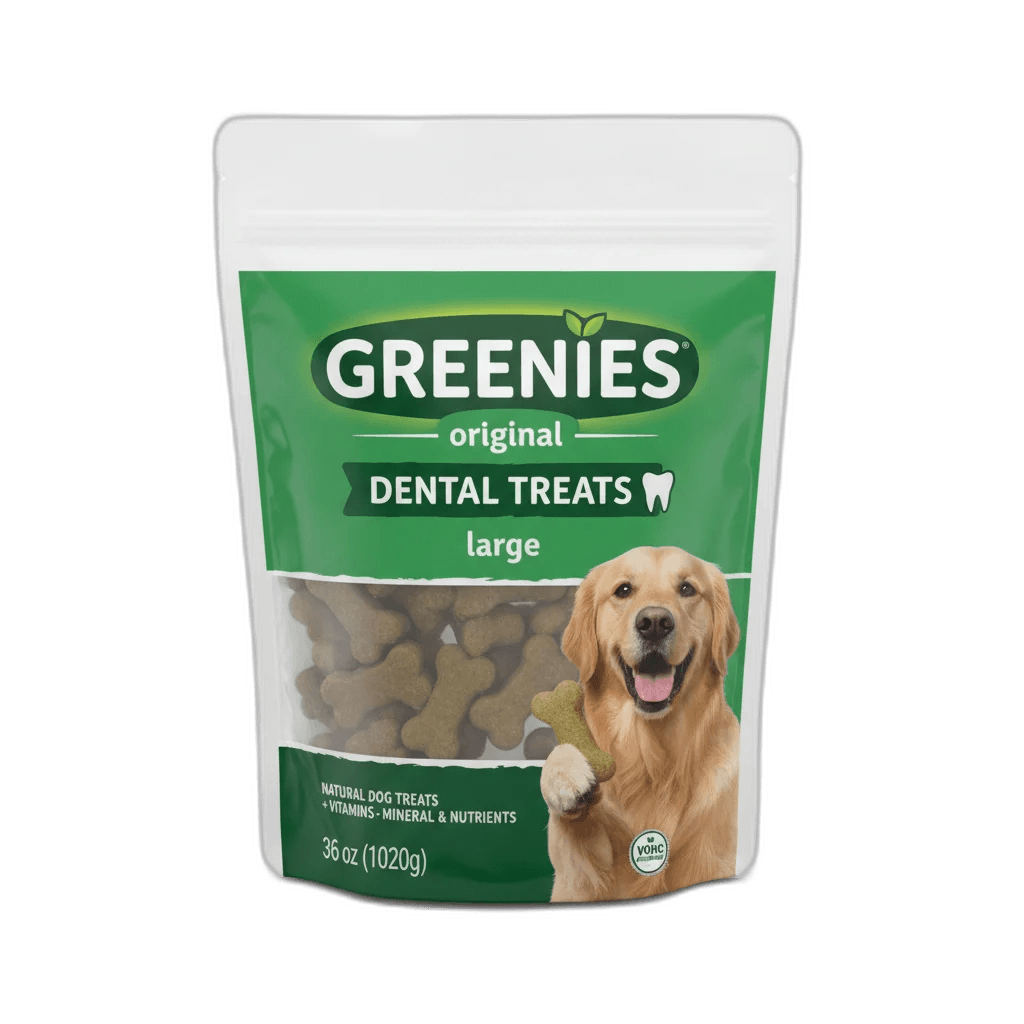
Dental chews are not a substitute for brushing or professional cleanings. They help marginally, but the evidence is mixed. VOHC-accepted products (Greenies, OraVet) have some plaque-reduction data; most others are marketing.
What to skip
- Multi-ingredient 'immune boost' gummies — no evidence, real interaction risk.
- CBD products marketed for general wellness without a vet conversation. Dosing and drug interactions aren't well-characterized for dogs.
- Homeopathic remedies — the FTC has taken action against homeopathic marketing claims for a reason.
- Supplements for general 'wellness' in dogs without a specific issue. Food first.
When to skip DIY and call a vet
Weight loss, persistent GI issues, skin problems that don't respond in two weeks, behavioral changes in older dogs, mobility changes — these are vet conversations, not supplement aisle conversations. The cheapest move is the one that catches a real issue early.