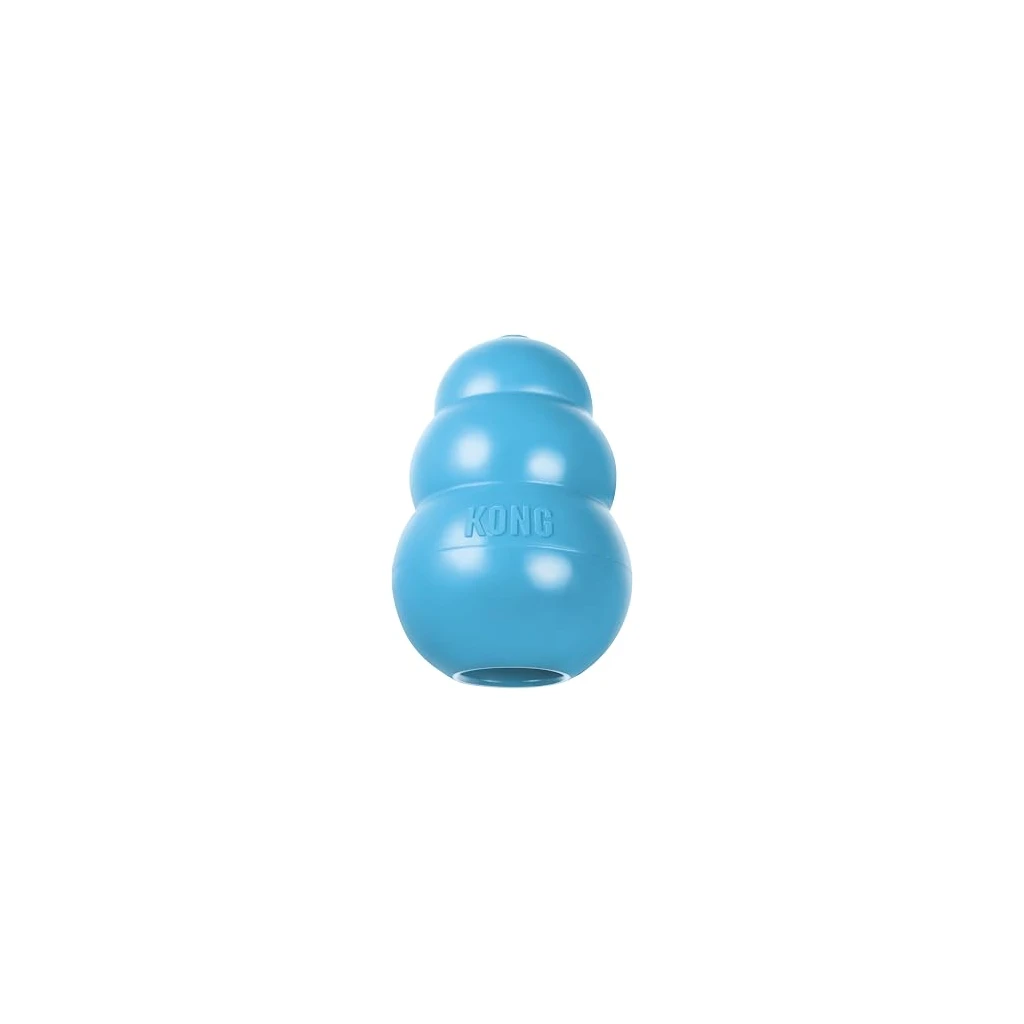
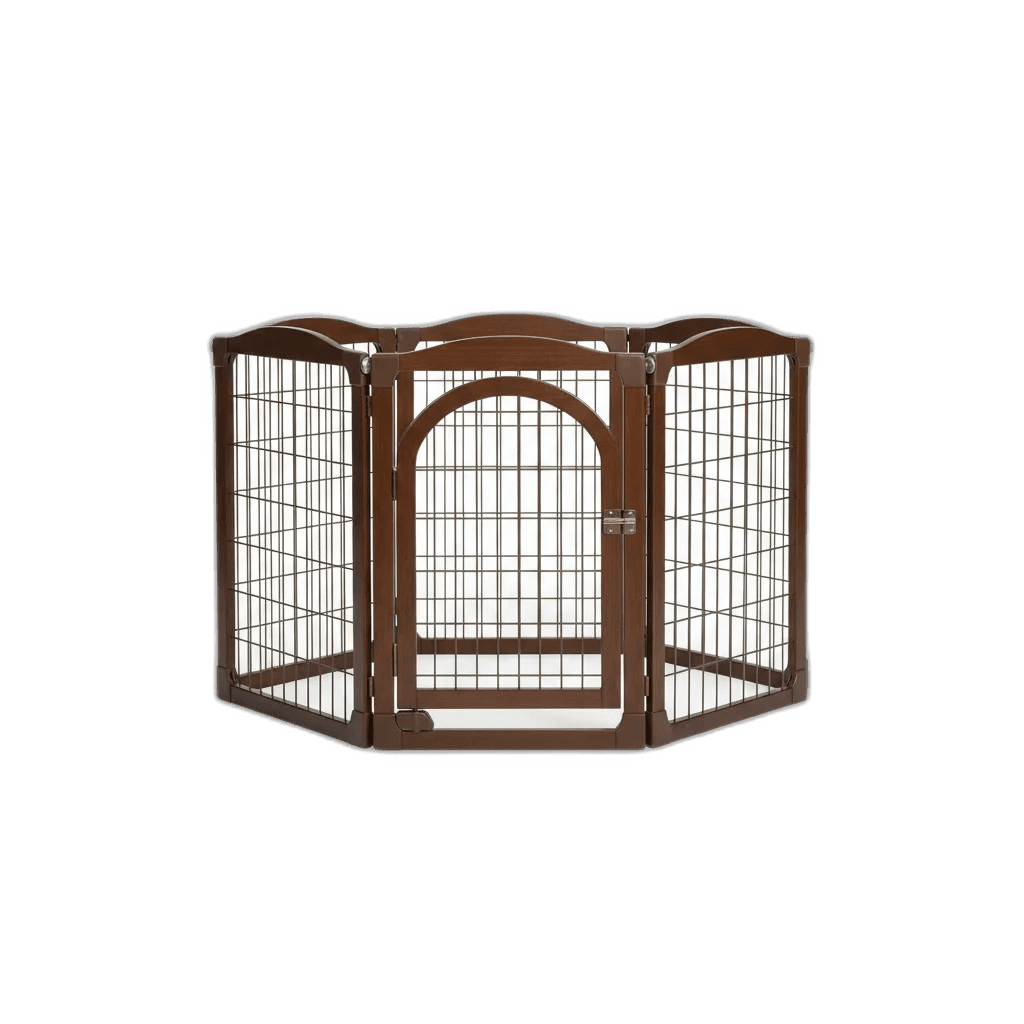
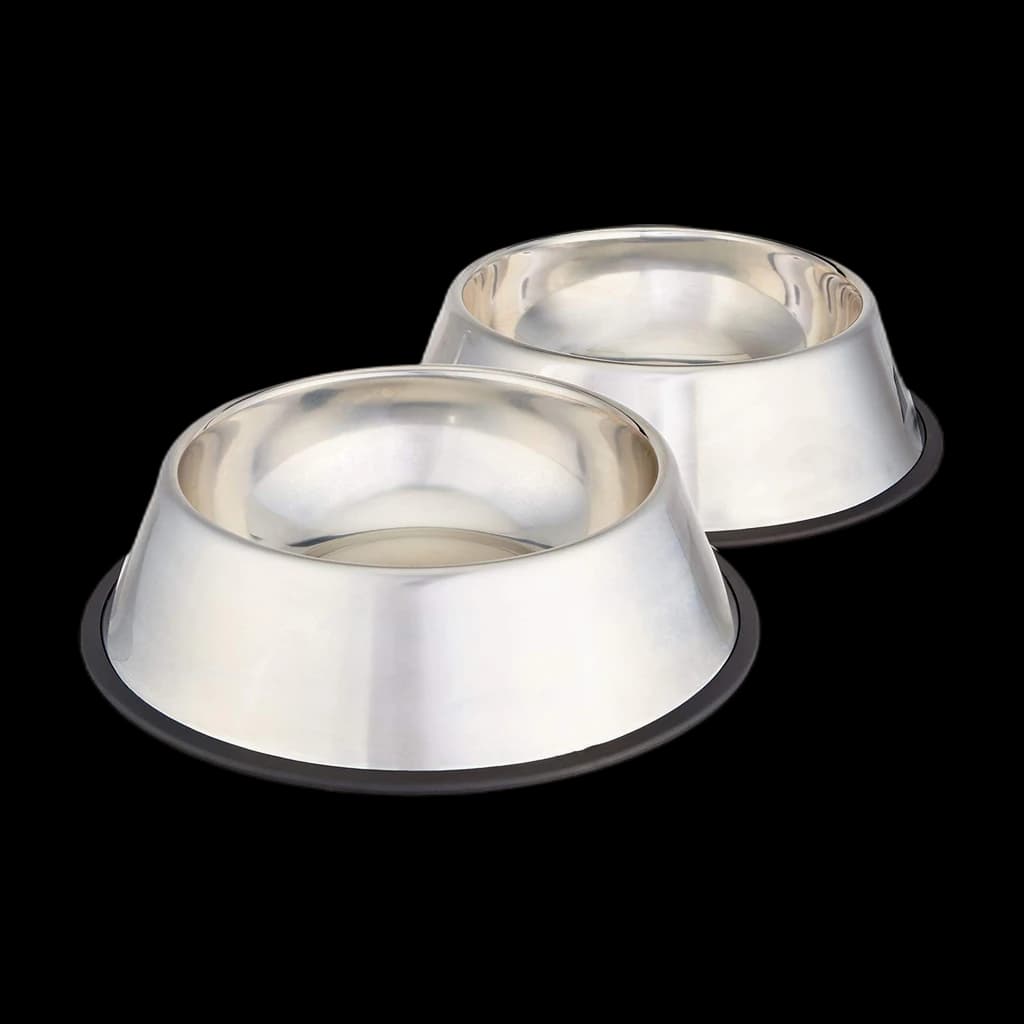
Before the puppy arrives, buy only these
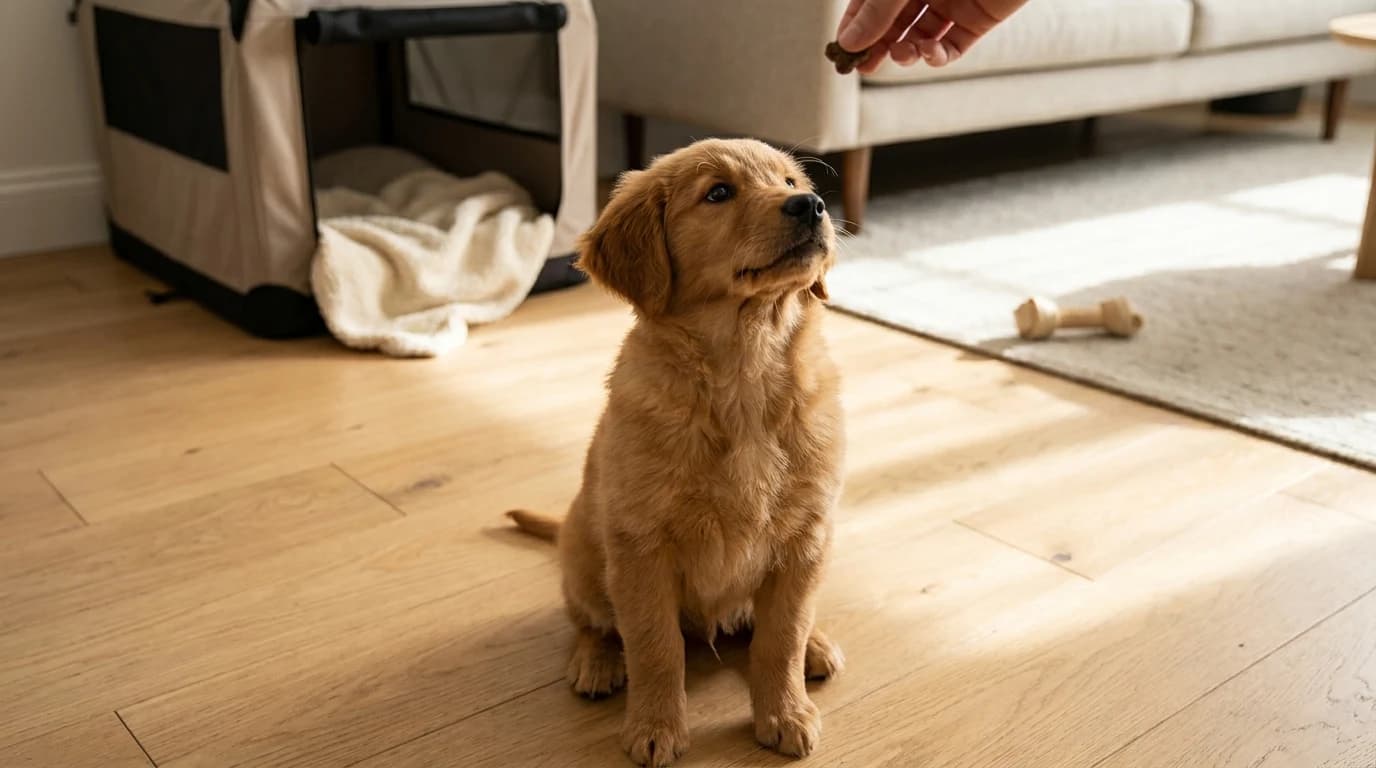
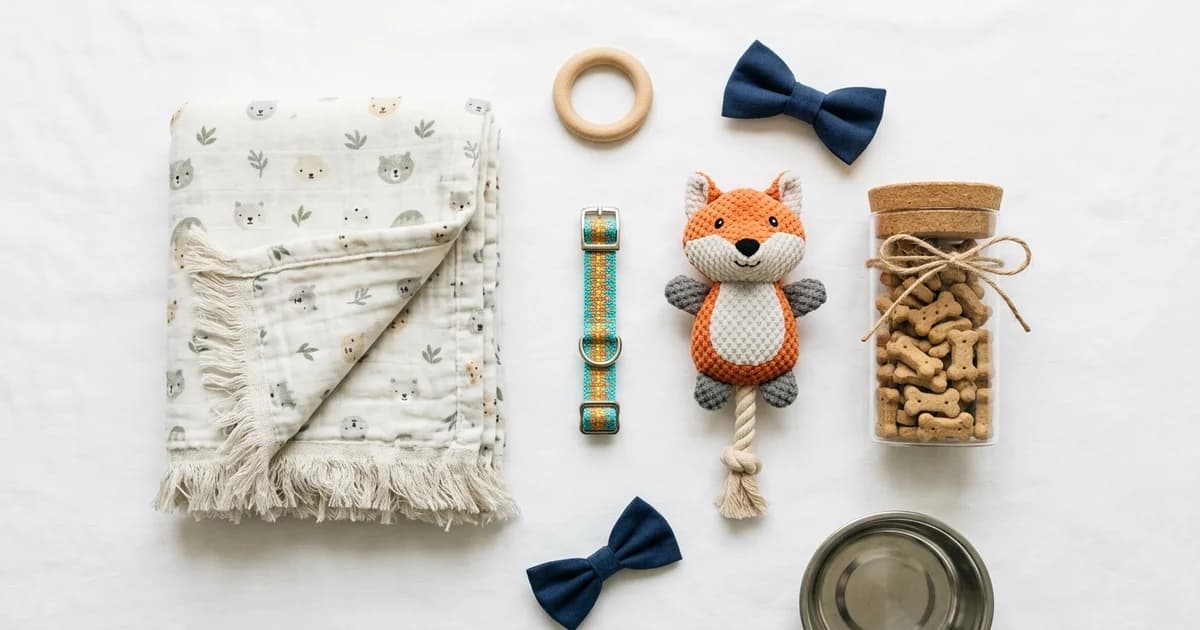
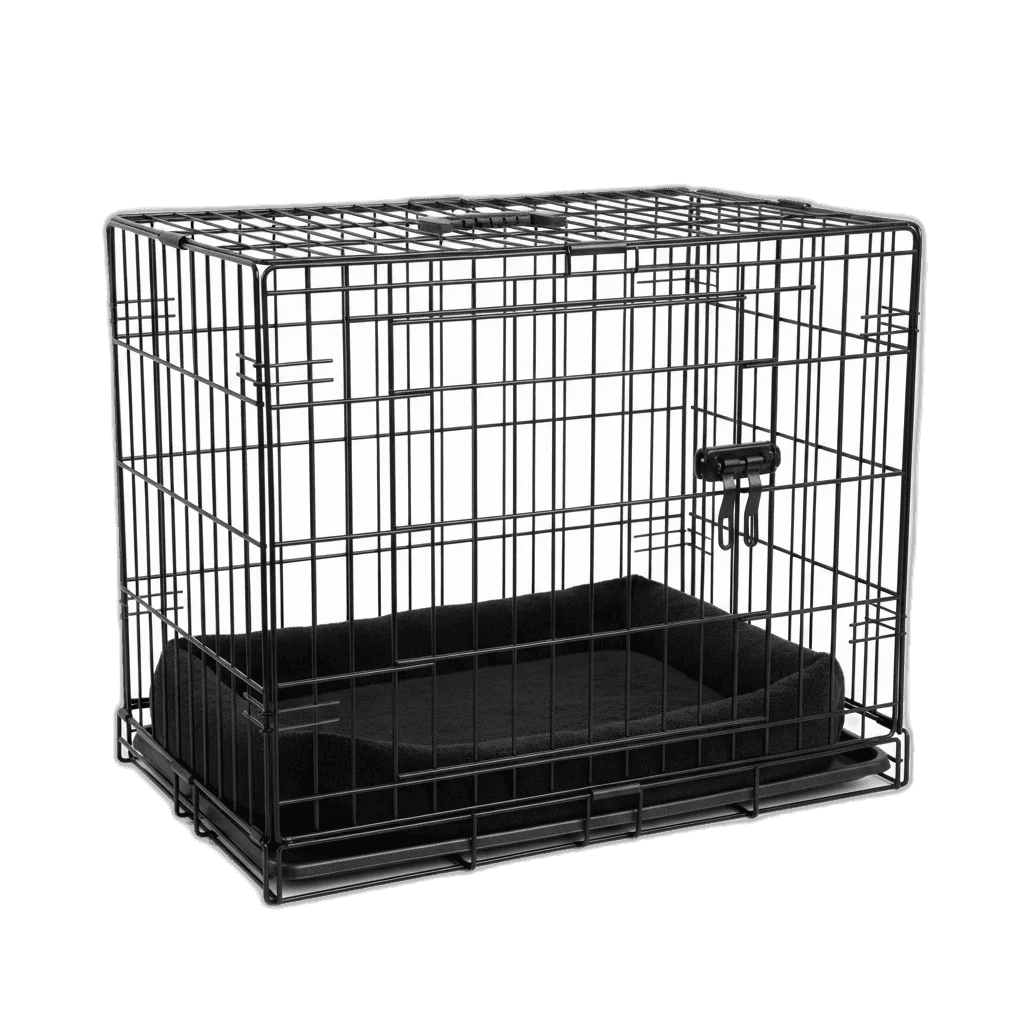
- Crate — MidWest iCrate double-door with divider, sized to adult weight. Use the divider to adjust as puppy grows.
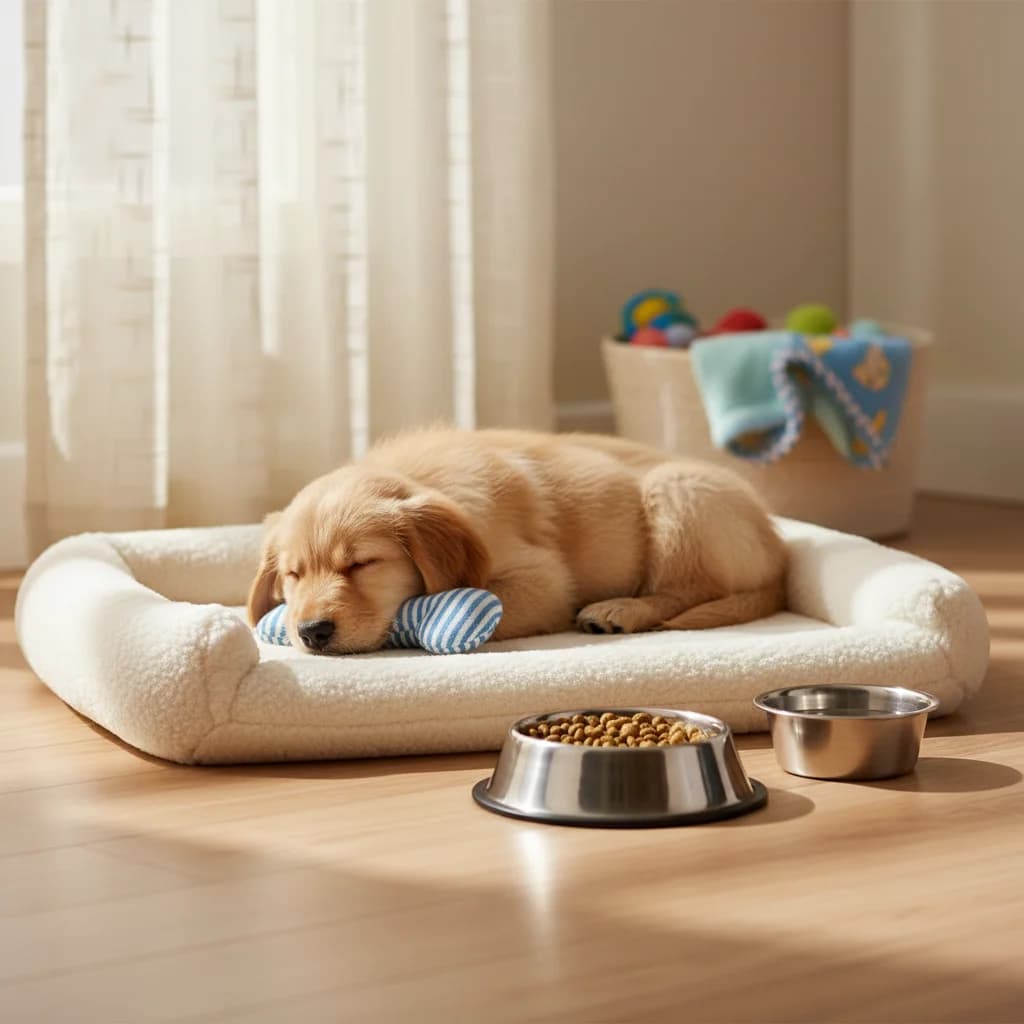
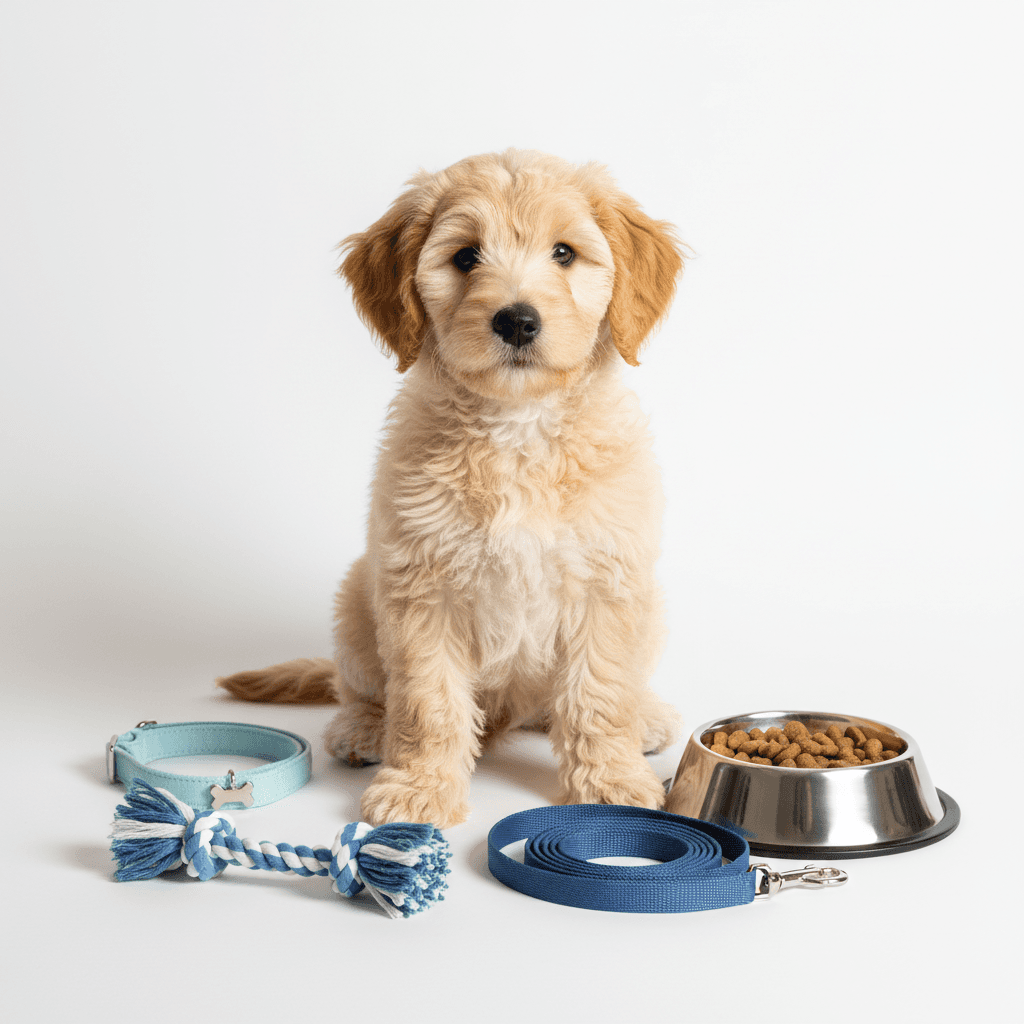
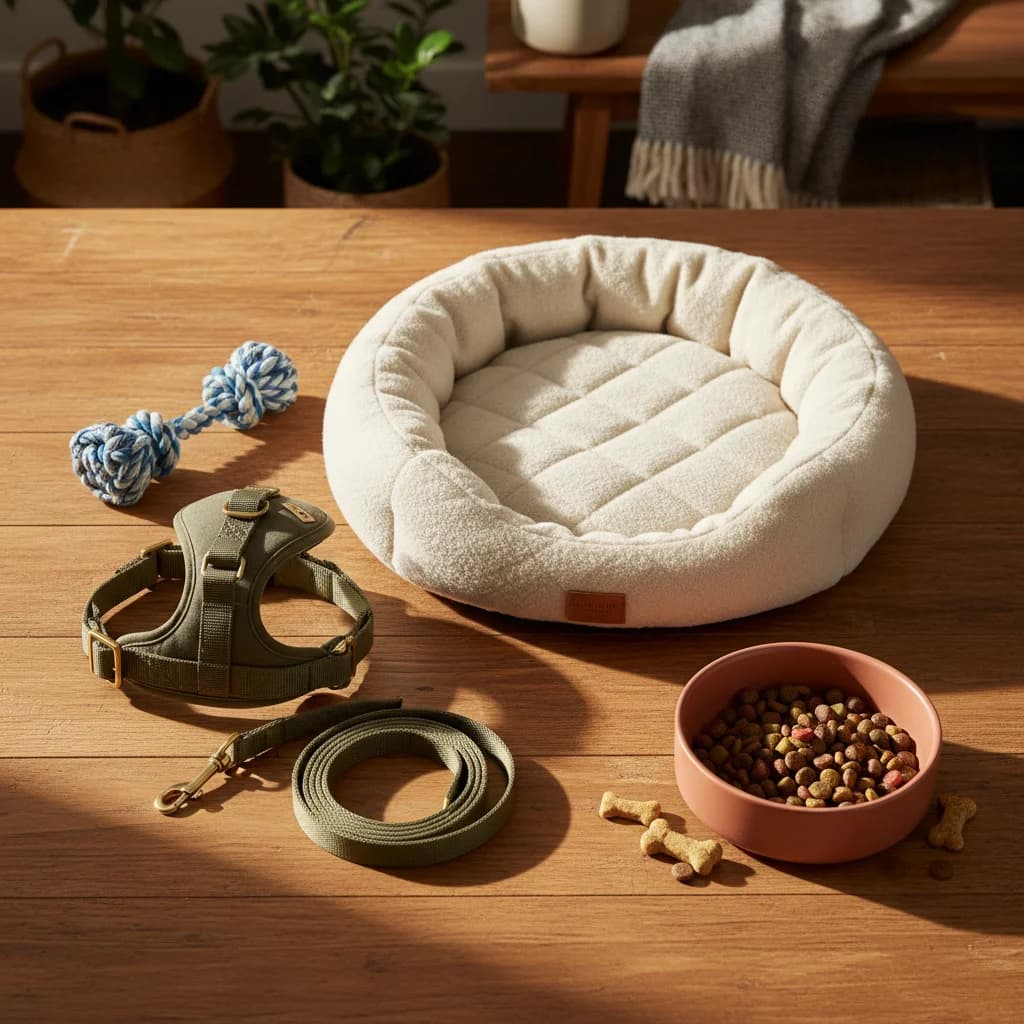
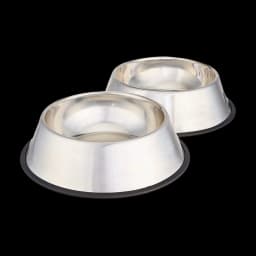
- Stainless steel bowls — two (food + water). No plastic — it scratches, harbors bacteria, causes puppy acne.
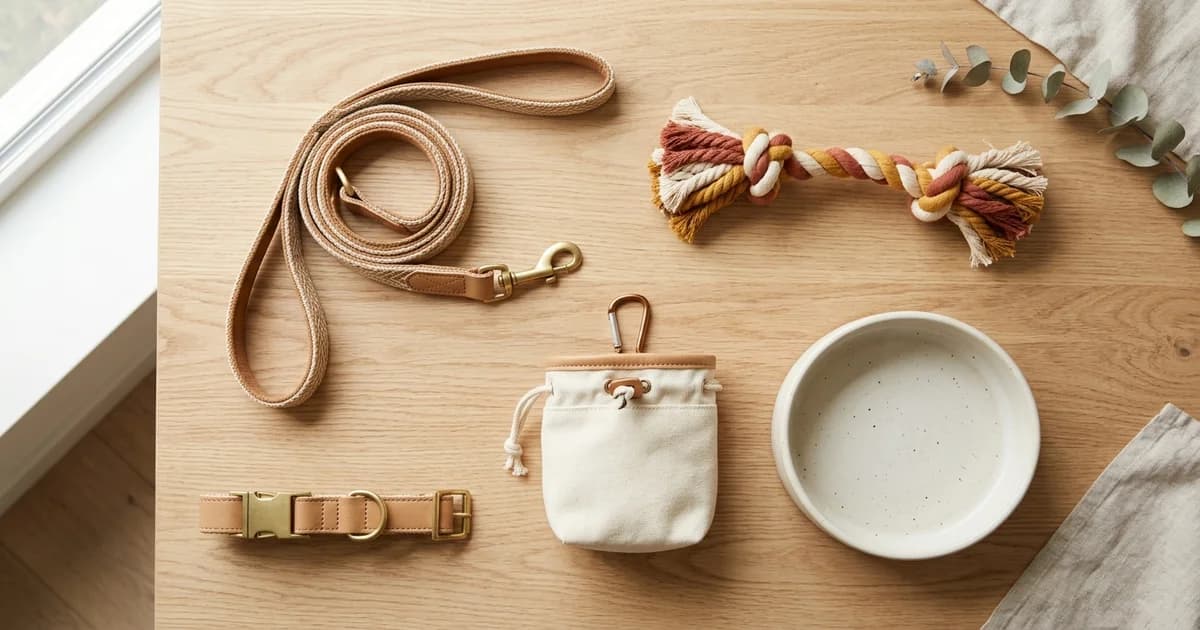
- 6-foot flat leash — no retractables ever.
- Collar with ID tag — flat collar, adjustable, knowing you'll replace it in 2–4 months.
- Harness — fit on arrival, not ordered blind. Puppy chest girth changes weekly.
- Enzymatic cleaner — Rocco & Roxie or Nature's Miracle. For the accidents that will happen.
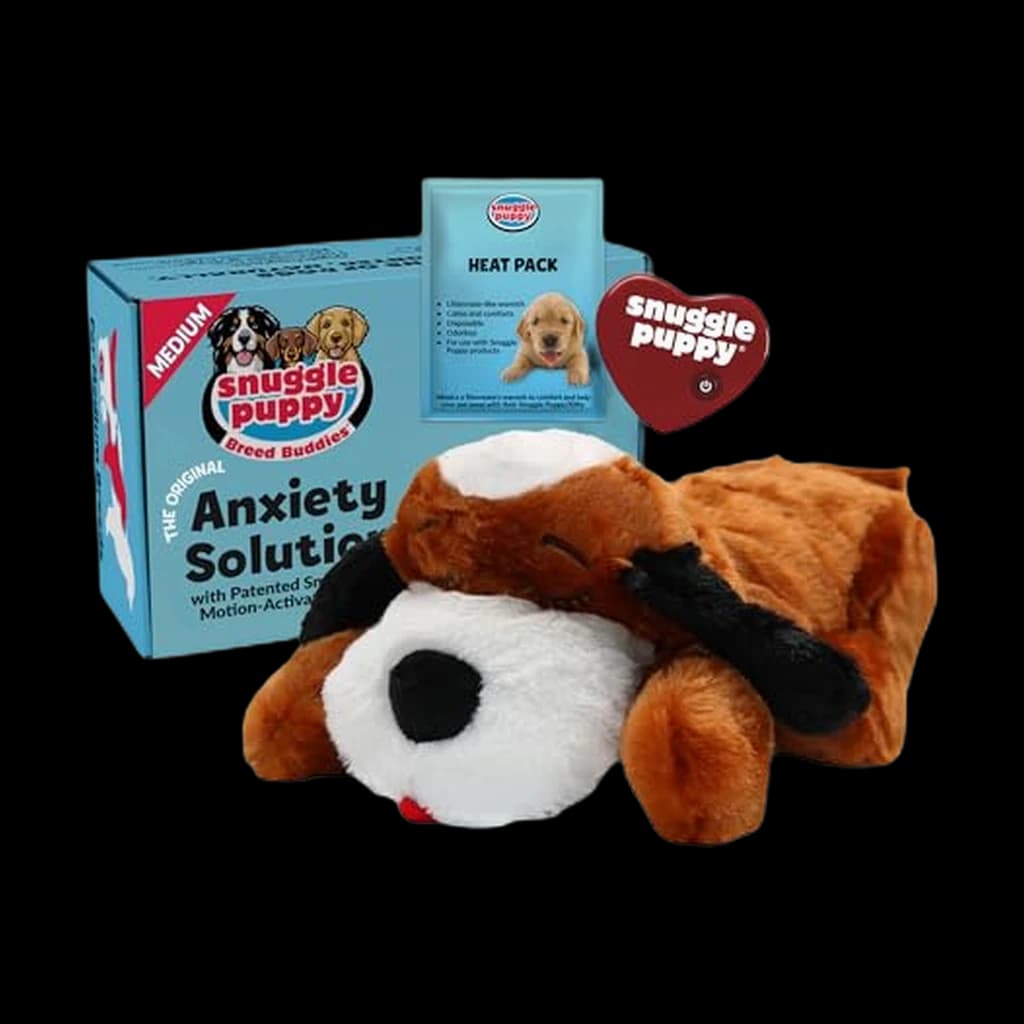
- Snuggle Puppy — for the first 2–3 nights adjusting to no-littermates.
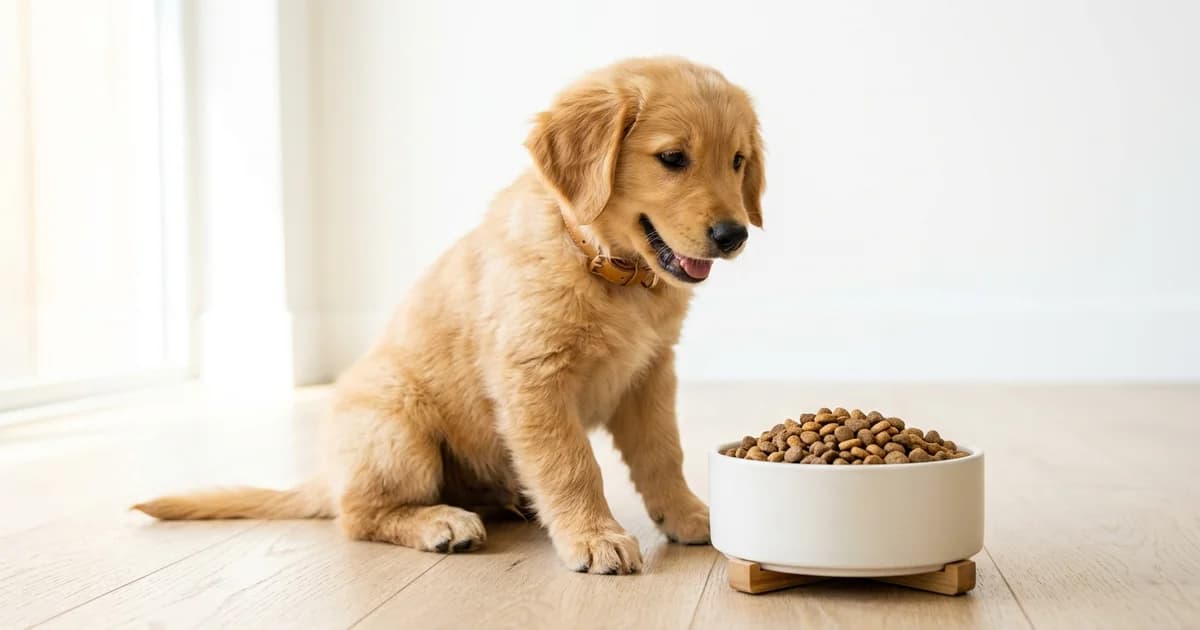
- Two weeks of the breeder's / shelter's current food — transition over 7–10 days, never day one.
That's it. Everything else is wait-and-see.
Enforced naps are the single biggest behavior lever
Puppies need 18–20 hours of sleep. 'Crazy puppy' behavior is almost always overtired puppy behavior. Schedule enforced crate naps every 1–2 hours of awake time, regardless of whether the puppy acts tired. This is the cheapest, highest-impact intervention in early puppyhood.
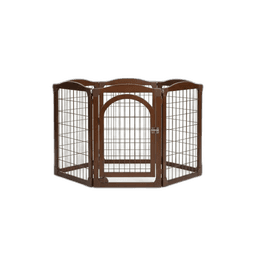
Crate and playpen — not either/or
- Crate = sleeping and alone-time training.
- Playpen / exercise pen = contained awake time when you can't watch directly.
They serve different purposes. Most new owners try to make one do both and end up with an under-contained puppy and a failed crate-training foundation.
Chew toys by chewer intensity
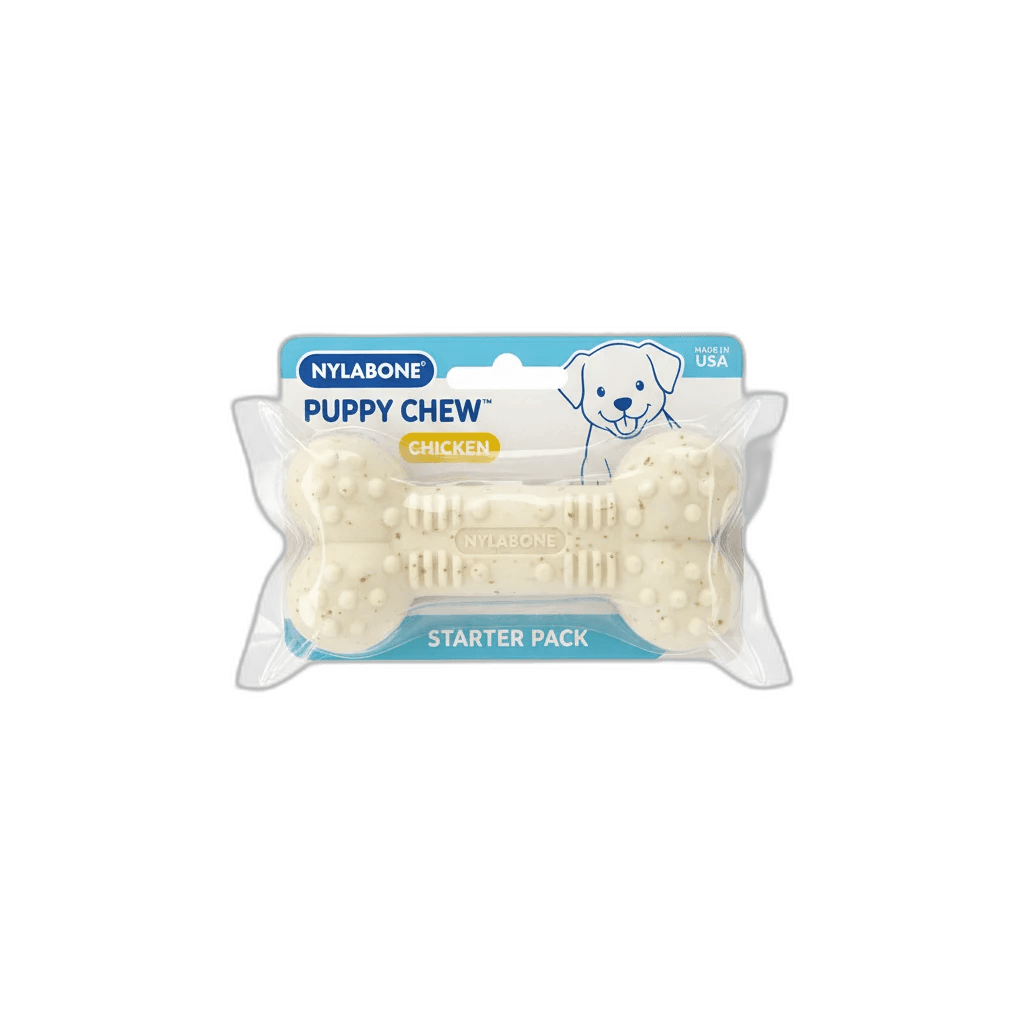
- Soft chewers — Nylabone puppy range, rubber KONG (small/medium).
- Medium chewers — KONG Classic, Benebone, West Paw Zogoflex.
- Power chewers — KONG Extreme, Nylabone DuraChew, yak cheese chews. Nothing plush, nothing rawhide.
Always supervise new chews for the first session. If a piece comes off in a single session, it's wrong for this dog.
Food — transition, not cold-turkey
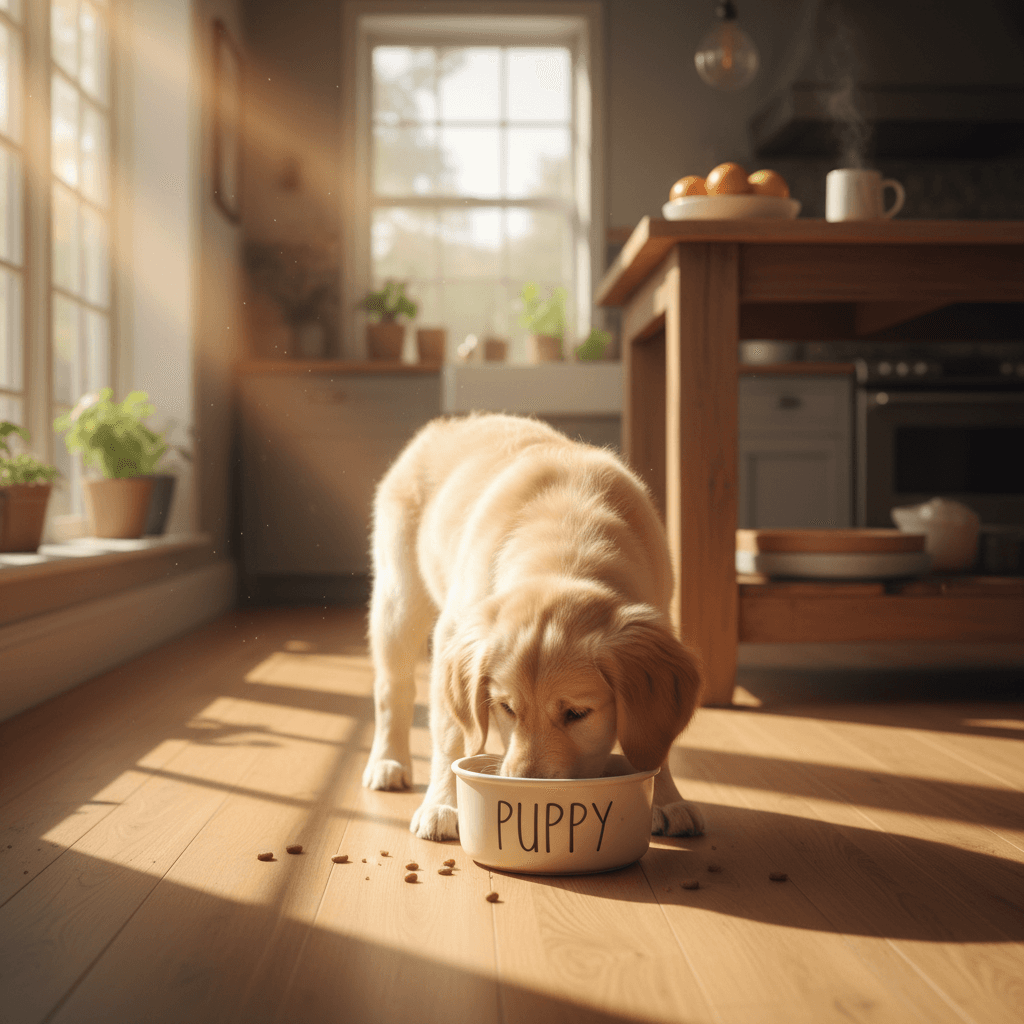
Always transition over 7–10 days. GI upset on top of rehoming stress is miserable for everyone. Stick with breeder / shelter food for 2 weeks, then gradually transition to whatever adult food you've chosen (WSAVA-compliant — see the dog-food buying guide).
Puppy blues is real
If you hit week 2 thinking 'I made a mistake,' you haven't. This phase has its own subreddit — r/Puppyblues — and it passes around week 10–16. Common triggers: sleep deprivation, overwhelm at the amount of management needed, grief for the pre-puppy quiet. All of it is temporary.
What to skip (but everyone buys)
- Puppy training pads (teach indoor elimination).
- Fancy engraved name tags before adult size is set.
- Plush toys marketed as 'indestructible.'
- Puppy 'starter kits' on Amazon.
- Cute coats and costumes.
- Clippers — wait until groom schedule is established and adult coat comes in.