The single most useful question to ask
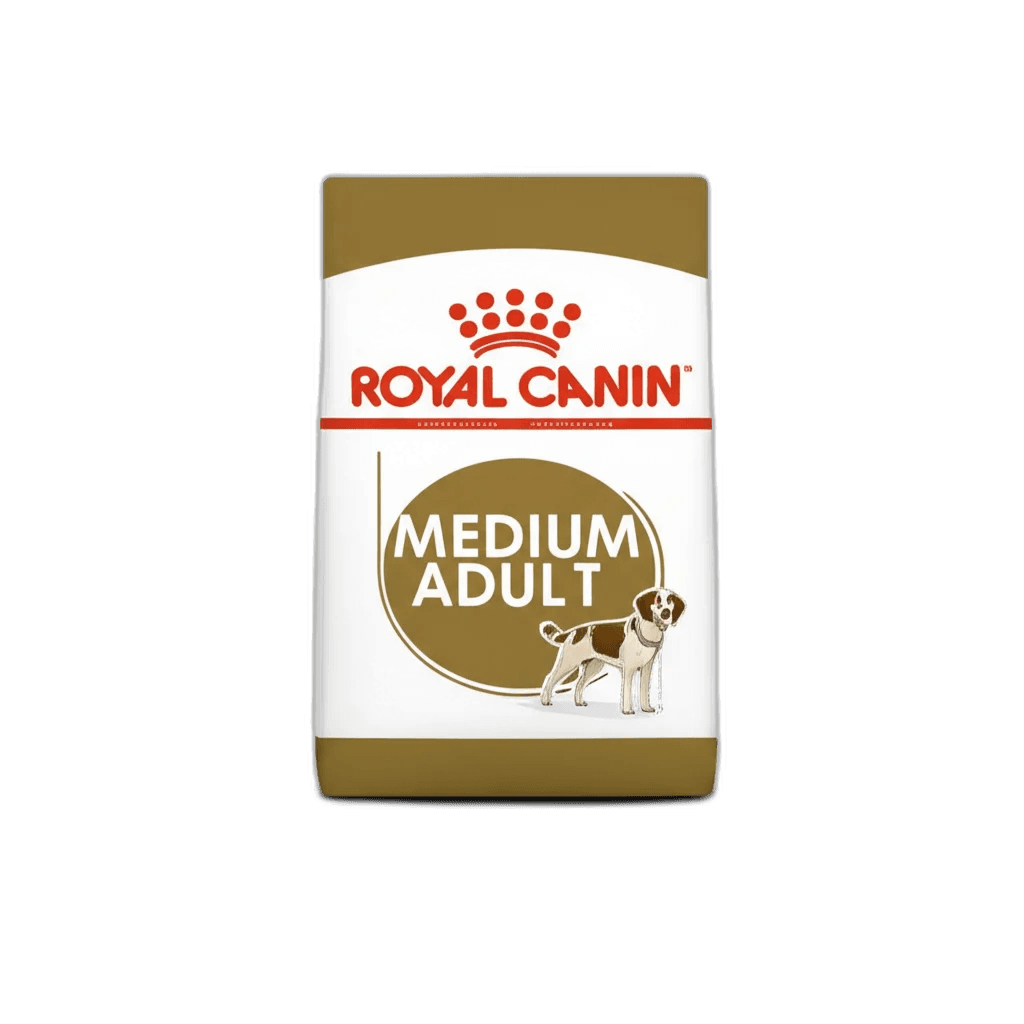
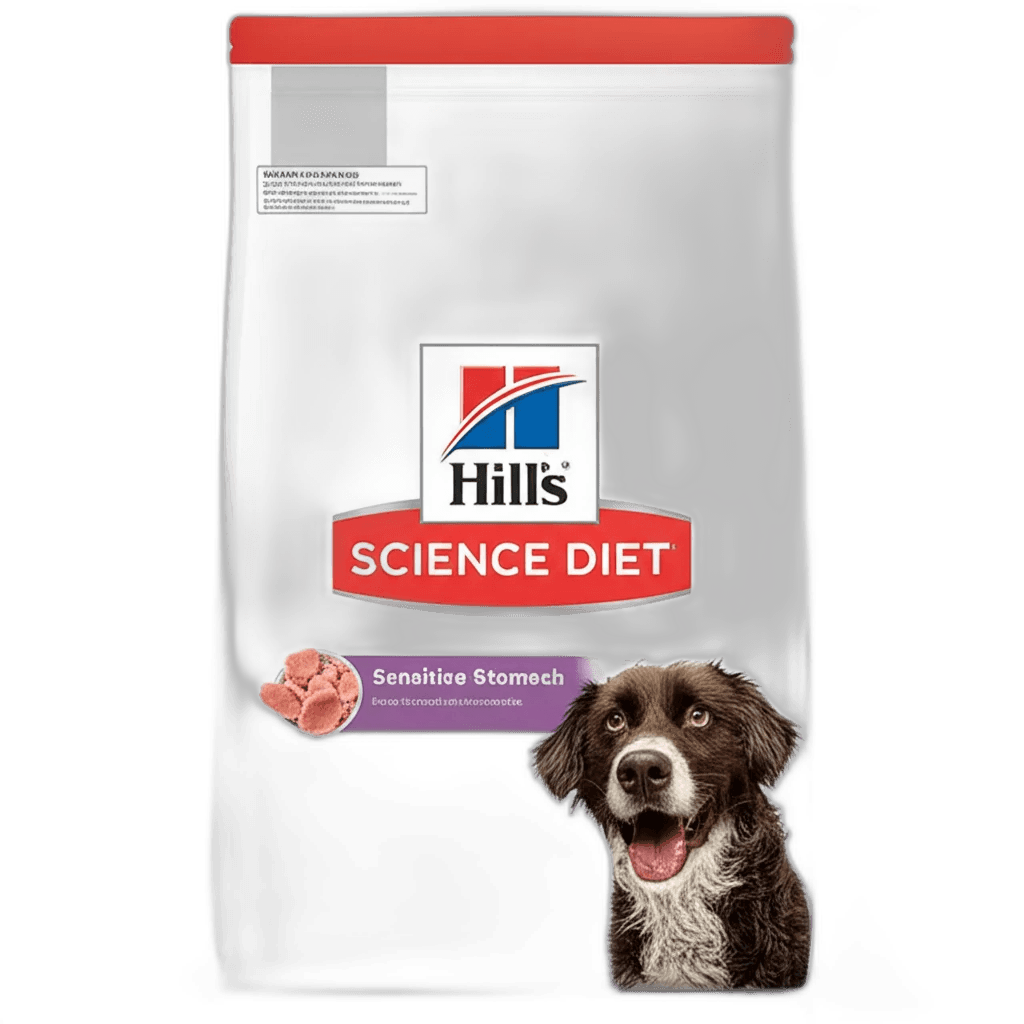
Is the brand WSAVA-compliant? WSAVA (the World Small Animal Veterinary Association) publishes guidelines for assessing pet food companies. The key criteria are whether the company employs a full-time board-certified veterinary nutritionist, runs AAFCO feeding trials (not just meets AAFCO nutrient profiles on paper), and publishes peer-reviewed research. Five brands meet this bar in the US: Purina, Royal Canin, Hill's, Eukanuba, and Iams. Everything else is marketing until proven otherwise.
Match the food to the life stage
- Puppy — needs "all life stages" or a puppy-specific formula. Large-breed puppies (expected adult weight 50+ lbs) need large-breed puppy food specifically — controlled calcium and calorie density to prevent orthopedic issues.
- Adult — any AAFCO-complete adult maintenance formula from a WSAVA-compliant brand.
- Senior — 'senior' formulas are marketing more than medicine. A high-quality adult food with slightly reduced calories often works better. Talk to your vet.
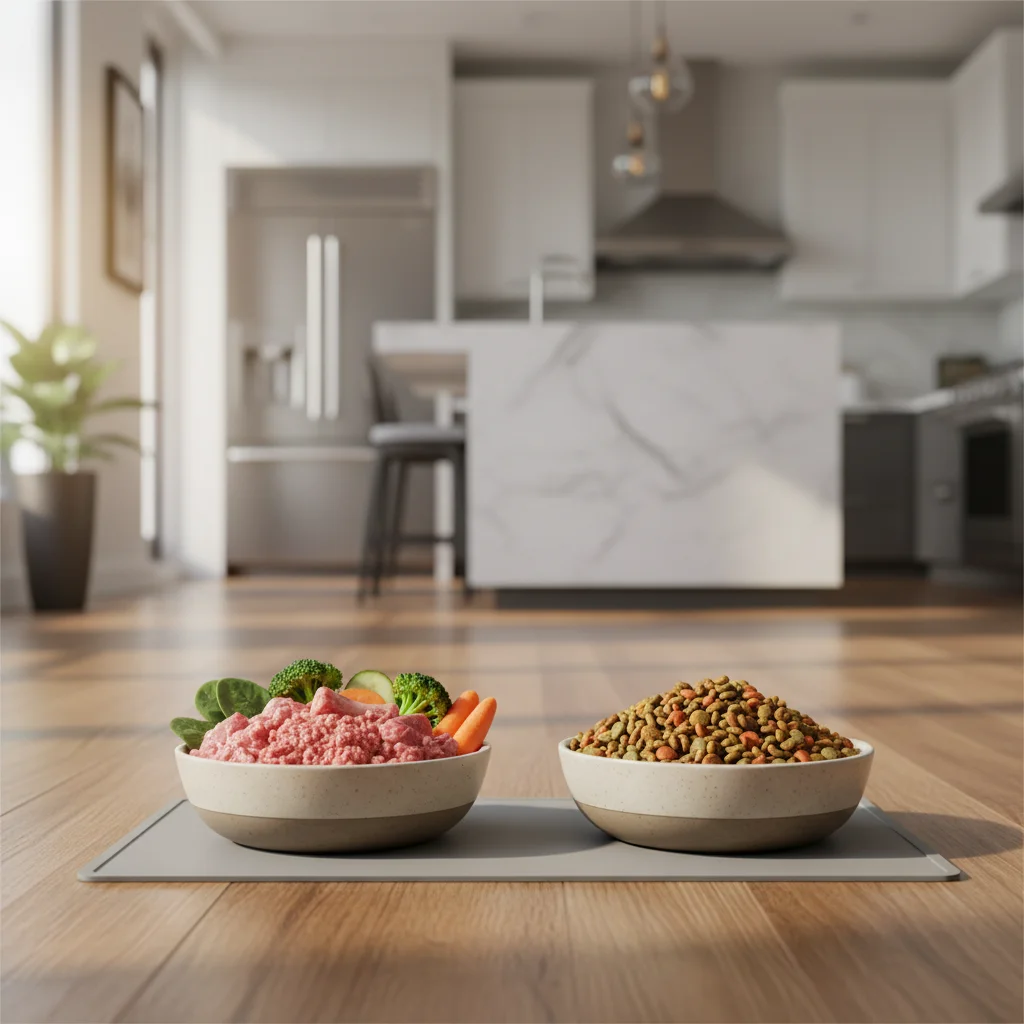
Kibble vs wet vs fresh vs raw
- Kibble — cost-effective, convenient, nutritionally complete. What most dogs eat and do well on.
- Wet / canned — higher moisture and palatability, useful for older dogs or finicky eaters. Costs more per calorie.
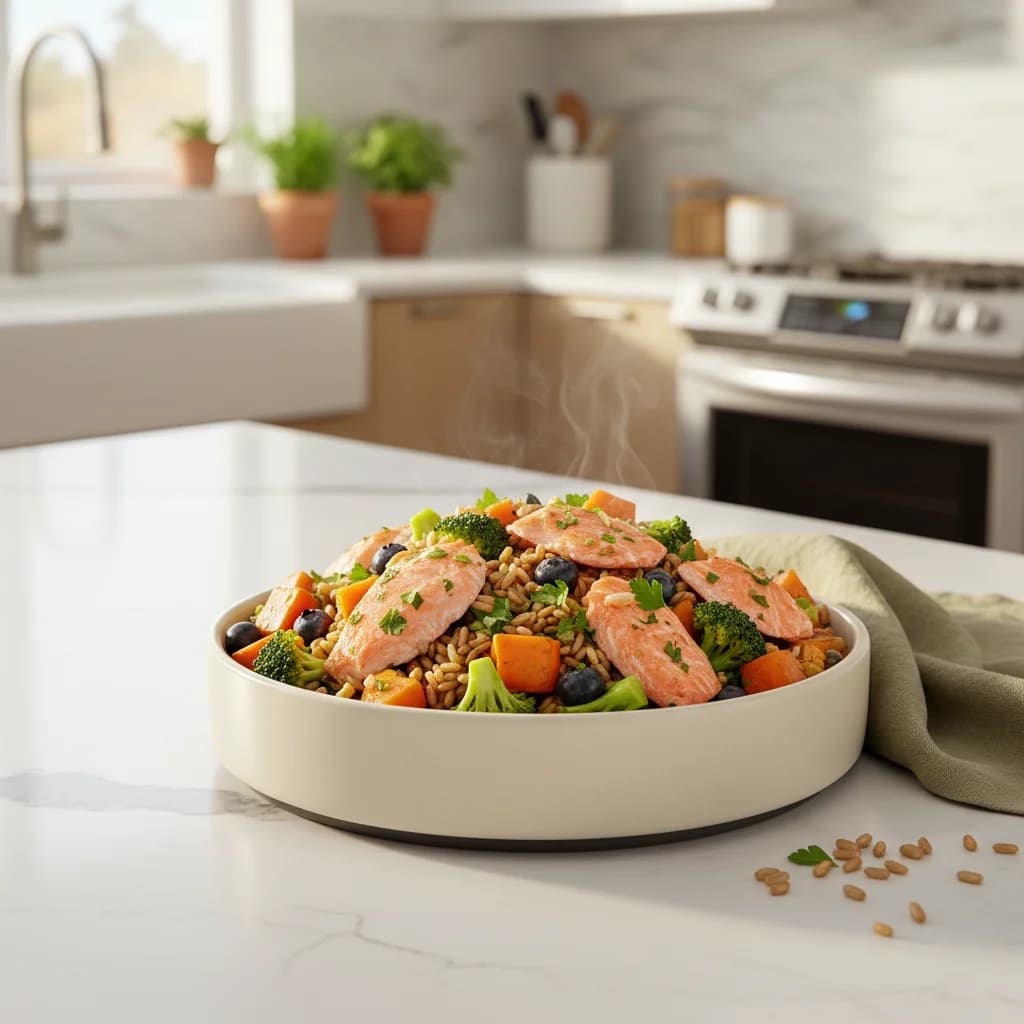
- Fresh (subscription) — legitimate palatability and stool-quality advantages. The Farmer's Dog is the most-defended brand. Budget for ~$3–6/day for a medium dog.
- Raw — significant food-safety risks for households with kids, immunocompromised family members, or co-sleeping pets. If you go this route, go commercial (frozen, HPP-treated) not home-prepared, and read the FDA's position.
Grain-free: a quick word
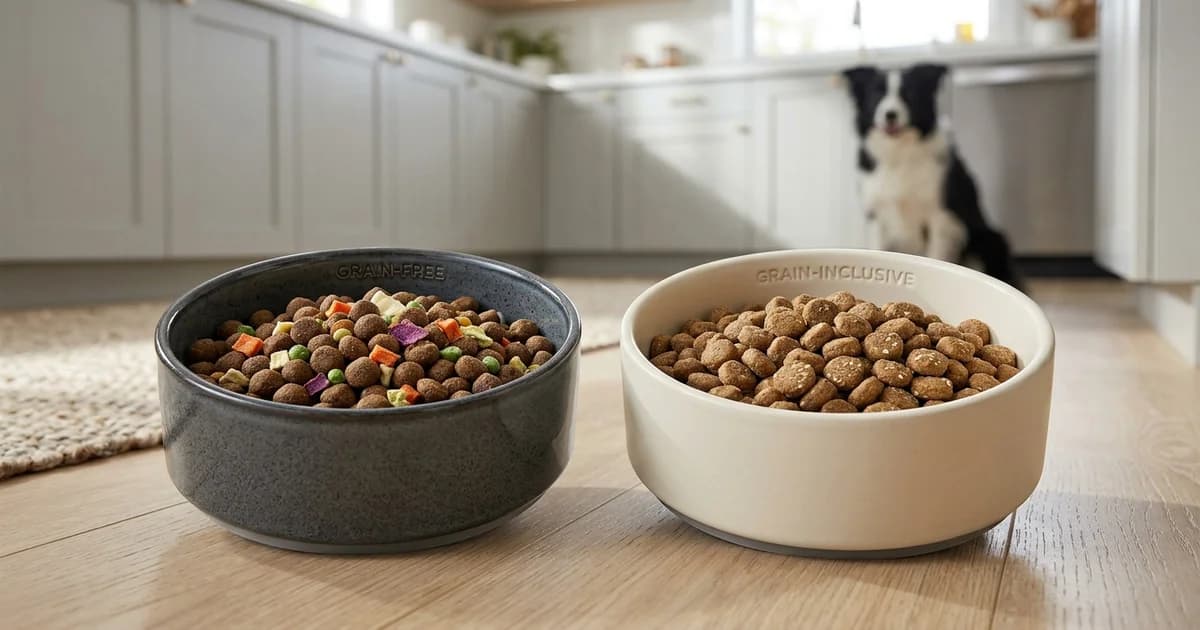
The 2019 FDA alert about grain-free diets and canine DCM is not resolved. Pea, lentil, potato, and legume-heavy formulas remain under study. Unless your dog has a diagnosed grain allergy (rare — most food allergies are to proteins), there's no health benefit to grain-free and a real open question about harm.
What to skip
- Boutique grain-free without WSAVA compliance. Marketing-first, research-last.
- "Human-grade" claims without context. This is a regulatory term about manufacturing, not nutrition. It doesn't mean the food is better for the dog.
- Prescription food sold without a prescription. If your dog needs a medical diet, that's a vet conversation.
Switching foods safely
Always transition over 7–10 days — 25% new / 75% old for 3 days, then 50/50, then 75/25, then 100%. Switching on rehoming stress (new puppy, new household) is a common cause of GI upset. Stick with what the breeder/shelter was feeding for the first 2 weeks.