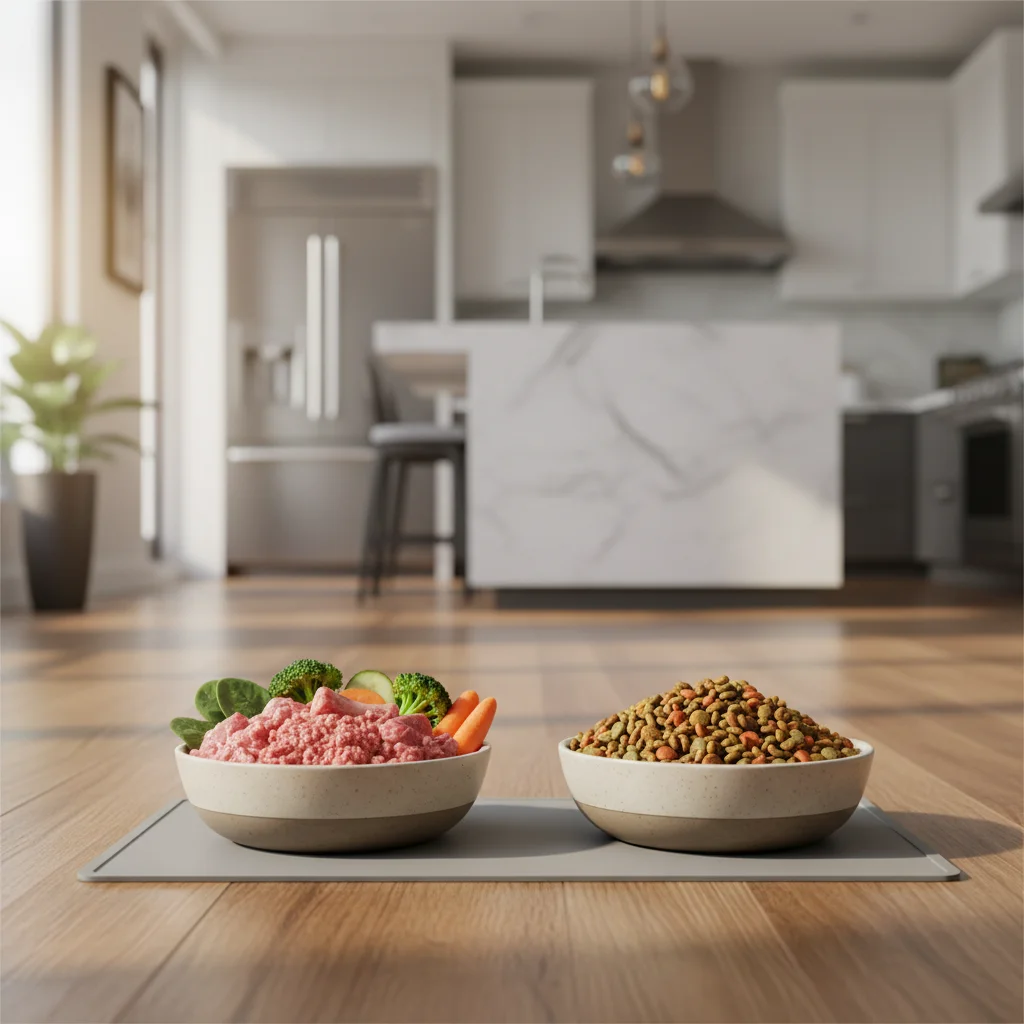
Best Puppy Food for Dogs Under 1 Year (2026): 5 Picks by Breed Size
Purina Pro Plan Puppy is the best puppy food for most puppies, with a vet-recommended recipe, DHA for brain development and real chicken as the first ingredient. Large-breed puppies should move to a large-breed formula such as Eukanuba Large Breed Puppy, and Iams ProActive Health Smart Puppy is the budget choice.
Our #1 Pick
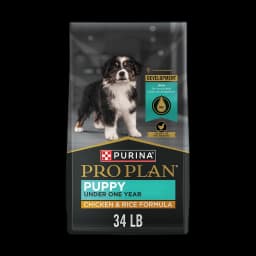
- DHA from fish oil for brain and vision development, per the maker
- Chicken first, with calcium for growing bones and teeth
- The lowest price per pound of the puppy foods here, in the 34 lb bag
Vet-recommended with DHA for brain development and real chicken first ingredient.
Our analysis of 482 buyer mentions on Purina Pro Plan Puppy: buyers consistently praised effectiveness, nutritional content, ingredients, with some flagging stomach irritation.
Also Great
Small Breed: Royal Canin Small Puppy ($79.99) — Tiny kibble and calorie-dense formula for fast metabolisms
On this page13 sections
Our Verdict
Purina Pro Plan Puppy is the best overall puppy food — vet-recommended, feeding-trial validated, and available in breed-size-specific formulas. Large breed puppies must use a large-breed-specific formula to prevent skeletal issues.
Purina Pro Plan Puppy Owner rating4.7 Best overall | Royal Canin Small Puppy Owner rating4.8 Best premium | Hill's Science Diet Puppy Owner rating4.7 Best for sensitive puppies | Iams ProActive Health Smart Puppy Owner rating4.7 Best budget | Eukanuba Large Breed Puppy Owner rating4.7 Best for large breed puppies | |
|---|---|---|---|---|---|
| Price | $74.98Buy on Amazon | $79.99Buy on Amazon | $50.99Buy on Amazon | $29.97Buy on Amazon | $74.99Buy on Amazon |
| Buyer sentiment | Effectiveness Nutritional Content Ingredients Coat Appearance Stomach Irritation Buyers praise effectiveness, nutritional content, ingredients and coat appearance. Mixed feedback on taste and palatability. Some flag stomach irritation. Based on 482 user mentions | Quality Value for money Nutrition Taste Buyers praise quality, value for money, nutrition and taste. Based on 648 user mentions | Nutritional Content Nutritional Benefits Pet Approved Taste Digestive Issues Buyers praise nutritional content, nutritional benefits, pet approved and taste. Mixed feedback on value for money and digestibility. Some flag digestive issues. Based on 142 user mentions | Quality Value for money Digestibility Nutritional value Digestive effects Buyers praise quality, value for money, digestibility and nutritional value. Some flag digestive effects. Based on 210 user mentions | Quality Value for money Healthiness Appearance Buyers praise quality, value for money, healthiness and appearance. Based on 299 user mentions |
| Pros |
|
|
|
|
|
| Cons |
|
|
|
|
|
| Type | Dry Kibble | Dry Kibble | Dry Kibble | Dry Kibble | Dry Kibble |
| AAFCO Approved | Yes | Yes | Yes | Yes | Yes |
* Prices are approximate and may vary. Please check the latest price on Amazon.
Puppy formula nutrient profile and AAFCO statement
Macronutrient profile, large-breed growth statement, and quality markers — the specs WSAVA and Tufts recommend evaluating before choosing a puppy food.
| Product | Protein (min) | Fat (min) | AAFCO Statement | Suitable for Large-Breed Puppies | First Ingredient |
|---|---|---|---|---|---|
| Purina Pro Plan Puppy | 28% | 18% | Feeding trials — growth | Large-breed variant available (Chicken & Rice Large Breed Puppy) | Chicken |
| Royal Canin Puppy | 28% | 16% | Nutrient profile — growth | Yes — separate Maxi Puppy formula | Chicken by-product meal |
| Hill's Science Diet Puppy | 27% | 16% | Feeding trials — growth | Yes — separate Large Breed Puppy formula | Chicken meal |
| Iams ProActive Health Smart Puppy | 27% | 14% | Nutrient profile — growth | Separate Large Breed Puppy variant available | Chicken |
| Eukanuba Large Breed Puppy | 26% | 14% | Feeding trials — growth (large-size dogs) | Yes (formulated specifically for large-breed growth) | Chicken |
Nutrient profiles from manufacturer Guaranteed Analysis panels. Confirm the bag in your hand carries the AAFCO 'growth of large-size dogs' statement for any puppy expected to exceed 70 lbs at maturity.

How PawBench is paid: we earn an Amazon Associates commission on qualifying purchases. We don’t accept sponsored placements, paid reviews, or free products in exchange for coverage. Picks are ranked on documented owner outcomes and primary-source research, never on commission rate. Read the full methodology.
The food you choose for your puppy's first year has outsized impact on their lifelong health. Proper nutrition during this rapid growth period shapes bone density, muscle development, immune function, and even cognitive ability. Get it wrong, and you're setting up expensive health problems down the road. Get it right, and you're building the foundation for a long, healthy life.
We research rather than test: the picks below are compared on ingredient panels, AAFCO growth statements and published feeding-trial claims. Here's what puppies actually need, and which foods deliver it.
What to Look For in Puppy Food
AAFCO growth statement is mandatory. Every puppy food must carry an AAFCO nutritional adequacy statement confirming it meets the nutrient profiles for growth, or (even better) has been validated through feeding trials. No statement? Don't buy it.
Size-specific formulas matter. This is critical: large breed puppies (expected adult weight over 55 lbs; our puppy weight predictor estimates it) need food with controlled calcium and phosphorus to prevent developmental orthopedic disease. Standard puppy food has too much calcium for large breeds. Always match the formula to your puppy's expected adult size.
DHA is the omega-3 worth checking for. DHA (docosahexaenoic acid), usually from fish oil, is the fatty acid behind most "brain development" claims. The best-known evidence is a Hill's-funded study of 48 Beagle puppies fed low-, moderate- or high-DHA food to one year: the high-DHA group did better on learning, memory and psychomotor tasks and had stronger vaccine responses. Worth knowing: the high-DHA food also carried more vitamin E, taurine, choline and carnitine, so DHA can't take all the credit.
How to read omega-3s on the bag. Since AAFCO's 2016 profile revision, the growth profile sets a minimum for EPA and DHA combined, so a growth food should supply some. A food making a DHA claim has to guarantee it: Purina Pro Plan Puppy Chicken & Rice, for example, lists DHA at a minimum of 0.1% in its guaranteed analysis. A vaguer "omega-3 fatty acids*" line with an asterisk is a group total, not a DHA figure. A bag that says "with fish oil" but guarantees neither is not promising an amount.
Named protein first. The first ingredient should be a named animal protein — chicken, lamb, salmon. Not "meat by-products" or generic "animal meal."
Our Top Picks
#1 Best Overall: Purina Pro Plan Puppy ($74.98, 34 lb)
Buy on Amazon · $74.98 →The most veterinarian-recommended puppy food brand, and for good reason. Purina Pro Plan Puppy is validated through actual feeding trials (not just formula testing), includes live probiotics for digestive health, and provides DHA from omega-rich fish oil for brain and vision development.
Available in breed-size-specific formulas:
- Puppy (small and medium breeds)
- Large Breed Puppy (expected adult weight 55+ lbs)
- Focus Puppy Sensitive Skin & Stomach
Real chicken is the first ingredient, protein is 28%, and the calorie density is appropriate for growing puppies without encouraging excess weight gain.
Pros:
- Feeding-trial validated (gold standard)
- Live probiotics for digestive health
- DHA for brain and vision development
- Multiple breed-size formulas available
- Most affordable premium option
Cons:
- Contains some grain fillers
- Single primary protein (chicken)
- Not as palatable as some competitors for picky puppies
#2 Best Premium: Royal Canin Small Puppy ($79.99, 13 lb)
Buy on Amazon · $79.99 →Royal Canin offers the most extensive breed-size-specific puppy lineup, with formulas for small, medium, large, and giant breed puppies — plus breed-specific formulas for popular breeds like Golden Retrievers and German Shepherds.
The bag we link is Small Puppy, which Royal Canin makes for puppies headed to an adult weight of 9-22 lbs; for a bigger breed, buy the Medium, Large or Giant puppy formula instead. The kibble size and shape are calibrated for puppy jaw structures, and the L.I.P. protein system maximizes digestibility for developing digestive systems.
Pros:
- Most breed-size-specific options
- Kibble designed for puppy mouths
- Highly digestible proteins
- Excellent for picky puppies
Cons:
- Premium price point
- Contains some controversial ingredients (corn, by-products)
- No live probiotics
#3 Best for Sensitive Puppies: Hill's Science Diet Puppy ($50.99, 15.5 lb)
Buy on Amazon · $50.99 →Hill's Science Diet is the go-to for puppies with sensitive stomachs, food allergies, or digestive issues. The highly digestible protein blend is gentle on developing GI systems, and the DHA from fish oil supports brain development. Clinically validated and veterinary-recommended.
Pros:
- Clinically validated nutrition
- Excellent for sensitive stomachs
- DHA for cognitive development
- Natural fiber for digestive regularity
Cons:
- Lower protein than some competitors
- Higher price
- Less palatable for some puppies
#4 Best Budget: Iams ProActive Health Smart Puppy ($29.97, 15 lb)
Buy on Amazon · $29.97 →Iams delivers AAFCO-validated puppy nutrition at the most accessible price point. Real chicken is the first ingredient, DHA from fish oil supports brain development, and the formula includes tailored fiber for developing digestive systems. At about $2 a pound, it costs roughly a third as much per pound as the Royal Canin bag above.
Pros:
- Most affordable quality puppy food
- DHA included for brain development
- Named protein first ingredient
- Available at every retailer
Cons:
- Fewer specialized formulas
- Less research backing than Purina or Hill's
- Contains more fillers than premium options
#5 Best for Large Breed Puppies: Eukanuba Large Breed Puppy ($74.99, 33 lb)
Buy on Amazon · $74.99 →Eukanuba Large Breed Puppy specifically addresses the growth challenges of puppies that will exceed 55 lbs. Controlled calcium and phosphorus levels support proper skeletal development, and the glucosamine/chondroitin content starts joint protection early — critical for breeds prone to dysplasia.
Pros:
- Controlled minerals for large breed skeletal development
- Early glucosamine for joint protection
- DHA for brain development
- Feeding-trial validated
Cons:
- Only appropriate for large/giant breeds
- Moderate palatability
- Fewer flavor options
Puppy Feeding Schedule by Age
| Age | Meals Per Day | Notes |
|---|---|---|
| 8-12 weeks | 3-4 meals | Small, frequent meals to prevent hypoglycemia |
| 3-6 months | 3 meals | Growth accelerates; follow food label portions |
| 6-12 months | 2 meals | Transition from puppy to adult portions |
| 12+ months | 2 meals | Transition to adult food (15 months for large breeds) |
Portion tip: Follow the feeding guidelines on your puppy food bag as a starting point, then adjust based on body condition. You should be able to feel (not see) your puppy's ribs with light pressure. If ribs are visible, feed more. If you can't feel ribs at all, feed less. Your vet will assess body condition at each checkup.
What r/puppy101 keeps landing on
"What's the consensus on puppy food?" is one of the most repeated questions in r/puppy101, asked again in two threads the same week this summer (the other). Across those and older threads asking the same thing, the answers are paraphrased here, not quoted, and are a pattern of repetition rather than a counted vote:
- The same three or four brands come up. Purina Pro Plan, Royal Canin and Hill's are named again and again, with Eukanuba and Iams close behind. The reason given is almost always the same: the owner's vet recommended it, or the brand employs veterinary nutritionists and runs feeding trials. That is the WSAVA reasoning this guide uses too.
- Grain-free gets pushback. Owners regularly report a vet steering them off a grain-free puppy food over heart-disease concerns, which matches the FDA investigation covered in the FAQ below.
- Start on the food the puppy came home with. The most practical advice in these threads: keep the breeder's or shelter's food at first, and switch gradually if you switch at all.
- Large-breed puppies need the large-breed formula. Commenters flag "all life stages" foods for big puppies for the calcium reason explained above.
- Individual tolerance wins in the end. Plenty of owners report moving a puppy from a chicken recipe to a lamb or salmon formula, often a sensitive-skin-and-stomach version, after soft stool or itching. The consensus brand is a starting point, not a guarantee.
- Rating websites confuse people. Several threads ask why popular review sites score the vet-recommended brands low. The usual answer is that those sites grade ingredient lists, while vets weigh formulation expertise and feeding trials.
When to Switch from Puppy to Adult Food
- Small breeds (under 20 lbs adult): 9-12 months
- Medium breeds (20-55 lbs adult): 12 months
- Large breeds (55-100 lbs adult): 12-15 months
- Giant breeds (100+ lbs adult): 15-18 months
Transition gradually over 7-10 days: start with 25% new food / 75% puppy food, then 50/50, then 75/25, then 100% adult food. Abrupt switches cause digestive upset.
Common Puppy Feeding Mistakes
-
Feeding adult food to a puppy. Adult food doesn't have the calorie density, DHA, or calcium/phosphorus ratios that growing puppies need.
-
Feeding standard puppy food to large breed puppies. Excess calcium in standard puppy food can cause developmental orthopedic diseases in large breed puppies — skeletal deformities that may require surgery.
-
Free-feeding (leaving food out all day). This makes portion control impossible and can lead to obesity. Meal-feeding on a schedule is always better for puppies.
-
Supplementing with calcium. Unless directed by a vet, never add calcium supplements to a complete puppy food. The calcium levels are already calibrated, and excess calcium causes bone growth problems, especially in large breeds.
-
Switching foods frequently. Puppy digestive systems are sensitive. Constant food changes cause diarrhea and digestive upset. Pick a quality food and stick with it.
Frequently Asked Questions
How much should I feed my puppy?
Start with the feeding guidelines on your puppy food packaging — they're based on expected adult weight and current age. Adjust based on body condition: you should feel ribs with light pressure but not see them. Puppies grow rapidly, so reassess portions monthly. Your vet can provide specific guidance at each wellness visit based on your puppy's growth trajectory.
Is grain-free food safe for puppies?
The FDA has been investigating a potential link between grain-free diets and dilated cardiomyopathy (DCM). Most veterinary nutritionists recommend grain-inclusive puppy food unless your vet has diagnosed a specific grain allergy. Grains like rice, oats, and barley are safe, easily digestible, and provide important nutrients for growing puppies.
Can I feed my puppy raw food?
Most veterinary organizations advise against raw feeding for puppies due to bacterial contamination risks (Salmonella, Listeria) and the difficulty of achieving complete nutritional balance during the critical growth period. Puppies' immune systems are still developing, making them more vulnerable to foodborne pathogens. If you're interested in raw feeding, wait until your dog is fully grown and consult a veterinary nutritionist.
How do I know if my puppy's food is good enough?
Look for these signs of good nutrition: steady, appropriate weight gain; firm stools; high energy levels; bright eyes and shiny coat; and willingness to eat at mealtimes. Warning signs that the food isn't working: chronic diarrhea or soft stools, poor coat quality, lethargy, food refusal, or bloated appearance. Any persistent issues warrant a vet visit.
Should I add supplements to my puppy's food?
If you're feeding a complete and balanced AAFCO-validated puppy food, additional supplements are usually unnecessary and can be harmful. Over-supplementing calcium, for example, causes serious skeletal problems in large breed puppies. The only supplement most vets recommend for puppies is DHA — and most quality puppy foods already include it. Consult your vet before adding any supplements.
The Bottom Line
For most puppies, Purina Pro Plan Puppy provides the best combination of clinical validation, nutritional completeness, and value. For large breed puppies, use the Large Breed Puppy formula specifically — this is not optional. For sensitive stomachs, Hill's Science Diet Puppy is the clinical standard.
The first year of nutrition shapes your dog's lifelong health. Invest in a quality, AAFCO-validated puppy food, feed appropriate portions on a consistent schedule, and transition to adult food at the right time for your breed size.
🏆 Bottom Line: Choose a puppy food with an AAFCO nutritional adequacy statement for "growth" or "all life stages," from a manufacturer with full-time nutritionists and feeding trial history. For large-breed puppies specifically, controlled calcium and phosphorus levels during growth are as important as protein content.
What the research actually says
Tufts' Clinical Nutrition Service is unusually direct on puppy food selection: the single most important decision is matching calcium-to-phosphorus ratio to the puppy's expected adult size, not picking the food with the highest protein percentage. Large-breed puppies (expected adult weight over 50 lbs) require a controlled calcium range — AAFCO sets a maximum of 1.8% on a dry-matter basis for large-breed growth — because excess calcium during the rapid-growth phase is causally associated with developmental orthopedic disease including osteochondrosis and hip dysplasia.
The falsifiable contrarian close that most "best puppy food" lists get wrong: a food labeled "for all life stages" without the AAFCO large-breed growth statement is not appropriate for a Lab, Golden, or larger puppy. Tufts and WSAVA both emphasize this; Amazon-review consensus does not. The AAFCO label statement is the discriminator — "complete and balanced for growth including growth of large-size dogs" is the phrasing to look for, and it's absent from most premium boutique puppy foods that emphasize protein over the actual orthopedic-risk-controlling spec.
What to skip
- Adult formulas for puppies under 12 months. Even "all life stages" foods need the large-breed growth statement for puppies expected to exceed 70 lbs at maturity.
- Boutique brands without a full-time veterinary nutritionist on staff. WSAVA's selection criteria are explicit on this. If the brand's website doesn't name the formulator, that's a red flag at the puppy stage when nutritional precision matters most.
- Free-feeding past 4 months for any breed prone to bloat. Tufts recommends scheduled feeding for deep-chested breeds throughout life, beginning at the puppy stage.
- Switching foods at every social-media trend. Most chronic puppy GI complaints trace to too-frequent diet changes during the first year.
How to actually use this
- Confirm the AAFCO life-stage statement on the bag before you buy. "Growth" or "all life stages" with the large-breed addendum if your puppy will exceed 50 lbs adult.
- Feed measured meals on a schedule (3× daily under 4 months, 2× daily after).
- Body-condition score weekly. A growing puppy you can't feel the ribs on is overweight, regardless of what the bag says you should be feeding.
- Switch to adult food at 12 months for medium breeds, 18 months for giant breeds. Premature switch slows skeletal maturation; late switch promotes overweight conditioning.
Methodology disclaimer
Puppy food recommendations defer to WSAVA Global Nutrition Guidelines and AAFCO Selecting the Right Pet Food guidance. We do not run feeding trials. For puppies with diagnosed orthopedic risk factors (large-breed parentage with confirmed hip-laxity history), consult your veterinarian before relying on consumer-grade food selection alone. Full scoring methodology at /methodology.
Related Reading
- Dog Food — Our complete dog food rankings for all life stages
- Puppy Essentials — Everything you need for a new puppy
- Dog Health — Supplements and wellness for growing dogs
Research Sources
- What's the Best Food for Your New Puppy? — Tufts Clinical Nutrition Service, Cummings School of Veterinary Medicine, 2021
- Growth Guide: Keeping Your Puppy on the Right Track — Tufts Clinical Nutrition Service, Cummings School of Veterinary Medicine, 2022
- WSAVA Global Nutrition Guidelines — World Small Animal Veterinary Association, 2021
- Selecting the Right Pet Food — Association of American Feed Control Officials, 2024
- Confused About What to Feed Your Large Breed Puppy? — Tufts Clinical Nutrition Service, Cummings School of Veterinary Medicine, 2017
- Evaluation of cognitive learning, memory, psychomotor, immunologic, and retinal functions in healthy puppies fed foods fortified with DHA-rich fish oil (Zicker et al., JAVMA 2012) — Journal of the American Veterinary Medical Association
- Fatty acids: AAFCO Dog and Cat Food Nutrient Profiles (Dzanis, 2016) — Petfood Industry
- Pro Plan Puppy Chicken & Rice Formula — guaranteed analysis — Purina

PawBench Editorial
Published by Hilly Shore LabsPawBench’s editorial team researches dog products from primary veterinary sources, manufacturer specifications and aggregated buyer sentiment, alongside the lived ownership of Maggie, an Australian Labradoodle. We do not run hands-on product tests.
331 dog products scored · 1,222,724 buyer review-aspect mentions aggregated · cites AVMA, FDA, AAFCO, Cornell, WSAVA, AKC, ASPCA.
Recommendations are based on published veterinary guidelines, manufacturer specifications, and verified customer feedback. See our editorial standards.