Pet Gear on a Budget: Where to Save and Where to Splurge
Quick Answer
Invest in quality food and a proper crate first, then save on bowls, leashes, and beds. A complete starter kit can be built for under $200 if you prioritize correctly.
On this page7 sections
Our Verdict
Prioritize quality food and a crate first, save on bowls and beds. A complete starter kit can be built for under $200 when you buy smart.
How PawBench is paid: we earn an Amazon Associates commission on qualifying purchases. We don’t accept sponsored placements, paid reviews, or free products in exchange for coverage. Picks are ranked on documented owner outcomes and primary-source research, never on commission rate. Read the full methodology.
The pet industry wants you to believe that loving your dog means spending lavishly on everything. That is marketing, not reality. The truth is that some product categories have a genuine quality gap between budget and premium options that affects your dog's health and safety. And other categories? A $5 product works exactly as well as a $50 one.
After years of reviewing pet products across every price tier, I have a clear framework for where your money makes a real difference and where you are paying for packaging and brand names. Here is the honest breakdown. For the category-by-category list of what a dog needs in the first place, start with our complete dog gear guide.
Where to Splurge: The Categories That Actually Matter
Dog Food: The Most Important Line Item
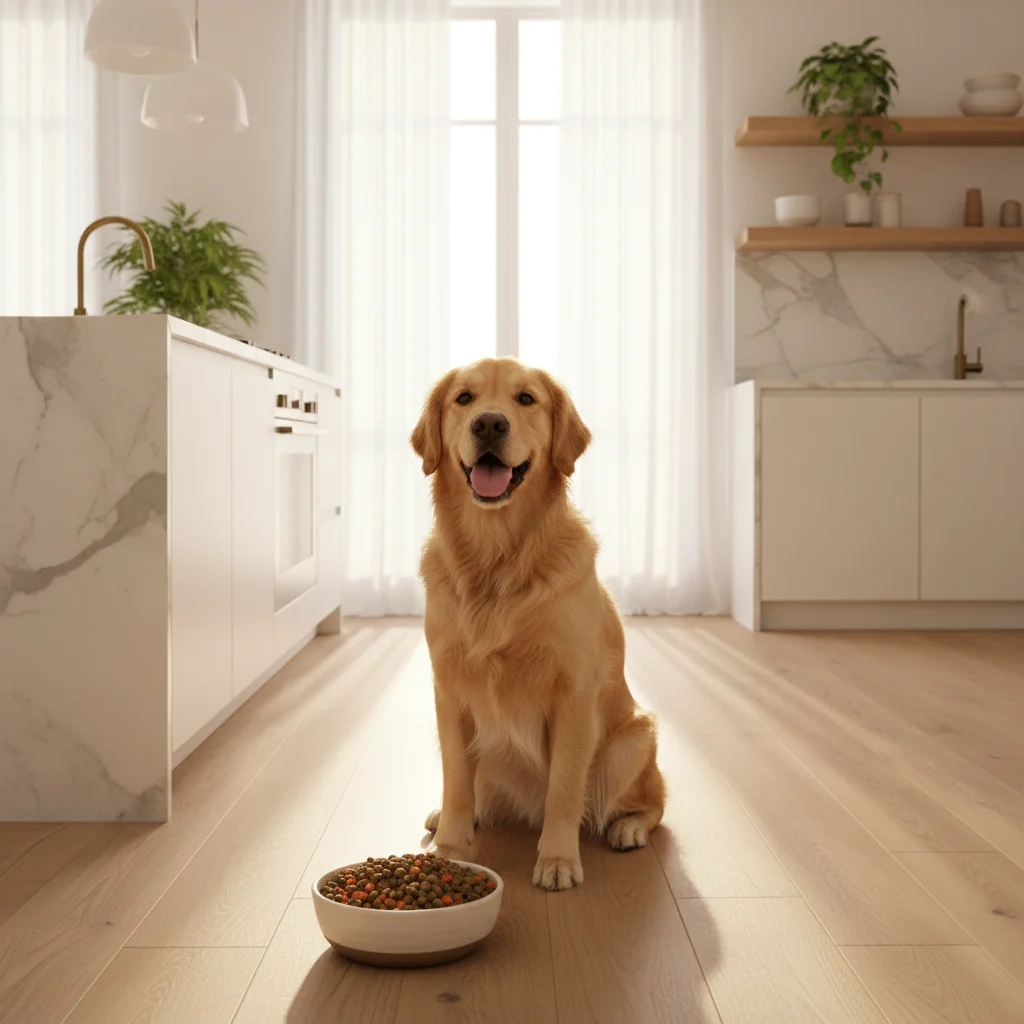
This is the single biggest splurge that pays for itself. The difference between a $25 bag of grocery-store kibble and a $60 bag of vet-recommended food like Purina Pro Plan is not just ingredients -- it is digestibility, nutrient absorption, and long-term health outcomes.
Dogs on higher-quality food have fewer digestive issues, healthier coats, more consistent energy levels, and -- critically -- lower vet bills over their lifetime. A dog eating poor-quality food is more likely to develop obesity, skin allergies, and digestive problems that cost hundreds or thousands in veterinary care.
Budget: $25-35/month for grocery brands Premium: $50-75/month for vet-recommended brands The math: An extra $25/month ($300/year) in food quality can easily prevent a single $800 vet visit for diet-related issues.
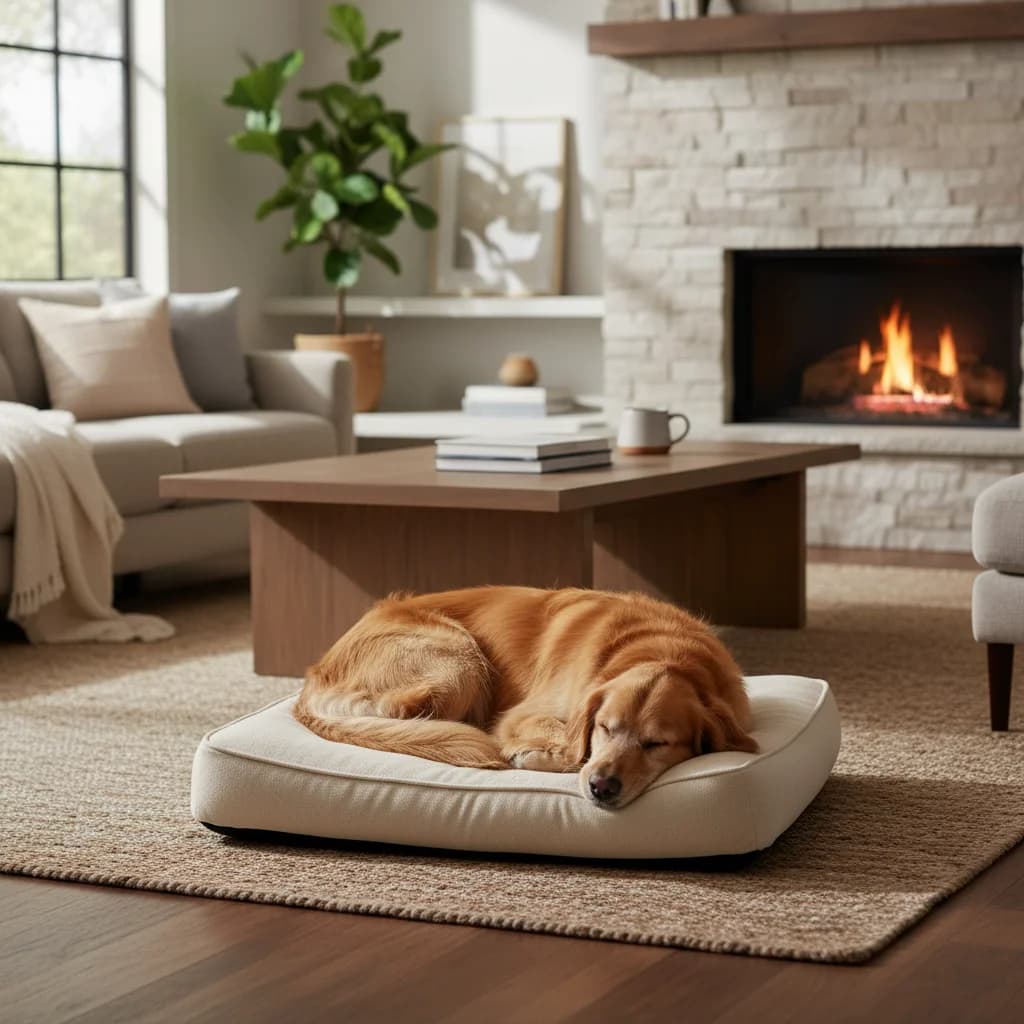
Orthopedic Beds: Your Dog Sleeps 14 Hours a Day
Dogs spend more than half their lives sleeping. For large breeds and seniors, joint health is directly affected by sleep surface quality. A flat, unsupportive bed contributes to joint stiffness, pressure sores, and worsening arthritis.
Our current orthopedic bed pick is the K9 Ballistics orthopedic bed (~$230): 5 inches of solid CertiPUR-US foam with a 10-year won't-flatten warranty, per the maker. (The Big Barker, long the benchmark here, is currently unavailable on Amazon.) For a complete comparison, see our best dog beds guide.
Budget bed lifespan: 6-12 months before the foam compresses flat Premium bed lifespan: 5-10 years with a warranty backing it The math: A ~$230 bed that lasts 7 years costs about $33/year. A $40 bed replaced annually costs $40/year but provides worse support every day.
Harnesses and Safety Restraints: This Is Life and Death
A cheap harness that breaks during a lunge toward traffic or a car restraint that fails in a crash -- these are not hypothetical risks. They happen, and the consequences are devastating.
The Ruffwear Front Range (~$60) uses reinforced stitching and hardware that holds under extreme force. A proper harness should be one of your first purchases for any dog. The Sleepypod Clickit Sport ($90) is the only crash-tested car restraint worth buying -- unrestrained dogs become projectiles in crashes.
Budget harness: $12-18 (questionable hardware, thin webbing) Premium harness: $35-50 (reinforced construction, tested materials) Car restraint: $70-100 for crash-tested vs $15 for untested tethers
Dental Care: Prevention Beats Treatment
Professional dental cleaning under anesthesia costs $500-$1,000. A Virbac C.E.T. Enzymatic Toothpaste ($10) and a decent toothbrush ($5), used three times a week, dramatically reduces the frequency of professional cleanings needed. Dental chews like Greenies ($25/month) provide supplemental cleaning.
This is a category where a small ongoing investment prevents enormous episodic expenses.
Where to Save: The Categories Where Budget Is Fine
Food and Water Bowls
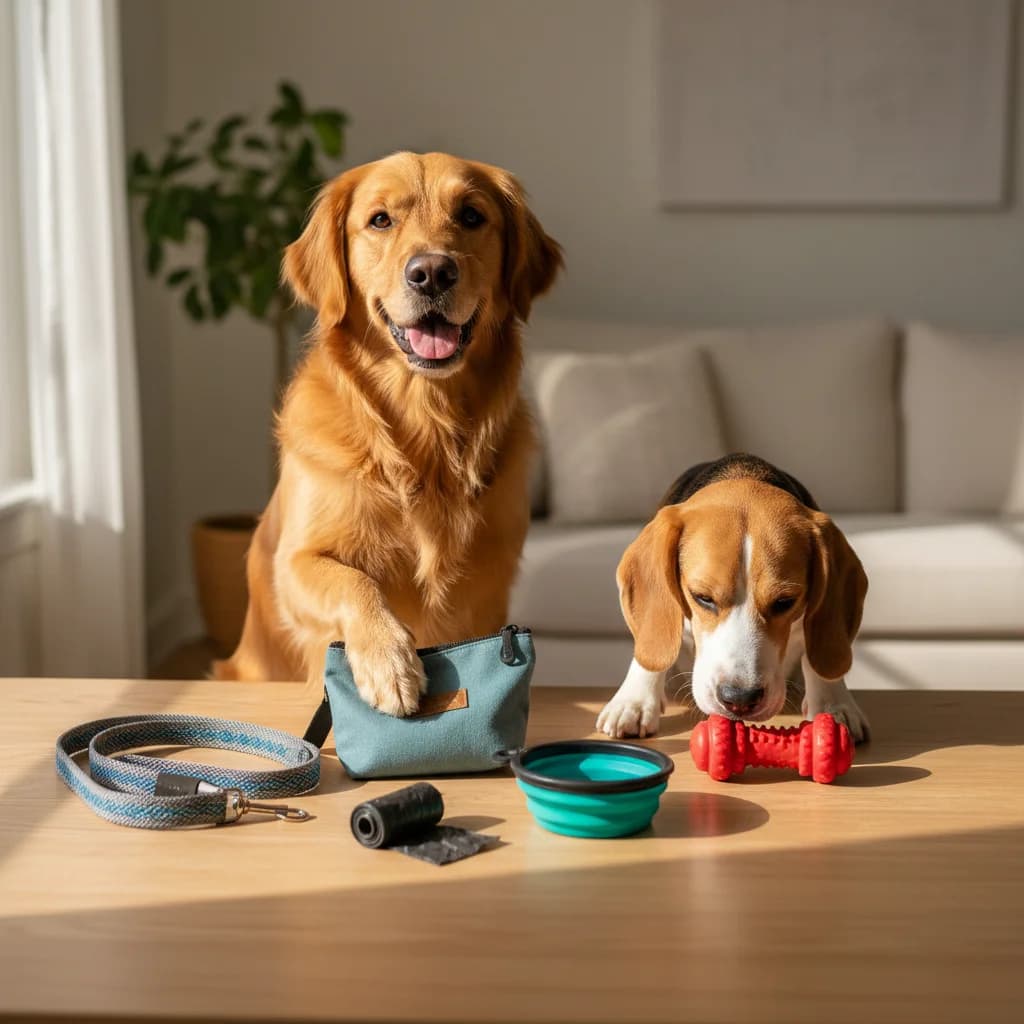
A stainless steel bowl is a stainless steel bowl. The AmazonBasics Stainless Steel Dog Bowl ($8 for a 2-pack) works identically to a $35 designer bowl. Stainless steel is the right material -- it does not harbor bacteria like plastic, does not chip like ceramic, and lasts forever.
The only upgrade worth considering is a slow feeder bowl ($12) for dogs that inhale their food. This is a functional difference, not a brand premium.
Basic Leashes
A 6-foot nylon leash costs $7-10 from any manufacturer and does the job perfectly. The hardware (clip) matters slightly -- look for a sturdy metal clasp rather than plastic -- but you do not need a $40 artisanal leather leash for daily walks.
Exception: Retractable leashes at any price point are a poor choice. They teach dogs to pull, break frequently, and cause injuries to dogs and humans. A standard 6-foot fixed leash is safer and more effective regardless of price.
Basic Toys
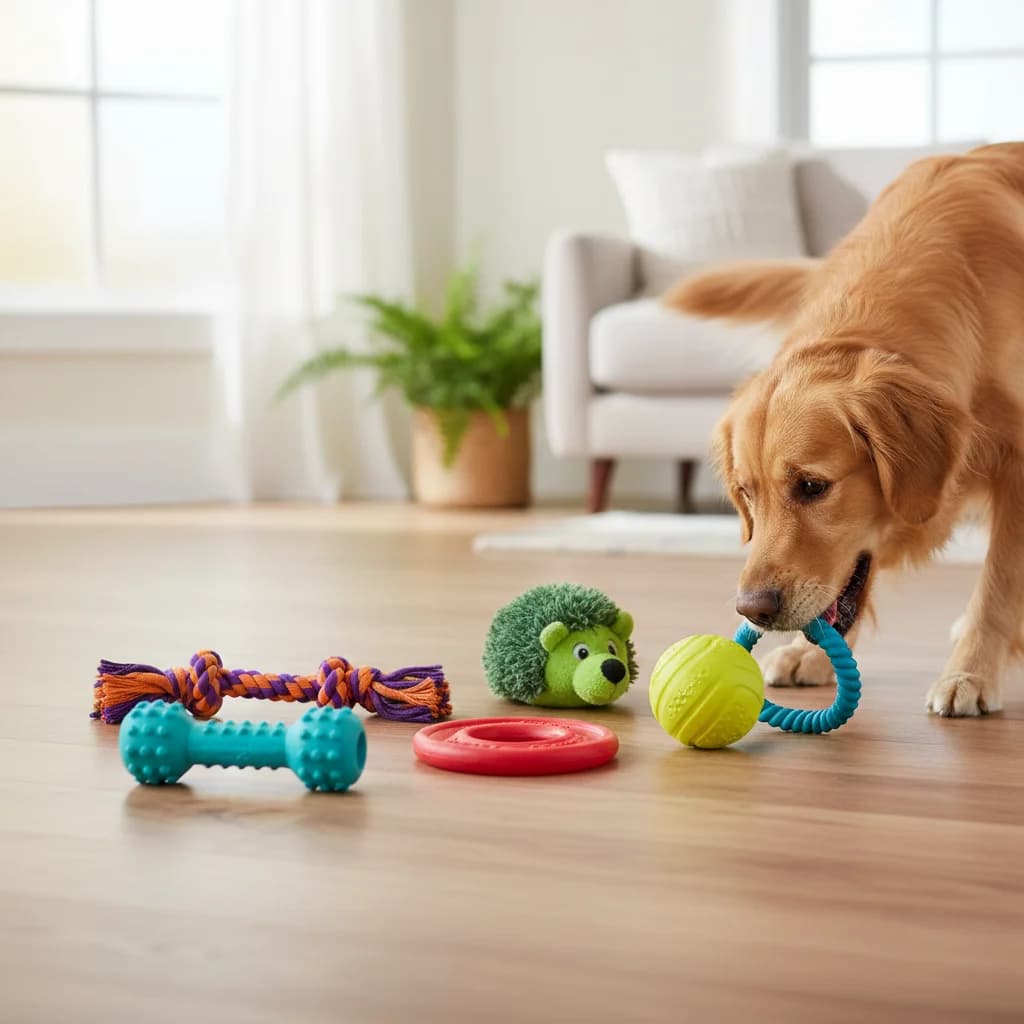
Your dog does not know the difference between a $3 tennis ball and a $12 branded fetch ball. For basic fetch and tug, budget toys are perfectly adequate. Dollar store rope toys work fine for light chewers.
The exception: For aggressive chewers, budget toys are dangerous because they shred into swallowable pieces. In that case, invest in KONG ($12) or West Paw Zogoflex ($15) products that are designed to withstand power chewing.
Poop Bags
Earth Rated Poop Bags ($8 for 120 bags) are the standard, but generic unscented bags at half the price work just as well. This is a consumable commodity. Do not overthink it.
Grooming Basics
A basic slicker brush ($8) and nail clippers ($7) handle routine maintenance for most coat types. Professional grooming tools matter for professional groomers. For home use between grooming appointments, budget tools are sufficient.
Crates
The MidWest iCrate ($35-60 depending on size) is the best value in dog crates and has been for over a decade. It is the same crate used by many boarding facilities and shelters. You do not need to spend $200 on a designer wire crate that does the same job.
The Annual Cost of Dog Ownership: A Realistic Breakdown
Here is what responsible dog ownership actually costs per year, broken into budget and recommended tiers:
Food:
- Budget: $300-420/year
- Recommended: $600-900/year
Veterinary care (routine):
- Budget (vaccines, exam only): $200-300/year
- Recommended (exam, vaccines, dental, bloodwork): $500-800/year
Gear (amortized):
- Budget: $100-150/year
- Recommended: $200-350/year
Grooming:
- Budget (DIY): $50-100/year
- Professional: $300-600/year
Training:
- Budget (YouTube + books): $20-50/year
- Professional group classes: $150-300/year
Treats and chews:
- Budget: $100-200/year
- Recommended: $200-400/year
Pet insurance (optional but recommended):
- $300-600/year
Total annual cost:
- Budget tier: $1,070-1,670/year
- Recommended tier: $2,250-3,950/year
These numbers do not include emergency veterinary care, which averages $800-$3,000 per incident. Pet insurance or an emergency fund is strongly recommended.
The Smart Shopping Framework
Here is the rule I apply to every pet product decision:
If it affects health or safety, buy the best you can afford. This includes food, beds, harnesses, car restraints, and dental care.
If it is a consumable or commodity, buy budget. This includes bowls, leashes, poop bags, basic toys, and cleaning supplies.
If you are unsure, ask yourself: Will my dog's health, safety, or quality of life measurably improve with the premium version? If yes, splurge. If no, save.
The Bottom Line
You do not need to spend a fortune to be a great dog owner. You need to spend strategically. Invest heavily in food, sleep surface, and safety gear. Save aggressively on bowls, bags, and basic accessories. The total difference between a budget and premium approach is roughly $1,000-$2,000 per year -- and most of that difference goes into food and veterinary care, which are the two categories with the highest return on investment for your dog's health and longevity.
🏆 Bottom Line: Spend money on food, a quality bed, and a safe harness — these directly affect your dog's health and daily comfort. Save on toys (they get destroyed), accessories, and trendy products. The best pet owner isn't the one who spends the most; it's the one who spends wisely.
Related Reading
- Dog Food — Best value dog food picks
- Dog Beds — Budget bed options under $50
- Dog Toys — Affordable toys that last
Sources
- Association for Pet Obesity Prevention (APOP) — Annual pet owner spending data. petobesityprevention.org.
- American Pet Products Association (APPA) — National Pet Owners Survey: spending by category. americanpetproducts.org.
- American Kennel Club (AKC) — "The Cost of Dog Ownership." akc.org.
- ASPCA — "Annual Pet Care Costs." aspca.org.
- Consumer Reports — Pet product value and longevity analysis methodology.

PawBench Editorial
Published by Hilly Shore LabsPawBench’s editorial team researches dog products from primary veterinary sources, manufacturer specifications and aggregated buyer sentiment, alongside the lived ownership of Maggie, an Australian Labradoodle. We do not run hands-on product tests.
331 dog products scored · 1,222,724 buyer review-aspect mentions aggregated · cites AVMA, FDA, AAFCO, Cornell, WSAVA, AKC, ASPCA.
Recommendations are based on published veterinary guidelines, manufacturer specifications, and verified customer feedback. See our editorial standards.