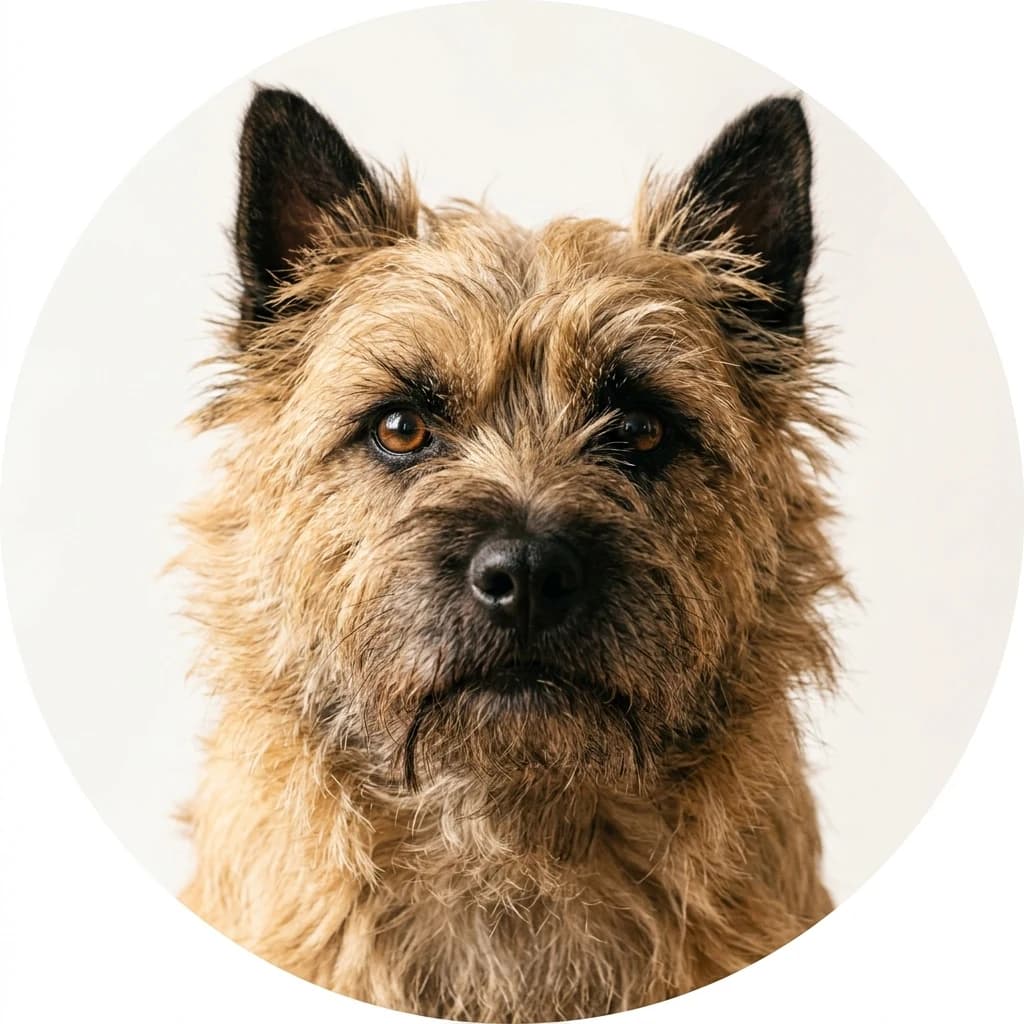
Best Gear for Cairn Terriers
Cairn Terriers are hardy, spirited small dogs originally bred to hunt vermin in Scottish cairns. They're prone to portosystemic liver shunt, patellar luxation, cataracts, and skin allergies, with a weather-resistant double coat.
Cairn Terriers are hardy, spirited small dogs originally bred to hunt vermin in Scottish cairns. They're prone to portosystemic liver shunt, patellar luxation, cataracts, and skin allergies, with a weather-resistant double coat.
Weight
13-14 lbs
Height
5-10 in
Lifespan
13-15 yrs
Energy
High
Shedding
Heavy
Trainability
Stubborn
What changes your buying decision for a Cairn Terrier
Most gear advice is breed-agnostic. These are the 5traits on this breed’s profile that actually change which product is the right one — each one read straight off the stats above.
Breed profile
Walk gear is a fit decision, not a brand decision
A harness that fits is the one that stays put and stops rubbing. Girth varies far more between individual dogs than between Cairn Terriers and any other breed, so measure before you buy rather than ordering the size on the breed chart.
Weight · 13-14 lbs
Small sizing decides the bed and the crate
At 13-14 lbs a Cairn Terrier sits in most brands' small band — but "Large" is a marketing word, not a measurement. Buy to the manufacturer's stated weight rating and the dog's measured length, because the same label covers very different sleeping surfaces from one brand to the next.
Shedding · Heavy
Heavy shedding is a tool problem, not a shampoo problem
Heavy shedding means an undercoat rake or deshedding tool does the work a slicker brush only redistributes. Budget for the tool before the shampoo, and expect seasonal coat blow to set the pace.
Energy · High
Buy toys for replacement cost, not novelty
High energy sets the toy budget: chase-and-fetch toys and chews get destroyed on a schedule, so durability per dollar matters more than the feature list. No toy substitutes for the exercise itself.
Trainability · Stubborn
High-value food is the leverage, not the gadget
Trainability rated "Stubborn" means the payoff comes from what you are paying with. High-value training treats and short sessions move this breed further than any piece of hardware, which is worth knowing before you buy a training tool.
The Cairn Terrier gear checklist
These slots do different jobs, so this is a checklist rather than a comparison — each one links to the ranked picks for that slot, where products are compared against others of the same kind.
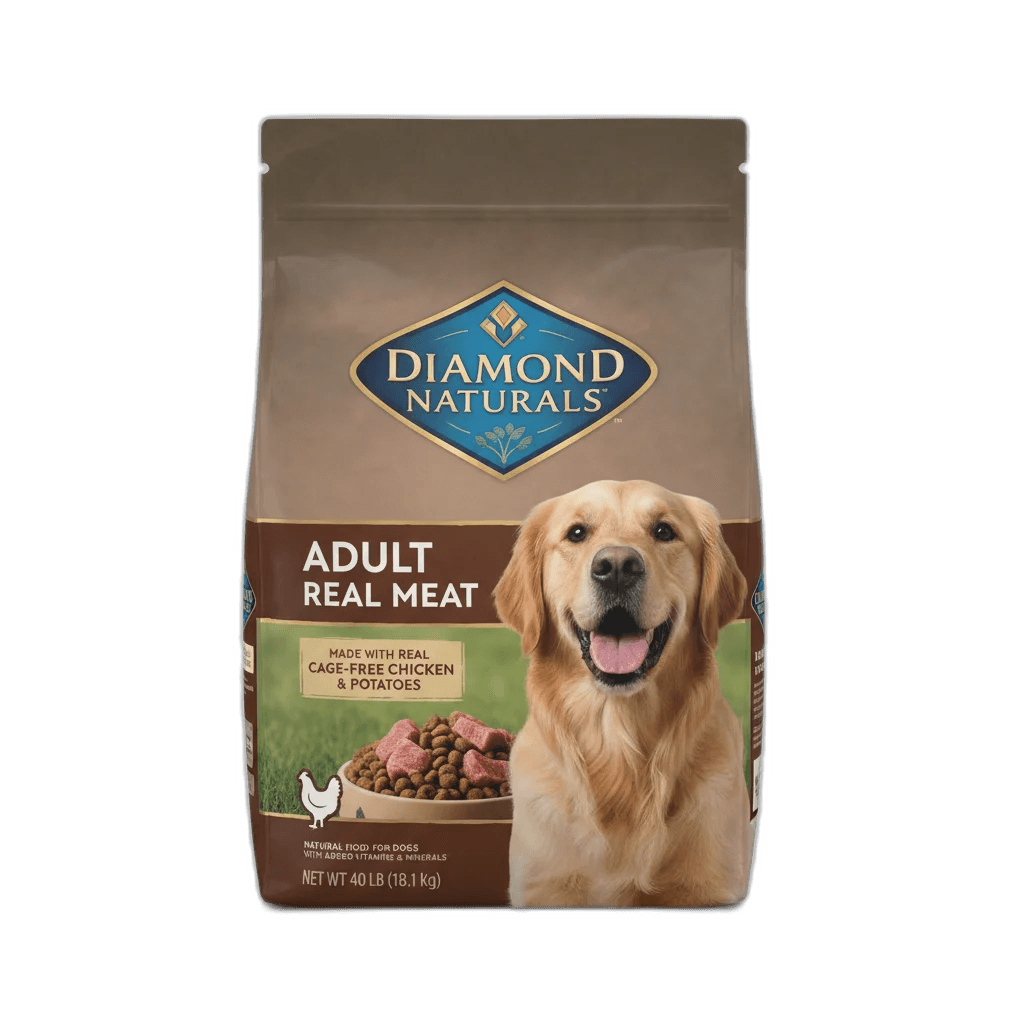
Dry Dog Food
Kibble picks ranked by ingredient quality, protein content, and value per pound.
Current top pick for this slot: Diamond Naturals Adult Real Meat
See all dry dog food picks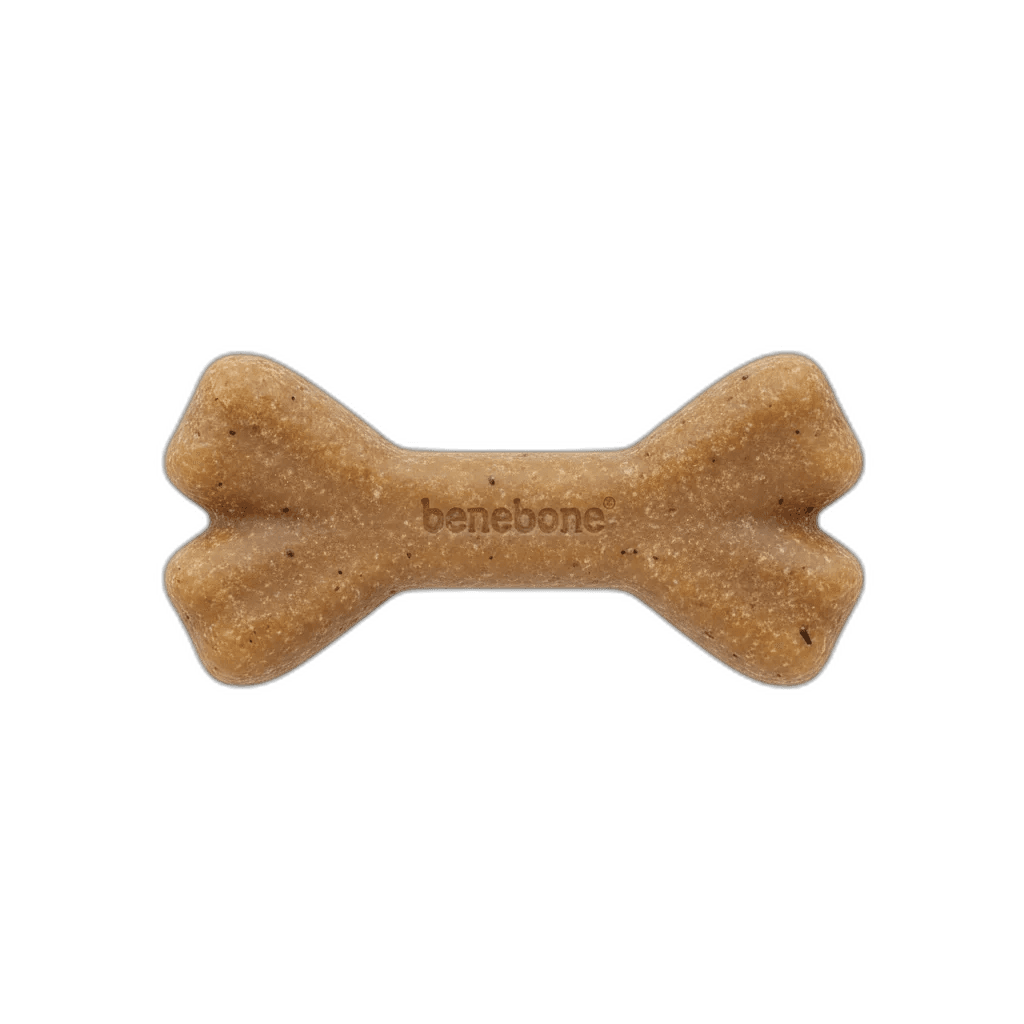
Dog Chew Toys
Durable chew toys for aggressive chewers and teething puppies.
Current top pick for this slot: Benebone Wishbone Chew (Large)
See all dog chew toys picks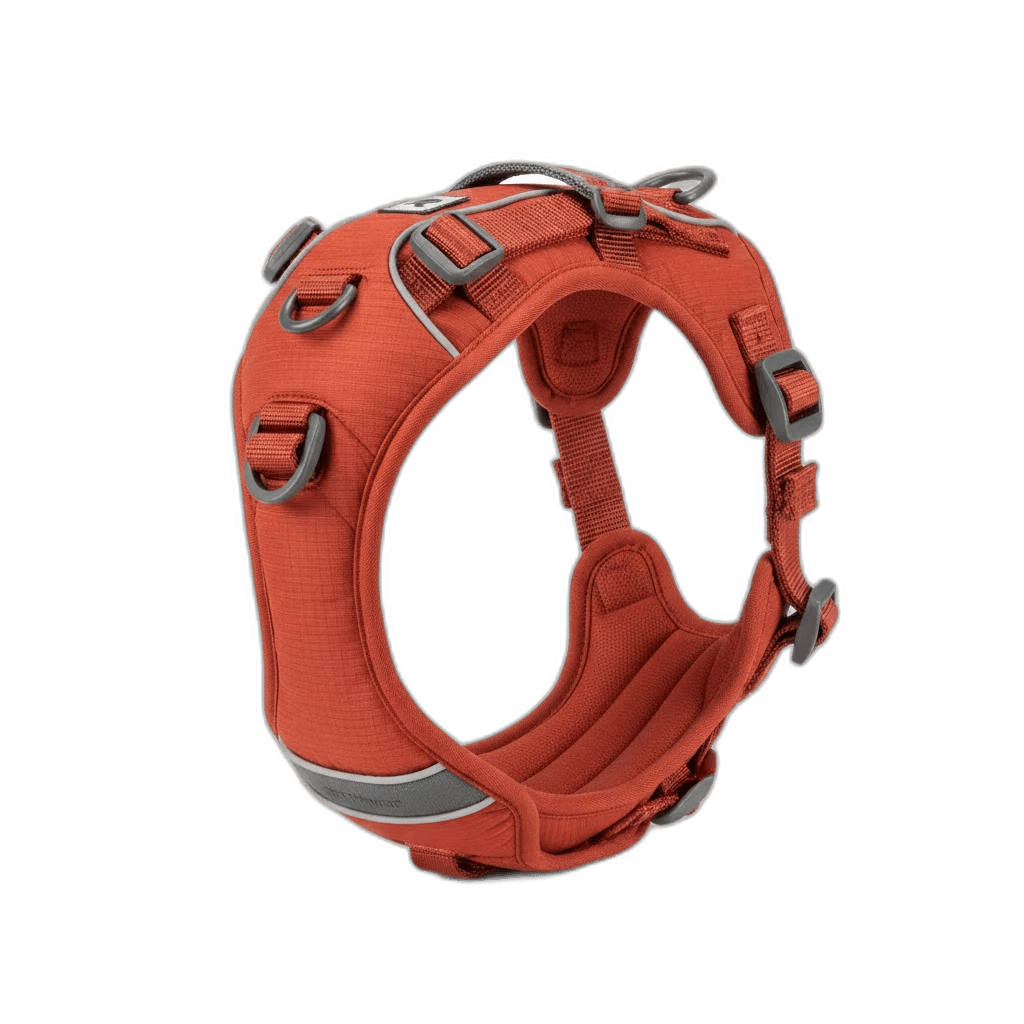
Dog Harnesses
No-pull, front-clip, and padded harnesses for every walking style.
Current top pick for this slot: Ruffwear Front Range Padded Harness
See all dog harnesses picks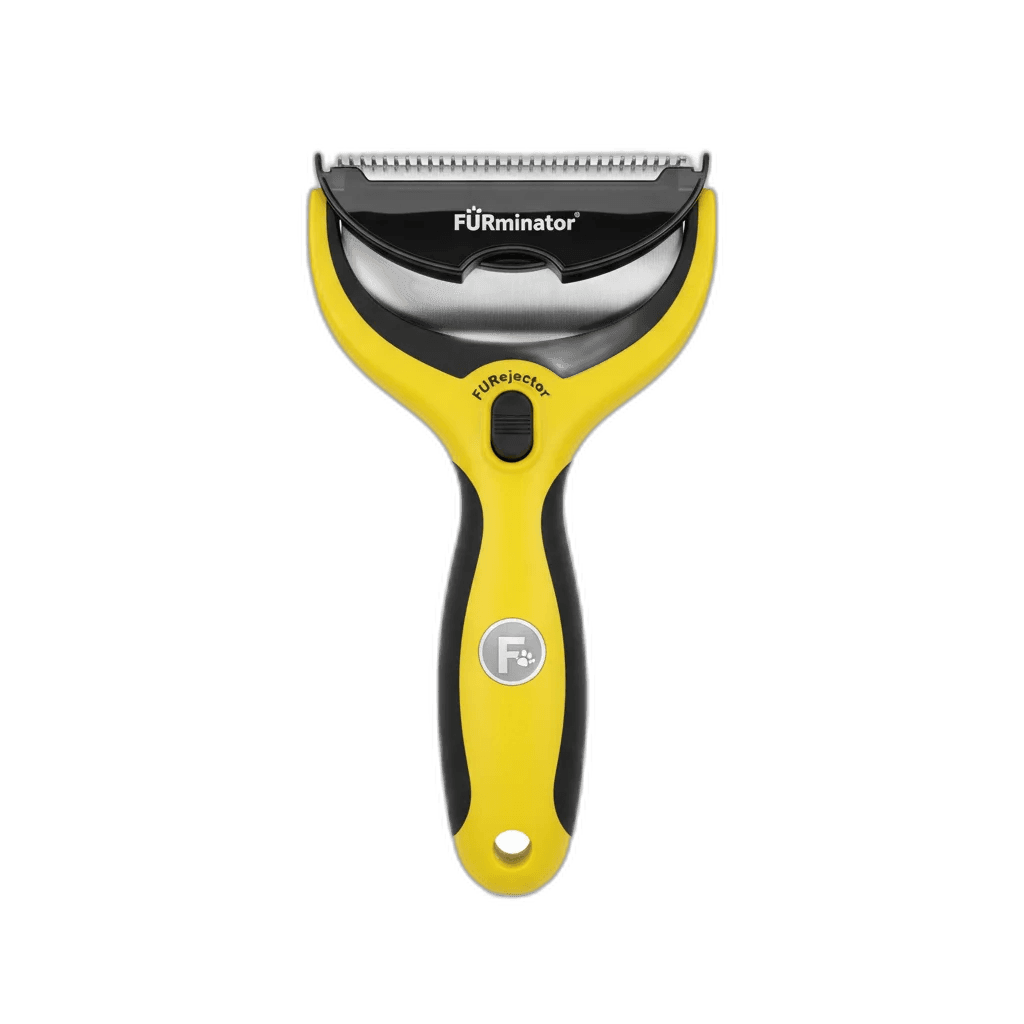
Dog Brushes & Deshedding Tools
Slicker brushes, undercoat rakes, and deshedding tools for every coat type.
Current top pick for this slot: FURminator Undercoat Deshedding Tool (Large)
See all dog brushes & deshedding tools picks
Prices are approximate and may vary. Please check the latest price on Amazon. As an Amazon Associate I earn from qualifying purchases.
Life with a Cairn Terrier
Your Cairn Terrier has identified something under the deck, in the hedge, or behind the fence. They are going in. You cannot stop them. You can only decide how long you're willing to stand here.
They are physically incapable of encountering a pile of dirt without investigating it, and investigating it means rearranging it significantly. This is not destructiveness. This is their career.
They will make friends with your neighbor's cat, the postal worker, a passing cyclist, and a squirrel — and then turn around and completely ignore you calling their name from 10 feet away.
You bought them an elaborate toy. They prefer the cardboard box it came in. Not because they're simple — because the box required investigation and the toy did not.
The fearlessness is real and slightly alarming. Your 14-pound Cairn Terrier will challenge a German Shepherd to a stare-down with complete confidence. The German Shepherd will usually blink first.
Editorial synthesis of r/cairnterrier discussions
r/cairnterrier consensus is that you never really own a Cairn Terrier — you co-habitate with one, and the arrangement works because they're just charming enough that you forgive absolutely everything.
Paraphrased by PawBench from public discussion — not a quotation, and not a counted sample.
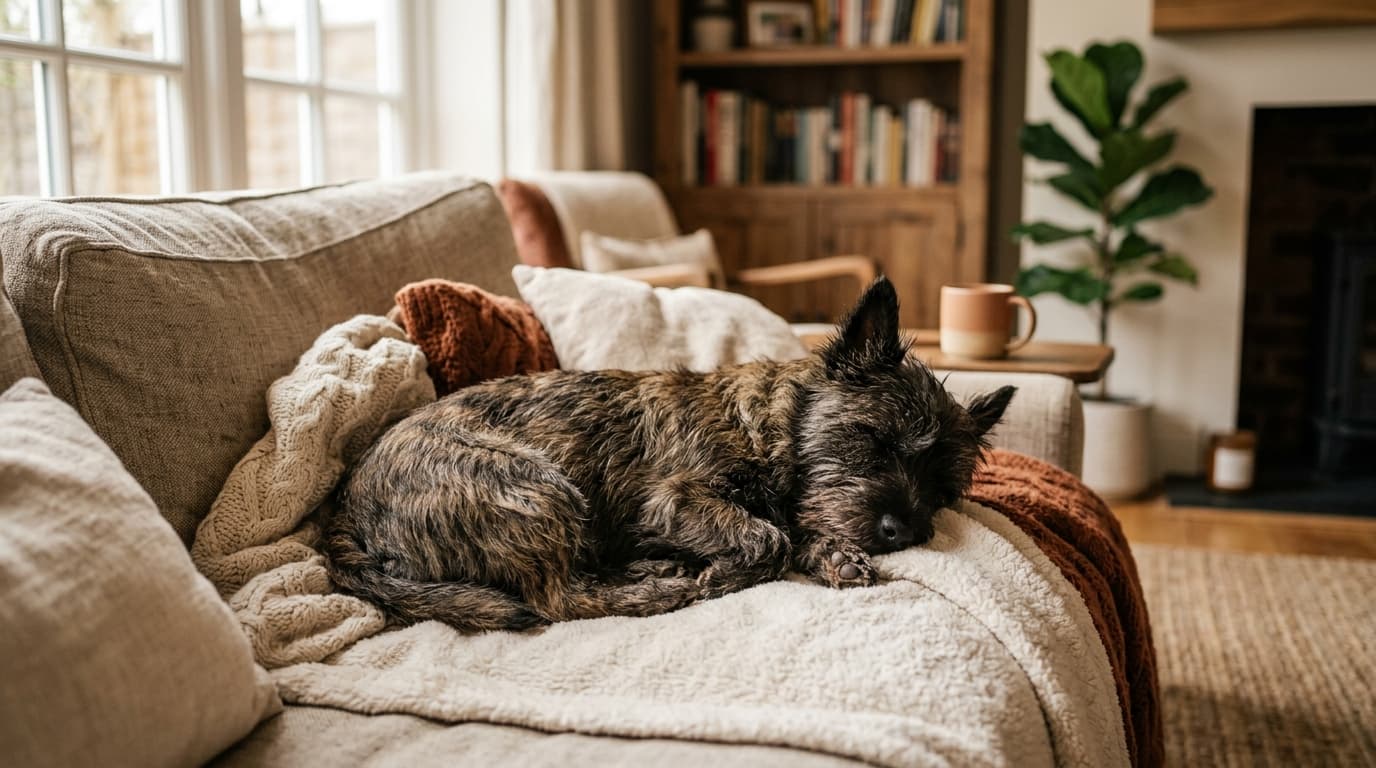
Games Cairn Terriers Actually Love
Earthdog Tunnel Hunt
Create a simple ground-level tunnel from a cardboard box or PVC pipe and hide a treat at the end. Cairns were bred to bolt prey from underground cairn-stone dens
Scatter Nose Work
Scatter kibble or small treats in tall grass, leaf piles, or a snuffle mat and let your Cairn methodically work through it nose-first. This simulates their working hunt pattern
Chase and Burrow
Drag a rope toy along the ground erratically — under chairs, around corners, briefly into a box — and let your Cairn chase, pounce, and 'capture' it. The unpredictable movement
About the Cairn Terrier
Origin & Build
- •Cairn Terriers are one of the oldest working terrier breeds, originating on Scotland's Isle of Skye and
- •They weigh 13 to 14 pounds and stand 9.5 to 10 inches, with a broad head, short legs,
- •Their harsh, weather-resistant outer coat and soft, dense undercoat come in every color except white, and the natural,
- •Their dark, intelligent eyes peek out from beneath a distinctly scruffy brow
Temperament
- •Cairns are cheerful, spirited, and inquisitive, with a fearless confidence that's impressive in a dog their size
- •They're more people-oriented and sociable than many terrier breeds, generally doing well with families, strangers, and other dogs
- •They're intelligent and responsive but retain enough terrier independence to test boundaries and negotiate commands on their own
- •They're alert barkers who take their watchdog duties seriously, so early training to manage vocalization is worthwhile
Exercise Needs
- •Cairns need 45 to 60 minutes of daily exercise, including walks, free play, and activities that let them
- •They're natural diggers and will turn your garden into an archaeological site if not given an appropriate outlet
- •Earthdog trials and nose work are ideal structured activities that channel their working instincts into productive entertainment
- •Without enough exercise, they become restless, vocal, and creatively destructive — a bored Cairn is a problem-solving Cairn
Health Watch
- •Portosystemic liver shunt is one of the most significant health concerns, where an abnormal blood vessel bypasses
- •Patellar luxation, cataracts, and skin allergies are common, and globoid cell leukodystrophy (Krabbe disease) is a fatal genetic
- •Craniomandibular osteopathy, which affects jaw bone growth in puppies, also occurs in the breed
- •Cairn Terriers typically live 13 to 15 years
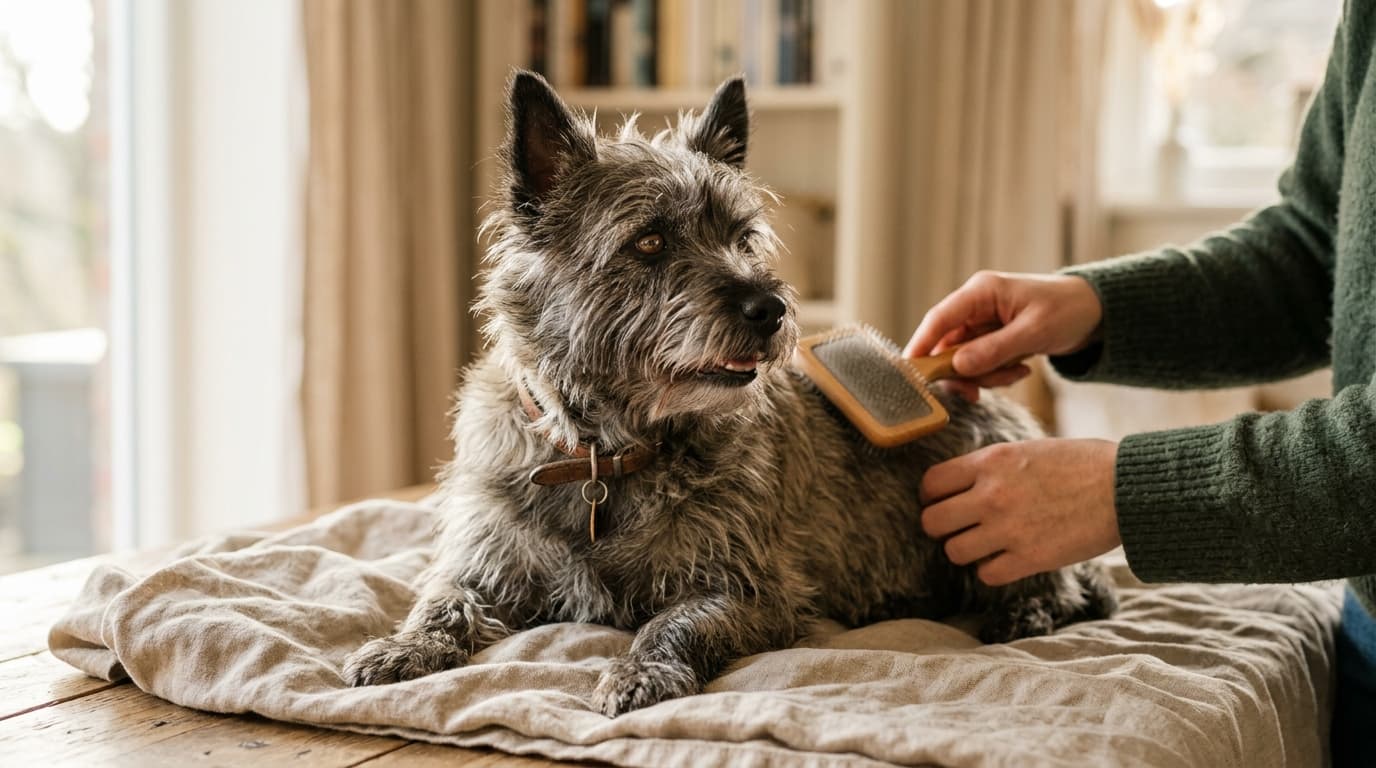
Gear Tips
- A coarse slicker brush and a stripping knife are the primary grooming tools — hand-stripping two to three times yearly maintains
- A step-in or H-style harness fits their compact, low-to-ground build better than standard harnesses, and distributes pulling force safely across their chest
- A designated digging box or sandbox is practically a necessity — Cairns were bred to dig into rock piles, and fighting this
- Use interactive puzzle toys and snuffle mats to keep their busy brains occupied; Cairns are problem-solvers who need mental stimulation as much
- A lightweight, waterproof rain jacket keeps their undercoat from getting soaked during wet walks — while the outer coat repels some moisture,
- A small, sturdy crate (24 inches) with a cozy bed gives them a secure den they'll voluntarily use once crate-trained, which helps
Keep Them Happy
- Give them a legitimate dig spot — a sandbox or a designated garden corner. Cairns will dig regardless; channeling it saves your
- Earthdog trials and nose work competitions are perfect for Cairn Terriers — if you want a dog sport, these are it. They
- Secure your yard completely. Cairns are escape artists who will go under, through, or around any fence with a gap — their
- Keep them mentally busy or they invent their own projects. A bored Cairn will dig up the yard, bark at everything that
Buying guides for this breed type
Cairn Terriers share buying considerations with other breeds in these clusters:
Shop by category
Browse research-backed picks across every product category — not just for Cairn Terriers.
Frequently Asked Questions
- Are Cairn Terriers good family dogs?
- Cairn Terriers are excellent family dogs — they're sturdy enough to handle children's play, sociable enough to welcome guests, and adaptable enough for apartment or house living. They're more easygoing than many terrier breeds while still having that entertaining, spirited personality. Early socialization and consistent
- How much grooming does a Cairn Terrier need?
- Cairns need brushing two to three times weekly with a slicker brush, plus hand-stripping two to three times per year to maintain their proper coat texture. They're meant to look naturally scruffy, so over-grooming actually detracts from the breed's charm. Bathing should be infrequent —
- Do Cairn Terriers dig a lot?
- Yes, digging is deeply hardwired into Cairn Terriers since they were literally bred to dig into stone cairns to reach vermin. Trying to stop a Cairn from digging entirely is nearly impossible and will just frustrate both of you. The most effective solution is providing
- What is portosystemic liver shunt in Cairn Terriers?
- Portosystemic liver shunt is a condition where an abnormal blood vessel allows blood to bypass the liver, meaning toxins aren't properly filtered from the bloodstream. Symptoms can include stunted growth, disorientation after meals, and urinary issues, often appearing in puppies or young dogs. Treatment may