
Best Gear for Cocker Spaniels
Cocker Spaniels are medium-energy sporting dogs especially prone to chronic ear infections due to their long, floppy ears, as well as cataracts, glaucoma, and autoimmune hemolytic anemia.
Cocker Spaniels are medium-energy sporting dogs especially prone to chronic ear infections due to their long, floppy ears, as well as cataracts, glaucoma, and autoimmune hemolytic anemia.
Weight
20-30 lbs
Lifespan
10-14 yrs
Energy
High
Shedding
Moderate
Trainability
Easy
What changes your buying decision for a Cocker Spaniel
Most gear advice is breed-agnostic. These are the 5traits on this breed’s profile that actually change which product is the right one — each one read straight off the stats above.
Breed profile
Walk gear is a fit decision, not a brand decision
A harness that fits is the one that stays put and stops rubbing. Girth varies far more between individual dogs than between Cocker Spaniels and any other breed, so measure before you buy rather than ordering the size on the breed chart.
Weight · 20-30 lbs
Medium sizing decides the bed and the crate
At 20-30 lbs a Cocker Spaniel sits in most brands' medium band — but "Large" is a marketing word, not a measurement. Buy to the manufacturer's stated weight rating and the dog's measured length, because the same label covers very different sleeping surfaces from one brand to the next.
Shedding · Moderate
Weekly brushing, not daily
Moderate shedding is a weekly-brush commitment. A slicker brush plus a metal comb covers it; the specialist deshedding tools are aimed at heavier coats than this one.
Energy · High
Buy toys for replacement cost, not novelty
High energy sets the toy budget: chase-and-fetch toys and chews get destroyed on a schedule, so durability per dollar matters more than the feature list. No toy substitutes for the exercise itself.
Trainability · Easy
Spend on the reward, not the hardware
Trainability rated "Easy" means most of the budget belongs in rewards and a plain fixed-length leash. Corrective hardware solves a problem this breed does not usually present.
The Cocker Spaniel gear checklist
These slots do different jobs, so this is a checklist rather than a comparison — each one links to the ranked picks for that slot, where products are compared against others of the same kind.

Dry Dog Food
Kibble picks ranked by ingredient quality, protein content, and value per pound.
Current top pick for this slot: Diamond Naturals Adult Real Meat
See all dry dog food picks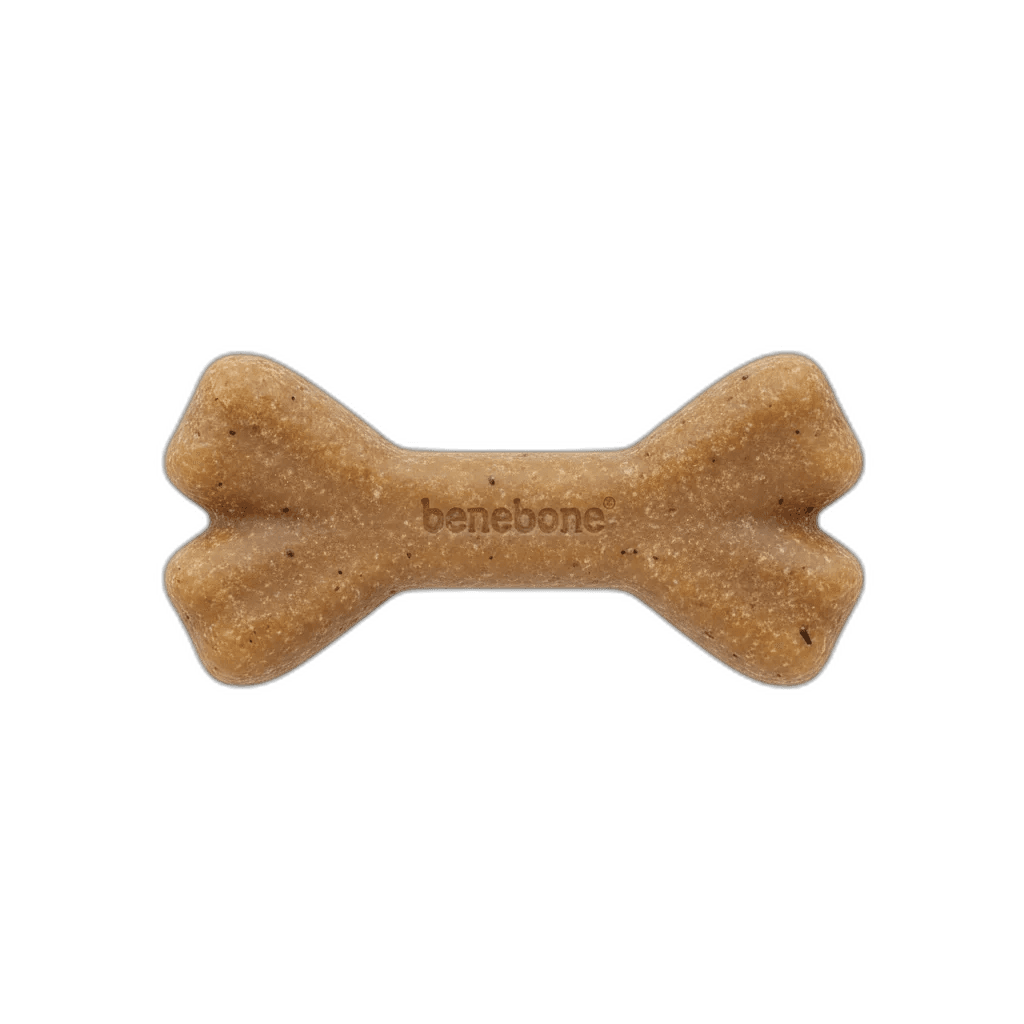
Dog Chew Toys
Durable chew toys for aggressive chewers and teething puppies.
Current top pick for this slot: Benebone Wishbone Chew (Large)
See all dog chew toys picks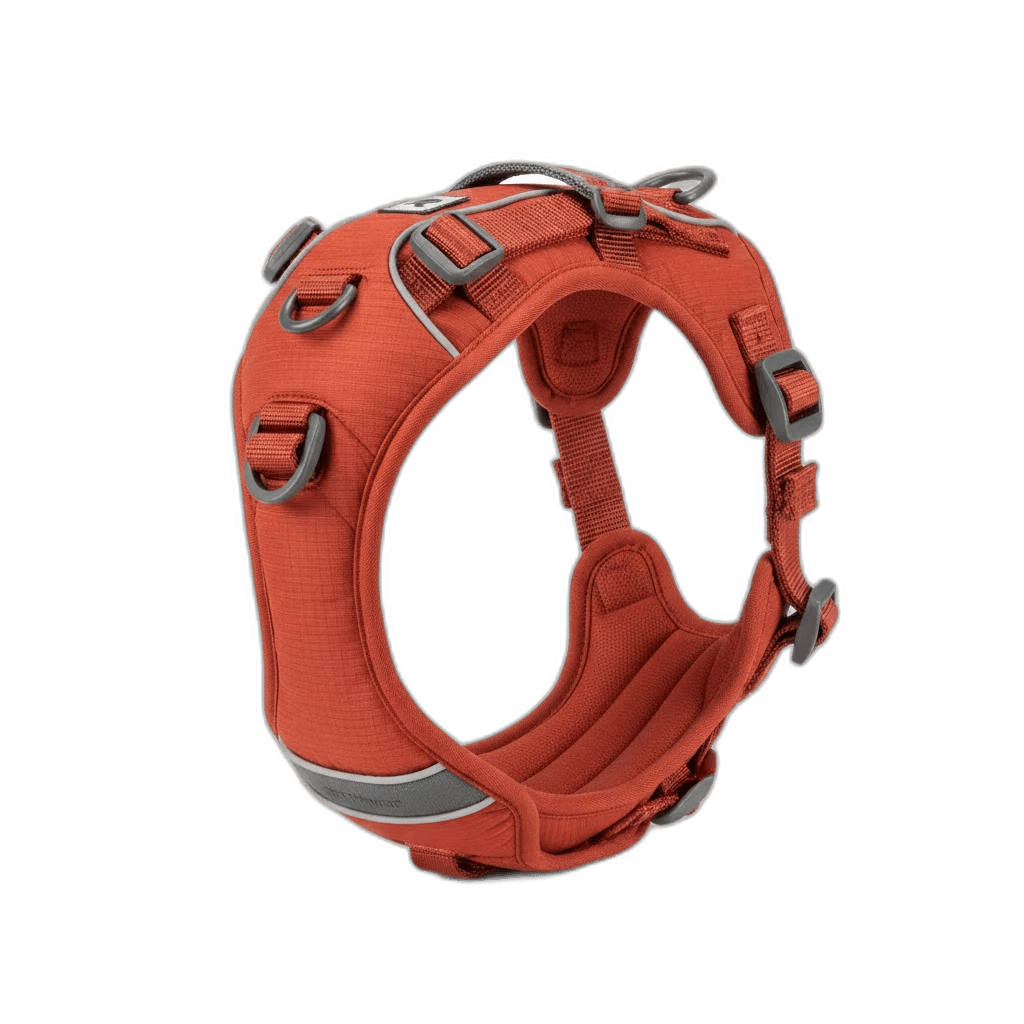
Dog Harnesses
No-pull, front-clip, and padded harnesses for every walking style.
Current top pick for this slot: Ruffwear Front Range Padded Harness
See all dog harnesses picks
Prices are approximate and may vary. Please check the latest price on Amazon. As an Amazon Associate I earn from qualifying purchases.
Life with a Cocker Spaniel
Your cocker spaniel's ears will vacuum up every twig, leaf, seed, and piece of debris in the known universe. Post-walk ear checks are now a permanent part of your life.
You will hear a suspicious rustling and find your cocker buried nose-first in a hedge, completely oblivious to your existence. The nose has taken over. You are irrelevant.
Your cocker will make direct eye contact, tilt their head seventeen degrees, and you will immediately forget whatever boundary you were about to enforce.
The tail wagging speed is a remarkably accurate emotional dashboard — you will learn to read it like a weather forecast and adjust your plans accordingly.
Ear cleaning is a biweekly ritual that your cocker tolerates like a martyr going to the gallows. Every. Single. Time.
Editorial synthesis of r/CockerSpaniel discussions
r/CockerSpaniel veterans say the breed has two speeds: completely present and intently enthusiastic, or nose-down in a hedge with zero recall — and the switch happens mid-walk with no warning. Long-line leads are not optional, they're a lifestyle.
Paraphrased by PawBench from public discussion — not a quotation, and not a counted sample.

Games Cocker Spaniels Actually Love
Flush-and-Find Scent Hunt
Cocker spaniels were bred to flush birds from cover and retrieve them — hide toys or treats deep in long grass, shrubs, or blanket piles and send them in
Water Retrieve
Most cockers love water and were historically used as water retrievers. A kiddie pool, pond, or creek with a floating bumper toy engages their spaniel retrieve drive, adds natural resistance
Tracking Trails
Drag a treat-scented rag across your yard in an S-shape, leave the treat at the end, and send your cocker to track it. Their nose is extraordinary — scent-tracking engages
About the Cocker Spaniel
Origin & Build
- •The American Cocker Spaniel was developed from English Cocker Spaniels brought to the United States and selectively bred
- •They stand 13.5 to 15.5 inches tall and weigh 20 to 30 pounds
- •Their silky, flat or slightly wavy coat features heavy feathering on the ears, chest, belly, and legs,
Temperament
- •Cocker Spaniels are cheerful, gentle, and eager to please — their constantly wagging tail and soft expression are
- •They're excellent with children and get along well with other pets, making them one of the most versatile
- •They respond very well to positive reinforcement training and enjoy learning new things
- •Some lines can be timid or submissive, so early socialization is important to build confidence
Exercise Needs
- •Cockers need 30 to 60 minutes of daily exercise, which can include walks, fetch, swimming, or yard play
- •They retain sporting instincts and genuinely enjoy retrieving games and exploring on leashed nature walks
- •Without regular exercise they're prone to weight gain, which is a common problem in the breed and worsens
- •They adapt well to varying activity levels but are happiest with at least one good outing per day
Health Watch
- •Chronic ear infections are the most common and persistent health issue, driven by the breed's ear conformation that
- •Eye conditions including cataracts, glaucoma, progressive retinal atrophy, and cherry eye appear at elevated rates and warrant regular
- •Autoimmune hemolytic anemia (AIHA) is more common in Cockers than most breeds and can be life-threatening
- •Hip dysplasia and patellar luxation also occur
Gear Tips
- A quality ear cleaning solution (like Zymox or Virbac Epi-Otic) and cotton pads should be in every Cocker owner's kit — clean
- Use a snood or ear cover during meals to keep those long ears out of the food and water bowl — Cockers'
- A professional-grade slicker brush, steel comb, and dematting tool are essential — the Cocker's heavy feathering mats quickly, especially behind the ears,
- A well-fitted, step-in harness works better than a collar for Cockers — it avoids tangling and pulling on their sensitive neck area,
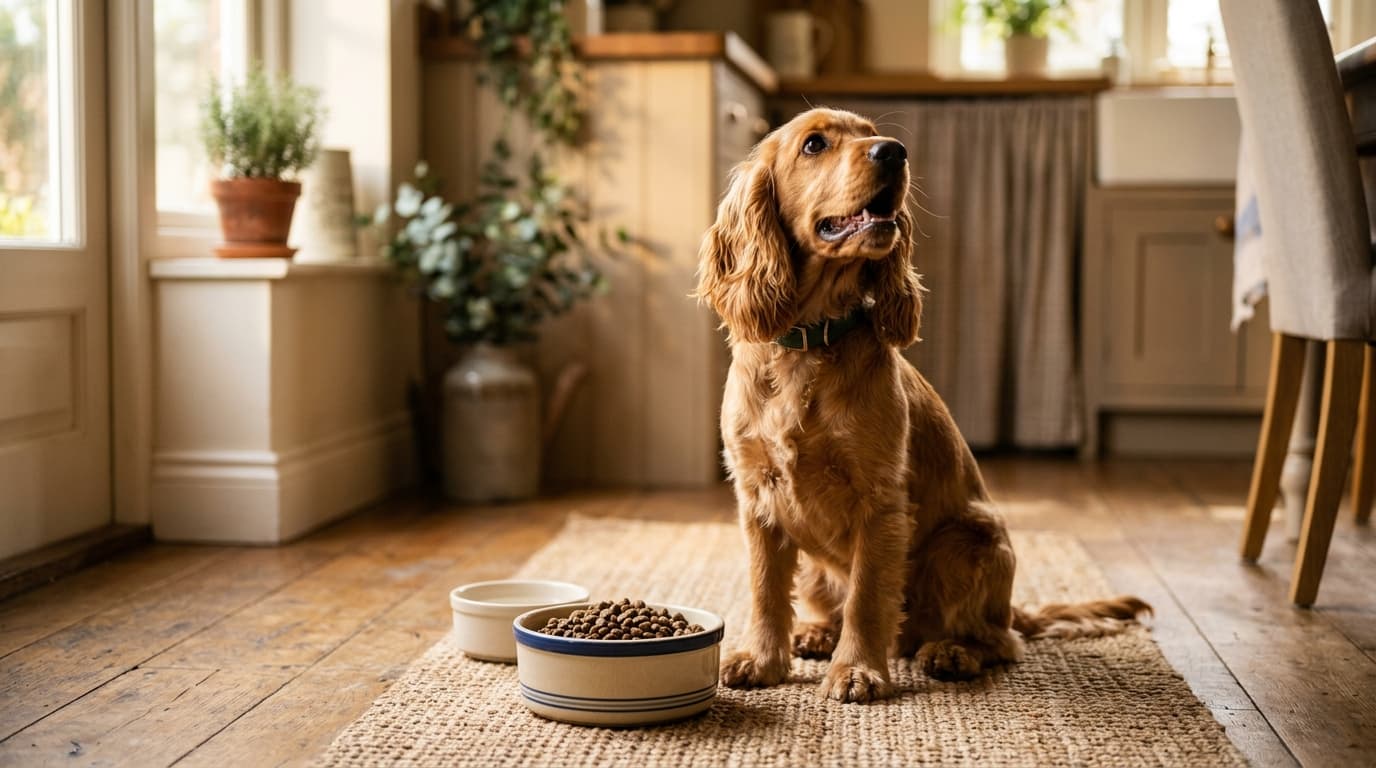
- An elevated food and water bowl set reduces ear contamination during meals — raising the dishes just a few inches keeps long
- Get a good pair of thinning shears for between-grooming touch-ups — Cockers' foot hair grows fast and traps debris, and keeping paw
Keep Them Happy
- Clean those ears proactively every 1-2 weeks — floppy ears reduce airflow into the ear canal and cockers are among the most
- Channel scent work. Cocker spaniels have exceptional noses and nose work classes are one of the best-kept secrets for burning their mental
- Enroll in an AKC Spaniel Hunt Test — even as a pet exercise, working on flush and retrieve drills in a field
- Keep training sessions upbeat and short — cockers are sensitive to negative feedback and can become anxious and avoidant if they sense
Buying guides for this breed type
Cocker Spaniels share buying considerations with other breeds in these clusters:
Shop by category
Browse research-backed picks across every product category — not just for Cocker Spaniels.
Frequently Asked Questions
- How do you prevent ear infections in Cocker Spaniels?
- Clean ears weekly with a veterinary-recommended ear cleaning solution, and always dry ears thoroughly after swimming or bathing. Keep the hair trimmed around the ear canal opening to improve airflow — your groomer can do this during regular appointments. Using a snood during meals prevents
- How often does a Cocker Spaniel need grooming?
- Professional grooming every 4 to 6 weeks is standard for Cocker Spaniels, with home brushing three to four times per week between appointments. Their silky coat mats easily, especially in the feathered areas on the ears, chest, and legs. Many owners opt for a shorter
- Are Cocker Spaniels good with kids?
- Cocker Spaniels are generally excellent family dogs and get along well with children. They're patient, playful, and sturdy enough to handle the energy of older kids. However, like all breeds, they should be supervised with young children, and kids should be taught not to pull
- What's the best food bowl for a Cocker Spaniel?
- A narrow, elevated bowl with steep sides — sometimes called a spaniel bowl or long-ear bowl — keeps your Cocker's ears out of food and water. The narrow opening lets the muzzle reach in while the ears hang outside the bowl rim. Pair this