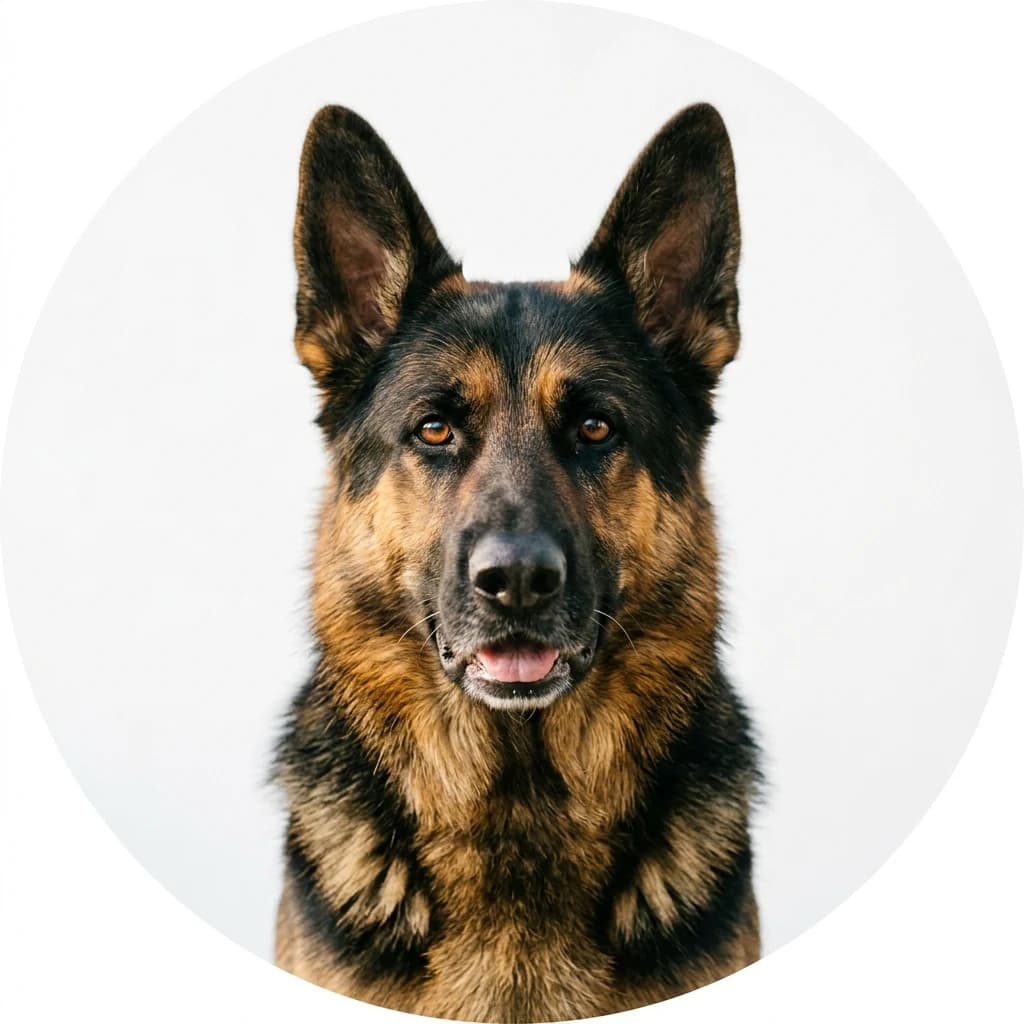
Best Gear for German Shepherds
German Shepherds are large, intelligent working dogs prone to hip and elbow dysplasia, degenerative myelopathy, and bloat. They shed heavily year-round with seasonal coat blowouts.
German Shepherds are large, intelligent working dogs prone to hip and elbow dysplasia, degenerative myelopathy, and bloat. They shed heavily year-round with seasonal coat blowouts.
Weight
65-90 lbs
Height
24-26 in
Lifespan
9-13 yrs
Energy
High
Shedding
Heavy
Trainability
Smart
What changes your buying decision for a German Shepherd
Most gear advice is breed-agnostic. These are the 5traits on this breed’s profile that actually change which product is the right one — each one read straight off the stats above.
Breed profile
Walk gear is a fit decision, not a brand decision
A harness that fits is the one that stays put and stops rubbing. Girth varies far more between individual dogs than between German Shepherds and any other breed, so measure before you buy rather than ordering the size on the breed chart.
Weight · 65-90 lbs
Large sizing decides the bed and the crate
At 65-90 lbs a German Shepherd sits in most brands' large band — but "Large" is a marketing word, not a measurement. Buy to the manufacturer's stated weight rating and the dog's measured length, because the same label covers very different sleeping surfaces from one brand to the next.
Shedding · Heavy
Heavy shedding is a tool problem, not a shampoo problem
Heavy shedding means an undercoat rake or deshedding tool does the work a slicker brush only redistributes. Budget for the tool before the shampoo, and expect seasonal coat blow to set the pace.
Energy · High
Buy toys for replacement cost, not novelty
High energy sets the toy budget: chase-and-fetch toys and chews get destroyed on a schedule, so durability per dollar matters more than the feature list. No toy substitutes for the exercise itself.
Trainability · Smart
Spend on the reward, not the hardware
Trainability rated "Smart" means most of the budget belongs in rewards and a plain fixed-length leash. Corrective hardware solves a problem this breed does not usually present.
The German Shepherd gear checklist
These slots do different jobs, so this is a checklist rather than a comparison — each one links to the ranked picks for that slot, where products are compared against others of the same kind.
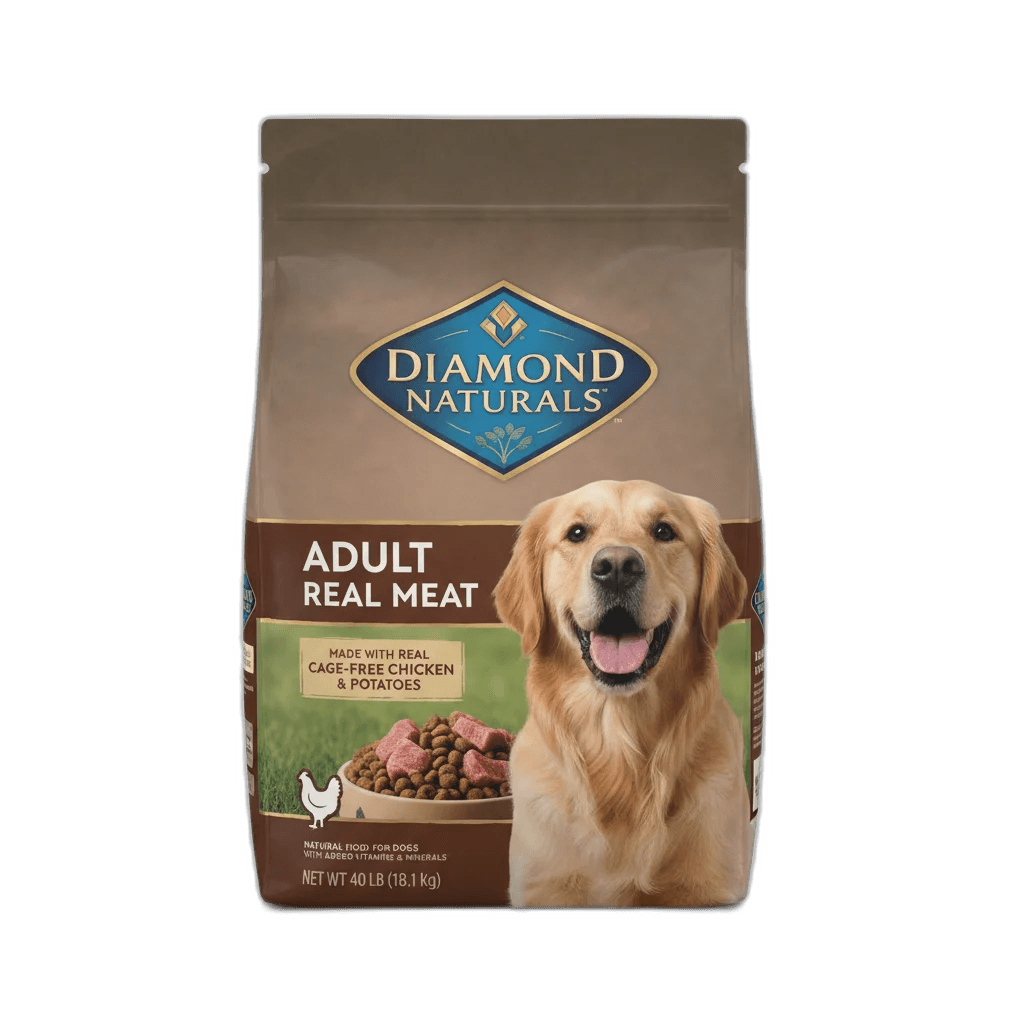
Dry Dog Food
Kibble picks ranked by ingredient quality, protein content, and value per pound.
Current top pick for this slot: Diamond Naturals Adult Real Meat
See all dry dog food picks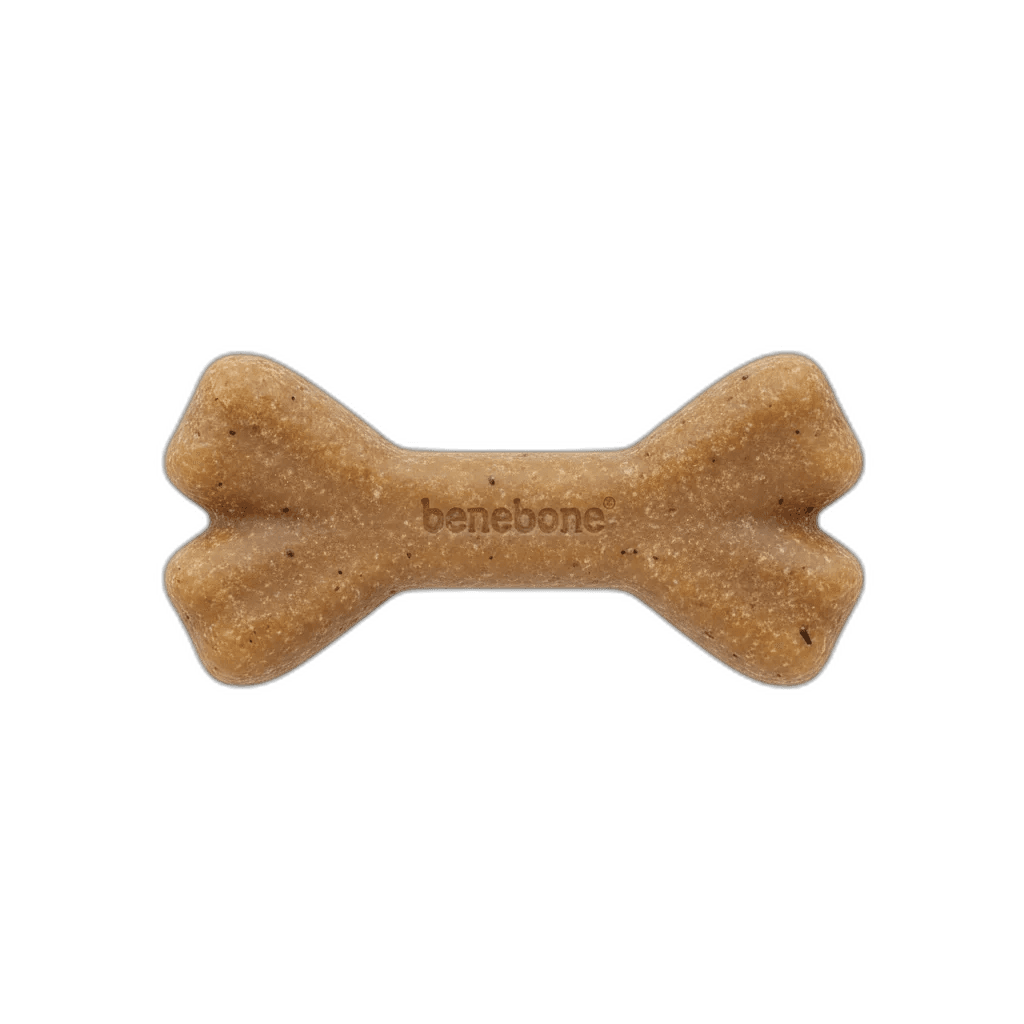
Dog Chew Toys
Durable chew toys for aggressive chewers and teething puppies.
Current top pick for this slot: Benebone Wishbone Chew (Large)
See all dog chew toys picks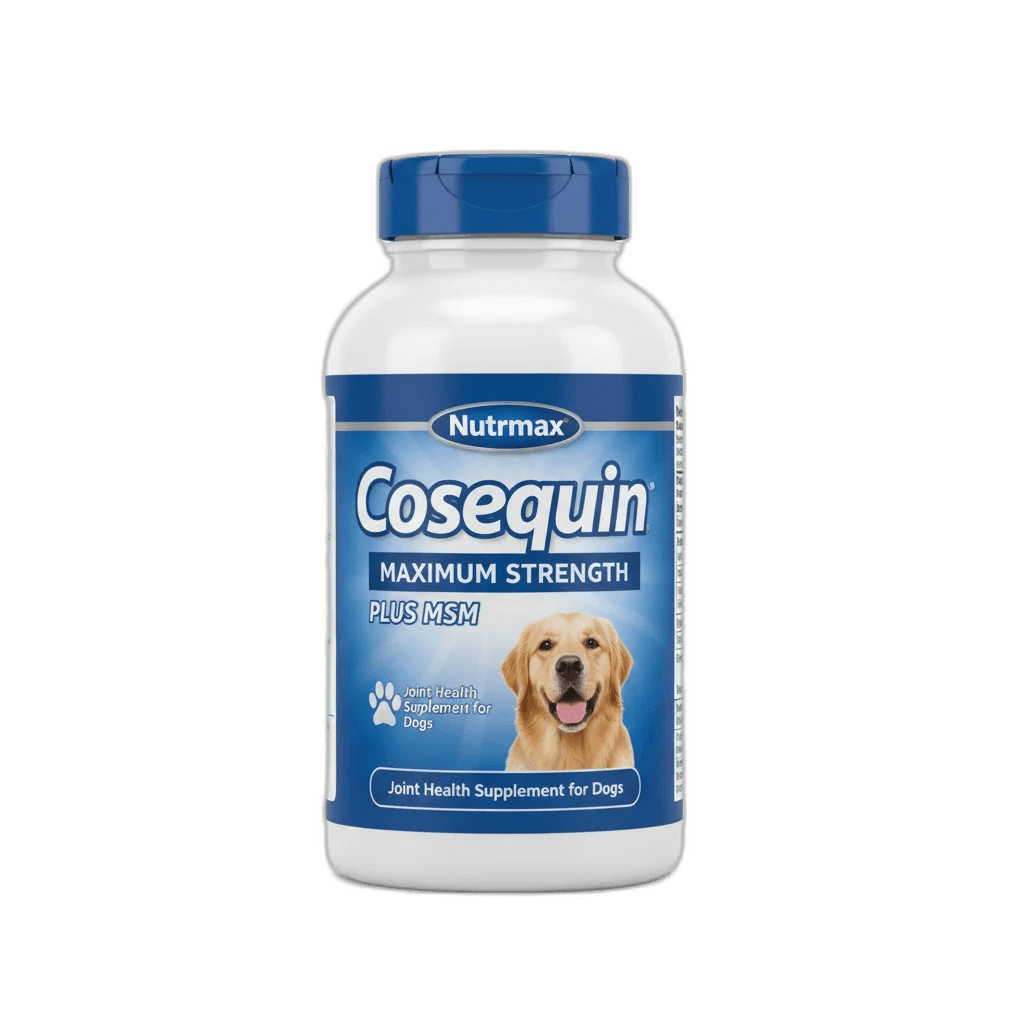
Joint & Mobility Supplements
Glucosamine, chondroitin, and hip & joint support for aging dogs.
Current top pick for this slot: Cosequin Maximum Strength (DS) Plus MSM, 60 ct
See all joint & mobility supplements picks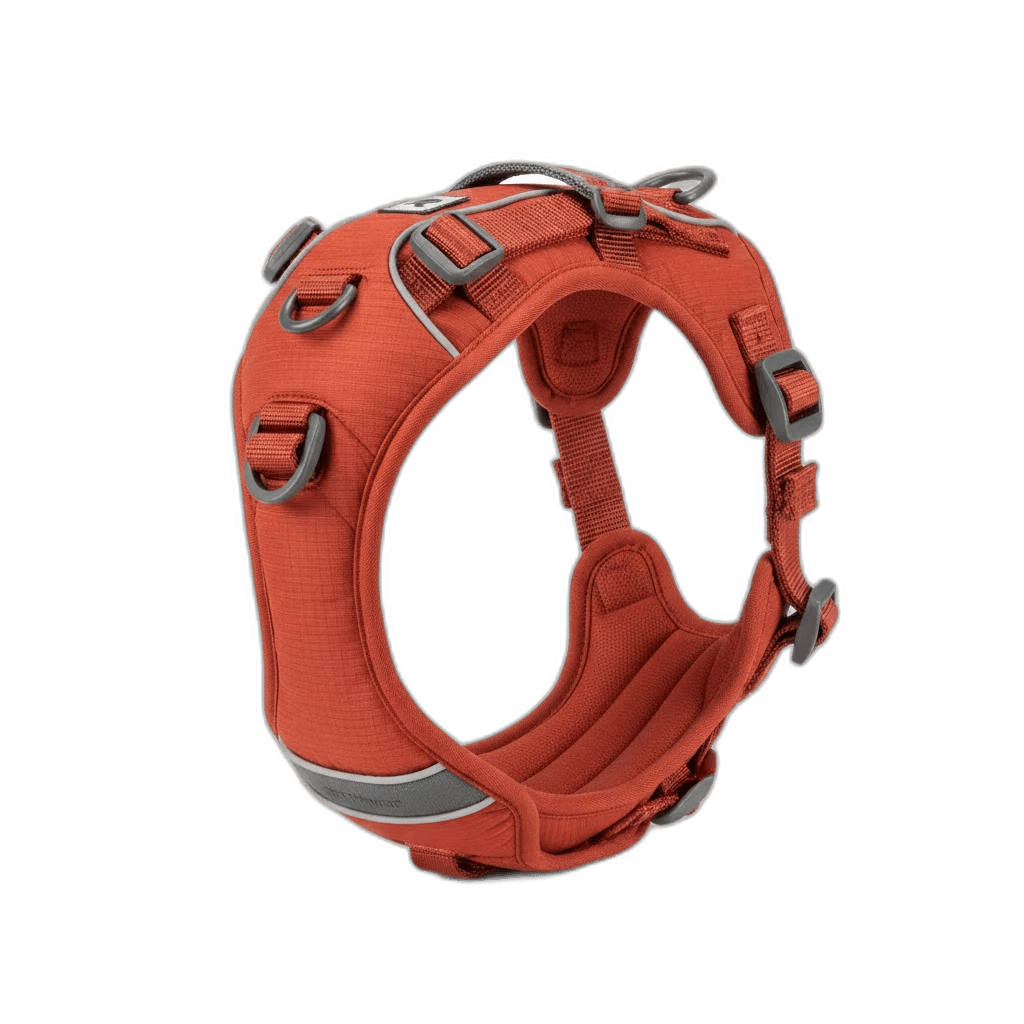
Dog Harnesses
No-pull, front-clip, and padded harnesses for every walking style.
Current top pick for this slot: Ruffwear Front Range Padded Harness
See all dog harnesses picks
Prices are approximate and may vary. Please check the latest price on Amazon. As an Amazon Associate I earn from qualifying purchases.
Life with a German Shepherd
Your German Shepherd follows you to the bathroom every single time. Not because they're anxious — they're on duty. Someone has to make sure the toilet is safe, and apparently that someone is your dog.
Your GSD has perfected a head tilt so precise and deliberate that it looks like they're actively computing your sentence and have reached a conclusion you may not like.
You've been stared at so intensely by your German Shepherd during dinner that you started narrating your food choices out loud to justify them, and somehow that felt necessary.
Every delivery driver who approaches your house will be tracked from the end of the street, barked at precisely twice as a warning, then completely ignored once cleared — the protocol is consistent and non-negotiable.
Your German Shepherd has assigned themselves a patrol circuit of the house that they complete at least once before bed. You don't ask questions. You let them do their job.
Editorial synthesis of r/germanshepherds discussions
r/germanshepherds will tell every new owner the same thing: you don't own a German Shepherd, you employ one — they need a purpose, clear leadership, and consistent rules, and a bored GSD with nothing to do will find their own job description, which usually involves your furniture or your sanity.
Paraphrased by PawBench from public discussion — not a quotation, and not a counted sample.
Games German Shepherds Actually Love
Tracking Game
Lay a simple scent trail by dragging a treat-rubbed glove across your yard, turning one corner, and hiding it under a towel at the end. Your GSD uses their nose
Protection Bite Work (Schutzhund Style)
Even casual bite-work with a sleeve or tug under structured guidance channels their protection instinct productively. You don't need a Schutzhund club to start — a firm tug toy
Advanced Obedience Course
Set up a sequence of 8-10 commands in a row — sit, down, heel, place, spin, back up, stay — and run through the whole chain. German Shepherds find multi-step
About the German Shepherd
Origin & Build
- •The German Shepherd was developed in Germany in the 1890s by Captain Max von Stephanitz as the ideal
- •Males weigh 65 to 90 pounds and stand 24 to 26 inches tall, while females range from 50
- •Their dense double coat is most commonly black-and-tan or sable, though solid black and bi-color variations exist,
Temperament
- •German Shepherds are confident, courageous, and intensely loyal — they bond deeply with their family and are naturally
- •They are highly trainable and thrive on having a job or structured activities, excelling in obedience, tracking,
- •Without sufficient mental stimulation, they become anxious and can develop problem behaviors including excessive barking, pacing, and destructiveness
- •They are typically reserved with strangers, which requires thorough early socialization to prevent fearfulness or over-guarding
Exercise Needs
- •German Shepherds need 90 minutes to two hours of daily exercise that includes both physical activity and mental
- •Long walks, running, hiking, fetch, and structured training sessions are all excellent outlets
- •They particularly excel in activities that engage their intelligence — tracking, nose work, and agility provide the mental-physical
- •An under-exercised German Shepherd is a profoundly unhappy dog that will make its frustration known through barking, chewing,
Health Watch
- •Hip and elbow dysplasia are the most common orthopedic concerns, with prevalence rates among the highest of any
- •Degenerative myelopathy is a progressive, incurable spinal cord disease that causes hind-limb paralysis and is particularly devastating
- •Bloat (GDV) is a life-threatening emergency that strikes large, deep-chested dogs without warning
- •Exocrine pancreatic insufficiency and allergies also occur frequently
Gear Tips
- A sturdy, front-clip no-pull harness rated for 70 to 100 pounds is essential — German Shepherds are powerful pullers, and a properly
- An undercoat rake is the single most important grooming tool for this breed. Weekly raking during normal periods and daily sessions during
- A slow-feeder bowl or puzzle feeder helps reduce bloat risk by slowing down eating. Elevated bowls were once recommended for bloat prevention
- Interactive toys and training equipment like flirt poles, tug toys, and scent-detection kits are critical for meeting this breed's mental stimulation needs.
- An extra-large, orthopedic bed with bolstered sides supports joints prone to dysplasia and gives them a defined space to settle. Choose
- A 6-foot biothane or leather leash provides reliable control and durability. Avoid retractable leashes entirely — they offer no control over
Keep Them Happy
- German Shepherds need a job, not just exercise. A tired GSD who has no mental challenge is still a frustrated GSD —
- Socialization is a lifelong practice with this breed, not a puppy-phase checkbox. Regular exposure to new people, dogs, and environments throughout adulthood
- Give them a 'place' command and use it daily. Teaching your GSD to go to a designated mat and stay there
- Channel the herding instinct into treibball (big ball herding) if you don't have livestock. GSDs take to this sport quickly and it
Buying guides for this breed type
German Shepherds share buying considerations with other breeds in these clusters:
Shop by category
Browse research-backed picks across every product category — not just for German Shepherds.
Frequently Asked Questions
- How do you manage German Shepherd shedding?
- Regular brushing with an undercoat rake two to three times per week is the baseline, increasing to daily during spring and fall blowouts. A high-velocity pet dryer can blast out loose undercoat more efficiently than brushing alone. No supplement or shampoo will stop the shedding
- What harness is best for a large German Shepherd?
- A front-clip, no-pull harness rated for 70 to 100 pounds with wide, padded straps is the best choice. The front attachment point redirects pulling force and discourages lunging. Avoid harnesses with narrow webbing that can dig into their thick coat, and make sure the fit
- Are German Shepherds prone to bloat?
- Yes, German Shepherds are at elevated risk for gastric dilatation-volvulus (bloat/GDV), a life-threatening condition where the stomach fills with gas and can twist on itself. Use a slow-feeder bowl, avoid feeding immediately before or after vigorous exercise, and feed two smaller meals instead of one
- What is degenerative myelopathy in German Shepherds?
- Degenerative myelopathy (DM) is a progressive disease of the spinal cord that causes gradual hind-limb weakness and eventually paralysis, similar to ALS in humans. It typically begins around age 8 and has no cure, though physical therapy and mobility aids like rear-support harnesses can maintain