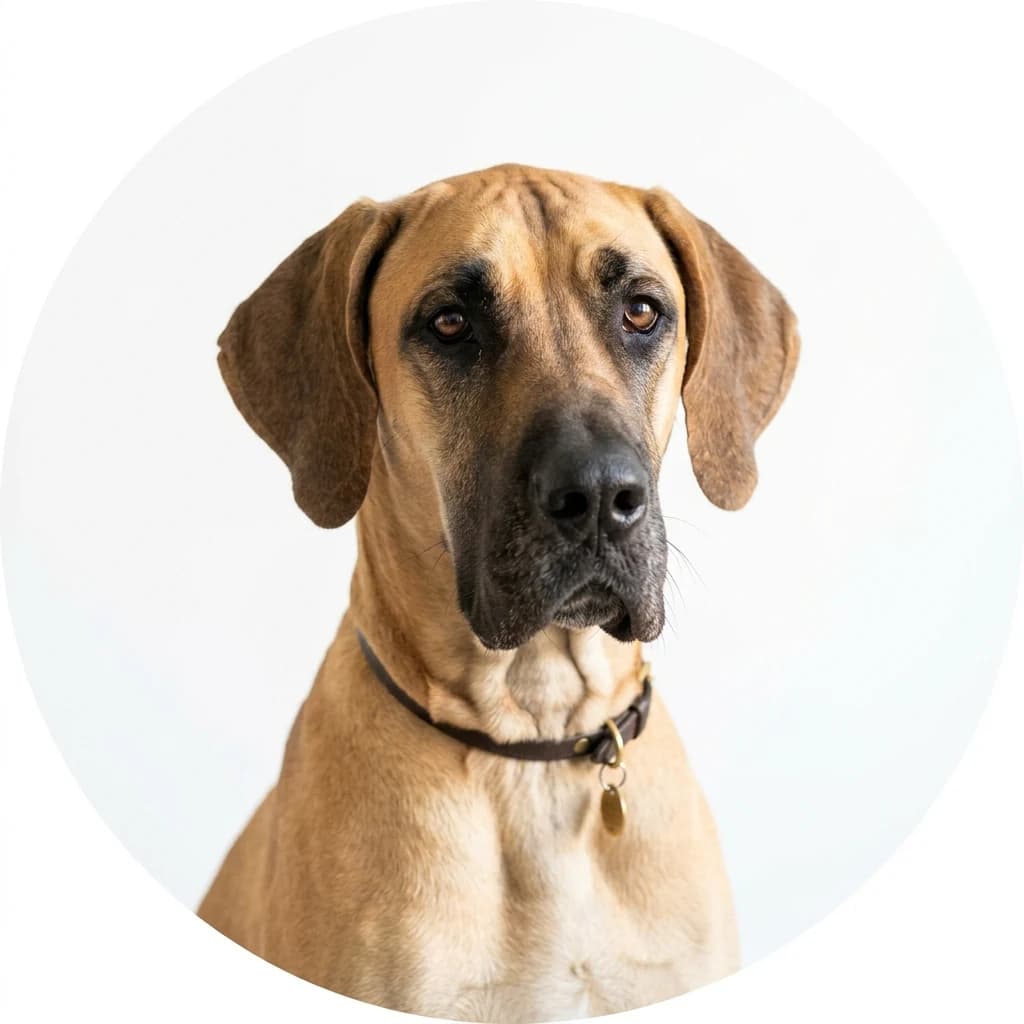
Best Gear for Great Danes
Great Danes are gentle giants standing 28-32 inches tall, prone to bloat (GDV), cardiomyopathy, and joint problems. Despite their size, they're relatively low-energy house dogs.
Great Danes are gentle giants standing 28-32 inches tall, prone to bloat (GDV), cardiomyopathy, and joint problems. Despite their size, they're relatively low-energy house dogs.
Weight
110-175 lbs
Height
28-32 in
Lifespan
7-10 yrs
Energy
Moderate
Shedding
Low
Trainability
Stubborn
What changes your buying decision for a Great Dane
Most gear advice is breed-agnostic. These are the 5traits on this breed’s profile that actually change which product is the right one — each one read straight off the stats above.
Breed profile
Walk gear is a fit decision, not a brand decision
A harness that fits is the one that stays put and stops rubbing. Girth varies far more between individual dogs than between Great Danes and any other breed, so measure before you buy rather than ordering the size on the breed chart.
Weight · 110-175 lbs
Giant sizing decides the bed and the crate
At 110-175 lbs a Great Dane sits in most brands' giant band — but "Large" is a marketing word, not a measurement. Buy to the manufacturer's stated weight rating and the dog's measured length, because the same label covers very different sleeping surfaces from one brand to the next.
Shedding · Low
Low-shedding is not low-maintenance
Hair that does not fall out mats instead, so a low-shedding coat needs a slicker brush and a metal comb used more often — not an expensive vacuum. This is the buying decision people get backwards.
Energy · Moderate
One durable chew, one active toy
Moderate energy suits a small rotation rather than a big shelf — one hard-wearing chew for downtime and one active toy for the daily session.
Trainability · Stubborn
High-value food is the leverage, not the gadget
Trainability rated "Stubborn" means the payoff comes from what you are paying with. High-value training treats and short sessions move this breed further than any piece of hardware, which is worth knowing before you buy a training tool.
The Great Dane gear checklist
These slots do different jobs, so this is a checklist rather than a comparison — each one links to the ranked picks for that slot, where products are compared against others of the same kind.
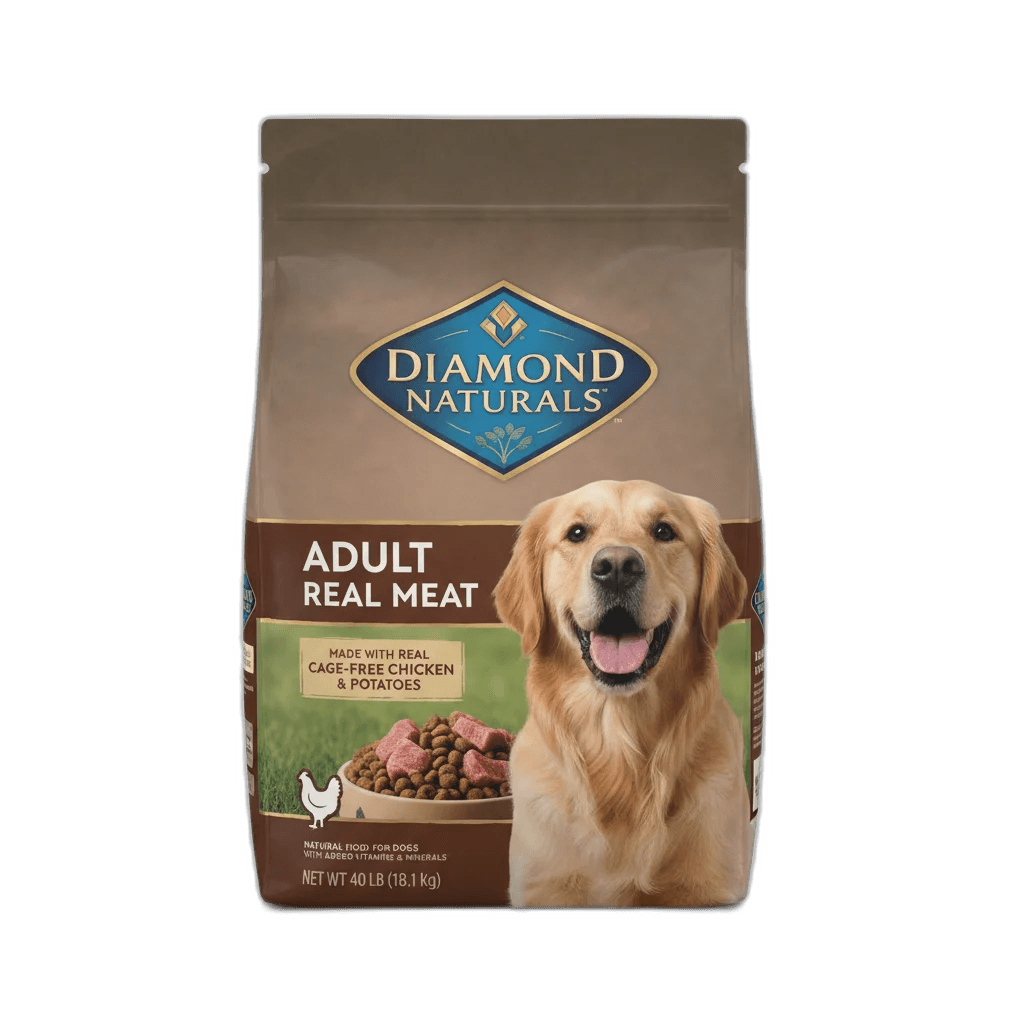
Dry Dog Food
Kibble picks ranked by ingredient quality, protein content, and value per pound.
Current top pick for this slot: Diamond Naturals Adult Real Meat
See all dry dog food picks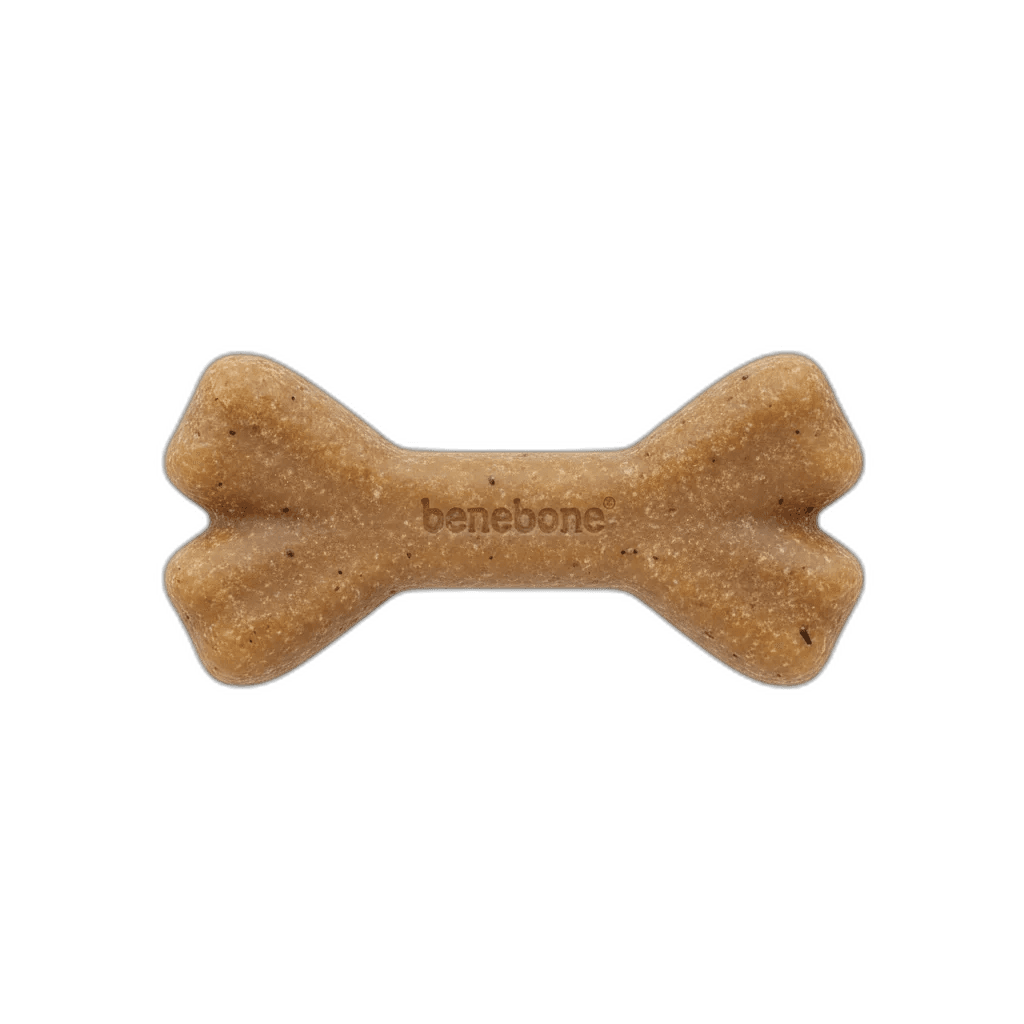
Dog Chew Toys
Durable chew toys for aggressive chewers and teething puppies.
Current top pick for this slot: Benebone Wishbone Chew (Large)
See all dog chew toys picks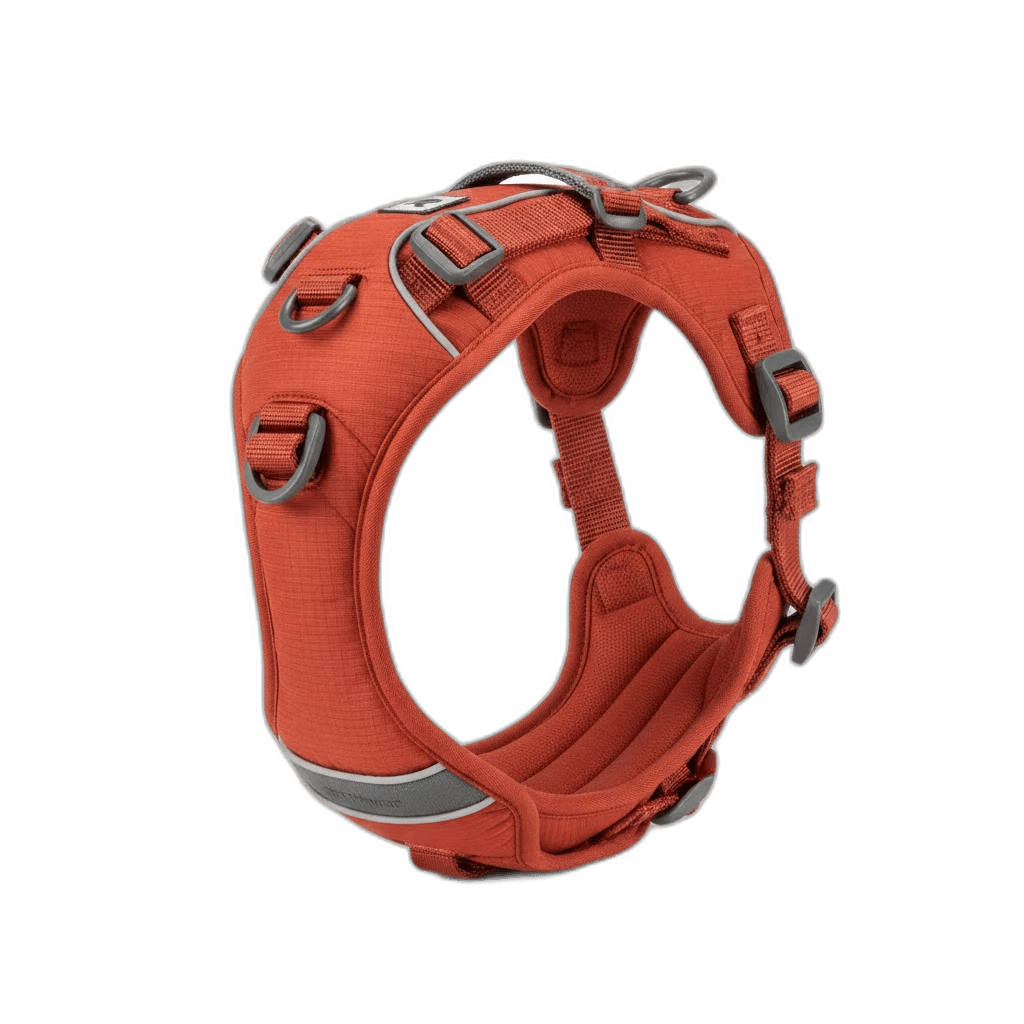
Dog Harnesses
No-pull, front-clip, and padded harnesses for every walking style.
Current top pick for this slot: Ruffwear Front Range Padded Harness
See all dog harnesses picks
Prices are approximate and may vary. Please check the latest price on Amazon. As an Amazon Associate I earn from qualifying purchases.
Life with a Great Dane
Your Great Dane will attempt to sit on your lap. Not beside you — on you. All 140 pounds of them, with complete sincerity and no awareness of the physics involved. This will happen regularly and you will let it happen every time.
Your kitchen counters are now accessible to your Great Dane without effort. Your dog is not counter-surfing — they are simply standing normally with their head at counter height. Anything left at the edge is considered communal property.
Your Great Dane's tail is an unguided weapon. It will clear your coffee table, bruise your thighs, and redecorate your lower walls with celebratory swipes. They feel no remorse because they feel no pain from it.
Strangers will stop you on every single walk to ask 'what breed is that,' 'does the saddle come with it,' and 'do you know how big they'll get.' You will hear these jokes for the entire life of the dog and you will smile every time because your dog is genuinely magnificent.
Your Great Dane will occupy 80% of any surface they touch — the couch, the bed, the backseat of the car — using a diagonal sprawl that seems physically impossible given the shape of the space. You will adjust. You will give up the bed. You will not regret it.
Editorial synthesis of r/greatdanes discussions
r/greatdanes has a collective mantra: 'they don't live long enough' — the breed's average lifespan of 7–10 years is the one truth every owner wishes they could change, and most Dane owners become advocates for the breed specifically because of how much life their dog packs into a short time. Also: the lap thing is not a quirk, it is a core personality trait, and you will never once refuse them.
Paraphrased by PawBench from public discussion — not a quotation, and not a counted sample.
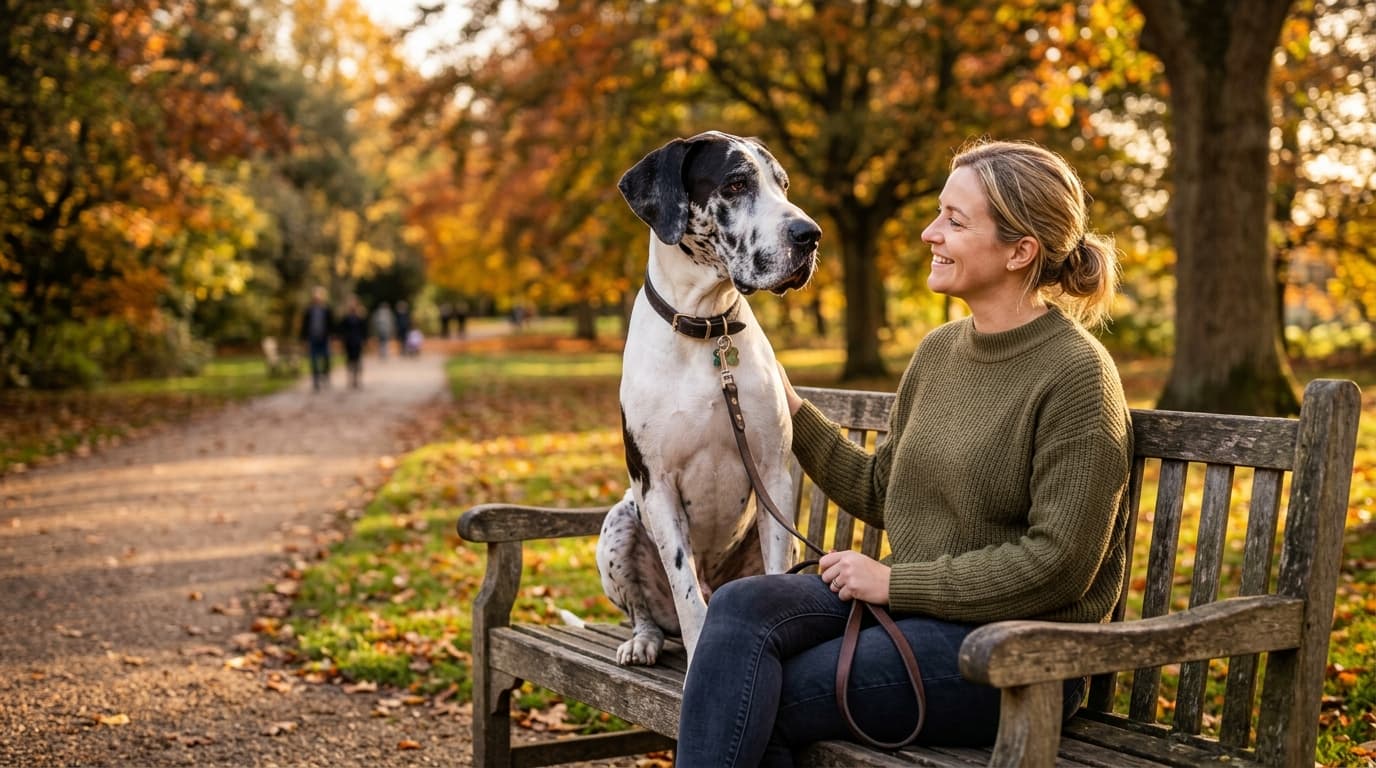
Games Great Danes Actually Love
Gentle Fetch with Soft Toys
Great Danes love to retrieve but their joints need protection — soft plush toys over short distances are far better than hard balls thrown long distances. Keep sessions under 15
Hide and Seek (You Hiding)
Great Danes are surprisingly people-focused and love using their nose to track their humans. Hide in another room, behind a door, or in the backyard and call them once.
Swimming
Water is the single best exercise for Great Danes — it provides full cardiovascular and muscle work with zero impact on their joints. Lakes, rivers, or large dog pools are
About the Great Dane
Origin & Build
- •Great Danes were developed in Germany, likely from crosses between English Mastiffs and Irish Wolfhounds, originally bred
- •Males stand 30 to 32 inches and weigh 140 to 175 pounds; females range from 28 to 30
- •Their coat is short, smooth, and dense, appearing in fawn, brindle, blue, black, harlequin, and mantle patterns
Temperament
- •Despite their imposing size, Great Danes are among the most gentle and affectionate breeds
- •They're deeply people-oriented and often unaware of just how large they are, frequently attempting to be lap dogs
- •They're friendly with strangers once introduced and generally tolerant of other dogs, though early socialization is important
- •Training should start young while they're still a manageable size — a stubborn 160-pound dog is a real
Exercise Needs
- •Great Danes need 30 to 60 minutes of moderate exercise daily, split into two walks
- •They enjoy leisurely strolls and brief play sessions but aren't built for endurance activities like jogging or hiking
- •Puppies under 18 to 24 months should avoid stairs, jumping, and hard running to protect growing joints
- •Without adequate exercise, Danes can develop destructive habits, though they're far less hyperactive than most breeds when under-exercised
Health Watch
- •Bloat (GDV) is the most urgent health risk — many Dane owners discuss preventive gastropexy surgery with their
- •Dilated cardiomyopathy is common and often fatal, making regular cardiac screening important
- •Hip dysplasia, osteosarcoma (bone cancer), and hypothyroidism round out the major concerns
- •Average lifespan is 7 to 10 years
Gear Tips
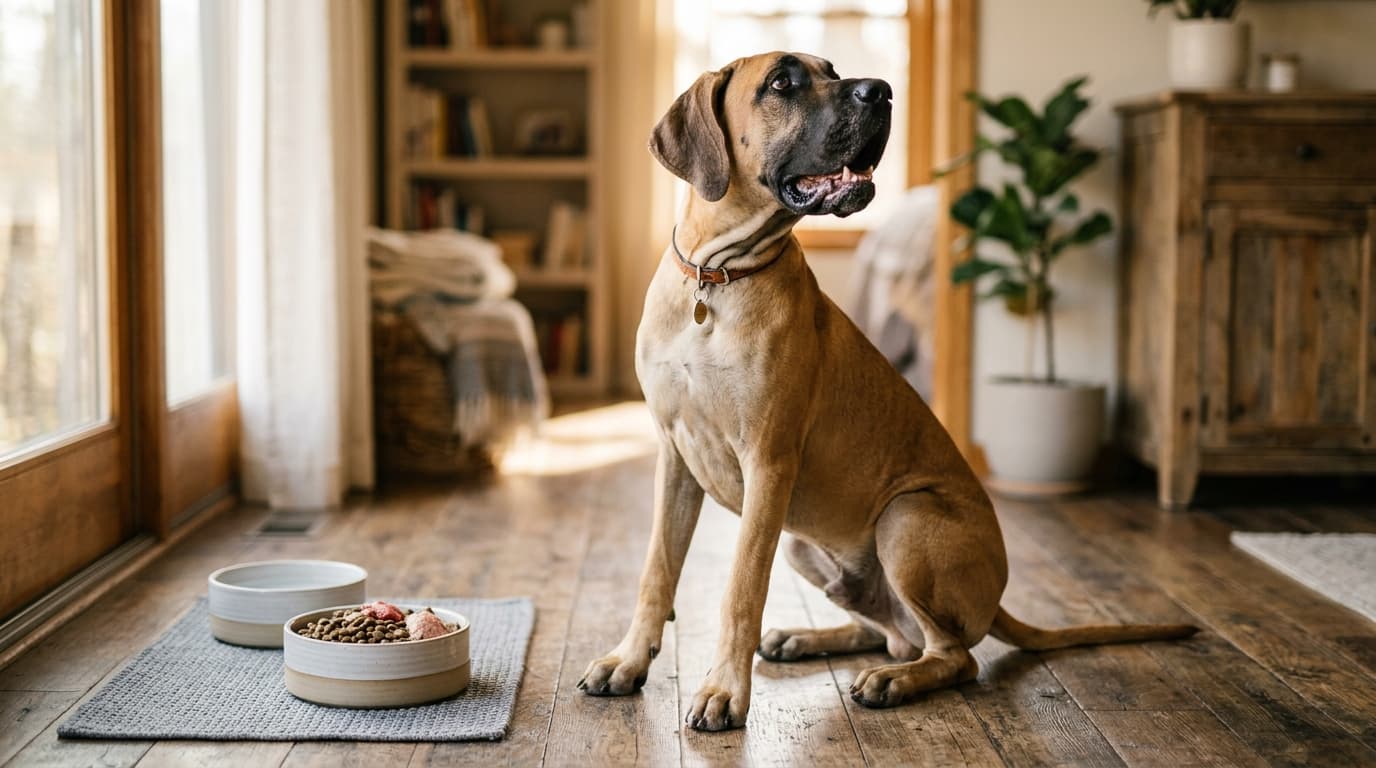
- Use a front-clip no-pull harness rated for giant breeds (like the Ruffwear Front Range XXL) — standard harnesses won't fit a 170-pound
- Invest in an orthopedic dog bed with at least 7 inches of memory foam — Great Danes are prone to joint issues
- Get a 54-inch double-door crate (minimum) for crate training — Danes need the tallest crates available, and the double door makes access
- A slow-feeder bowl or puzzle feeder is nearly essential to reduce bloat risk — Danes who gulp food too quickly are
- Choose a 6-foot leather leash with a strong bolt snap rated for 200+ pounds — nylon leashes can burn your hands if
- Keep a rubber grooming mitt on hand for weekly coat maintenance — their short coat sheds more than you'd expect, and
Keep Them Happy
- Do not over-exercise a Great Dane under 18 months. Their growth plates don't close until late and hard running on pavement
- Feed from a raised bowl and know the signs of bloat (GDV) cold — distended abdomen, unproductive retching, restlessness. It is
- Mental enrichment matters as much as physical exercise. Puzzle feeders, snuffle mats, and training sessions prevent the boredom that leads to that
- Budget deliberately for the breed: food costs two to three times a medium dog, vet costs scale with size, and specialist visits
Buying guides for this breed type
Great Danes share buying considerations with other breeds in these clusters:
Shop by category
Browse research-backed picks across every product category — not just for Great Danes.
Frequently Asked Questions
- What size crate does a Great Dane need?
- Most adult Great Danes need a 54-inch crate at minimum, which is the largest standard size available. Look for crates that are at least 36 inches tall so your Dane can stand comfortably without hunching. Double-door models from brands like MidWest or Diggs are popular
- Do Great Danes need a special harness?
- Yes — standard large-size harnesses usually won't fit a Great Dane's deep chest and long torso. You need a giant-breed-specific harness with adjustable chest and girth straps, ideally with a front clip for walk training. Brands like Ruffwear, Julius-K9, and 2 Hounds Design make sizes
- Are elevated food bowls good for Great Danes?
- This is debated among veterinarians. Elevated feeders reduce neck strain and are more comfortable for tall dogs, but some older studies linked them to increased bloat risk. Most current giant-breed vets recommend moderate elevation (not floor level but not chest height) combined with slow-feeder inserts
- How much does it cost to own a Great Dane?
- Great Danes are one of the most expensive breeds to maintain. Expect to spend $200 to $400 monthly on food alone, plus oversized gear costs 30 to 50 percent more than standard sizes. Veterinary bills tend to run higher due to giant-breed health issues,