
Best Gear for Papillons
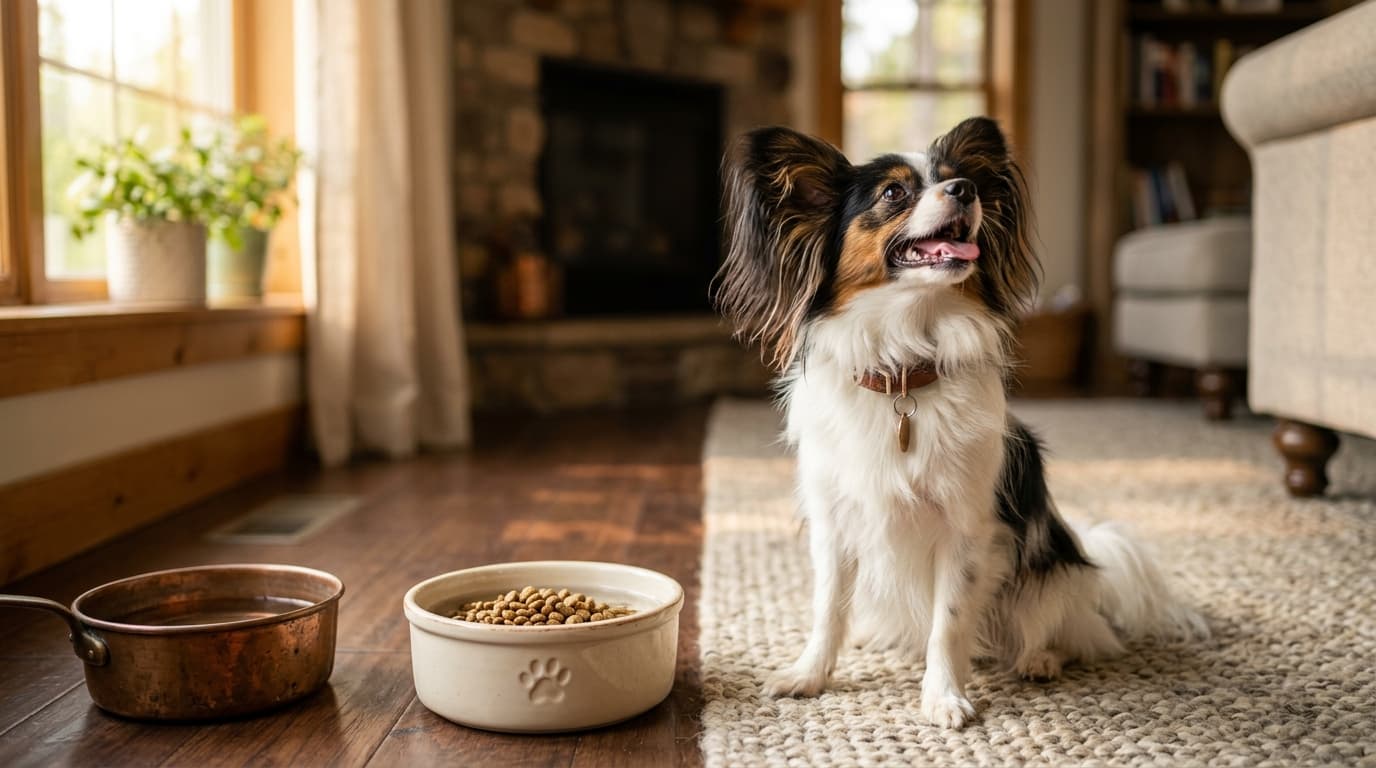
Papillons are tiny (5-10 lbs), surprisingly athletic toy dogs named for their butterfly-like ears. They're prone to patellar luxation, dental disease, collapsed trachea, and progressive retinal atrophy, but are one of the longest-lived breeds (14-16 years).
Papillons are tiny (5-10 lbs), surprisingly athletic toy dogs named for their butterfly-like ears. They're prone to patellar luxation, dental disease, collapsed trachea, and progressive retinal atrophy, but are one of the longest-lived breeds (14-16 years).
Weight
5-10 lbs
Height
8-11 in
Lifespan
14-16 yrs
Energy
Moderate
Shedding
Moderate
Trainability
Smart
What changes your buying decision for a Papillon
Most gear advice is breed-agnostic. These are the 5traits on this breed’s profile that actually change which product is the right one — each one read straight off the stats above.
Breed profile
Walk gear is a fit decision, not a brand decision
A harness that fits is the one that stays put and stops rubbing. Girth varies far more between individual dogs than between Papillons and any other breed, so measure before you buy rather than ordering the size on the breed chart.
Weight · 5-10 lbs
Small sizing decides the bed and the crate
At 5-10 lbs a Papillon sits in most brands' small band — but "Large" is a marketing word, not a measurement. Buy to the manufacturer's stated weight rating and the dog's measured length, because the same label covers very different sleeping surfaces from one brand to the next.
Shedding · Moderate
Weekly brushing, not daily
Moderate shedding is a weekly-brush commitment. A slicker brush plus a metal comb covers it; the specialist deshedding tools are aimed at heavier coats than this one.
Energy · Moderate
One durable chew, one active toy
Moderate energy suits a small rotation rather than a big shelf — one hard-wearing chew for downtime and one active toy for the daily session.
Trainability · Smart
Spend on the reward, not the hardware
Trainability rated "Smart" means most of the budget belongs in rewards and a plain fixed-length leash. Corrective hardware solves a problem this breed does not usually present.
The Papillon gear checklist
These slots do different jobs, so this is a checklist rather than a comparison — each one links to the ranked picks for that slot, where products are compared against others of the same kind.
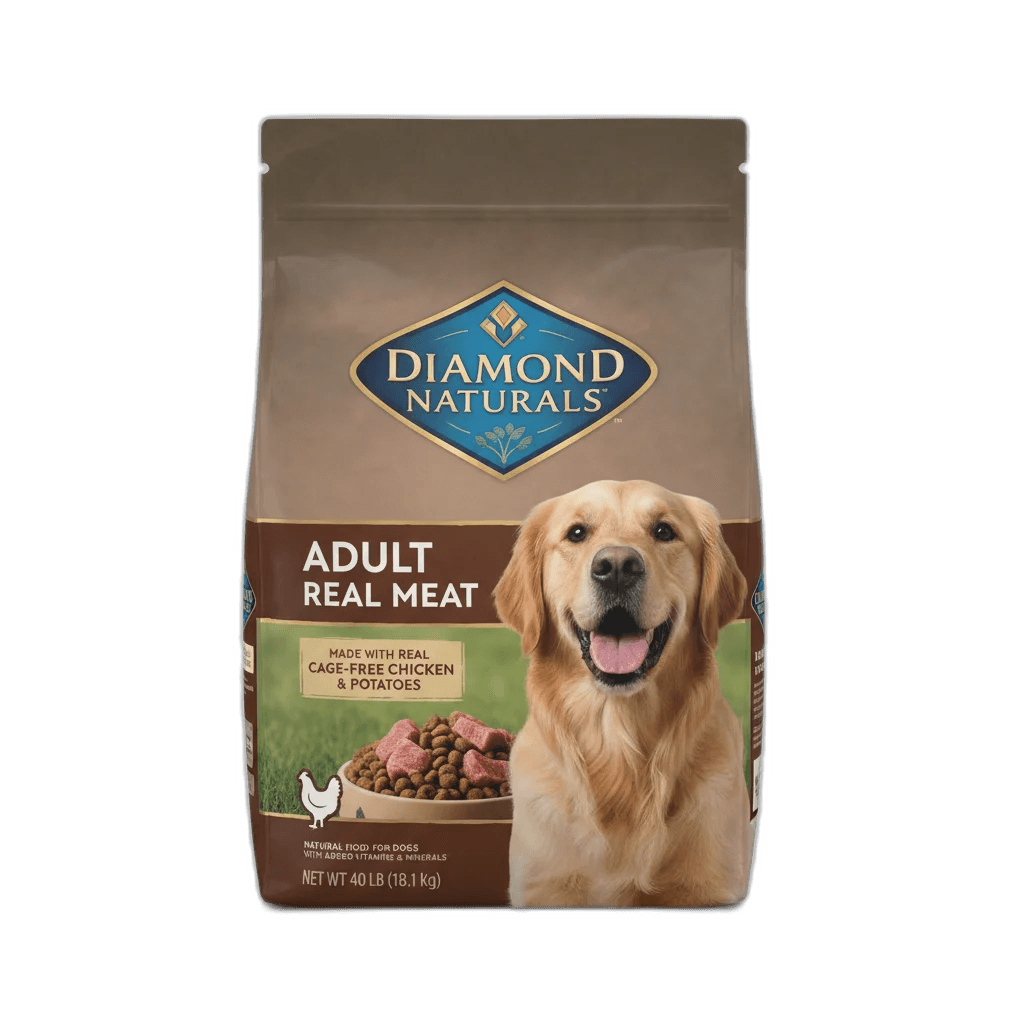
Dry Dog Food
Kibble picks ranked by ingredient quality, protein content, and value per pound.
Current top pick for this slot: Diamond Naturals Adult Real Meat
See all dry dog food picks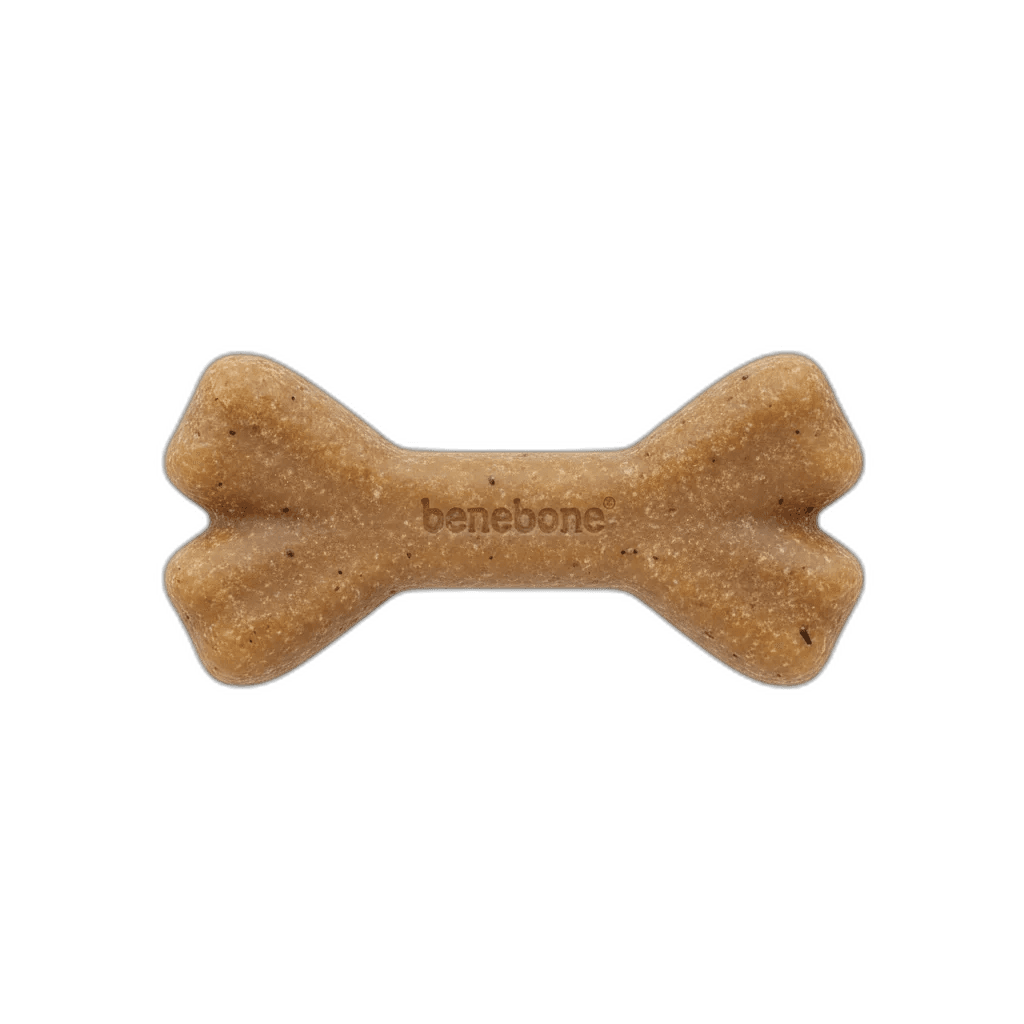
Dog Chew Toys
Durable chew toys for aggressive chewers and teething puppies.
Current top pick for this slot: Benebone Wishbone Chew (Large)
See all dog chew toys picks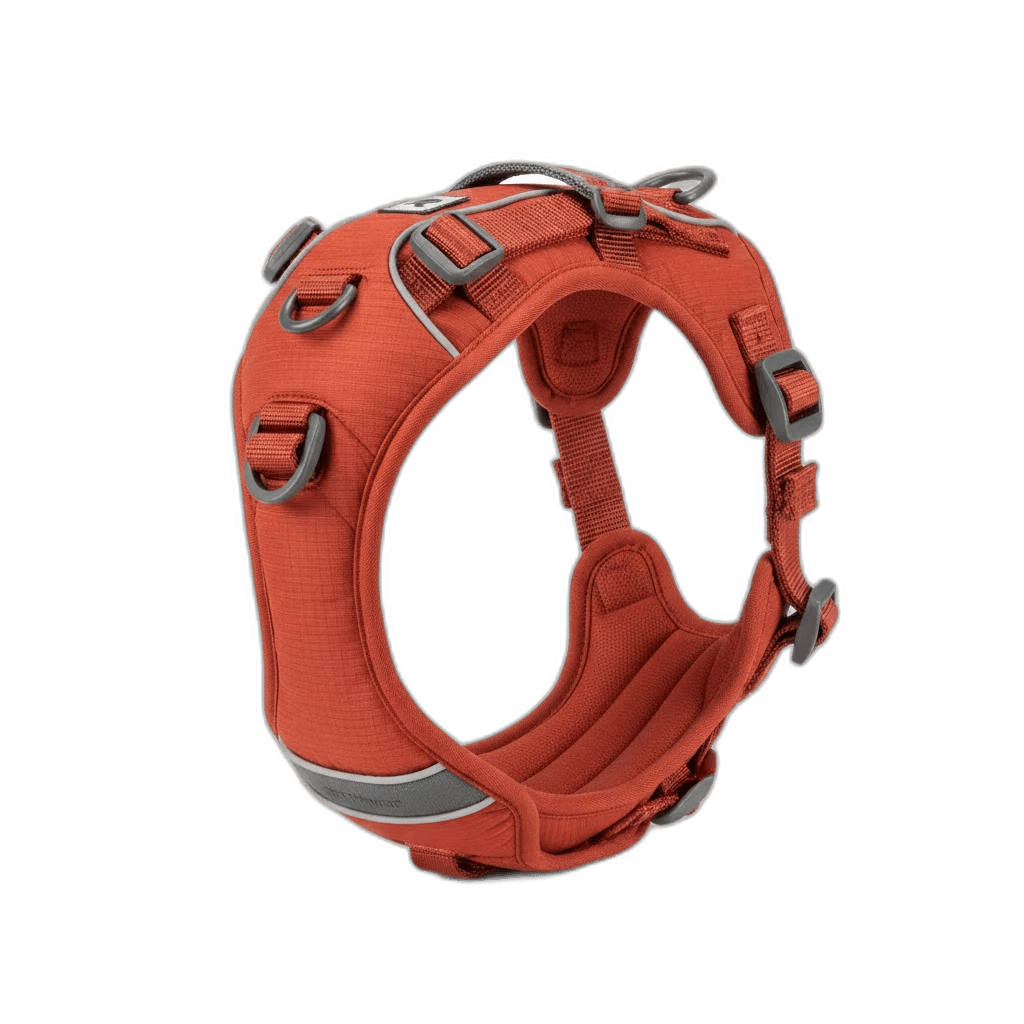
Dog Harnesses
No-pull, front-clip, and padded harnesses for every walking style.
Current top pick for this slot: Ruffwear Front Range Padded Harness
See all dog harnesses picks
Prices are approximate and may vary. Please check the latest price on Amazon. As an Amazon Associate I earn from qualifying purchases.
Life with a Papillon
Your 8-pound Papillon will confidently attempt to manage a Golden Retriever, two Labradoodles, and a border collie at the dog park. They do not understand that they are small. Size is a human concept.
People stop you constantly to ask about the ears. Every single walk. You've explained what a Papillon is approximately 400 times. You carry the information like a business card.
Your Papillon learned 'sit,' 'down,' 'spin,' 'wave,' and 'roll over' in the same afternoon. Now they're bored and have started opening cabinet doors.
They will bark once, sharply and professionally, at every person who walks past your apartment door. All day. They consider this their job. They are very committed to this job.
You thought you were getting a calm little lap dog. You were not. You have a tiny, feather-eared athlete who needs agility class the way some people need therapy.
Editorial synthesis of r/papillon discussions
Across r/papillon discussions, one theme recurs: do not let the fluffy butterfly ears fool you — you did not adopt a lap dog, you adopted a Border Collie that weighs eight pounds and can fit in your jacket pocket.
Paraphrased by PawBench from public discussion — not a quotation, and not a counted sample.
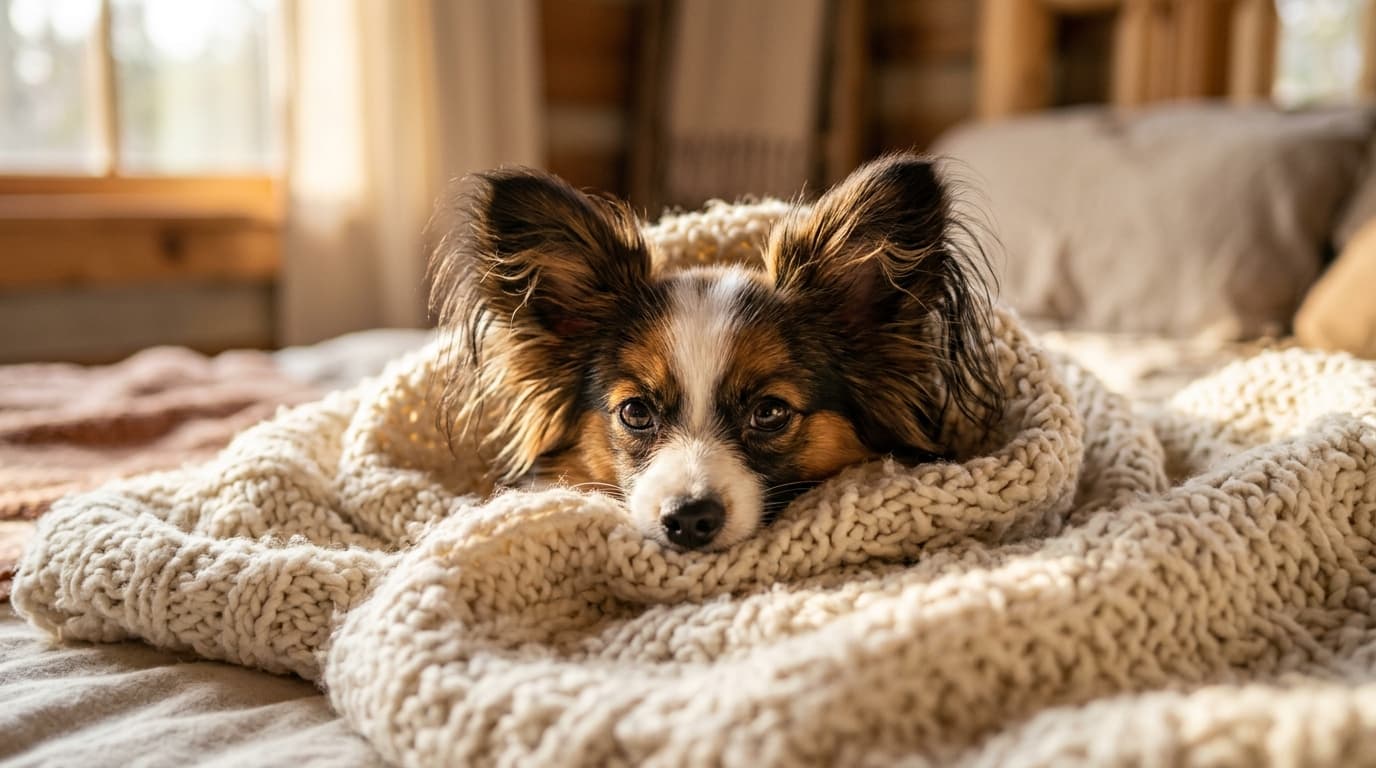
Games Papillons Actually Love
Agility Course (Even in Your Living Room)
Set up a mini course with chairs, tunnels made from blankets, and low jump bars from broomsticks. Papillons are among the top-performing breeds in competitive agility — they were built
Trick Chain Performance
String 6–8 tricks together into a sequence your Papillon performs start to finish for a reward. They're historically descended from circus-performing Continental Toy Spaniels and have an instinct for performing
Frisbee Sprint
Use a soft disc and throw short, low arcs for your Papillon to chase and catch. Despite their size, they are surprisingly fast, leap well, and have the drive
About the Papillon
Origin & Build
- •Papillons evolved from the Continental Toy Spaniel, a breed beloved by European royalty for centuries — Marie Antoinette
- •They weigh 5 to 10 pounds and stand 8 to 11 inches, with a fine-boned but surprisingly sturdy
- •Their long, silky single coat is white with patches of any color, and the dramatic ear fringe that
- •The drop-eared variety, called Phalene (moth), has the same coat and build but with ears that fold downward
Temperament
- •Papillons are remarkably intelligent, ranking among the top ten smartest breeds, with a confidence and energy level that
- •They're devoted to their owners, alert to their surroundings, and make surprisingly effective watchdogs despite weighing less than
- •They generally get along with other dogs but can be fearless to the point of recklessness around larger
- •Training is a genuine pleasure since they learn rapidly and seem to enjoy the mental challenge of new
Exercise Needs
- •Despite their toy size, Papillons need 30 to 45 minutes of daily activity, including walks, interactive play,
- •They excel at agility, rally, and obedience trials, often outperforming much larger breeds in these competitive sports
- •Without sufficient mental and physical stimulation, they can become yappy, anxious, and prone to nuisance behaviors
- •They handle moderate temperatures well but need protection from cold weather and should avoid rough play with larger
Health Watch
- •Patellar luxation is the most common orthopedic issue, with dental disease affecting nearly all Papillons due to their
- •Collapsed trachea is a concern that directly impacts gear choices — harnesses are mandatory instead of collars
- •Progressive retinal atrophy (PRA) and open fontanelles (soft spots on the skull) occur in some lines
- •Papillons are one of the longest-lived breeds, typically reaching 14 to 16 years with good care
Gear Tips
- A lightweight step-in harness is absolutely mandatory — never use a collar for leash walks since Papillons are prone to collapsed trachea,
- A small pin brush and a fine-toothed comb handle all grooming needs; the single coat doesn't mat as easily as double-coated breeds,
- A fleece-lined dog jacket or sweater is essential for cold weather walks since Papillons have no undercoat and lose body heat rapidly
- Invest in a quality dental care kit with a small-head toothbrush and enzymatic paste — daily brushing is the most important health
- Use a small-gauge, lightweight retractable or 6-foot leash that won't weigh down their delicate frame; heavy hardware can throw off their natural
- Portable pet stairs or a ramp for furniture access protects their knees from the repeated jumping that worsens patellar luxation over time.
Keep Them Happy
- Enroll in agility, flyball, or trick dog classes — Papillons are toy breeds who behave like working dogs. Competitive dog sports are
- Teach new tricks continuously. Papillons learn so quickly that they cycle through a trick repertoire fast — introduce new behaviors weekly
- Despite their size, Papillons need real exercise, not just indoor play. Off-leash runs in a secure area 3–4 times per week prevents
- Puzzle feeders and snuffle mats at mealtime extend their eating into a mental activity. Papillons eat quickly and their brains need something
Buying guides for this breed type
Papillons share buying considerations with other breeds in these clusters:
Shop by category
Browse research-backed picks across every product category — not just for Papillons.
Frequently Asked Questions
- Why should Papillons wear harnesses instead of collars?
- Papillons are prone to collapsed trachea, a condition where the cartilage rings in the windpipe weaken and restrict airflow. Any pressure from a collar — even light pulling — can worsen this condition or trigger coughing episodes. A lightweight, well-fitted step-in harness distributes pressure across
- Are Papillons hard to groom?
- Surprisingly not. Despite their elegant appearance, Papillons have a single-layer coat with no undercoat, which means far less matting and shedding than most long-haired breeds. Two to three brushing sessions per week with a pin brush keeps them looking great. The ear fringe and chest
- Can Papillons do agility and dog sports?
- Absolutely — Papillons are agility superstars and consistently rank among the top toy breeds in competitive dog sports. Their intelligence, speed, and eagerness to work make them natural athletes despite their small size. Starting with basic agility equipment at home and working up to classes
- How long do Papillons live?
- Papillons are one of the longest-lived dog breeds, with a typical lifespan of 14 to 16 years and some individuals reaching 17 or beyond. Keeping up with dental care, maintaining a healthy weight, and regular vet checkups are the biggest contributors to longevity. Their small