
Best Gear for St. Bernards
St. Bernards are massive, gentle giants weighing 120-180 lbs, prone to bloat (GDV), hip and elbow dysplasia, osteosarcoma, and cardiomyopathy. They drool excessively and overheat easily despite their cold-weather heritage.
St. Bernards are massive, gentle giants weighing 120-180 lbs, prone to bloat (GDV), hip and elbow dysplasia, osteosarcoma, and cardiomyopathy. They drool excessively and overheat easily despite their cold-weather heritage.
Weight
120-180 lbs
Height
26-30 in
Lifespan
8-10 yrs
Energy
High
Shedding
Moderate
Trainability
Easy
What changes your buying decision for a St. Bernard
Most gear advice is breed-agnostic. These are the 5traits on this breed’s profile that actually change which product is the right one — each one read straight off the stats above.
Breed profile
Walk gear is a fit decision, not a brand decision
A harness that fits is the one that stays put and stops rubbing. Girth varies far more between individual dogs than between St. Bernards and any other breed, so measure before you buy rather than ordering the size on the breed chart.
Weight · 120-180 lbs
Giant sizing decides the bed and the crate
At 120-180 lbs a St. Bernard sits in most brands' giant band — but "Large" is a marketing word, not a measurement. Buy to the manufacturer's stated weight rating and the dog's measured length, because the same label covers very different sleeping surfaces from one brand to the next.
Shedding · Moderate
Weekly brushing, not daily
Moderate shedding is a weekly-brush commitment. A slicker brush plus a metal comb covers it; the specialist deshedding tools are aimed at heavier coats than this one.
Energy · High
Buy toys for replacement cost, not novelty
High energy sets the toy budget: chase-and-fetch toys and chews get destroyed on a schedule, so durability per dollar matters more than the feature list. No toy substitutes for the exercise itself.
Trainability · Easy
Spend on the reward, not the hardware
Trainability rated "Easy" means most of the budget belongs in rewards and a plain fixed-length leash. Corrective hardware solves a problem this breed does not usually present.
The St. Bernard gear checklist
These slots do different jobs, so this is a checklist rather than a comparison — each one links to the ranked picks for that slot, where products are compared against others of the same kind.
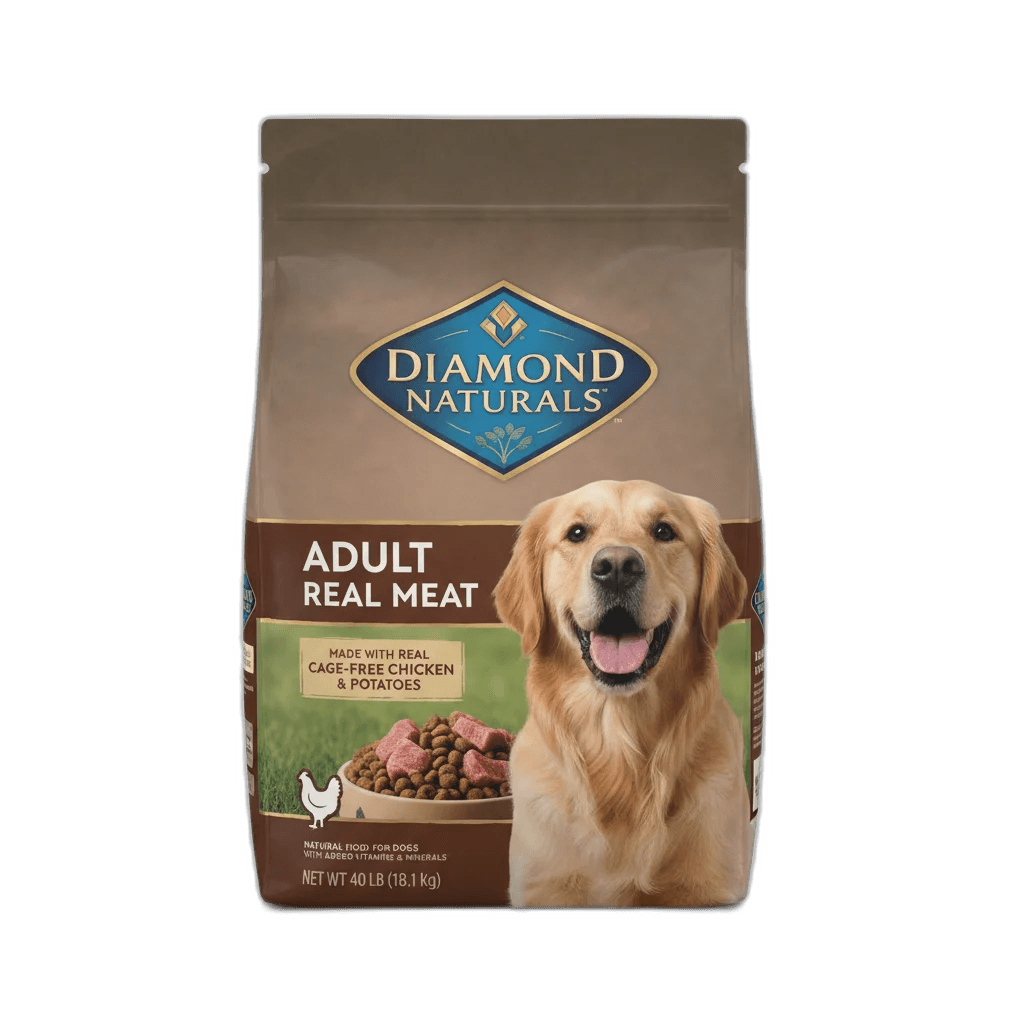
Dry Dog Food
Kibble picks ranked by ingredient quality, protein content, and value per pound.
Current top pick for this slot: Diamond Naturals Adult Real Meat
See all dry dog food picks
Dog Chew Toys
Durable chew toys for aggressive chewers and teething puppies.
Current top pick for this slot: Benebone Wishbone Chew (Large)
See all dog chew toys picks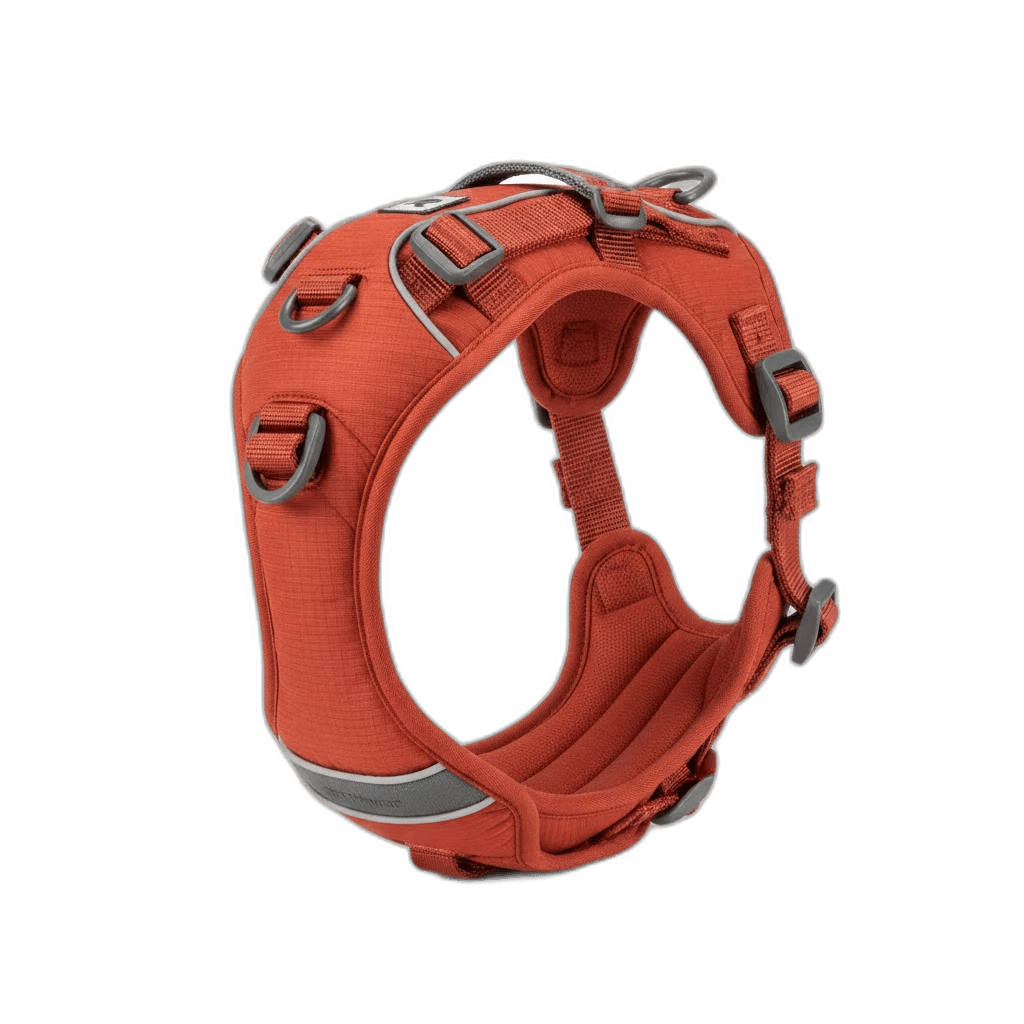
Dog Harnesses
No-pull, front-clip, and padded harnesses for every walking style.
Current top pick for this slot: Ruffwear Front Range Padded Harness
See all dog harnesses picks
Prices are approximate and may vary. Please check the latest price on Amazon. As an Amazon Associate I earn from qualifying purchases.
Life with a St. Bernard
Your St. Bernard is 140 pounds and absolutely certain they are a lap dog. They will attempt to sit on you. This is not a suggestion. You will accept it because saying no doesn't really seem to work.
The drool is not occasional. The drool is ambient. There are drool marks on your walls at a height that should not be physically possible. You own a drool towel. It lives in your pocket now.
Their tail is a precision demolition tool. Coffee tables, drinks, children, decorative items — all at risk within a 3-foot radius. You have rearranged your home around the tail. This was the right move.
Mid-walk, for no reason, they will simply sit down and refuse to continue. You cannot move them. You will stand there, negotiating with 150 pounds of serene immovable dog, until they decide they're ready.
They sleep up to 18 hours a day and do it with the commitment of an Olympic athlete. The snoring is audible from two rooms away. You have stopped being able to sleep without it.
Editorial synthesis of r/SaintBernard discussions
r/SaintBernard has a saying that every new owner eventually understands: you don't buy furniture for yourself anymore — you buy furniture that can handle the drool, the fur, and the full weight of a dog who believes your lap is a constitutional right.
Paraphrased by PawBench from public discussion — not a quotation, and not a counted sample.
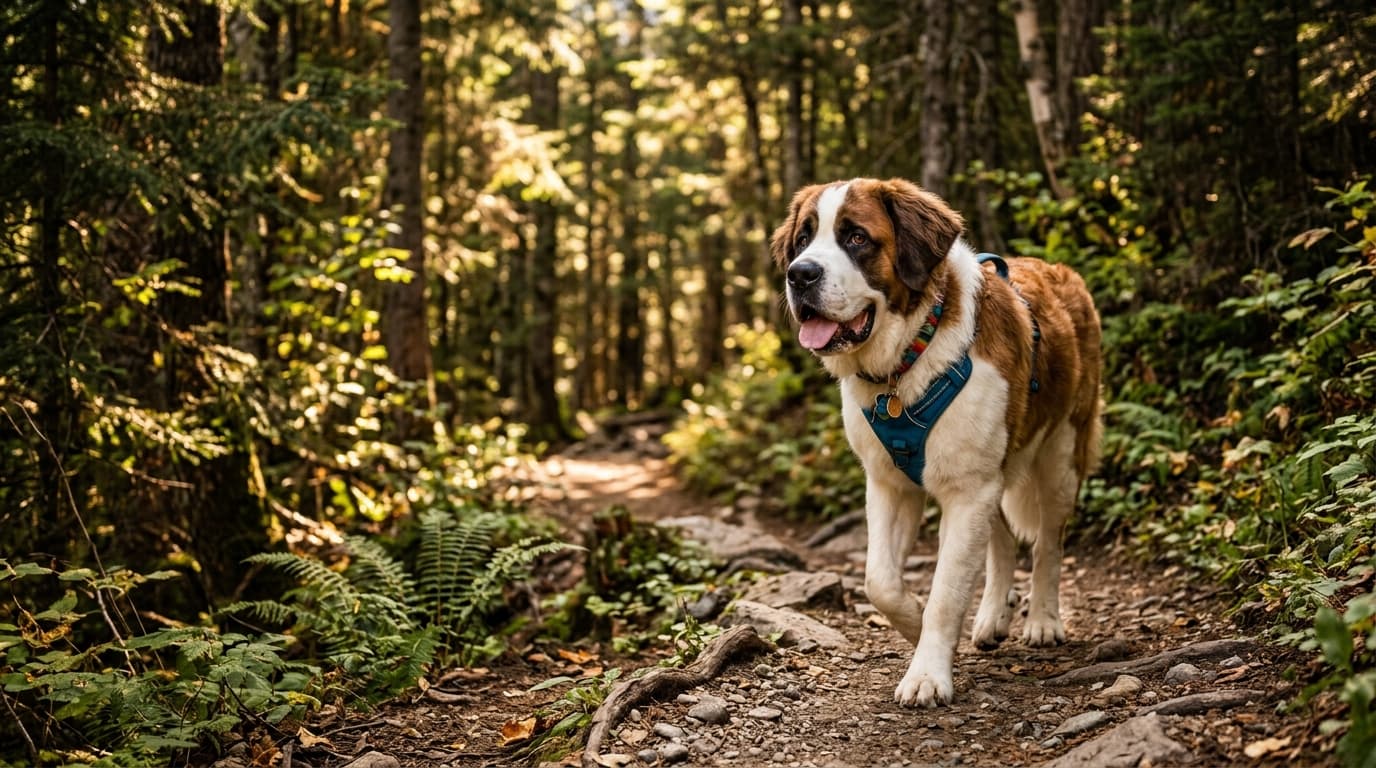
Games St. Bernards Actually Love
Search and Find
Have a family member 'hide' in the house or yard and send your St. Bernard to find them. St. Bernards were bred at a Swiss Alpine monastery to locate avalanche
Slow Sniff Safari
Take your St. Bernard on a long, leisurely walk with no agenda — let them stop and smell everything at full length. St. Bernards are not built for speed; they're
Gentle Tug and Retrieve
Use a large rope toy for a calm, structured tug session with a clear start and stop command. St. Bernards are powerful and good-natured — tug gives them a physical
About the St. Bernard
Origin & Build
- •St
- •Bernards were developed by monks at the Great St
- •Bernard Hospice in the Swiss Alps, where they served as rescue dogs for over 300 years, saving
- •They weigh 120 to 180 pounds and stand 26 to 30 inches tall, with a massive, powerful build
Temperament
- •St
- •Bernards are patient, gentle, and genuinely sweet-natured dogs who seem instinctively careful around children and smaller animals
- •They're friendly and welcoming with strangers, rarely aggressive, and their sheer size alone provides deterrent value without any
- •Training should start early while they're still a manageable size since a 150-pound dog with no leash manners
Exercise Needs
- •St
- •Bernards need just 45 to 60 minutes of moderate daily exercise — a couple of leisurely walks
- •Over-exercising puppies and young dogs under 18 months is genuinely dangerous since their heavy bodies place enormous stress
- •They overheat easily and should never exercise in warm weather; shade, air conditioning, and cool water access are
Health Watch
- •Bloat (gastric dilatation-volvulus) is the most acute risk and every St
- •Bernard owner should know the symptoms and have an emergency vet plan
- •Hip and elbow dysplasia affect the majority of St
- •Bernards to some degree, making joint health management a lifelong priority

Gear Tips
- An extra-large orthopedic dog bed rated for 200-plus pounds is one of the most important purchases you'll make — joint support is
- A heavy-duty no-pull harness with a front attachment point is essential for walks since an untrained St. Bernard can easily pull
- Keep drool towels or bandana bibs in every room, your car, and your bag — St. Bernards drool heavily and continuously,
- A slow-feeder bowl and raised feeding station are critical for bloat prevention; feeding two to three smaller meals at an elevated, comfortable
- A large cooling mat and access to a kiddie pool in warm weather are health essentials, not optional comforts — St. Bernards
- An undercoat rake and pin brush handle shedding for both coat varieties, with the rough-coated type needing three to four brushing sessions
Keep Them Happy
- Exercise in the early morning or evening in warmer months — St. Bernards overheat easily and do not do well in heat.
- Mental enrichment matters as much as physical exercise for St. Bernards. Puzzle feeders, treat-stuffed Kongs, and scent games satisfy their intelligent working-dog
- Start basic training early and be consistent — a well-trained 140-pound dog is manageable; an untrained one is a liability. St. Bernards
- Socialization from puppyhood is essential. Their size alone can intimidate strangers — a St. Bernard who is calm, friendly, and well-socialized is
Buying guides for this breed type
St. Bernards share buying considerations with other breeds in these clusters:
Shop by category
Browse research-backed picks across every product category — not just for St. Bernards.
Frequently Asked Questions
- How much does it cost to own a St. Bernard?
- St. Bernards are one of the most expensive breeds to maintain due to their enormous food consumption (6 to 10 cups of high-quality kibble daily), giant-sized gear that costs significantly more, and higher veterinary bills for medications dosed by weight. Budget for an extra-large orthopedic
- Do St. Bernards overheat easily?
- Yes, overheating is a serious and potentially fatal risk for St. Bernards. Their massive body generates significant heat, and their dense coat provides insulation they can't remove. Keep them in air conditioning when temperatures exceed 70 degrees, provide cooling mats and fresh water at all
- Are St. Bernards good with children?
- St. Bernards are legendary for their gentleness with children and have a seemingly innate ability to be careful around small people. However, their enormous size means they can accidentally knock over toddlers just by turning around, so supervision is always necessary. Teaching children to give
- What size crate does a St. Bernard need?
- Most St. Bernards need a 54-inch extra-large crate, and some males may require a custom or XXL option. Heavy-gauge wire crates with double-door access are the most practical since they provide ventilation and easy cleaning. Make sure the crate has a waterproof, washable pad