How enzymatic cleaners actually work
The active ingredient is a stable, dormant bacteria culture. When it contacts organic waste — urine, feces, vomit, blood — the bacteria "wake up," produce enzymes specific to those proteins and uric acid crystals, and digest them into water and CO₂. The waste literally goes away at a molecular level. That's why these are the only cleaners that stop re-marking.
The three-step method
- Blot first. Don't rub. Press dry towels into the area until they come up nearly dry. The less moisture remaining, the more deeply the enzymes will penetrate.
- Saturate. Spray the area with enzyme cleaner until it's at least as wet as the original accident. The enzymes need to reach as far down as the urine did — usually into the carpet pad.
- Dwell. Do not wipe. Walk away for 10–15 minutes (severe stains: 20–30). The enzymes need contact time. Then blot dry with clean towels.
Never rinse with water immediately after — the enzymes keep working as the carpet dries naturally. If you must rinse (light-color carpet showing residue), wait 24 hours first.
Which one to pick
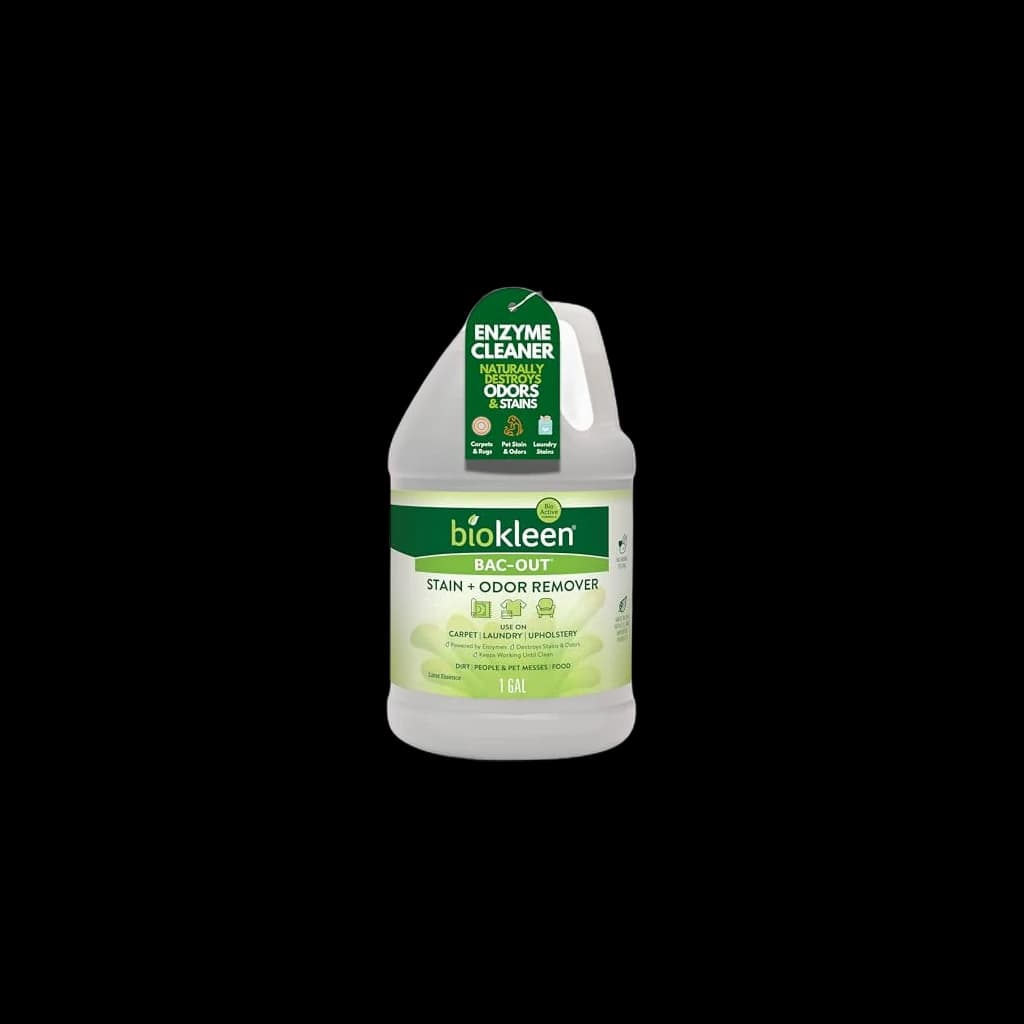
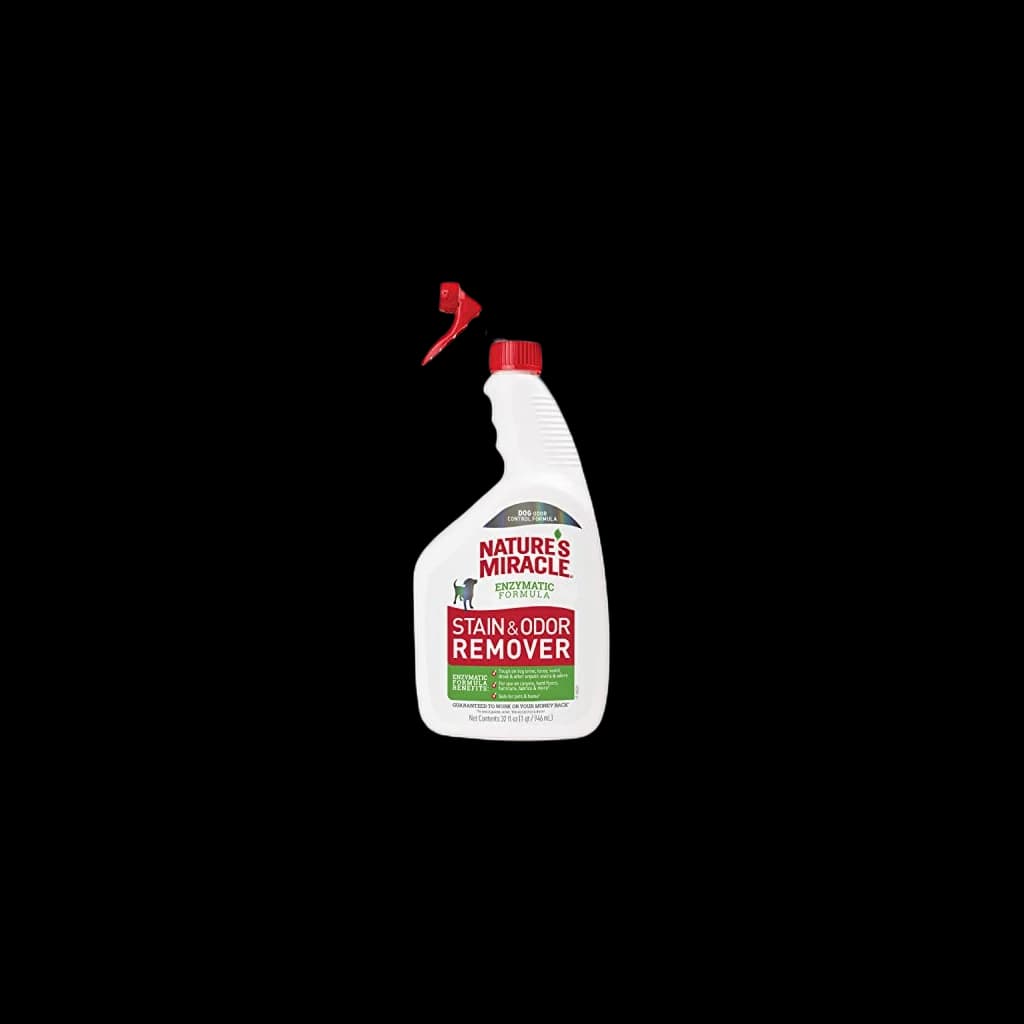
- Nature's Miracle Advanced (Gallon) — daily-driver cleaner. Cheap, effective, ubiquitous. The 128 oz refill is roughly 1/3 the cost per ounce of the spray bottles.
- Rocco & Roxie Professional Strength — upgrade for severe, old, or set-in stains. The CRI Seal of Approval matters if you have wall-to-wall carpet and a manufacturer warranty.
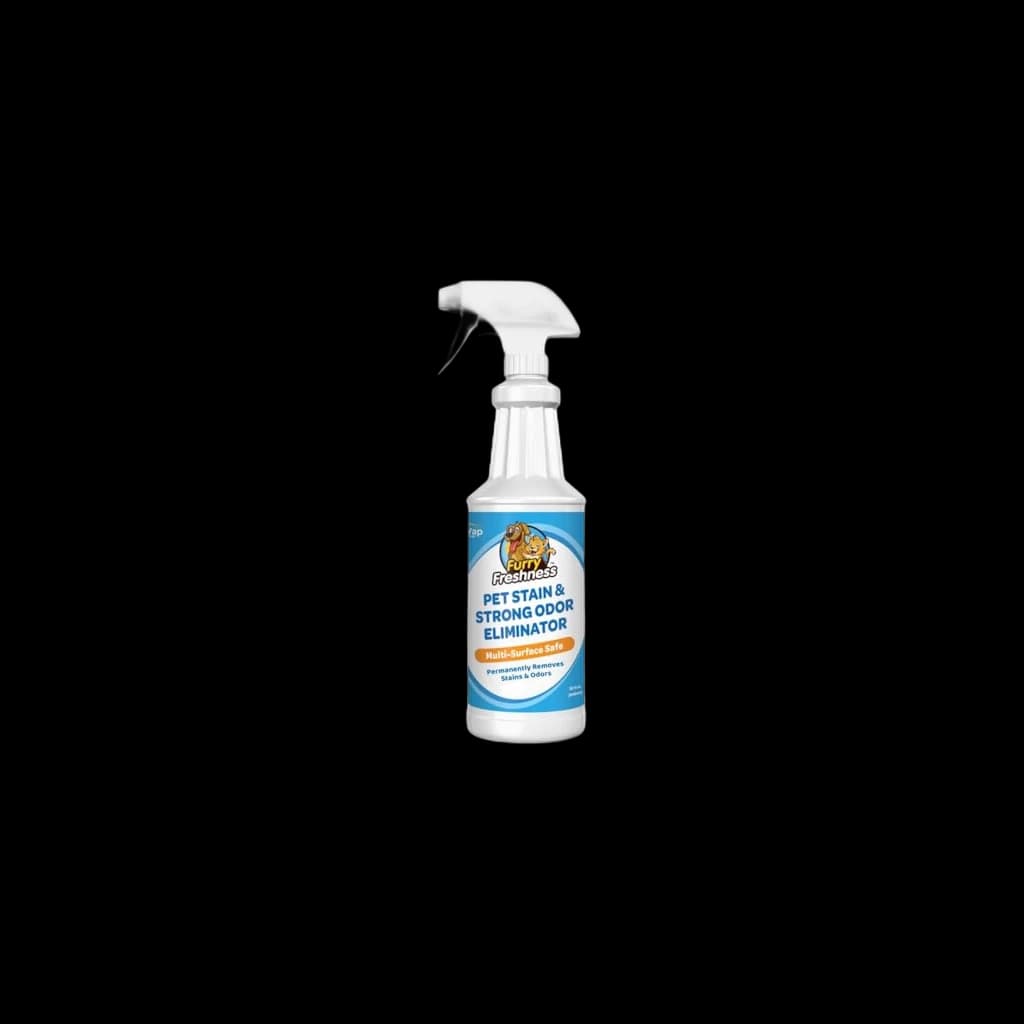
- Skout's Honor Pet Stain & Odor Remover — plant-based runner-up. Comparable performance, slightly different chemistry. Pick if you want to rotate or if Nature's Miracle scent doesn't agree with you.
When to call a pro
If urine has soaked through to the carpet pad or sub-floor (you can smell it on a humid day even months later), DIY enzyme treatment from the top often isn't enough. A pro carpet cleaner can lift the carpet, treat the pad directly, and re-seat — usually $200–400 for a room. Cheaper than replacing the carpet.