PawBench · Best Picks

Best Pet-Safe Cleaners

Routine floor and surface cleaners cross-referenced against the ASPCA Animal Poison Control toxicity list — what you mop with every week.

The 30-Second Answer

The ASPCA Animal Poison Control list is the bible. Three ingredient families to avoid for any cleaner pets contact: phenols (Pine-Sol original, Lysol original, Fabuloso), benzalkonium chloride / quaternary ammonium (most disinfecting wipes), and undiluted bleach. "Plant-based" is not the same as "pet-safe" — tea tree, pine, cinnamon, pennyroyal, and wintergreen essential oils are all on the caution list. Safe defaults are plant-derived surfactant cleaners (Better Life) and properly diluted vinegar cleaners (Aunt Fannie's). Both work for routine paw-print and dirt cleanup. Neither replaces enzymatic cleaners for urine accidents — different products solve different problems. If you need an actual disinfectant after a sick pet, use Rescue (accelerated hydrogen peroxide), which is veterinary-grade and pet-safe per label.

Top pick

Better Life Floor Cleaner — Citrus Mint (32 oz × 2)

Plant-derived surfactant cleaner with no phenols, quats, ammonia, or bleach. EWG Verified. The pet-safe replacement for the supermarket brands ASPCA warns against.

Skip this

Pine-Sol, Lysol original, and Fabuloso for floor mopping in pet households

All three are phenol-based. The ASPCA Animal Poison Control list specifically warns about phenol toxicity to cats, who lack the liver enzyme glucuronyl transferase needed to metabolize them. Dogs handle phenols better but they're still on the caution list. The "clean smell" you associate with these brands is the phenol. Use Better Life, Aunt Fannie's, or any plant-derived surfactant cleaner instead — they clean equally well without the toxicity risk.

What Dog Owners Actually Say

Across r/dogs, r/cats, r/AskVet, and r/CleaningTips, the ASPCA-aligned consensus on pet-safe cleaning is clear: avoid phenols (Pine-Sol, Lysol original, Fabuloso), avoid quaternary ammonium wipes, and use plant-based or vinegar-based cleaners for routine work. Better Life and Aunt Fannie's are the two most-recommended brands. For actual disinfection (after parvo, after a sick cat with respiratory illness), the veterinary recommendation is Rescue (accelerated hydrogen peroxide), which is what veterinary clinics themselves use. Steam mops are a debated middle ground — water-only steam is safe but doesn't disinfect to clinical standards.

Community favorites

  • Better Life Floor CleanerPlant-derived, EWG Verified, works on all sealed hard floors, no phenols or quats.
  • Aunt Fannie's Vinegar WashEWG A-rated, concentrated (16 gallons per bottle), cheapest ASPCA-aligned routine cleaner.
  • Rescue (accelerated hydrogen peroxide)Veterinary-grade disinfectant. What clinics use. Pet-safe per label when used properly. The right tool for post-illness disinfection.

Commonly warned against

  • Pine-Sol original, Lysol original, Fabuloso (phenols)Phenol toxicity — acutely dangerous to cats, on the caution list for dogs.
  • Disinfecting wipes with benzalkonium chloride / quaternary ammoniumCauses chemical burns to feline mouths and paw pads. Skip wipes; use a properly diluted dilute-and-mop cleaner.
  • Essential-oil-heavy "natural" cleanersTea tree, pine, cinnamon, pennyroyal, and wintergreen are all on the ASPCA caution list. "Natural" ≠ "pet-safe."
Differences only
Spec
Buy
ActiveHypochlorous acid
ResidueNone stated (manufacturer)
FormatReady-to-use sprayConcentrateReady-to-use sprayConcentrate
Pack2 x 23 oz
Yield24 gallons (manufacturer)
RinseNot required (manufacturer)
TypeEnzymatic
BasePlant-basedPlant-based
SurfacesHardwood, laminate, tile
ScentEssential oil
UseMulti-surface and floors
PositionBudget

* Prices are approximate and may vary. Please check the latest price on Amazon.

As an Amazon Associate I earn from qualifying purchases. Product prices and availability are subject to change.

Budget:
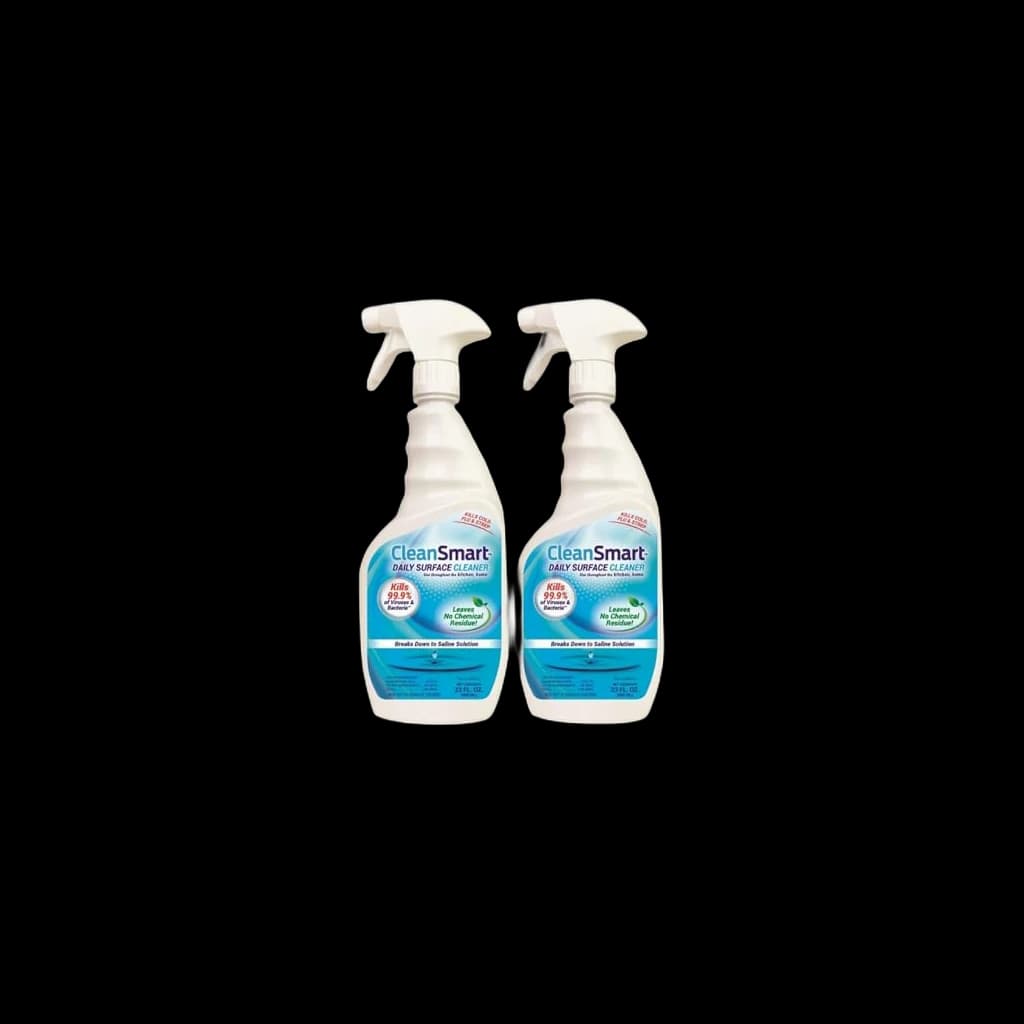
CleanSmart Daily Surface Cleaner (2-pack) — independently researched cleaning odor pick on PawBench
Top Pick

CleanSmart Daily Surface Cleaner (2-pack)

💰 Best Budget
4.6

A disinfectant you can use on the surfaces a dog actually licks. CleanSmart state hypochlorous acid as the active, which breaks down to salt water, so there is no residue to wipe off before the dog gets back on the floor.

Pros

  • Hypochlorous acid active that breaks down to salt water, per CleanSmart
  • No rinse step needed before pets return to the surface
  • Two bottles, so one can live where the messes happen

Cons

  • Short shelf life once opened, as with all HOCl products
  • Not a degreaser — it disinfects, it does not scrub

Active

Hypochlorous acid

Residue

None stated (manufacturer)

Format

Ready-to-use spray

Pack

2 x 23 oz
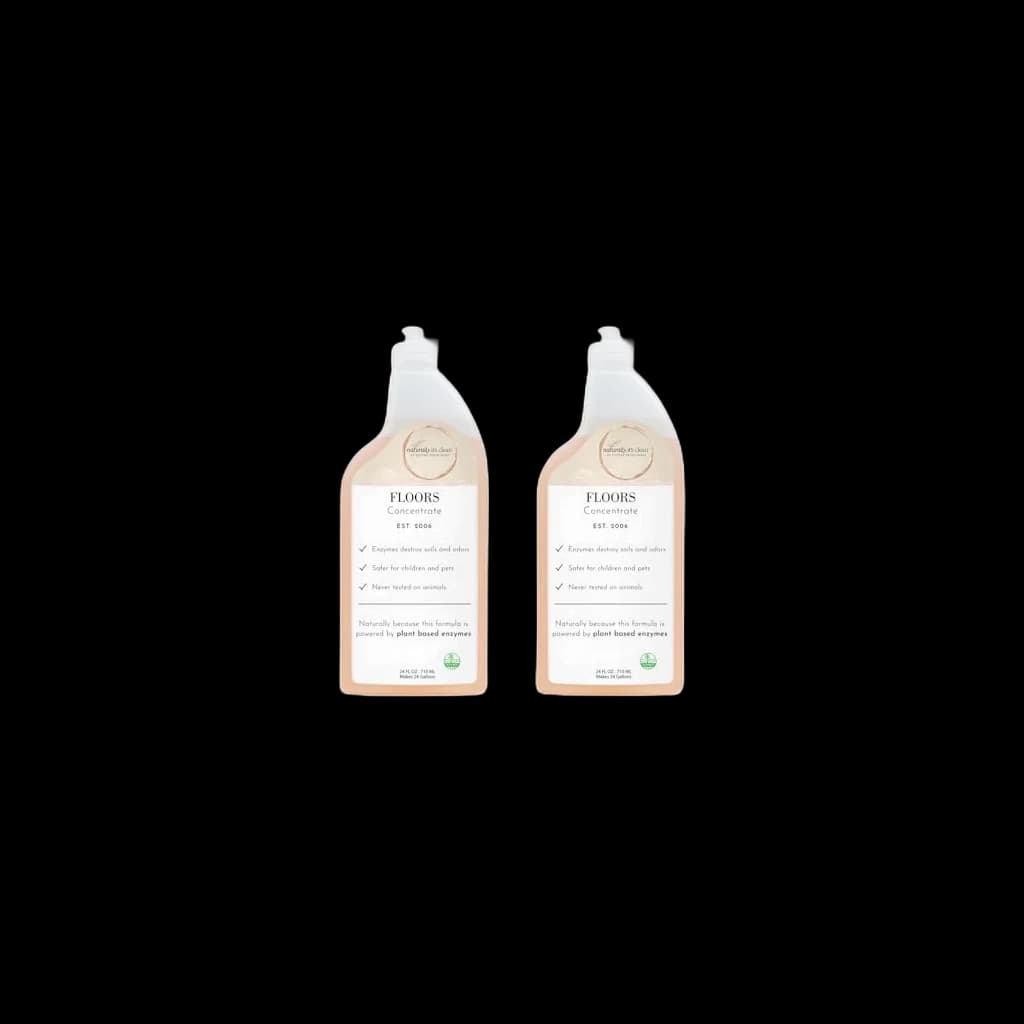
naturally it's clean Floor Enzyme Concentrate — independently researched cleaning odor pick on PawBench
Great Value

naturally it's clean Floor Enzyme Concentrate

💰 Best Budget
4.5

The value pick by a distance once you do the arithmetic: a concentrate that the maker says makes 24 gallons. Rinse-free, which is what you want on a floor a dog walks on ten minutes later.

Pros

  • Concentrate stated to make 24 gallons — cheapest per use here
  • Rinse-free on sealed floors per the manufacturer
  • Enzyme rather than surfactant, so it works on organic messes

Cons

  • Needs diluting — no good if you want grab-and-spray
  • Sealed floors only; check before using on raw wood

Format

Concentrate

Yield

24 gallons (manufacturer)

Rinse

Not required (manufacturer)

Type

Enzymatic

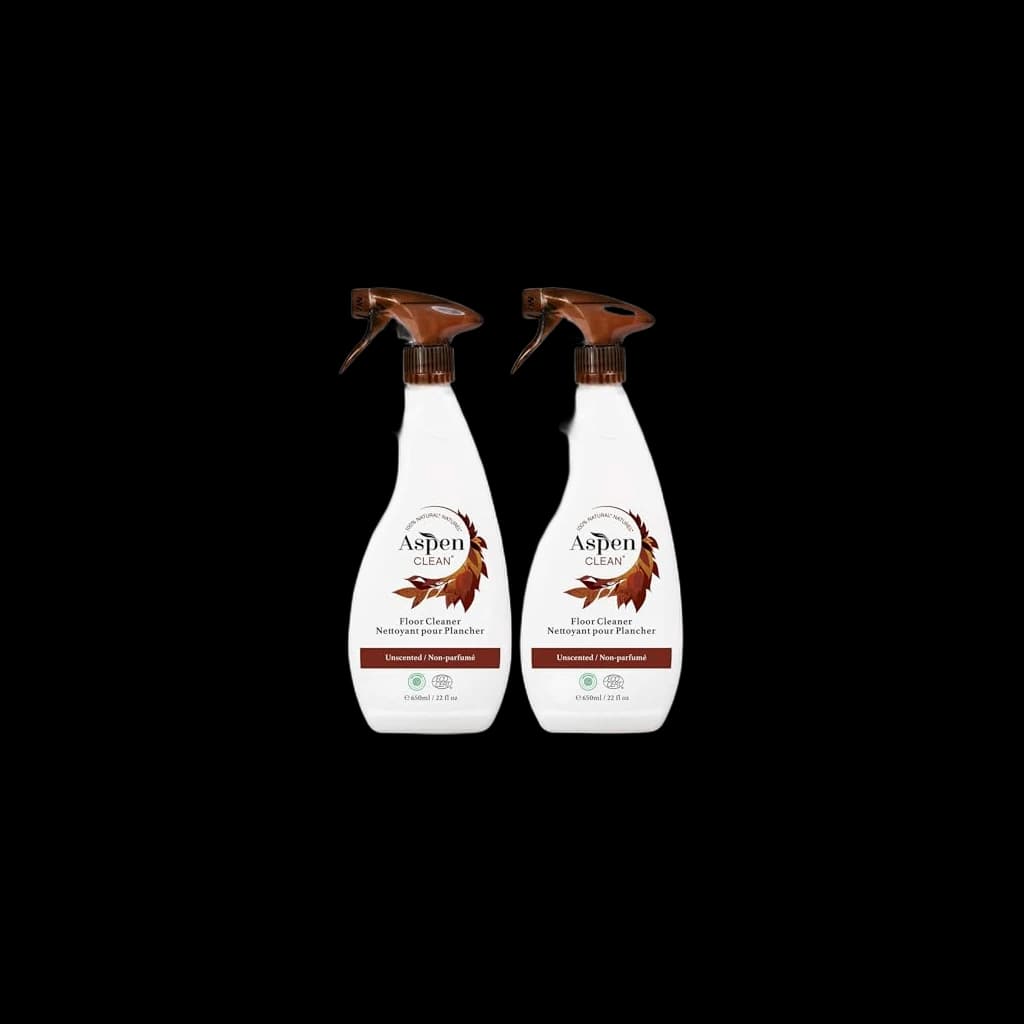
AspenClean Floor Cleaner Spray — independently researched cleaning odor pick on PawBench
#4

AspenClean Floor Cleaner Spray

⭐ Best Value
4.6

The certified option. AspenClean position this as EWG-verified and plant-based, which is the box to tick if a member of the household reacts to conventional cleaners as much as the dog does.

Pros

  • Plant-based formulation with third-party certification per AspenClean
  • Ready-to-use spray for hardwood, laminate and tile
  • Essential-oil scent rather than synthetic fragrance

Cons

  • Most expensive per ounce in this subcategory
  • Gentle by design — not the choice for heavy grease

Base

Plant-based

Surfaces

Hardwood, laminate, tile

Format

Ready-to-use spray

Scent

Essential oil

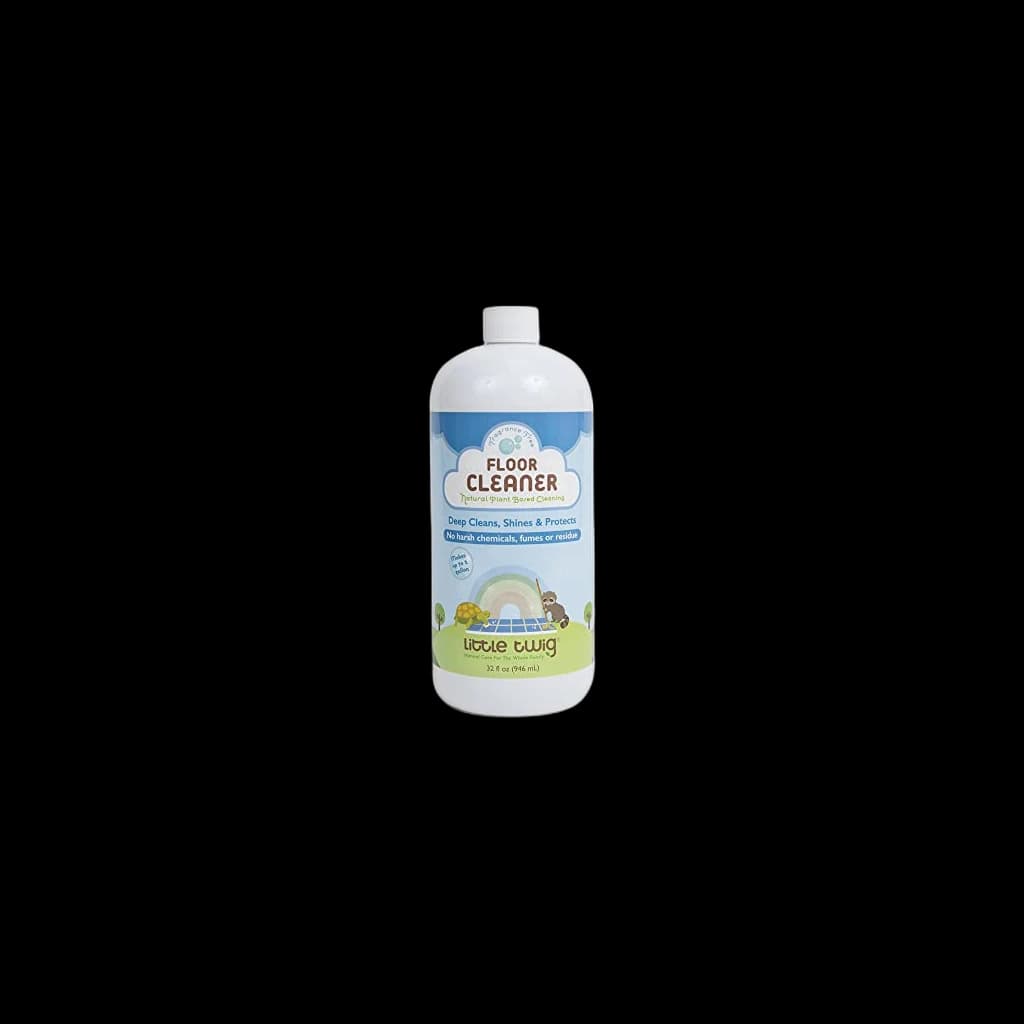
Little Twig Concentrated Multi-Surface Cleaner — independently researched cleaning odor pick on PawBench
#5

Little Twig Concentrated Multi-Surface Cleaner

💰 Best Budget
4.5

The cheapest genuinely plant-based option here, and a concentrate on top of that. Made for a baby-products line, which is a reasonable proxy for the surfaces a dog puts its face on.

Pros

  • Under $8, the least expensive pick in this subcategory
  • Concentrated, so the bottle lasts well beyond its size
  • From a baby-products line — formulated for low-irritation use

Cons

  • Small bottle; concentrate is the only reason it lasts
  • Light-duty — a routine cleaner, not a deep clean

Format

Concentrate

Base

Plant-based

Use

Multi-surface and floors

Position

Budget

How to Pick the Right One

Read the back label, not the front

Front labels say "safe" and "green" and "natural" because there's no regulatory definition of any of those words for cleaners. The back-of-pack active ingredient line is what matters. Look for these red flags:

  • Phenol or any -phenol suffix → skip. Acutely toxic to cats.
  • Benzalkonium chloride or quaternary ammonium → skip. Causes chemical burns.
  • Sodium hypochlorite (bleach) → fine only if diluted 1:32 and rinsed before pet contact.
  • Tea tree, pine, cinnamon, pennyroyal, wintergreen essential oils → ASPCA caution list. Skip for cleaners pets contact.

Green flags:

  • Plant-derived surfactants (Better Life)
  • Distilled vinegar / acetic acid (Aunt Fannie's), used on sealed surfaces only
  • Accelerated hydrogen peroxide (Rescue), if disinfection is actually needed

Routine cleaning vs. disinfection

Most households are doing routine cleaning, not disinfection. You're picking up dirt, paw prints, drool, and dust. For that, Better Life or Aunt Fannie's is the answer.

Disinfection is a separate question — "kill pathogens to a clinical standard." You need it after parvo, after a sick cat with feline panleukopenia, after fostering an unvaccinated animal. For that, use Rescue per label, or 1:32 bleach diluted in water with rinse-after.

What to do with the supermarket bottles you already own

Don't dump them down the drain — that's a pollution problem. Use them in pet-free zones (garage, basement, exterior surfaces) until they're empty, then switch your re-buy to Better Life or Aunt Fannie's. The transition doesn't have to be expensive.

Related Reading

All guides →
Your Dog's Microchip Works. The Phone Number Might Not.

Your Dog's Microchip Works. The Phone Number Might Not.

Shelter data says microchipped dogs go home 2.4x more often, and that the chip is almost never what fails. The ten-minute registration check that is.

Hilly Shore Labs
6 min read·August 17, 2026
Why Do Dogs Eat Grass? The Sick-Dog Theory Doesn't Fit

Why Do Dogs Eat Grass? The Sick-Dog Theory Doesn't Fit

The sick-dog theory does not fit the UC Davis survey figures. Why dogs really eat grass, and the lawn risks that do have evidence behind them.

Hilly Shore Labs
6 min read·August 9, 2026
Can All Dogs Swim? Pool, Lake and Beach Water Safety

Can All Dogs Swim? Pool, Lake and Beach Water Safety

Not all dogs can swim — some build traits make it harder. Why no dog life jacket is Coast Guard certified, plus pool, lake, and ocean hazards compared.

Hilly Shore Labs
6 min read·August 7, 2026