Golden Retriever Care Guide: Health, Gear, and Essentials
Quick Answer
Golden Retrievers need joint-supportive nutrition from day one, regular cancer screenings after age 6, daily brushing during shedding season, and 1-2 hours of exercise per day.
On this page9 sections
Our Verdict
Golden Retrievers need joint-supportive nutrition from day one, regular cancer screening after age 6, daily exercise exceeding 60 minutes, and heavy-duty grooming tools for their double coat. Budget for health first — goldens are expensive to own if you skip prevention.

How PawBench is paid: we earn an Amazon Associates commission on qualifying purchases. We don’t accept sponsored placements, paid reviews, or free products in exchange for coverage. Picks are ranked on documented owner outcomes and primary-source research, never on commission rate. Read the full methodology.
Golden Retrievers consistently rank among the most popular dog breeds in the world — and with good reason. They're intelligent, gentle, eager to please, and genuinely good with children. But popularity has a cost. Decades of high-demand breeding have concentrated genetic health risks that every Golden owner needs to understand and plan for.
This guide covers the breed-specific health concerns, the gear that genuinely matters for Goldens, and the care routines that keep them healthy through their 10-12 year lifespan. This isn't a generic breed profile — it's a practical ownership manual. If you're still deciding, see how Goldens compare with German Shepherds.
Health: What Golden Owners Must Know
Cancer Is the Leading Cause of Death
Approximately 60% of Golden Retrievers will develop cancer during their lifetime, according to data from the Golden Retriever Lifetime Study — a landmark longitudinal study tracking over 3,000 Goldens. The most common types are hemangiosarcoma (a blood vessel cancer) and lymphoma.
There is no guaranteed prevention. But early detection dramatically improves outcomes:
- Biannual vet checkups after age 6 — not annual, biannual
- Abdominal ultrasounds can detect hemangiosarcoma before clinical signs appear
- Lymph node palpation at every vet visit to catch lymphoma early
- Monitor for unexplained lethargy, appetite loss, pale gums, or sudden abdominal swelling
The Golden Retriever Lifetime Study is actively investigating environmental and genetic factors contributing to cancer rates. If you're purchasing a Golden from a breeder, ask about cancer history in the lineage — responsible breeders track this data.
Joint Disease Is Almost Universal
Hip dysplasia affects roughly 20% of Golden Retrievers (OFA data), and elbow dysplasia affects approximately 11%. These are genetic conditions exacerbated by rapid growth, excess weight, and high-impact exercise during puppyhood.
Prevention and management:
- Feed large-breed puppy food during the first 12-15 months to control growth rate
- Avoid repetitive high-impact exercise (jumping, stairs, forced running) before 18 months when growth plates close
- Maintain lean body weight — every excess pound accelerates joint wear
- Supplement with omega-3 fatty acids (EPA/DHA from fish oil) for anti-inflammatory benefits
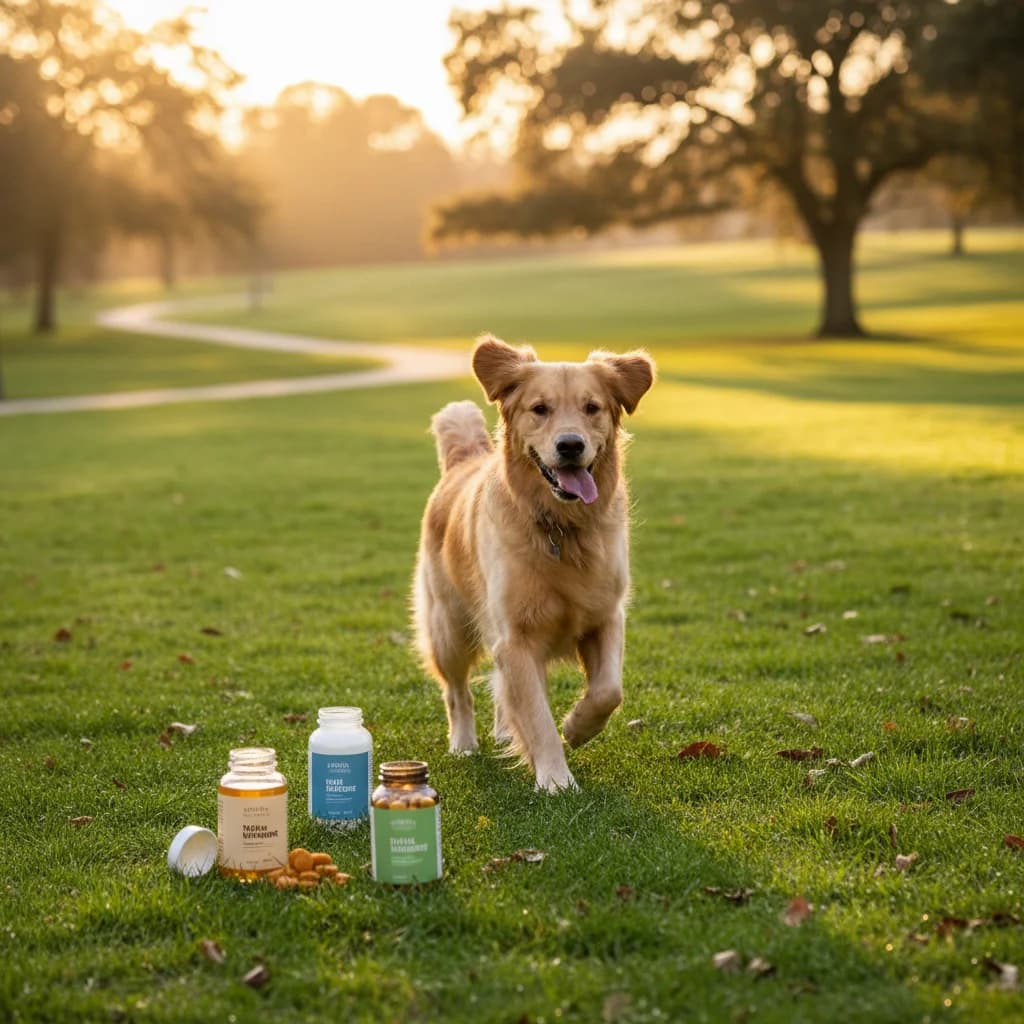
- Glucosamine and chondroitin supplementation starting at age 2-3, before clinical signs appear (our top joint pick is Cosequin Maximum Strength (DS) Plus MSM)
Skin Allergies Are Common
Goldens are predisposed to atopic dermatitis — environmental allergies that manifest as itchy skin, ear infections, and hot spots. If your Golden is chronically scratching, chewing paws, or developing recurring ear infections, allergies are the most likely cause.
Management:
- Regular bathing with a hypoallergenic or oatmeal-based shampoo every 2-4 weeks
- Omega-3 supplementation supports skin barrier function
- Ear cleaning weekly — Goldens' floppy ears trap moisture and create ideal conditions for yeast and bacterial infections
- Allergy testing (blood panel or intradermal) if symptoms persist despite basic management
- Apoquel or Cytopoint — prescription medications that provide relief when environmental management isn't sufficient
Heart Disease
Subvalvular aortic stenosis (SAS) is a congenital heart defect found at higher rates in Golden Retrievers. Responsible breeders screen for this with cardiac auscultation and echocardiography. Ask for cardiac clearance documentation from any breeder.
Gear we would buy for this: the Ruffwear Front Range Harness for a breed that pulls toward every person it meets, the K9 Ballistics Tough Orthopedic Bed (5 inches of solid foam; measure first, the Large is 40 × 34 inches) for hips and elbows that will need it by middle age, and the 4Knines Rear Seat Cover for a dog that will spend its life in the back seat.
Nutrition: Feeding Your Golden Right
Puppy Phase (0-15 Months)
Feed a large-breed puppy formula — never standard puppy food. Large-breed formulas control calcium and phosphorus ratios to prevent the too-rapid bone growth that contributes to skeletal disorders. Our guide to puppy food covers this in detail.
Feed three meals per day until 6 months, then transition to twice daily. Use measured portions — Golden puppies will eat until they're sick if given the opportunity.
Adult Phase (15 Months - 7 Years)
Switch to a high-quality adult formula with 24-28% protein, 12-16% fat, and added joint support ingredients. We recommend Purina Pro Plan Large Breed or Royal Canin Golden Retriever Adult.
Portion control is critical. Goldens are genetically motivated to eat — similar to Labs, they carry appetite-related genetic variants. An adult Golden should weigh 55-75 lbs depending on frame size. You should be able to feel ribs without pressing hard and see a visible waist from above.
Senior Phase (7+ Years)
Transition to a senior or reduced-calorie formula as activity levels decline. Increase omega-3 supplementation for joint and cognitive support. Senior Goldens benefit from foods with added antioxidants for immune and brain health.
Consider splitting meals into smaller, more frequent portions if your Golden develops digestive sensitivity — common in senior dogs.
Grooming: Managing the Double Coat
Golden Retrievers have a dense double coat — a waterproof outer coat and a thick undercoat that insulates. This coat sheds heavily year-round, with two major "blow coat" seasons in spring and fall when the undercoat releases in clumps.
Weekly Routine
- Brush 3-4 times per week with a slicker brush to remove loose undercoat and prevent mats
- Use an undercoat rake weekly during non-shedding season, daily during blow-coat season
- Pay attention to feathering — the longer hair on legs, chest, belly, and tail that mats easily
- Check ears weekly for redness, odor, or discharge; clean with a vet-approved ear cleaner
Monthly Routine
- Bathe every 4-6 weeks or as needed. Goldens love mud and water, so "as needed" may be more frequent
- Trim nails every 2-3 weeks — if you hear clicking on hard floors, they're too long
- Check teeth and brush 2-3 times per week with enzymatic dog toothpaste
- Trim paw pad fur that grows between toes — excess hair collects ice balls in winter and debris in summer
Professional Grooming
Most Golden owners can handle routine grooming at home, but a professional grooming session every 8-12 weeks is valuable for thorough coat maintenance, sanitary trimming, and catching skin issues you might miss.
Never shave a Golden Retriever. The double coat provides both insulation from heat and protection from sunburn and insect bites. Shaving disrupts the coat's structure and may cause it to grow back improperly.
Essential Gear for Golden Retrievers
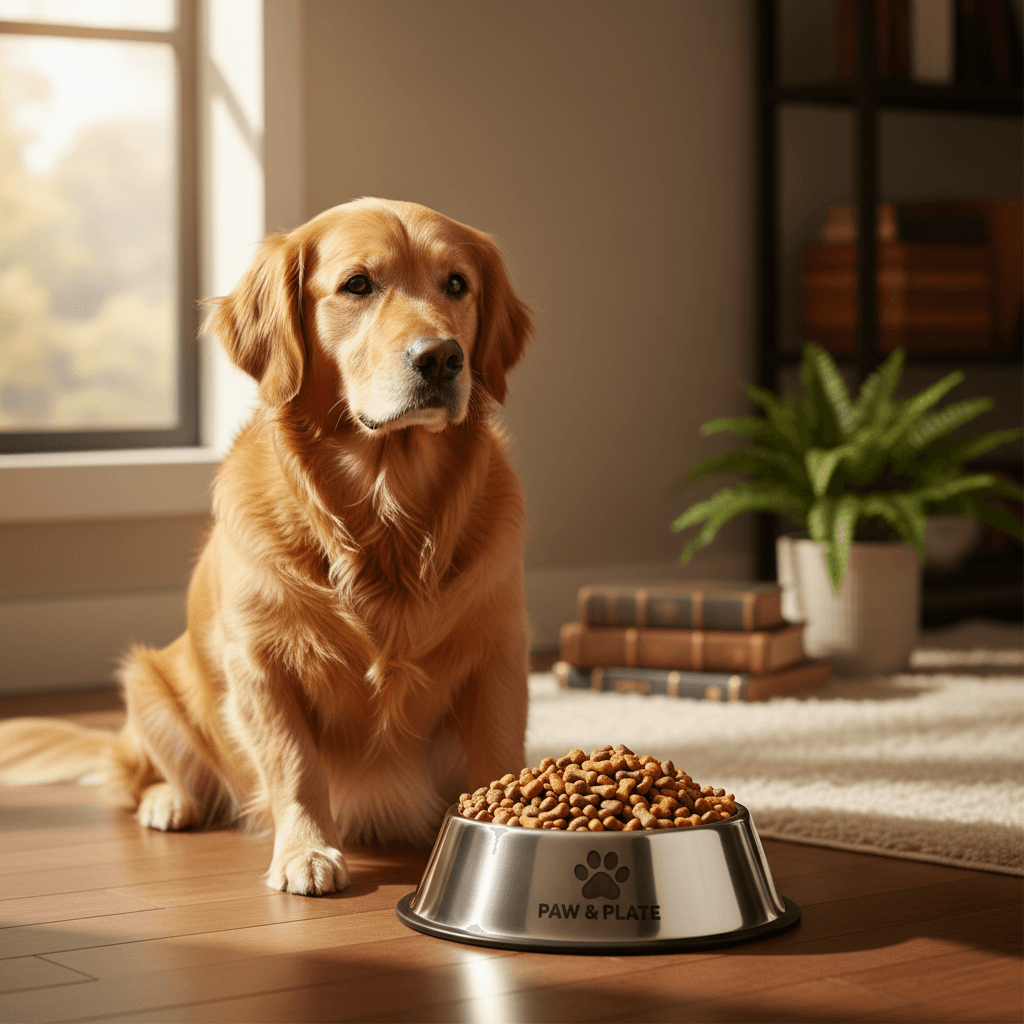
Food and Bowls
- Slow-feeder bowl — Goldens eat fast, increasing bloat risk. A slow feeder adds 5-10 minutes to meal time
- Elevated feeder — Controversial for bloat prevention (research is mixed), but can improve comfort for senior Goldens with neck or shoulder arthritis
- Airtight food storage — Goldens will find and break into improperly stored food. A locking container is non-negotiable
Beds
Goldens need orthopedic beds with at least 5 inches of foam starting in adulthood — don't wait for joint problems to appear. At 55-75 lbs, they need XL beds (42"+). The Casper Dog Bed and the K9 Ballistics are our top recommendations for this breed. Waterproof liners are advisable since Goldens frequently come inside wet.
Toys
Goldens are retrievers — they need things to carry. Keep a rotation of:
- Fetch toys (Chuck It Ultra Ball, tennis balls) for daily exercise
- Stuffable chews (Kong Classic Large) for mental enrichment
- Rope toys for supervised tug play
- Puzzle feeders for cognitive stimulation
Avoid toys that splinter (antlers, certain bones) or that are small enough to swallow. Goldens have a tendency to swallow objects, which can require surgical removal.
Harness and Leash
A front-clip harness (Ruffwear Front Range or similar) is recommended for Goldens who pull — and most do, at least until well-trained. The front clip redirects forward momentum into a turn, making walks manageable without neck pressure.
For hiking, a back-clip harness allows natural gait on rough terrain. See our harness guide for sizing specifics.
Grooming Tools
- Slicker brush — daily use, the most important grooming tool for Goldens
- Undercoat rake — for de-shedding during heavy coat blow periods
- Furminator deShedding tool — use sparingly (once per week maximum) to remove dead undercoat
- Nail grinder (Dremel-style) — many Goldens tolerate grinders better than clippers
- Ear cleaner — weekly use is essential for floppy-eared breeds
Exercise Requirements
Golden Retrievers need a minimum of 60-90 minutes of exercise daily — not a leisurely walk, but active movement that elevates heart rate. This breed was developed for strenuous fieldwork, and under-exercised Goldens develop behavioral problems (destruction, excessive barking, hyperactivity) that are symptoms of unmet physical needs.
Ideal Exercise Mix
- Swimming — Goldens are natural swimmers, and swimming provides excellent low-impact cardio that's easy on joints
- Fetch — Satisfies the retrieve drive. 20-30 minutes of fetch provides the intensity of a much longer walk
- Hiking — Goldens are excellent trail companions with proper conditioning
- Off-leash play — Dog parks or fenced areas for socialization and free running
Exercise Restrictions for Puppies
Golden Retriever puppies should not participate in forced, repetitive exercise until growth plates close (approximately 18 months). This means:
- No jogging or running with you
- Limit stair climbing
- No repetitive jumping (agility, dock diving)
- Free play and short walks are fine — the puppy will self-regulate their limits
Overexercising a Golden puppy contributes to joint damage that manifests later in life. Patience during this growth period pays dividends in your dog's long-term mobility.
Training Considerations
Goldens are among the most trainable breeds, ranking #4 in Stanley Coren's intelligence rankings. They're eager to please and respond exceptionally well to positive reinforcement. A few breed-specific training notes:
- Mouth everything — Goldens mouth hands, furniture, and objects as a breed trait (they were bred to carry game birds). Redirect to appropriate chew toys from puppyhood. Don't punish mouthing — replace the inappropriate object with an appropriate one.
- Jump on people — Their friendliness manifests as jumping. Teach "four on the floor" from day one by only providing attention when all four paws are on the ground. It matters even more before a new baby arrives.
- Resource guarding is rare but possible — Despite their gentle reputation, some Goldens develop food or toy guarding. Address it early with a certified positive-reinforcement trainer if you see signs.
- Separation anxiety — Goldens bond deeply and can develop anxiety when left alone. Crate training and gradual alone-time conditioning during puppyhood prevents most cases.
Frequently Asked Questions
How long do Golden Retrievers live?
The average lifespan is 10-12 years. Goldens from lines with lower cancer incidence can live longer. Maintaining lean body weight, providing appropriate exercise, and investing in preventative veterinary care are the three factors most within your control for longevity.
Are Golden Retrievers good apartment dogs?
They can adapt to apartment living if their exercise needs are fully met — but this requires significant daily commitment. A Golden in an apartment needs at least 90 minutes of outdoor exercise daily, plus mental enrichment indoors. If you can't provide that consistently, a Golden isn't the right breed for apartment life. Our breed selector quiz can point you to breeds that suit a smaller space and routine.
How much does it cost to own a Golden Retriever per year?
Budget $2,000-$3,500 per year for routine care: food ($600-$900), veterinary care ($500-$1,000 including dental cleaning), grooming supplies or professional grooming ($200-$500), flea/tick/heartworm prevention ($200-$400), and toys/gear replacement ($200-$500). Emergency veterinary care for the health conditions Goldens are prone to can add $2,000-$10,000+ per incident.
Do Golden Retrievers need professional grooming?
Not strictly necessary — committed owners can handle grooming at home with the right tools. However, a professional grooming session every 8-12 weeks catches coat and skin issues you might miss and provides a thorough cleaning that's difficult to replicate at home. It's a worthwhile investment, especially for first-time Golden owners.
How do I find a responsible Golden Retriever breeder?
Look for breeders who provide OFA (Orthopedic Foundation for Animals) clearances for hips, elbows, heart, and eyes on both parents. Ask about cancer history in the lineage. A responsible breeder will have a health guarantee, require a spay/neuter contract, and be willing to take the dog back at any point in its life. The Golden Retriever Club of America maintains a breeder referral list. Avoid breeders who produce "English Cream" Goldens marketed as healthier or rarer — coat color has no correlation with health.
The Bottom Line
Golden Retrievers are extraordinary companions, but they're a commitment. The breed's concentrated health risks — cancer, joint disease, allergies — mean that responsible ownership requires proactive prevention, not reactive treatment. Feed quality food with joint support from puppyhood. Maintain lean body weight. Exercise appropriately for age. Groom consistently. And budget for the veterinary care this breed will inevitably need.
The reward for that commitment is a dog that will be your most loyal, enthusiastic, and loving companion for a decade or more. That's a trade worth making.
🏆 Bottom Line: Golden Retrievers are one of the most rewarding breeds to own, but they require consistent grooming, regular exercise, and proactive health screening (heart, hips, eyes). The time and financial investment in preventive care pays off in more years of quality life with this breed.
Related Reading
- Dog Food — Breed-specific nutrition guides
- Dog Beds — Orthopedic beds for large breeds
- Dog Health — Supplements and preventative care
- Grooming — Brushes, deshedding tools, and coat care
Research Sources
- Golden Retriever Dog Breed Information — American Kennel Club
- Golden Retriever Lifetime Study — Morris Animal Foundation
- Hemangiosarcoma in dogs — Cornell University College of Veterinary Medicine
- Hip Dysplasia — Orthopedic Foundation for Animals
- How To Help Your Dog Avoid Cancer: Tips To Help Prevent Canine Cancer — American Kennel Club
- 2023 AAHA Senior Care Guidelines for Dogs and Cats — American Animal Hospital Association, 2023

PawBench Editorial
Published by Hilly Shore LabsPawBench’s editorial team researches dog products from primary veterinary sources, manufacturer specifications and aggregated buyer sentiment, alongside the lived ownership of Maggie, an Australian Labradoodle. We do not run hands-on product tests.
331 dog products scored · 1,222,724 buyer review-aspect mentions aggregated · cites AVMA, FDA, AAFCO, Cornell, WSAVA, AKC, ASPCA.
Recommendations are based on published veterinary guidelines, manufacturer specifications, and verified customer feedback. See our editorial standards.