How to Travel With a Dog: The Complete Gear Guide
Quick Answer
Use a crash-tested carrier or secured crate, never let dogs ride unrestrained, and acclimate them to the carrier weeks before travel with short positive trips.
On this page7 sections
Our Verdict
Use a crash-tested carrier or secured crate, acclimate your dog weeks before travel, and never let dogs ride unrestrained. The Sleepypod Clickit Sport is the safest car carrier available.
How PawBench is paid: we earn an Amazon Associates commission on qualifying purchases. We don’t accept sponsored placements, paid reviews, or free products in exchange for coverage. Picks are ranked on documented owner outcomes and primary-source research, never on commission rate. Read the full methodology.
Traveling with a dog is one of those experiences that is either wonderful or catastrophic, and the difference almost always comes down to preparation. I have road-tripped with dogs across 15 states, flown with them domestically and internationally, and stayed in more pet-friendly hotels than I can count. The gear you bring -- and the gear you skip -- matters enormously.
This is the no-nonsense guide to getting it right.
Car Travel: Safety Is Not Optional
Let me start with the stat that changes minds: in a 30 mph crash, an unrestrained 60-pound dog becomes a 2,700-pound projectile. That is enough force to kill a human passenger. Letting your dog ride loose in the car is not just risky for the dog -- it is a danger to everyone in the vehicle.
Crash-Tested Restraints
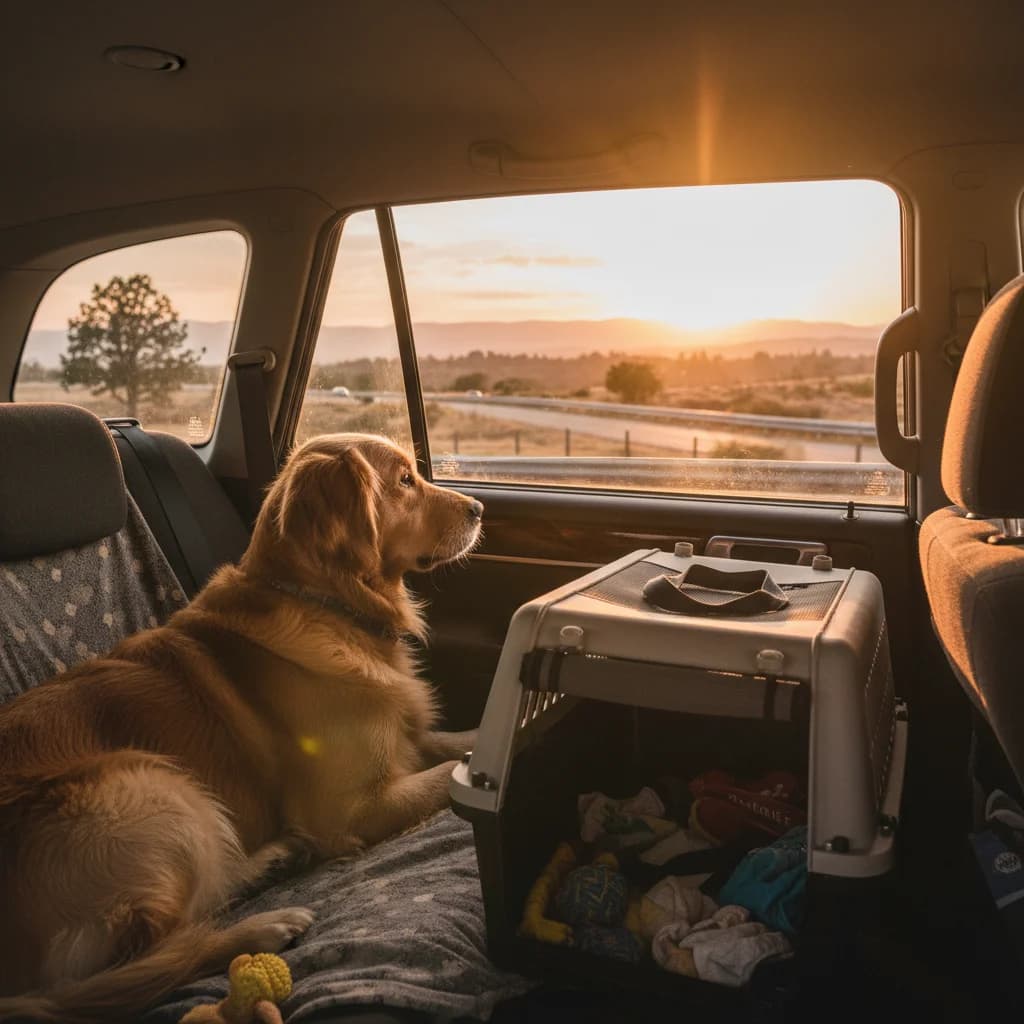
The Sleepypod Clickit Sport ($90) is the only dog harness that has passed the Center for Pet Safety's crash test protocol -- the same independent testing standard used for child car seats. It uses a three-point attachment system that distributes crash forces across the dog's skeletal structure rather than concentrating them on the neck or spine.
For dogs under 25 pounds, the Sleepypod Mobile Pet Bed ($190) functions as both a carrier and a crash-tested car seat. It is expensive, but it doubles as a travel bed at your destination, which helps anxious dogs settle in unfamiliar environments.
What to avoid: Zip-line style seat belt tethers that clip to a regular collar. In a crash, these concentrate all force on the neck and can cause fatal cervical injuries. If you use a tether, it must attach to a crash-rated harness with a reinforced back clip.
Car Comfort Essentials
- Seat cover: The 4Knines Split Rear Seat Cover ($100) protects upholstery and is genuinely waterproof, not just water-resistant
- Cooling mat: The Green Pet Shop Self-Cooling Mat ($25) activates with pressure and stays cool for 3 hours -- critical for summer travel
- Portable water bowl: The Highwave AutoDogMug ($15) is spill-proof in a moving car, which sounds minor until you experience the alternative
- Motion sickness: Some dogs get carsick. Ginger-based chews like NaturVet Quiet Moments ($17) help mild cases. For severe motion sickness, ask your vet about cerenia (maropitant), which is highly effective
Gear we would buy for this: the 4Knines Rear Seat Cover — a fitted, split cover that keeps the back seat usable for a passenger — and, for a crate-trained dog, the MidWest iCrate Double Door, which folds flat for the drive.
Flying With Dogs: The Honest Guide
Flying with a dog is stressful, expensive, and bureaucratically painful. But sometimes it is the right choice. Here is what you need to know.
Cabin vs. Cargo
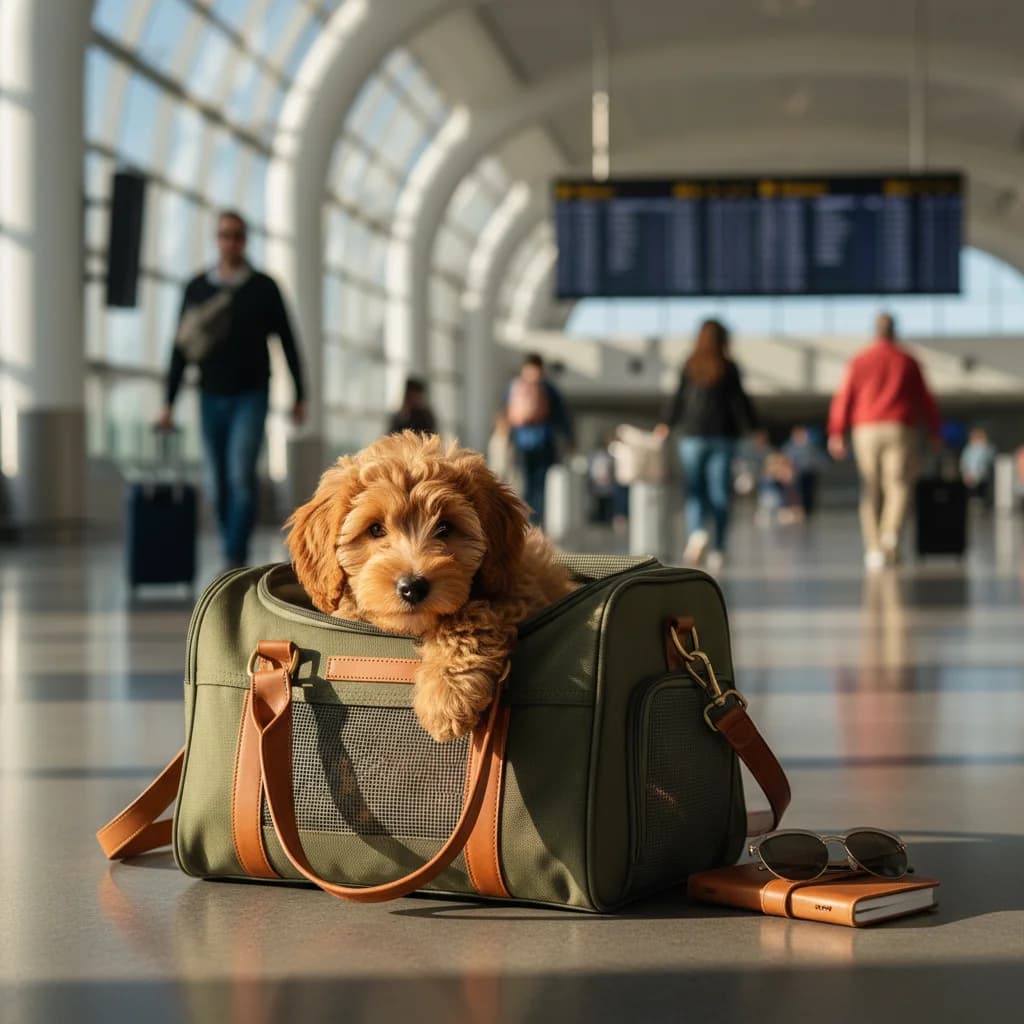
In-cabin is available for dogs that fit in a carrier under the seat (generally under 20 pounds including the carrier). The Sherpa Original Deluxe ($46) remains the most airline-approved carrier on the market -- its spring-wire frame compresses slightly to fit under tighter seats, and flight attendants recognize it immediately. The link is the Large (19 x 11.75 x 11.5 in, up to 22 lb), which is longer than many under-seat limits, so check your airline and size down to the Medium if your dog fits it. For more carrier options, see our complete pet carrier guide.
Cargo is required for larger dogs. This is where things get serious. Cargo travel carries real risks -- temperature extremes, noise stress, handling errors. The USDA reports an average of 24 pet deaths per year on commercial airlines, primarily in cargo.
Airline Comparison (2026 Policies)
- United: Most pet-friendly major carrier. In-cabin fee $125. PetSafe cargo program available year-round with climate-controlled holds
- Delta: In-cabin $150. Suspended cargo pet transport for most routes
- American: In-cabin $150. Cargo available through American Airlines Cargo
- Southwest: In-cabin only, $125. Small carriers only. No cargo option
- JetBlue: JetPaws program, $125 in-cabin. No cargo
Breed restrictions for cargo: Brachycephalic breeds (Bulldogs, Pugs, Boston Terriers, Shih Tzus, Boxers) are banned from cargo on virtually all airlines due to their compromised respiratory systems. Many snub-nosed breeds have died in cargo holds. If you have a brachycephalic breed, drive or find a pet transport service with ground shipping.
Flying Checklist
- Health certificate from your vet (within 10 days of travel for most airlines)
- Up-to-date vaccination records
- Airline-approved carrier with absorbent liner
- Freeze-dried treats (no strong-smelling food)
- Portable water dish and small water bottle
- Familiar blanket or shirt with your scent
- Poop bags (yes, even at the airport)
- Leash and collar with ID tags showing your destination phone number
Hotel Tips That Veteran Travelers Swear By
Finding pet-friendly hotels has gotten easier. Keeping your room intact and your deposit refunded requires strategy.
Bring a portable crate or exercise pen. The Diggs Revol ($250) collapses flat for travel and gives your dog a familiar den in an unfamiliar room. If your dog is not crate trained, a collapsible exercise pen like the MidWest Foldable Metal Dog Pen ($40) contains them safely when you need to step out for ice or a meal.
Cover the hotel bed. Even pet-friendly hotels charge for excessive hair. A Gorilla Grip Original Fitted Sheet ($25) placed over the comforter takes 10 seconds and saves arguments at checkout.
Request a ground-floor room. Your dog will need bathroom breaks at odd hours. An elevator ride at 2 AM while your dog is doing the urgent-pee dance is not fun for anyone.
Scope out nearby green spaces before arrival. Google Maps satellite view shows grassy areas near hotels. Having a plan for exercise and bathroom breaks before you arrive eliminates one of the biggest stressors of hotel travel.
Tip housekeeping extra. $5-10 per day for dealing with pet hair is appropriate and appreciated.
The Travel Packing Checklist
After dozens of trips, this is the list I have refined down to the essentials:
Documents:
- Vaccination records
- Health certificate (if flying or crossing state/national borders)
- Pet insurance card
- Photo of your dog on your phone (for lost pet situations)
Feeding:
- Enough food for the trip plus 2 extra days
- Portable bowls (collapsible silicone)
- Treats for rewards and calming
Comfort:
- Familiar blanket or bed
- 2-3 favorite toys
- Chew for downtime (bully stick, frozen KONG)
Safety:
- Leash (bring a backup)
- Harness with ID tags
- GPS tracker (the Fi Series 3 is invaluable during travel)
- Poop bags
- First aid kit (hydrogen peroxide, gauze, tweezers, Benadryl -- confirm dosage with your vet)
Cleanup:
- Enzyme cleaner spray (Nature's Miracle travel size)
- Extra towels
- Lint roller
Keeping Dogs Calm in Transit
Some dogs love car rides. Others tremble, drool, and vomit. For anxious travelers, the approach matters as much as the gear.
Desensitize before the trip. Weeks before travel, practice short car rides to positive destinations -- the park, a friend's house, a drive-through where they get a plain hamburger patty. Build a positive association with the vehicle.
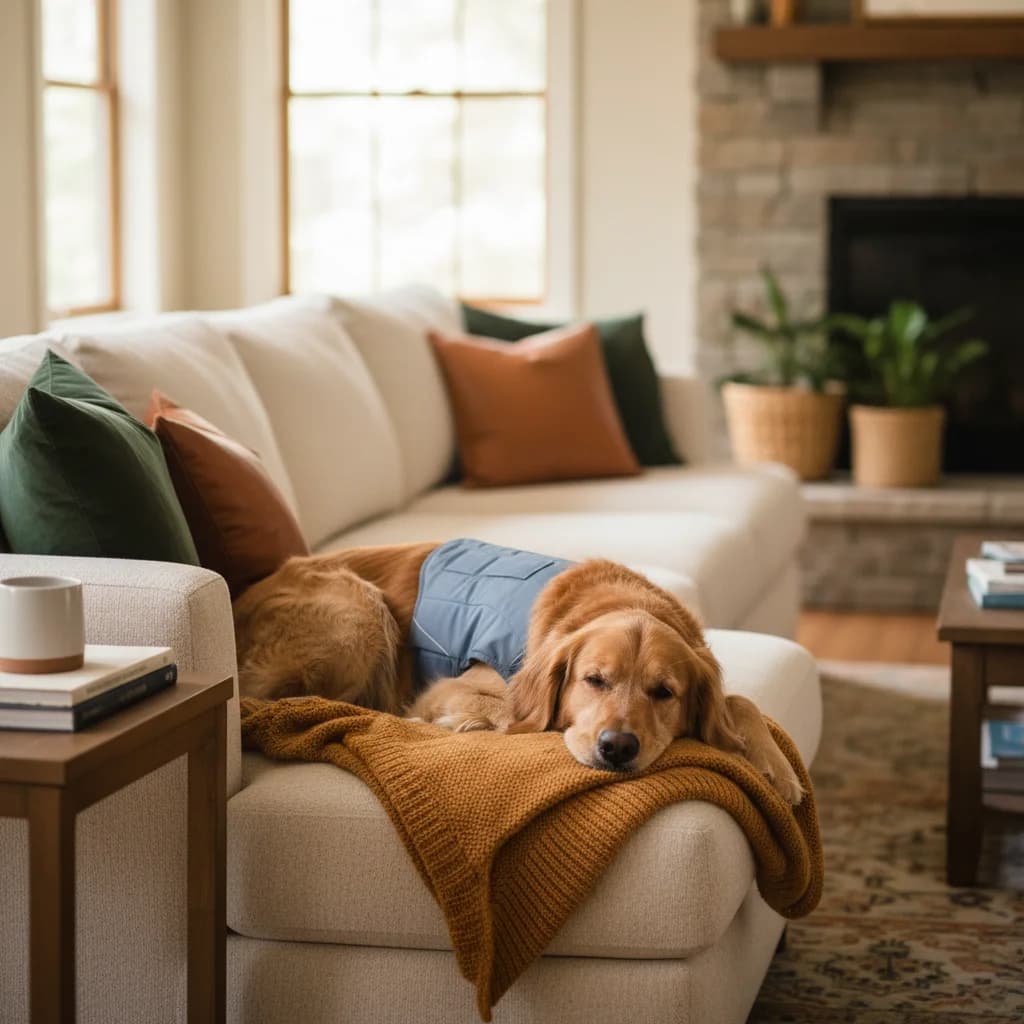
Use calming aids strategically. A ThunderShirt ($40) applied 20 minutes before departure is worth trying; ThunderShirt's own owner survey reports that about 80% of dogs improve, which is a maker claim rather than a trial result. For more severe cases, talk to your vet about trazodone, which provides mild sedation without respiratory depression. We cover the full range of calming options in our dog anxiety solutions guide.
Maintain routine. Feed at normal times, walk at normal times, and bring items that smell like home. Dogs are creatures of habit, and travel disrupts every habit simultaneously. The more anchors to normalcy you can provide, the better.
Exercise before departure. A 30-minute walk or play session before getting in the car or heading to the airport burns off nervous energy and increases the likelihood that your dog will sleep during transit.
The Bottom Line
Traveling with a dog requires more planning than traveling solo, but the payoff is having your best friend with you. Invest in crash-tested car restraints -- this is non-negotiable. If flying, book early, confirm breed policies, and never put a brachycephalic dog in cargo. Pack methodically, prioritize familiar items for comfort, and build positive travel associations before the big trip. The preparation is front-loaded, but once you have your system dialed in, every subsequent trip gets easier.
🏆 Bottom Line: Successful dog travel comes down to preparation: the right carrier, updated ID and health documentation, and pre-trip practice runs. For first-time flyers, a short domestic test trip is worth doing before any international travel. Always check airline-specific pet policies — they change and vary widely.
Related Reading
- Travel & Carriers — Airline-approved carriers and crates
- Leashes & Collars — Travel harnesses and safety tethers
- Dog Health — Travel anxiety solutions
Research Sources
- Traveler's Pet Corner (Live Animals Regulations) — International Air Transport Association
- Flying with Pets — Federal Aviation Administration
- Traveling with your pet FAQ — American Veterinary Medical Association
- Basic timeline for interstate and international travel with animals — American Veterinary Medical Association
- Traveling safely with your pet: The ultimate guide — American Animal Hospital Association
- Travel Safety Tips — ASPCA

PawBench Editorial
Published by Hilly Shore LabsPawBench’s editorial team researches dog products from primary veterinary sources, manufacturer specifications and aggregated buyer sentiment, alongside the lived ownership of Maggie, an Australian Labradoodle. We do not run hands-on product tests.
331 dog products scored · 1,222,724 buyer review-aspect mentions aggregated · cites AVMA, FDA, AAFCO, Cornell, WSAVA, AKC, ASPCA.
Recommendations are based on published veterinary guidelines, manufacturer specifications, and verified customer feedback. See our editorial standards.