Irish Setter

Irish Setter · Dog Food & Nutrition

Best Dog Food & Nutrition for Irish Setters

Irish Setters have specific needs when it comes to dog food & nutrition, and the "best overall" pick for most dogs isn't always the right choice for this breed. Their high energy and predisposition to hip dysplasia shape which products actually work long-term. Below are our research-backed dog food & nutrition picks for Irish Setters, based on deep analysis of verified owner reviews, veterinary guidance, and breed-specific considerations. We read the reviews so you don't have to.

Life Stage:
Budget:
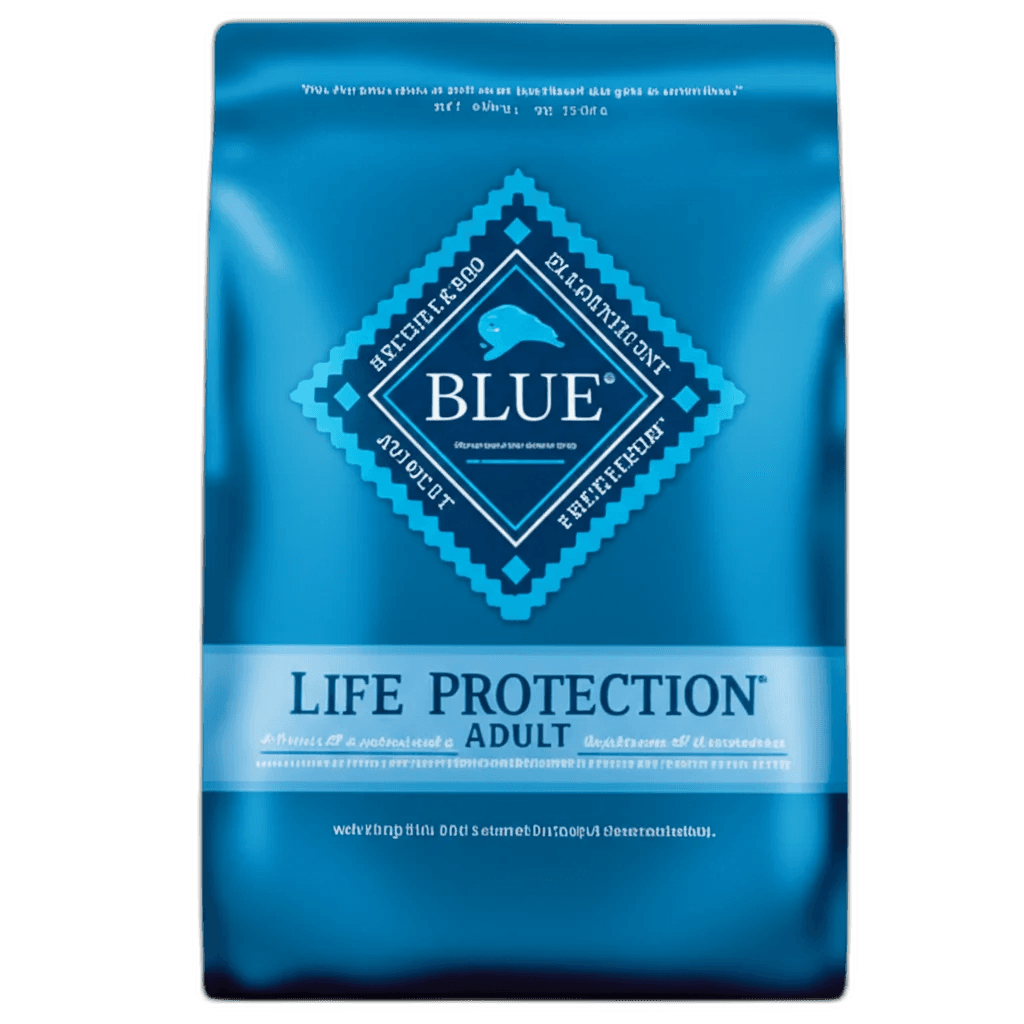
Blue Buffalo Life Protection Adult
#4

Blue Buffalo Life Protection Adult

⭐ Best Value
4.6

Blue Buffalo Life Protection is the go-to recommendation for owners who want premium ingredients without going raw. The LifeSource Bits formula delivers consistent nutrition and most dogs love the taste. At ~$65 for 30 lbs, it's a solid value for a quality kibble.

Compare vs #1

Pros

  • Real chicken as first ingredient
  • No corn, wheat, or soy
  • LifeSource Bits with antioxidants

Cons

  • Pricier than grocery brands
  • Some dogs need transition period

Bag Size

30 lbs

Protein Source

Deboned Chicken

Grain-Free

No

Life Stage

Adult

Special Diet

No Corn, Wheat, or Soy
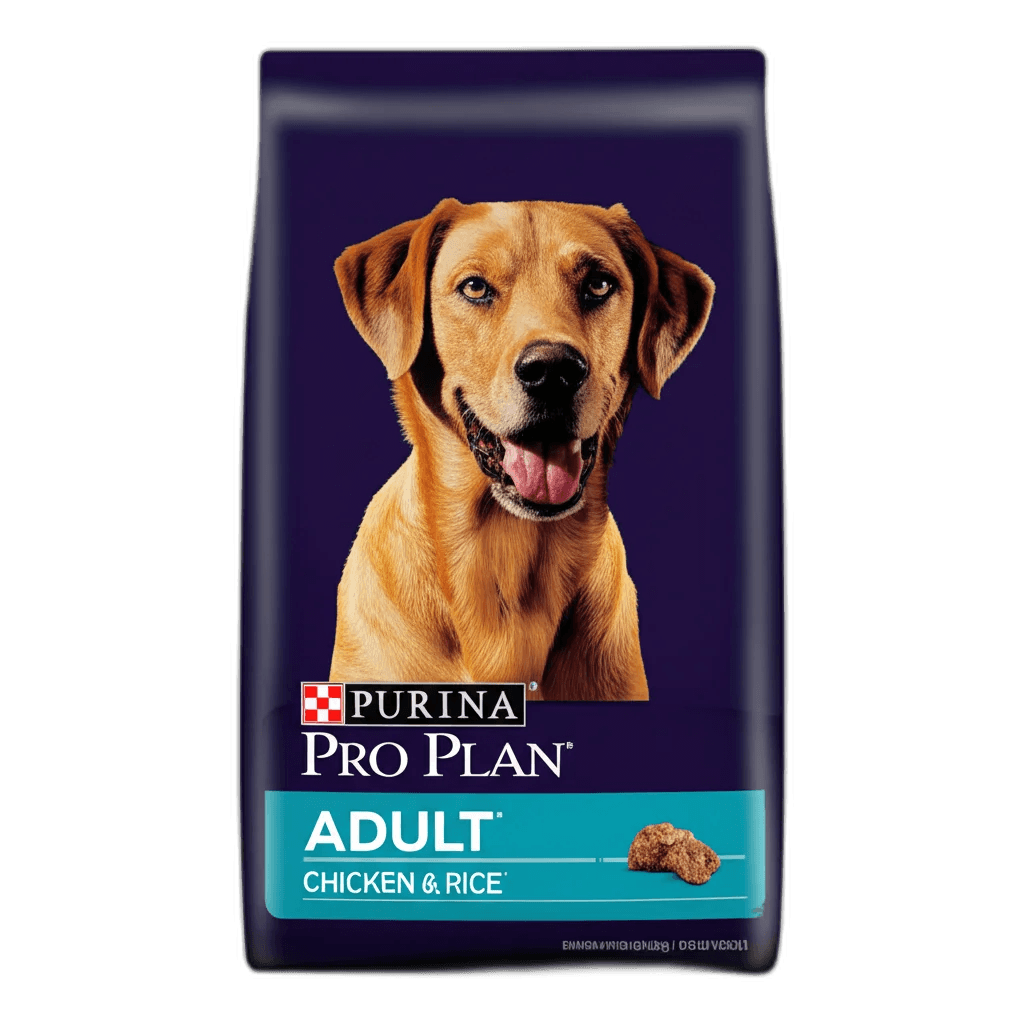
Purina Pro Plan Adult Chicken & Rice
Top Pick

Purina Pro Plan Adult Chicken & Rice

⭐ Best Value
4.8

Purina Pro Plan is the most vet-recommended dog food on the market for good reason — decades of research back every formula. The chicken and rice variant is particularly well-tolerated by sensitive stomachs and is our top overall pick.

Compare vs #2

Pros

  • Vet's most recommended brand
  • Real chicken first ingredient
  • Fortified with live probiotics

Cons

  • Contains corn and wheat
  • Recent formula changes frustrate some buyers

Bag Size

35 lbs

Protein Source

Chicken

Grain-Free

No

Life Stage

Adult

Special Diet

Probiotic Fortified

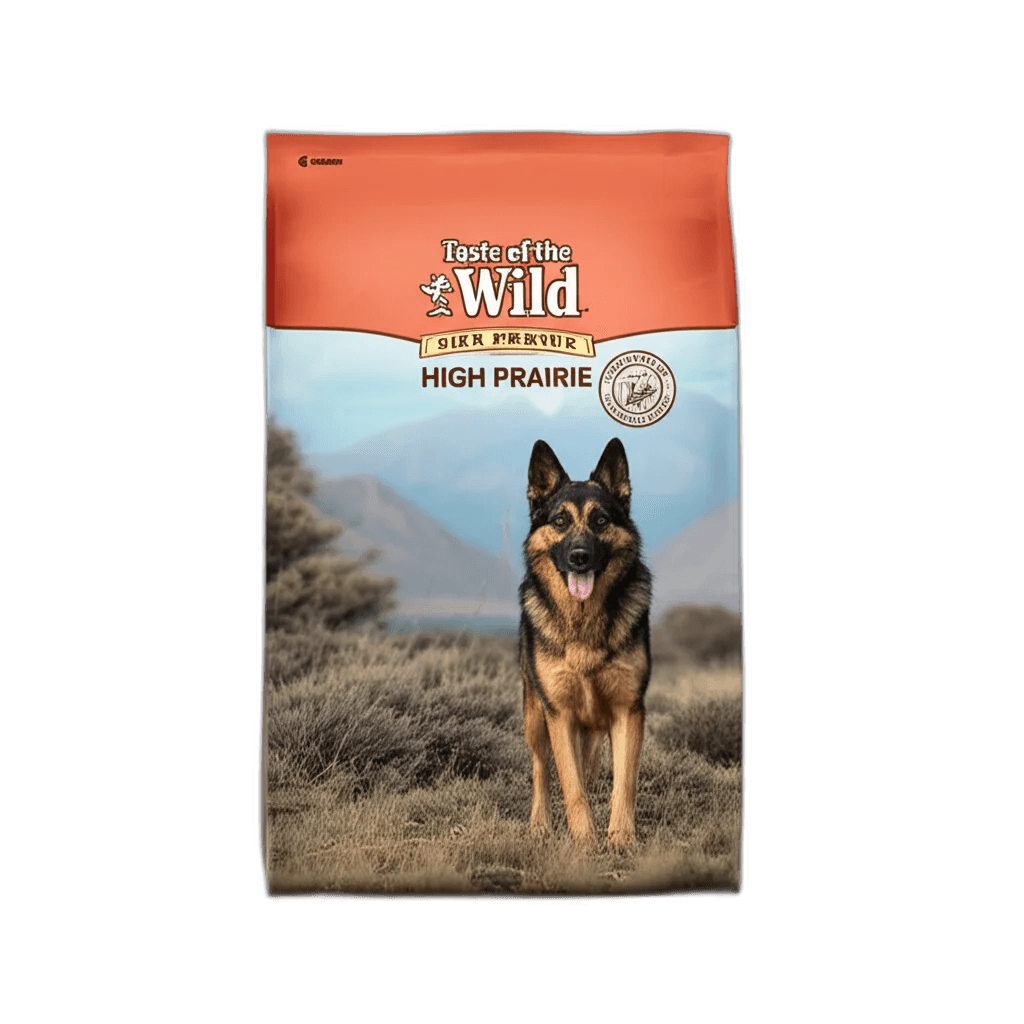
Taste of the Wild High Prairie
Runner Up

Taste of the Wild High Prairie

⭐ Best Value
4.7

Taste of the Wild delivers a genuinely novel protein formula at a price that won't break the bank. Best for dogs that thrive on grain-free diets — just check with your vet first given ongoing FDA research on grain-free and heart health.

Compare vs #5

Pros

  • Grain-free with roasted bison and venison
  • No artificial colors or preservatives
  • Affordable for a premium grain-free

Cons

  • FDA studied grain-free diets and DCM — consult your vet
  • High protein can cause issues for some dogs

Bag Size

28 lbs

Protein Source

Bison & Venison

Grain-Free

Yes

Life Stage

Adult

Special Diet

Grain-Free

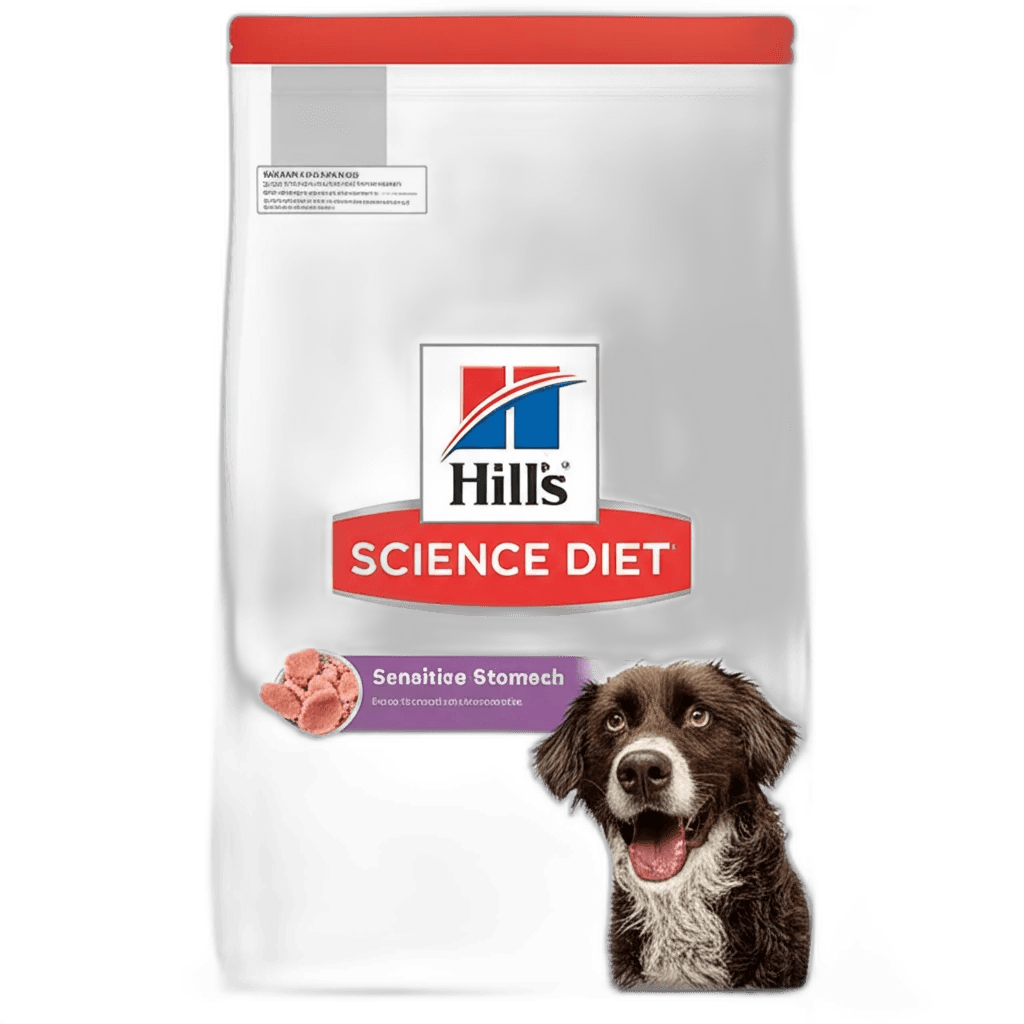
Hill's Science Diet Sensitive Stomach
#5

Hill's Science Diet Sensitive Stomach

👑 Premium Pick
4.6

Hill's Science Diet Sensitive Stomach is the top prescription-adjacent kibble for dogs with digestive issues. If your dog has a history of upset stomachs, loose stools, or food sensitivities, this formula is worth every penny.

Compare vs #3

Pros

  • Clinically proven digestibility
  • Prebiotic fiber supports gut health
  • Vet recommended for sensitive stomachs

Cons

  • One of the pricier kibbles
  • Some dogs don't love the taste

Bag Size

30 lbs

Protein Source

Chicken

Grain-Free

No

Life Stage

Adult

Special Diet

Sensitive Stomach & Skin

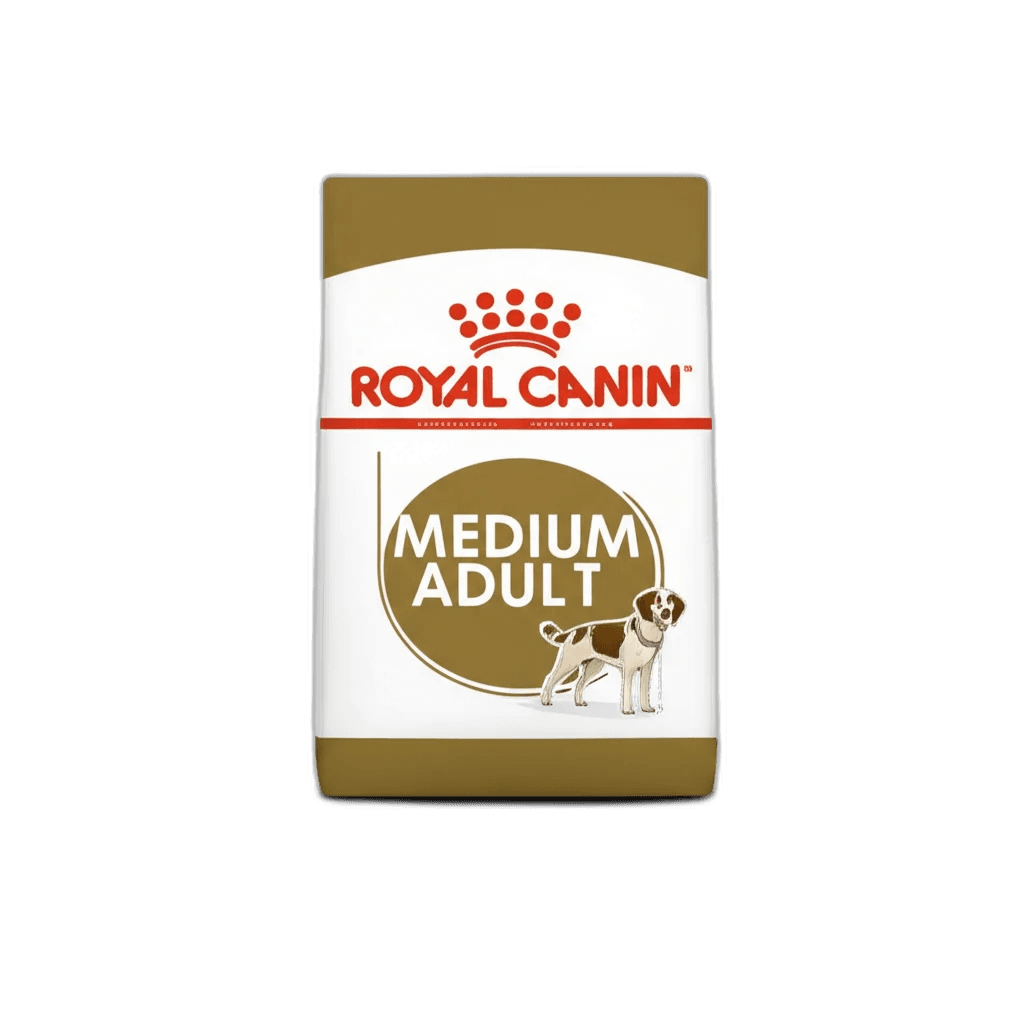
Royal Canin Medium Adult
Great Value

Royal Canin Medium Adult

⭐ Best Value
4.7

Royal Canin's breed and size-specific formulas are backed by serious nutritional science. The Medium Adult formula is calibrated for dogs 23-55 lbs with optimal kibble size and nutrient density. A top pick for picky medium-breed dogs.

Pros

  • Precisely calibrated for medium breeds
  • Highly digestible proteins
  • Supports healthy weight maintenance

Cons

  • Contains corn and wheat gluten
  • Expensive for the bag size

Bag Size

30 lbs

Protein Source

Chicken

Grain-Free

No

Life Stage

Adult

Special Diet

Breed Size Specific

Spec
#3⭐ Best Value
Royal Canin Medium Adult
4.7
Buy
Scores
Overall
9.2
Value
6.8
Quality
9.2
Durability
8.8
Overall
9.6
Value
7.1
Quality
9.7
Durability
9.1
Overall
9.4
Value
7.2
Quality
9.5
Durability
9
Overall
9.2
Value
6.3
Quality
9.2
Durability
8.8
Overall
9.4
Value
6.6
Quality
9.5
Durability
9
Bag Size30 lbs35 lbs28 lbs30 lbs30 lbs
Protein SourceDeboned ChickenChickenBison & VenisonChickenChicken
Grain-FreeNoNoYesNoNo
Life StageAdultAdultAdultAdultAdult
Special DietNo Corn, Wheat, or SoyProbiotic FortifiedGrain-FreeSensitive Stomach & SkinBreed Size Specific

* Prices may vary. Click to see latest pricing at each retailer.

Why Irish Setters need specific nutrition

Irish Setters are large dogs typically weighing 60–90 lbs, and their nutritional requirements differ meaningfully from other breeds. Getting their macronutrient balance right supports energy levels, coat health, and long-term joint wellness.

As a high-energy breed, Irish Setters burn calories fast and benefit from protein-forward formulas with at least 25% protein on a dry-matter basis. Look for named animal proteins (chicken, salmon, beef) as the first ingredient rather than generic "meat meal" or grain fillers. Because this breed is prone to hip and joint issues, look for formulas that include glucosamine and chondroitin, or plan to add a joint supplement separately starting in early adulthood.

Key factors when choosing dog food for Irish Setters

Not every "best dog food" list applies to every breed. Here's what actually matters for Irish Setters specifically:

  • Protein source: Named meat as the first ingredient (chicken, salmon, turkey, lamb, beef). Avoid vague terms like "animal by-products."
  • Calorie density: Match calorie density to your dog's actual activity level, not the average on the bag.
  • Joint support: Glucosamine, chondroitin, and omega-3s from fish oil are especially important for this breed. Ideally built into the food rather than added separately.
  • AAFCO statement: The bag should state "complete and balanced" nutrition per AAFCO standards for the life stage you need (adult, senior, all life stages).
  • Fiber content: 3–5% crude fiber supports digestion without diluting protein. Very high fiber (>8%) is often a filler signal.
  • Portion guide: The feeding guide on the bag is a starting point, not gospel. Irish Setters at 60–90 lbs typically need less than the bag suggests, especially if they're not working dogs.

Common mistakes Irish Setter owners make with food

The most common mistake is over-relying on bag feeding guides, which are calibrated for average dogs of each weight range. Your Irish Setter may need 15–25% less than the bag suggests if they're lean and moderately active.

Switching foods too abruptly is another frequent issue — any food change should happen over 7–10 days, gradually increasing the new food's proportion. Sudden switches cause GI upset and make it hard to tell if a new food actually disagrees with your dog or just needed more time to adjust.

Finally, don't chase ingredient trends without understanding them. Grain-free formulas were linked to heart problems (dilated cardiomyopathy / DCM) in some breeds. If you're considering grain-free, do it for a specific reason recommended by your vet, not because of marketing.

How to transition Irish Setters to a new food safely

A proper food transition takes 7–10 days. Start at 25% new / 75% old for 2–3 days, then 50/50 for 2–3 days, then 75/25 for 2–3 days, then 100% new. If you notice any loose stools, vomiting, or refusal to eat, pause at the current ratio for a few extra days before continuing.

If you're switching because of a suspected intolerance, keep a simple log of the date, poop quality, and energy levels. Food intolerances usually show up within 1–2 weeks of the full switch.

Frequently asked questions

How much food should I feed my Irish Setter?
A Irish Setter at 60–90 lbs typically needs between 2 and 4 cups of high-quality dry food per day, split across two meals. The exact amount depends on activity level, age, and the specific food's calorie density. Adjust monthly based on body condition — you should be able to feel the ribs under a thin layer of fat, and see a visible waist from above.
Is grain-free food good for Irish Setters?
Grain-free is not inherently better or worse for Irish Setters — it depends on the specific formula. The FDA investigated links between grain-free diets and dilated cardiomyopathy (DCM) in dogs, so unless your vet has specifically recommended grain-free for a diagnosed allergy, a well-formulated grain-inclusive food is usually the safer default. Look for whole grains (brown rice, oats, barley) rather than fillers like corn gluten meal.
How often should I feed a Irish Setter?
Two meals per day is the standard recommendation for adult Irish Setters. Puppies under 6 months should eat 3–4 times daily. Working or highly active Irish Setters may benefit from a third smaller meal to fuel sustained activity without bloating risks from overfeeding at once. Avoid free-feeding — it makes portion control nearly impossible.