Skip This: Prong and Shock Collars
AVSAB, AVMA, and Fear Free Pets all recommend against aversive collars. Here's why force-based tools backfire — and what credentialed trainers use instead.
PawBench · Best Picks
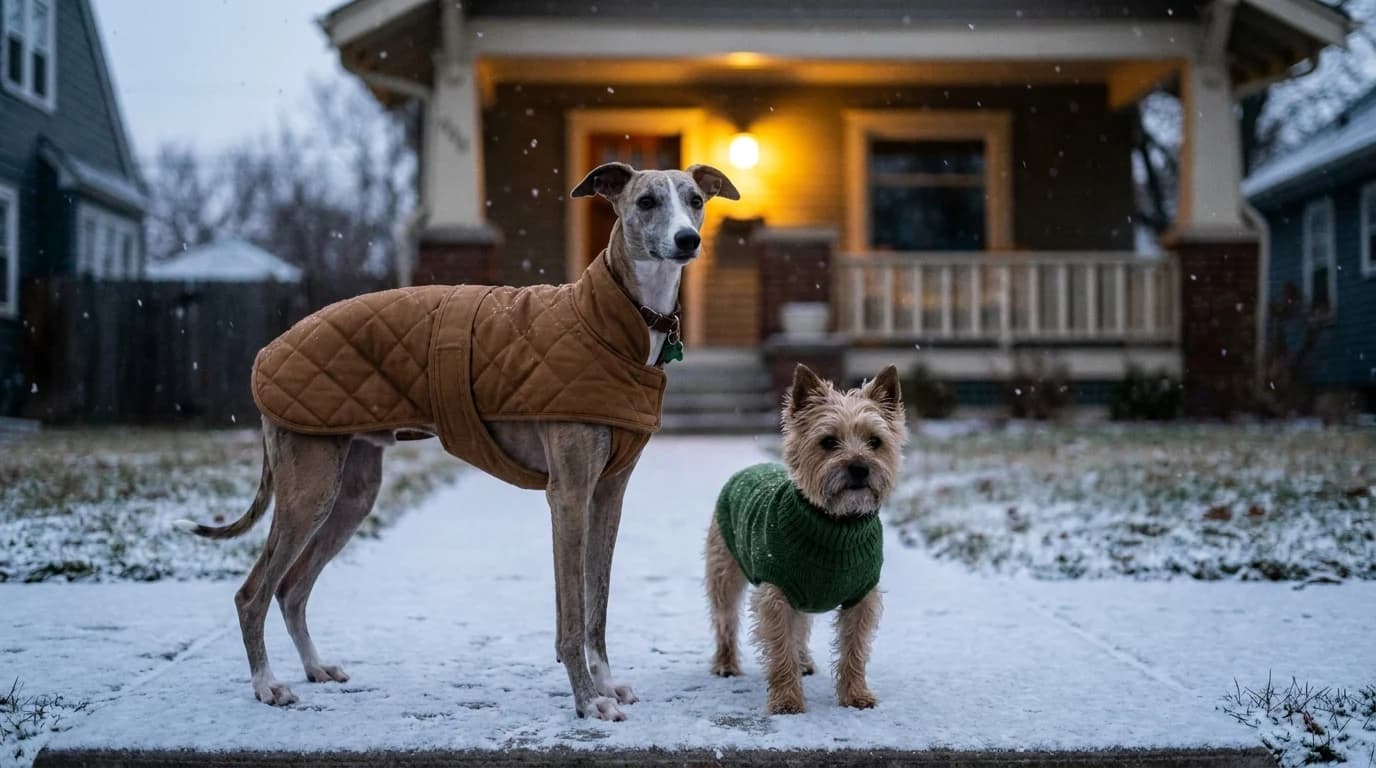
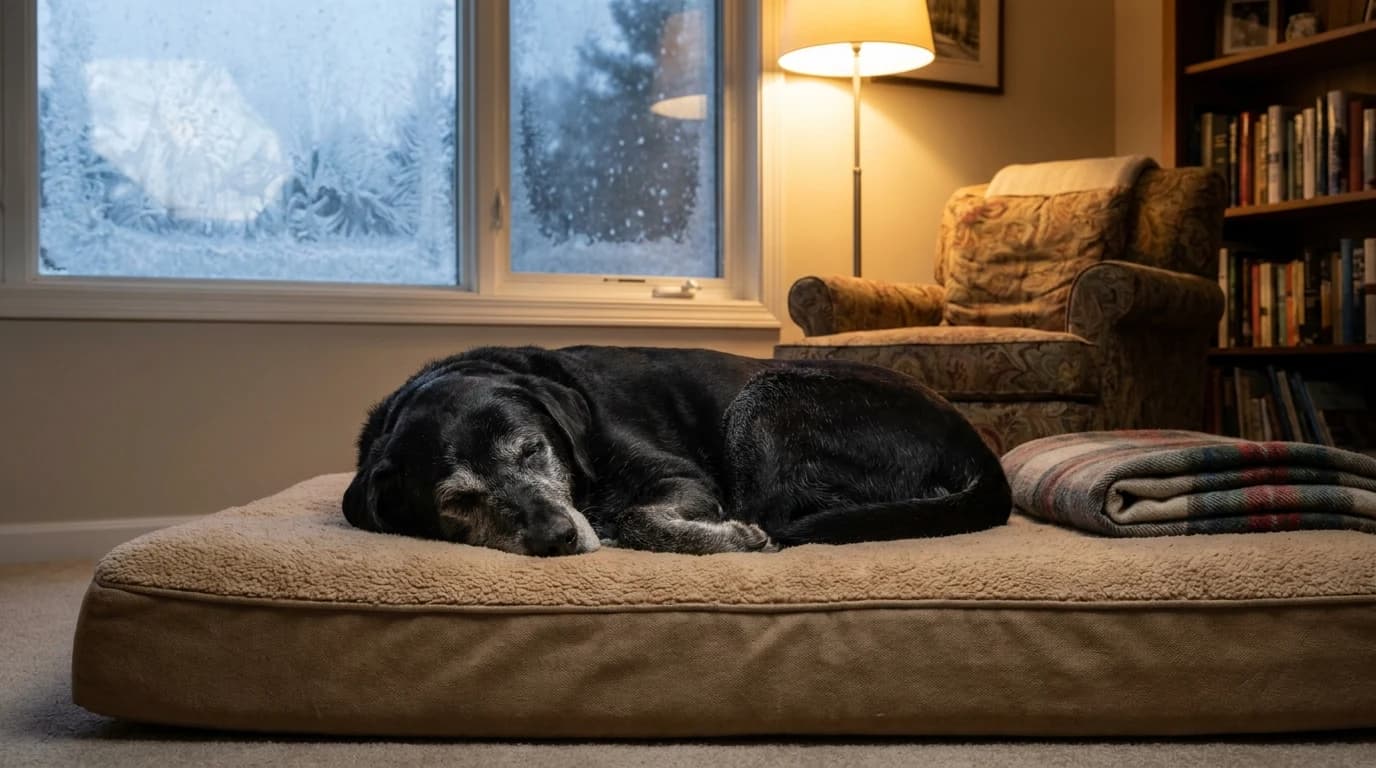
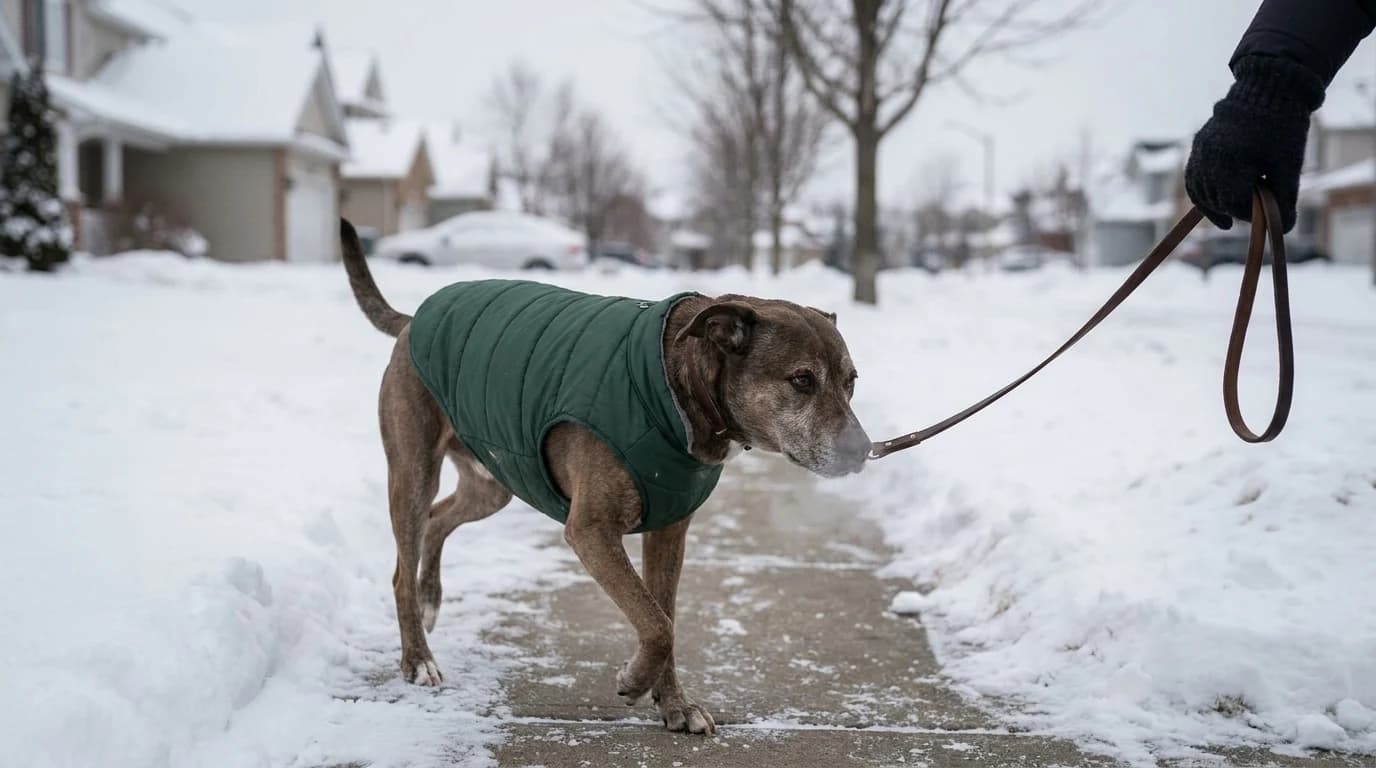
Insulated coats and reflective-lined jackets for short-hair, small, senior, sick, and brachycephalic dogs in cold weather.
Carhartt Firm Duck ($54.99, 4.8 stars / 4,964 reviews) for most owners. Hurtta Extreme Warmer ($118) for single-digit climates. Kurgo Loft ($11-43 by size) as the harness-compatible budget pick.
Top pick
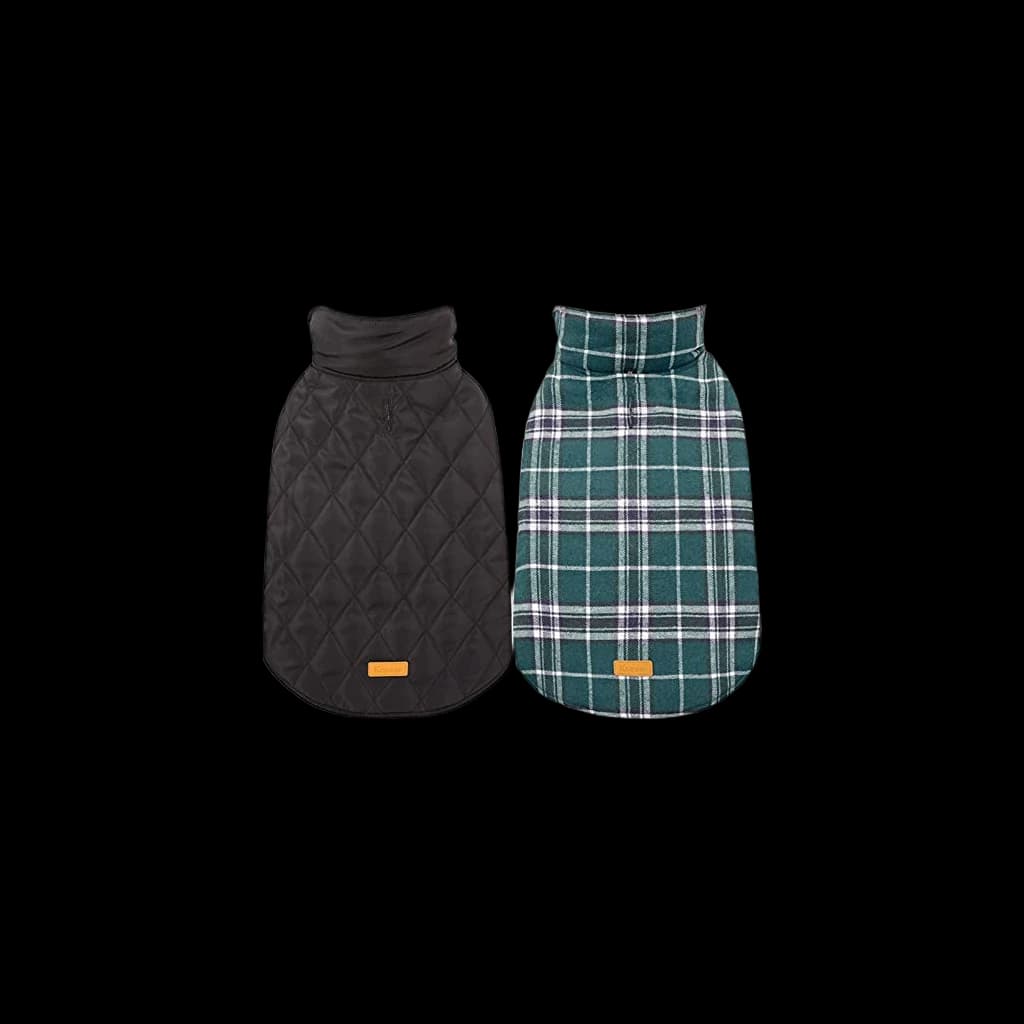
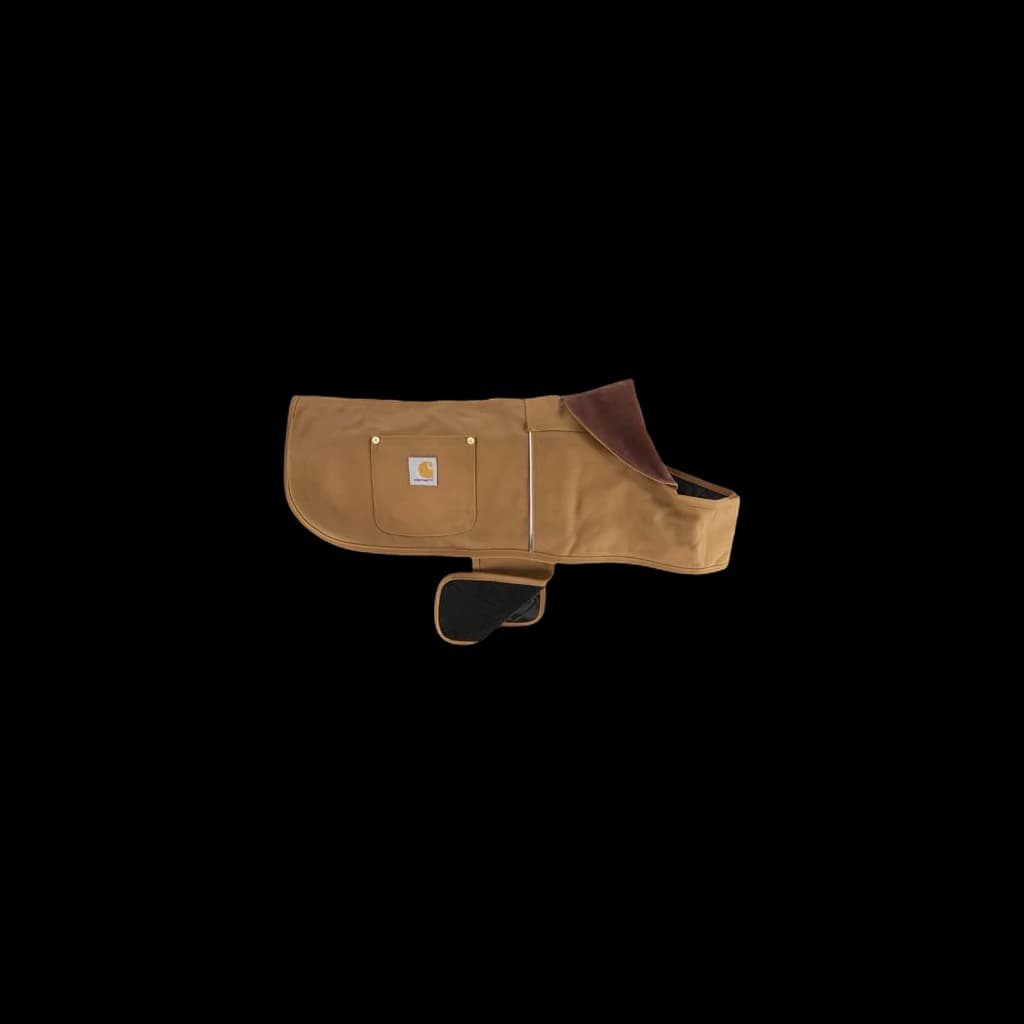
Carhartt Firm Duck Insulated Dog Chore Coat
12 oz cotton duck shell with diamond-quilt nylon lining and Rain Defender DWR — the only sub-$60 coat in this lineup with a fully published spec.
Buy on AmazonSkip this
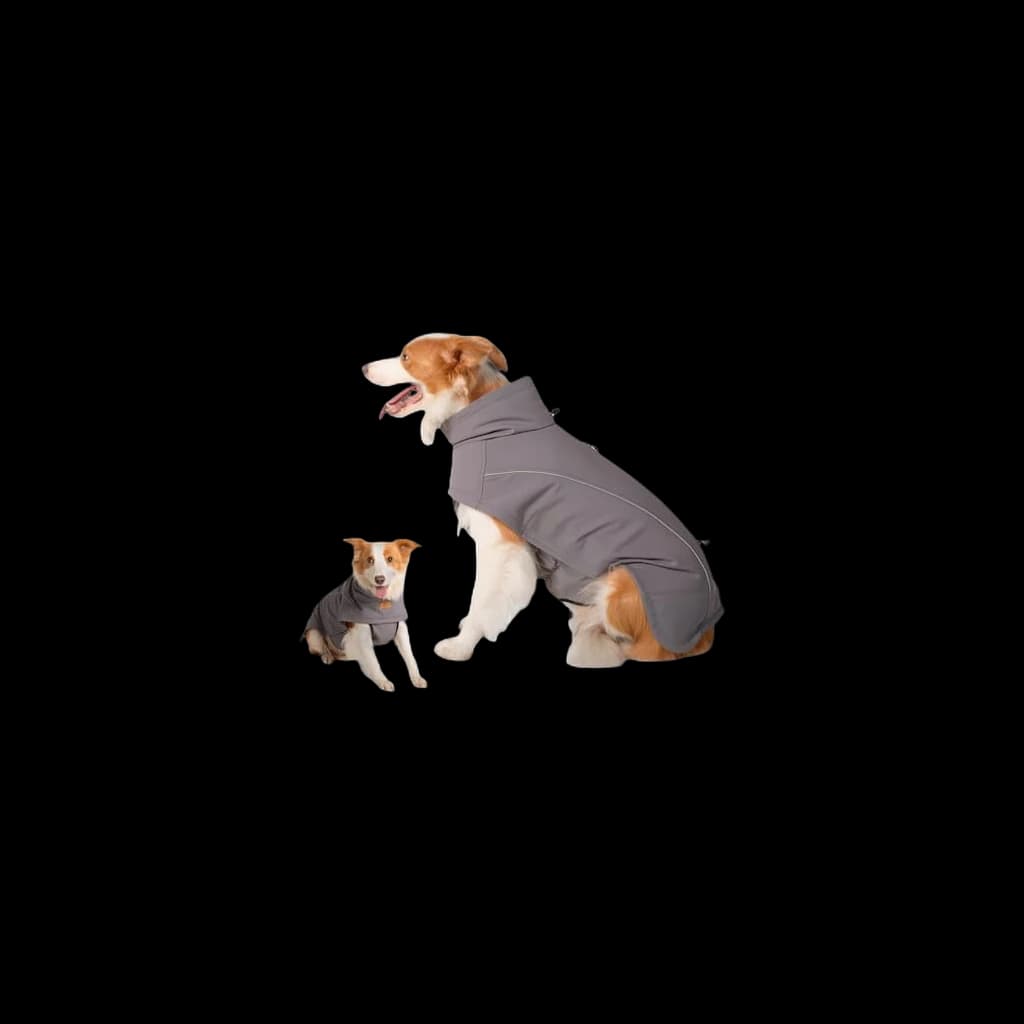
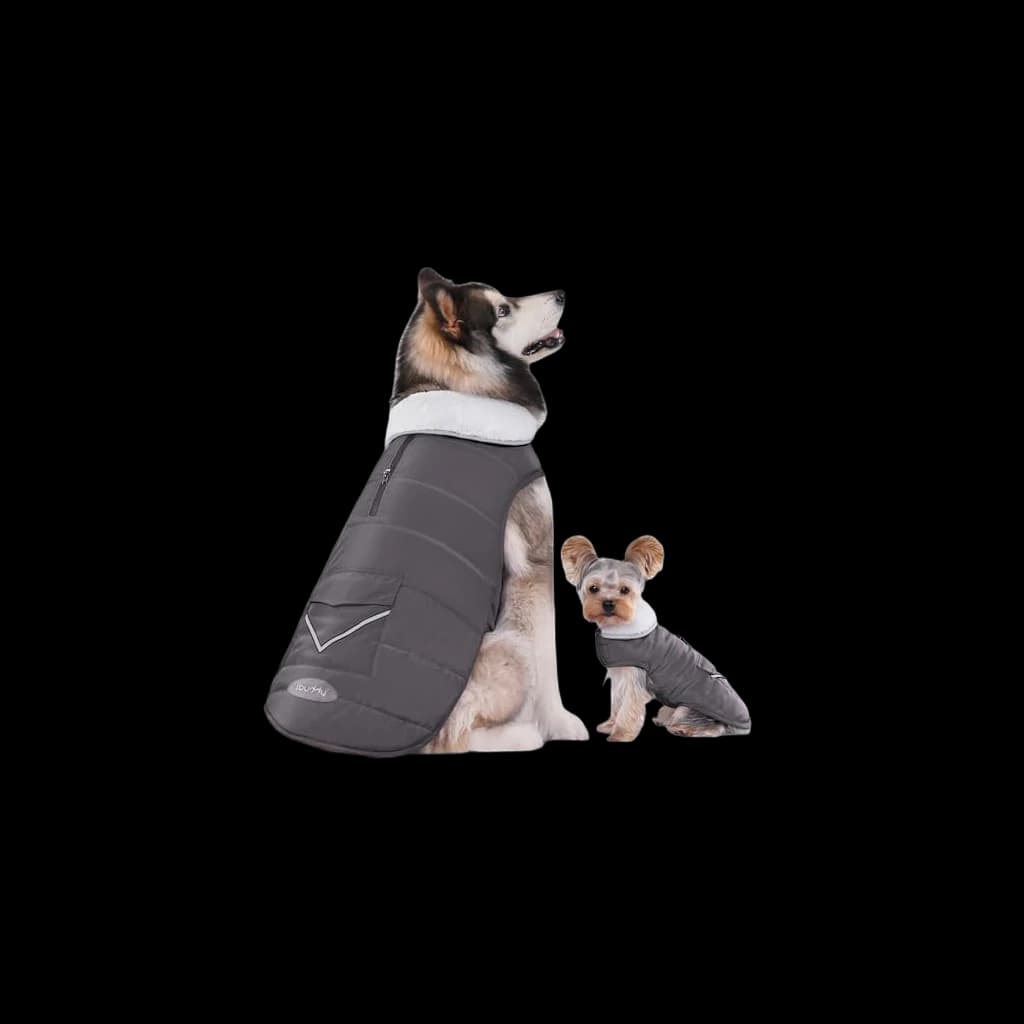
Rhinestone, costume, or generic-brand coats with no published insulation construction
AKC's cold-weather guidance and AVMA's cold-weather animal safety page both treat dog apparel as a welfare tool that needs to actually retain body heat below 45 °F. Coats without a published shell weight, lining material, or water resistance rating are almost always thin single-layer polyester that fails at exactly the temperatures the coat is supposed to address.
The three winter coats we verified live on Amazon in May 2026 averaged 4.67 stars across 13,869 reviews — Carhartt 4.8 / 4,964; Hurtta 4.7 / 1,454; Kurgo 4.5 / 7,451. The published-construction-spec filter cleanly separates these from the no-name coats they're shelved next to.
Across r/dogs, r/whippets, r/Greyhounds, r/Mastiff, and r/AskVet, three patterns recur. First, the Carhartt Firm Duck is the working-dog and ranch-dog default — owners cite the cotton duck shell as the same material they trust in their own work jackets, and the multi-winter durability is consistent across reviews. Second, Hurtta's heat-reflective foil is the one feature that converts skeptics in single-digit weather — Minneapolis, Calgary, and Buffalo owners are the most vocal. Third, sighthound and brachy-breed owners (whippet, greyhound, Italian greyhound, Frenchie, pug) treat coats as a year-round welfare tool below 50 °F and recommend buying for back length first, chest girth second, since both Carhartt and Hurtta cut on shoulder-to-tail measurement.
As an Amazon Associate I earn from qualifying purchases. Product prices and availability are subject to change.
AKC and Cornell Riney both note that short-hair, small-breed, senior, and brachycephalic dogs lose body heat below roughly 45 °F faster than thick-coated working breeds — and AVMA's cold-weather guidance treats protective apparel as a welfare tool, not a fashion choice. The useful filter is whether a coat publishes a real construction spec: shell weight, insulation type or fill weight, and a water-resistance finish. Carhartt's Firm Duck Insulated Dog Chore Coat hits all three at $54.99 (12 oz/yd² cotton duck, diamond-quilt nylon lining, Rain Defender DWR) and is the working-dog favorite on r/dogs. Hurtta's Extreme Warmer is the upgrade for sustained sub-freezing climates — the heat-reflective foil lining is the one feature that consistently differentiates it in cold-climate forum discussion. Kurgo's Loft Reversible at the budget end publishes a 140 g Polytech fill, which is honest construction information at a price point where most no-name competitors publish nothing. Skip rhinestone / costume / generic-Amazon-brand coats — without a published spec the coat is decorative, not protective. Measure chest girth and back length carefully; manufacturer sizing charts run snug.

AVSAB, AVMA, and Fear Free Pets all recommend against aversive collars. Here's why force-based tools backfire — and what credentialed trainers use instead.

The FDA's 2018-2022 investigation linked grain-free diets to a rise in canine dilated cardiomyopathy. Here's what the evidence actually says — and what to feed ...

Retractable leashes give a reactive dog 16 feet of rope to launch a lunge. Here's why every credentialed trainer and every ER-vet thread says skip them — and wh...