Dog Exercise Chart by Breed, Age, and Energy Level
Quick Answer
Most healthy adult dogs need at least 30 minutes of daily movement, but the useful range depends on breed type, age, body condition, health, weather, and recovery. Lower-energy adults may do well with 30 to 60 minutes, while high-energy sporting, herding, and working breeds often need 60 to 90 minutes or more split across the day. Puppies need short bursts, seniors need low-impact consistency, and dogs with pain, obesity, heat sensitivity, or breathing issues should have a vet-guided plan.
On this page7 sections
Our Verdict
A good dog exercise plan starts with breed type, but the real answer comes from age, body condition, health, heat, and how well your dog recovers afterward.
Dog Exercise Starting Chart
Use breed type as a starting range, then adjust for age, body condition, health, heat, and recovery.
| Product | Dog Type | Daily Starting Range | Best Structure | Watch For |
|---|---|---|---|---|
| Toy / very small adult | Toy / very small adult | 20-45 minutes | Short walks plus indoor games | Fatigue, stairs, weather |
| Low-energy companion adult | Low-energy companion adult | 30-60 minutes | Two easy walks | Heat, breathing strain |
| Average adult | Average adult | 45-75 minutes | Walk plus play or training | Weight gain, boredom |
| Sporting / herding adult | Sporting / herding adult | 60-90+ minutes | Walk, run, scent work, training | Overarousal without rest |
| Senior dog | Senior dog | 20-60 minutes | Several low-impact sessions | Limping, stiffness, slow recovery |
| Puppy | Puppy | Several short sessions | Play, training, brief walks | Long forced exercise |
How PawBench is paid: we earn an Amazon Associates commission on qualifying purchases. We don’t accept sponsored placements, paid reviews, or free products in exchange for coverage. Picks are ranked on documented owner outcomes and primary-source research, never on commission rate. Read the full methodology.
Most dog exercise advice fails because it gives one number. A Border Collie, a Bulldog, a 14-week puppy, and a 12-year-old Lab do not need the same day. The better question is: what is the safest starting range, and what should change it?
Quick Answer
Most healthy adult dogs need at least 30 minutes of daily movement, but the useful range is wider: lower-energy adults may do well with 30 to 60 minutes, while high-energy sporting, herding, and working breeds often need 60 to 90 minutes or more split across the day. Puppies need shorter bursts, seniors need lower-impact consistency, and any dog with pain, obesity, heat sensitivity, or breathing issues needs a vet-guided adjustment.
The Starting Chart
Use this as a planning range, not a prescription. Your dog's body condition, recovery, weather, and enthusiasm matter more than the label on a breed group.
| Dog type | Daily starting range | Best structure | Watch for |
|---|---|---|---|
| Toy / very small adult | 20-45 minutes | Short walks plus indoor games | Fatigue, stairs, weather |
| Low-energy companion adult | 30-60 minutes | Two easy walks | Heat, breathing strain |
| Average adult | 45-75 minutes | Walk + play or training | Weight gain, boredom |
| Sporting / herding adult | 60-90+ minutes | Walk/run, fetch, scent work, training | Overarousal without rest |
| Working / sled / high-drive adult | 90+ minutes | Longer outings plus mental work | Joint strain, heat, under-stimulation |
| Senior dog | 20-60 minutes | Several low-impact sessions | Limping, stiffness, slow recovery |
| Puppy | Several short sessions | Play, training, brief walks | Long forced exercise |
PDSA's veterinary guidance says exercise needs depend on breed, age, health, fitness, and personality, with some breeds needing one to two hours per day and working breeds often needing significantly more. Small Door Veterinary gives a similar adult framework: less active breeds often land around 30 to 60 minutes, while high-energy breeds commonly need 60 to 90 minutes.
Adjust for Age First
Age changes the plan before breed does.
| Life stage | Adjustment | Why it matters |
|---|---|---|
| Puppy | Short, frequent bursts | Growing joints and short stamina make one long walk a poor fit |
| Adolescent | Add structure, not endless speed | Training and sniffing prevent chaos better than pure mileage |
| Adult | Match breed and lifestyle | Adults tolerate the widest range of activity |
| Senior | Keep daily movement, lower the impact | Consistency helps mobility, but recovery becomes the limiter |
AKC's exercise guidance makes the same point: exercise needs vary by age, health, and breed. Puppies often do better with several short walks or play sessions, while senior dogs may need walks instead of runs and closer observation of comfort.
Then Adjust for Body Condition
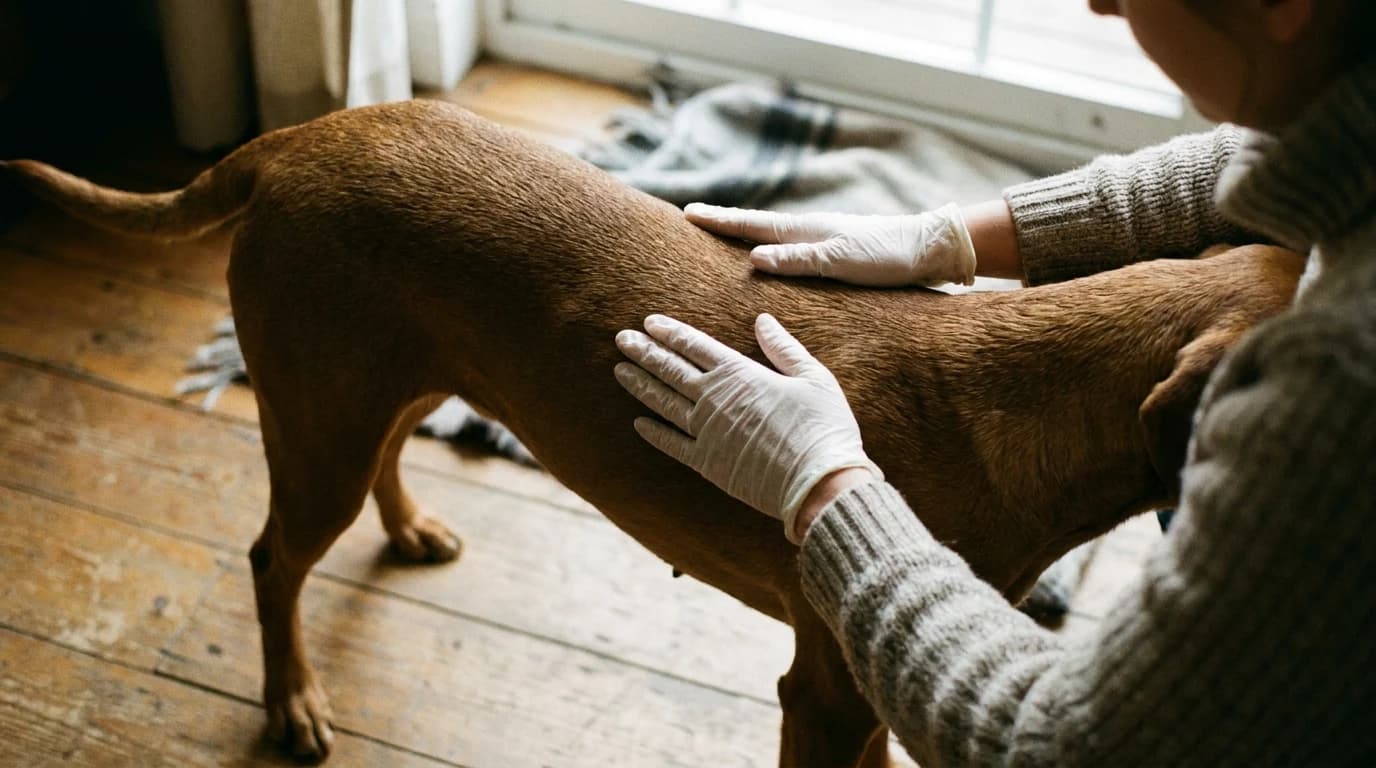
A dog's exercise plan should change if the dog is over or under ideal condition. VCA's body-condition scoring guide explains the hands-on check: feel ribs, look for a waist from above, and look for a tuck from the side. If ribs are hard to feel under fat, exercise should build gradually alongside food adjustments.
| What you see/feel | Exercise implication |
|---|---|
| Ribs easy to feel, clear waist and tuck | Use the normal chart range |
| Ribs hard to feel, waist fading | Add minutes slowly; avoid sudden hard runs |
| No waist, ribs difficult to find | Ask your vet for a weight-loss plan before big increases |
| Ribs sharp or prominent | Do not simply add exercise; ask about diet, illness, or underfeeding |
If weight is part of the problem, pair this with PawBench's dog body condition score guide and dog weight-loss plan. Exercise helps, but calories and veterinary screening matter too.
A Simple Weekly Schedule
For a healthy average adult, start here and scale up or down:
| Day | Main movement | Mental work |
|---|---|---|
| Monday | Two 20-minute walks | 5 minutes of cues |
| Tuesday | Walk + sniff route | Hide-and-find game |
| Wednesday | Longer park walk | Calm settling practice |
| Thursday | Two shorter walks | Food scatter or scent search |
| Friday | Walk + play session | Recall practice |
| Saturday | Longer adventure | Rest afterward |
| Sunday | Easy recovery walk | Gentle grooming/check-in |
High-energy dogs may need each block longer and more skill work. Lower-energy or senior dogs may need the same pattern in smaller pieces. The point is rhythm: movement, sniffing, learning, and recovery.
Safety Rules That Beat Any Chart
- Build gradually. PDSA warns that easing into a new routine helps avoid injury.
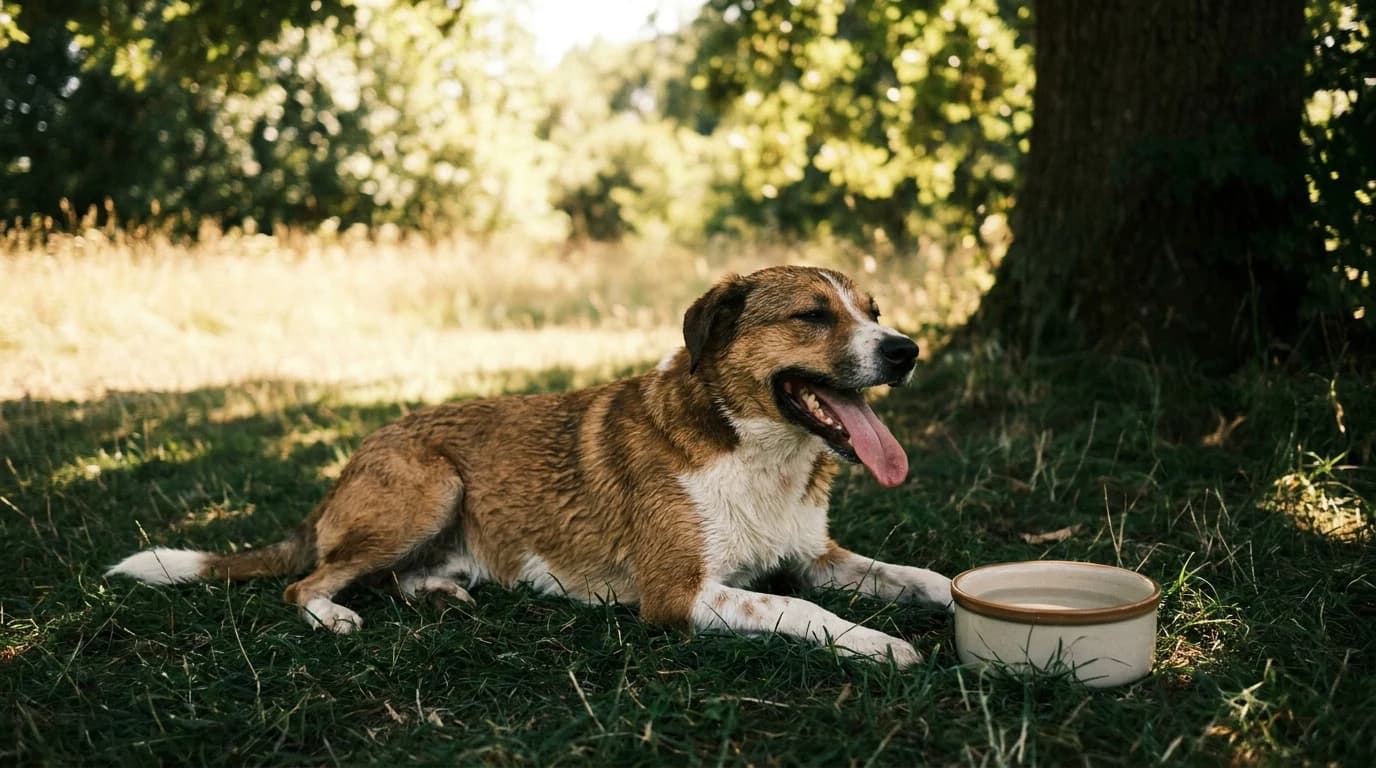
- Treat heat as a limiter. Summer walks belong in cooler hours, especially for flat-faced or heat-sensitive dogs.
- Stop for pain signals. Limping, lagging, stiffness after rest, coughing, collapse, or reluctance to continue means the plan changes.
- Do not use exercise as punishment. A tired dog is not automatically a well-regulated dog; mental work and sleep matter.
- Ask your vet when health is in play. Heart disease, arthritis, obesity, injury, respiratory issues, and post-surgery recovery all change the target.
Bottom Line
Do not chase a universal number. Start with breed type, adjust for age, then use body condition and recovery to set the real daily plan. If your dog finishes exercise loose, happy, and able to settle, you are close. If they are frantic, sore, overheated, or gaining weight, the chart is telling you to adjust.
Research Sources
- How Much Exercise Does a Dog Need Every Day? — American Kennel Club
- Exercising Your Dog — PDSA
- Exercise Needs for Puppies, Adults and Senior Dogs — Small Door Veterinary
- Body Condition Scoring in Dogs — VCA Animal Hospitals

PawBench Editorial
Published by Hilly Shore LabsPawBench’s editorial team researches dog products from primary veterinary sources, manufacturer specifications and aggregated buyer sentiment, alongside the lived ownership of Maggie, an Australian Labradoodle. We do not run hands-on product tests.
331 dog products scored · 1,222,724 buyer review-aspect mentions aggregated · cites AVMA, FDA, AAFCO, Cornell, WSAVA, AKC, ASPCA.
Recommendations are based on published veterinary guidelines, manufacturer specifications, and verified customer feedback. See our editorial standards.