How Often Should You Bathe Your Dog?
Quick Answer
Most dogs need bathing every 4-6 weeks. Over-bathing strips natural oils and causes dry, flaky skin. Exceptions: dogs with skin conditions may need medicated baths more frequently per vet guidance.
On this page9 sections
Our Verdict
Most dogs need bathing every 4-6 weeks, but it depends on coat type, activity level, and skin conditions. Over-bathing strips natural oils.
How PawBench is paid: we earn an Amazon Associates commission on qualifying purchases. We don’t accept sponsored placements, paid reviews, or free products in exchange for coverage. Picks are ranked on documented owner outcomes and primary-source research, never on commission rate. Read the full methodology.
Bathing frequency is one of the most common questions at vet and grooming appointments — and the answer is genuinely "it depends." Over-bathing strips natural oils from the coat and skin, causing dryness, irritation, and paradoxically, more odor (because dry skin triggers increased oil production). Under-bathing allows dirt, bacteria, and allergens to accumulate, causing skin problems and an unpleasant smell.
The right bathing frequency depends on your dog's coat type, activity level, skin condition, and lifestyle. Here's a practical framework.
Bathing Frequency by Coat Type
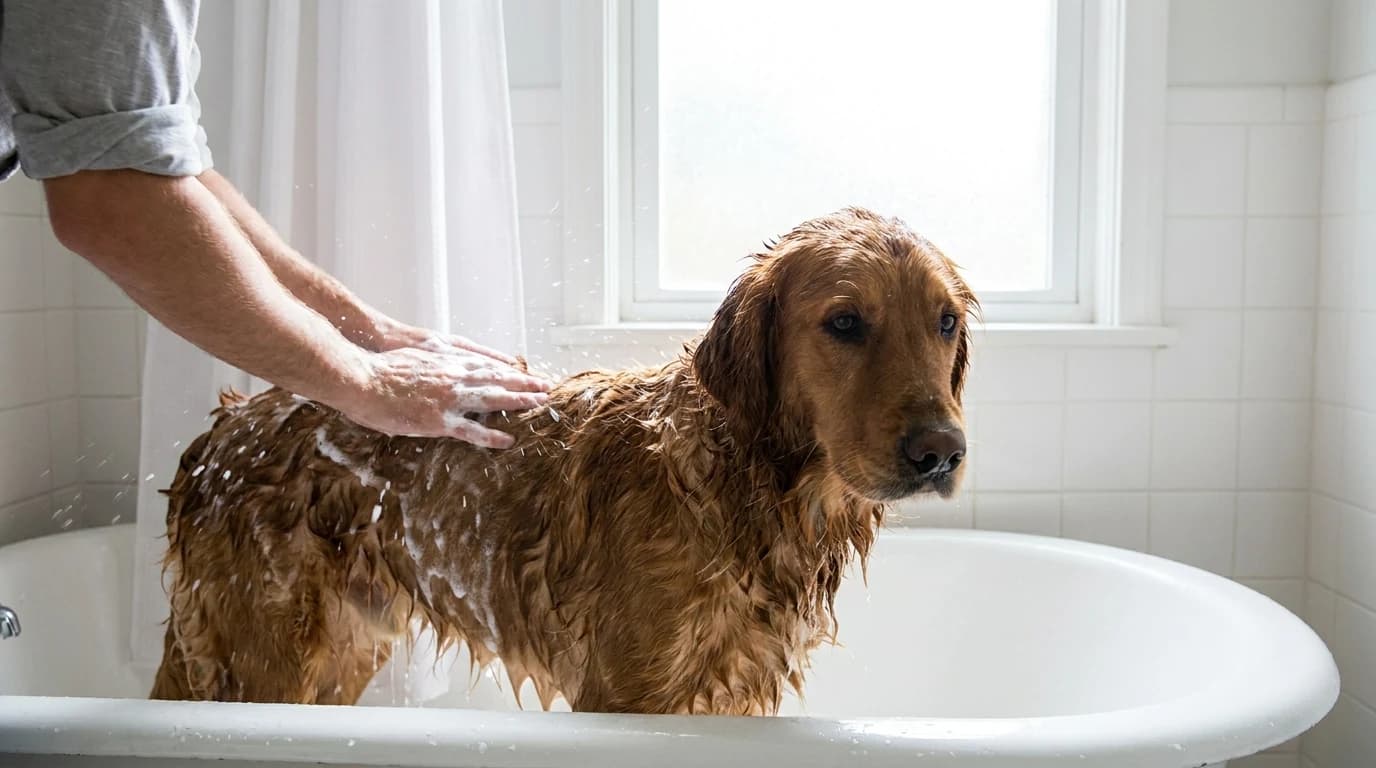
| Coat type | Bathe every |
|---|---|
| Short, smooth | 6-8 weeks |
| Double | 4-6 weeks |
| Long, silky | 2-4 weeks |
| Curly / wavy | 3-4 weeks |
| Wire | 6-8 weeks |
| Hairless | 1-2 weeks |
Short, Smooth Coats (Beagles, Boxers, Dachshunds, Greyhounds)
Frequency: Every 6-8 weeks, or when dirty/smelly
Short coats are the most self-maintaining. These dogs don't trap dirt or debris in long fur, and their natural oils distribute evenly across a minimal surface area. Most short-coated dogs smell fine between 4-8 weeks and benefit most from a simple wipe-down with a grooming wipe between baths.
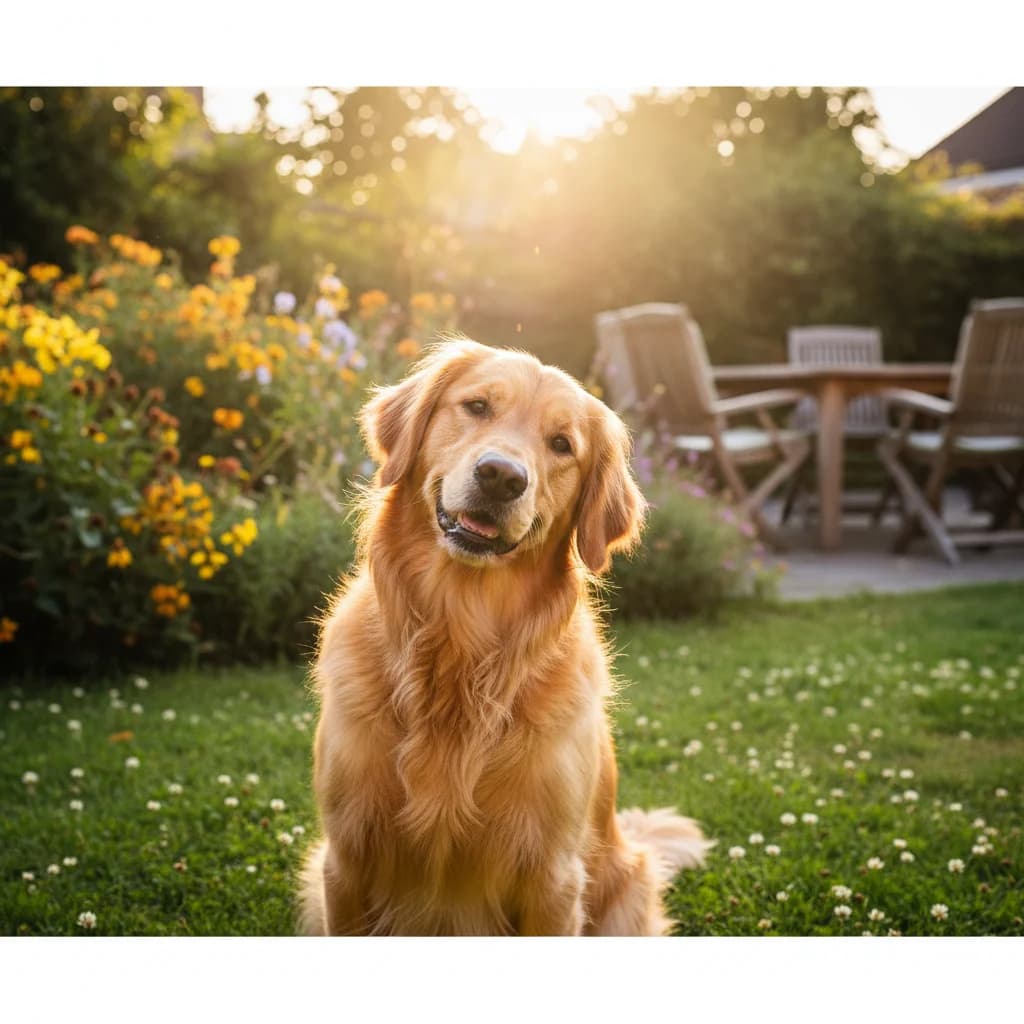
Double Coats (Labs, German Shepherds, Huskies, Golden Retrievers, Corgis)
Frequency: Every 4-6 weeks normally; more frequently during seasonal shedding
Double-coated breeds have a dense undercoat that traps dead hair, dirt, and moisture. Without regular bathing and thorough blow-drying, this layer can develop "hot spots" — areas of moist bacterial dermatitis that are painful and expensive to treat.
Never leave a double coat damp: air-drying takes hours and leaves the undercoat wet, which is the ideal environment for bacterial and yeast overgrowth. Blow-dry thoroughly every time.
Long, Silky Coats (Maltese, Shih Tzu, Yorkshire Terrier, Afghan Hound)
Frequency: Every 2-4 weeks
Long, fine coats mat easily and accumulate dirt and debris more readily than shorter coats. Regular bathing combined with thorough conditioning is essential for preventing mats that can eventually become painful — pulling skin with every movement. Brushing between baths is equally important.
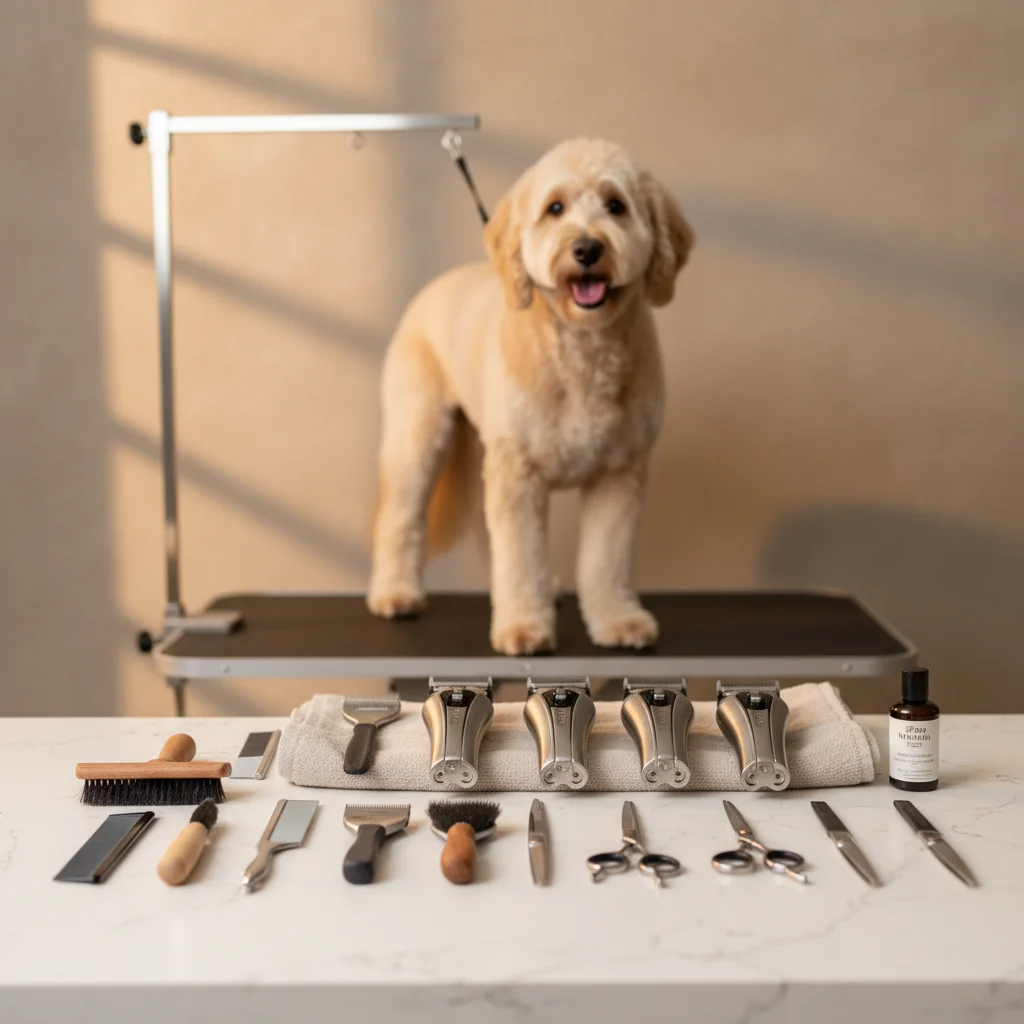
Curly/Wavy Coats (Poodles, Labradoodles, Bichon Frise, Portuguese Water Dog)
Frequency: Every 3-4 weeks
Curly coats don't shed normally — dead hair gets trapped in the curl and mats if not bathed and brushed regularly. These coats also dry slowly, so careful blow-drying after bathing prevents the same moisture-trap issues as double coats.
Wire Coats (Terriers, Schnauzers, Wirehaired Dachshunds)
Frequency: Every 6-8 weeks
Wire coats are naturally dirt-resistant and don't develop odor as quickly as soft coats. Most terrier coats benefit from periodic "hand-stripping" (pulling out dead wire coat) rather than shearing — bathing supports this by loosening dead coat.
Hairless Breeds (Chinese Crested, Xoloitzcuintli, American Hairless Terrier)
Frequency: Every 1-2 weeks
Hairless breeds lack the protective coating barrier that prevents skin dehydration, UV damage, and bacterial overgrowth. More frequent bathing with a gentle, moisturizing shampoo is necessary, followed by dog-safe moisturizer or sunscreen for outdoor dogs.
Adjusting for Activity Level and Lifestyle
Add a bath when:
- Your dog rolled in something (the classic problem)
- Your dog swam in a lake, river, or chlorinated pool — chlorine and lake bacteria should be rinsed off within hours, and regular swimmers do well with a full shampoo bath every 2 weeks
- Your dog has visible dirt, mud, or debris in their coat
- You can smell your dog before you see them
- Your dog spends its time on trails and in fields — high outdoor activity pulls the interval in by 1-2 weeks
Stretch the interval when:
- Your dog is indoor-only and low activity — you can often extend intervals by 2 weeks
- The coat is short and smooth, or wire, both of which resist dirt and are slow to develop odor
- The skin is already dry and reacting to being washed too often
Skin Conditions That Affect Frequency
- Allergic skin disease (atopy): Dogs with environmental allergies often benefit from more frequent bathing (1-2 times weekly) with a hypoallergenic shampoo. Bathing removes allergens (pollen, dust) from the coat before they penetrate the skin barrier. This is one of the most underutilized management tools for allergic dogs.
- Seborrhea (oily skin/dandruff): Some dogs produce excess sebum, causing oily skin, flaking, or both. Medicated shampoos with salicylic acid, coal tar, or selenium sulfide, used every 1-2 weeks, manage this effectively.
- Dry skin: Reduce bathing frequency and use a moisturizing shampoo with oatmeal or aloe. Adding omega-3 fatty acids (fish oil) to the diet often addresses the underlying cause.
Best Shampoos by Coat Type
- Best overall — Burt's Bees Hypoallergenic Shampoo. pH-balanced, fragrance-free, safe for all coat types. Burt's Bees for Pets Hypoallergenic Dog Shampoo with Shea (~$10)
- Best for sensitive skin — Veterinary Formula Clinical Care Antiparasitic Shampoo. For dogs with seborrhea, bacterial, or yeast issues. Veterinary Formula Clinical Care (~$14)
- Best for double coats — Chris Christensen Ice on Ice Conditioner. Diluted and used as a leave-in after bathing, it dramatically eases brushing and reduces mat formation. Chris Christensen Ice on Ice Detangler and Finishing Dog (~$18)
- Best for allergic dogs — Douxo S3 Calm Shampoo. Veterinary-grade, contains Ophytrium to support the skin barrier. Often recommended by dermatologists. DOUXO SPA Soothing Dog Shampoo for Sensitive Skin (~$22)
Bathing Tips for Success
The one we'd reach for first. For most coats the safe default is an oatmeal-and-aloe formula with no artificial fragrance — Earthbath Oatmeal & Aloe is the one groomers we spoke with name most often, and it rinses clean on double coats. Puppies and dogs with itchy skin do better with a tear-free or medicated formula from the vet rather than anything scented.
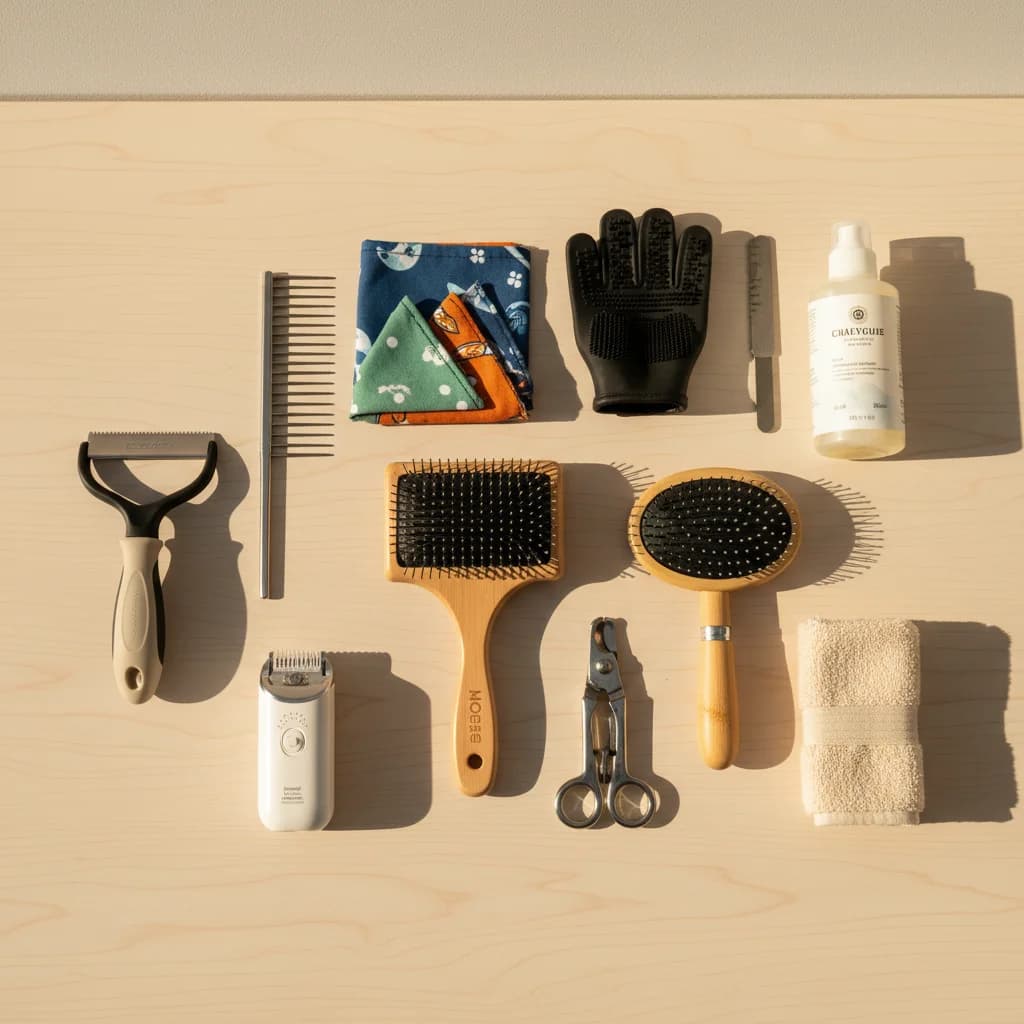
- Brush before bathing — wet fur mats much more readily than dry fur. Get tangles out first.
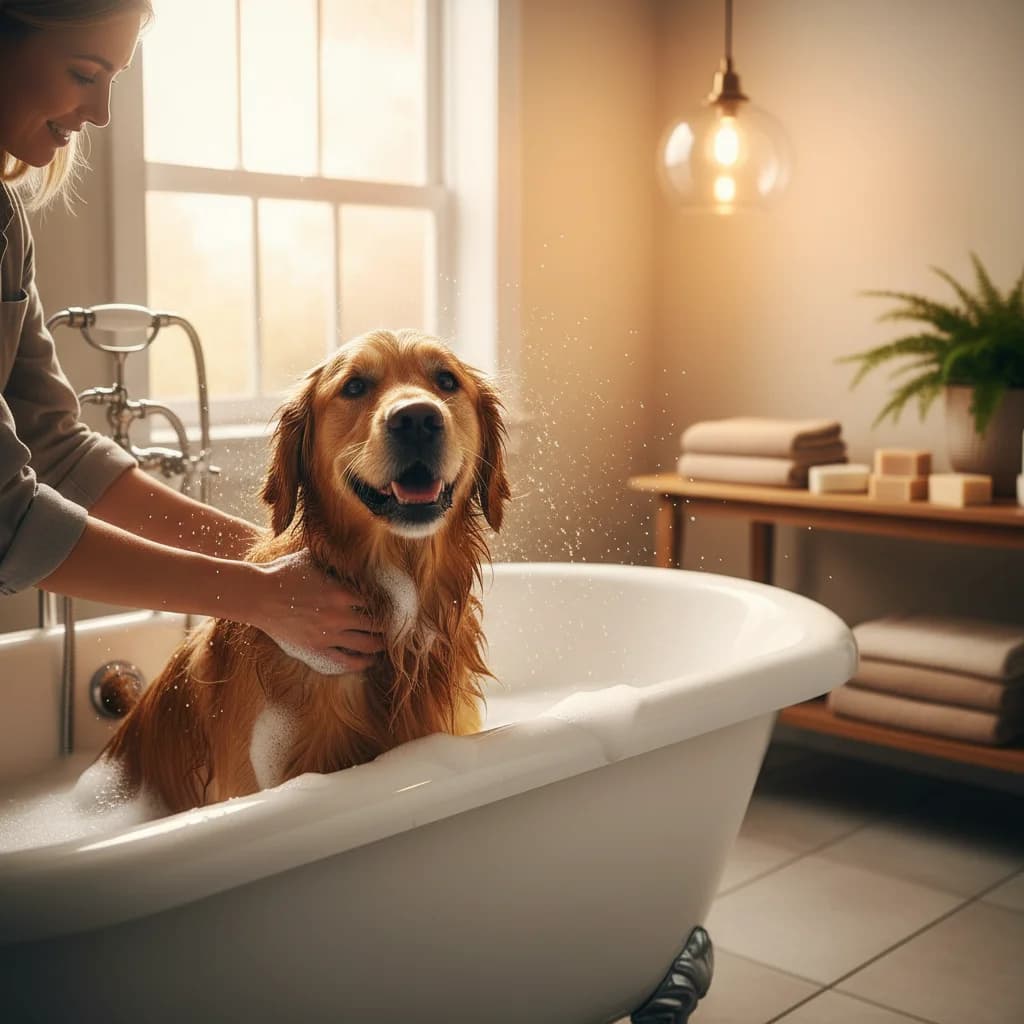
- Use lukewarm water — dogs have more sensitive skin than humans; hot water causes irritation.
- Thoroughly wet down to skin level before applying shampoo — double and thick coats repel water, and surface-only wetting leaves most of the coat unwashed.
- Work shampoo from neck to tail — don't start at the head (this prompts shaking).
- Rinse twice as long as you think necessary — shampoo residue causes more skin irritation than most owners realize.
- Blow-dry or towel thoroughly — especially for double and curly coats.
Our Verdict
For most dogs, monthly bathing is a reasonable baseline. Adjust based on coat type (shorter intervals for long/curly coats, longer for short coats), activity level, and skin health. When in doubt, ask your groomer or vet — they can assess your specific dog's skin and coat condition and give personalized guidance.
For a complete coat-type maintenance calendar including brushing, dematting, and grooming schedules, see our dog grooming schedule by coat guide.
Note: Links to Amazon may earn us an affiliate commission at no extra cost to you.
🏆 Bottom Line: Most dogs need a bath every 4–6 weeks. Short-coated dogs can go longer; oily-coated breeds (Basset Hound, Labrador) benefit from more frequent baths. Use a dog-specific shampoo, rinse thoroughly, and dry completely — a half-dry coat in a crate leads to hot spots and skin problems.
Related Reading
- Dog Grooming Schedule by Coat — Full maintenance calendars by coat type
- Best Grooming Tools 2026 — Brushes, deshedders, and bathing tools
- Golden Retriever Care Guide — Double-coat grooming in depth
Sources
- American Kennel Club (AKC) — "How Often Should You Bathe Your Dog?" akc.org.
- Mueller RS — "Dermatology for the Small Animal Practitioner." Veterinary Clinics of North America, 2019.
- Antech Diagnostics — Skin microbiome health and bathing frequency in dogs.
- National Dog Groomers Association of America (NDGAA) — Bathing frequency standards by coat type.
- Tufts University Cummings School of Veterinary Medicine — Canine dermatology care basics. 2023.
Between Baths: Maintenance Tips
- Dry shampoo or waterless spray between baths keeps coat fresh without stripping oils
- Regular brushing (2-3 times per week for most breeds) distributes natural oils and removes loose dirt
- Paw wipes after walks prevent tracking mud through the house — gentler than a full bath
- Ear cleaning every 2-4 weeks prevents infection, especially in floppy-eared breeds
Research Sources

Hilly Shore Labs
Editorial teamIndependent product research team behind PawBench. Reviews are grounded in primary veterinary sources, aggregated buyer sentiment, and the lived ownership of Maggie, an Australian Labradoodle.
200+ dog products researched · 1.1M+ Amazon review-aspect mentions analyzed · cites AVMA, FDA, AAFCO, Cornell, WSAVA, AKC, ASPCA.
All product reviews are independently researched. Recommendations are based on published veterinary guidelines, manufacturer specifications, and verified customer feedback. See our editorial standards.