Dog Grooming Schedule by Coat Type: A Complete Guide
Quick Answer
Smooth coats need weekly brushing, double coats need 2-3 times weekly (daily during shedding), wire coats need hand-stripping every 3-4 months, and curly coats need daily brushing plus professional grooming every 6-8 weeks.
On this page6 sections
Our Verdict
Grooming frequency depends almost entirely on coat type, not breed size. Double-coated dogs need the most brushing, wire-coated dogs need professional stripping, and curly-coated dogs need the most frequent haircuts. Match your routine to the coat, not the calendar.
How PawBench is paid: we earn an Amazon Associates commission on qualifying purchases. We don’t accept sponsored placements, paid reviews, or free products in exchange for coverage. Picks are ranked on documented owner outcomes and primary-source research, never on commission rate. Read the full methodology.
The grooming advice most owners receive is uselessly generic: "brush your dog regularly." How regularly? With what tool? For a Poodle or a Pointer? A Husky's double coat and a Yorkshire Terrier's silky coat have nothing in common besides both being made of keratin. They require fundamentally different tools, techniques, and schedules.
This guide organizes grooming by coat type, not breed, because coat type is what actually determines grooming needs. Find your dog's coat type below, and you'll know exactly what to do, how often, and with what tools.
Identifying Your Dog's Coat Type
Before establishing a grooming schedule, identify which coat type your dog has. Most dogs fall into one of seven categories:
1. Smooth/Short Coat
What it looks like: Short, flat fur that lies close to the body. Sleek appearance. Minimal texture. Examples: Beagle, Boxer, Dachshund (smooth), Dalmatian, Great Dane, Doberman, Weimaraner, Pit Bull
2. Double Coat
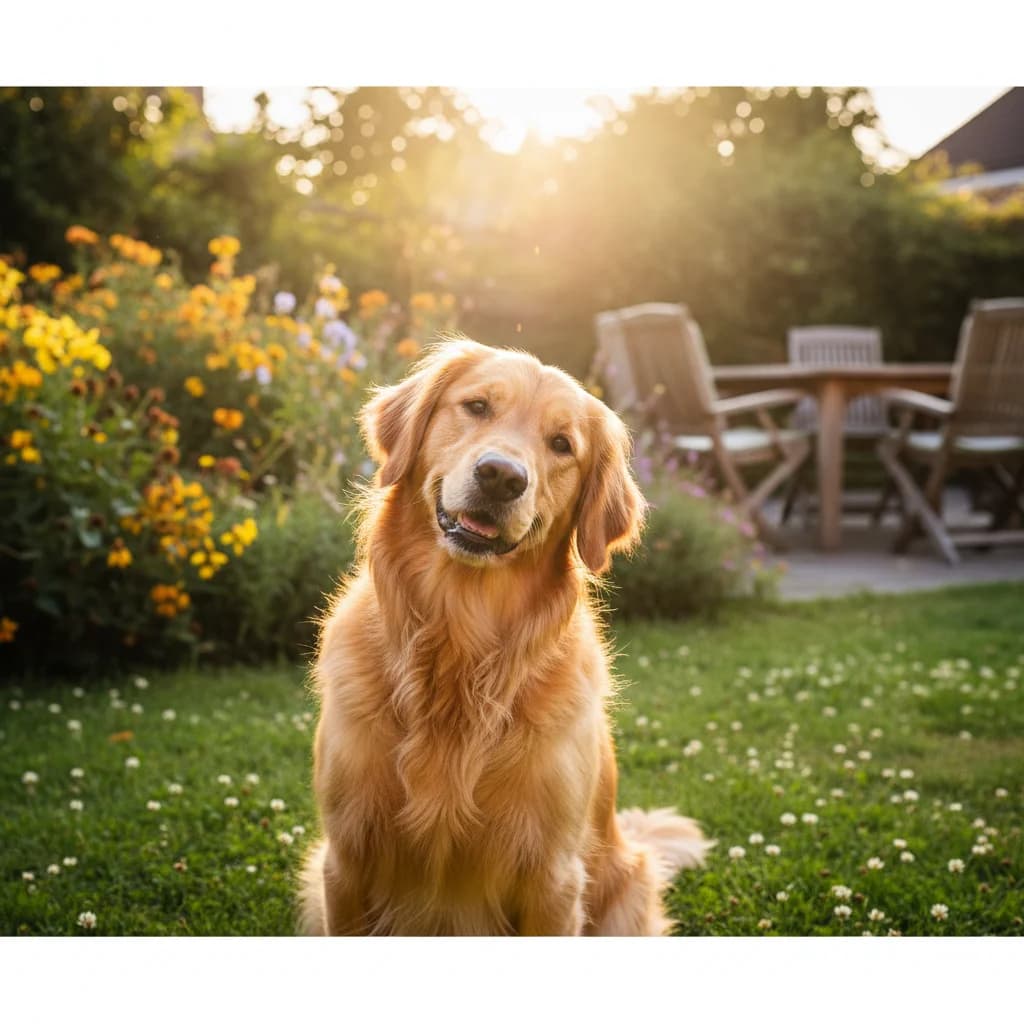
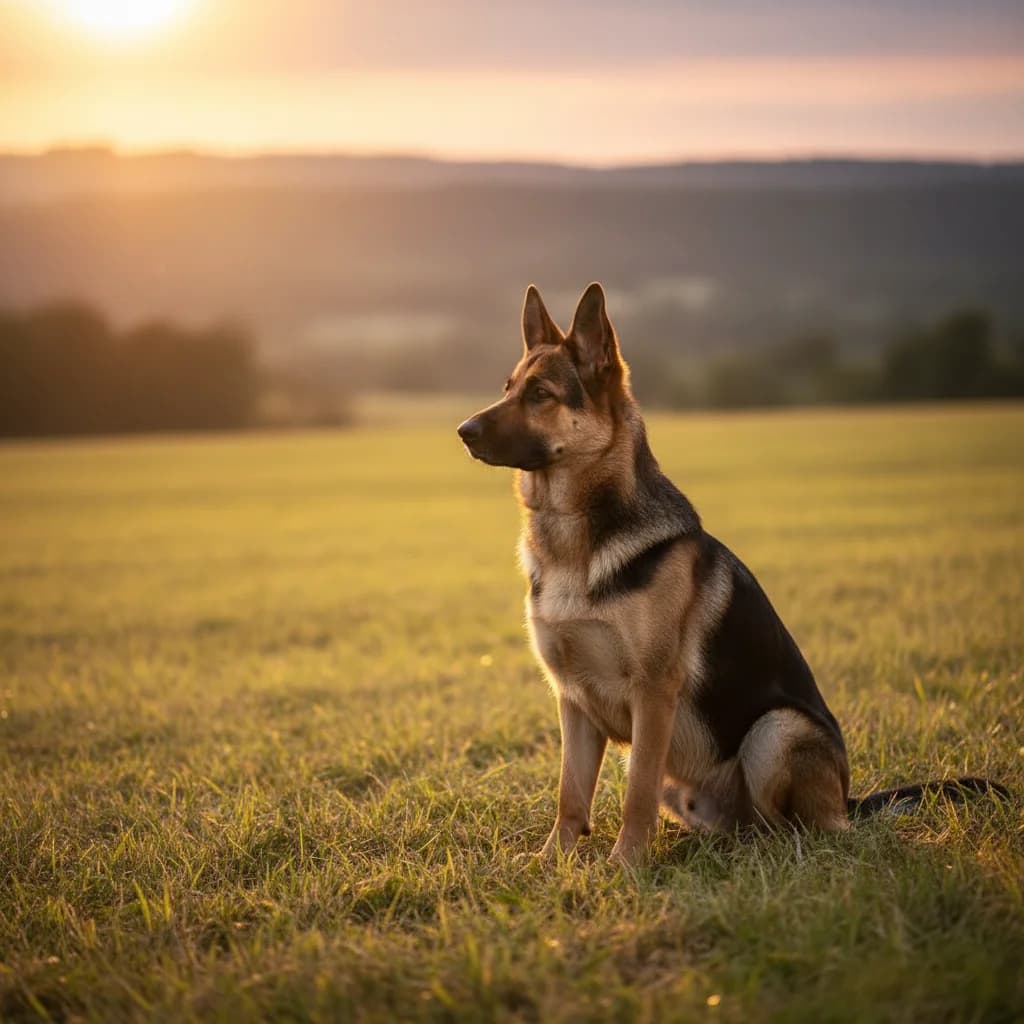
What it looks like: Two distinct layers — a dense, soft undercoat for insulation and a longer, coarser outer coat for weather protection. Examples: Golden Retriever, German Shepherd, Labrador, Husky, Akita, Corgi, Australian Shepherd, Bernese Mountain Dog, Sheltie
3. Curly/Wool Coat
What it looks like: Tight curls or waves throughout. Hair grows continuously (like human hair) rather than shedding in cycles. Examples: Poodle (all sizes), Bichon Frise, Portuguese Water Dog, Lagotto Romagnolo, many Doodle mixes
4. Wire/Rough Coat
What it looks like: Coarse, bristly texture. Often gives the dog a scruffy or bearded appearance. Examples: Wire Fox Terrier, Schnauzer, Airedale, Brussels Griffon, Irish Wolfhound, Scottish Terrier, Wirehaired Pointing Griffon
5. Long/Silky Coat
What it looks like: Long, flowing hair with a silky texture. Parts naturally and hangs straight or with slight waves. Examples: Yorkshire Terrier, Maltese, Shih Tzu, Afghan Hound, Cavalier King Charles Spaniel, Lhasa Apso
6. Hairless/Minimal Coat
What it looks like: Little to no hair, with exposed skin across most of the body. May have tufts on head, feet, or tail. Examples: Chinese Crested (hairless variety), Xoloitzcuintli, American Hairless Terrier, Peruvian Inca Orchid
7. Combination/Mixed Coat
What it looks like: Features of multiple coat types. Common in mixed breeds and designer crosses. Examples: Many rescue mixes, Goldendoodles (vary widely), Cockapoos, etc.
Grooming Schedules by Coat Type
Smooth/Short Coat
Grooming difficulty: Low
Smooth-coated dogs are the lowest maintenance in the grooming world, but "low maintenance" doesn't mean "no maintenance." These dogs still shed (some heavily — looking at you, Dalmatians), and their short hair carries oils and dander that benefit from regular attention.
Weekly schedule:
- Brushing: Once per week with a rubber curry brush or bristle brush. This removes dead hair, distributes skin oils, and stimulates circulation. 5-10 minutes is sufficient.
- Wipe-down: Use a damp cloth or grooming wipe to remove surface dirt and restore shine.
Monthly schedule:
- Bathing: Every 4-8 weeks, or when visibly dirty/smelly. Smooth coats dry quickly — bath time is typically under 30 minutes including drying.
- Nail trimming: Every 2-3 weeks. Smooth-coated dogs' nails are fully visible, making trimming straightforward.
- Ear check: Monthly for upright-eared breeds, biweekly for floppy-eared breeds (Beagles, Bassets).
Tools needed:
- Rubber curry brush ($8-12)
- Natural bristle brush ($10-15)
- Grooming wipes ($8-15 per pack)
- Nail clippers or grinder ($15-30)
Professional grooming: Rarely necessary. 1-2 times per year for a thorough bath and nail trim if you prefer not to do it at home.
Double Coat
Grooming difficulty: High
Double-coated dogs are the most labor-intensive coat type to maintain properly. The undercoat needs regular removal to prevent matting against the skin (which can cause hot spots and skin infections), and the biannual coat blow requires daily attention for 2-4 weeks.
Weekly schedule (non-shedding season):
- Brushing: 2-3 times per week with a slicker brush and undercoat rake. Start with the undercoat rake to remove loose undercoat, then follow with the slicker brush to smooth the outer coat. 15-20 minutes per session.
- Check for mats: Focus on behind the ears, under the legs, around the collar line, and near the tail. These areas mat first.
Weekly schedule (coat blow season — spring and fall):
- Brushing: Daily, 20-30 minutes. Use the undercoat rake aggressively (but not against the skin). The volume of loose fur during coat blow is genuinely alarming if you're not expecting it.
- High-velocity dryer: If you own one, a 10-minute session with a forced-air dryer blasts out more undercoat than 30 minutes of brushing. This is the single most effective tool for managing coat blow.
Monthly schedule:
- Bathing: Every 6-8 weeks normally, more frequently during coat blow. Always brush thoroughly before bathing — water tightens mats, making them nearly impossible to remove.
- Nail trimming: Every 2-3 weeks.
- Ear cleaning: Weekly for floppy-eared double-coated breeds (Goldens), biweekly for upright-eared (GSDs, Huskies).
Tools needed:
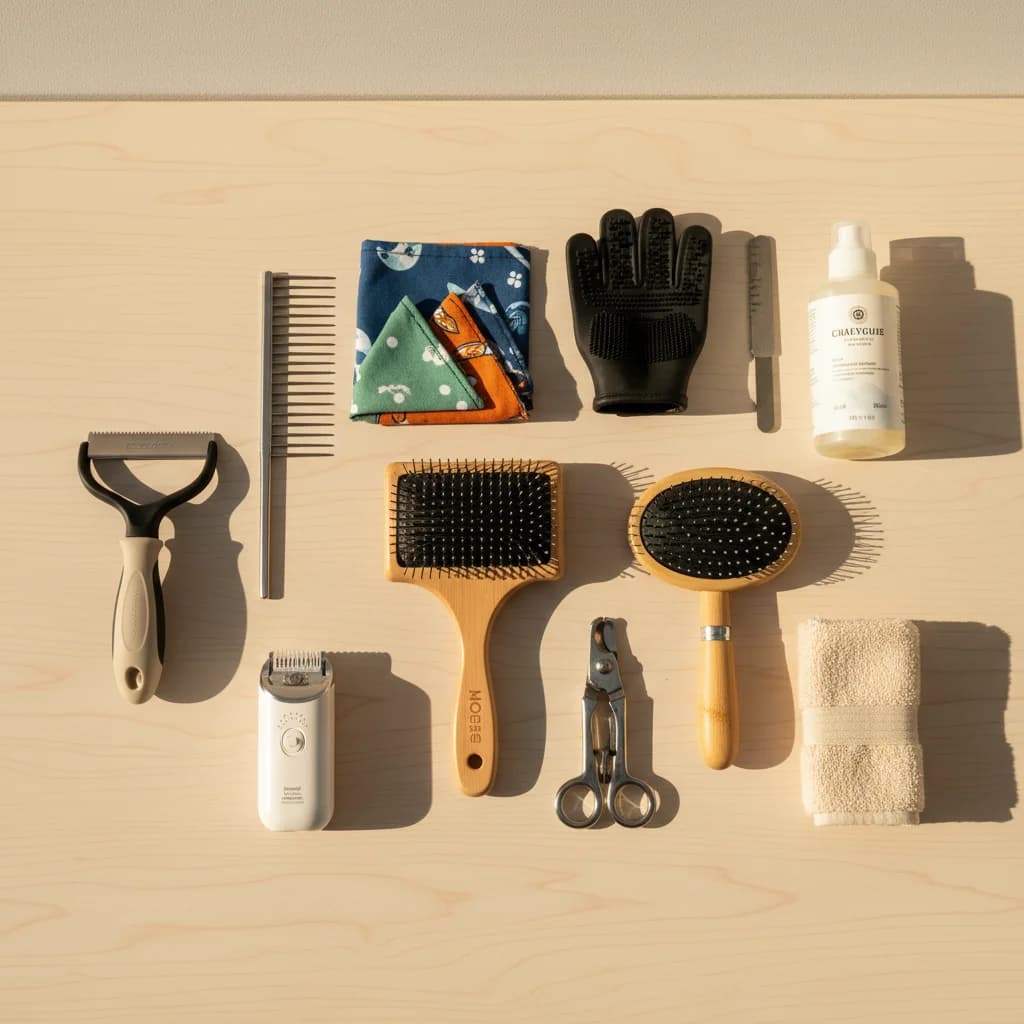
- Undercoat rake ($12-20)
- Slicker brush ($10-18)
- Furminator or similar deShedding tool ($25-35)
- High-velocity dryer ($60-150 — optional but transformative)
- Steel comb for mats ($8-12)
Professional grooming: Every 8-12 weeks is worthwhile for thorough undercoat removal, sanitary trimming, and coat health assessment.
Critical rule: Never shave a double-coated dog. The double coat provides insulation from both cold AND heat, protects against sunburn, and regulates body temperature. Shaving removes these functions and the coat often grows back incorrectly — patchy, uneven, and with altered texture. The only exception is medical necessity (surgery site, severe matting that cannot be de-matted).
Curly/Wool Coat
Grooming difficulty: High (different kind of high)
Curly-coated dogs don't shed in the traditional sense — their hair grows continuously like human hair, which means loose hairs get trapped in the curls instead of falling off. This is why Poodles are considered "hypoallergenic" (less dander dispersal, not zero allergens). The trade-off is that without regular brushing and trimming, the coat mats into solid felt that can only be removed by shaving.
Weekly schedule:
- Brushing: Every other day minimum, ideally daily. Use a slicker brush to work through the curls section by section, then follow with a steel comb to verify no tangles remain. If the comb catches, there's a mat — address it immediately before it tightens.
- Focus areas: Behind the ears, armpits, groin, and between the toes. These are mat epicenters.
Monthly schedule:
- Bathing: Every 3-4 weeks. Curly coats trap dirt and odor more than smooth coats. Always brush thoroughly before bathing. Use a conditioner or detangling spray to maintain curl definition and prevent matting.
- Haircut: Every 4-6 weeks to maintain a manageable length. The specific style depends on preference — but regardless of style, regular trimming prevents the coat from becoming unmanageable.
- Nail trimming: Every 2-3 weeks. The hair between toes should also be trimmed to prevent mat formation and debris collection.
- Ear cleaning: Weekly. Curly-coated breeds often grow hair inside the ear canal, which traps moisture and bacteria. Many groomers pluck this hair — discuss with your vet whether plucking or trimming is better for your dog.
Tools needed:
- Slicker brush ($10-18)
- Steel comb ($8-12)
- Detangling spray ($8-15)
- Grooming scissors for touch-ups ($15-25)
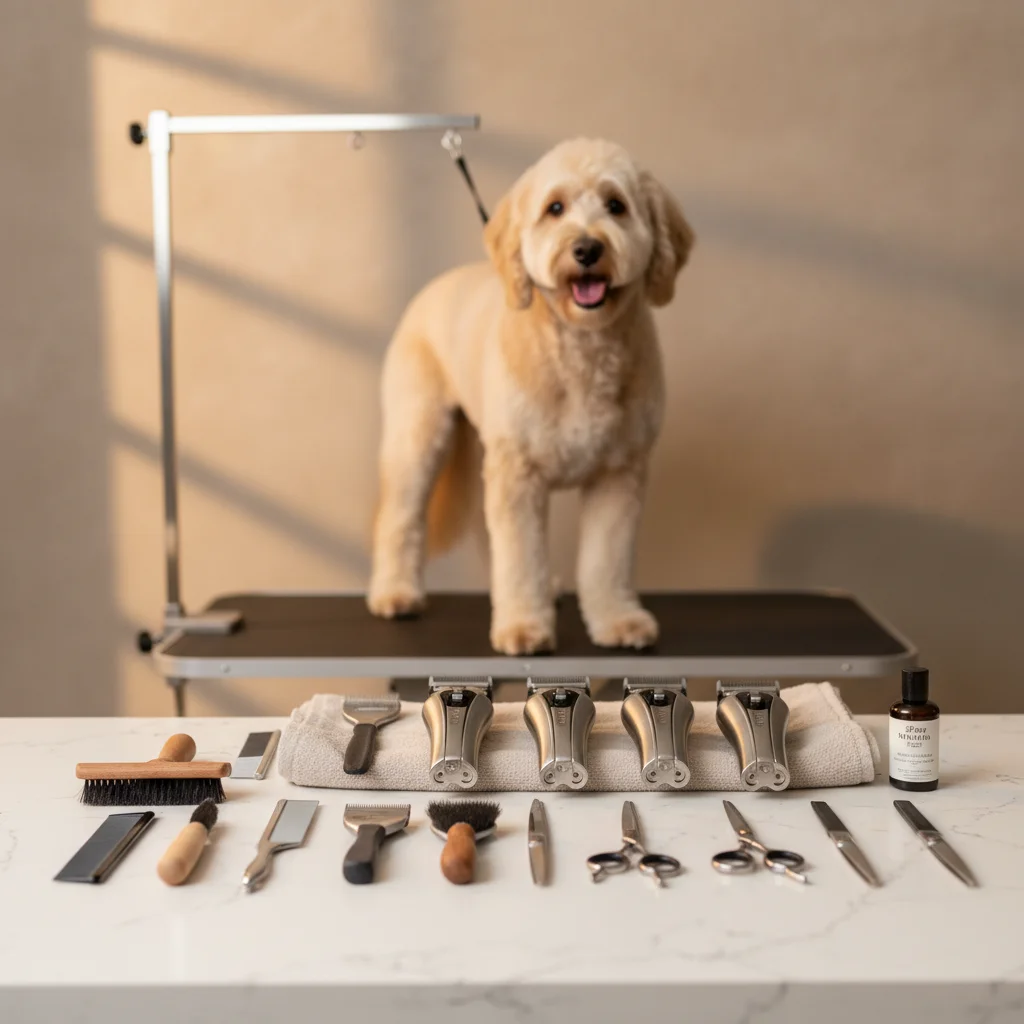
- Clipper set for home grooming (optional, $50-150)
Professional grooming: Every 4-6 weeks is standard for curly-coated dogs. This is the coat type where professional grooming is closest to mandatory — unless you're committed to learning clipper skills and investing significant time.
Wire/Rough Coat
Grooming difficulty: Moderate (with professional help)
Wire coats have a unique texture that serves a functional purpose — the coarse outer coat repels water and debris, making it ideal for dogs that were bred to work in brush and undercover. Maintaining this texture properly requires hand stripping — a technique where dead outer coat is pulled out by hand or with a stripping knife, allowing new wire-textured coat to grow in.
Weekly schedule:
- Brushing: 2-3 times per week with a slicker brush and stripping comb. 10-15 minutes per session.
- Beard/eyebrow maintenance: Wire-coated breeds often have facial furnishings (beards, eyebrows) that collect food and moisture. Wipe the beard after meals and check eyebrows for debris.
Monthly schedule:
- Bathing: Every 4-6 weeks. Over-bathing softens the wire texture — keep it infrequent.
- Nail trimming: Every 2-3 weeks.
Quarterly schedule:
- Hand stripping: Every 8-12 weeks for show-quality coat maintenance. This involves pulling dead outer coat hairs (they release easily when ripe) to stimulate new growth with proper wire texture.
- Alternative: Clipping. Most pet owners clip wire coats instead of stripping. Clipping is faster and cheaper but permanently softens the coat texture over time. If you don't show your dog, this is purely cosmetic and not a health concern.
Tools needed:
- Slicker brush ($10-18)
- Stripping knife ($15-25) — for hand stripping
- Steel comb ($8-12)
- Grooming scissors for facial furnishings ($15-25)
Professional grooming: Every 8-12 weeks. If you want proper hand stripping, find a groomer who specializes in terrier grooming — not all groomers are experienced with this technique.
Long/Silky Coat
Grooming difficulty: High
Long, silky coats are beautiful and demanding. The fine, straight texture tangles easily, and without daily attention, mats form rapidly — especially in high-friction areas. These coats also show dirt, staining, and damage more visibly than other coat types.
Daily schedule:
- Brushing: Daily is non-negotiable for full-length silky coats. Use a pin brush to work through the coat section by section, followed by a steel comb to check for hidden tangles. 15-20 minutes per session.
- Topknot maintenance: Breeds like Yorkies and Shih Tzus with facial hair need daily topknot management to keep hair out of eyes.
Weekly schedule:
- Detangling spray: Apply before brushing to reduce breakage and ease tangles.
- Eye area cleaning: Silky-coated breeds often develop tear staining. Wipe the eye area daily with a damp cloth or specialized tear stain remover.
Monthly schedule:
- Bathing: Every 2-3 weeks. Silky coats show dirt quickly and benefit from frequent cleaning. Always use conditioner — silky hair tangles more when dry and unconditioned.
- Haircut/trim: Every 4-6 weeks for a maintained length. Many owners keep silky-coated breeds in a "puppy cut" (uniform short length) to reduce daily brushing requirements.
- Nail trimming: Every 2 weeks — small breeds with silky coats often have fast-growing nails.
- Dental care: Small, silky-coated breeds (Yorkies, Maltese) are prone to dental disease. Brush teeth 3-4 times weekly.
Tools needed:
- Pin brush ($10-15)
- Steel comb ($8-12)
- Detangling/conditioning spray ($8-15)
- Small grooming scissors ($15-25)
- Tear stain remover ($8-12)
Professional grooming: Every 4-6 weeks for bathing and trimming. Silky-coated breeds benefit enormously from professional grooming unless you're experienced and equipped.
Hairless/Minimal Coat
Grooming difficulty: Moderate (but different)
Hairless dogs don't need brushing, but their exposed skin requires care that other coat types don't. Sun protection, moisturizing, and acne management replace the brushing and deshedding routines of coated breeds.
Weekly schedule:
- Skin wipe-down: 2-3 times per week with a gentle, fragrance-free wipe. Hairless dogs accumulate skin oils, dead skin cells, and environmental debris directly on their skin.
- Moisturizing: Apply a fragrance-free, dog-safe moisturizer 2-3 times per week. Exposed skin dries out and can crack, especially in dry or cold climates.
- Acne check: Hairless breeds are prone to blackheads and follicular cysts. Check skin weekly for bumps or blackheads, particularly on the back and belly.
Monthly schedule:
- Bathing: Every 1-2 weeks. More frequent than coated breeds because skin oils aren't absorbed by fur. Use a gentle, pH-balanced shampoo — harsh products strip skin oils and worsen dryness.
- Sun protection: Apply pet-safe sunscreen before outdoor exposure in any season. Hairless dogs sunburn easily and are at increased risk for skin cancer.
- Nail trimming: Every 2 weeks.
Tools needed:
- Gentle, fragrance-free dog shampoo ($10-15)
- Dog-safe moisturizer ($10-20)
- Pet sunscreen ($10-15)
- Grooming wipes ($8-15)
Professional grooming: Rarely necessary. Most hairless dog care is straightforward enough to handle at home.
Universal Grooming Tasks (All Coat Types)
Regardless of coat type, every dog needs:
Nail Trimming: Every 2-3 Weeks
If you hear clicking on hard floors, the nails are too long. Overgrown nails alter gait mechanics, causing joint stress and discomfort. Use either clippers or a rotary grinder — many dogs tolerate grinders better because there's no pinch sensation.
Dental Care: 2-4 Times Per Week
Dental disease is the most common health condition in dogs, affecting over 80% by age 3. Brush with enzymatic dog toothpaste (never human toothpaste — xylitol is toxic to dogs). Dental chews and water additives supplement but don't replace brushing.
Ear Cleaning: Weekly to Monthly
Frequency depends on ear type. Floppy-eared dogs (Bassets, Spaniels, Goldens) need weekly cleaning due to poor ventilation. Upright-eared dogs (GSDs, Huskies) need monthly checks. Use a vet-approved ear cleaning solution — never insert cotton swabs into the ear canal.
Frequently Asked Questions
How do I know if I'm brushing enough?
Run a steel comb through your dog's coat after brushing. If the comb glides through without catching, you've brushed enough. If it catches on tangles, keep going. The comb test is the only reliable way to confirm thorough brushing — visual inspection isn't sufficient, especially in double and curly coats where mats form close to the skin.
Can I groom my dog at home or do I need a professional?
It depends on the coat type and your willingness to learn. Smooth and short coats are fully manageable at home. Double coats need occasional professional help during coat blow season. Curly, wire, and long/silky coats benefit significantly from professional grooming every 4-8 weeks, though dedicated owners can learn home grooming with proper tools and instruction.
My dog hates being groomed. How do I make it tolerable?
Start with very short sessions (2-3 minutes) paired with high-value treats. Brush for 30 seconds, treat. Brush for 30 seconds, treat. Gradually increase duration over weeks. Use a grooming mat or table to establish a consistent location. If your dog is genuinely fearful or aggressive during grooming, consult a veterinary behaviorist — forcing the issue creates lifelong grooming aversion.
How often should I bathe my dog?
It varies by coat type (see schedules above), but the general rule is: as infrequently as possible while maintaining cleanliness and skin health. Over-bathing strips natural oils, causing dry skin and coat damage. Under-bathing allows bacterial and fungal overgrowth. For most dogs, every 4-8 weeks is appropriate unless they're visibly dirty or smelly.
Is it okay to use human shampoo on dogs?
No. Human shampoo is formulated for human skin pH (4.5-5.5), while dog skin pH is 6.2-7.4. Using human shampoo disrupts your dog's skin acid mantle, leading to dryness, irritation, and increased susceptibility to bacterial infection. Always use a shampoo specifically formulated for dogs.
What's the best way to deal with mats?
Small mats: apply detangling spray, let it soak for 5 minutes, then work apart gently with your fingers before using a mat splitter or slicker brush. Large or tight mats: do not pull — this causes pain and skin damage. Use a mat splitter to divide the mat into smaller sections, then work each section apart. Severely matted coats may require professional shaving. Preventing mats through regular brushing is always preferable to removing them.
The Bottom Line
Grooming isn't cosmetic — it's health maintenance. Regular brushing prevents mats that cause skin infections. Nail trims prevent gait problems that cause joint damage. Ear cleaning prevents infections that cause pain and hearing loss. Dental care prevents disease that can spread to the heart and kidneys.
Match your grooming routine to your dog's coat type, invest in the right tools, and establish a consistent schedule. Your dog's skin, coat, and overall health depend on it.
🏆 Bottom Line: Establish a grooming routine based on your dog's coat type and stick to it. Consistent maintenance prevents mats, reduces shedding, and lets you catch skin or ear problems early. A 10-minute weekly brush-through beats a 2-hour mat removal session every time.
Related Reading
-
Grooming — Our complete grooming tool reviews and recommendations
-
Dog Health — Skin care, supplements, and wellness
-
Dog Beds — Washable beds for post-grooming comfort
-
How Often Should You Bathe Your Dog? — Bathing frequency by coat type
-
Best Dog Nail Clippers — Nail care is part of every grooming routine
-
Best Dog Shampoo 2026 — Match shampoo to coat type and skin condition
Research Sources

PawBench Editorial
Published by Hilly Shore LabsPawBench’s editorial team researches dog products from primary veterinary sources, manufacturer specifications and aggregated buyer sentiment, alongside the lived ownership of Maggie, an Australian Labradoodle. We do not run hands-on product tests.
331 dog products scored · 1,222,724 buyer review-aspect mentions aggregated · cites AVMA, FDA, AAFCO, Cornell, WSAVA, AKC, ASPCA.
Recommendations are based on published veterinary guidelines, manufacturer specifications, and verified customer feedback. See our editorial standards.