How Often Should You Bathe Your Dog? A Vet-Backed Guide
Our Verdict
Most dogs need a bath every 4–8 weeks. Adjust based on coat type, activity level, and skin condition. When in doubt, less is more — over-bathing causes more problems than under-bathing.
As an Amazon Associate I earn from qualifying purchases. Product prices and availability are subject to change.
Key Takeaways
Most dogs need a bath every 4–8 weeks. Adjust based on coat type, activity level, and skin condition. When in doubt, less is more — over-bathing causes more problems than under-bathing.
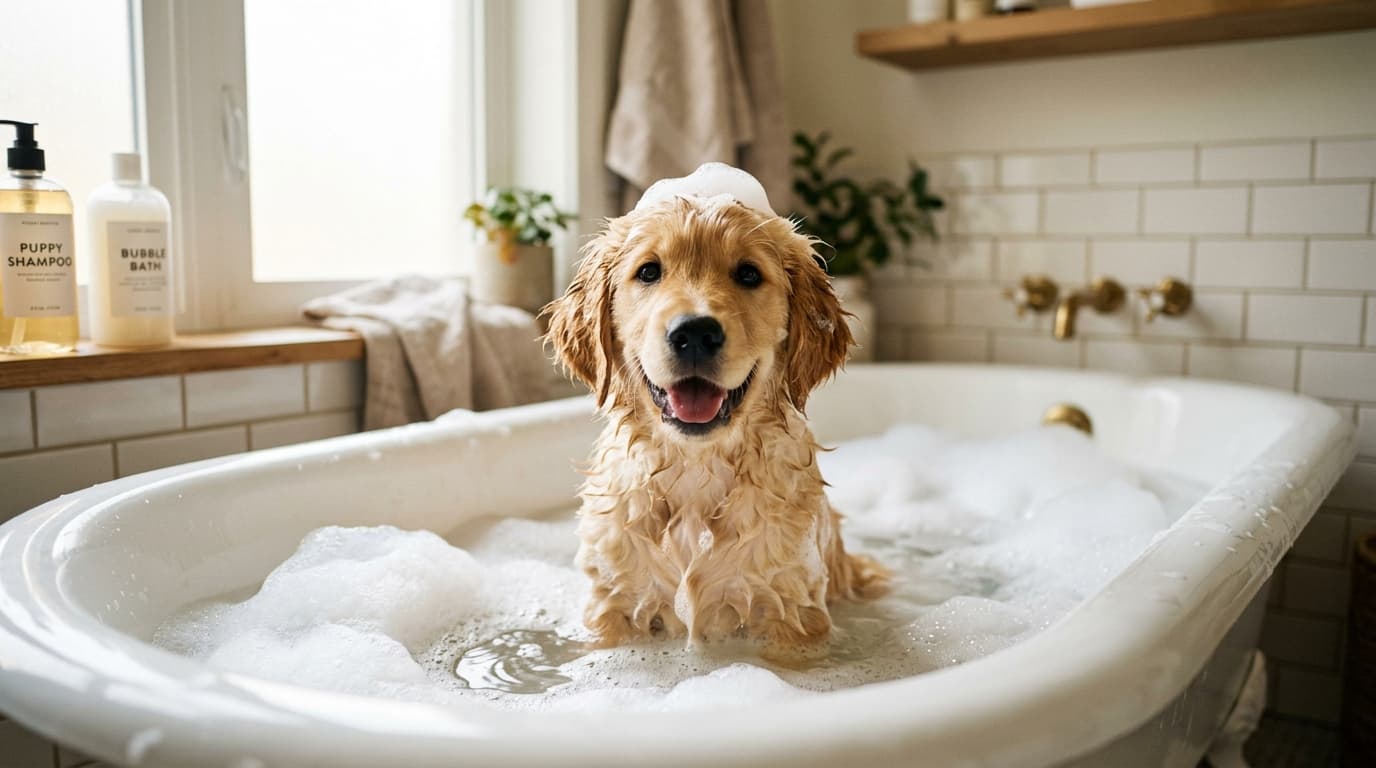
"How often should I bathe my dog?" is one of the most common grooming questions — and the answer isn't one-size-fits-all. Bathe too rarely, and you're dealing with odor, dirt buildup, and potential skin issues. Bathe too frequently, and you strip the natural oils that keep your dog's skin and coat healthy.
The right bathing schedule depends on your dog's coat type, lifestyle, skin condition, and breed. Here's how to figure it out.
The General Rule
Most dogs do well with a bath every 4–8 weeks. That's a wide range because dogs vary enormously in coat type, oil production, and how dirty they get. The American Kennel Club recommends bathing "as needed" — which is frustratingly vague but reflects the reality that no single schedule works for every dog.
Bathing Frequency by Coat Type
Short, smooth coats (Beagles, Boxers, Dalmatians): Every 6–8 weeks, or when visibly dirty. These coats are naturally low-maintenance and shed oils efficiently. Over-bathing dries out their skin quickly.
Double coats (Golden Retrievers, Huskies, German Shepherds): Every 6–8 weeks, with thorough brushing before bathing. Water matts the undercoat if it isn't brushed out first, creating hot spots and skin irritation. Never shave a double-coated dog — their undercoat provides insulation in both heat and cold.
Long, silky coats (Yorkshire Terriers, Maltese, Shih Tzus): Every 2–4 weeks. These coats tangle easily and collect debris. More frequent bathing with a quality conditioner prevents matting and keeps the coat manageable.
Curly and wire coats (Poodles, Doodles, Schnauzers): Every 3–4 weeks. Curly coats trap dirt and odor close to the skin. Regular bathing combined with professional grooming every 4–6 weeks keeps these coats healthy.
Hairless breeds (Chinese Crested, Xoloitzcuintli): Weekly bathing. Without fur to distribute oils, hairless breeds are prone to clogged pores, acne, and dryness. Use a gentle, moisturizing shampoo.
When to Bathe More Often
Active outdoor dogs who swim, roll in mud, or play in dirt may need weekly or biweekly baths. If your dog is a regular swimmer, rinse with fresh water after every swim — chlorine and lake bacteria can irritate skin.
Dogs with skin allergies often benefit from more frequent medicated baths (every 1–2 weeks) as prescribed by a veterinarian. Allergic dogs accumulate environmental allergens in their coat, and regular bathing physically removes these triggers.
Smelly dogs. Some breeds (Basset Hounds, Cocker Spaniels, Labrador Retrievers) produce more skin oil than others and develop odor faster. If your dog smells bad between regular baths, increase frequency or consult your vet to rule out underlying skin or ear infections.
When You're Bathing Too Often
Signs of over-bathing include:
- Dry, flaky skin
- Dull, brittle coat
- Increased scratching or irritation
- Skin redness
If you're seeing these symptoms, reduce bathing frequency and switch to a gentler, moisturizing shampoo. Dog skin has a different pH than human skin (around 7.0–7.5 vs. 5.5), so human shampoo — even "gentle" formulas — is too acidic and damages the skin barrier.
How to Bathe Your Dog Properly
Before the bath:
- Brush thoroughly to remove loose fur, tangles, and mats
- Place a non-slip mat in the tub — dogs panic on slippery surfaces
- Gather supplies: dog shampoo, conditioner (for long coats), towels, treats
During the bath:
- Use lukewarm water — not hot, not cold
- Wet the coat completely before applying shampoo
- Lather from neck to tail, avoiding eyes and inner ears
- Massage shampoo into the coat for 3–5 minutes to allow active ingredients to work
- Rinse thoroughly — residual shampoo causes itching and flaking
- Apply conditioner for long or curly coats, let sit 2–3 minutes, then rinse
After the bath:
- Towel dry, then air dry or use a blow dryer on the lowest heat setting
- Keep the dryer moving to avoid burning the skin
- Brush again once the coat is fully dry to prevent tangles
Choosing the Right Shampoo
For normal skin: A gentle, pH-balanced dog shampoo without artificial fragrances or dyes. Oatmeal-based shampoos are a safe general choice.
For sensitive or dry skin: Hypoallergenic formulas with aloe, oatmeal, or coconut oil. Avoid sulfates and parabens.
For allergies: Medicated shampoos containing chlorhexidine, ketoconazole, or benzoyl peroxide — as directed by your vet.
For puppies: Use only puppy-specific formulas. They're gentler and tear-free.
Never use: Human shampoo, dish soap (including Dawn — it strips all protective oils), or any product containing artificial fragrances if your dog has sensitive skin.
Between Baths: Maintenance Tips
- Waterless shampoo or grooming wipes for spot cleaning between baths
- Regular brushing distributes natural oils and removes dirt
- Clean ears weekly — moisture and bacteria in ears cause more odor than most owners realize
- Wash bedding regularly — dirty bedding makes a clean dog dirty faster
Sources
- American Kennel Club (AKC) — "How Often Should You Bathe Your Dog?" akc.org.
- American Veterinary Medical Association (AVMA) — Canine skin pH and grooming guidelines. avma.org.
- Veterinary Dermatology — Bathing frequency and skin barrier function in dogs. onlinelibrary.wiley.com.
- American College of Veterinary Dermatology (ACVD) — Allergic skin disease bathing protocols. acvd.org.
Lloyd D'Silva
Founder & EditorDog owner for 5+ years, product researcher, and founder of PawBench. Every recommendation is based on hands-on experience with Maggie — my Australian Labradoodle — plus cross-referencing veterinary research from the AKC, AVMA, and peer-reviewed studies.
All product reviews are independently researched. Our recommendations are based on published veterinary guidelines, manufacturer specifications, and verified customer feedback. See our methodology.