How Often Should You Clean a Dog's Ears? Signs Over Schedule
Quick Answer
Most dogs don't need their ears cleaned on a fixed schedule — clean by signs, not by calendar. Check the ears about once a week, and clean only when you see light wax, debris, or a faint odor in an otherwise comfortable ear. A dog with clean, odor-free ears may never need cleaning at all. Floppy-eared breeds, frequent swimmers, and allergy-prone dogs are more prone to ear problems and benefit from closer monitoring, but even they shouldn't be cleaned when the ear is already clean — over-cleaning irritates the canal and can trigger infection. If the ear is red, painful, smelly, or producing dark discharge, stop and see your veterinarian before cleaning at home; those are signs of an infection or a ruptured eardrum, not a cleaning job.
On this page7 sections
Our Verdict
Clean your dog's ears by signs, not by schedule. Check weekly with a quick look and sniff, and clean only when you find light wax, debris, or a faint odor in an ear that's otherwise comfortable and pale pink. Skip the calendar-based weekly flush — over-cleaning a healthy ear strips protective wax and inflames the canal, which is how infections start. Floppy-eared dogs, swimmers, and allergy-prone dogs need closer monitoring, but they still shouldn't be cleaned when the ear is already clean. And the moment an ear turns red, painful, smelly, or starts producing dark discharge, stop — that's a vet visit, not a cleaning. Never use cotton swabs or alcohol/hydrogen-peroxide cleaners, and when in doubt, have the ear examined.
How Often to Check (and Clean) a Dog's Ears
Frequency tracks risk, not breed name — and every number means 'check this often, clean only if there's wax, debris, or odor in a comfortable ear.' Confirm any routine with your veterinarian.
| Product | How often to check | Typical cleaning need | Why |
|---|---|---|---|
| Upright-eared, no ear history (e.g. many shepherds, terriers) | Weekly look + sniff | Rarely or never | Open ear shape dries and ventilates well; healthy ears are self-cleaning |
| Floppy-eared breeds (Basset Hound, Beagle, Cocker Spaniel) | Weekly, more closely | Only when wax or odor appears | Folded ear seals in warmth and moisture; AKC notes higher infection risk |
| Frequent swimmers / bathed often | After each swim or bath | Dry the ear; clean if debris or odor | Trapped water raises moisture in the canal, a setup for yeast and bacteria |
| Allergy-prone or history of ear infections | Weekly + per vet plan | On the vet's maintenance schedule | Underlying allergies drive recurrent otitis; routine cleaning is a managed tool |
| Any dog with redness, pain, odor, or dark discharge | Examine now | Do NOT clean — see the vet | Likely infection or possible ruptured eardrum; needs an exam first |
How PawBench is paid: we earn an Amazon Associates commission on qualifying purchases. We don’t accept sponsored placements, paid reviews, or free products in exchange for coverage. Picks are ranked on documented owner outcomes and primary-source research, never on commission rate. Read the full methodology.
A clean-eared, perky dog does not need its ears cleaned on a schedule. The single most common mistake owners make is treating ear cleaning like nail trims or teeth brushing — a routine chore done every week regardless of what the ear actually looks like. Veterinary guidance is the opposite: clean when there is something to clean, and otherwise leave a healthy ear alone.
This guide covers how often to actually clean a dog's ears, why over-cleaning backfires, and — the part most owners skip — how to tell the difference between normal wax and the early signs of an ear infection that needs a vet, not a cotton ball.
The short version: clean by signs, not by calendar
The dog's ear canal is L-shaped, with a long vertical section that drops into a horizontal one. That shape traps moisture and debris deep where the dog can't shake it out, which is why some dogs need help and others never do. According to VCA Animal Hospitals, not all dogs need their ears cleaned — a dog with healthy, clean, odor-free ears may go its whole life without a single cleaning.
The trigger for cleaning is what you see and smell, not the day of the week:
Clean when you notice light wax buildup, a faint odor, or visible debris in an otherwise comfortable ear. Skip it when the ear is clean, pale pink, and odor-free.
Cornell University's Riney Canine Health Center frames routine cleaning as a maintenance tool for dogs prone to ear problems — not a universal grooming step. If your dog isn't prone to ear issues and the ears look and smell normal, there is nothing to maintain.
How often, by ear type and lifestyle
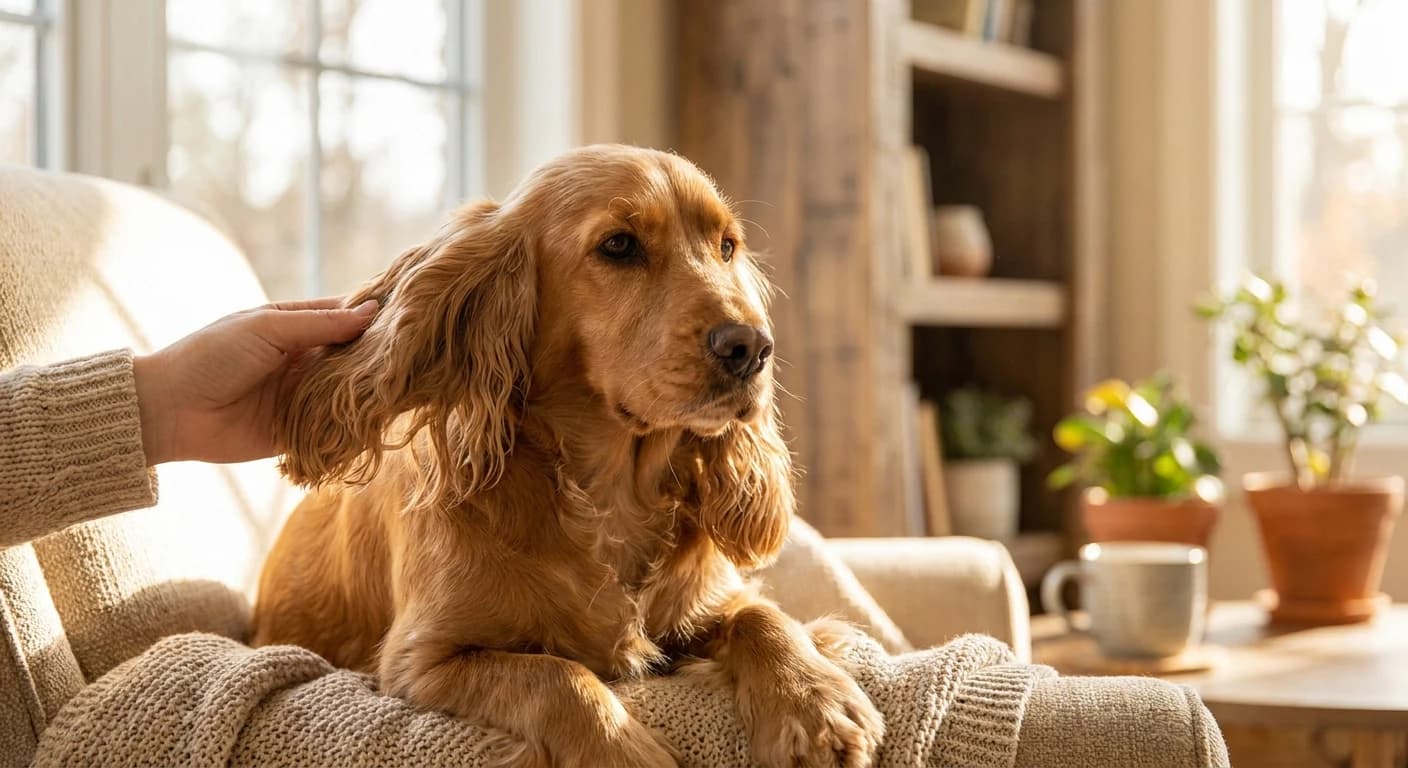
Frequency tracks the underlying risk, not the breed name. The dogs that genuinely benefit from regular checks (and occasional cleaning) share a few traits: floppy ears that seal in warmth and moisture, frequent swimming or bathing, allergies, or a history of infections. AKC notes that floppy-eared breeds such as Basset Hounds, Beagles, and Cocker Spaniels are more prone to ear infections than upright-eared dogs.
The table below sorts the common situations owners search for — but treat every "how often" as check this often, clean only if needed. Always confirm a routine with your veterinarian, especially if your dog has had ear infections before.
What most owners get wrong: over-cleaning
Here is the falsifiable claim: cleaning a healthy ear more often does not keep it healthier — it can cause the very problem you're trying to prevent. VCA states plainly that over-cleaning may cause irritation in the ear canal, which can itself lead to infection. A weekly flush of a clean, dry, odor-free ear strips protective wax, introduces moisture, and inflames the canal lining.
Two more avoidable mistakes show up in nearly every vet's ear-care guidance:
- Cotton swabs (Q-tips). Both VCA and Cornell warn against them. Swabs push debris deeper into the horizontal canal and risk puncturing the eardrum. Clean only as far as a finger wrapped in cotton easily reaches — about one knuckle in — and let the dog's head-shake do the deep work.
- Alcohol or hydrogen peroxide. Cornell and VCA both advise avoiding cleaners containing alcohol or hydrogen peroxide. They sting and irritate inflamed tissue, and an irritated canal is more prone to infection, not less. Use a quality dog-specific ear cleaner; your vet can match the solution to your dog's needs.
Summer, swimming, and the moisture trap
Ear-care searches spike in summer for a reason: water is the single biggest avoidable risk factor. When a dog swims or gets a bath, water pools in that L-shaped canal and can't fully drain or shake out — and a warm, damp canal is an ideal environment for the yeast and bacteria behind most ear infections. This is why a dog that's fine all winter can suddenly start shaking its head after a few pool or lake days.
The fix isn't more cleaning — it's more drying. After every swim or bath, gently dry the visible part of the ear with a cotton ball or towel and let your dog shake its head to expel water. Reserve an actual cleaning solution for ears that show wax, debris, or odor. Floppy-eared and double-coated breeds need the closest watch here, because the ear flap seals the canal and slows evaporation. If a swimmer-dog's ears repeatedly turn red or smelly after water, that's a pattern worth raising with your vet — a maintenance plan beats reactive cleaning.
The decode: normal wax vs. a vet problem
This is the part of ear care that actually matters for your dog's health. A little tan or light-brown wax in a comfortable ear is normal. A red, painful, smelly, or discharge-filled ear is not a cleaning job — it's a reason to stop and call your vet. Cleaning an actively infected or inflamed ear at home, or cleaning over a possibly ruptured eardrum, can make things worse.
Per AKC, common signs of a dog ear infection (otitis) include:
- Head shaking or tilting
- Scratching or rubbing at the ear
- Dark, waxy, or pus-like discharge
- A noticeable odor
- Redness and swelling of the ear canal
- Pain when the ear is touched
- Itchiness, crusting, or scabs
Infections of the deeper ear (otitis media and interna) can be serious — AKC notes they may lead to deafness, facial paralysis, and balance problems in severe or chronic cases. If your dog's ear is red, inflamed, painful, or the discharge looks abnormal, see your veterinarian before cleaning at home. As VCA cautions, those signs can mean an ear infection or a ruptured eardrum, and the right next step is a vet exam — including an otoscopic look and ear cytology — not a bottle of cleaner. A dog that starts violently shaking one ear right after a walk through dry grass may have a foxtail in it — the ear canal is where awns most often lodge.
How to clean correctly, when there's something to clean
When the signs do call for a routine cleaning of a comfortable ear, Cornell's method is simple and gentle:
- Fill the ear canal with a vet-recommended cleaning solution (or saturate cotton pads with it if your dog won't tolerate direct application).
- Gently massage the base of the ear for a few seconds — you'll often hear a squelch as debris loosens.
- Let your dog shake its head (have a towel ready), then wipe away loosened debris with cotton balls or pads, working from the inside out, no deeper than a finger easily reaches.
Reward generously throughout. If your dog flinches in pain at any point, stop and consult your veterinarian — pain during cleaning is itself a red flag.
The bottom line
Ear cleaning is a response to what you observe, not a recurring task on the calendar. Check your dog's ears weekly — a quick look and sniff — and clean only when you find wax, mild odor, or debris in an otherwise comfortable ear. Floppy-eared dogs, swimmers, and allergy-prone dogs need closer monitoring and may need cleaning more often, but even they shouldn't be flushed when the ear is already clean. And the moment an ear turns red, painful, smelly, or starts producing dark discharge, the right tool isn't a cotton ball — it's a phone call to your vet.
This article is educational and not a substitute for veterinary advice. Ear infections are diagnosed and treated by a veterinarian; when in doubt, have the ear examined.
Research Sources
- Instructions for Ear Cleaning in Dogs — VCA Animal Hospitals
- How to Clean Your Dog's Ears — Cornell University Riney Canine Health Center
- Dog Ear Infections: Symptoms, Causes, Treatment, and Prevention — American Kennel Club
- Otitis Externa in Animals — Merck Veterinary Manual

PawBench Editorial
Published by Hilly Shore LabsPawBench’s editorial team researches dog products from primary veterinary sources, manufacturer specifications and aggregated buyer sentiment, alongside the lived ownership of Maggie, an Australian Labradoodle. We do not run hands-on product tests.
331 dog products scored · 1,222,724 buyer review-aspect mentions aggregated · cites AVMA, FDA, AAFCO, Cornell, WSAVA, AKC, ASPCA.
Recommendations are based on published veterinary guidelines, manufacturer specifications, and verified customer feedback. See our editorial standards.