How to Measure Your Dog for a Harness (Get It Right the First Time)
Quick Answer
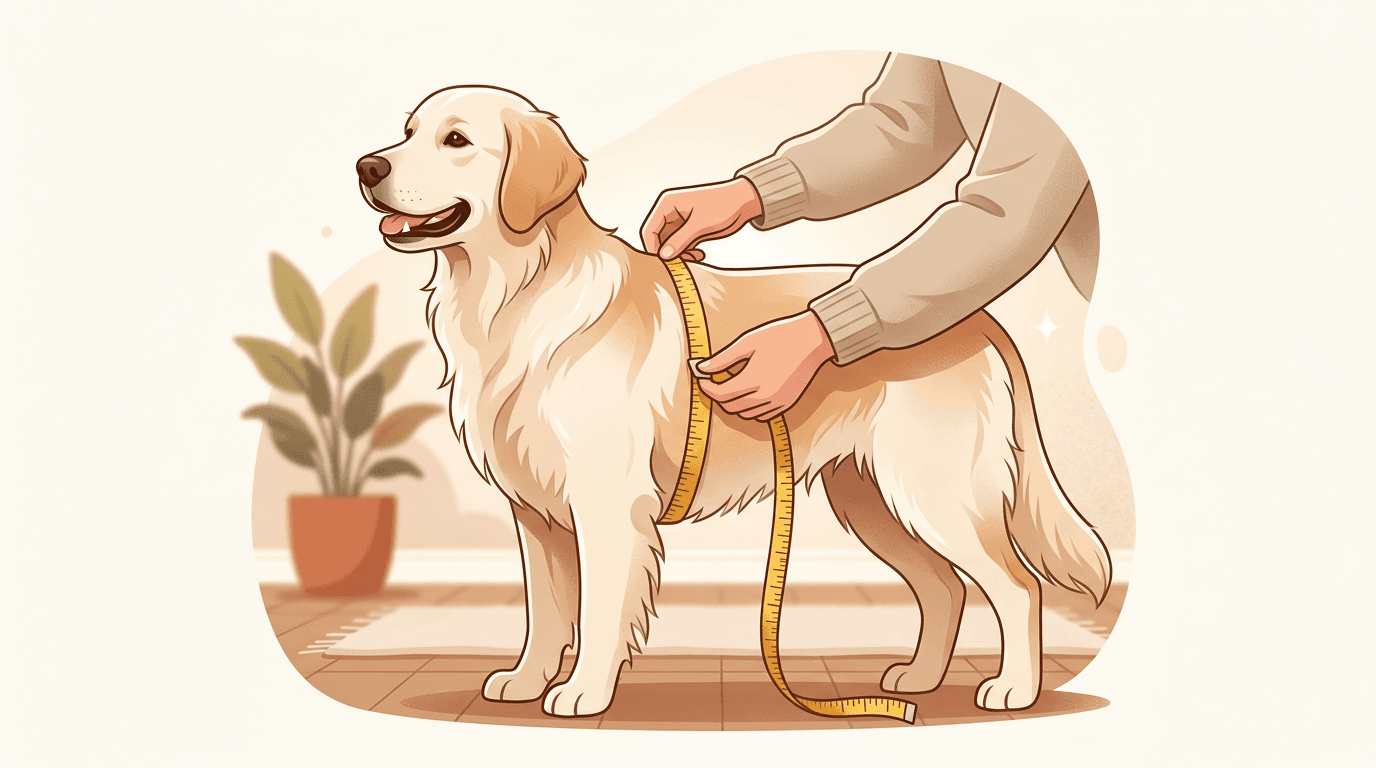
Measure chest girth at the widest point behind the front legs using a soft tape measure. Allow two fingers of slack between the tape and your dog's body. This single measurement determines size for 90% of harnesses.
On this page11 sections
Our Verdict
Measure chest girth at the widest point behind the front legs with two fingers of slack. Most sizing issues come from measuring too tight or at the wrong spot.
How PawBench is paid: we earn an Amazon Associates commission on qualifying purchases. We don’t accept sponsored placements, paid reviews, or free products in exchange for coverage. Picks are ranked on documented owner outcomes and primary-source research, never on commission rate. Read the full methodology.
A harness that doesn't fit is worse than no harness at all. Too loose and your dog slips out. Too tight and you're causing chafing. Here's the exact 2-minute process.
The Two Measurements That Matter
Girth (Chest Circumference): Wrap a soft tape around the widest part of the chest, just behind the front legs. Keep one finger between the tape and fur. This is your primary number.
Neck circumference: Measure around the base of the neck where a collar would sit.
Size Chart
| Girth | Typical Size | Breeds |
|---|---|---|
| 14–18" | XS | Chihuahuas, toy breeds |
| 18–24" | S | Beagles, French Bulldogs |
| 24–32" | M | Labradoodles, Border Collies |
| 32–42" | L | Labs, Golden Retrievers |
| 42"+ | XL | Great Danes, Mastiffs |
Always check the specific brand's chart — a Medium in Ruffwear isn't the same as a Medium in Julius-K9.
The Two-Finger Test
Once the harness is on, you should fit two fingers under any strap comfortably. One finger = too tight. Whole hand = too loose.
When to Size Up
If your measurement falls at the top of a range, go up. A harness with room to tighten beats one that's already maxed out.
🏆 Bottom Line: Always use your dog's girth measurement (widest chest circumference) as the primary sizing number, and always check the specific brand's size chart — not generic guides. When between sizes, go larger. A properly fitted harness should pass the two-finger test at every strap.
Related Reading
-
Dog Exercise Guide by Breed — Know your dog's activity level before sizing a harness for walks
-
Best Harness for French Bulldogs — Breed-specific sizing tips for flat-facedbrachycephalicShort-muzzled dog breeds (Bulldogs, Pugs, Frenchies, Boxers, Boston Terriers, Shih Tzus, Pekingese). Their compressed airways mean elevated heatstroke risk, sleep-disordered breathing, and exercise intolerance. AKC and major airlines now restrict in-cargo travel for many of these breeds. dogs
Why Harness Fit Is Non-Negotiable
According to a 2006 study published in the Journal of the American Animal Hospital Association (Pauli et al.), collar pressure on a dog's neck can increase intraocular pressure — a concern particularly for breeds prone to eye conditions. Harnesses distribute force across the chest and shoulders instead, but only when properly fitted. A harness that's too loose shifts that pressure to a single point and can cause chafing. Too tight, and you're restricting breathing and movement.
The two measurements below — girth and neck circumference — are all you need to match your dog to the right harness size with confidence.
Beyond the Size Chart: Fit Factors by Breed Type
Size charts give you a starting point, but breed body type affects fit significantly:
Brachycephalic breeds (French Bulldogs, Bulldogs, Pugs): These dogs have wider chests relative to their neck, and shorter torsos. Step-in harnesses work better than overhead harnesses because you don't need to fit anything over their wide heads. See our French Bulldog harness guide for breed-specific sizing tips.
Deep-chested breeds (Greyhounds, Whippets, Dobermans): Standard size charts often don't account for the dramatic difference between neck and chest circumference in these breeds. Always measure both and look for harnesses with independent neck and chest adjustment.
Barrel-chested breeds (Bulldogs, Boxers, Staffies): Chest circumference is disproportionately large. These dogs often need a size larger than their weight would suggest.
Long-bodied breeds (Dachshunds, Basset Hounds, Corgis): Look for harnesses with chest and belly straps rather than just a single girth strap to prevent the harness from sliding forward.
Harness Fitting After Measurement
Once your harness arrives:
- Put it on and adjust all straps to their loosest setting before placing it on your dog.
- Apply the two-finger test at every strap — front, back, sides, and belly band if present.
- Watch your dog move — a properly fitted harness shouldn't shift, ride up, or cause gait changes.
- Check for chafing after the first few walks — look for hair loss or redness at contact points, particularly behind the front legs (axilla area).
When to Remeasure
Dogs change shape — especially puppies growing rapidly or adults who gain or lose significant weight. Our research recommends remeasuring every 6 months for growing dogs, and any time you notice a harness fitting differently than it used to.
Based on veterinary and manufacturer guidelines, a harness that no longer passes the two-finger test should be resized or replaced. A harness that's too loose is more dangerous than no harness at all for escape artists.
Internal Resources
- Best Dog Harnesses 2026 — Top picks with sizing guidance
- How to Stop Your Dog Pulling — Harness selection for pullers
- Best Harness for French Bulldogs — Breed-specific sizing
- Dog Exercise Guide by Breed — Matching equipment to activity level
Sources
- Ruffwear — Official sizing charts and fit guides. ruffwear.com.
- Julius-K9 — Harness fit methodology and measurement guides. julius-k9.com.
- American Kennel Club (AKC) — Breed weight and girth reference data. akc.org.
- Association of Professional Dog Trainers (APDT) — Equipment fit best practices. apdt.com.
- Whole Dog Journal — "Getting a Perfect Harness Fit." whole-dog-journal.com.
Chest girth is the widest part of the rib cage, just behind the front legs. Snug tape, two fingers underneath.
Enter a chest girth to see the size each brand’s chart points to.
Full harness size finder — all 5 brands, full charts and prices
Research Sources
- How to Put on a Dog Harness — American Kennel Club, 2024
- The Importance of a Well-Fitting Dog Harness — American Kennel Club, 2024
- Choosing the Right Harness for Your Dog — American Kennel Club, 2024
- Dog Harnesses and Dog Collars: Which Is Right For Your Dog? — American Kennel Club, 2024
- AKC Breed Weight Chart — American Kennel Club, 2024

Hilly Shore Labs
Editorial teamIndependent product research team behind PawBench. Reviews are grounded in primary veterinary sources, aggregated buyer sentiment, and the lived ownership of Maggie, an Australian Labradoodle.
200+ dog products researched · 1.1M+ Amazon review-aspect mentions analyzed · cites AVMA, FDA, AAFCO, Cornell, WSAVA, AKC, ASPCA.
All product reviews are independently researched. Recommendations are based on published veterinary guidelines, manufacturer specifications, and verified customer feedback. See our editorial standards.