How Much Exercise Does Your Dog Actually Need? (By Breed)
Quick Answer
Exercise needs vary dramatically by breed -- herding and sporting dogs need 1-2 hours daily, while brachycephalic and toy breeds need 20-30 minutes of moderate activity.
On this page7 sections
Our Verdict
Match exercise intensity to your breed group: herding and sporting dogs need 1-2 hours daily, brachycephalic breeds need 20-30 minutes of moderate activity, and puppies need short bursts rather than long sessions.
How PawBench is paid: we earn an Amazon Associates commission on qualifying purchases. We don’t accept sponsored placements, paid reviews, or free products in exchange for coverage. Picks are ranked on documented owner outcomes and primary-source research, never on commission rate. Read the full methodology.
The most destructive behavior problems I see in dogs -- the chewing, the barking, the digging, the anxious pacing -- almost always trace back to one root cause: insufficient exercise. Not insufficient love, not insufficient training, not insufficient expensive food. Insufficient exercise. A physically and mentally tired dog is a calm, well-behaved dog. An under-exercised dog is an anxious, destructive, attention-seeking disaster.
But "more exercise" is not always the right answer, either. Over-exercising a puppy can damage developing joints. Pushing a brachycephalic breed into vigorous activity in warm weather can cause a medical emergency. And some breeds need mental exhaustion more than physical exhaustion.
Here is the practical, breed-specific guide to getting exercise right.
Exercise Needs by Breed Group
Working and Herding Dogs
Breeds: Border Collie, Australian Shepherd, Belgian Malinois, German Shepherd, Husky, Cattle Dog, Sheltie
Minimum daily exercise: 2+ hours of vigorous activity
These are the highest-energy dogs on the planet. They were bred to work all day -- herding livestock across miles of terrain, pulling sleds through Arctic conditions, patrolling property lines. If you are not providing a job or its equivalent, these dogs will create their own job, and you will not like what they choose.
What counts:
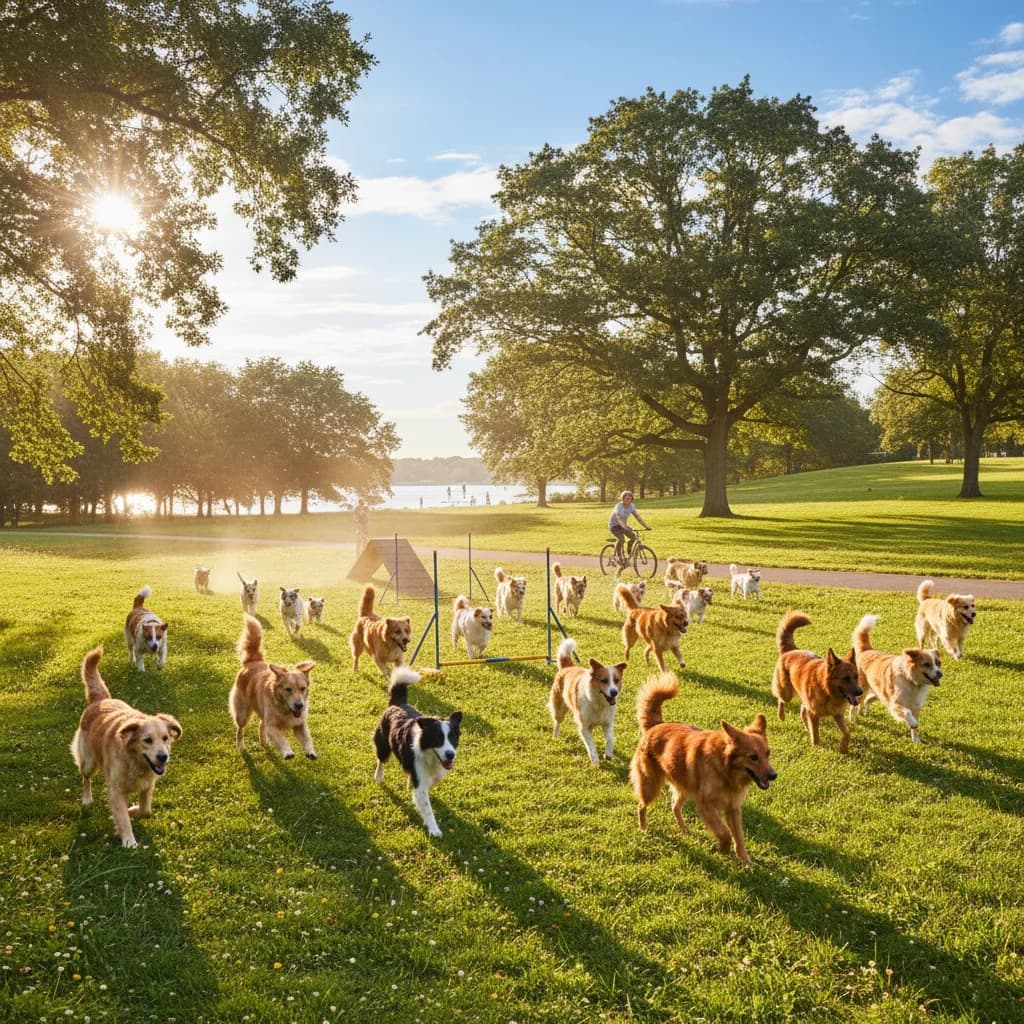
- Off-leash running in a secure area (30-60 minutes)
- Structured fetch or frisbee sessions (20-30 minutes)
- Hiking on varied terrain (1-2 hours)
- Agility training or competitive obedience (1 hour)
- Flirt pole play (15-20 minutes of intense activity equivalent to 45 minutes of walking)
Critical note: Physical exercise alone is not enough for herding and working breeds. A Border Collie that runs for 2 hours will still be wired if their brain is not engaged. You must pair physical activity with mental stimulation: training sessions, puzzle feeders, scent work, or trick training. A 20-minute training session tires a Border Collie more than a 40-minute walk.
Sporting Dogs
Breeds: Labrador Retriever, Golden Retriever, English Springer Spaniel, Vizsla, Weimaraner, German Shorthaired Pointer, Brittany
Minimum daily exercise: 1.5-2 hours
Sporting dogs were bred to work alongside hunters, covering significant ground in the field. They are athletic, enthusiastic, and built for endurance. Labs and Goldens are slightly more moderate than Pointers and Vizslas, but all of them need substantially more exercise than the average owner provides.
What works best:
- Swimming (the single best exercise for retrievers -- low impact, high exertion)
- Retrieving games (fetch with a Chuckit! Ultra Ball, $8-$12, is the easiest way to tire a sporting dog)
- Long hikes or trail runs (1-2 hours)
- Dock diving or water retrieval (if available in your area)
Vizsla and Weimaraner owners: These breeds need the upper end of this range. A Vizsla with only an hour of daily exercise will make your life difficult. Plan for 2+ hours with significant off-leash running.
Terriers
Breeds: Jack Russell Terrier, Border Terrier, Cairn Terrier, Airedale, Bull Terrier, Rat Terrier
Minimum daily exercise: 1-1.5 hours
Do not let their size fool you. Terriers are high-energy dogs in compact bodies. They were bred to dig, chase, and kill vermin -- activities that require explosive bursts of energy and relentless determination. A bored terrier will redesign your yard's landscaping without your permission.
What works:
- High-intensity play sessions (tug, fetch, flirt pole)
- Earth dog trials or barn hunt (if available -- terriers go absolutely bonkers for these)
- Brisk walks with sniffing opportunities (terriers need to use their noses)
- Digging boxes (a designated area where they are allowed to dig saves your garden)
Toy and Companion Breeds
Breeds: Chihuahua, Maltese, Shih Tzu, Cavalier King Charles Spaniel, Pomeranian, Havanese, Bichon Frise
Minimum daily exercise: 30-45 minutes
Toy breeds genuinely need less physical exercise than larger dogs. Two 15-20 minute walks per day plus some indoor play is usually sufficient. However, these dogs still need mental stimulation and socialization.
Common mistake: Many toy breed owners carry their dogs everywhere and skip walks entirely. This leads to under-socialized, anxious dogs that bark at everything. Walk your small dog. Let them experience the world on their own four feet.
Sighthounds
Breeds: Greyhound, Whippet, Italian Greyhound, Saluki, Borzoi, Afghan Hound
Minimum daily exercise: 30-60 minutes
Sighthounds are the most misunderstood breed group when it comes to exercise. People see a Greyhound and assume it needs hours of running. The opposite is true. Sighthounds are sprinters, not marathoners. They are designed for short, explosive bursts of speed followed by long periods of rest. A retired racing Greyhound is one of the calmest apartment dogs you can own.
What works:
- Two moderate walks per day (20-30 minutes each)
- Brief off-leash sprinting sessions in a secure area (10-15 minutes)
- Indoor lounging (Greyhounds are professional couch potatoes and this is not a problem)
Important: Always use a secure, fenced area for off-leash sighthound exercise. These dogs have extreme prey drive and can reach 35-45 mph. If they see a squirrel, they are gone, and no amount of recall training will override 4,000 years of breeding.
Brachycephalic Breeds
Breeds: Pug, French Bulldog, English Bulldog, Boston Terrier, Pekingese
Minimum daily exercise: 20-30 minutes
Brachycephalic dogs have compromised airways that make vigorous exercise dangerous, especially in warm or humid conditions. Their shortened nasal passages make it physiologically difficult to cool themselves through panting, which is a dog's primary temperature regulation mechanism.
Rules for brachy breeds:
- Never exercise in heat above 75F. Walk early morning or after sunset.
- Keep walks moderate -- no running, no extended fetch sessions.
- Watch for signs of respiratory distress: excessive panting, blue-tinged gums, staggering, collapse.
- Swimming is generally not recommended -- many brachy breeds cannot swim safely due to their body proportions and breathing limitations.
- Short, frequent walks (10-15 minutes, 2-3 times daily) are safer than one long walk.
Signs Your Dog Is Under-Exercised
- Destructive behavior (chewing furniture, digging holes, tearing up pillows)
- Excessive barking or whining
- Hyperactivity that does not settle, even indoors
- Weight gain beyond breed standard
- Attention-seeking behavior (nudging, pawing, bringing toys constantly)
- Restlessness at night, inability to settle for sleep
If your dog shows these signs, the first intervention should always be increasing exercise before assuming it is a behavioral problem that needs training. A dog that is getting adequate physical and mental exercise is dramatically easier to train.
For dogs whose destructive behavior might be anxiety-related rather than exercise-related, see our dog anxiety solutions guide for the key differences and treatments.
Signs Your Dog Is Over-Exercised
Over-exercise is less common but potentially more dangerous:
- Excessive panting that does not resolve within 10-15 minutes of rest
- Lagging behind or refusing to continue on a walk
- Limping or stiffness after exercise
- Drinking excessively or refusing water entirely
- Sleeping significantly more than usual in the 24 hours after exercise
- Pad wear -- cracked, bleeding, or raw paw pads
Puppy-specific warning: Do not run or hike with a puppy under 12-18 months (breed-dependent). Their growth plates have not closed, and high-impact repetitive exercise like running on pavement can cause permanent joint damage. The general guideline is 5 minutes of structured exercise per month of age, twice a day. So a 4-month-old puppy gets two 20-minute sessions, not a 2-hour hike.
Mental Exercise: The Underrated Exhaustion Tool
A 15-minute training session or puzzle feeder session can tire your dog as effectively as a 30-minute walk. Mental exercise activates different neural pathways and produces a deep, satisfied tiredness that physical exercise alone does not achieve.
Best mental exercise tools:
- Puzzle feeders: The KONG Wobbler ($18-$25) or Outward Hound Tornado ($15) turn mealtime into a 15-20 minute brain workout. Use these instead of a bowl for at least one meal per day.
- Snuffle mats: Hide kibble in a fabric mat and let your dog use their nose to find it. This mimics natural foraging behavior and is deeply satisfying for dogs.
- Training sessions: Teach a new trick, practice obedience, or work on impulse control exercises. Keep sessions to 10-15 minutes to maintain focus.
- Scent work: Hide treats around the house and send your dog to find them. Start easy (treats in plain sight) and increase difficulty progressively.
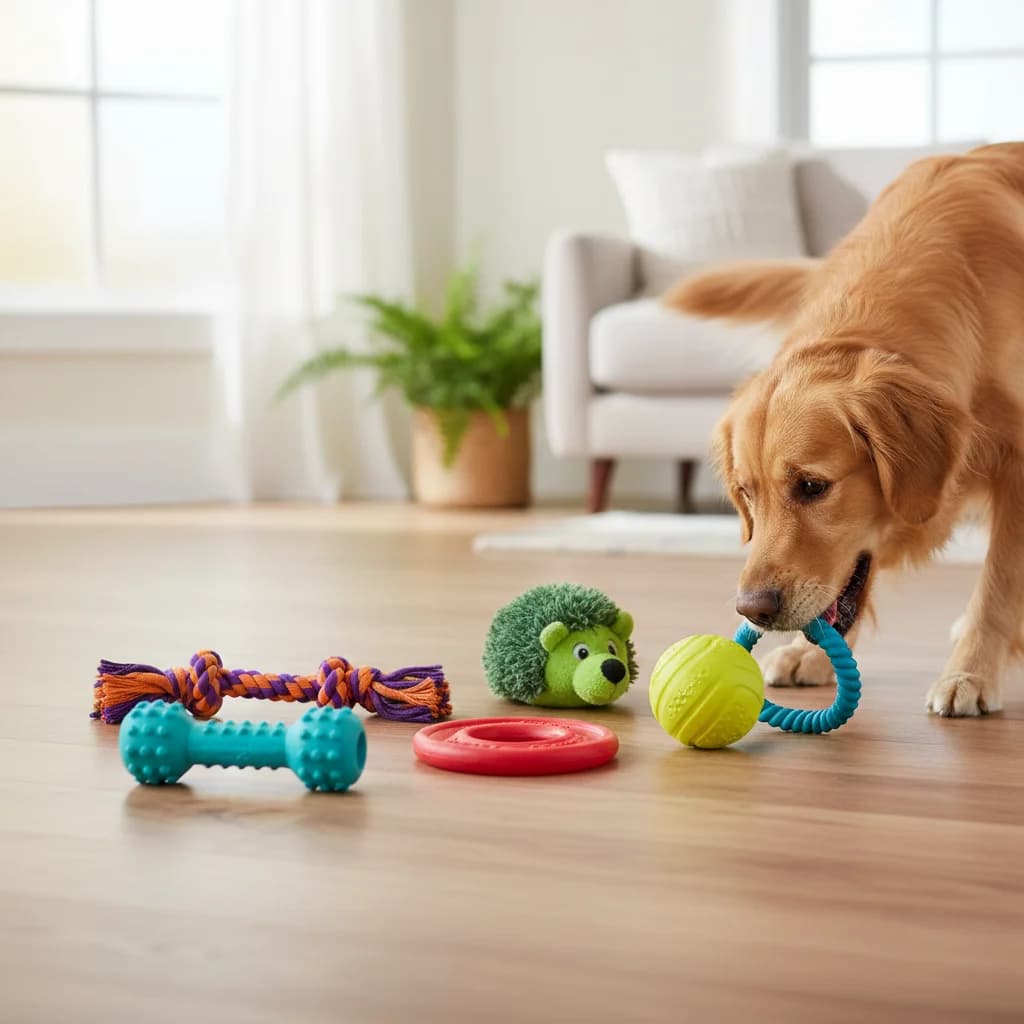
Browse our best dog toys guide for puzzle toy recommendations that provide genuine mental stimulation. For breeds that need exercise gear, our harness guide covers the best options for every activity type.
Age-Based Exercise Modifications
Puppies (Under 12 Months)
- Follow the 5-minutes-per-month rule for structured exercise
- Focus on play-based activity rather than forced exercise
- Avoid repetitive high-impact activities (running, jumping, stairs)
- Prioritize socialization and short training sessions
Adult Dogs (1-7 Years)
- Full exercise per breed group guidelines above
- This is the peak performance window -- challenge them
Senior Dogs (7+ Years, Earlier for Giant Breeds)
- Reduce intensity by 25-50%, not necessarily duration
- Replace running with walking; replace long hikes with shorter ones
- Swimming becomes even more valuable as a low-impact option
- Add joint supplements (Cosequin DS, $25-$40/month) if your vet recommends them
- Watch for signs of arthritis: reluctance to climb stairs, stiffness after rest, difficulty rising
- Two shorter walks are better than one long walk for senior dogs
The Bottom Line
Exercise requirements are not optional suggestions -- they are biological necessities that directly determine your dog's behavior, health, and quality of life. A Border Collie needs 2+ hours of vigorous activity and mental stimulation. A Bulldog needs 20 minutes of gentle walking in cool weather. Both needs are equally valid and equally non-negotiable. Match your lifestyle to your breed's requirements before you bring a dog home, and if you already have a dog that is not getting enough, start increasing exercise gradually this week. The improvement in behavior, mood, and your relationship with your dog will be immediate and dramatic.
🏆 Bottom Line: Most dogs need 30–90 minutes of daily exercise depending on breed, age, and health. Mentally stimulating activities (training sessions, puzzle toys, nosework) count toward this — they tire working breeds in ways that pure physical exercise doesn't. When in doubt, more is almost always better than less for young healthy dogs.
Related Reading
- Dog Health — Joint support and wellness products
- Dog Toys — Active play and fetch toys
- Leashes & Collars — Harnesses for active breeds
Research Sources
- How Much Exercise Does a Dog Need Every Day? — American Kennel Club, 2023
- Healthy Exercise for Dogs — VCA Animal Hospitals, 2023
- Exercise Guidelines for Puppies — VCA Animal Hospitals, 2023
- Canine Athlete Conditioning Basics — American Kennel Club, 2023
- Obesity in Dogs: A Major Health Threat Hiding in Plain Sight — American Kennel Club, 2023

PawBench Editorial
Published by Hilly Shore LabsPawBench’s editorial team researches dog products from primary veterinary sources, manufacturer specifications and aggregated buyer sentiment, alongside the lived ownership of Maggie, an Australian Labradoodle. We do not run hands-on product tests.
331 dog products scored · 1,222,724 buyer review-aspect mentions aggregated · cites AVMA, FDA, AAFCO, Cornell, WSAVA, AKC, ASPCA.
Recommendations are based on published veterinary guidelines, manufacturer specifications, and verified customer feedback. See our editorial standards.