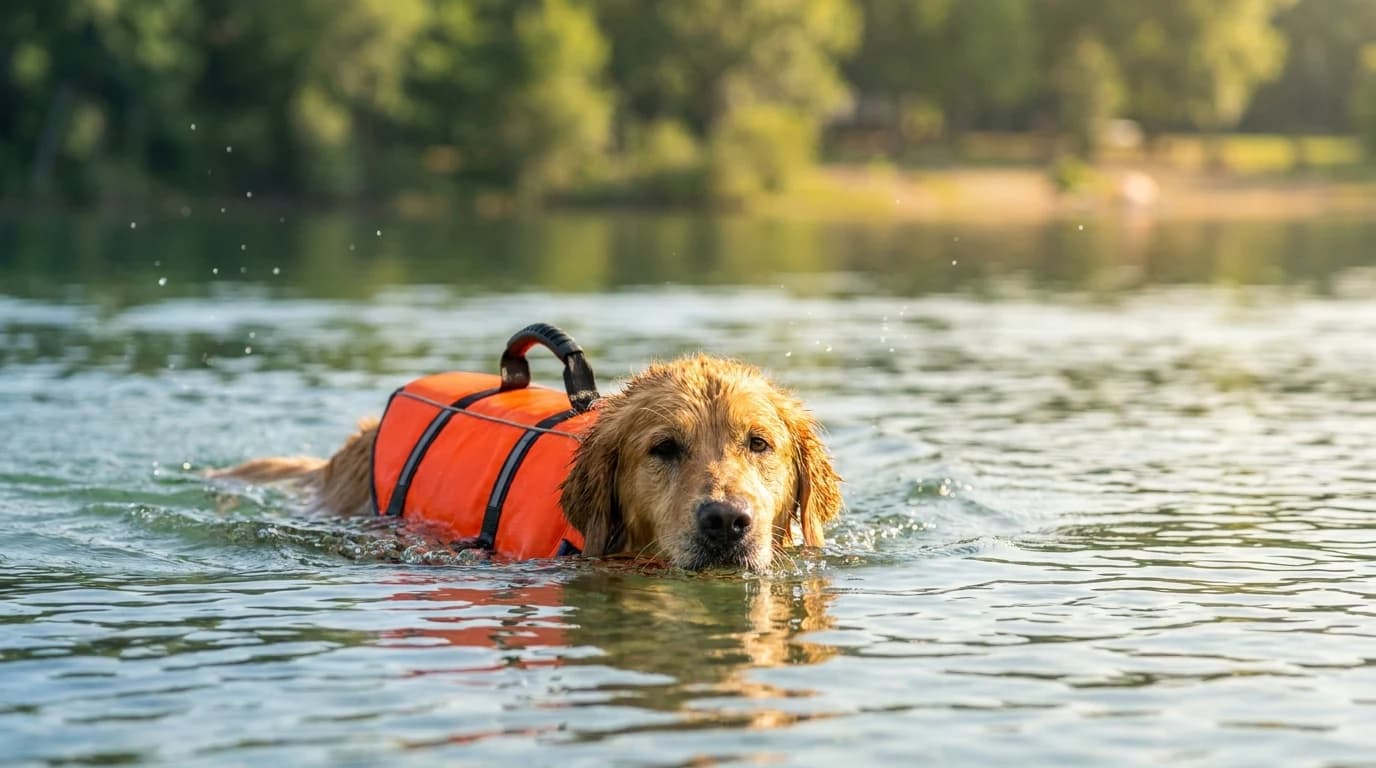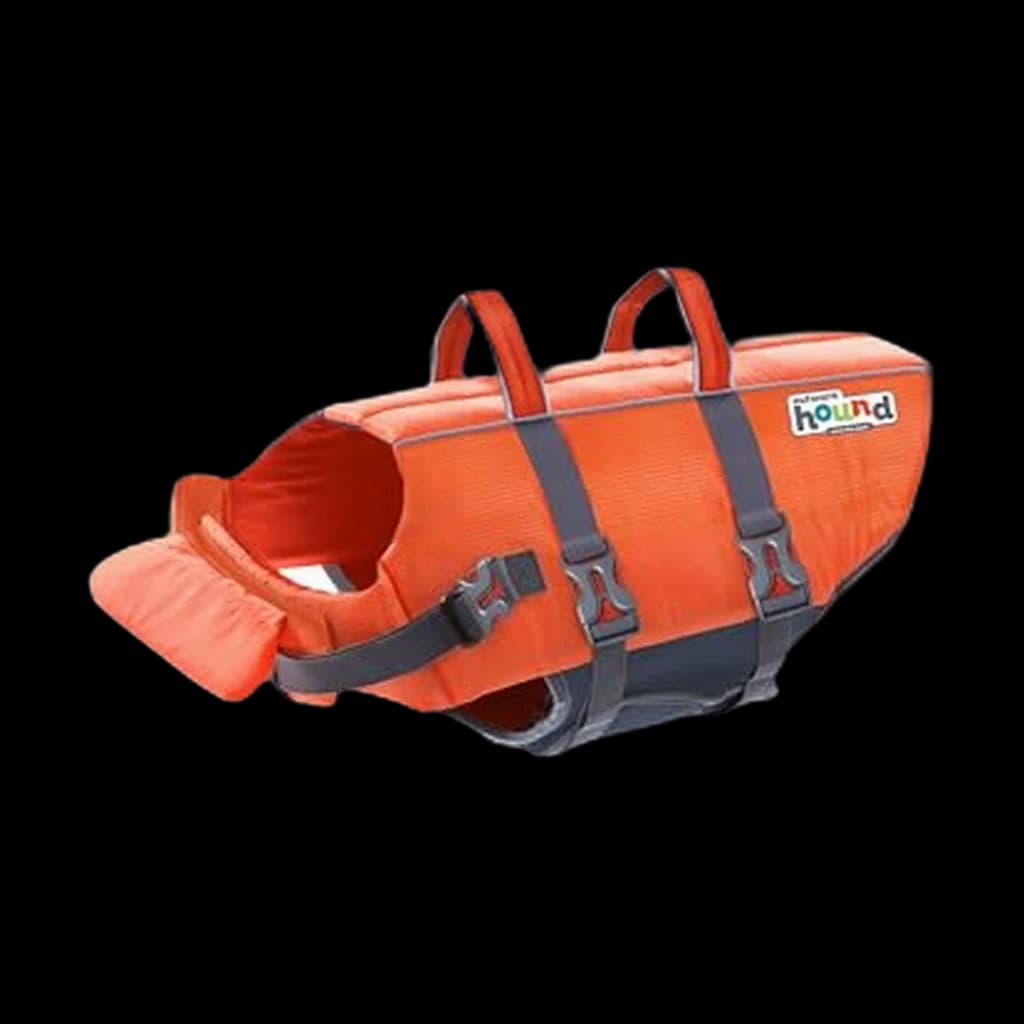
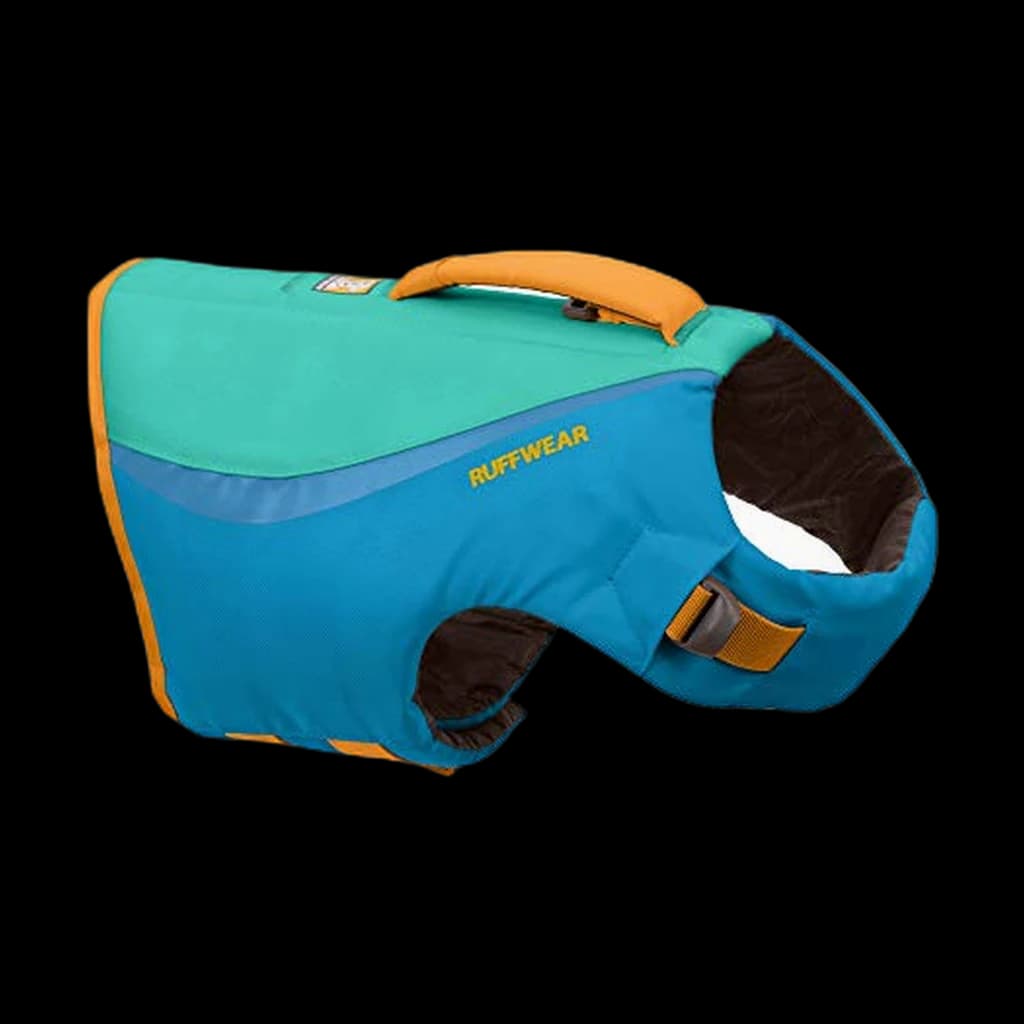
Start by separating the three jobs: harness, backpack, life vest. They are not interchangeable and each has a different sizing and load logic. For harnesses, the first decision is leash attachment count. A single top-clip harness is fine for trained dogs on flat trails; a two-point harness with both a front (no-pull) and top (trail) clip is the right default for most owners — the front clip handles reactive moments and the top clip handles relaxed trail use. The second harness decision is the handle. Padded handles (Front Range) are fine for assists on flat ground; rigid lift-handles (Web Master, Flagline, Kurgo Tru-Fit) are the right call for any technical terrain, ledge assists, river crossings, or hiking with senior or mobility-impaired dogs. The third harness decision is fit — measure the widest part of the chest (just behind the front legs) and match to the manufacturer's chart; the r/dogs consensus is that Ruffwear sizing runs true, Kurgo runs slightly small, and any harness that fits should pass the 'two fingers under the strap' test. For backpacks, the AKC and AAHA guidance is the binding constraint: adult dogs only (no growing puppies, no skeletally immature dogs under 12-18 months depending on breed), maximum load 10-15% of body weight, and gradual conditioning over weeks before any full-day trip. The Ruffwear Approach Pack is the safest entry point because its body harness is essentially a Web Master with saddlebags — so even unloaded it functions as a hiking harness with a lift-handle. Never load a dog with hip dysplasia, elbow problems, or any orthopedic condition without explicit vet clearance. For life vests, every boating, paddleboard, kayak, or open-water dog needs one regardless of swim ability — strong swimmers drown in current, cold water exhaustion, or after a fall. The two non-negotiable features are a rescue handle (so you can lift the dog out of the water in one motion) and a chin float (so an exhausted dog can keep its head up). The Outward Hound Granby is the volume pick and gets the basics right; the Ruffwear Float Coat is the premium tier with a more secure fit and a more usable rescue handle for larger dogs. Fit is critical: a loose vest rides up over the head and drowns the dog faster than no vest at all — follow the manufacturer's measurement chart and confirm the vest stays put when you lift the dog by the handle on dry land. Heat is the next consideration. Brachycephalic breeds (bulldogs, pugs, Frenchies, boxers) have impaired thermoregulation and AVMA, Cornell Vet, and ASPCA all flag heat as a primary risk — these breeds should not hike in direct sun above roughly 75°F, and a real evaporative cooling vest (not a thin polyester wrap) is appropriate for moderate days. Carry water for both you and the dog; signs of heatstroke are rapid panting, drooling, bright red gums, and unsteadiness, and Red Cross pet first aid guidance is to move the dog to shade, wet the paws and belly with cool water (not ice), and get to a vet immediately. Trail etiquette and rules matter too — the NPS pet policy varies by park, and many national parks restrict dogs to paved roads and developed areas only. Check the specific park's pet rules before you arrive; backcountry permits often have additional restrictions. Finally, plan for the gear's lifespan. The Front Range and similar mid-tier harnesses typically last 2-4 years of regular trail use; the Web Master and Flagline run longer because the build is heavier. Buckles and stitching are the failure points — inspect before every multi-day trip. Life vests live shorter lives if stored wet; rinse with fresh water after salt or chlorine exposure and dry fully before storing.