How to Measure Your Dog for a Harness (Get It Right the First Time)
A harness that doesn't fit is worse than no harness at all. Here's exactly how to measure your dog and what the numbers mean.
PawBench · Best Picks
Padded trail harnesses with two leash attachment points, lift-handles, and the fit tolerances needed for multi-mile days off pavement.
Ruffwear Front Range for most dogs and most trails. Ruffwear Web Master when you need a rigid lift-handle for scrambles, river crossings, or senior-dog assists. Kurgo Tru-Fit for budget or when you want one harness for car + trail.
Top pick
Ruffwear Front Range Harness
18,000+ reviews at 4.6 stars — the default hiking harness on r/dogs and r/hiking.
Buy on AmazonSkip this
Single-strap step-in harnesses for trail use
Step-in harnesses with only a single chest strap don't distribute load and slip sideways on technical terrain. They're fine for short flat walks but unsuitable for multi-mile trail days — the strap rotates and chafes inside the front legs, and the lack of a back-load distribution panel concentrates leash force on the throat-adjacent area.
The Ruffwear Front Range Harness alone accounts for 18,158 of the verified Amazon reviews in this category's May 2026 verification pass — more than any other hiking-gear product we checked, and a strong indicator of why it's the near-universal first recommendation.
Across r/dogs, r/hiking, and r/CampingandHiking, the Ruffwear Front Range is the near-universal first hiking harness recommendation, with the Web Master as the move-up for technical terrain or larger dogs. The recurring fit advice is to measure carefully (chest girth at the widest point, just behind the front legs), size up if between sizes, and break the harness in on shorter walks before any full-day trip. Owners who hike with senior dogs or in rocky terrain consistently say the lift-handle on the Web Master is the feature that earned the upgrade.
As an Amazon Associate I earn from qualifying purchases. Product prices and availability are subject to change.
A hiking harness is different from an everyday walking harness in three ways: load-spreading padding, two leash attachment points, and (usually) a back handle for assists. For most owners the Ruffwear Front Range is the right default — the foam-lined chest and belly panels distribute load comfortably on long days, and the two leash points let you switch between a front no-pull clip for reactive moments and a top clip for relaxed trail use. The Web Master is the upgrade when terrain gets technical — a rigid sewn-in lift-handle on the back lets you hoist your dog over a ledge, stabilize them through a river crossing, or help a senior dog up a step in one motion. The Kurgo Tru-Fit is the budget alternative and the only harness in this set that's car-crash tested with the included seatbelt tether, so it doubles as a travel restraint. AKC's hiking-with-dogs guidance is the authoritative reference: match the harness to terrain (more padding and handle for technical, lighter for flat), measure the widest part of the chest just behind the front legs, and confirm a two-finger fit between strap and dog before every hike. The r/dogs consensus is to size up if you're between sizes; a slightly loose harness is correctable with adjustments, a slightly tight one chafes within miles.
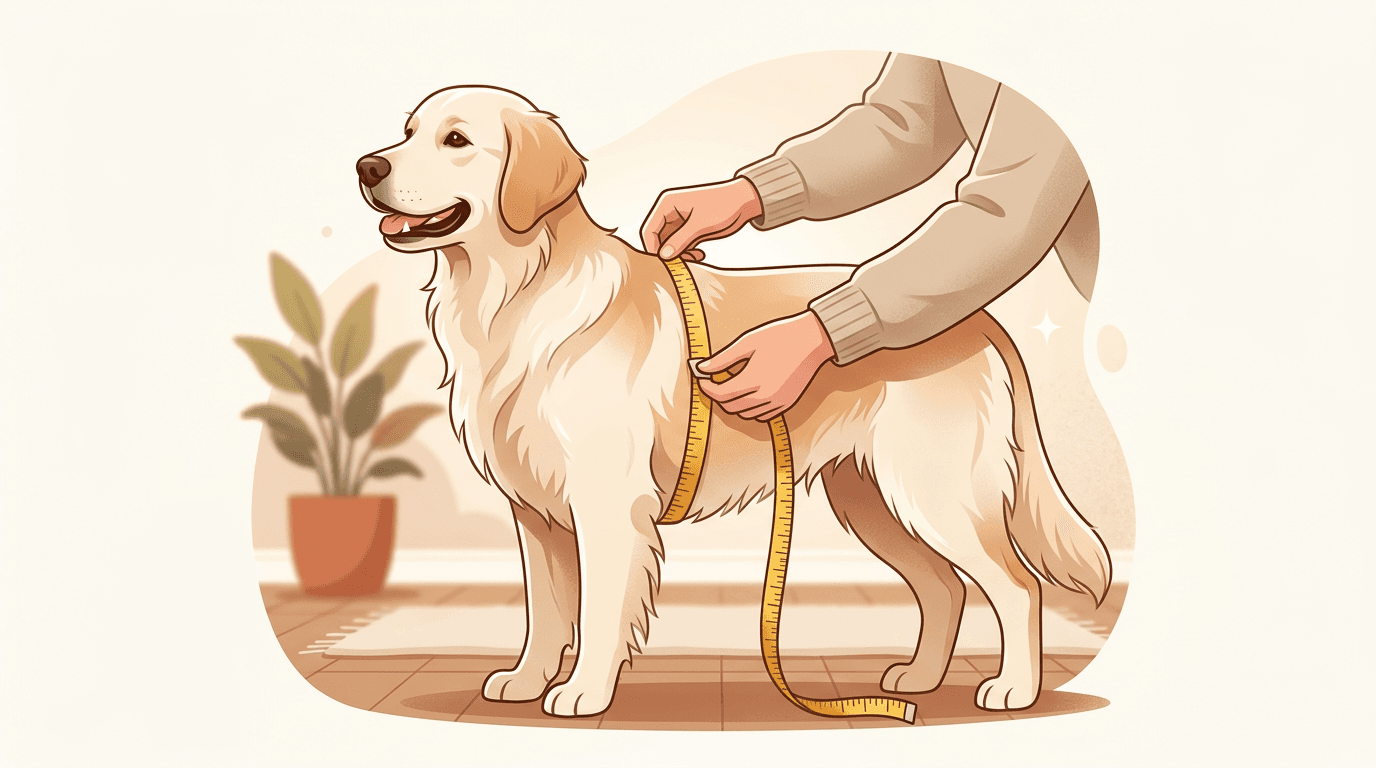
A harness that doesn't fit is worse than no harness at all. Here's exactly how to measure your dog and what the numbers mean.

We ranked 5 hiking leashes on length, bungee shock absorption, and hands-free wear. Ruffwear Flat Out wins; Kurgo 6-in-1 is the best multi-use runner-up.

We ranked 5 no-pull harnesses on fit, durability, and escape risk. Ruffwear Front Range wins overall. Rabbitgoo is the best-value pick under $25.