Best Dog Food for Allergies 2026: 5 Limited-Ingredient Picks
Our #1 Pick
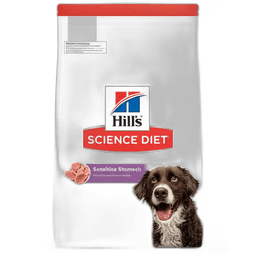
- Clinically proven digestibility
- Prebiotic fiber supports gut health
- Vet recommended for sensitive stomachs
Prebiotic fiber and omega-6 for coat health -- the #1 vet-recommended starting point for allergy testing.
Our analysis of 2,124 buyer mentions on Hill's Science Diet Sensitive Stomach & Skin: buyers consistently praised quality, digestibility, value for money.
Also Great
Limited Ingredient: Blue Buffalo Basics Limited Ingredient ($65) — Single animal protein source for true elimination diets
On this page8 sections
Our Verdict
Hill's Science Diet Sensitive Stomach & Skin is the best first step for dogs with suspected food allergies. True food allergies require a vet-supervised elimination diet.
Hill's Science Diet Sensitive Stomach & Skin 4.7 Best overall | Zignature Kangaroo Formula 4.6 Best novel protein | Royal Canin Hydrolyzed Protein HP 4.3 Best veterinary prescription | Purina Pro Plan Sensitive Skin & Stomach 4.6 Best budget allergy food | |
|---|---|---|---|---|
| Price | $89.99Buy on Amazon | $100.99Buy on Amazon | $60.99Buy on Amazon | $77.48Buy on Amazon |
| Buyer sentiment | Quality Digestibility Value for money Digestion Buyers praise quality, digestibility, value for money and digestion. Based on 2,124 user mentions | Quality Allergic-friendly Taste Digestion Value for money Buyers praise quality, allergic-friendly, taste and digestion. Some flag value for money. Based on 214 user mentions | Allergic reaction Quality Gentle on skin Skin improvement Value for money Buyers praise allergic reaction, quality, gentle on skin and skin improvement. Some flag value for money. Based on 56 user mentions | Taste Stomach sensitivity Skin sensitivity Value for money Buyers praise taste, stomach sensitivity, skin sensitivity and value for money. Based on 1,725 user mentions |
| Pros |
|
|
|
|
| Cons |
|
|
|
|
| Type | Dry Kibble | Dry Kibble | Dry Kibble | Dry Kibble |
| AAFCO Approved | Yes | Yes | Yes | Yes |
* Prices are approximate and may vary. Please check the latest price on Amazon.
Allergy-Friendly Dog Food: Protein Source & Label Compare
Limited-ingredient, novel-protein, and hydrolyzed diets side-by-side.
| Product | First Ingredient | Protein Strategy | Protein (min) | Fat (min) | Fiber (max) | kcal / cup | Grain-Free? |
|---|---|---|---|---|---|---|---|
| Hill's Science Diet Sensitive Stomach & Skin | Chicken | Single-protein GI + skin support | 20% | 13% | 4% | 394 | Grain-inclusive |
| Zignature Kangaroo Formula | Kangaroo | Novel protein, limited ingredient | 26.5% | 13% | 5.5% | 395 | Yes |
| Royal Canin Hydrolyzed Protein HP | Hydrolyzed soy protein | Hydrolyzed (Rx veterinary diet) | 19% | 17% | 3% | 324 | Grain-inclusive |
| Purina Pro Plan Sensitive Skin & Stomach | Salmon | Single fish protein, no corn/wheat/soy | 26% | 16% | 4% | 449 | Grain-inclusive |
Guaranteed analysis and ingredient data from manufacturer product pages as of April 2026. Hydrolyzed diets typically require veterinary prescription.

How PawBench is paid: we earn an Amazon Associates commission on qualifying purchases. We don’t accept sponsored placements, paid reviews, or free products in exchange for coverage. Picks are ranked on documented owner outcomes and primary-source research, never on commission rate. Read the full methodology.
If your dog is constantly scratching, has chronic ear infections, or deals with recurring digestive issues, food allergies or sensitivities might be the culprit. An estimated 10-15% of all allergic skin disease in dogs is food-related, and the most common allergens aren't what most owners expect — they're proteins like beef, chicken, and dairy, not grains.
Finding the right food for an allergic dog is a process, not a quick fix. This guide covers the best limited ingredient and novel protein options based on veterinary research and real-world effectiveness.
Understanding Dog Food Allergies
Food allergy vs. food sensitivity: True food allergies involve an immune system response (IgE antibodies) to a specific protein. Food sensitivities or intolerances don't involve the immune system but still cause symptoms like digestive upset. The dietary management approach is similar for both.
The most common canine food allergens (based on published veterinary research):
- Beef (34% of food allergy cases)
- Dairy (17%)
- Chicken (15%)
- Wheat (13%)
- Soy (6%)
- Lamb (5%)
Notice that grains are relatively low on this list. The "grain-free = hypoallergenic" marketing narrative is largely misleading. Most food allergies are triggered by proteins, not carbohydrates.
The only reliable way to diagnose a food allergy is an elimination diet trial supervised by your veterinarian. Blood tests and hair tests for food allergies in dogs are unreliable — this is not controversial; it's the consensus of veterinary dermatologists worldwide. For guidance on running an elimination diet, refer to our guide on switching dog food safely.
Best Dog Foods for Allergies
#1 Best Overall: Hill's Science Diet Sensitive Stomach & Skin (~$70/30 lbs)
Buy on Amazon · $89.99 →Hill's Sensitive Stomach & Skin is the most commonly recommended starting point by veterinary dermatologists. Chicken meal and yellow peas provide easily digestible protein, the prebiotic fiber blend supports gut health, and omega-6 fatty acids and vitamin E nourish the skin barrier from within.
Key features:
- Highly digestible ingredients reduce GI reactions
- Clinically proven to improve skin and coat in 30 days
- AAFCO-approved for all adult life stages
- Contains prebiotics for microbiome support
- Available in chicken or salmon formulas
Best for: Dogs with mild to moderate food sensitivities, chronic soft stool, or skin/coat issues that haven't responded to other foods. A solid first-line option before moving to more restrictive diets.
#2 Best Limited Ingredient: Natural Balance L.I.D. (~$55/24 lbs)
Natural Balance Limited Ingredient Adult Dry Dog Foo were pioneers of the limited-ingredient category. Each formula uses a single animal protein and a single carbohydrate source, making it easy to identify triggers during an elimination diet. The Sweet Potato & Fish formula is a great starting point since fish is one of the least common canine allergens.
Available protein/carb combinations:
- Sweet Potato & Fish
- Sweet Potato & Bison
- Sweet Potato & Venison
- Sweet Potato & Chicken (if poultry isn't the suspected allergen)
- Potato & Duck
Best for: Systematic elimination diets, dogs with confirmed protein allergies who need a single-source protein, owners who want ingredient simplicity.
#3 Best Novel Protein: Zignature Kangaroo Formula (~$70/25 lbs)
Buy on Amazon · $100.99 →Zignature Kangaroo uses kangaroo as the sole animal protein — a novel protein that virtually no dogs have been previously exposed to, making allergic reactions extremely unlikely. This is the level of protein novelty you need for dogs who've reacted to multiple common proteins.
Key features:
-
Single novel protein (kangaroo)
-
Grain-free, potato-free, corn-free, wheat-free, soy-free, dairy-free
-
Legume-inclusive (chickpeas, peas) — discuss DCMDCMDilated cardiomyopathy — a heart-muscle disease causing enlarged, weakened ventricles. The FDA's 2018-2022 investigation linked a rise in non-hereditary DCM cases to grain-free diets heavy in peas, lentils, and potatoes. Most cardiologists now recommend WSAVA-compliant diets unless a vet has diagnosed a true grain allergy. concerns with your vet
-
Turkey-free, chicken-free
-
Flaxseed and sunflower oil for omega fatty acids
-
Other novel protein options from Zignature: Goat, Guinea Fowl, Catfish. Each is a single-source protein unlikely to trigger reactions in previously sensitized dogs.
-
Best for: Dogs with multiple confirmed protein allergies, severe allergic reactions, dogs who've failed other limited-ingredient diets.
#4 Best Veterinary Prescription: Royal Canin Hydrolyzed Protein HP (~$95/25 lbs)
Buy on Amazon · $60.99 →- Royal Canin HP: is a prescription diet that takes a fundamentally different approach: instead of using a novel protein, it uses hydrolyzed soy protein — protein molecules broken down so small that the immune system can't recognize them as allergens. This is the gold standard for dogs with severe or multiple food allergies.
- Why it requires a prescription: Hydrolyzed protein diets are medical foods designed for specific conditions. Your vet needs to determine if this approach is appropriate for your dog's specific allergic profile.
- Best for: Severe food allergies, dogs who've failed multiple elimination diets, inflammatory bowel disease (IBD), and as the protein source during formal elimination diet trials.
#5 Best Budget Allergy Food: Purina Pro Plan Sensitive Skin & Stomach (~$60/30 lbs)
Buy on Amazon · $77.48 →- Purina Pro Plan Sensitive: uses salmon as the primary protein (novel for many dogs), oatmeal as the primary carb, and includes live probiotics for gut health. At roughly $2/lb, it's the most affordable high-quality option for food-sensitive dogs.
- Best for: Dogs with mild sensitivities, budget-conscious owners, salmon-tolerant dogs who react to chicken and beef. A good starting point before investing in premium limited-ingredient diets.
How to Run an Elimination Diet
An elimination diet is the diagnostic tool — the foods above are the therapeutic options. Here's the process:
- Choose a food with a single protein your dog has never eaten. Novel proteins (venison, rabbit, kangaroo, duck) or hydrolyzed proteins are best.
- Feed ONLY that food for 8-12 weeks. No treats, no table scraps, no flavored medications, no rawhides — nothing else. This is the hardest part.
- Monitor symptoms. Keep a daily log of itching, ear issues, digestive symptoms, and skin condition.
- If symptoms improve, reintroduce old foods one at a time. Add one ingredient (e.g., chicken) back for 2 weeks. If symptoms return, you've found a trigger.
- Repeat with other suspected allergens to build a complete picture of your dog's sensitivities.
This process requires patience and discipline. Shortcuts invalidate the results. Work with your vet or a veterinary dermatologist for best outcomes. For step-by-step food transition advice, see our switching food guide.
Common Mistakes with Allergy Dog Food
- Assuming grain-free = hypoallergenic: Most dog food allergies are protein-based, not grain-based. Going grain-free when your dog is allergic to chicken won't help.
- Buying "hypoallergenic" foods without veterinary guidance: The term "hypoallergenic" has no legal definition in pet food. Any food can claim it. Work with your vet to identify actual triggers.
- Giving treats that contain allergens: The most common elimination diet failure: the food is clean, but someone's giving chicken-flavored dental chews or beef-based training treats. Check everything.
- Not giving the diet enough time: Skin allergies take 8-12 weeks to fully resolve after removing the trigger. Digestive symptoms may improve faster (2-4 weeks), but skin takes longer.
Supplements That Support Allergic Dogs
- Omega-3 fatty acids (fish oil): Reduces inflammatory skin reactions. Our supplements guide covers the best options.
- Probiotics: Support gut barrier function, which may reduce food sensitivity reactions.
- Quercetin: A natural antihistamine sometimes called "nature's Benadryl." Consult your vet for dosing.
The Bottom Line
For most dogs with food sensitivities, Hill's Sensitive Stomach & Skin or Purina Pro Plan Sensitive will resolve symptoms. For confirmed allergies requiring protein elimination, Natural Balance L.I.D. makes the process systematic. For severe or multiple allergies, Zignature's novel proteins or Royal Canin Hydrolyzed Protein are the heavy-duty options.
Don't guess — diagnose. Work with your vet, run a proper elimination diet, and you'll find the food that keeps your dog comfortable and symptom-free.
Note: Links to Amazon may earn us an affiliate commission at no extra cost to you.
🏆 Bottom Line: A proper food elimination trial (8–10 weeks on hydrolyzed or novel protein) is the only way to definitively diagnose a food allergy. Don't shortcut it. Work with your vet — true food allergies in dogs aren't as common as marketing suggests, but they're real and manageable with the right diet.
Related Reading
- Dog Food — Full dog food rankings and reviews
- How to Read Dog Food Labels — Decode ingredients and nutrition panels
- Signs Your Dog's Food Isn't Working — Symptoms to watch for
Sources
- Olivry T, Mueller RS — "Critically appraised topic on adverse food reactions of companion animals." BMC Veterinary Research, 2017.
- Verlinden A et al. — "Food hypersensitivity and cutaneous adverse food reactions in dogs." Critical Reviews in Food Science and Nutrition, 2006.
- American College of Veterinary Dermatology (ACVD) — Food allergy elimination diet guidelines. acvd.org.
- Tufts University Clinical Nutrition Service — "Hydrolyzed Diets for Dogs with Food Allergies." 2022.
- Mueller RS, Olivry T — "Critically appraised topic: is a 8- to 10-week elimination diet sufficient for a diagnosis of food hypersensitivity?" Veterinary Dermatology, 2017.
Frequently Asked Questions
- How do I know if my dog actually has a food allergy?
- AKC reports that dogs with food allergies itch at the ears (about 80% of cases), feet, groin, or armpits, often with chronic ear infections. Merck Veterinary Manual notes true food allergies are less common than environmental allergies and require an 8-12 week elimination diet trial to diagnose.
- What is a novel protein diet?
- Research suggests a novel protein is one the dog has never eaten before — kangaroo, venison, rabbit, or duck for most dogs. The immune system can only react to proteins it has been previously exposed to, so introducing a truly novel source typically resolves an allergic response.
- What is a hydrolyzed protein diet and do I need a prescription?
- Merck Veterinary Manual describes hydrolyzed diets as those in which protein is broken into peptides too small for the immune system to recognize. These diets typically require veterinary authorization because diagnosis and ongoing monitoring matter.
- What are the most common dog food allergens?
- Merck Veterinary Manual lists beef, chicken, eggs, corn, wheat, soy, and milk as the most commonly reported canine food allergens. A true limited-ingredient diet should exclude whichever has been identified by an elimination trial.
- How long until I see improvement on an allergy diet?
- Veterinary guidelines indicate an elimination diet trial should run 8-12 weeks before judging success. During that window the dog should eat only the trial food and water — no treats, table scraps, or flavored medications.
Research Sources
- Everything You Need to Know About Food Allergies in Dogs — American Kennel Club, 2024
- Cutaneous Food Allergy in Animals — Merck Veterinary Manual
- Allergies in Dogs — Merck Veterinary Manual
- Nutrition in Disease Management in Small Animals — Merck Veterinary Manual
- Reading Labels — AAFCO

Hilly Shore Labs
Editorial teamIndependent product research team behind PawBench. Reviews are grounded in primary veterinary sources, aggregated buyer sentiment, and the lived ownership of Maggie, an Australian Labradoodle.
200+ dog products researched · 1.1M+ Amazon review-aspect mentions analyzed · cites AVMA, FDA, AAFCO, Cornell, WSAVA, AKC, ASPCA.
All product reviews are independently researched. Recommendations are based on published veterinary guidelines, manufacturer specifications, and verified customer feedback. See our editorial standards.