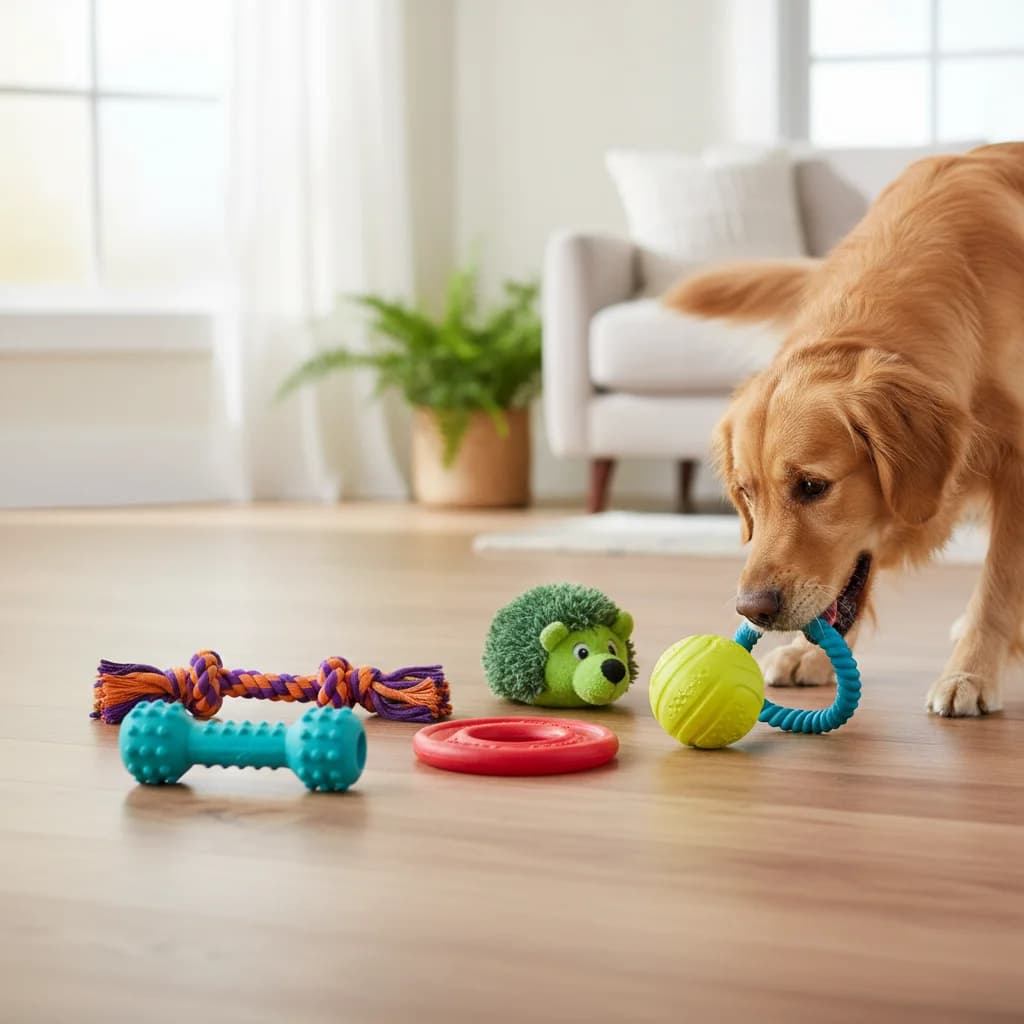
Best Dog Toys for High-Energy Dogs (That Will Actually Tire Them Out)
Our #1 Pick
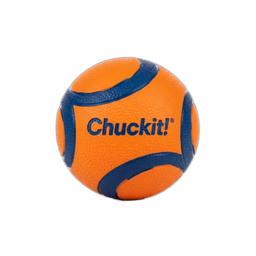
- High-bounce natural rubber
- Floats in water
- Compatible with Chuckit! launchers
Indestructible high-bounce ball that outperforms tennis balls in every way for fetch-obsessed dogs.
Our analysis of 113 buyer mentions on Chuckit! Ultra Ball: buyers consistently praised durability, pet preference, playability.
Also Great
Puzzle: KONG Classic ($12) — Stuff and freeze to channel energy into problem-solving
On this page9 sections
Our Verdict
High-energy dogs need fetch toys for physical exercise and puzzle toys for mental draining. A Chuckit launcher + a stuffed KONG creates the ideal daily rotation.
How PawBench is paid: we earn an Amazon Associates commission on qualifying purchases. We don’t accept sponsored placements, paid reviews, or free products in exchange for coverage. Picks are ranked on documented owner outcomes and primary-source research, never on commission rate. Read the full methodology.
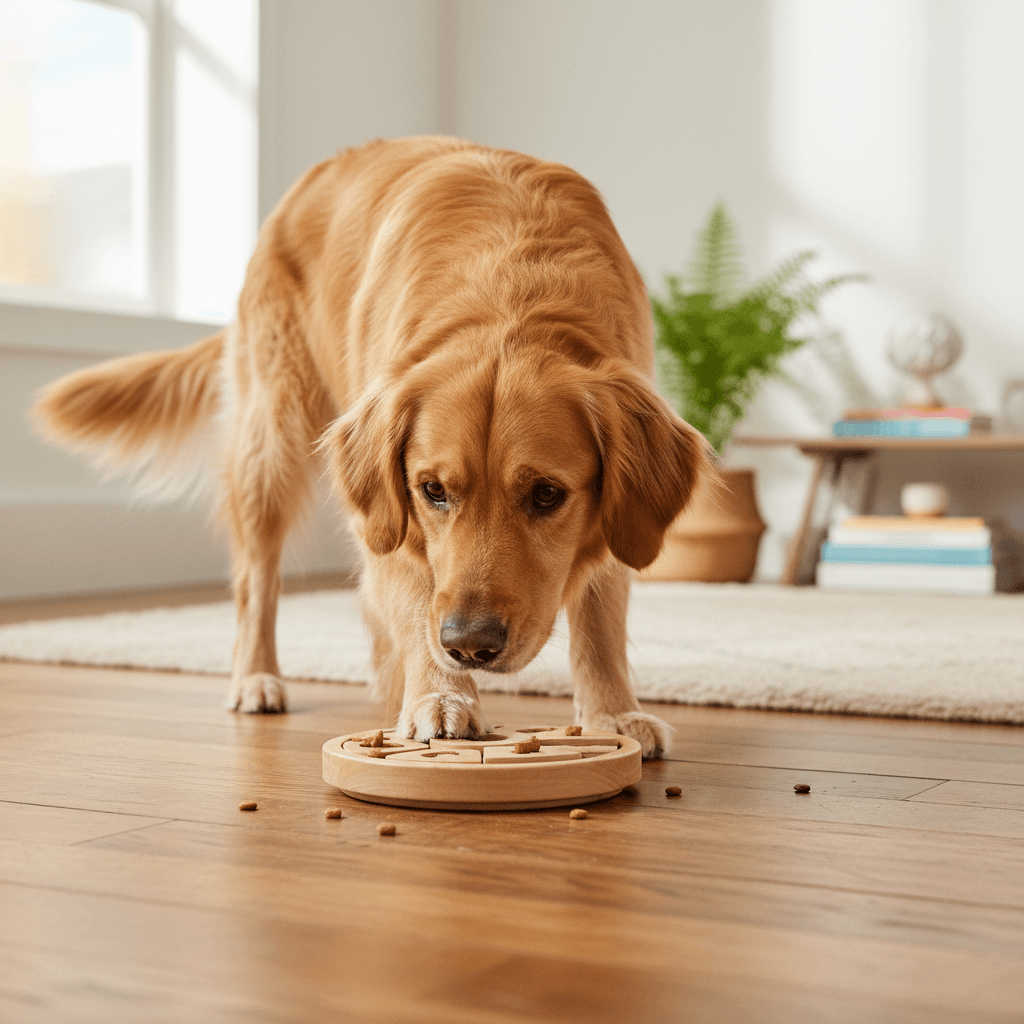
High-energy dogs — Border Collies, Labradoodles, Australian Shepherds, Huskies — don't just need physical exercise. They need cognitive engagement. A dog that's run 5 miles but hasn't had to think is still going to chew your furniture.
What High-Energy Dogs Actually Need
The best toys combine three things:
- Physical challenge — something to work for
- Mental engagement — something to figure out
- Durability — something that survives the interaction
Top Picks by Category
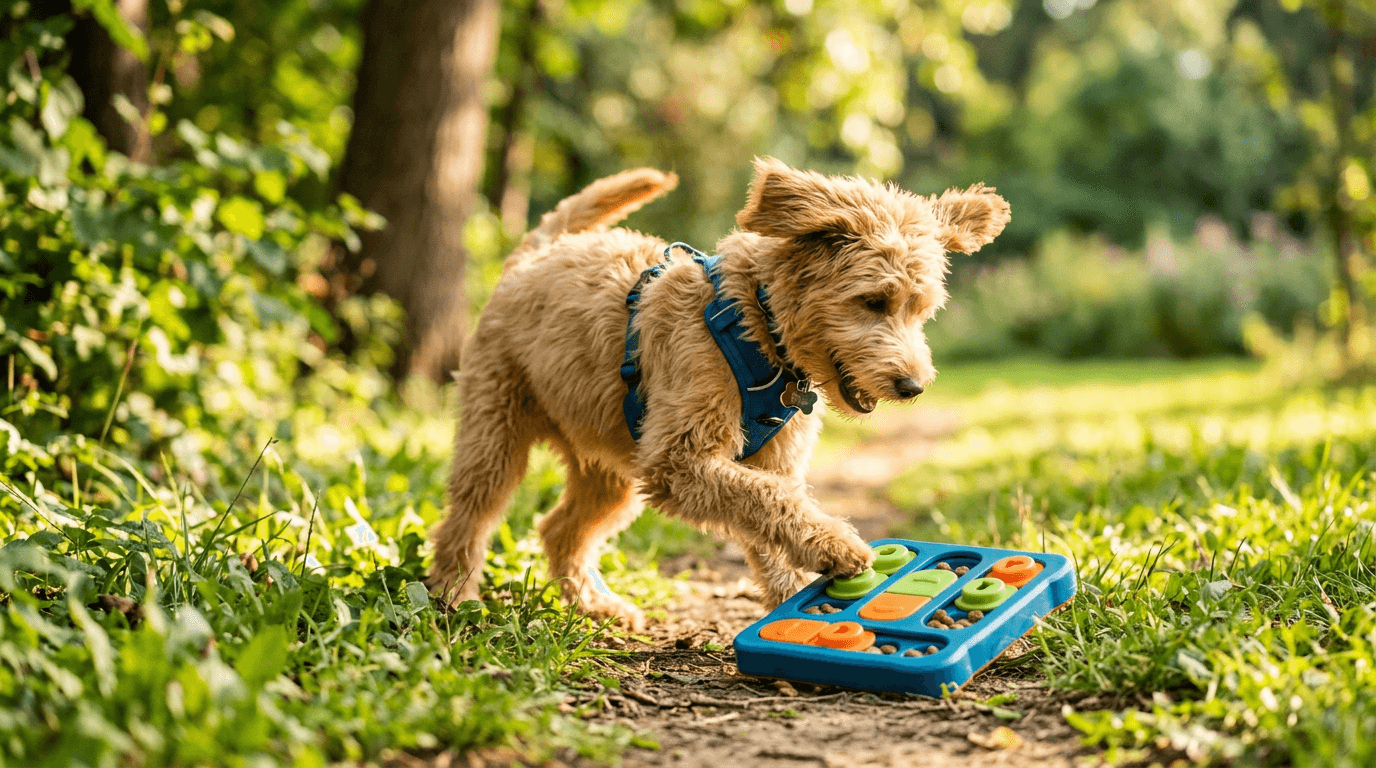
Best for puzzle-solving: Nina Ottosson Dog Tornado Three rotating layers hide treats. Your dog has to spin each layer to access the food. 20–30 minutes of puzzle work equals 2 hours of running for most working breeds.
Best for chewers: Benebone Wishbone Made with real food ingredients fused into the nylon — it smells and tastes real. The ergonomic shape lets dogs get a proper grip. Lasts weeks, not hours.
Best for fetch dogs: Chuckit! Ultra Ball + Launcher Denser and more durable than tennis balls. The launcher puts 50+ feet in every throw without straining your shoulder. For a dog that needs to sprint, distance matters.
Best for tug dogs: KONG Tugga Wubba Reinforced seams and a surviving squeaker. Tug is often more fulfilling than fetch for high-drive dogs — it's a two-player game that reinforces your bond.
Best for home alone: Frozen KONG Classic Stuff with kibblekibbleExtruded dry dog food — the most common format in the US. Made by mixing dry and wet ingredients, cooking under high pressure, and shaping into bite-sized pieces. Long shelf life, low moisture (~10%), and the cheapest cost-per-calorie option for most dogs., xylitol-free peanut butter, and wet food. Freeze overnight. A frozen KONG lasts 30–60 minutes of focused engagement. Use the black KONG Extreme for serious chewers.
The Mental Enrichment Multiplier
Rotate these alongside toys:
- Snuffle mats: 15 minutes of nosework tires dogs in a way fetch doesn't
- Lick mats: Calming and mentally engaging
- 10-minute training sessions: Learning a new command exhausts high-energy dogs faster than an hour of free play
What to Avoid
- Plush squeaker toys (for destructive dogs) — gone in minutes, squeaker becomes a hazard
- Rope toys (for power chewers) — strands fray and are swallowed
- Tennis balls (for hard biters) — the felt sheds, the rubber degrades fast
🏆 Bottom Line: For high-energy breeds, mental enrichment is as important as physical exercise. A frozen KONG plus a Nina Ottosson puzzle covers most dogs' daily enrichment needs. Add breed-appropriate physical activity and rotate toy variety weekly to maintain engagement.
Related Reading
-
Dog Exercise Guide by Breed — Match toy intensity to your breed's exercise needs
-
Best Dog Puzzle Toys — Mental stimulation to pair with physical play
-
Best Dog Subscription Boxes — Monthly toy deliveries for dogs who destroy everything
Why Physical Exercise Isn't Enough
According to the Association of Professional Dog Trainers (APDT), high-energy working breeds (Huskies, Border Collies, Shepherds) have a "cognitive load" requirement that isn't met by walking or running alone. A dog that has run 5 miles is just a "fitter" version of an bored dog. Without mental engagement, these dogs often develop destructive behaviors or OCD-like habits (tail chasing, shadow pouncing).
Our research into high-energy breed management emphasizes "Quality of Engagement" over "Duration of Activity."
The Science of Toy Rotation
A 2015 study on canine cognitive engagement found that novelty is a primary driver of toy interest. A dog with 20 toys available all the time is effectively a dog with zero toys.
The Fix: Based on our research, keep only 3–4 toys out at a time. Rotate them every 3–4 days. This keeps the "novelty reward" in the brain high and prevents toys from becoming "furniture."
Categories of High-Energy Engagement
1. Investigative Play (Nosework): Snuffle mats and hide-and-seek toys engage the olfactory system. Nosework uses more brain energy than any other activity. 2. Problem-Solving Play (Puzzles): Toys like the Nina Ottosson Tornado require sequential thinking. 3. High-Impact Interactive Play: Flirt poles and long-distance launchers (Chuckit!) engage the prey drive in a controlled way.
Sources
- Association of Professional Dog Trainers (APDT) — Physical and mental enrichment needs of working breeds. apdt.com.
- American Kennel Club (AKC) — "High-Energy Dog Breeds and Exercise Requirements." akc.org.
- KONG Company — Kong Classic and Extreme enrichment usage guides. kongcompany.com.
- Benebone LLC — Ergonomic chew design and nylon durability data. benebone.com.
- Horwitz DF, Mills DS (eds.) — BSAVA Manual of Canine and Feline Behavioural Medicine. BSAVA, 2009 (breed-specific enrichment needs).
Research Sources
- How Much Exercise Does a Dog Need Every Day? — AKC
- Is Your Dog Too 'Hyper?' 5 Tips to Train Hyperactive Dogs — AKC
- How Much Playtime Do Dogs Need? — AKC
- General Dog Care — ASPCA
- Effects of Environmental Enrichment on Dog Behaviour: Pilot Study — NCBI
- Effects of Environmental Enrichment on the Behavior of Shelter Dogs — NCBI
Your next step
High-energy dogs are escape artists — track them anywhere.

Hilly Shore Labs
Editorial teamIndependent product research team behind PawBench. Reviews are grounded in primary veterinary sources, aggregated buyer sentiment, and the lived ownership of Maggie, an Australian Labradoodle.
200+ dog products researched · 1.1M+ Amazon review-aspect mentions analyzed · cites AVMA, FDA, AAFCO, Cornell, WSAVA, AKC, ASPCA.
All product reviews are independently researched. Recommendations are based on published veterinary guidelines, manufacturer specifications, and verified customer feedback. See our editorial standards.