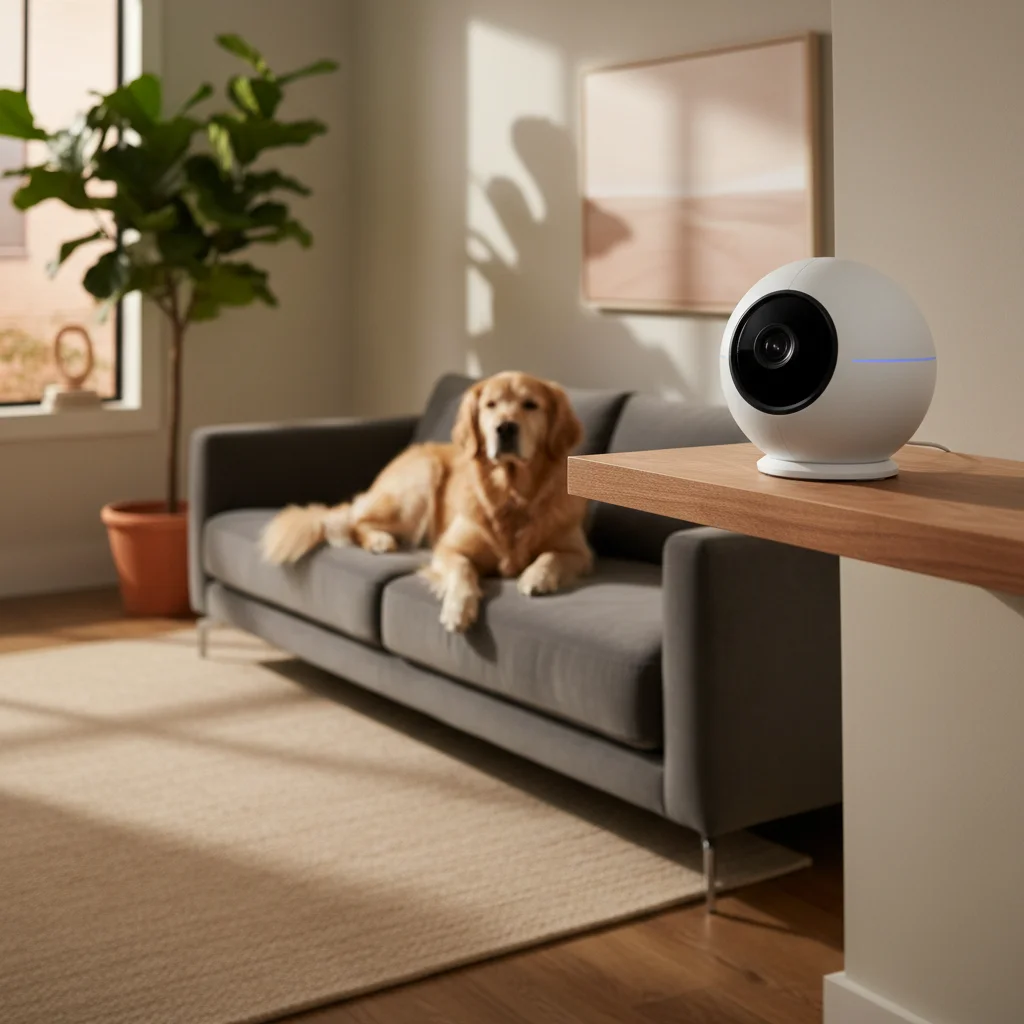
The Best Pet Tech for Busy Pet Parents
PetSafe Smart Feed is the best pet tech for busy owners, since an app-controlled automatic feeder with precise portions saves effort every single day. Add the Furbo camera when you want to check in and toss treats from work. If budget is tight, the Wyze camera is the cheaper way to keep an eye on your dog.
Our #1 Pick
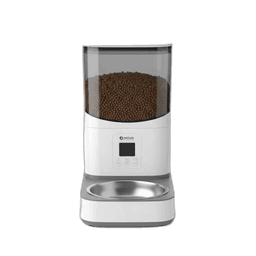
- Schedule up to 12 meals per day
- Alexa and Google Home compatible
- Slow feed option for fast eaters
App-controlled automatic feeder with precise portioning delivers the highest daily impact for busy owners.
Our analysis of 855 buyer mentions on PetSafe Smart Feed: buyers consistently praised reliability, ease of use, performance, with some flagging wifi connectivity, food dispensing.
Also Great
Budget Feeder: PETLIBRO Granary Feeder ($80) — Similar scheduling features at half the price
Camera: Furbo 360-degree Camera ($210) — Treat tossing + bark alerts for peace of mind
On this page9 sections
Our Verdict
Start with an automatic feeder (PetSafe Smart Feed) for immediate daily impact, then add a pet camera and GPS tracker as budget allows.
PetSafe Smart Feed Owner rating4.1 Gold standard automatic feeder with app control and portion precision | Furbo 360-degree Dog Camera Owner rating4.4 Best pet camera with 360-degree rotation, bark alerts, and treat tossing | Fi Series 3 GPS Collar Owner rating4.1 Best GPS tracker with 3-month battery life and real-time location | Wyze Cam v4 Owner rating4.3 Best budget pet camera at about $45, with 2.5K video and color night vision | PetSafe Drinkwell Platinum Fountain Owner rating4.3 Best water fountain that encourages hydration with continuous flow | |
|---|---|---|---|---|---|
| Price | $120.99Buy on Amazon | $184Buy on Amazon | $90.30Buy on Amazon | $44.97Buy on Amazon | $55.99Buy on Amazon |
| Buyer sentiment | Reliability Ease of use Performance Feeding time WIFI connectivity Food dispensing Durability Buyers praise reliability, ease of use, performance and feeding time. Some flag wifi connectivity and food dispensing. Based on 855 user mentions | Quality Reliability Pet monitoring Picture quality Connectivity Value for money Buyers praise quality, reliability, pet monitoring and picture quality. Some flag connectivity and value for money. Based on 1,226 user mentions | Collar Functionality Gps tracking Battery life Buyers praise collar, functionality, gps tracking and battery life. Based on 672 user mentions | — | Functionality Capacity Pet Preference Ease Of Use Durability Buyers praise functionality, capacity, pet preference and ease of use. Mixed feedback on noise level and ease of cleaning. Some flag durability. Based on 16,813 user mentions |
| Pros |
|
|
|
|
|
| Cons |
|
|
|
|
|
| Type | Smart automatic feeder | Pet camera + treat dispenser | GPS tracker collar | Indoor/outdoor camera (IP65) | Water fountain |
| Capacity | 24 cups | — | — | — | 168 oz |
| Connectivity | WiFi + App | — | — | — | — |
| Video | — | 1080p, 360-degree | — | 2.5K QHD + color night vision | — |
| AI Features | — | Bark alert, activity detection | — | — | — |
| Battery | — | — | 3 months | — | — |
| Subscription | — | — | Required: $99/6 mo or $189/yr (Fi) | — | — |
| Price | — | — | — | $44.97 | — |
| Filter | — | — | — | — | Replaceable carbon |
* Prices are approximate and may vary. Please check the latest price on Amazon.
Cheaper alternative
Comparing with PetSafe Smart Feed? Read this option’s fit and limitations before deciding.

How PawBench is paid: we earn an Amazon Associates commission on qualifying purchases. We don’t accept sponsored placements, paid reviews, or free products in exchange for coverage. Picks are ranked on documented owner outcomes and primary-source research, never on commission rate. Read the full methodology.
If you work long hours, travel for business, or simply have a schedule that does not revolve around your dog's meal times, pet tech is no longer a luxury. It is a genuine quality-of-life upgrade for both you and your dog. But the market is flooded with gadgets that promise the world and deliver a blinking light you never use again. We have researched dozens of these products, and what follows is the honest breakdown of what actually earns its spot in your home -- and what is an expensive dust collector.
Automatic Feeders: The Single Best Starting Point
If you buy one piece of pet tech, make it an automatic feeder.
The PetSafe Smart Feed ($120.99) is the gold standard, and for good reason:
- Connects to your phone via Wi-Fi
- Schedules up to 12 meals per day in portions as small as 1/8 cup
- Sends you a notification confirming each meal was dispensed
- Hopper holds about 24 cups of dry food, which lasts most medium-sized dogs roughly two weeks
Why it matters for busy owners: consistency. Dogs thrive on routine, and an automatic feeder ensures your dog eats at the same time every day regardless of whether you are stuck on a conference call or delayed on the commute home. The ROI here is immediate -- no more guilt about late dinners, no more rushing home during lunch to feed the dog.
Runner-up: The PETLIBRO Granary Automatic Feeder ($80) is a solid budget option with similar scheduling features. You lose the app-based portion control, but the price point is hard to argue with.
What to avoid: gravity feeders. They dispense food constantly, which leads to overeating and weight gain. If your dog has any tendency to inhale food, a gravity feeder is the worst possible choice.
Pet Cameras: More Than a Gimmick
The peace of mind a pet camera buys during a long workday is the most consistently reported benefit in owner reviews. Being able to glance at your phone and see your dog sleeping peacefully on the couch -- instead of imagining them destroying your baseboards -- reduces stress in a measurable way.
- Furbo 360-degree Dog Camera ($184) -- the top pick. The full-room rotation, AI-powered bark alerts, and treat-tossing functionality combine into a genuinely useful package. The bark detection is particularly smart -- it distinguishes between your dog's bark and ambient noise, so you are not getting pinged every time a truck drives by.
- Wyze Cam v4 ($44.97) -- the budget king. It lacks treat tossing and pet-specific AI, but the 2.5K video, night vision, and two-way audio work flawlessly at a fraction of the price. If you just want to see your dog, Wyze gets the job done.
For a deep dive on all the options, check out our complete pet camera roundup.
The ROI calculation: A pet camera pays for itself the first time it prevents a panic-driven early departure from work. It also helps you identify behavioral patterns -- is your dog anxious the moment you leave, or does it settle down after 10 minutes? That information is genuinely valuable for training.
GPS Trackers: Peace of Mind You Cannot Put a Price On
Every year, approximately 10 million pets go missing in the United States. A GPS tracker turns a potential crisis into a minor inconvenience. The Fi Series 3 ($150 + $99/year subscription) offers the best combination of battery life and tracking accuracy. The 3-month battery life is exceptional -- most competitors need charging every week, which creates gaps in coverage.
For dogs that are escape artists, fence jumpers, or simply live in rural areas without physical fencing, a GPS tracker is non-negotiable. The Fi geofence feature sends an instant alert to your phone if your dog leaves a predefined area, giving you a head start before your dog makes it to the next county.
We have a detailed comparison of every major GPS tracker in our GPS dog collar comparison guide, including battery life, subscription costs and cancellation terms.
Smart Water Fountains: The Underrated Essential
Dogs drink more water from moving sources than from stagnant bowls. This is not opinion -- it is documented in veterinary literature. A PetSafe Drinkwell Platinum ($55.99) provides a continuous stream of filtered water that encourages hydration, which is particularly important for dogs on kibble-only diets (kibble contains roughly 10% moisture vs 75% in wet food).
The smart angle: the Petlibro Capsule Water Fountain ($60) adds a filter-change indicator and low-water alert to your phone. It is a small convenience, but when you are busy, those small conveniences compound.
ROI: Better hydration reduces the risk of urinary tract infections and kidney issues. A $45 fountain now could save you a $500 vet bill later.
Automated Toys: Hit or Miss
This is the category where most pet tech money goes to waste.
- What earns its spot -- iFetch Original ($115): a genuine success. It launches tennis balls automatically, and many dogs learn to reload it themselves, creating a self-sustaining fetch loop. For high-energy breeds left alone during the day, it is a legitimate outlet.
- What is a gamble -- Wickedbone Smart Bone ($60): app-controlled, and it moves unpredictably across the floor. Some dogs love it. Others ignore it after day two.
What to skip: Most automated laser toys. The research on laser toys and dogs is concerning -- dogs cannot ever "catch" the dot, which can trigger obsessive behavior and frustration in some breeds. A frozen KONG stuffed with peanut butter provides more mental stimulation for $12.
Building Your Pet Tech Stack
Here is how I would prioritize spending if you are starting from zero:
- Automatic feeder ($80-170) -- Immediate daily impact
- Pet camera ($36-210) -- Peace of mind and behavioral insight
- GPS tracker ($150 + subscription) -- Insurance against the worst-case scenario
- Smart water fountain ($45-60) -- Health investment
- Automated toy ($60-115) -- Only if your dog's energy demands it
Total investment for the full stack: roughly $370-$700 depending on tier. For context, a single emergency vet visit for a dehydrated or injured escaped dog costs $800-$2,000.
If your dog struggles with being alone during the workday, many of these tools pair well with the behavioral strategies we cover in our dog anxiety solutions guide. Tech alone will not fix separation anxiety, but it can be a powerful complement to proper training.
The Bottom Line
Pet tech is not about replacing your attention -- it is about filling the gaps when life gets in the way. Start with an automatic feeder, add a camera when the budget allows, and seriously consider a GPS tracker if your dog has any history of bolting. Skip the gimmicks, invest in the fundamentals, and your dog will be happier for it.
🏆 Bottom Line: The three tech tools that move the needle most for busy dog owners are a pet camera (for peace of mind and monitoring), an automatic feeder (for meal consistency), and a GPS tracker (for the worst-case scenario). Start with whichever gap causes you the most daily stress.
Related Reading
- Pet Tech — Smart feeders, cameras, and connected gear
- Dog Health — Anxiety monitoring and wellness tech
- Training — Remote training tools
Sources
- Furbo — AI pet detection and alert accuracy documentation. furbo.com.
- Fi Smart Collar — Series 3 GPS and activity monitoring specifications. tryfi.com.
- Sure Petcare — SureFeed microchip pet feeder design and portion control documentation.
- American Kennel Club (AKC) — "Best Pet Tech for Dog Owners." akc.org.
- Association for Pet Obesity Prevention (APOP) — Canine obesity statistics and automated feeding recommendations. petobesityprevention.org.

PawBench Editorial
Published by Hilly Shore LabsPawBench’s editorial team researches dog products from primary veterinary sources, manufacturer specifications and aggregated buyer sentiment, alongside the lived ownership of Maggie, an Australian Labradoodle. We do not run hands-on product tests.
331 dog products scored · 1,222,724 buyer review-aspect mentions aggregated · cites AVMA, FDA, AAFCO, Cornell, WSAVA, AKC, ASPCA.
Recommendations are based on published veterinary guidelines, manufacturer specifications, and verified customer feedback. See our editorial standards.