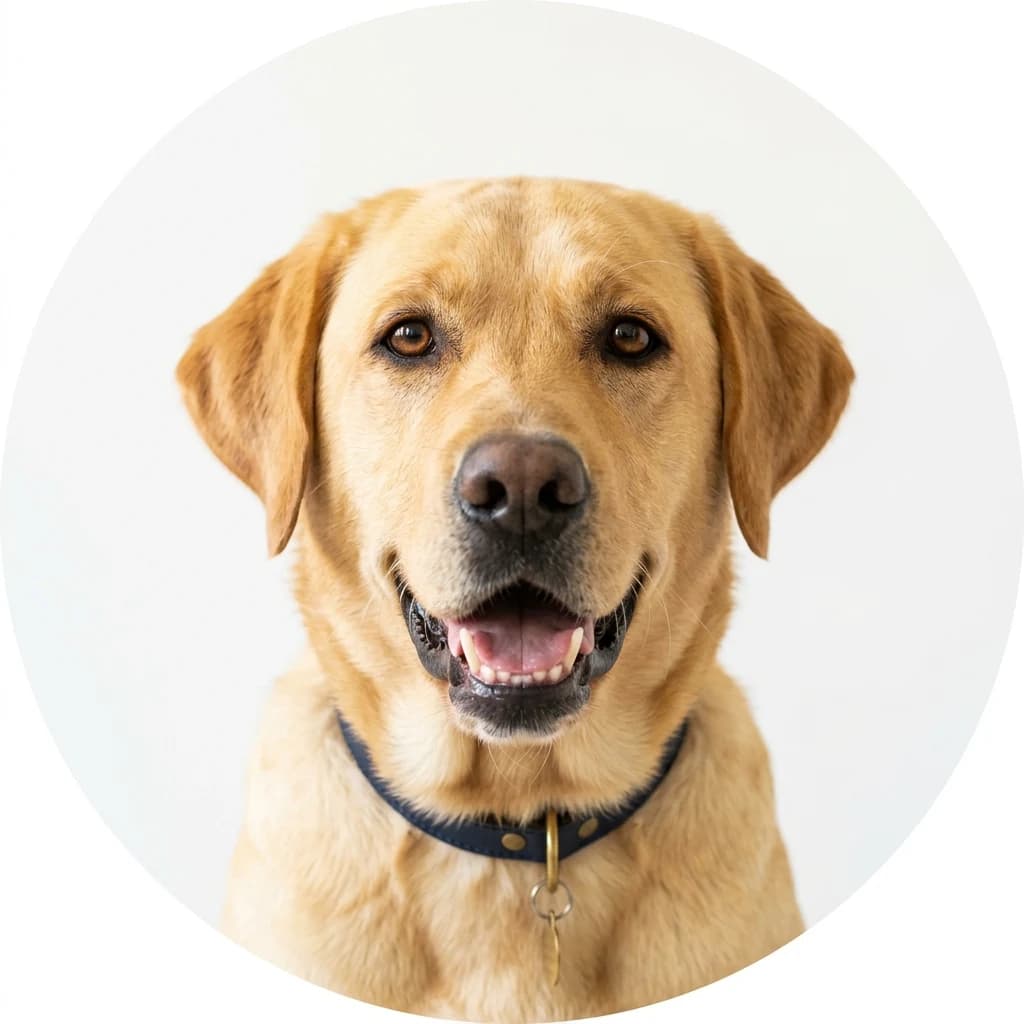
Best Gear for Labrador Retrievers
Labs are energetic, food-motivated dogs prone to obesity, hip dysplasia, and elbow dysplasia. They're heavy shedders with water-resistant double coats.
Labs are energetic, food-motivated dogs prone to obesity, hip dysplasia, and elbow dysplasia. They're heavy shedders with water-resistant double coats.
Weight
80+ lbs
Lifespan
10-12 yrs
Energy
Very High
Shedding
Heavy
Trainability
Easy
What changes your buying decision for a Labrador Retriever
Most gear advice is breed-agnostic. These are the 5traits on this breed’s profile that actually change which product is the right one — each one read straight off the stats above.
Breed profile
Walk gear is a fit decision, not a brand decision
A harness that fits is the one that stays put and stops rubbing. Girth varies far more between individual dogs than between Labrador Retrievers and any other breed, so measure before you buy rather than ordering the size on the breed chart.
Weight · 80+ lbs
Large sizing decides the bed and the crate
At 80+ lbs a Labrador Retriever sits in most brands' large band — but "Large" is a marketing word, not a measurement. Buy to the manufacturer's stated weight rating and the dog's measured length, because the same label covers very different sleeping surfaces from one brand to the next.
Shedding · Heavy
Heavy shedding is a tool problem, not a shampoo problem
Heavy shedding means an undercoat rake or deshedding tool does the work a slicker brush only redistributes. Budget for the tool before the shampoo, and expect seasonal coat blow to set the pace.
Energy · Very High
Buy toys for replacement cost, not novelty
Very High energy sets the toy budget: chase-and-fetch toys and chews get destroyed on a schedule, so durability per dollar matters more than the feature list. No toy substitutes for the exercise itself.
Trainability · Easy
Spend on the reward, not the hardware
Trainability rated "Easy" means most of the budget belongs in rewards and a plain fixed-length leash. Corrective hardware solves a problem this breed does not usually present.
The Labrador Retriever gear checklist
These slots do different jobs, so this is a checklist rather than a comparison — each one links to the ranked picks for that slot, where products are compared against others of the same kind.
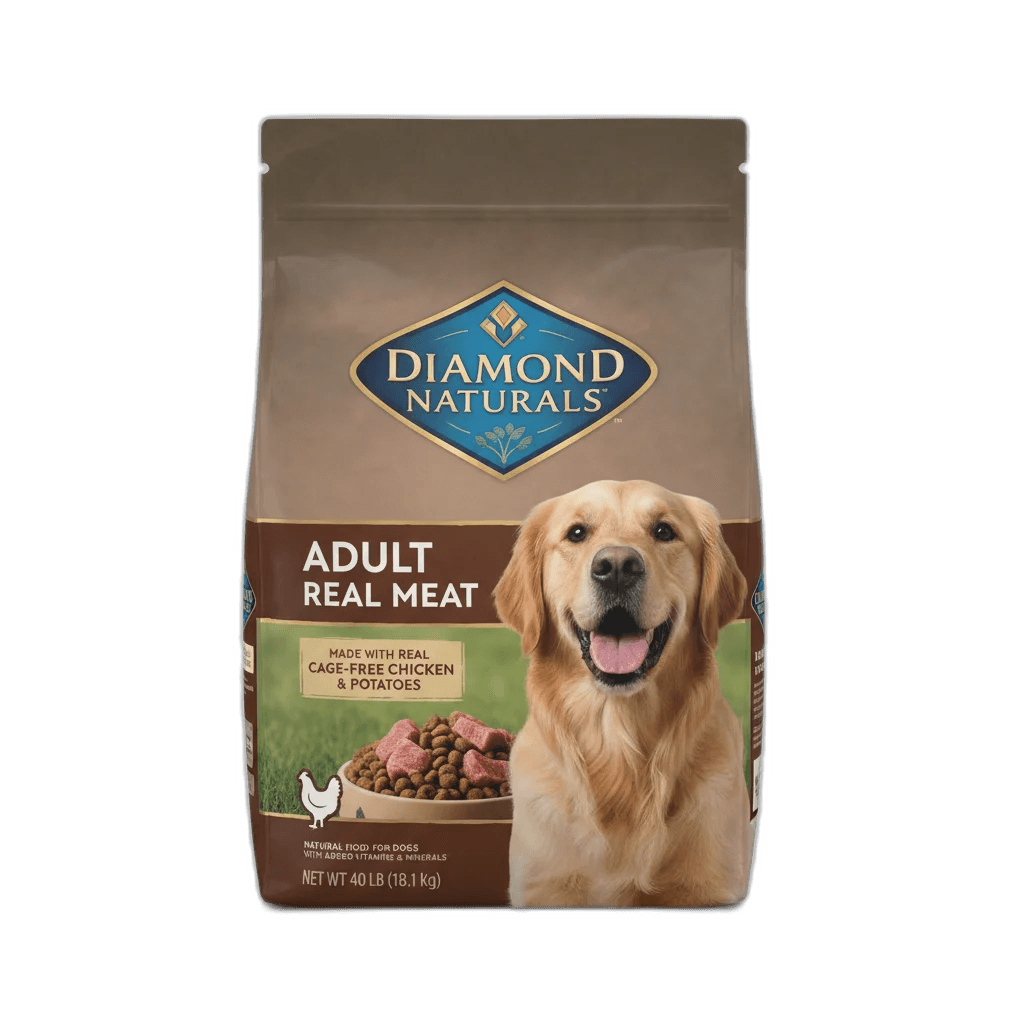
Dry Dog Food
Kibble picks ranked by ingredient quality, protein content, and value per pound.
Current top pick for this slot: Diamond Naturals Adult Real Meat
See all dry dog food picks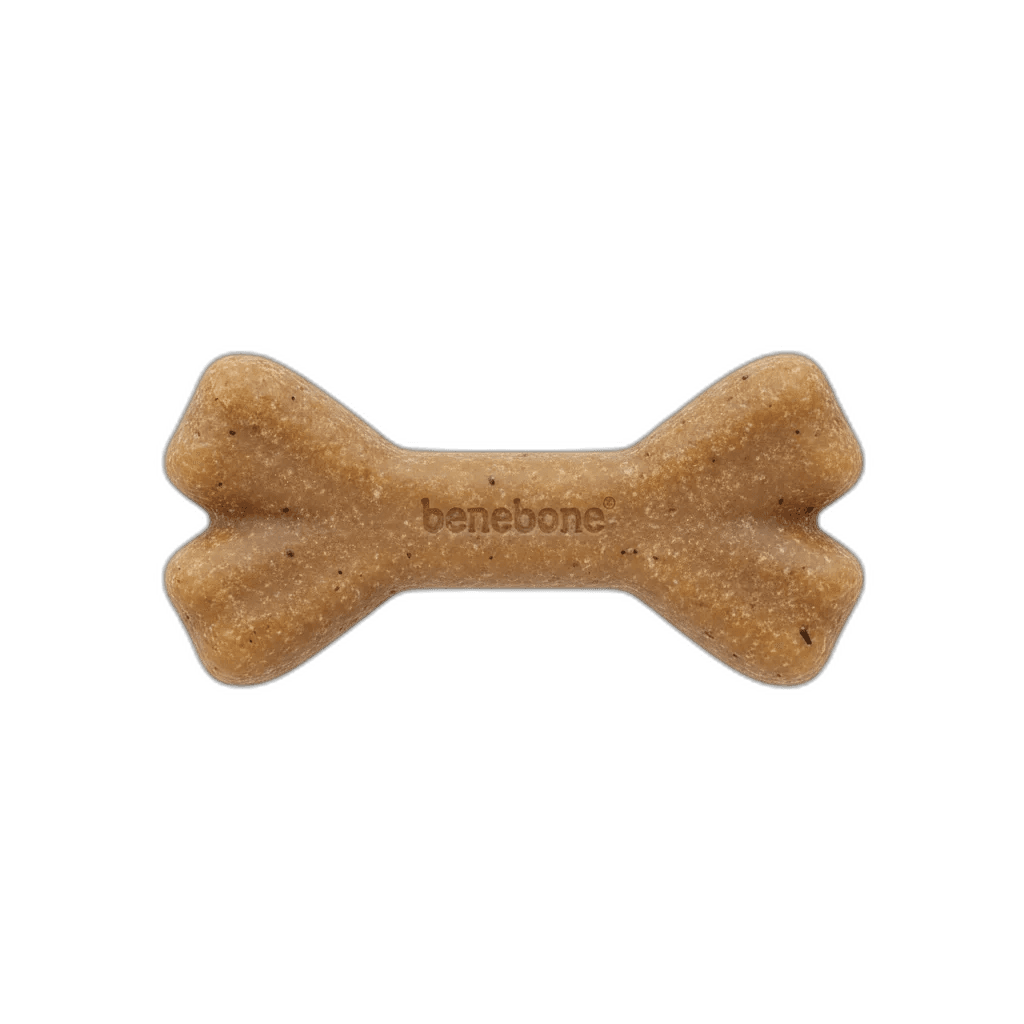
Dog Chew Toys
Durable chew toys for aggressive chewers and teething puppies.
Current top pick for this slot: Benebone Wishbone Chew (Large)
See all dog chew toys picks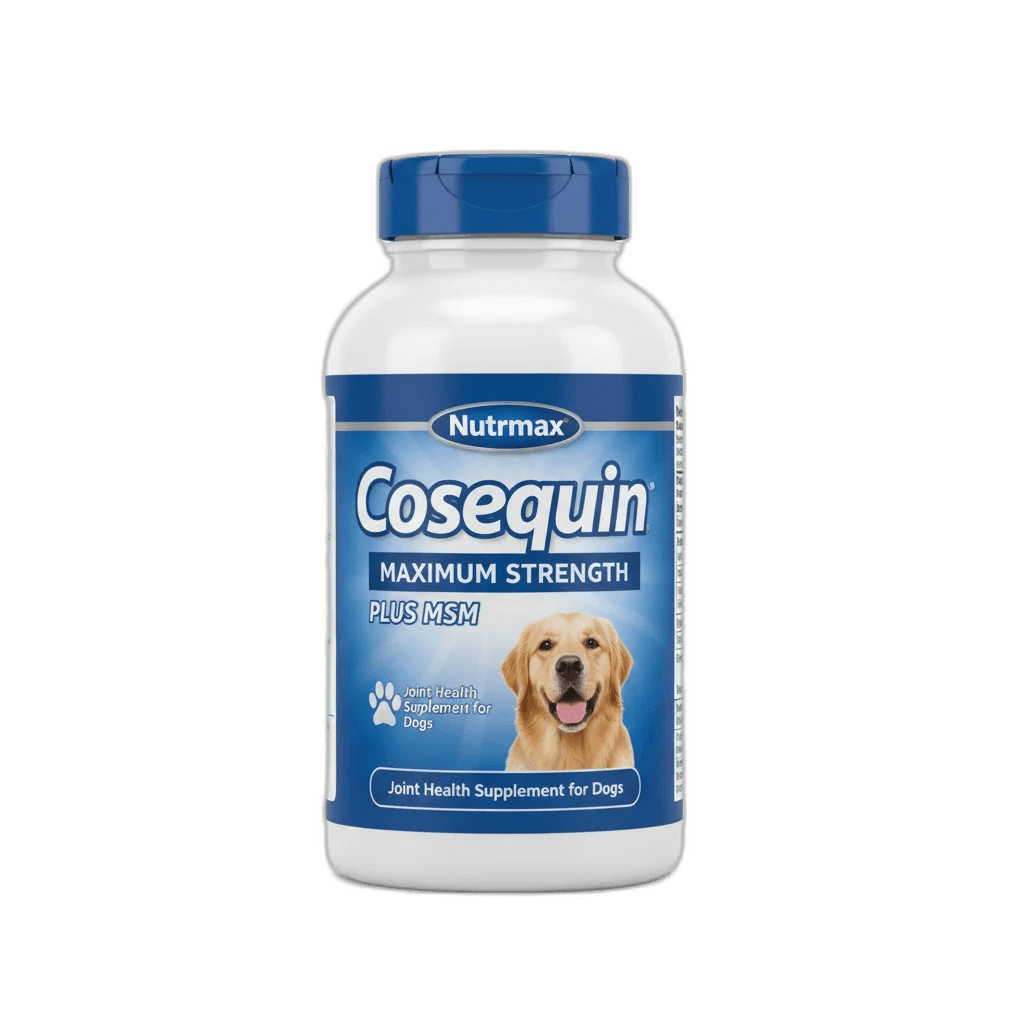
Joint & Mobility Supplements
Glucosamine, chondroitin, and hip & joint support for aging dogs.
Current top pick for this slot: Cosequin Maximum Strength (DS) Plus MSM, 60 ct
See all joint & mobility supplements picks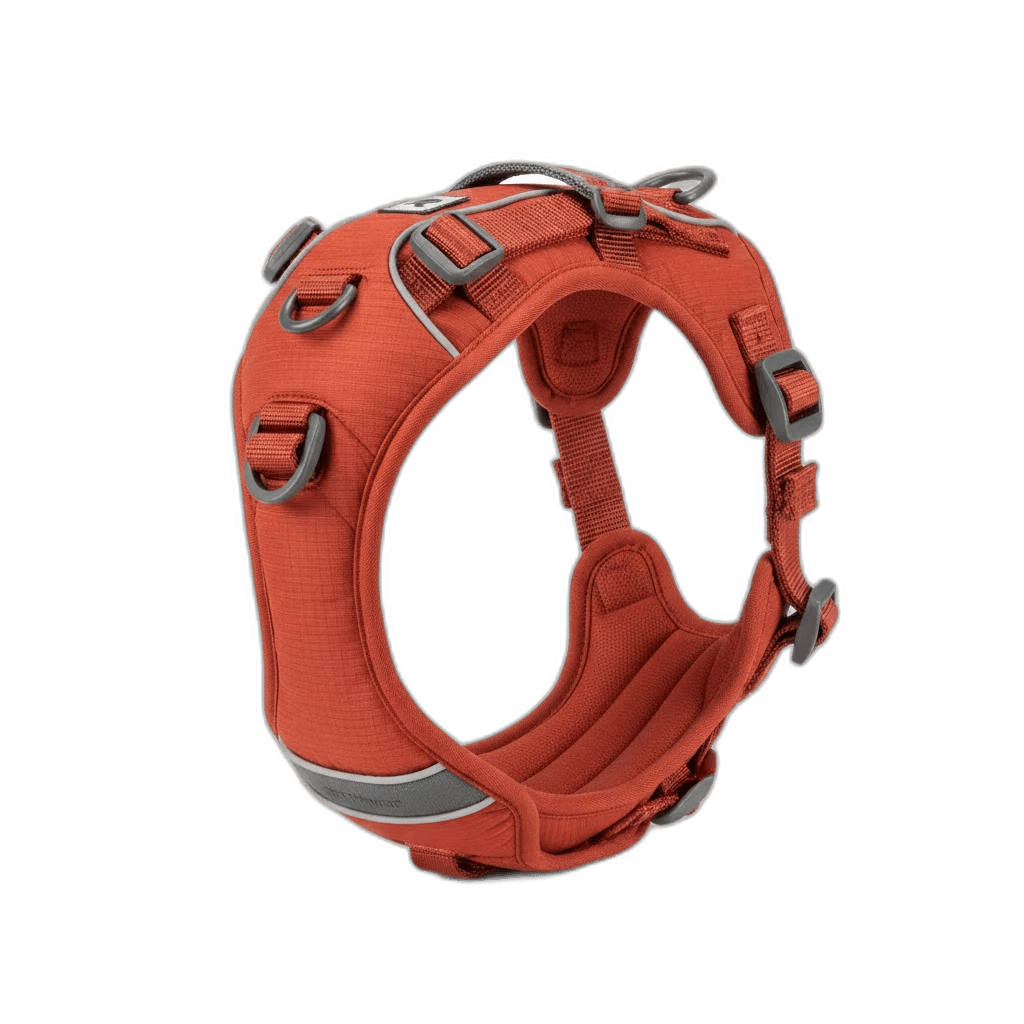
Dog Harnesses
No-pull, front-clip, and padded harnesses for every walking style.
Current top pick for this slot: Ruffwear Front Range Padded Harness
See all dog harnesses picks
Prices are approximate and may vary. Please check the latest price on Amazon. As an Amazon Associate I earn from qualifying purchases.
Life with a Labrador Retriever
Your Lab's tail has destroyed more coffee table contents than any toddler ever could — one enthusiastic wag and three mugs, the TV remote, and your reading glasses are history.
You've watched your Lab eat something off the floor, make eye contact with you while doing it, and then look deeply hurt when you said 'no.' The audacity is breathtaking.
There is exactly one puddle on your entire walk route, and your Lab has found it every single time for three years running. It doesn't matter how you reroute. The puddle will be found.
Your Lab genuinely believes you've been missing for six months every time you come home from the grocery store — full body wiggle, whimpering, the works — for a trip that took 22 minutes.
You cannot eat anything, anywhere in your home, without a pair of enormous sad eyes appearing at your elbow. It doesn't matter if they just ate. The eyes are always available.
Editorial synthesis of r/labrador discussions
r/labrador has a saying that every new owner learns the hard way: Labs don't have an 'off' switch until around age 3-4, and the destruction phase is not a training failure — it's a developmental stage, and the only thing that reliably ends it is time, exercise, and removing anything you love from chewing height.
Paraphrased by PawBench from public discussion — not a quotation, and not a counted sample.
Games Labrador Retrievers Actually Love
Water Retrieve
Throw a bumper or floating toy into a lake, pond, or pool and let your Lab do what their entire lineage was built for. The swim back with the toy
Multi-Dummy Fetch Sequence
Throw two or three tennis balls or bumpers in slightly different directions and send your Lab on sequential retrieves with hand signals. Taps into their hunting retriever instincts by requiring
Find It Scent Game
Hold a treat in your closed fist, let your Lab sniff both hands, then open the correct one when they indicate. Progress to hiding treats under three cups, then around
About the Labrador Retriever
Origin & Build
- •The Labrador Retriever was developed in Newfoundland, Canada, as a fisherman's working dog bred to retrieve nets, ropes,
- •They weigh 55 to 80 pounds and stand 21.5 to 24.5 inches tall, with a solid, athletic build
- •Their dense double coat is water-resistant, comes in black, yellow, or chocolate, and sheds heavily year-round
Temperament
- •Labs are outgoing, eager to please, and among the most trainable breeds — they respond exceptionally well
- •They are genuinely friendly with strangers, children, and other animals, which makes them ideal family dogs but unreliable
- •They maintain puppy-like enthusiasm well into middle age, which is endearing but also means prolonged destructive chewing if
- •Their food obsession is not just a personality quirk — a genetic mutation affecting hunger signals makes portion
Exercise Needs
- •Labs need 60 to 90 minutes of vigorous exercise daily, and they particularly thrive with activities involving water
- •Fetch, running, hiking, and dock diving are all excellent outlets
- •Without sufficient exercise, Labs become destructive, hyperactive, and increasingly difficult to manage
- •They are not a breed that will settle for a leisurely walk around the block
Health Watch
- •Obesity is the number-one health concern and accelerates nearly every other condition Labs are prone to, including hip
- •Exercise-induced collapse (EIC) is a breed-specific genetic condition that causes sudden muscle weakness during intense activity
- •Progressive retinal atrophy can cause vision loss, and ear infections are common due to floppy ears that trap
- •Labrador Retrievers typically live 10 to 12 years with proper care and weight management
Gear Tips
- A front-clip, no-pull harness is essential — Labs are strong pullers, and a front attachment redirects their momentum without putting strain
- Invest in a high-quality undercoat rake and a deshedding tool like a Furminator. Labs shed year-round, and weekly brushing with a thorough
- A slow-feeder bowl or puzzle feeder is non-negotiable for this breed. Labs will inhale food in seconds, increasing bloat risk and contributing
- Heavy-duty chew toys rated for aggressive chewers are a must — Labs have powerful jaws and will shred standard toys quickly. Kong
- A drying coat or chamois towel is invaluable if your Lab swims regularly. Drying their ears thoroughly after every swim prevents
- An orthopedic bed with supportive foam helps protect joints prone to dysplasia, especially as Labs age. Choose a waterproof or water-resistant liner
Keep Them Happy
- Labs are notorious for not knowing when they're tired — always end exercise before they'd choose to, not after, to protect their
- Food puzzle feeders are essential, not optional. A Lab eating from a regular bowl inhales their meal in seconds and is hungry-brained
- Introduce swimming early and often. It's the single best joint-friendly exercise for a high-energy breed whose hips and elbows are their primary
- Labs thrive with a clear daily routine — same walk times, same training windows. Unpredictability makes them anxious and more likely
Buying guides for this breed type
Labrador Retrievers share buying considerations with other breeds in these clusters:
Shop by category
Browse research-backed picks across every product category — not just for Labrador Retrievers.
Frequently Asked Questions
- What is the best harness for a Labrador that pulls?
- A front-clip, no-pull harness is the most effective option for Labs that pull. The front chest attachment redirects their forward momentum to the side, naturally discouraging pulling without causing discomfort. Look for brands rated for 50 to 80-plus pounds with wide, padded straps to prevent
- How do you control shedding on a Labrador Retriever?
- Regular brushing with an undercoat rake two to three times per week significantly reduces loose hair around the house. During the heavy seasonal blowouts in spring and fall, daily brushing with a deshedding tool is necessary. No product will stop a Lab from shedding —
- How do you prevent a Labrador from becoming overweight?
- Strict portion control using a measured cup or kitchen scale is the most important step — never free-feed a Lab. Use a slow-feeder bowl to extend meal times and reduce the speed of intake. Account for all training treats in the daily calorie budget,
- Do Labrador Retrievers need a special bed for their joints?
- Yes, an orthopedic memory-foam bed is strongly recommended, especially given the breed's predisposition to hip and elbow dysplasia. Starting with a supportive bed while they are young helps protect joints proactively. Choose a bed with a removable, washable, and ideally water-resistant cover since Labs are