Why Your Dog Suddenly Refuses to Walk (and What to Do)
Quick Answer
First, rule out pain: the AKC lists refusing to walk and avoiding stairs as signs of pain, and dogs hide it. If a vet clears them, the cause is usually fear or overwhelm, not stubbornness. The evidence-based fix is desensitization and counterconditioning — gradual exposure below the dog's threshold paired with high-value treats. A different harness fixes pulling, not freezing; force and dragging make a fearful dog worse.
On this page7 sections
Our Verdict
A dog that refuses to walk is communicating, not defying. Rule out pain first with a vet, assume fear over stubbornness, and fix it with gradual exposure plus high-value treats (desensitization and counterconditioning) — not a new harness and not force. The gear aisle can't fix a problem that lives in the dog's body or emotions.
How PawBench is paid: we earn an Amazon Associates commission on qualifying purchases. We don’t accept sponsored placements, paid reviews, or free products in exchange for coverage. Picks are ranked on documented owner outcomes and primary-source research, never on commission rate. Read the full methodology.
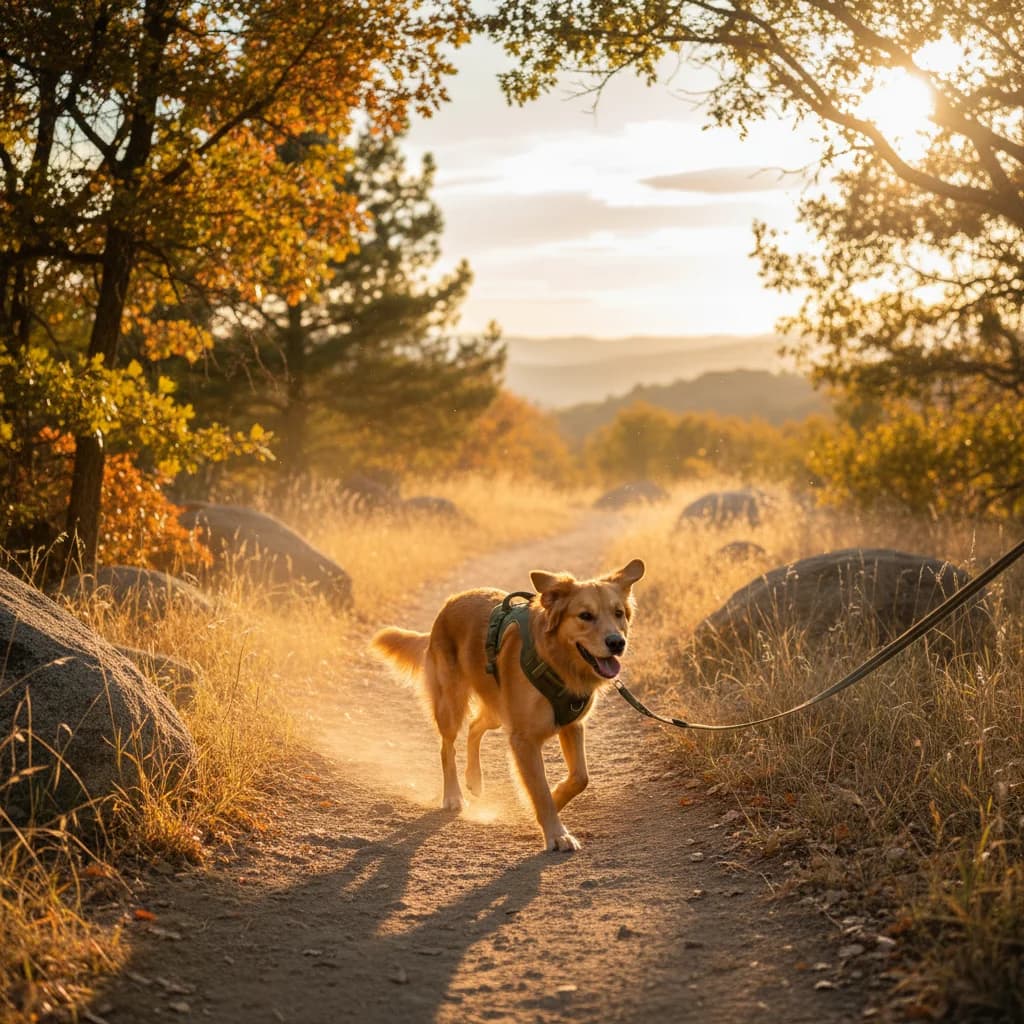
You clip the leash on, step out the door, and your dog plants their feet. They sit down, lie down, or just freeze like a statue. No amount of cheerful "come on!" moves them. Owners often reach straight for a different harness or a heavier hand — but the dog that refuses to walk almost never has a gear problem. They have a reason, and the right fix depends entirely on which reason it is.
This is the honest, sourced breakdown: the three things that actually make a dog stop, how to tell them apart, and what the evidence says works.
Key Takeaways
- Rule out pain first. A dog who used to walk happily and now refuses may be hurting. The American Kennel Club lists "refuse to walk at all" and reluctance to use stairs or jump as mobility signs of pain — and notes dogs are often stoic and mask it.
- Most refusals are fear or overwhelm, not stubbornness. A planted, frozen dog is usually past their comfort threshold, not defying you.
- A new harness will not fix a behavior problem. If your dog freezes from fear or pain, switching gear changes nothing. Address the cause.
- The research-backed fix is gradual exposure plus high-value treats (desensitization and counterconditioning), not coaxing, dragging, or correction.
First, Separate the Three Causes
A dog that won't walk is doing one of three things, and they look different:
| What it looks like | Most likely cause | First move |
|---|---|---|
| Was fine before, now slow, stiff, or won't go at all; avoids stairs/jumping | Pain or illness | Vet visit before any training |
| Freezes, crouches, tail tucked, won't take treats outside the door | Fear / overwhelm | Reduce intensity, build positive associations |
| Young puppy sits and refuses on a leash they've barely worn | Inexperience | Patient positive-reinforcement leash training |
Getting this wrong is the single most common mistake. Forcing a fearful dog forward deepens the fear; "training through" a painful dog can injure them.
Cause 1: Pain — Always Rule This Out First
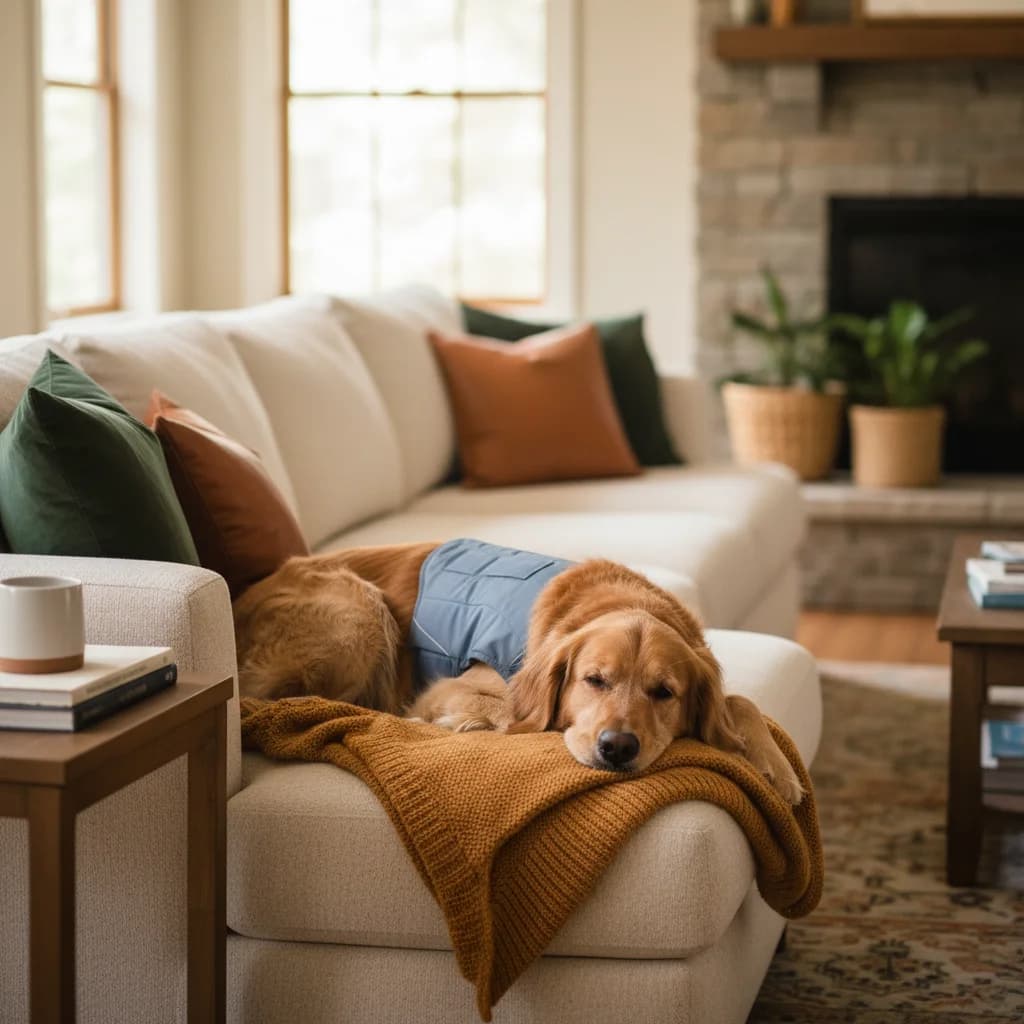
The stoic-dog problem. The AKC notes that pain in dogs can be obvious like limping, or subtle like "simply not going as far as usual on your daily walks." Mobility signs include limping, walking slower than normal, or refusing to walk at all, plus reluctance to use the stairs or jump on and off furniture or into the car.
Dogs evolved to hide weakness, so the only clue may be a behavior change. If your dog used to love walks and now plants, treat it as a medical question until a veterinarian clears them. The AKC's own guidance: keep a record of when the reluctance shows up, and while you wait for the appointment, stop the activity that triggers it — take short bathroom breaks instead of full walks.
Red flags that mean call the vet, not the trainer:
- Sudden onset in a previously eager walker
- Limping, stiffness after rest, or yelping
- Reluctance to use stairs, jump, or be touched in a specific spot
- Any refusal paired with appetite, energy, or bathroom changes
Cause 2: Fear and Overwhelm — The Most Common Reason
A dog that crouches, tucks its tail, and refuses to move is over its threshold — the point past which it can no longer cope with what it's experiencing. This is the version owners misread as stubbornness.
The evidence-based fix is desensitization and counterconditioning (DSCC), the same protocol veterinarians use for noise and fear problems.
How VCA Animal Hospitals describes it: Desensitization gradually and systematically exposes an animal to a trigger "until the stimulus no longer triggers an emotional response," beginning with a very low intensity. Counterconditioning pairs that trigger with "something known to create a positive emotional response" — tasty food treats are the common tool.
What this looks like for a dog that won't leave the porch:
- Start below threshold. If the open sidewalk is too much, reward calm behavior at the front door, then the steps, then a few feet of pavement. Manage distance from whatever scares them — far away first, closer over time.
- Pair the scary thing with great food. Every time the trigger appears (a passing car, a bigger street), a high-value treat appears too.
- Go slow and read the dog. Per VCA, one clear sign you're moving too fast is when your pet "is no longer readily taking treats." If treats stop working, you've gone past threshold — back up.
- Expect it to take time. VCA notes the process "can take a few hours, a few weeks, or even a few months," depending on how strong the emotional response is.
Cause 3: A Puppy Who Simply Hasn't Learned Yet
A young dog that sits down on a brand-new leash usually isn't scared or hurt — the world is just loud and the leash is foreign. The AKC's leash-training guidance is built on positive reinforcement:
- Treats are the motivator. Keep lots of small, exciting treats on hand, both high- and low-value, so being near you is the rewarding place to be.
- Mark and reward movement. Click or use a verbal marker like "yes," then treat every few steps as your puppy moves with you.
- Patience is the whole game. The AKC flags impatience as the big issue it sees — loose-leash walking around distractions takes time for a puppy to understand.
What the Research Does NOT Support
This is where a lot of well-meaning advice goes wrong:
- It does not support dragging or "leash-popping" a frozen dog. Force adds a negative association to the exact thing you want the dog to feel good about — the opposite of counterconditioning.
- It does not support buying a different harness to fix a refusal. If the cause is pain or fear, gear is irrelevant. (A correctly fitted no-pull harness helps a dog that pulls — a different problem entirely. If yours pulls rather than freezes, see how to stop a dog from pulling.)
- It does not support pushing through fear "to build confidence." Continuing exposure when a dog is over threshold worsens fear; the evidence is to stay below it.
When to Get Professional Help
If pain is ruled out and home counterconditioning stalls, that's not failure — it's the signal to bring in a veterinarian or a credentialed positive-reinforcement trainer or behaviorist. The AKC is explicit that seeking professional training support is never a sign of being a bad owner, and there's no need to wait until you're frustrated to ask.
The honest bottom line: A dog that refuses to walk is communicating, not defying. Rule out pain first, assume fear over stubbornness, and fix it with gradual exposure and great treats — not a new harness and not force. The gear aisle can't solve a problem that lives in the dog's body or its emotions.
Research Sources
- Is Your Dog in Pain? Signs and Symptoms of Pain — American Kennel Club
- Introduction to Desensitization and Counterconditioning — VCA Animal Hospitals
- How to Teach a Puppy to Walk on a Leash — American Kennel Club
Your next step
If it's joints, the right gear makes every day easier.

PawBench Editorial
Published by Hilly Shore LabsPawBench’s editorial team researches dog products from primary veterinary sources, manufacturer specifications and aggregated buyer sentiment, alongside the lived ownership of Maggie, an Australian Labradoodle. We do not run hands-on product tests.
254 dog products scored · 1,160,091 buyer review-aspect mentions aggregated · cites AVMA, FDA, AAFCO, Cornell, WSAVA, AKC, ASPCA.
Recommendations are based on published veterinary guidelines, manufacturer specifications, and verified customer feedback. See our editorial standards.