Build the kit the AVMA and AKC actually recommend
Both organizations publish near-identical first-aid kit checklists. The non-negotiable items:
- ASPCA Animal Poison Control number written inside the lid: 888-426-4435. Time is critical for poisoning.
- Your vet's after-hours number and the nearest emergency clinic address.
- Gauze pads and rolled gauze (3x3 and 4x4, plus a 2-inch roll).
- Self-adhering bandage (Vetrap-style, does not stick to fur).
- Blunt-tipped bandage scissors.
- Digital thermometer (normal dog temp 101–102.5°F).
- Tweezers and a tick remover (the spoon-style remover lifts ticks without squeezing the body).
- Saline eye wash (Vetericyn Plus All Animal Eye Wash is purpose-built; sterile human saline works too).
- A hypochlorous-acid wound spray — Vetericyn Plus is the FDA-listed standard.
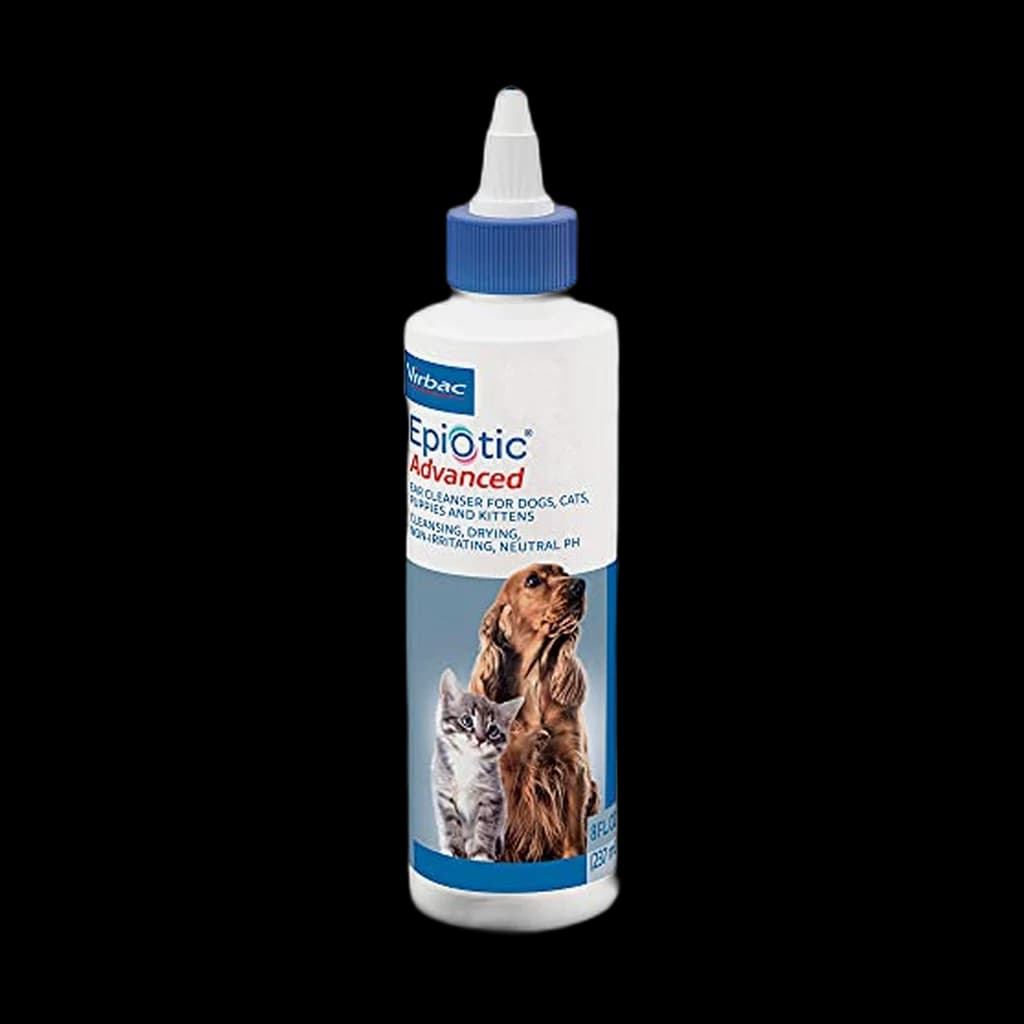
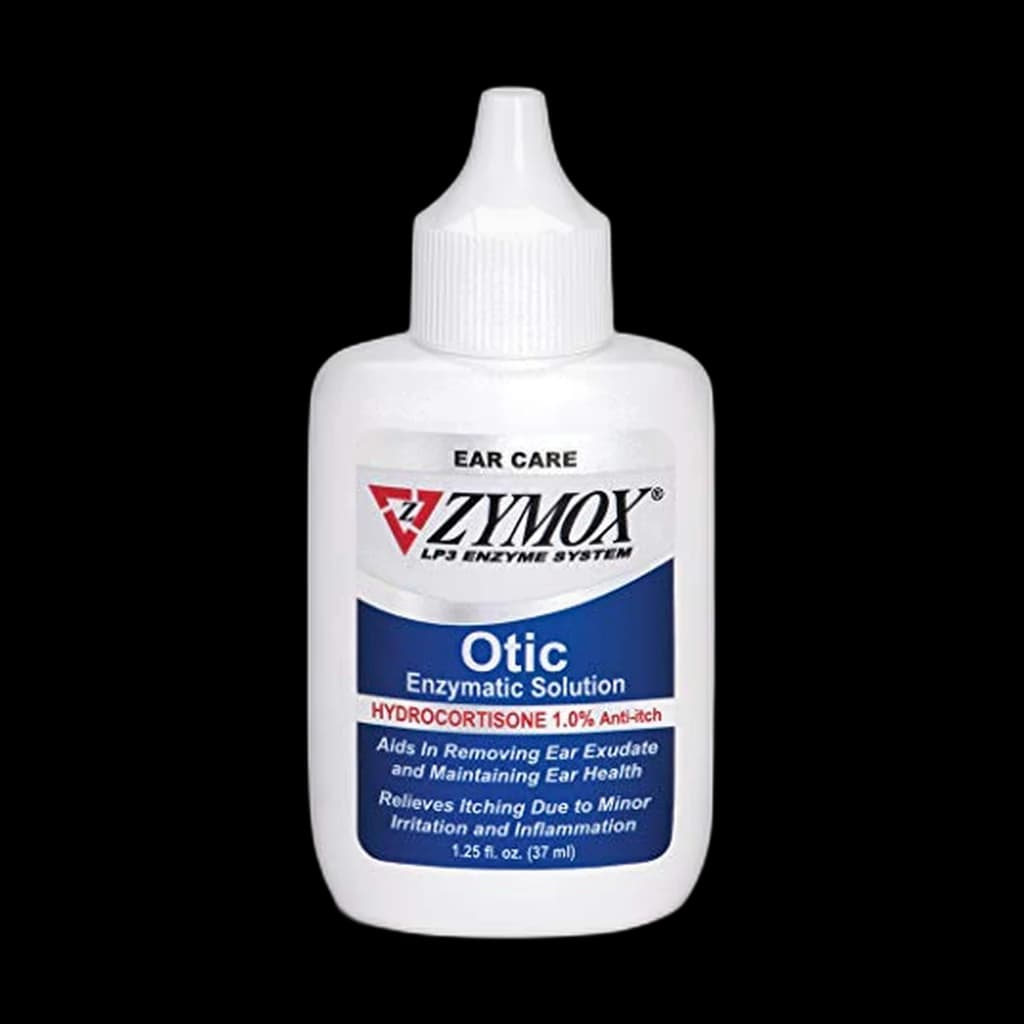
- A vet-approved ear cleaner — Virbac Epi-Otic Advanced or Zymox Otic for chronic cases.
- Paw balm for winter and hot-pavement protection — Musher's Secret is the long-standing AKC pick.
- A pet first-aid reference — the Adventure Medical Kits Me & My Dog kit ships with a Canine Field Medicine booklet; the Red Cross also publishes a free Pet First Aid app.
Wound care — what actually works
The AAHA Wound Management approach is simple: rinse with saline or a hypochlorous-acid spray, control bleeding with direct pressure, cover with non-stick gauze and a self-adhering wrap, and get to a vet if the wound is deeper than the skin, longer than half an inch, near a joint or eye, or still bleeding after 10 minutes of pressure.
Things the guidelines specifically warn against: hydrogen peroxide (damages tissue and delays healing), rubbing alcohol (painful, also damages tissue), Neosporin near the mouth/eyes, and home suturing of anything.
Ear care — the rule that prevents 80% of recurrent infections
Cornell Riney's canine ear guidance: most dog ear infections are secondary to allergies. Cleaning a flopped-ear breed (Cocker, Basset, Lab, Golden, Doodle) once a week with a pH-balanced cleaner prevents the warm-moist-yeasty environment that triggers infection.
How to clean ears at home: fill the ear canal with cleaner, massage the base of the ear for 20 seconds (you'll hear a squelching sound), let your dog shake it out, then wipe the visible part of the ear with cotton or gauze. Never push a cotton swab into the canal — you compact debris against the eardrum.
Virbac Epi-Otic Advanced is the vet-office standard. Zymox Otic (with or without 1% hydrocortisone) is for dogs with chronic recurrent otitis — enzymatic action handles biofilm that mechanical cleaners can't.
Paw care — winter, hot pavement, and rough terrain
Musher's Secret is the long-standing recommendation: a food-grade wax barrier that protects against ice melt (calcium chloride is irritating and toxic if licked), hot pavement (>150°F asphalt on a sunny day will burn pads in 60 seconds), and rough trails.
For already-damaged paw pads — cracks, raw spots from over-running — Natural Dog Company Paw Soother is the most-mentioned healing balm; coconut oil + calendula + shea butter, lick-safe.
Bag Balm (the Vermont lanolin-based salve in the green tin) has been around since 1899 and is still recommended by vets for dry, crusty noses and minor paw cracks. It is not a wound product — use Vetericyn for actual cuts.
When NOT to use first aid
- Bleeding that won't stop after 10 minutes of direct pressure — emergency vet now.
- Suspected poisoning — call ASPCA Animal Poison Control (888-426-4435) FIRST, before inducing vomiting or anything else.
- Limping after a fall, hit by car, or any trauma — do not try to splint at home. Stabilize and transport.
- Eye injury or sudden eye redness — saline rinse only, then vet within hours.
- Hot spots that double in size in a day — bacterial infection requiring vet-prescribed topicals.
- Ear with smell + head tilt or balance loss — middle/inner ear involvement, not OTC territory.
What's NOT first aid (skip these even if Amazon tries to sell them to you)
- Tea-tree-oil-based 'hot spot' sprays. ASPCA Poison Control flag.
- Hydrogen peroxide wound spray. Outdated; AAHA guidance is explicit.
- DIY vinegar ear cleaner. Irritates inflamed epithelium.
- Anything containing xylitol (some human topical creams sneak it in).
- Essential oil 'paw spritzes.' Not regulated, not lick-safe in most concentrations.