Best Dog Harnesses 2025: No-Pull Picks for Every Size
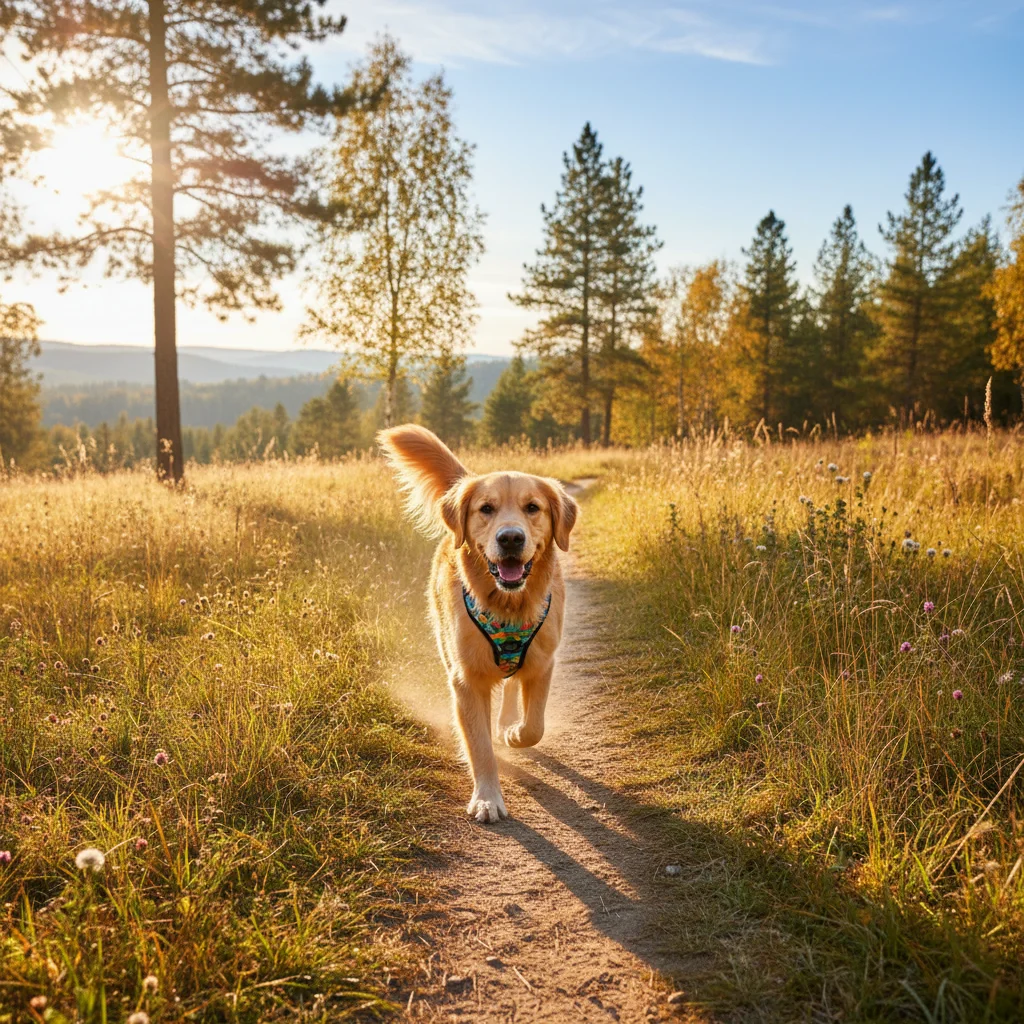
A good harness transforms walking from a frustrating tug-of-war into something you both actually enjoy. The right choice depends on your dog's size, strength, body shape, and pulling behavior -- but the fundamentals apply across all dogs: a harness should distribute force across the chest and torso rather than concentrating it on the trachea like a collar does.
If your dog pulls, lunges, or has any respiratory issues (looking at you, Bulldogs, Pugs, and French Bulldogs), a harness isn't optional. It's essential. We tested 12 harnesses across breeds ranging from Chihuahuas to Great Danes to find the best options at every price point.
Understanding Harness Types: Front-Clip vs. Back-Clip vs. Dual-Clip
The clip position is the single most important decision when choosing a harness, and most owners get it wrong.
Front-Clip Harnesses
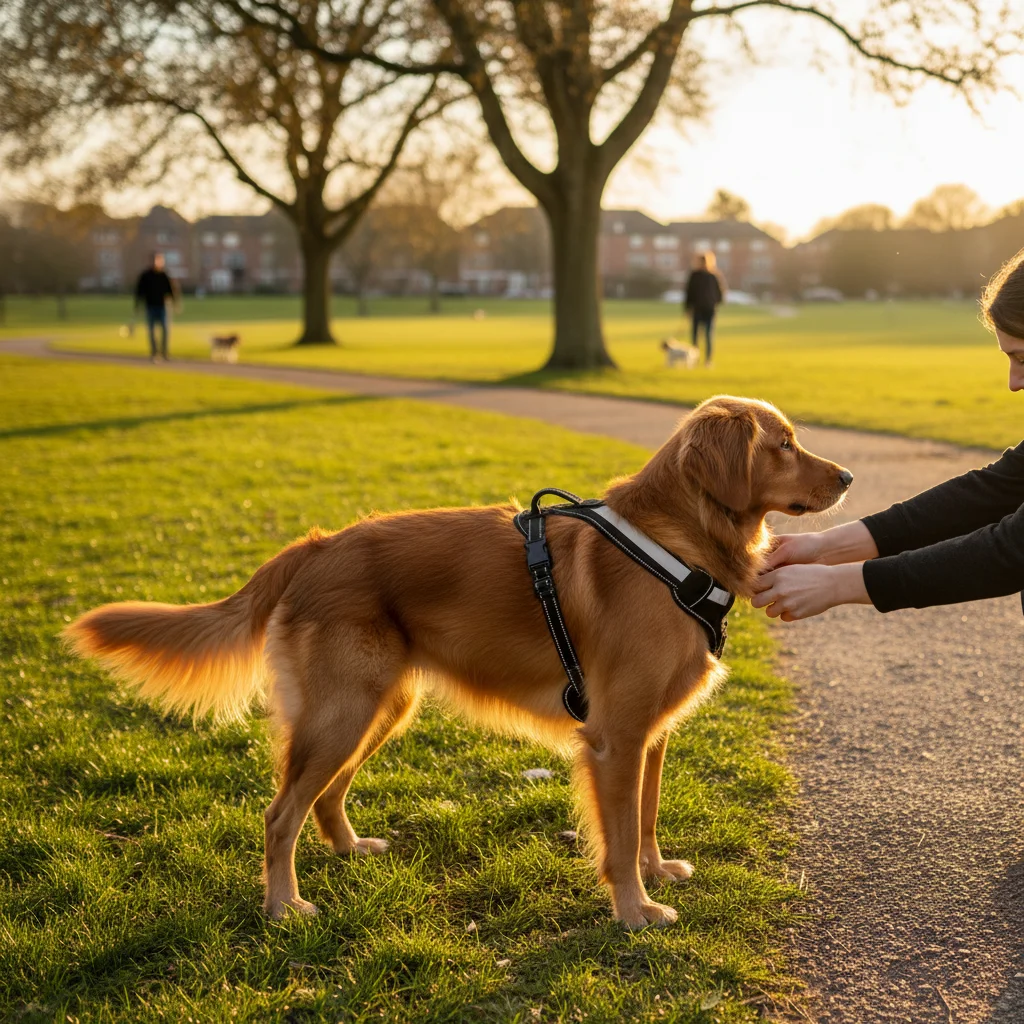
The leash attaches to a D-ring on the chest. When your dog pulls, the harness pivots their body sideways toward you, naturally redirecting their momentum. This is the best choice for dogs in active pull-training because it makes pulling physically less effective without causing pain or discomfort.
Pros: Excellent for training, reduces pulling immediately, redirects rather than restricts Cons: Can cause chafing under the front legs with poor-fitting models, leash can tangle under the dog on long walks
Back-Clip Harnesses
The leash attaches to a D-ring on the back, between the shoulder blades. This is the most comfortable option for dogs that already walk well on leash, and it's essential for small breeds where any forward pressure could cause tracheal damage.
Pros: Most comfortable, no risk of tracheal pressure, easy to clip in Cons: Does nothing to discourage pulling -- in fact, the pulling sensation can trigger a dog's opposition reflex, making pulling worse
Dual-Clip Harnesses
The best of both worlds. A front and back clip lets you use the front attachment during training sessions and switch to the back clip for relaxed walks once your dog has learned leash manners. This is what we recommend for most dogs.
How to Measure Your Dog for a Harness
Getting the right fit prevents chafing, escape, and discomfort. You need two measurements:
- Chest girth: Measure around the widest part of the ribcage, just behind the front legs. This is the primary sizing measurement for most harnesses.
- Neck girth: Measure around the base of the neck where a collar would sit. Some harnesses (especially overhead designs) need this measurement.
Important: Measure with a soft tape measure, not a rigid ruler. Keep two fingers between the tape and your dog's body -- you want a snug fit, not a tourniquet. If your dog falls between sizes, size up and adjust the straps down. A too-small harness restricts movement and causes chafing; a slightly loose harness can be tightened.
| Dog Size | Typical Chest Girth | Harness Size |
|---|---|---|
| Toy (under 10 lbs) | 12-16 inches | XS |
| Small (10-25 lbs) | 16-22 inches | S |
| Medium (25-50 lbs) | 22-30 inches | M |
| Large (50-80 lbs) | 28-36 inches | L |
| XL (80+ lbs) | 34-44 inches | XL |
Our Top Picks
Best Overall: Ruffwear Front Range ($40-$45)
The Ruffwear Front Range is the most versatile harness available and the one we recommend to most dog owners. Two attachment points -- front chest clip for training, back clip for casual walks -- mean it adapts as your dog's leash skills improve. The padded chest and belly straps prevent chafing even on multi-hour hikes, and the four-point adjustment system ensures a precise fit for almost any body shape.
The reflective trim is visible from all angles, the ID pocket on the back panel holds a tag, and the lightweight construction (6 oz for medium) means dogs barely notice they're wearing it. Ruffwear's build quality is exceptional -- the stitching, buckles, and webbing are all designed for years of daily use. We've tested Front Range harnesses that are still functional after 3+ years of daily walks, hikes, and swimming.
Best for: Most dogs. Seriously -- this is the default recommendation for a reason. Sizes: XXS through L/XL Price: $39.95
Best Budget: Rabbitgoo No-Pull Harness ($16-$22)
If the Ruffwear's price gives you pause, the Rabbitgoo is the best value under $25 and the best-selling dog harness on Amazon for good reason. Front and back clips, reflective strips across all straps, adjustable fit across four points, breathable mesh padding -- it has everything you need at a fraction of the Ruffwear's price.
The trade-offs are in durability and finish quality. The stitching isn't as robust, the buckles are standard plastic rather than the Ruffwear's aircraft-grade aluminum, and the padding compresses faster. For casual daily walks, it's perfectly adequate. For serious hiking, trail running, or heavy pulling, invest in the Ruffwear.
Best for: Budget-conscious owners, first harness purchases, dogs with moderate pulling Sizes: XS through XL (fits 5-110 lbs range) Price: $15.99-$21.99
Best for Powerful Dogs: Julius-K9 IDC Powerharness ($30-$50)
For large, powerful breeds -- Rottweilers, Mastiffs, German Shepherds, Pit Bulls -- the Julius-K9 IDC is the working-dog standard used by police and military K9 units worldwide. The top handle gives handlers immediate physical control in situations where verbal commands aren't enough, and the construction is built to withstand forces that would shred consumer harnesses.
The chest strap is extra wide to distribute pulling force, the outer shell is water-resistant and scratch-proof, and the customizable Velcro label patches let you add ID, "Do Not Pet," or service dog identifiers. The buckle closure makes it fast to put on and take off.
The catch: Julius-K9 only has a back clip, no front clip. This means it's not ideal for pull training. It's designed for dogs that are already reasonably trained but need secure containment for their size and power. Pair it with a front-clip training harness for walks where your dog needs guidance.
Best for: Large and giant breeds, working dogs, escape artists, dogs that need a control handle Sizes: Mini-Mini through Size 4 (fits 3-165+ lbs) Price: $27.99-$49.99
Best for Escape Artists: PetSafe Easy Walk Deluxe ($25-$30)
Some dogs -- particularly sighthounds like Greyhounds and Whippets, and any dog with a narrow chest -- can back out of standard harnesses alarmingly easily. The PetSafe Easy Walk Deluxe uses a martingale-style belly loop that tightens slightly when the dog pulls backward, preventing escape without causing discomfort.
The front-clip design provides gentle steering for pullers, and the belly strap sits well behind the front legs to avoid the gait interference that some front-clip harnesses cause. The quick-snap buckles make it easy to get on wriggly dogs.
Best for: Escape-prone dogs, narrow-chested breeds, dogs that back out of harnesses Sizes: Petite through Large Price: $24.95-$29.95
No-Pull Mechanics: How Front-Clip Harnesses Actually Work
Front-clip harnesses don't choke, pinch, or hurt your dog. Instead, they exploit simple physics. When the leash attaches at the chest and your dog lunges forward, the pulling force rotates the dog's body toward you rather than propelling them forward. This makes pulling mechanically inefficient -- your dog learns that pulling doesn't achieve the desired forward motion.
This is fundamentally different from prong collars or choke chains, which use pain as a deterrent. Front-clip harnesses make pulling less rewarding, not painful. The distinction matters enormously for your dog's trust and long-term behavior.
Training tip: Pair any no-pull harness with positive reinforcement. When your dog walks beside you with a loose leash, reward with treats and praise. The harness reduces pulling; your training rewards the alternative behavior. Our harness selection guide covers training techniques in detail.
Harness Care and Maintenance
- Wash monthly in cold water with mild detergent, air dry. Machine washing is fine for most nylon harnesses but avoid the dryer -- heat weakens nylon webbing and can warp plastic buckles.
- Inspect hardware every few weeks. Check buckles for cracks, D-rings for bending, and stitching for fraying. Replace the harness immediately if any hardware shows wear -- a buckle failure on a busy street can be catastrophic.
- Re-measure every 6 months. Dogs' body shapes change with season, age, and weight fluctuations. A harness that fit perfectly in October might be too loose in April after winter weight gain.
The Bottom Line
For most dogs, the Ruffwear Front Range is the best long-term investment -- it's versatile, durable, and comfortable enough for all-day wear. The Rabbitgoo delivers 80% of the performance at 40% of the price. For powerful breeds, the Julius-K9 is the professional standard, and the PetSafe Easy Walk solves the escape problem for slippery dogs.
Choose a harness based on your dog's pulling strength and body shape, not on what looks coolest. A well-fitted harness makes every walk better and keeps your dog safe whether you're strolling around the block or traveling cross-country. And for breed-specific exercise recommendations that make the most of your walks, check out our dog exercise guide.
Note: Links to Amazon may earn us an affiliate commission at no extra cost to you.