
Best Gear for Schnoodles
The Schnoodle pairs the Schnauzer's alert watchdog intelligence with the Poodle's low-shedding trainability — producing a spirited, loyal, and often spunky companion that comes in toy, miniature, standard, and giant sizes.
A cross between miniature schnauzer × poodle
The Schnoodle pairs the Schnauzer's alert watchdog intelligence with the Poodle's low-shedding trainability — producing a spirited, loyal, and often spunky companion that comes in toy, miniature, standard, and giant sizes.
Weight
6-10 lbs
Lifespan
12-16 yrs
Energy
Very High
Shedding
Minimal
Trainability
Easy
What changes your buying decision for a Schnoodle
Most gear advice is breed-agnostic. These are the 5traits on this breed’s profile that actually change which product is the right one — each one read straight off the stats above.
Breed profile
Walk gear is a fit decision, not a brand decision
A harness that fits is the one that stays put and stops rubbing. Girth varies far more between individual dogs than between Schnoodles and any other breed, so measure before you buy rather than ordering the size on the breed chart.
Weight · 6-10 lbs
Small sizing decides the bed and the crate
At 6-10 lbs a Schnoodle sits in most brands' small band — but "Large" is a marketing word, not a measurement. Buy to the manufacturer's stated weight rating and the dog's measured length, because the same label covers very different sleeping surfaces from one brand to the next.
Shedding · Minimal
Low-shedding is not low-maintenance
Hair that does not fall out mats instead, so a minimal-shedding coat needs a slicker brush and a metal comb used more often — not an expensive vacuum. This is the buying decision people get backwards.
Energy · Very High
Buy toys for replacement cost, not novelty
Very High energy sets the toy budget: chase-and-fetch toys and chews get destroyed on a schedule, so durability per dollar matters more than the feature list. No toy substitutes for the exercise itself.
Trainability · Easy
Spend on the reward, not the hardware
Trainability rated "Easy" means most of the budget belongs in rewards and a plain fixed-length leash. Corrective hardware solves a problem this breed does not usually present.
The Schnoodle gear checklist
These slots do different jobs, so this is a checklist rather than a comparison — each one links to the ranked picks for that slot, where products are compared against others of the same kind.
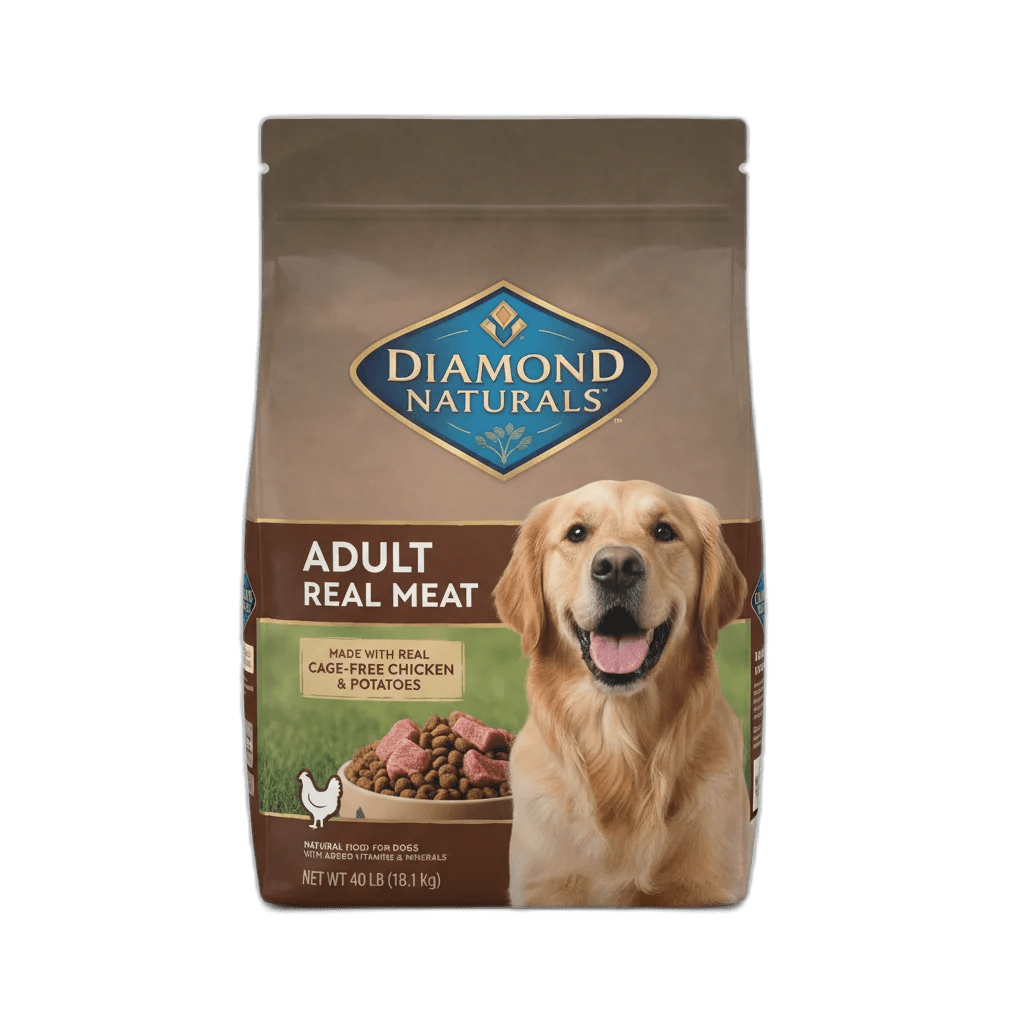
Dry Dog Food
Kibble picks ranked by ingredient quality, protein content, and value per pound.
Current top pick for this slot: Diamond Naturals Adult Real Meat
See all dry dog food picks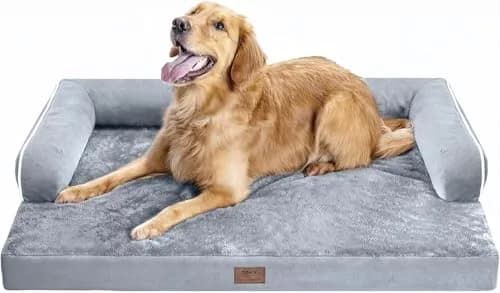
Bolster & Sofa Dog Beds
Beds with raised edges for dogs who like to lean, nest, or rest their head.
Current top pick for this slot: MEKIY Orthopedic Washable Dog Bed with Bolster for Medium
See all bolster & sofa dog beds picks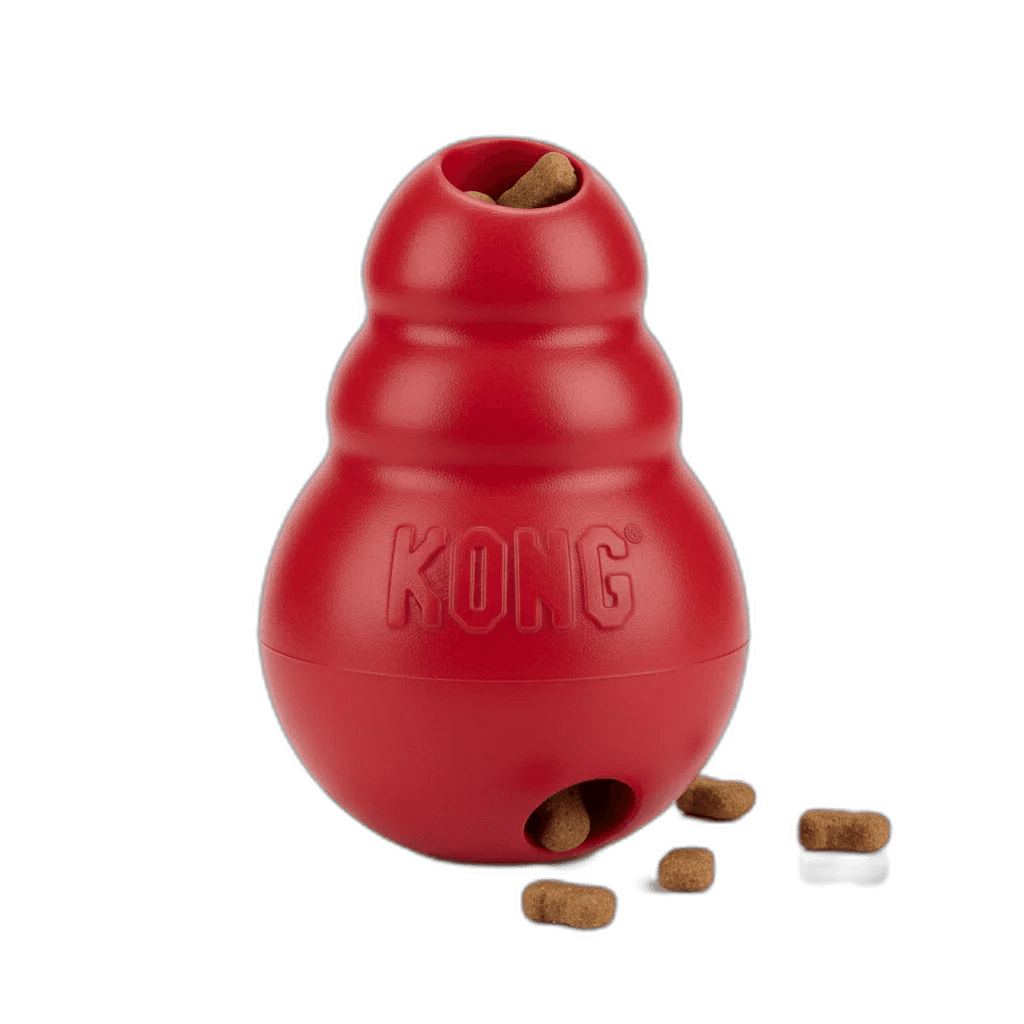
Puzzle & Treat Dispensing Toys
Interactive toys that challenge your dog's brain and slow down fast eaters.
Current top pick for this slot: Kong Wobbler Treat Dispensing Toy
See all puzzle & treat dispensing toys picks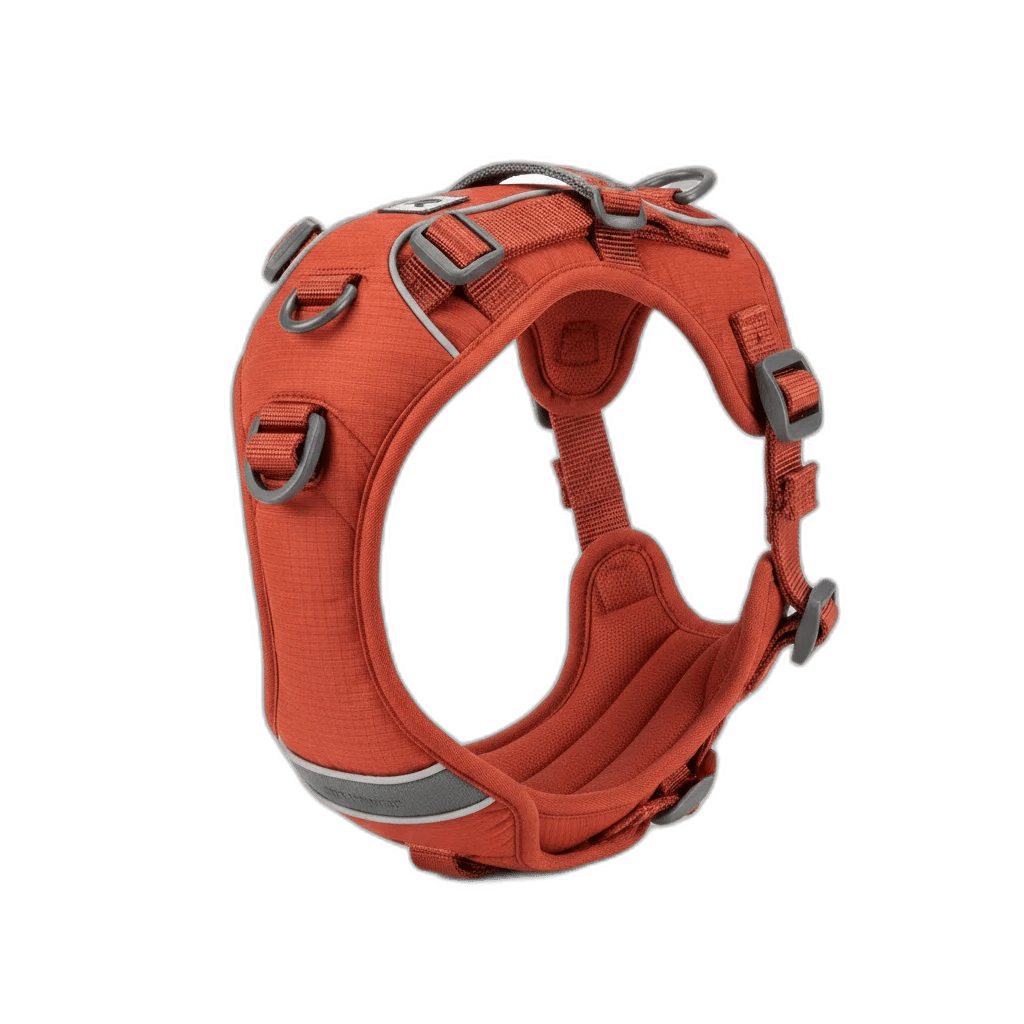
Dog Harnesses
No-pull, front-clip, and padded harnesses for every walking style.
Current top pick for this slot: Ruffwear Front Range Padded Harness
See all dog harnesses picks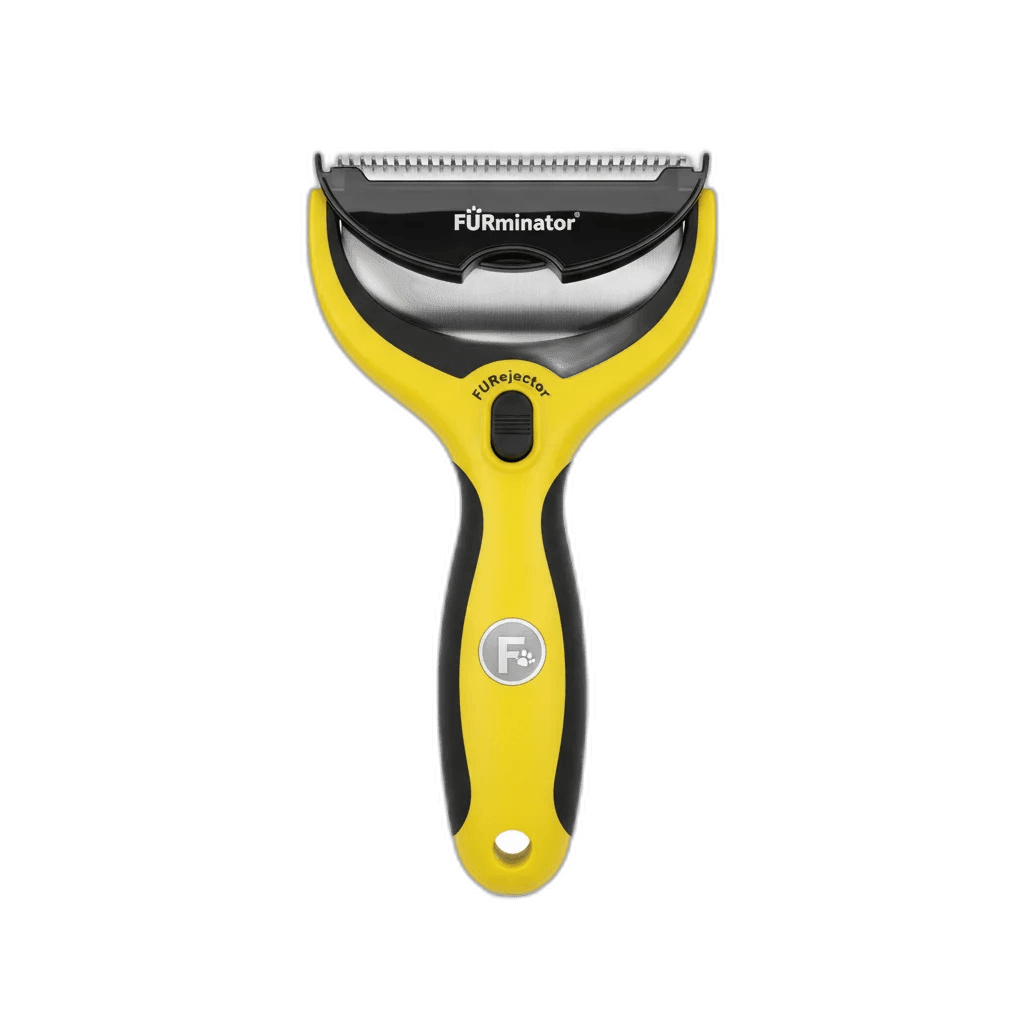
Dog Brushes & Deshedding Tools
Slicker brushes, undercoat rakes, and deshedding tools for every coat type.
Current top pick for this slot: FURminator Undercoat Deshedding Tool (Large)
See all dog brushes & deshedding tools picks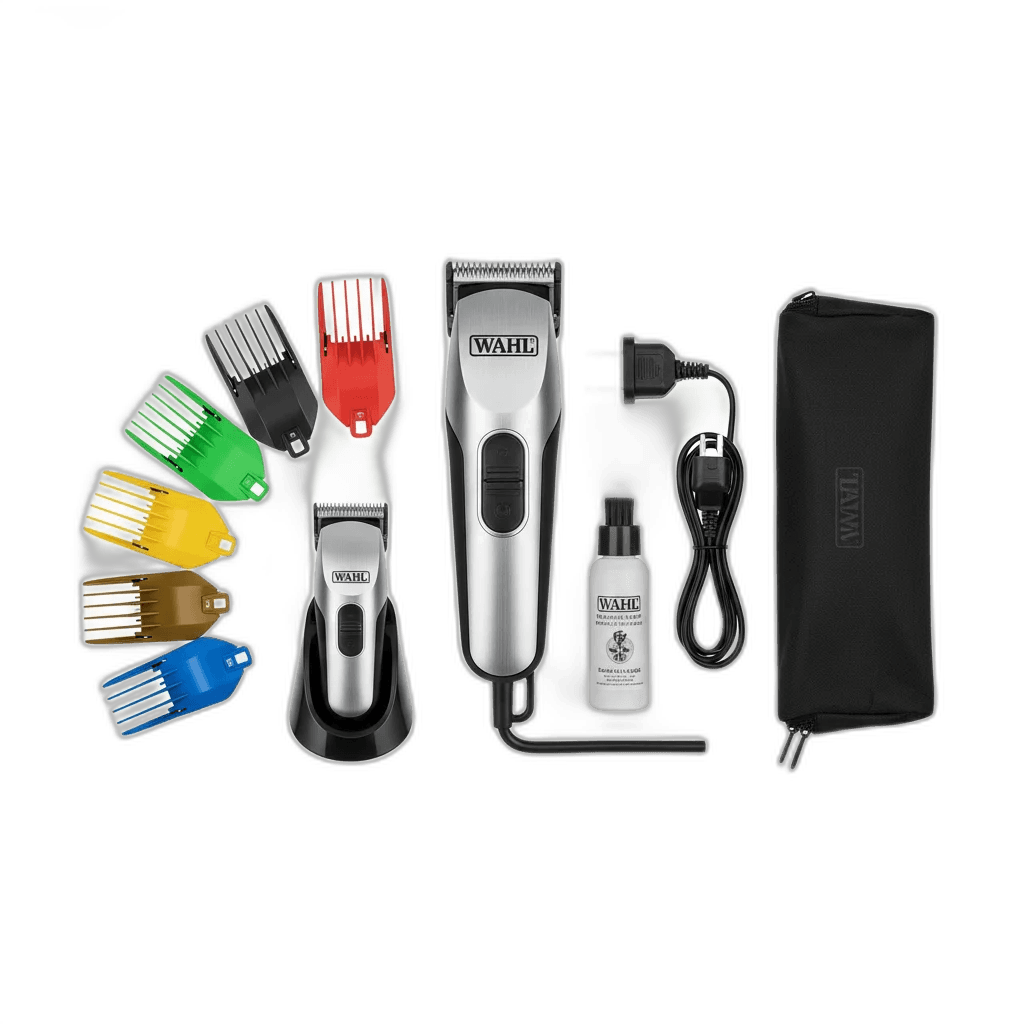
Dog Clippers & Trimmers
Cordless clippers and trimming kits for home grooming.
Current top pick for this slot: Wahl Lithium Ion Pro Series Clipper Kit
See all dog clippers & trimmers picks
Prices are approximate and may vary. Please check the latest price on Amazon. As an Amazon Associate I earn from qualifying purchases.
Life with a Schnoodle
Your Schnoodle will take their watchdog role completely seriously — every Amazon delivery, every passing bicycle, every neighbor's cough will be announced, and they will look at you expectantly until you acknowledge the threat.
The intelligence combination of two working breeds means they figure things out faster than you plan for — childproof locks, treat storage, and your daily routine are all reverse-engineered within weeks.
They are more selective about who they like than most doodles — strangers don't get the immediate golden retriever welcome, they get a measured Schnauzer assessment that takes five to ten minutes to resolve favorably.
Once you're in their inner circle, the loyalty is absolute — Schnoodles pick their people and commit with a depth of devotion that genuinely surprises first-time owners.
The vocal habits are not going away entirely, but with training they become purposeful — a Schnoodle that has been trained will bark once to alert and stop; an untrained one will go indefinitely.
Editorial synthesis of public dog-owner discussions
Schnoodle owners consistently describe two defining traits: the Schnauzer alertness and vocal habits are more pronounced than in other doodles and require deliberate training, and the intelligence and loyalty of the combination make them one of the most deeply connected companions once they've decided you're their person.
Paraphrased by PawBench from public discussion — not a quotation, and not a counted sample.
Games Schnoodles Actually Love
Find the Intruder
A nose work game where you hide a toy or scented object in progressively harder locations — the Schnoodle's alert watchdog instinct and working-breed nose combine to make searching games
Obedience Sequences
The exceptional combined intelligence of this cross means they excel at complex command chains — heel, sit, down, stay, recall, spin, all in sequence — and the mental engagement
Tug with Rules
A structured tug session with clear 'take it' and 'drop it' rules satisfies the Schnauzer's confident physical engagement style — the key is that you set the rules and
About the Schnoodle
Origin & Build
- •The Schnoodle first emerged in the 1980s as breeders began pairing Schnauzers and Poodles — two of
- •The cross can use any combination of Schnauzer size (Miniature, Standard, or Giant) with Poodle size (Toy, Miniature,
- •Toy and miniature Schnoodles are the most common
- •Coats are typically wavy to curly with low to minimal shedding in most individuals
Temperament
- •Schnoodles are spirited, alert, and loyal dogs that combine the Poodle's social intelligence with the Schnauzer's confident watchdog
- •They bond intensely with their families and are genuinely affectionate within that circle, but show the Schnauzer's characteristic
- •They tend to be vocal, using barking as communication more readily than most doodle crosses
- •Their independent streak means they need consistent, clear boundaries from puppyhood
Exercise Needs
- •Exercise needs scale with size — toy Schnoodles need 20 to 30 minutes daily, miniatures 30 to 45
- •All sizes benefit from mental stimulation through training and puzzle activities — two working-breed parents produce a dog
- •Fetch, agility, and obedience work are all excellent outlets
Health Watch
- •Patellar luxation is common in toy and miniature sizes
- •Hip dysplasia occurs in standard and giant Schnoodles
- •Legg-Calve-Perthes disease (hip joint degeneration) appears in smaller individuals, inherited from Miniature Schnauzer lines
- •Pancreatitis is a significant risk for Miniature Schnauzer crosses due to hereditary high triglyceride levels — avoid high-fat
Gear Tips
- Avoid high-fat treats entirely for Miniature Schnauzer-cross Schnoodles — the pancreatitis risk is real and dietary fat is the primary trigger; choose
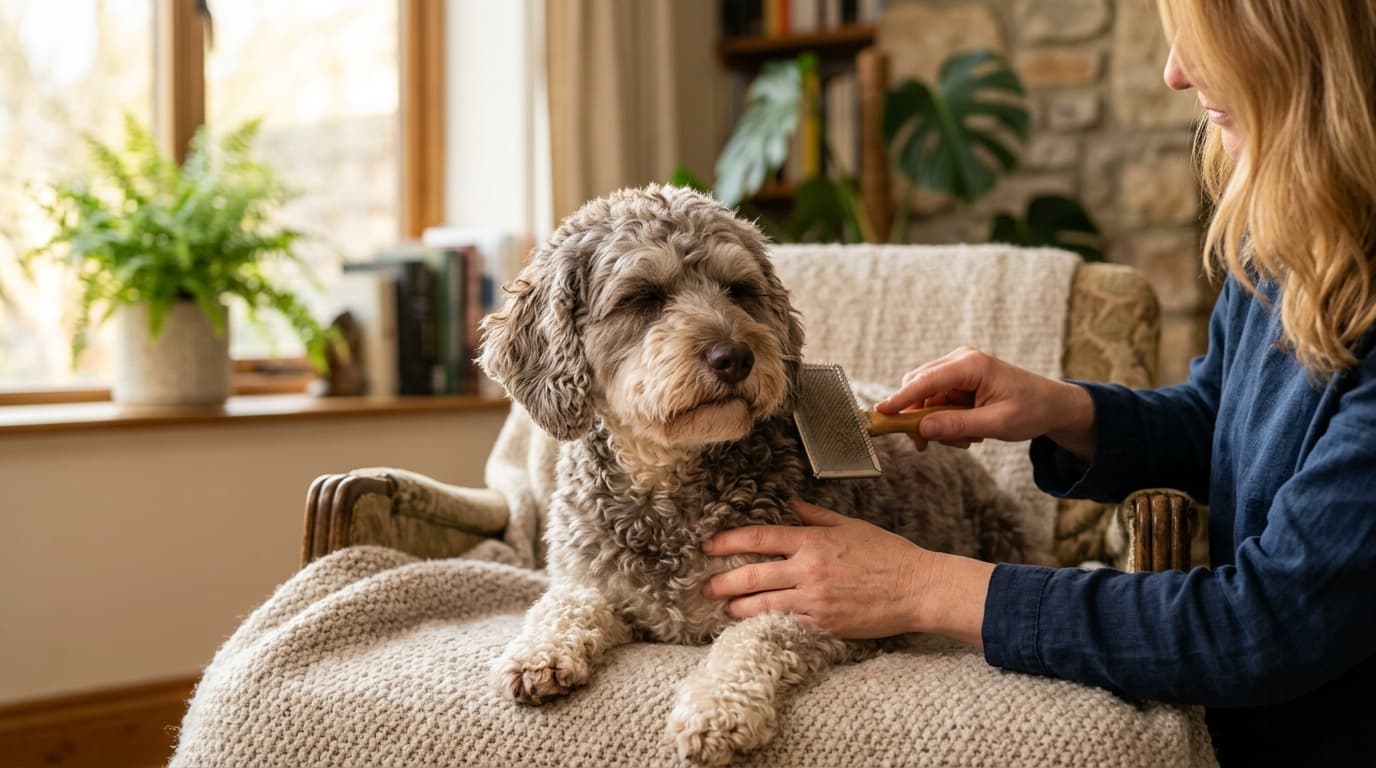
- A slicker brush and metal comb used every two to three days handles the Schnoodle coat whether it leans Poodle-soft or Schnauzer-wiry
- Train the 'quiet' command early using positive reinforcement — Schnoodles inherit the Schnauzer's vocal watchdog instinct and will bark to alert
- A front-clip harness handles leash reactivity well for this alert, confident breed — Schnoodles may bark or lunge at perceived strangers
- Mental enrichment toys at two to three difficulty levels rotated weekly satisfy the extraordinary combined intelligence of this cross — two
Keep Them Happy
- Channel the watchdog instinct into structured 'alert and stand down' training — teach the dog to bark once on a trigger, then
- Use training sessions as mental exercise — 10 to 15 minutes of obedience or trick work tires a Schnoodle more than
- Expose puppies to strangers and novel situations deliberately and early — the Schnauzer wariness needs positive socialization experiences between 8 and 16
- Dietary management is a long-term engagement tool for Schnoodles from Miniature Schnauzer lines — use low-fat, high-value treats for training to maximize
Buying guides for this breed type
Schnoodles share buying considerations with other breeds in these clusters:
Shop by category
Browse research-backed picks across every product category — not just for Schnoodles.
Frequently Asked Questions
- Do Schnoodles bark a lot?
- More than most doodle crosses, yes — the Schnauzer's watchdog heritage produces a dog that uses barking as a primary communication tool. Schnoodles tend to alert bark at strangers, unfamiliar sounds, and perceived intrusions. This behavior can be managed significantly with consistent 'quiet' command training
- Are Schnoodles good watchdogs?
- Excellent watchdogs — they are alert, attentive to their surroundings, and vocal when something seems off. The Schnauzer's protective instinct and the Poodle's perceptiveness combine to produce a dog that genuinely notices changes in environment and communicates them reliably. They are not guard dogs (they
- How much grooming does a Schnoodle need?
- Moderate to high — most Schnoodles have low-shedding coats that require brushing every two to three days and professional grooming every six to eight weeks. The coat texture varies: dogs with more Poodle influence have softer, curlier coats that mat more readily; dogs with more
- Are Schnoodles good for first-time dog owners?
- Moderately — they are highly trainable and respond well to positive reinforcement, but the Schnauzer independence means they push boundaries more than Golden Retriever-based crosses. First-time owners who are willing to be consistent with training from day one will succeed. Owners who prefer an extremely