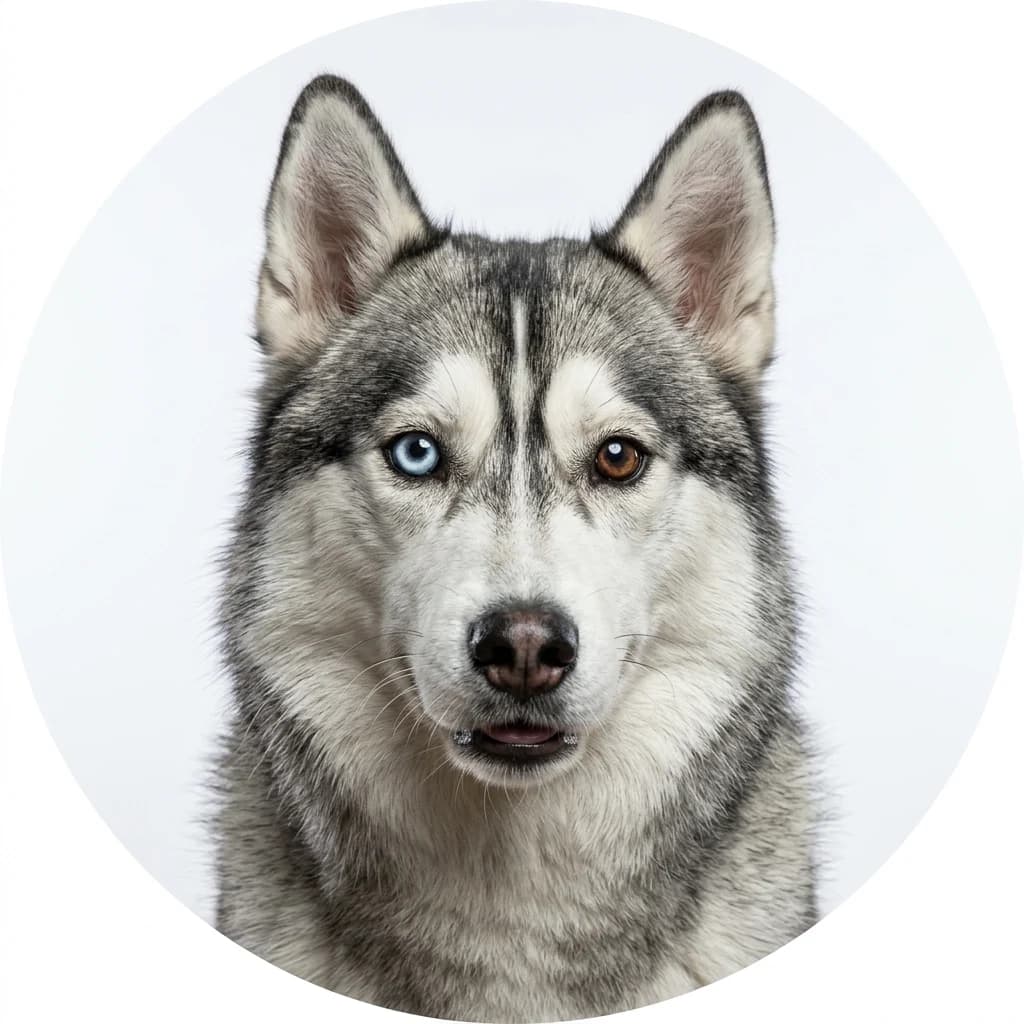
Best Gear for Siberian Huskys
Huskies are high-energy, escape-artist sled dogs with a thick double coat built for subzero temperatures. They're prone to hip dysplasia, cataracts, and corneal dystrophy, and they shed massively twice a year.
Huskies are high-energy, escape-artist sled dogs with a thick double coat built for subzero temperatures. They're prone to hip dysplasia, cataracts, and corneal dystrophy, and they shed massively twice a year.
Weight
35-60 lbs
Lifespan
12-14 yrs
Energy
Moderate
Shedding
Heavy
Trainability
Stubborn
What changes your buying decision for a Siberian Husky
Most gear advice is breed-agnostic. These are the 5traits on this breed’s profile that actually change which product is the right one — each one read straight off the stats above.
Breed profile
Walk gear is a fit decision, not a brand decision
A harness that fits is the one that stays put and stops rubbing. Girth varies far more between individual dogs than between Siberian Huskys and any other breed, so measure before you buy rather than ordering the size on the breed chart.
Weight · 35-60 lbs
Large sizing decides the bed and the crate
At 35-60 lbs a Siberian Husky sits in most brands' large band — but "Large" is a marketing word, not a measurement. Buy to the manufacturer's stated weight rating and the dog's measured length, because the same label covers very different sleeping surfaces from one brand to the next.
Shedding · Heavy
Heavy shedding is a tool problem, not a shampoo problem
Heavy shedding means an undercoat rake or deshedding tool does the work a slicker brush only redistributes. Budget for the tool before the shampoo, and expect seasonal coat blow to set the pace.
Energy · Moderate
One durable chew, one active toy
Moderate energy suits a small rotation rather than a big shelf — one hard-wearing chew for downtime and one active toy for the daily session.
Trainability · Stubborn
High-value food is the leverage, not the gadget
Trainability rated "Stubborn" means the payoff comes from what you are paying with. High-value training treats and short sessions move this breed further than any piece of hardware, which is worth knowing before you buy a training tool.
The Siberian Husky gear checklist
These slots do different jobs, so this is a checklist rather than a comparison — each one links to the ranked picks for that slot, where products are compared against others of the same kind.
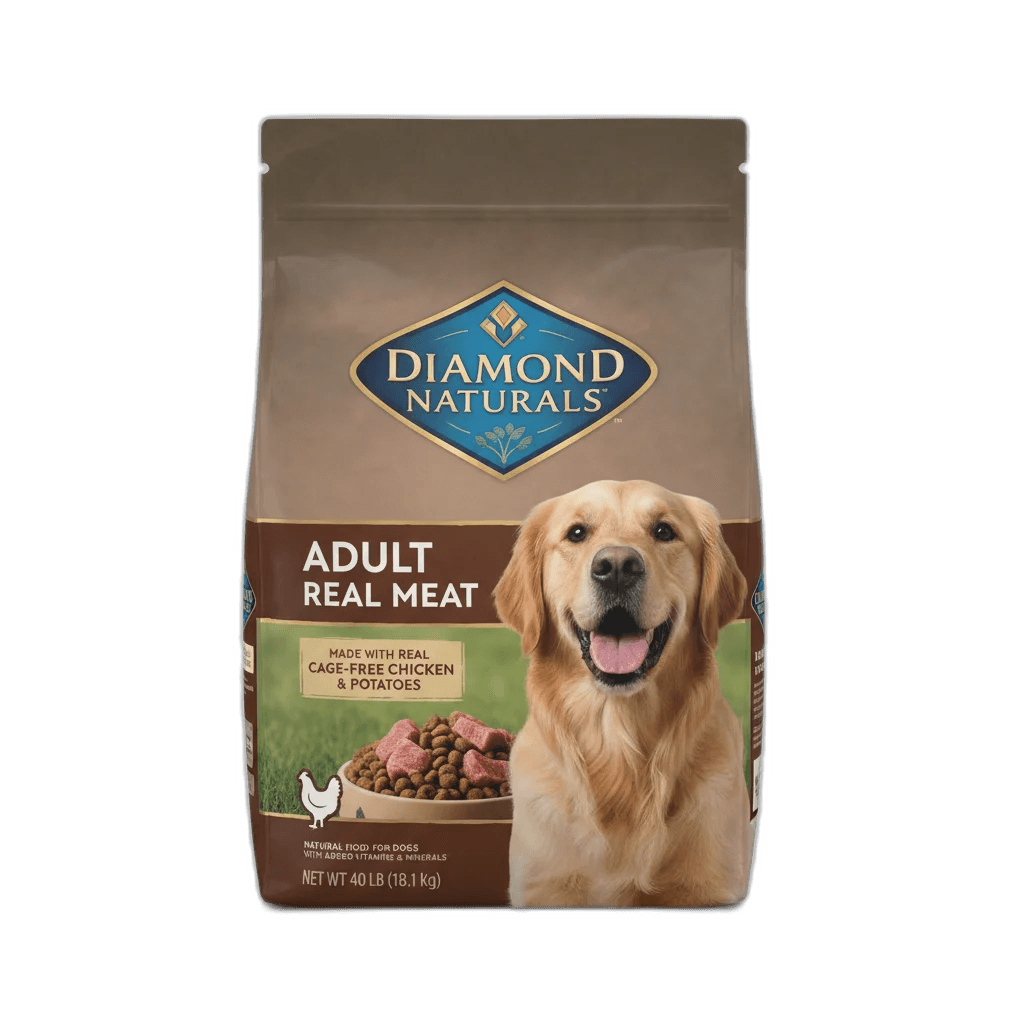
Dry Dog Food
Kibble picks ranked by ingredient quality, protein content, and value per pound.
Current top pick for this slot: Diamond Naturals Adult Real Meat
See all dry dog food picks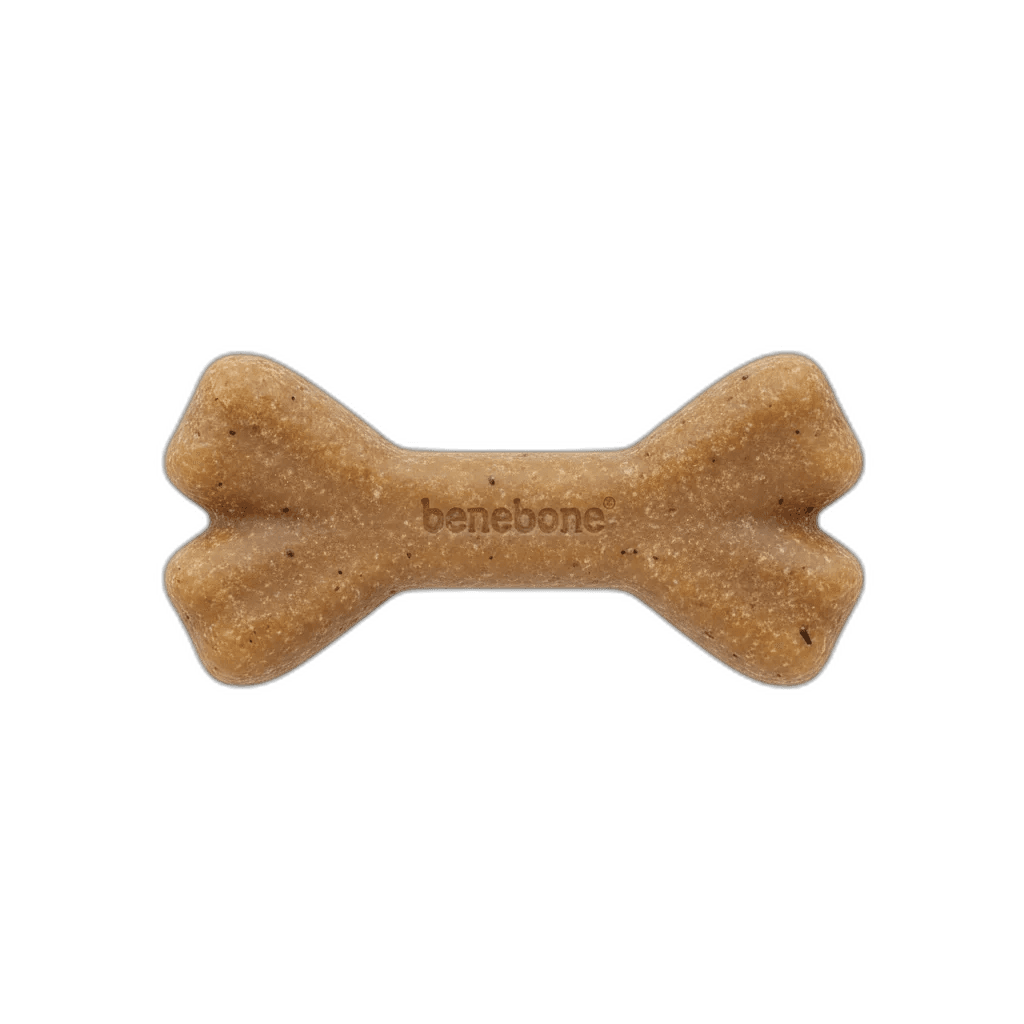
Dog Chew Toys
Durable chew toys for aggressive chewers and teething puppies.
Current top pick for this slot: Benebone Wishbone Chew (Large)
See all dog chew toys picks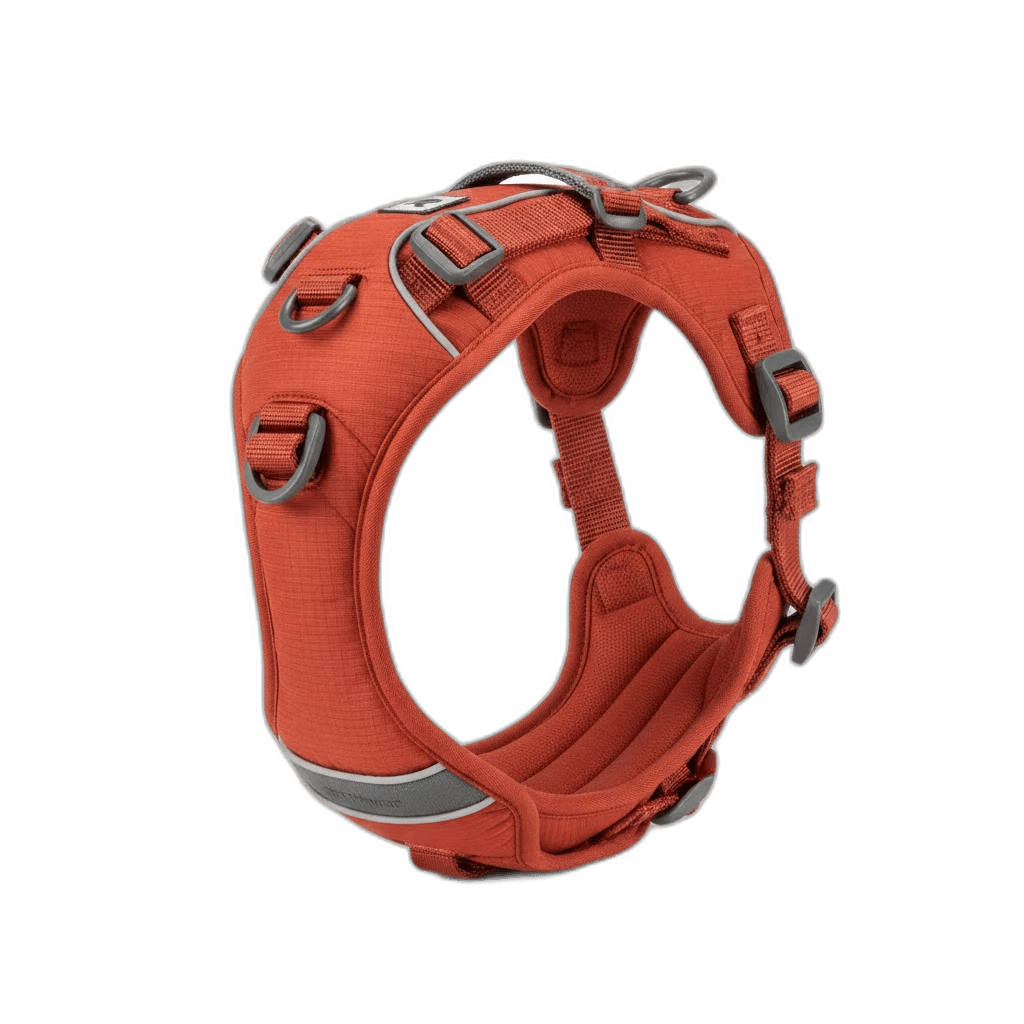
Dog Harnesses
No-pull, front-clip, and padded harnesses for every walking style.
Current top pick for this slot: Ruffwear Front Range Padded Harness
See all dog harnesses picks
Prices are approximate and may vary. Please check the latest price on Amazon. As an Amazon Associate I earn from qualifying purchases.
Life with a Siberian Husky
Your husky will hold eye contact with you, let out a long, mournful howl-speech, and you will genuinely wonder if they're lodging a formal complaint about breakfast timing.
Your husky hears you call their name from across the yard and makes direct eye contact — then slowly, deliberately, looks away. They heard you. They simply disagree.
You will find tufts of fur in your coffee, your keyboard, your contacts case, and one mysterious clump behind the toilet that wasn't there yesterday.
Every single fence you've ever trusted will be tested, assessed, and eventually defeated. Huskies treat 'contained' as a temporary state.
Your husky will be completely fine with -20°F but will collapse dramatically on the kitchen floor when the thermostat hits 70°F.
Editorial synthesis of r/husky discussions
Across r/husky discussions, one theme recurs: a tired husky is not a good husky — a mentally tired husky is. You can run them for two hours and they'll still redecorate your couch; give them twenty minutes of scent work and they'll sleep like the dead.
Paraphrased by PawBench from public discussion — not a quotation, and not a counted sample.
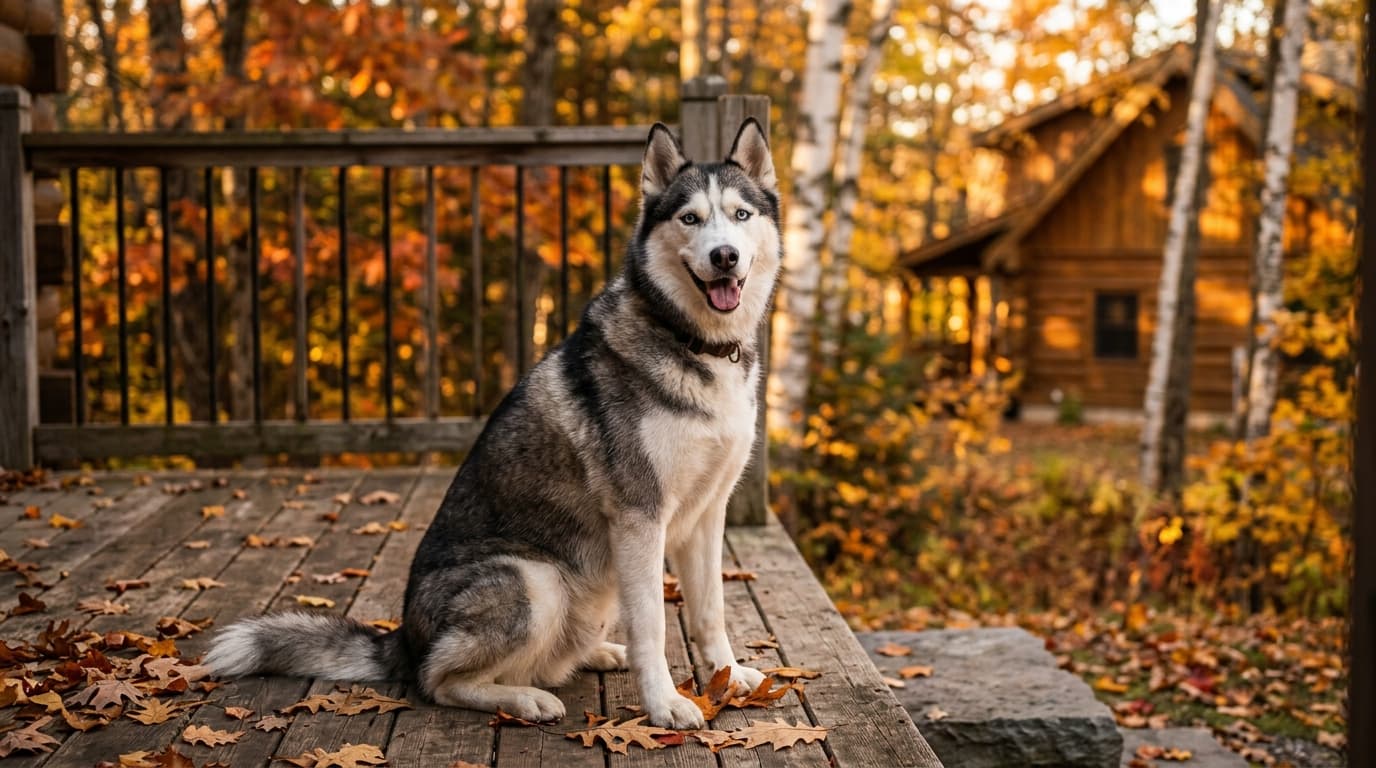
Games Siberian Huskys Actually Love
Howl-Along Call-and-Response
Huskies are deeply vocal and respond to 'conversation.' Start howling or making a high-pitched sound and wait for them to answer back — most huskies will match your tone, escalate
Backyard Scent Trail Chase
Drag a treat or a piece of your clothing across the yard in a zigzag pattern, then hide at the end of the trail. Huskies were bred to work across
Flirt Pole Sprint
A flirt pole (essentially a giant cat wand for dogs) triggers a husky's prey drive and lets them sprint, twist, and pounce in a small space. Two minutes of flirt
About the Siberian Husky
Origin & Build
- •Siberian Huskies were developed by the Chukchi people of Siberia over thousands of years as endurance sled dogs
- •Males stand 21 to 23.5 inches and weigh 45 to 60 pounds; females are 20 to 22 inches
- •Their dense double coat features a soft undercoat and a longer, straight outer coat, coming in nearly every
Temperament
- •Huskies are pack-oriented, friendly, and remarkably gentle with people — they make terrible guard dogs because they love
- •They're independent and intelligent but famously difficult to train in the traditional sense; they understand commands but decide
- •They have a strong prey drive toward small animals and an unshakeable instinct to run, which means off-leash
- •They're vocal dogs who howl, talk, and yodel rather than bark
Exercise Needs
- •Siberian Huskies need 1 to 2 hours of vigorous exercise daily — and that means real exercise, not
- •Running, bikejoring, skijoring, hiking, and pulling sports are ideal outlets for their endurance-athlete genetics
- •Without sufficient physical and mental exercise, Huskies become destructive, vocal, and adept at engineering elaborate escape attempts
- •They have virtually limitless stamina in cool weather but should not be exercised hard in temperatures above 70
Health Watch
- •Hip dysplasia affects a notable percentage of Huskies and should be screened for by responsible breeders
- •Eye conditions are particularly common, including juvenile cataracts, corneal dystrophy, and progressive retinal atrophy — annual eye exams
- •Hypothyroidism and zinc-responsive dermatosis are also seen in the breed
- •Lifespan is 12 to 14 years, which is good for a medium-sized breed
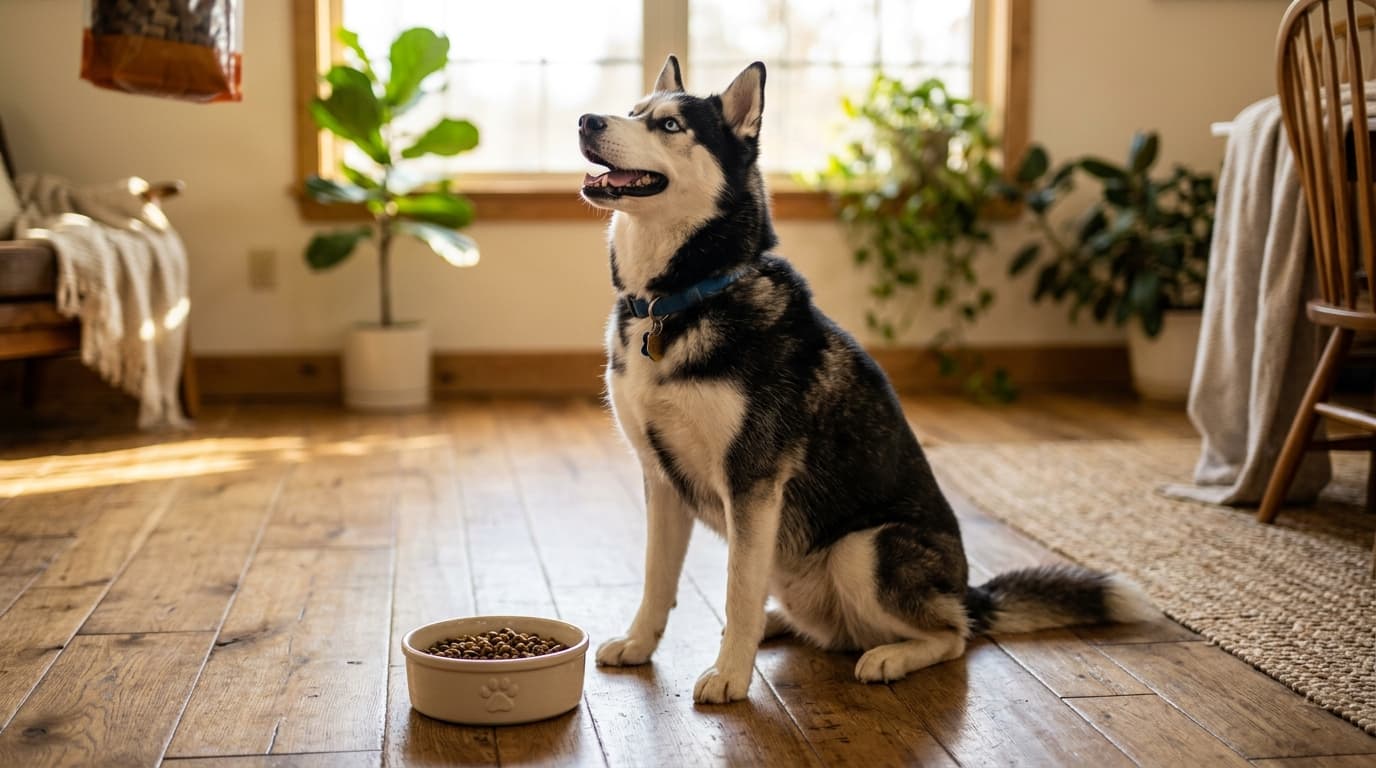
Gear Tips
- A secure, escape-proof harness is non-negotiable — Huskies are Houdinis, so look for a padded Y-front harness with multiple adjustment points
- Invest in a professional-grade undercoat rake and a high-velocity dryer for coat blowing season — a standard brush won't cut it when
- Get a heavy-duty, escape-proof crate with reinforced latches — standard wire crates are often defeated by determined Huskies who learn to manipulate
- A hands-free running leash or bikejoring setup channels their pulling instinct into something productive — Huskies were born to pull, and fighting
- A cooling vest is essential for any Husky living outside arctic climates — their double coat retains heat dangerously in warm weather,
- Use puzzle feeders and snuffle mats for meals to provide mental stimulation — a Husky who eats from a boring bowl
Keep Them Happy
- Rotate puzzle feeders and Kong-stuffed frozen meals — huskies solve the same puzzle in thirty seconds once they've learned it, so novelty
- Enroll in nose work or scent detection classes. Huskies were bred to cover miles of terrain making decisions independently; scent work scratches
- Never free-feed a husky. Making them work for every meal (sit, down, wait, puzzle feeder) turns daily routine into brain exercise.
- Consider dog sledding, skijoring, or canicross — huskies were literally built to pull, and giving them a job they were bred
Buying guides for this breed type
Siberian Huskys share buying considerations with other breeds in these clusters:
Shop by category
Browse research-backed picks across every product category — not just for Siberian Huskys.
Frequently Asked Questions
- What's the best harness for a Husky that pulls?
- For walk training, a front-clip harness like the Freedom No-Pull redirects pulling force to the side and discourages lunging. For running or pulling sports, a padded sled-style harness distributes force across the chest and shoulders safely. Avoid any harness that restricts shoulder movement, as Huskies
- How do you deal with Husky shedding?
- During the twice-yearly coat blow, daily sessions with an undercoat rake (like the FURminator or SleekEZ) are essential — expect this to last 2 to 4 weeks. A high-velocity pet dryer speeds up the process dramatically by blowing loose fur out of the coat. Year-round,
- Can Siberian Huskies live in warm climates?
- Huskies can adapt to warmer climates, but you need to manage their exercise carefully. Walk and run them during the coolest parts of the day (early morning or after sunset), always provide shade and fresh water, and use a cooling vest during outdoor activity. Air
- What kind of fence do you need for a Husky?
- A minimum 6-foot fence with no footholds for climbing and an L-footer or buried wire at the base to prevent digging under. Huskies are legendary escape artists who can scale chain-link fences, squeeze through surprisingly small gaps, and dig tunnels with impressive speed. Some owners