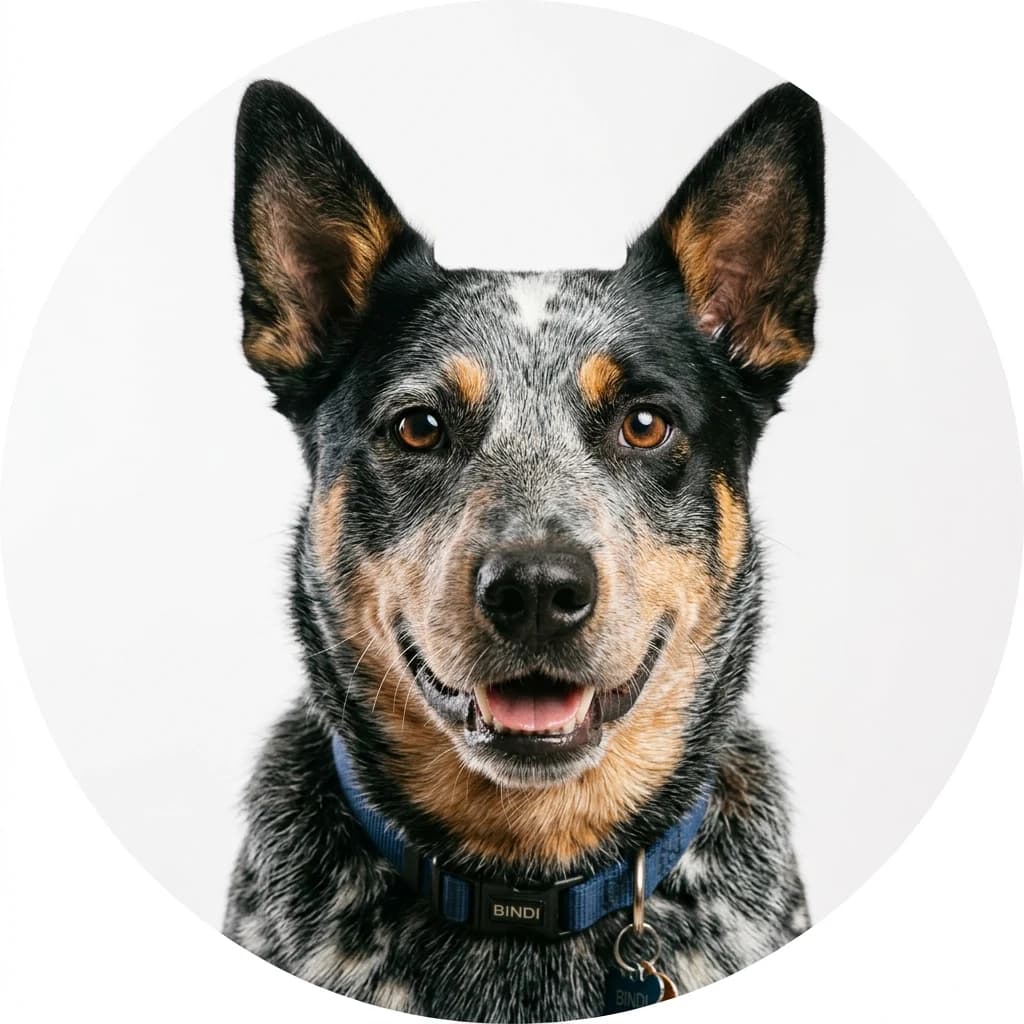
Best Gear for Australian Cattle Dogs
ACDs (Blue Heelers) are exceptionally tough, high-energy herding dogs prone to progressive retinal atrophy (PRA), hip dysplasia, and deafness. They need a job to do and can run tirelessly for hours.
ACDs (Blue Heelers) are exceptionally tough, high-energy herding dogs prone to progressive retinal atrophy (PRA), hip dysplasia, and deafness. They need a job to do and can run tirelessly for hours.
Weight
35-50 lbs
Height
17-20 in
Lifespan
12-16 yrs
Energy
Very High
Shedding
Heavy
Trainability
Smart
What changes your buying decision for a Australian Cattle Dog
Most gear advice is breed-agnostic. These are the 5traits on this breed’s profile that actually change which product is the right one — each one read straight off the stats above.
Breed profile
Walk gear is a fit decision, not a brand decision
A harness that fits is the one that stays put and stops rubbing. Girth varies far more between individual dogs than between Australian Cattle Dogs and any other breed, so measure before you buy rather than ordering the size on the breed chart.
Weight · 35-50 lbs
Medium sizing decides the bed and the crate
At 35-50 lbs a Australian Cattle Dog sits in most brands' medium band — but "Large" is a marketing word, not a measurement. Buy to the manufacturer's stated weight rating and the dog's measured length, because the same label covers very different sleeping surfaces from one brand to the next.
Shedding · Heavy
Heavy shedding is a tool problem, not a shampoo problem
Heavy shedding means an undercoat rake or deshedding tool does the work a slicker brush only redistributes. Budget for the tool before the shampoo, and expect seasonal coat blow to set the pace.
Energy · Very High
Buy toys for replacement cost, not novelty
Very High energy sets the toy budget: chase-and-fetch toys and chews get destroyed on a schedule, so durability per dollar matters more than the feature list. No toy substitutes for the exercise itself.
Trainability · Smart
Spend on the reward, not the hardware
Trainability rated "Smart" means most of the budget belongs in rewards and a plain fixed-length leash. Corrective hardware solves a problem this breed does not usually present.
The Australian Cattle Dog gear checklist
These slots do different jobs, so this is a checklist rather than a comparison — each one links to the ranked picks for that slot, where products are compared against others of the same kind.
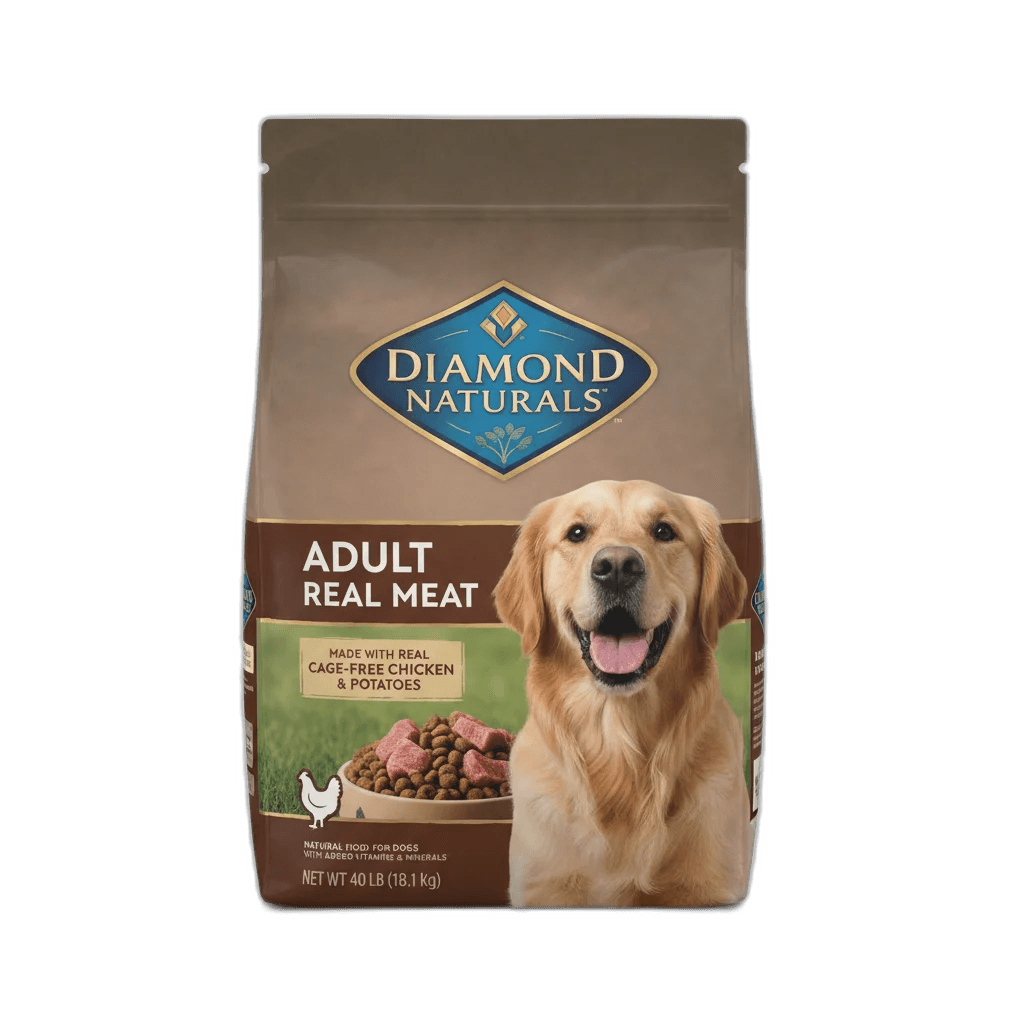
Dry Dog Food
Kibble picks ranked by ingredient quality, protein content, and value per pound.
Current top pick for this slot: Diamond Naturals Adult Real Meat
See all dry dog food picks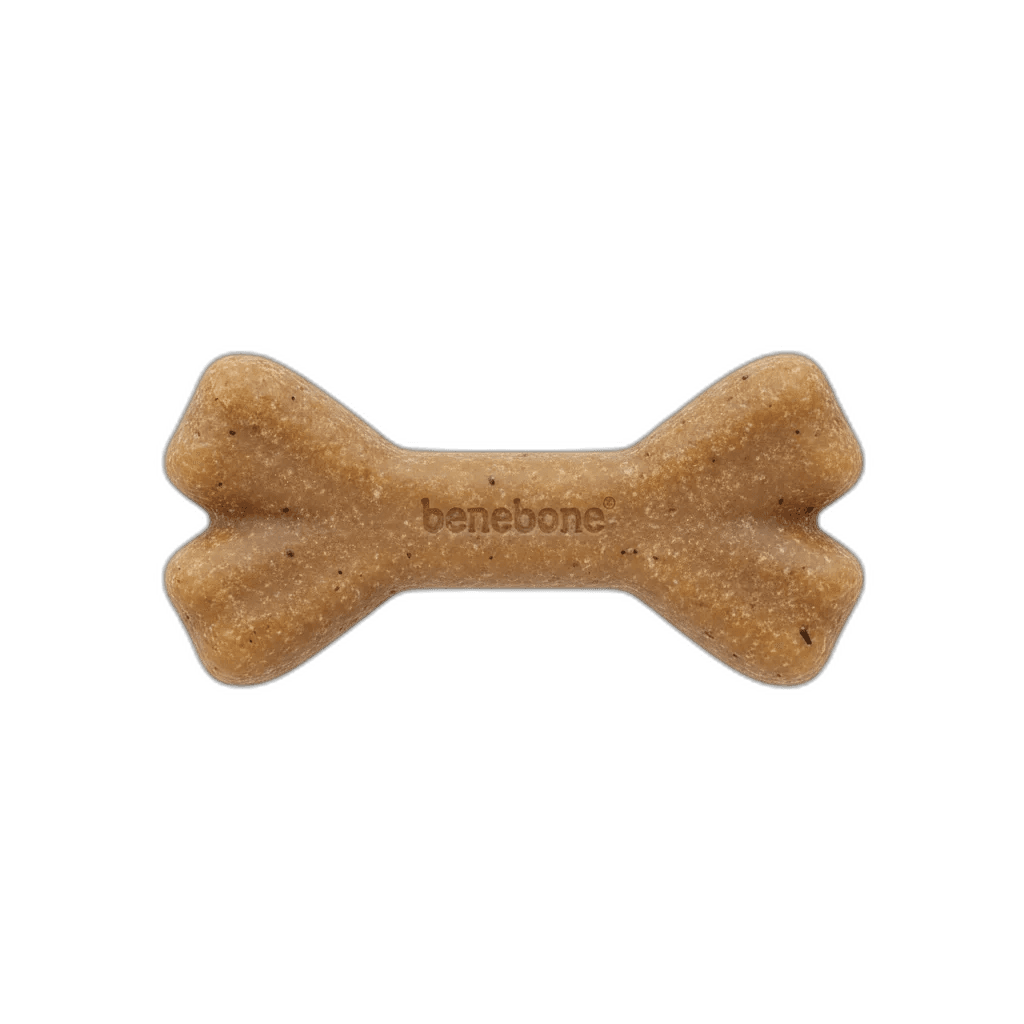
Dog Chew Toys
Durable chew toys for aggressive chewers and teething puppies.
Current top pick for this slot: Benebone Wishbone Chew (Large)
See all dog chew toys picks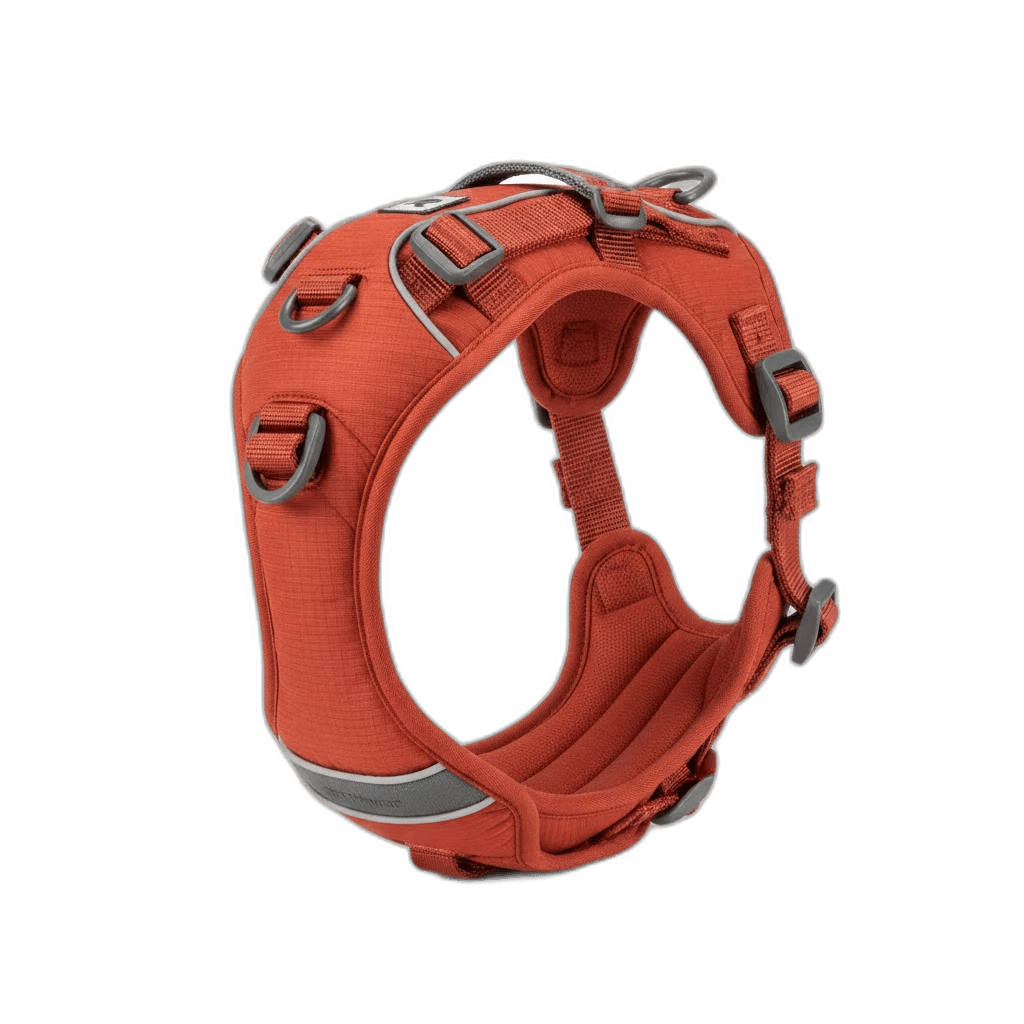
Dog Harnesses
No-pull, front-clip, and padded harnesses for every walking style.
Current top pick for this slot: Ruffwear Front Range Padded Harness
See all dog harnesses picks
Prices are approximate and may vary. Please check the latest price on Amazon. As an Amazon Associate I earn from qualifying purchases.
Life with a Australian Cattle Dog
Your cattle dog has a 'chosen person' — one human, their human — and they have assigned themselves as that person's shadow, security detail, and life coach.
Your heeler will try to herd something every single day. If there's no cattle, there's the cat. If there's no cat, there's the children. If there's no children, there's you. Your ankles are not safe.
You said you'd tire them out with a long hike. You did not tire them out with a long hike. They are looking at you right now, ready to go again.
Your cattle dog has memorized every weakness in your fence, gate, and daily routine. They are not being disobedient — they are solving an engineering problem.
You will brag about how smart your dog is and then have to explain why you had to baby-proof the pantry, the trash can, and the back gate.
Editorial synthesis of r/AustralianCattleDog discussions
r/AustralianCattleDog's most-shared truth: 'If your heeler is being destructive, they're not bad — they're bored, and that's on you.' The breed was engineered to work a full day on an Australian cattle station; a suburban backyard is not a challenge for them, it's a waiting room.
Paraphrased by PawBench from public discussion — not a quotation, and not a counted sample.
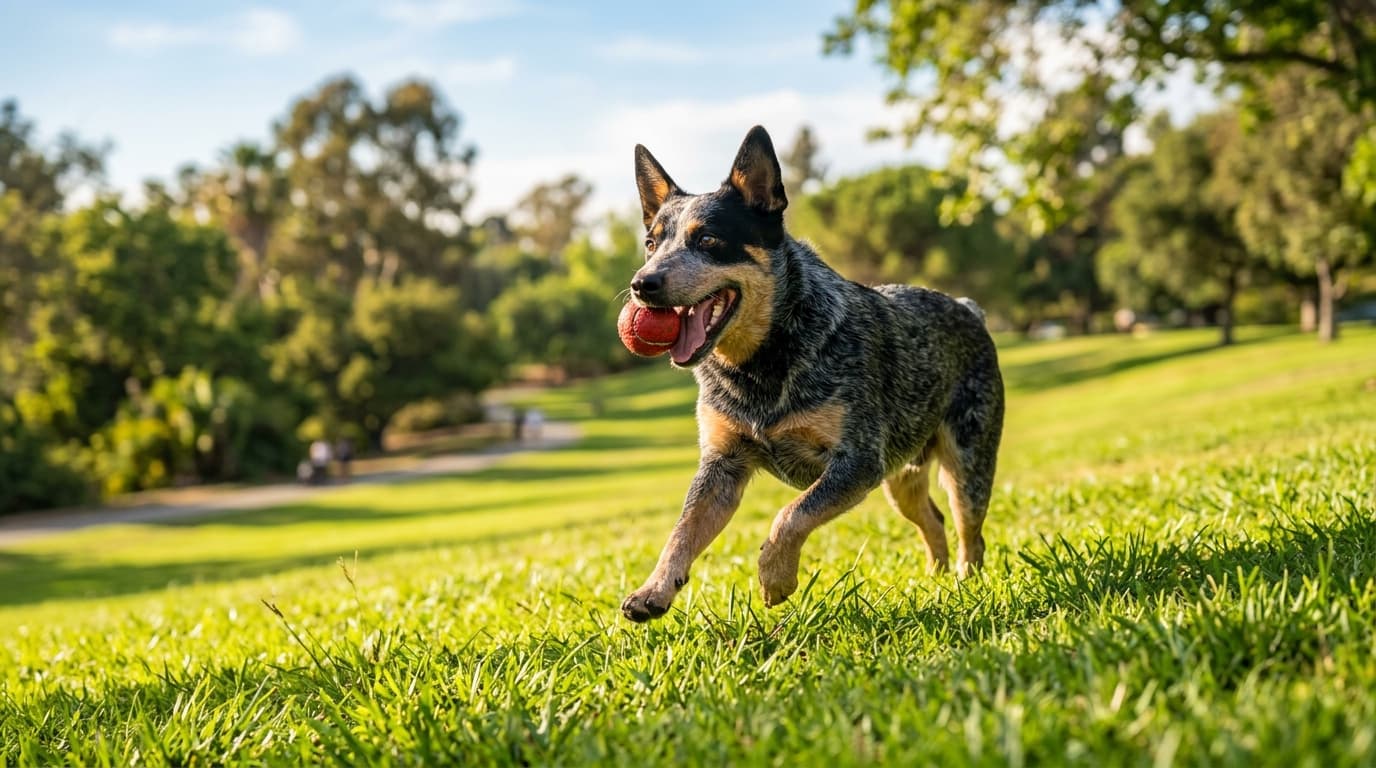
Games Australian Cattle Dogs Actually Love
Boomer Ball Herding
Australian Cattle Dogs need to herd something, and a large, indestructible herding ball (Boomer Ball or Jolly Ball) gives them a legal outlet. They'll nudge, body-block, and drive the ball
Agility Speed Runs
ACDs excel at agility because it requires rapid decision-making, precise body control, and handler attentiveness — the exact skill set cattle dogs were bred to deploy across unpredictable terrain. Even
Scent Tracking
Heelers working cattle had to track and locate animals across large properties — their nose is underrated. Set a scent trail by dragging a treat across a field or park
About the Australian Cattle Dog
Origin & Build
- •Bred in Australia during the 1800s specifically for droving cattle over vast distances in harsh conditions
- •They weigh 35 to 50 pounds and stand 17 to 20 inches at the shoulder, with a compact,
- •Their short, weather-resistant double coat comes in distinctive blue or red speckle patterns, sometimes with tan or black
Temperament
- •Australian Cattle Dogs bond intensely with their primary handler and can be one-person dogs if not properly socialized
- •They're exceptionally intelligent and learn commands quickly, but they also test boundaries — training should be firm, consistent,
- •With strangers they tend to be cautious and watchful, and their herding instinct means they may nip
Exercise Needs
- •This is a 60-to-90-minutes-minimum breed, and that means vigorous activity — not a leisurely stroll around the block
- •They excel at fetch, frisbee, agility courses, herding balls, and long trail runs
- •Without sufficient physical and mental outlets, Cattle Dogs become destructive, vocal, and neurotic — they'll chew through crate
Health Watch
- •Top health concerns include progressive retinal atrophy (PRA), hip dysplasia, and congenital deafness linked to their coat genetics
- •Some lines also see osteochondrosis dissecans (OCD) in the shoulder joints
- •Lifespan is an impressive 12 to 16 years, with the Guinness record for oldest dog ever — 29
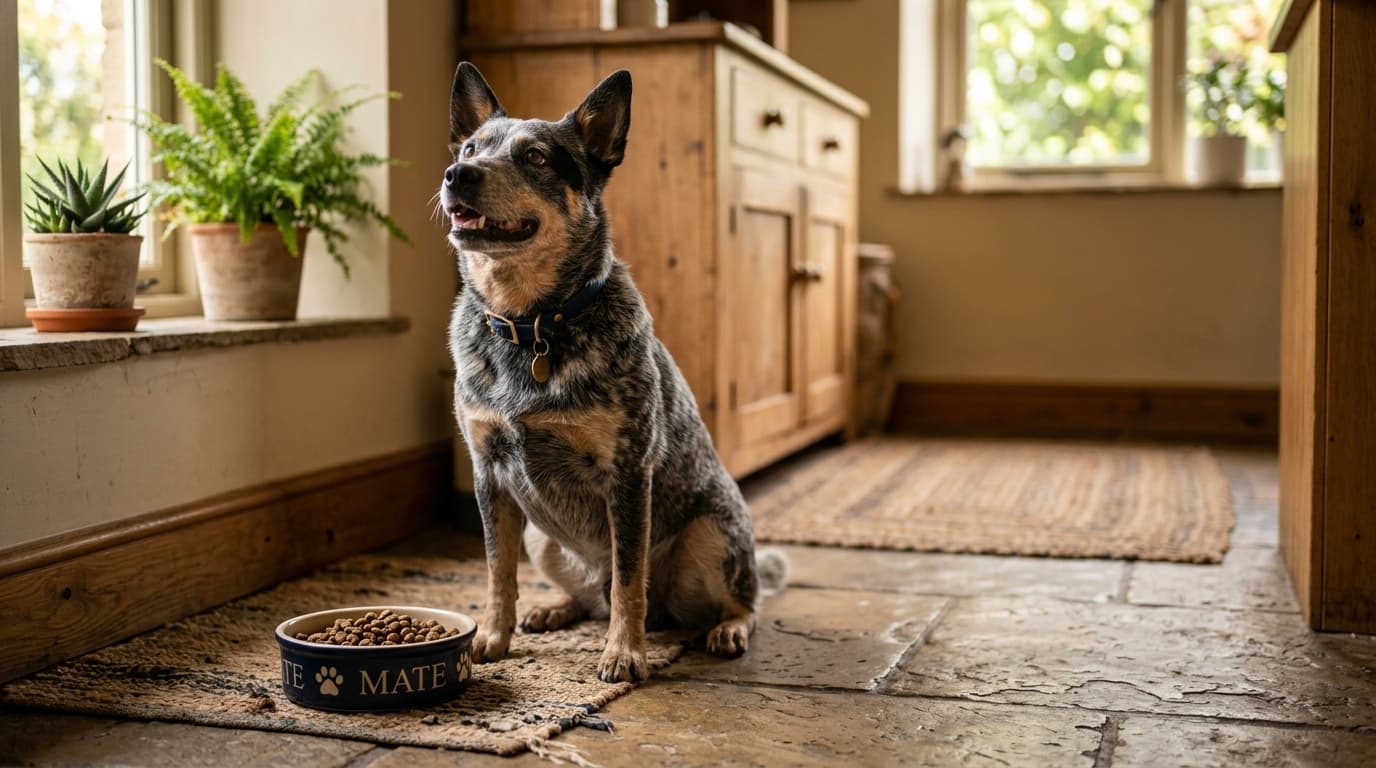
Gear Tips
- Use a front-clip or dual-clip harness like the Ruffwear Front Range — Cattle Dogs pull hard and have deep chests that can
- Invest in a virtually indestructible chew toy like a black Kong Extreme. Standard rubber toys won't survive a Cattle Dog's jaw pressure.
- A herding ball (like the Jolly Pets Herding Ball) is a must-have for backyard energy burns — it channels their natural instinct
- Choose a heavy-duty crate with reinforced latches. Cattle Dogs are escape artists, and flimsy wire crates won't contain a determined one.
- A hands-free running leash with a bungee section works well for trail runs, which are this breed's ideal form of exercise.
- Get a slicker brush and undercoat rake for shedding season — their double coat blows out heavily twice a year and needs
Keep Them Happy
- Two hours of daily exercise is a floor, not a ceiling — but quality matters more than quantity. An hour of agility,
- Give them a job and make it real. Cattle dogs assigned a formal task — retrieving the newspaper, finding a hidden item,
- Nipping must be addressed at the very first instance and every instance after — the herding heel-nip is deeply instinctive, and redirecting
- Enroll in herding, agility, or rally — these dogs were bred to make independent decisions while working, and sports that require them
Buying guides for this breed type
Australian Cattle Dogs share buying considerations with other breeds in these clusters:
Shop by category
Browse research-backed picks across every product category — not just for Australian Cattle Dogs.
Frequently Asked Questions
- What type of harness is best for an Australian Cattle Dog?
- A front-clip or dual-clip harness with a deep chest panel works best for Cattle Dogs. Their barrel-shaped torso and powerful pull mean back-clip harnesses offer almost no steering control. Look for brands like Ruffwear or Kurgo that have adjustable straps at both the chest
- How much exercise does an Australian Cattle Dog need per day?
- At minimum, 60 to 90 minutes of vigorous exercise daily — and mental stimulation on top of that. A tired walk won't cut it; they need running, fetch, agility, or herding activities. Without enough output, they become destructive and develop behavioral problems quickly.
- Are Australian Cattle Dogs good apartment dogs?
- They can survive in an apartment if you're extremely dedicated to daily exercise and enrichment, but it's not ideal. They do best with a securely fenced yard and an active owner who runs, hikes, or does dog sports. Bored Cattle Dogs in small spaces will
- What crate size does an Australian Cattle Dog need?
- Most Australian Cattle Dogs fit well in a 36-inch crate, though larger males may need a 42-inch. Choose a heavy-duty model with secure latches — Cattle Dogs are notorious crate escape artists. Impact and Gunner make crates that can withstand their determination.