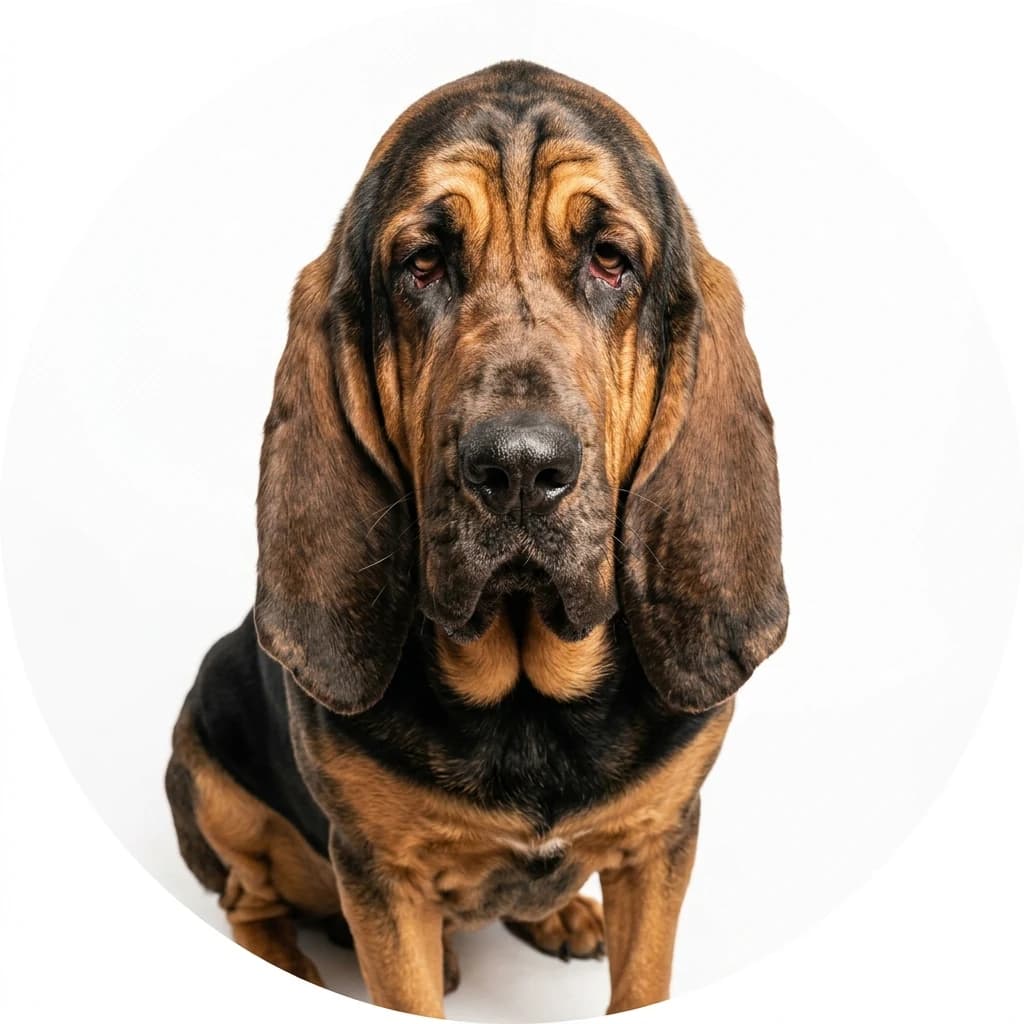
Best Gear for Bloodhounds
Bloodhounds are large, loose-skinned scent hounds weighing 80-110 lbs with the most powerful nose in the dog world. They're prone to bloat (GDV), hip and elbow dysplasia, ear infections, and ectropion (droopy eyelids).
Bloodhounds are large, loose-skinned scent hounds weighing 80-110 lbs with the most powerful nose in the dog world. They're prone to bloat (GDV), hip and elbow dysplasia, ear infections, and ectropion (droopy eyelids).
Weight
80-110 lbs
Height
23-27 in
Lifespan
10-12 yrs
Energy
Very High
Shedding
Moderate
Trainability
Stubborn
What changes your buying decision for a Bloodhound
Most gear advice is breed-agnostic. These are the 5traits on this breed’s profile that actually change which product is the right one — each one read straight off the stats above.
Breed profile
Walk gear is a fit decision, not a brand decision
A harness that fits is the one that stays put and stops rubbing. Girth varies far more between individual dogs than between Bloodhounds and any other breed, so measure before you buy rather than ordering the size on the breed chart.
Weight · 80-110 lbs
Giant sizing decides the bed and the crate
At 80-110 lbs a Bloodhound sits in most brands' giant band — but "Large" is a marketing word, not a measurement. Buy to the manufacturer's stated weight rating and the dog's measured length, because the same label covers very different sleeping surfaces from one brand to the next.
Shedding · Moderate
Weekly brushing, not daily
Moderate shedding is a weekly-brush commitment. A slicker brush plus a metal comb covers it; the specialist deshedding tools are aimed at heavier coats than this one.
Energy · Very High
Buy toys for replacement cost, not novelty
Very High energy sets the toy budget: chase-and-fetch toys and chews get destroyed on a schedule, so durability per dollar matters more than the feature list. No toy substitutes for the exercise itself.
Trainability · Stubborn
High-value food is the leverage, not the gadget
Trainability rated "Stubborn" means the payoff comes from what you are paying with. High-value training treats and short sessions move this breed further than any piece of hardware, which is worth knowing before you buy a training tool.
The Bloodhound gear checklist
These slots do different jobs, so this is a checklist rather than a comparison — each one links to the ranked picks for that slot, where products are compared against others of the same kind.
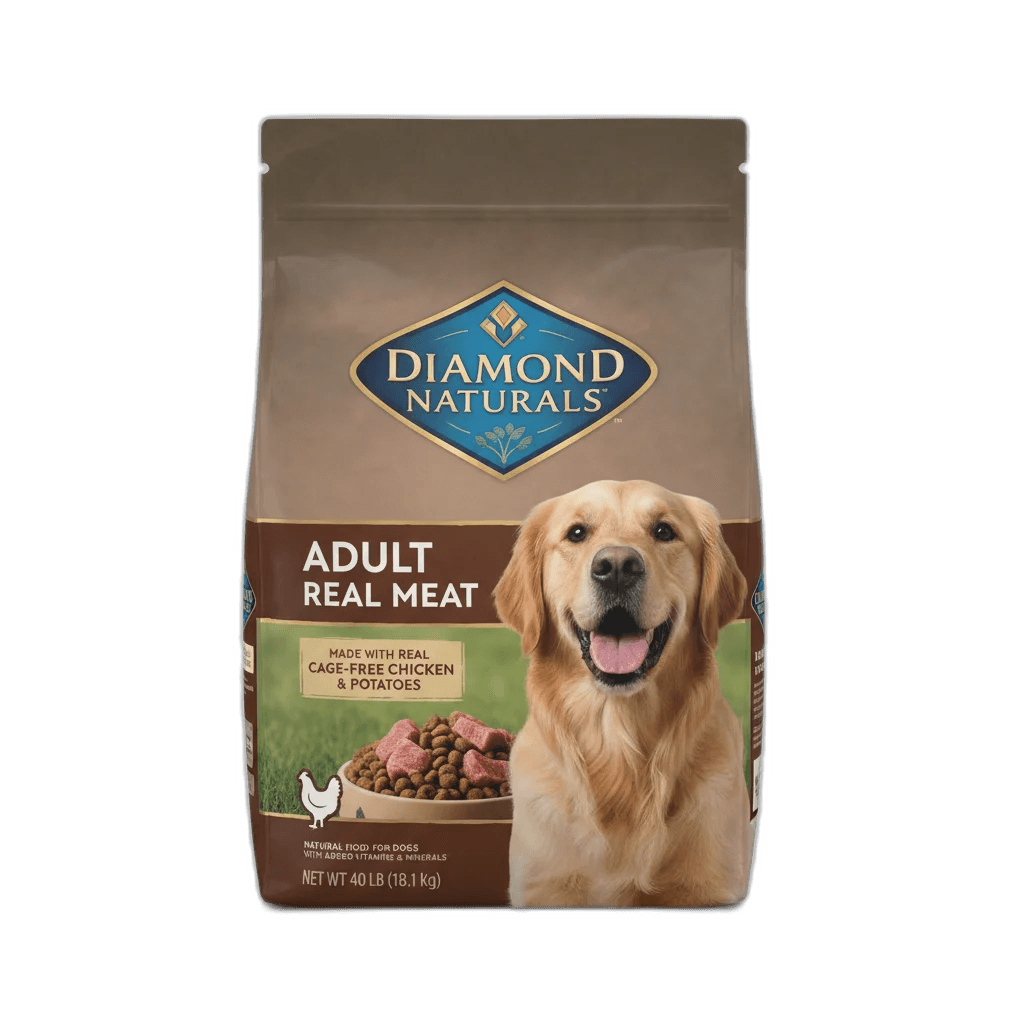
Dry Dog Food
Kibble picks ranked by ingredient quality, protein content, and value per pound.
Current top pick for this slot: Diamond Naturals Adult Real Meat
See all dry dog food picks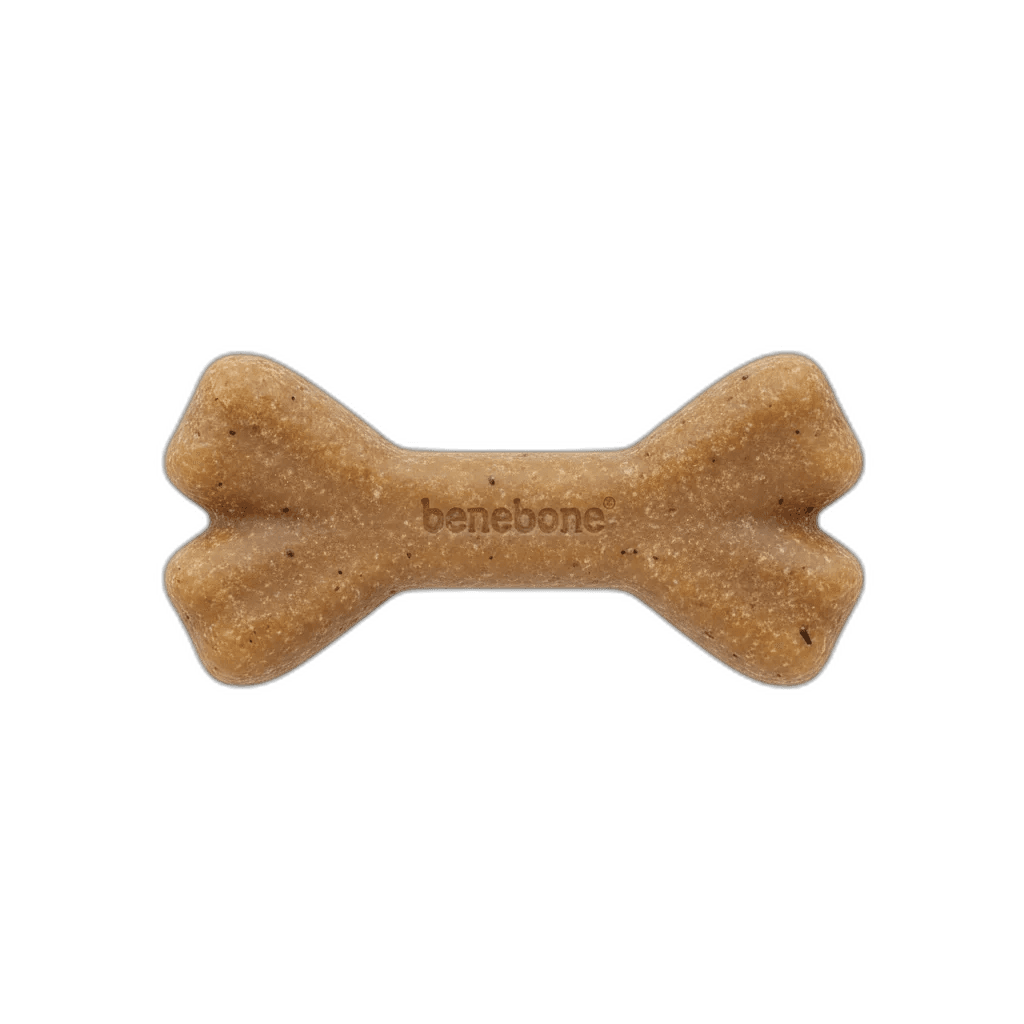
Dog Chew Toys
Durable chew toys for aggressive chewers and teething puppies.
Current top pick for this slot: Benebone Wishbone Chew (Large)
See all dog chew toys picks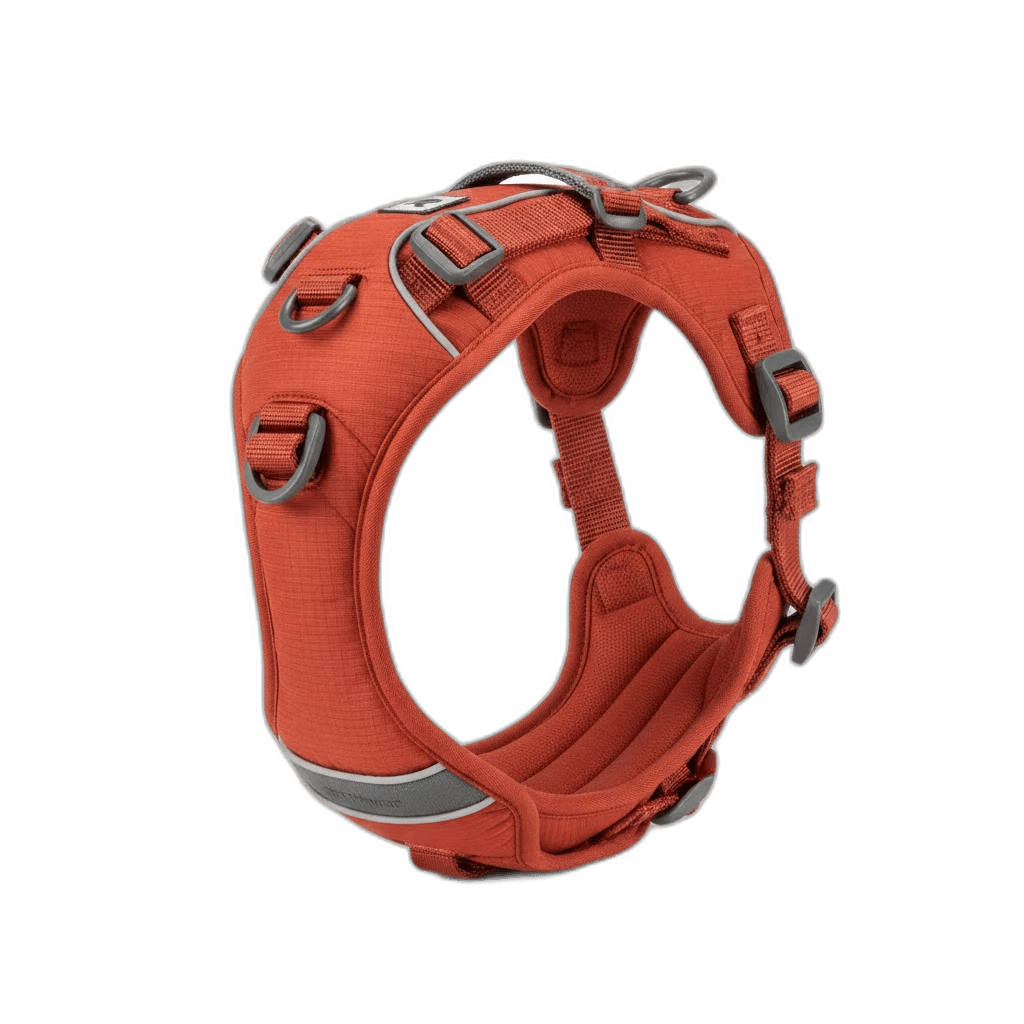
Dog Harnesses
No-pull, front-clip, and padded harnesses for every walking style.
Current top pick for this slot: Ruffwear Front Range Padded Harness
See all dog harnesses picks
Prices are approximate and may vary. Please check the latest price on Amazon. As an Amazon Associate I earn from qualifying purchases.
Life with a Bloodhound
Your Bloodhound found a scent at the beginning of the walk and that's it — that's the whole walk now. You are not going anywhere else. You have been redirected. Your plans don't matter.
The drool happens before meals, during meals, after meals, during greetings, and without any particular reason at all. You own a towel for every room. It is not enough towels.
Your Bloodhound outweighs most toddlers and has decided the couch is 100% their jurisdiction. You have the armrest. You're grateful for the armrest.
You have spent 45 minutes looking for your Bloodhound who is somehow deeply asleep in a closet, under a bed, or behind the sofa. They found the most enclosed space in the house and collapsed there.
Recall training is technically possible. In practice, the moment their nose hits a scent, you no longer exist as a concept to them. You are a ghost. The trail is everything.
Editorial synthesis of r/bloodhound discussions
r/bloodhound owners will tell you: the drool becomes invisible to you within two weeks — you'll stop noticing the strings on the wall, the ceiling, the back of your phone. Guests will notice. You will have stopped caring entirely.
Paraphrased by PawBench from public discussion — not a quotation, and not a counted sample.
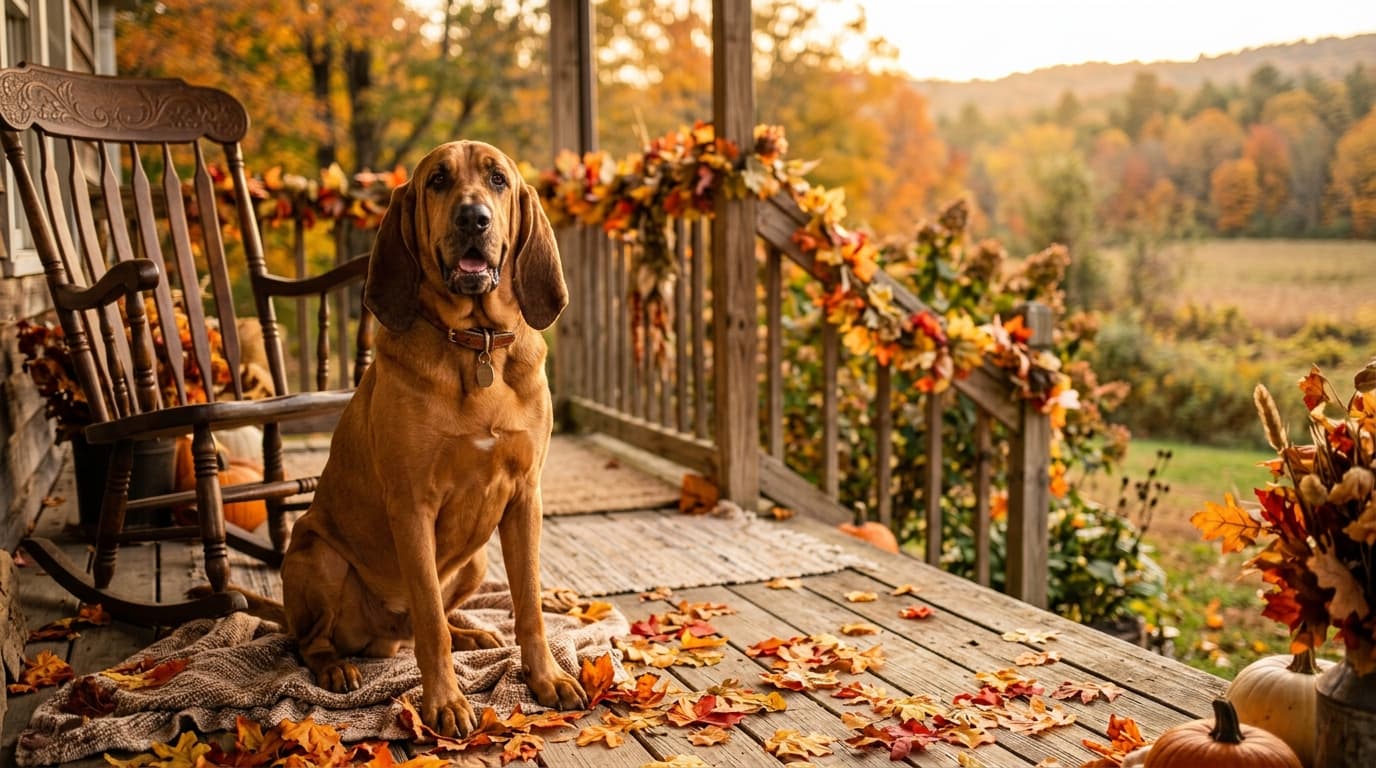
Games Bloodhounds Actually Love
Tracking Trail
Walk a path through your yard or a park, step by step, then have your Bloodhound follow it on a long line. Start with your own scent trail and
Scent Box Search
Set out a row of cardboard boxes, hide a treat under one, and let your Bloodhound work the row nose-first to find the right box. Scale up to larger search
Sniffari Walk
Let your Bloodhound lead the walk entirely — wherever their nose points, you follow (safely). Sniffari walks are more mentally exhausting than two miles of jogging; a Bloodhound who has
About the Bloodhound
Origin & Build
- •Bloodhounds trace their lineage to medieval Belgium and France, where monks at the Abbey of Saint-Hubert developed them
- •They weigh 80 to 110 pounds and stand 23 to 27 inches tall, with a loose, heavy build
- •Their short, dense coat comes in black and tan, liver and tan, or red, and it's easy
- •The breed's soulful, droopy expression is instantly recognizable and perfectly captures their gentle nature
Temperament
- •Bloodhounds are docile, affectionate, and endlessly patient, making them excellent family dogs who are particularly gentle with children
- •They're friendly with strangers and typically get along well with other dogs, though their sheer size requires supervision
- •Training is a unique challenge because their nose overrides everything — once they catch a scent, recall is
- •They're not stubborn in the traditional sense; their brain is simply hardwired to follow their nose above all
Exercise Needs
- •Bloodhounds need 60 to 90 minutes of daily exercise, but the type matters more than the intensity
- •Long, scent-rich walks where they're allowed to follow their nose are far more satisfying than high-speed activities
- •Nose work classes and trailing exercises are ideal mental and physical outlets that tap into their extraordinary natural
- •Without adequate exercise and scent enrichment, they become vocal, destructive, and may resort to counter-surfing and garbage-diving
Health Watch
- •Bloat (gastric dilatation-volvulus) is the most serious health threat and can be fatal within hours, making awareness
- •Chronic ear infections are nearly universal due to their long, heavy ears that trap moisture and reduce airflow
- •Hip and elbow dysplasia, ectropion (drooping lower eyelids), and skin fold dermatitis from improperly maintained wrinkles are also
- •Bloodhounds live 10 to 12 years, which is above average for their size class
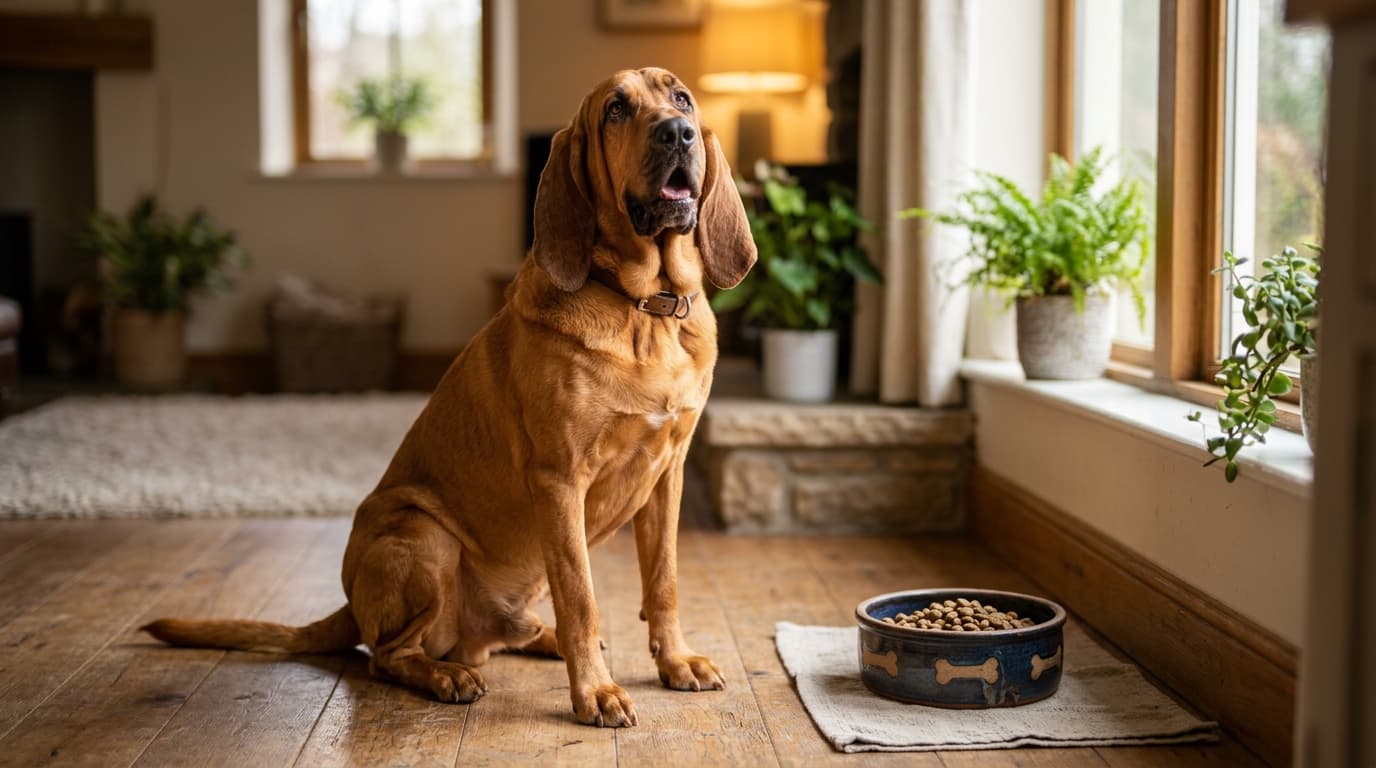
Gear Tips
- A heavy-duty no-pull harness with a front attachment point is essential — Bloodhounds pull relentlessly when they catch a scent, and
- Stock up on large, absorbent drool towels or bibs and keep them in every room; Bloodhound drool is constant, heavy, and will
- A long tracking lead (20 to 30 feet) made of biothane or heavy nylon is perfect for scent-work sessions and gives them
- Ear cleaning solution and cotton pads should be on a weekly rotation — those long ears trap moisture and debris, making chronic
- A slow-feeder bowl or raised feeding station is critical for bloat prevention; feeding two to three smaller meals daily rather than one
- An extra-large orthopedic bed with a waterproof, machine-washable cover handles both the joint support this heavy breed needs and the drool management
Keep Them Happy
- Never skip the sniff — cutting a walk short so they don't smell everything is like cutting a gym session short.
- Always use a long line or secure fencing for off-leash activity. Once a Bloodhound locks onto a scent trail, recall becomes unreliable
- Scent work classes (AKC Nose Work or tracking) give Bloodhounds a structured outlet for their most powerful instinct and produce noticeably calmer
- Keep training sessions short and scent-based. Sit/stay drills bore them quickly; anything that involves using their nose will hold focus far longer
Buying guides for this breed type
Bloodhounds share buying considerations with other breeds in these clusters:
Shop by category
Browse research-backed picks across every product category — not just for Bloodhounds.
Frequently Asked Questions
- How do you manage Bloodhound drool?
- There's no stopping it — only managing it. Keep absorbent towels or bandana-style drool bibs stationed around your home and in your car. Wiping their jowls after eating and drinking reduces the worst of it, and waterproof covers on furniture and car seats will save
- What harness works for a Bloodhound that pulls on walks?
- A front-clip no-pull harness rated for 100-plus pounds with wide, padded straps is your best bet since it redirects pulling force without putting pressure on their sensitive throat and loose neck skin. Avoid harnesses with thin straps that can dig into their skin folds. Pair
- How often should I clean my Bloodhound's ears?
- At minimum once a week, and after every bath, swim, or rainy walk. Use a vet-recommended ear cleaning solution and cotton pads, gently wiping the visible inner ear without pushing anything into the canal. Those pendulous ears create a warm, moist environment that bacteria
- Are Bloodhounds hard to train?
- They're not difficult in the traditional sense — they're just single-minded about scent. Training requires patience, high-value food rewards, and realistic expectations about recall reliability around interesting smells. Start training early, keep sessions short and upbeat, and consider nose-work classes that channel their natural ability