
Best Gear for German Shorthaired Pointers
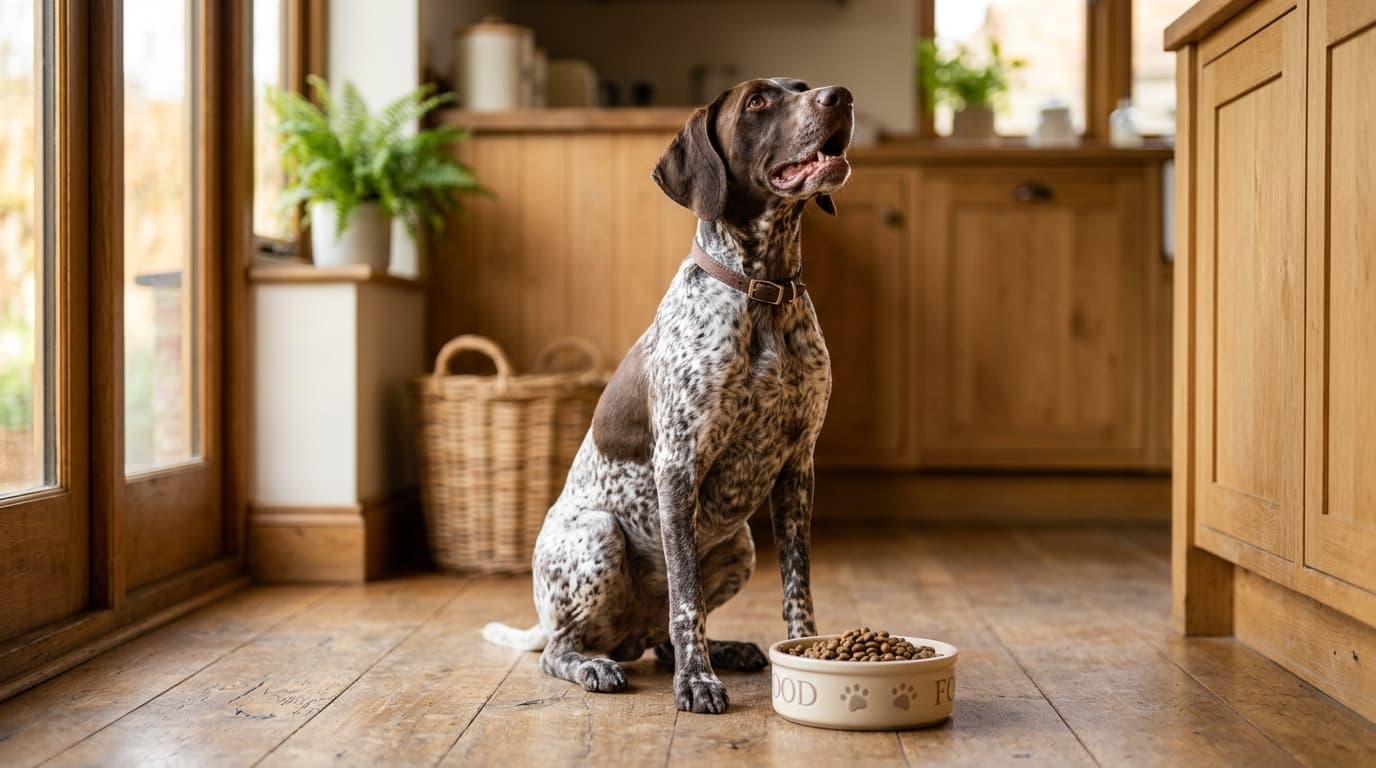
GSPs are high-energy, athletic hunting dogs that need 1-2 hours of vigorous exercise daily. They're prone to hip dysplasia, bloat, and von Willebrand's disease, with a short, easy-care coat.
GSPs are high-energy, athletic hunting dogs that need 1-2 hours of vigorous exercise daily. They're prone to hip dysplasia, bloat, and von Willebrand's disease, with a short, easy-care coat.
Weight
45-70 lbs
Height
21-25 in
Lifespan
12-14 yrs
Energy
High
Shedding
Moderate
Trainability
Easy
What changes your buying decision for a German Shorthaired Pointer
Most gear advice is breed-agnostic. These are the 5traits on this breed’s profile that actually change which product is the right one — each one read straight off the stats above.
Breed profile
Walk gear is a fit decision, not a brand decision
A harness that fits is the one that stays put and stops rubbing. Girth varies far more between individual dogs than between German Shorthaired Pointers and any other breed, so measure before you buy rather than ordering the size on the breed chart.
Weight · 45-70 lbs
Large sizing decides the bed and the crate
At 45-70 lbs a German Shorthaired Pointer sits in most brands' large band — but "Large" is a marketing word, not a measurement. Buy to the manufacturer's stated weight rating and the dog's measured length, because the same label covers very different sleeping surfaces from one brand to the next.
Shedding · Moderate
Weekly brushing, not daily
Moderate shedding is a weekly-brush commitment. A slicker brush plus a metal comb covers it; the specialist deshedding tools are aimed at heavier coats than this one.
Energy · High
Buy toys for replacement cost, not novelty
High energy sets the toy budget: chase-and-fetch toys and chews get destroyed on a schedule, so durability per dollar matters more than the feature list. No toy substitutes for the exercise itself.
Trainability · Easy
Spend on the reward, not the hardware
Trainability rated "Easy" means most of the budget belongs in rewards and a plain fixed-length leash. Corrective hardware solves a problem this breed does not usually present.
The German Shorthaired Pointer gear checklist
These slots do different jobs, so this is a checklist rather than a comparison — each one links to the ranked picks for that slot, where products are compared against others of the same kind.
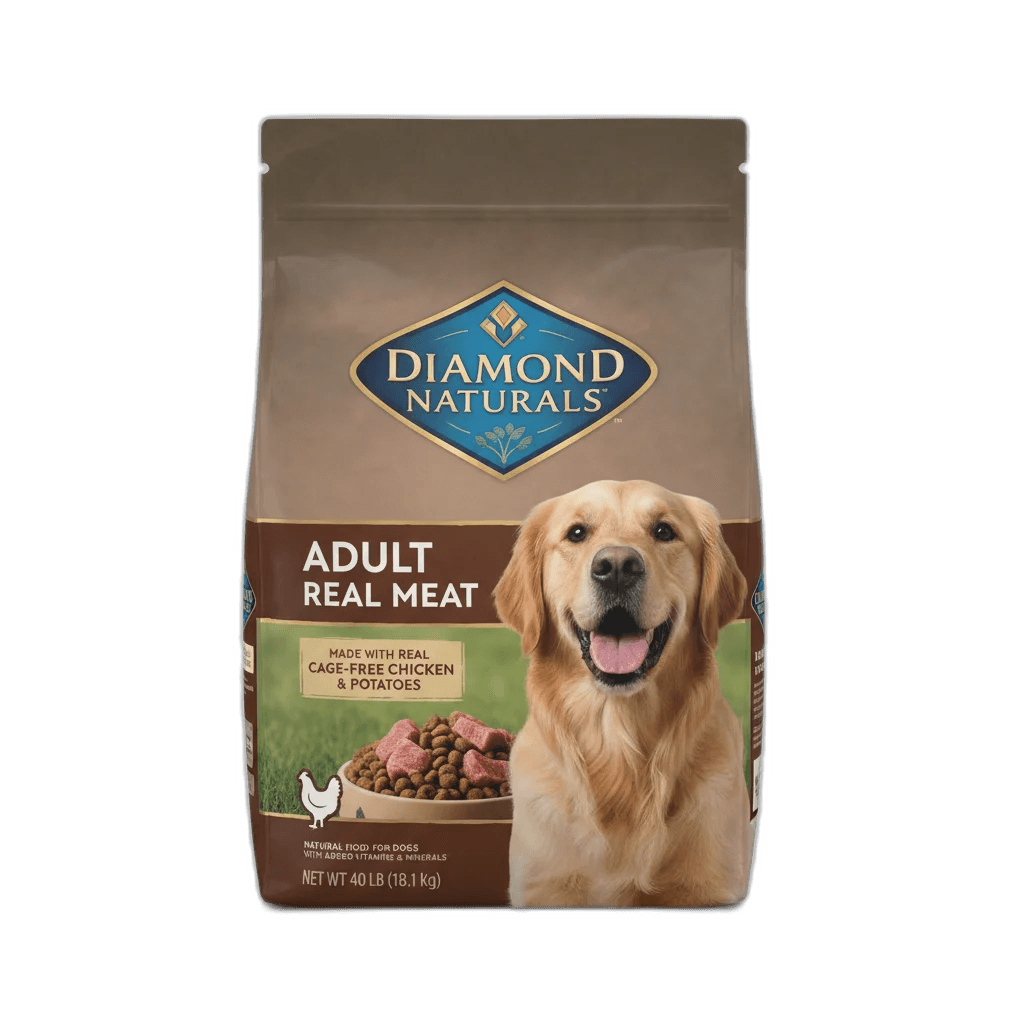
Dry Dog Food
Kibble picks ranked by ingredient quality, protein content, and value per pound.
Current top pick for this slot: Diamond Naturals Adult Real Meat
See all dry dog food picks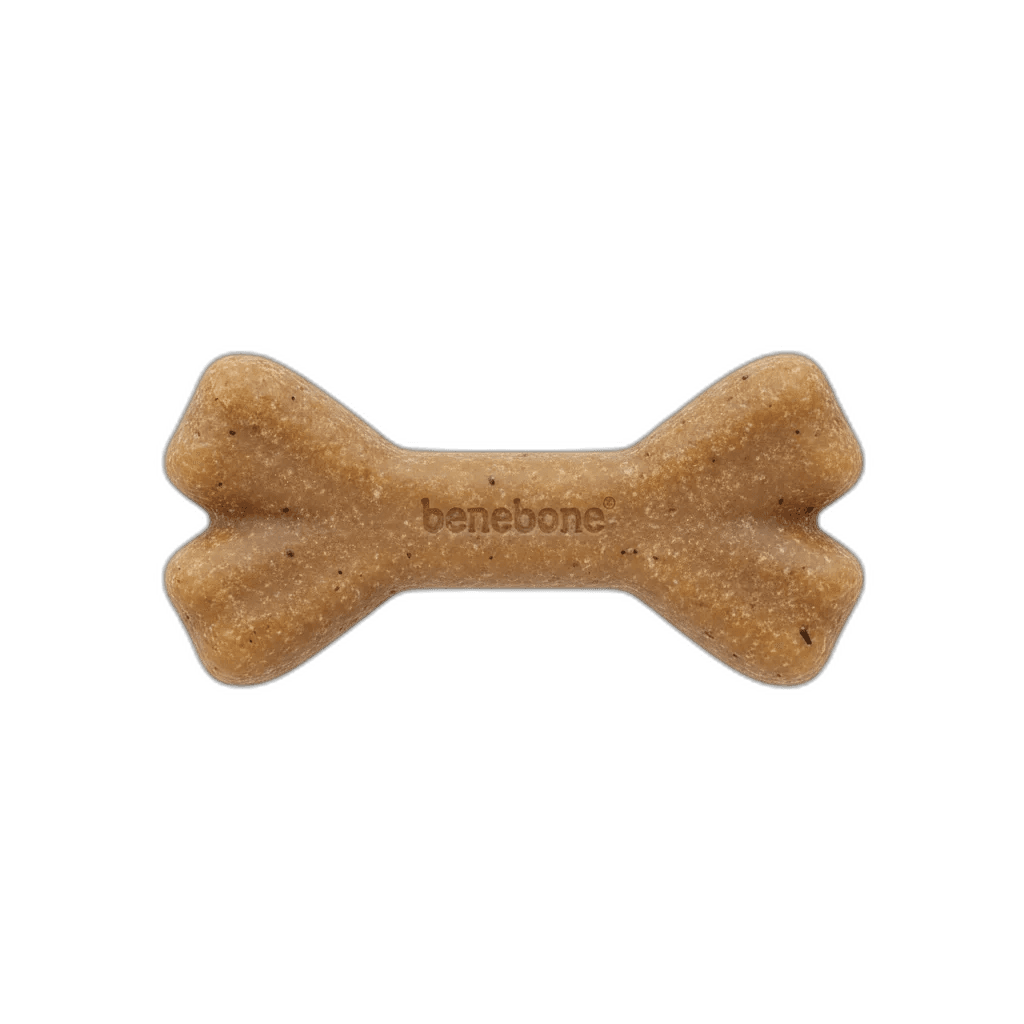
Dog Chew Toys
Durable chew toys for aggressive chewers and teething puppies.
Current top pick for this slot: Benebone Wishbone Chew (Large)
See all dog chew toys picks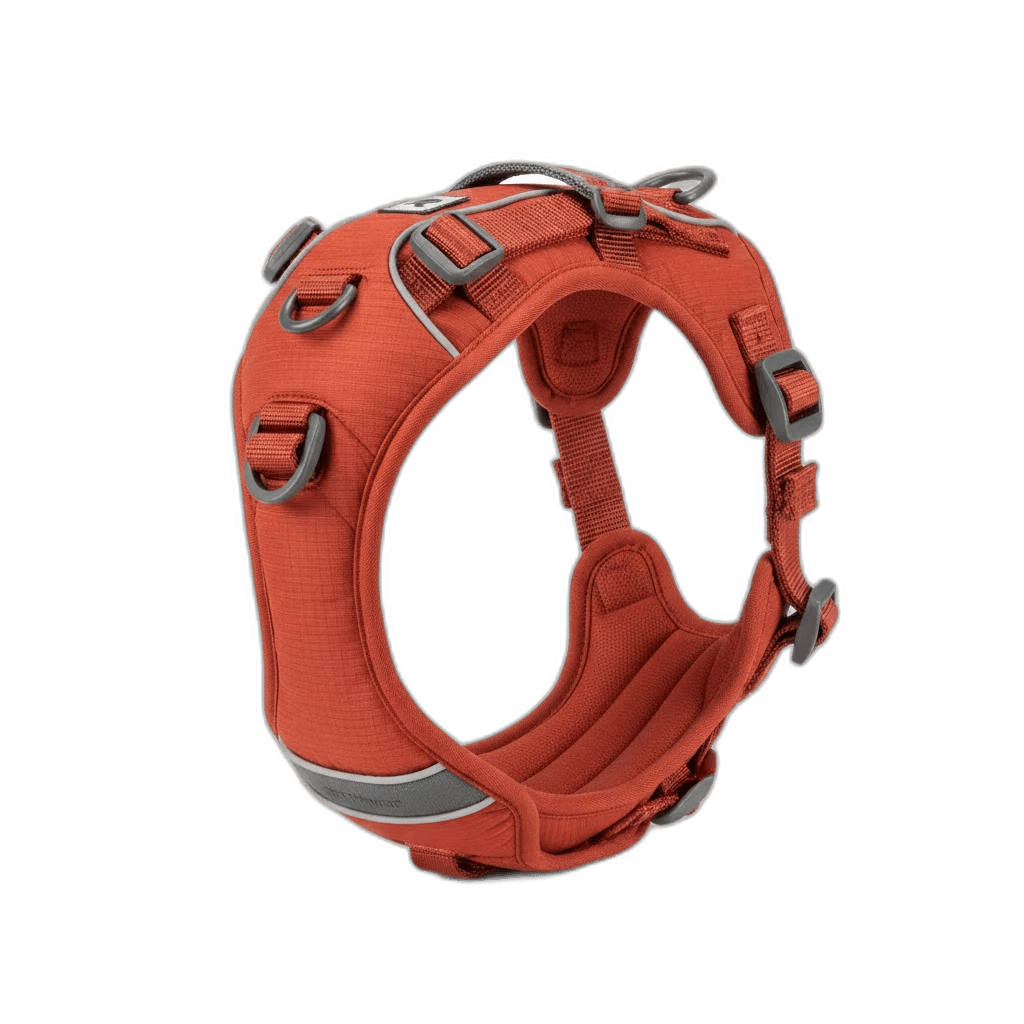
Dog Harnesses
No-pull, front-clip, and padded harnesses for every walking style.
Current top pick for this slot: Ruffwear Front Range Padded Harness
See all dog harnesses picks
Prices are approximate and may vary. Please check the latest price on Amazon. As an Amazon Associate I earn from qualifying purchases.
Life with a German Shorthaired Pointer
Your GSP froze mid-stride in the backyard, one paw lifted, entire body rigid, staring at a pigeon on the fence with the concentration of an air traffic controller. The pigeon eventually left. Your dog held the point for six more minutes. Just to be sure.
You thought you'd tire your GSP out with a 5-mile run. You got home. They looked at you expectantly. You sat down. They did not sit down.
Your GSP follows you from room to room with the devotion of a Secret Service agent — bathroom, laundry room, kitchen, back to the living room — maintaining a consistent 18-inch proximity at all times.
You've explained to three houseguests that the dramatic sigh your GSP just released — full flop, eyes rolled back, long exhale — is not a medical event, it's a protest against insufficient attention.
Your GSP ran full speed into the pool, swam to the end, retrieved the toy, swam back, exited the pool, shook on you specifically, and immediately presented the toy for another throw. The energy accounting on this animal does not add up.
Editorial synthesis of r/germanshorthairedpointer discussions
r/germanshorthairedpointer warns every prospective owner the same way: if you run 20 miles a week, a GSP will keep up and ask what's next; if you prefer evenings on the couch, this is genuinely the wrong breed — they are not a dog you can exercise into submission, they are a dog who will recalibrate your entire lifestyle around their energy needs.
Paraphrased by PawBench from public discussion — not a quotation, and not a counted sample.
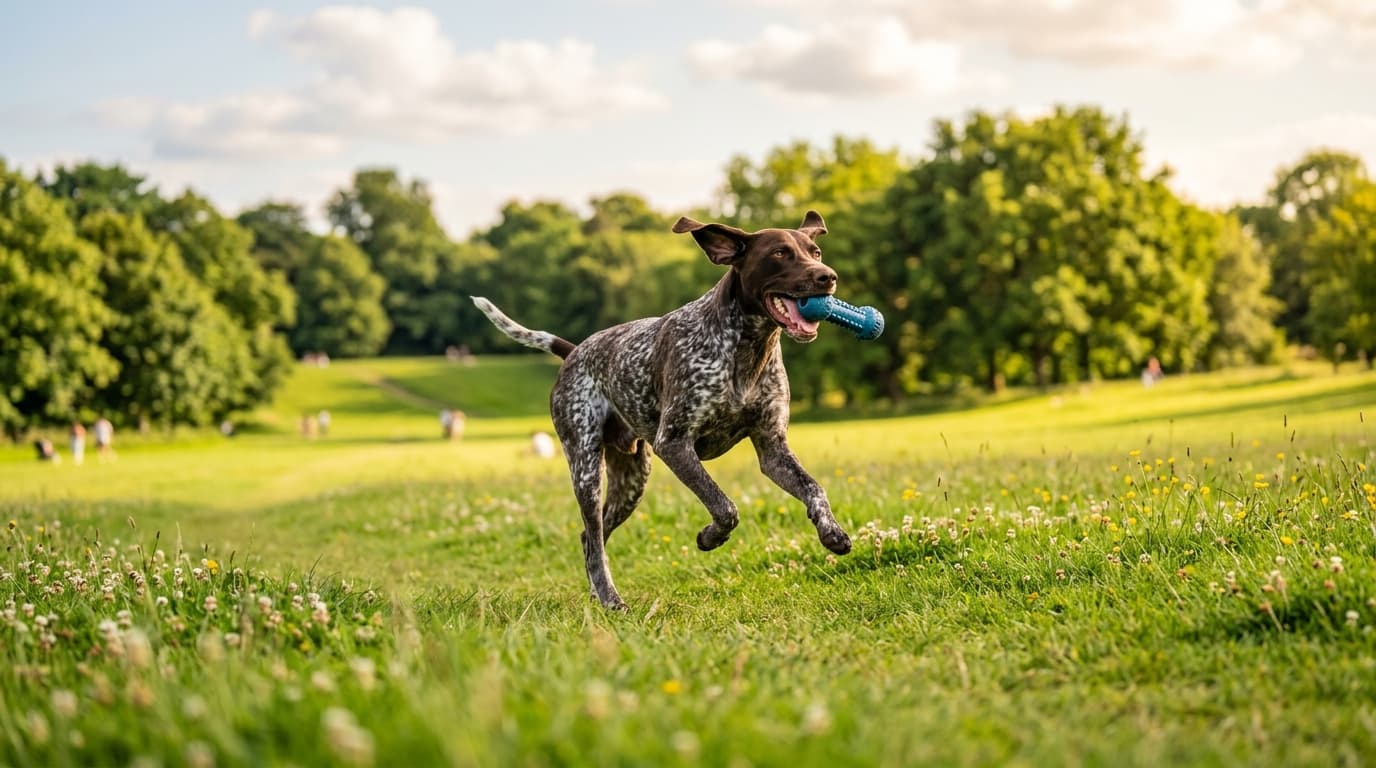
Games German Shorthaired Pointers Actually Love
Bird Introduction and Point Shaping
Even without hunting, GSPs benefit enormously from controlled bird introduction — a training pigeon in a cage, or frozen quail, let them experience the scent chain that triggers their instinctive
Upland Retrieval Simulation
Throw a training bumper or stuffed bird wing into tall grass or brush, then send your GSP on the retrieve with a hand signal. They have to use their nose
Long-Distance Fetch with Hand Signals
Using left, right, and back hand signals, send your GSP to retrieve bumpers thrown to different positions in a large field. The distance, directional commands, and the nose work required
About the German Shorthaired Pointer
Origin & Build
- •Developed in Germany during the 1800s as an all-purpose hunting dog, the GSP was bred to point, retrieve,
- •Males typically stand 23 to 25 inches and weigh 55 to 70 pounds, while females run 21
- •Their short, thick, water-resistant coat is distinctively ticked or patched in liver and white
Temperament
- •GSPs are intensely people-oriented and form strong bonds with every family member, often following their favorite person
- •They're friendly with strangers once introduced, generally good with other dogs, and exceptional with children thanks to their
- •Training is a joy since they're intelligent and eager to please, though their high prey drive means recall
Exercise Needs
- •This breed needs 60 to 120 minutes of hard exercise daily — not just walking, but running, swimming,
- •They're natural athletes who thrive in agility, dock diving, canicross, and hunt tests
- •A GSP without enough exercise becomes anxious, destructive, and vocal, and no amount of gear or enrichment toys
Health Watch
- •The top health concerns are hip dysplasia, bloat (GDV), von Willebrand's disease (a bleeding disorder), and eye conditions
- •Some lines carry a risk for cardiac issues
- •With proper care and health testing, GSPs typically live 12 to 14 years
Gear Tips
- A front-clip or dual-clip harness like the Ruffwear Front Range is ideal — GSPs pull hard on leash, and their deep chest
- Invest in a heavy-duty long line (30 to 50 feet, biothane material) for recall training in open fields. GSPs have an enormous
- Their thin coat and lean build mean they genuinely benefit from an insulated dog jacket for winter outings below 40°F. Look
- A rubber curry brush or grooming mitt is all you need for coat maintenance — use it weekly to manage the moderate
- Choose a raised slow-feeder bowl to reduce bloat risk. Elevated feeding combined with puzzle portions helps slow their enthusiastic eating.
- For crate training, size up to a 42-inch crate to give them room to stretch out. GSPs are long-legged and will resist
Keep Them Happy
- Two hours of exercise daily is the floor, not the ceiling — GSPs bred to hunt all day in the field have
- Secure fencing is non-negotiable. A GSP that catches a scent or spots a bird will be gone before you finish calling their
- Channel the Velcro tendency productively. A GSP who shadows you constantly benefits from structured 'go to your place' training that teaches them
- Introduce dock diving, field trials, or hunt tests. GSPs were designed to be multi-discipline athletes and they're happiest when given a formal
Buying guides for this breed type
German Shorthaired Pointers share buying considerations with other breeds in these clusters:
Shop by category
Browse research-backed picks across every product category — not just for German Shorthaired Pointers.
Frequently Asked Questions
- What size harness does a German Shorthaired Pointer need?
- Most adult GSPs fit a medium to large harness, with chest girths typically ranging from 24 to 32 inches. Measure behind the front legs at the widest part of the ribcage. Their deep, narrow chest means you'll want a harness with adjustable straps at both
- Do German Shorthaired Pointers need a coat in winter?
- Yes, despite their toughness, GSPs have a thin single-layer coat and very low body fat, which makes them genuinely cold-sensitive below about 40°F. A well-fitted insulated jacket is a smart investment for winter walks, runs, or any extended outdoor time in cold weather.
- What's the best leash setup for a German Shorthaired Pointer?
- A 6-foot leash paired with a front-clip harness gives you the best control during walks. For training and off-leash transition, add a 30-foot biothane long line. Avoid retractable leashes entirely — they teach pulling and can't handle the sudden bursts of speed a GSP produces
- Are German Shorthaired Pointers hard to crate train?
- GSPs take to crate training well as long as the crate is properly sized (42 inches for most adults) and introduced gradually with positive association. They're prone to separation anxiety, so the crate should feel like a den, not a punishment. A durable chew toy