
Best Gear for Havaneses
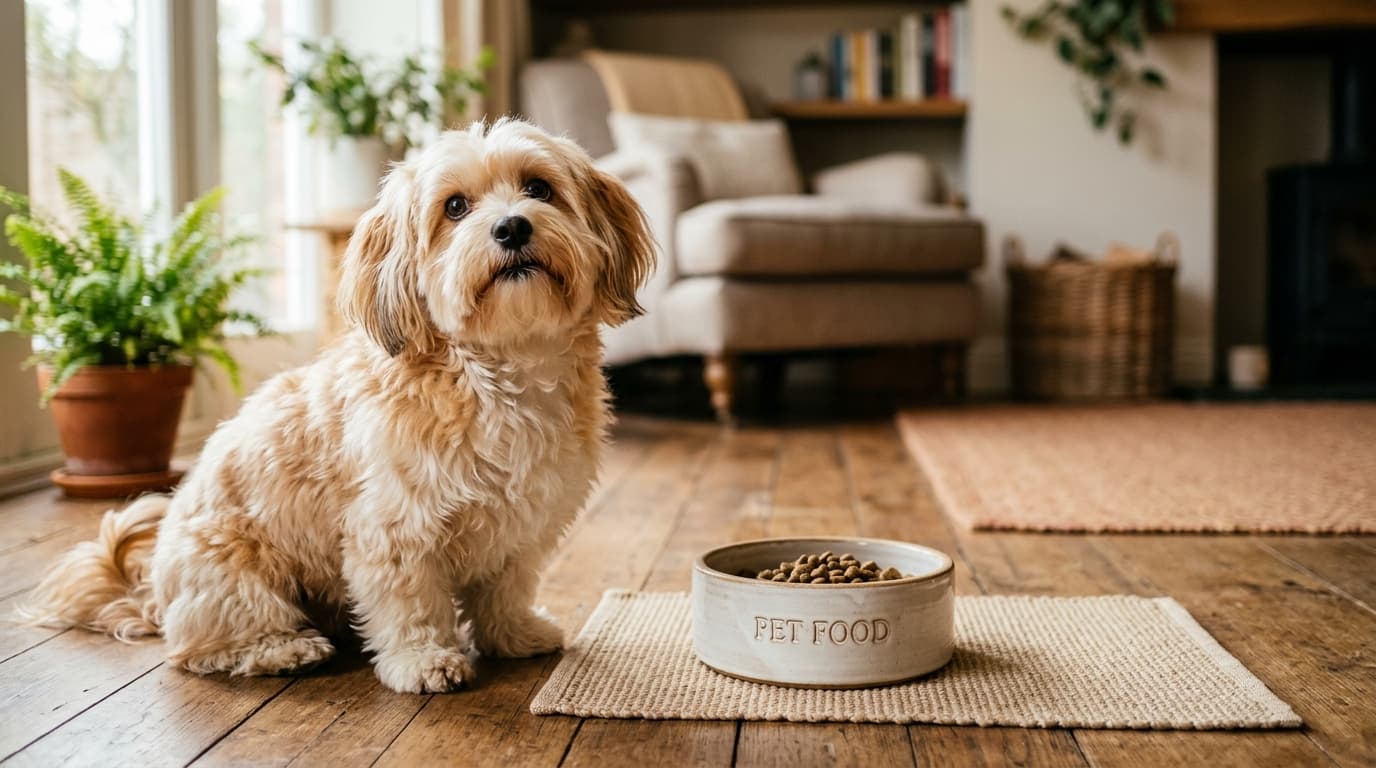
Havanese are small, sturdy companion dogs with a long, silky coat that doesn't shed much but mats easily. They're prone to patellar luxation, Legg-Calve-Perthes disease, cataracts, and liver shunts.
Havanese are small, sturdy companion dogs with a long, silky coat that doesn't shed much but mats easily. They're prone to patellar luxation, Legg-Calve-Perthes disease, cataracts, and liver shunts.
Weight
7-13 lbs
Lifespan
14-16 yrs
Energy
Moderate
Shedding
Minimal
Trainability
Smart
What changes your buying decision for a Havanese
Most gear advice is breed-agnostic. These are the 5traits on this breed’s profile that actually change which product is the right one — each one read straight off the stats above.
Breed profile
Walk gear is a fit decision, not a brand decision
A harness that fits is the one that stays put and stops rubbing. Girth varies far more between individual dogs than between Havaneses and any other breed, so measure before you buy rather than ordering the size on the breed chart.
Weight · 7-13 lbs
Small sizing decides the bed and the crate
At 7-13 lbs a Havanese sits in most brands' small band — but "Large" is a marketing word, not a measurement. Buy to the manufacturer's stated weight rating and the dog's measured length, because the same label covers very different sleeping surfaces from one brand to the next.
Shedding · Minimal
Low-shedding is not low-maintenance
Hair that does not fall out mats instead, so a minimal-shedding coat needs a slicker brush and a metal comb used more often — not an expensive vacuum. This is the buying decision people get backwards.
Energy · Moderate
One durable chew, one active toy
Moderate energy suits a small rotation rather than a big shelf — one hard-wearing chew for downtime and one active toy for the daily session.
Trainability · Smart
Spend on the reward, not the hardware
Trainability rated "Smart" means most of the budget belongs in rewards and a plain fixed-length leash. Corrective hardware solves a problem this breed does not usually present.
The Havanese gear checklist
These slots do different jobs, so this is a checklist rather than a comparison — each one links to the ranked picks for that slot, where products are compared against others of the same kind.
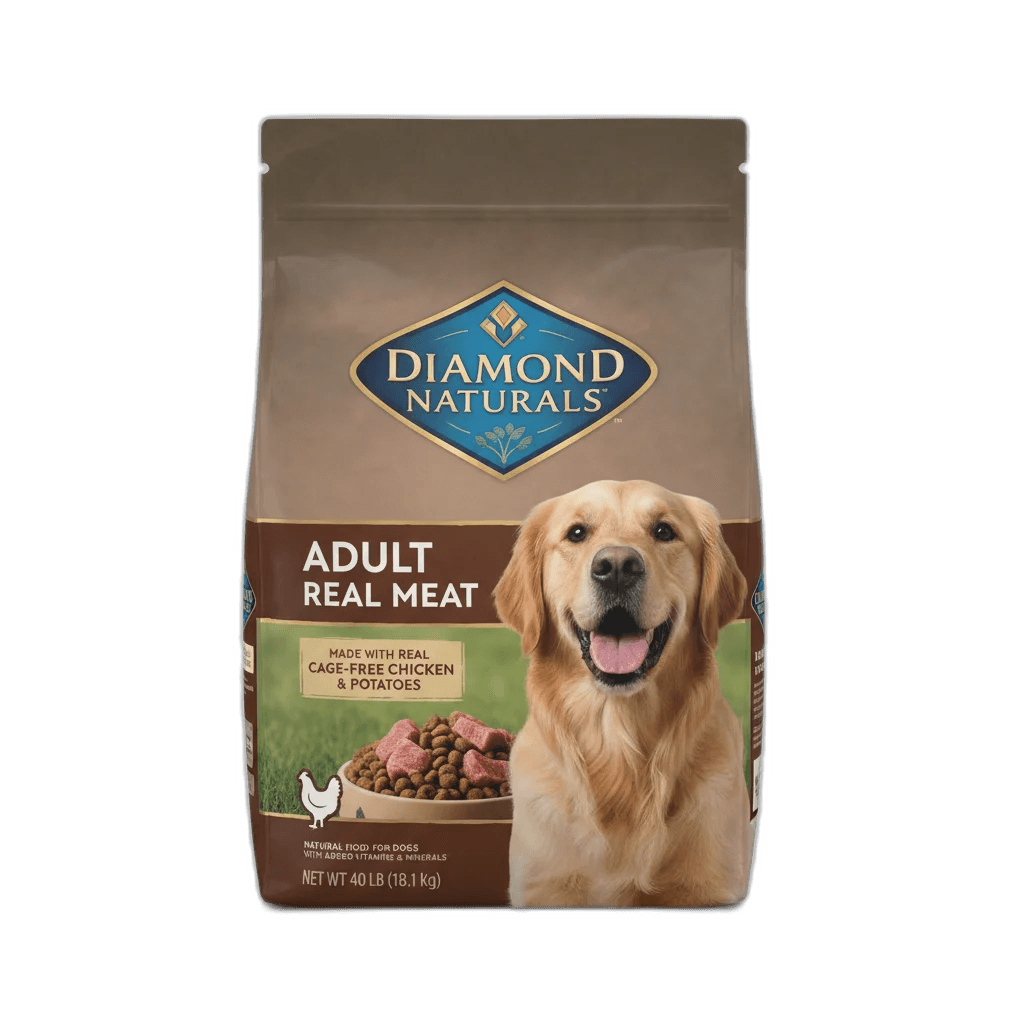
Dry Dog Food
Kibble picks ranked by ingredient quality, protein content, and value per pound.
Current top pick for this slot: Diamond Naturals Adult Real Meat
See all dry dog food picks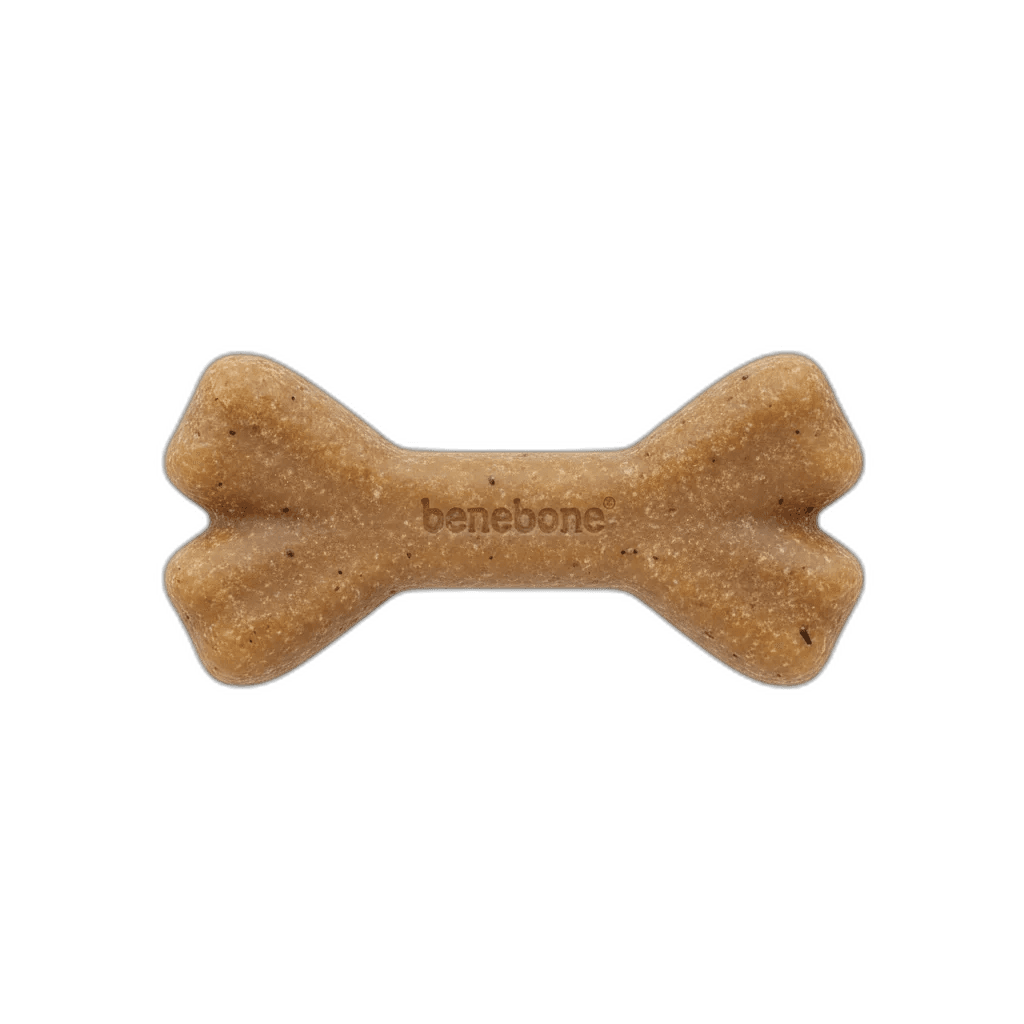
Dog Chew Toys
Durable chew toys for aggressive chewers and teething puppies.
Current top pick for this slot: Benebone Wishbone Chew (Large)
See all dog chew toys picks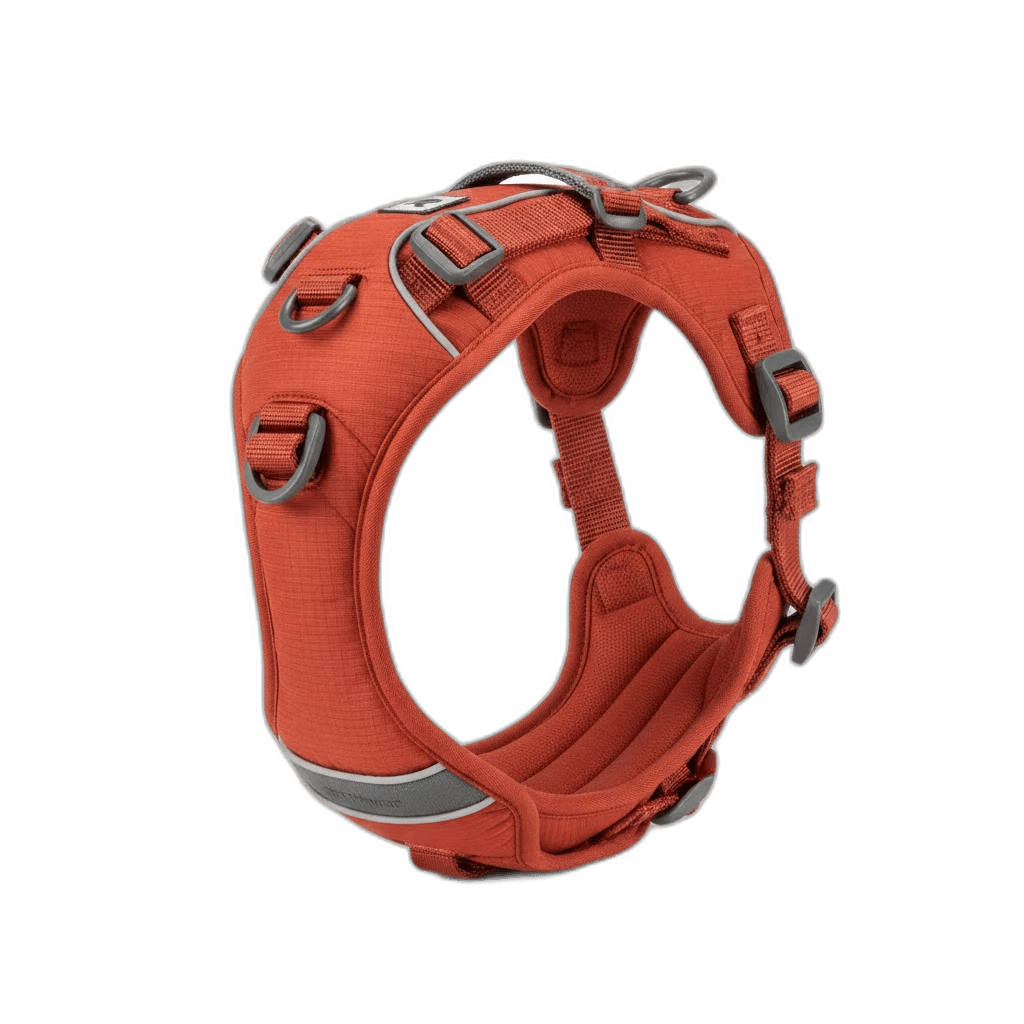
Dog Harnesses
No-pull, front-clip, and padded harnesses for every walking style.
Current top pick for this slot: Ruffwear Front Range Padded Harness
See all dog harnesses picks
Prices are approximate and may vary. Please check the latest price on Amazon. As an Amazon Associate I earn from qualifying purchases.
Life with a Havanese
Your Havanese has memorized your daily schedule with academic precision — they know when you're about to leave before you pick up your keys, and the guilt they generate in that moment is extraordinary.
You will be in the bathroom. Your Havanese will be in the bathroom. This is non-negotiable and was not something you agreed to.
Your Havanese will perform — actual performance, with an audience in mind — when new people visit. They save their best material for company.
The 'RLH' (Run Like Hell) zoomie circuit your Havanese runs at 8pm is not random. It happens at exactly 8pm. It has always happened at exactly 8pm. It will happen tomorrow at exactly 8pm.
You will spend more on grooming this 12-pound dog than you spend on your own haircuts. You will do this cheerfully because look at them.
Editorial synthesis of r/Havanese discussions
r/Havanese's running joke is that you don't own a Havanese — you have a tiny person in a fur suit who has chosen to live with you and expects reciprocation. The breed's emotional intelligence is almost disconcerting; they read your mood before you've identified it yourself.
Paraphrased by PawBench from public discussion — not a quotation, and not a counted sample.
Games Havaneses Actually Love
Trick Chaining Performances
Havanese were bred as companion and entertainer dogs for Cuban aristocracy — they perform. Build trick chains (sit, spin, bow, roll over in sequence) and give a verbal 'show' cue.
Toy Treasure Hunt
Havanese love to carry things — they'll often grab a toy to present as a gift when you return home. Capitalize on this by hiding several toys around the house
Indoor Agility Mini-Course
Set up a small obstacle course using couch cushions, hula hoops, and laundry baskets. Havanese are surprisingly athletic for their size and pick up agility-style sequences quickly. The variety keeps
About the Havanese
Origin & Build
- •The Havanese descended from small companion dogs brought to Cuba by Spanish settlers, where they became the beloved
- •They stand 8.5 to 11.5 inches tall and weigh 7 to 13 pounds, making them a small but
- •Their long, silky double coat is lightweight and flowing, designed for a tropical climate, and comes in virtually
Temperament
- •Havanese are outgoing, affectionate, and genuinely funny — they're known for their clownish antics and love of performing
- •They bond deeply with their families and are typically friendly with strangers, children, and other animals, lacking
- •They're intelligent and responsive to training, excelling in obedience, agility, and trick work
- •Their primary behavioral concern is separation anxiety, as they thrive on companionship and don't do well left alone
Exercise Needs
- •Havanese need 30 to 45 minutes of exercise daily, easily met through walks, indoor play sessions, and interactive
- •They enjoy short walks and are surprisingly agile for their size, doing well in agility courses designed
- •Without enough activity they can become restless or bark excessively, but they're not a high-energy breed that needs
- •They adapt well to their owner's activity level, content with a stroll or a longer outing
Health Watch
- •Patellar luxation (kneecap displacement) is the most common orthopedic issue and ranges from mild to surgically significant
- •Legg-Calve-Perthes disease, which involves degeneration of the femoral head, can cause lameness in young dogs
- •Eye conditions including cataracts and progressive retinal atrophy should be screened regularly
- •Liver shunts, though less common, are a serious congenital condition seen in the breed
Gear Tips
- A high-quality slicker brush and a fine-toothed steel comb are your daily essentials — the Havanese's silky coat looks effortless but mats
- Use a step-in or vest-style harness instead of a collar — Havanese have delicate tracheas, and harnesses prevent pulling pressure on
- A detangling spray (like Chris Christensen Ice on Ice or The Stuff) makes daily brushing faster and reduces breakage — spritz lightly
- A small, portable playpen or exercise pen provides a safe space when you can't supervise directly — it's more effective than crate
- Dental chews and a small-breed toothbrush kit are important — Havanese, like many toy breeds, are prone to dental issues due
- A light rain jacket or sweater is useful for wet or cool weather walks — despite their coat length, Havanese have
Keep Them Happy
- Never adopt a Havanese if you work long hours without a solid plan — the breed was developed to be a human
- Invest in trick training early. Havanese are quick learners who get bored with repetition — teaching thirty different tricks gives you thirty
- Commit to a grooming schedule or keep them in a short 'puppy clip' — the silky coat mats fast, and a matted
- Socialization early is critical. The breed is naturally friendly but can tip into timidity or 'small dog syndrome' if they're carried everywhere
Buying guides for this breed type
Havaneses share buying considerations with other breeds in these clusters:
Shop by category
Browse research-backed picks across every product category — not just for Havaneses.
Frequently Asked Questions
- Do Havanese dogs shed?
- Havanese are considered a low-shedding breed, which is one of their major selling points. They do lose hair (all dogs do), but it tends to get caught in the coat rather than falling onto your furniture, which is why regular brushing is so important —
- How do you prevent matting in a Havanese coat?
- Daily brushing with a slicker brush followed by a fine-toothed comb is the gold standard for a full-length coat. Use a detangling spray before brushing to reduce friction and breakage. Pay special attention to friction areas — behind the ears, under the legs, around
- Are Havanese good for apartments?
- Havanese are one of the best apartment dogs available. They're small, relatively quiet (though they'll alert bark), don't need a yard, and get sufficient exercise from daily walks and indoor play. Their friendly temperament means they handle the close-quarter encounters of apartment hallways and elevators
- What kind of harness is best for a Havanese?
- A lightweight, step-in or vest-style harness works best for Havanese. Look for one with smooth interior lining that won't catch and tangle their silky coat — mesh or neoprene interiors are ideal. The Puppia Soft Harness and Gooby Comfort X are popular choices for