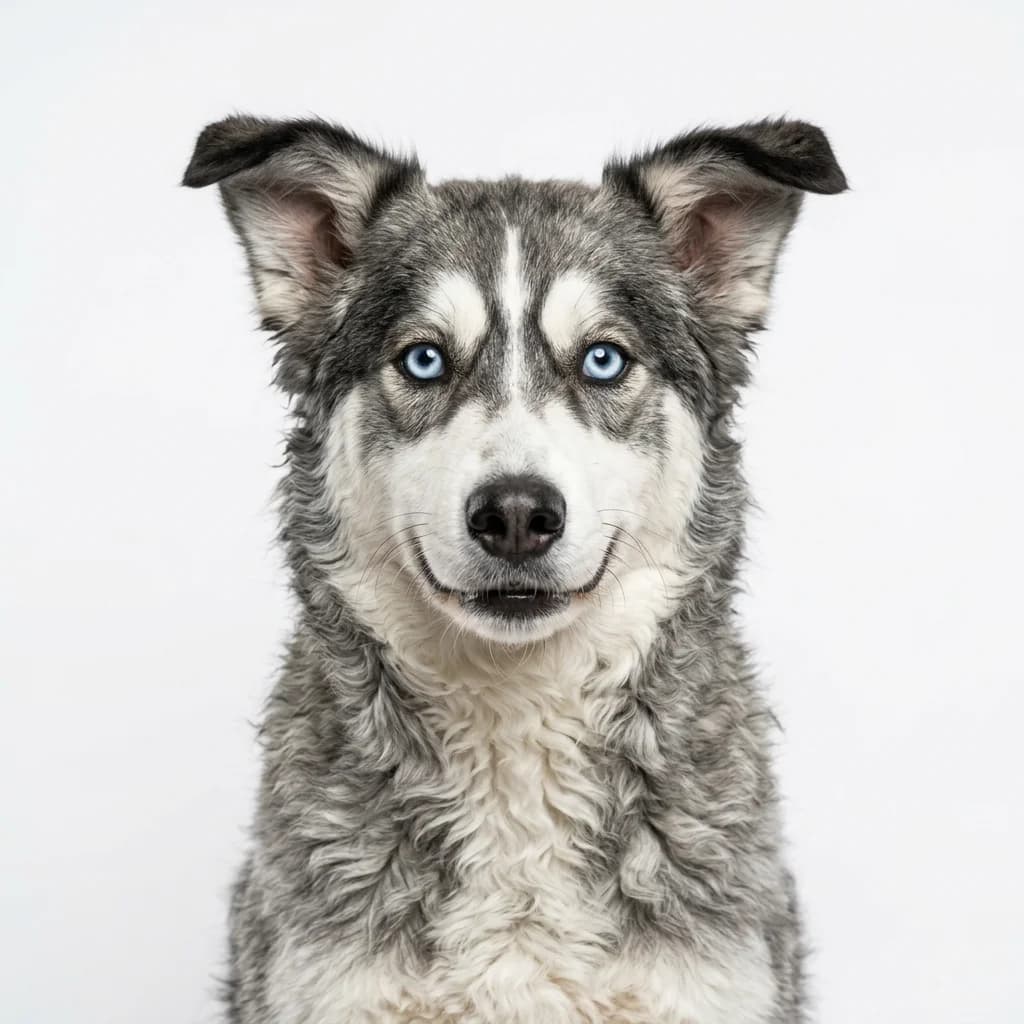
Best Gear for Huskydoodles
The Huskydoodle blends Husky athleticism with Poodle intelligence and a low-shedding coat — a vocal, high-energy cross for experienced, active owners.
A cross between siberian husky × poodle
The Huskydoodle blends Husky athleticism with Poodle intelligence and a low-shedding coat — a vocal, high-energy cross for experienced, active owners.
Weight
40-60 lbs
Energy
Very High
Shedding
Minimal
Trainability
Stubborn
What changes your buying decision for a Huskydoodle
Most gear advice is breed-agnostic. These are the 5traits on this breed’s profile that actually change which product is the right one — each one read straight off the stats above.
Breed profile
Walk gear is a fit decision, not a brand decision
A harness that fits is the one that stays put and stops rubbing. Girth varies far more between individual dogs than between Huskydoodles and any other breed, so measure before you buy rather than ordering the size on the breed chart.
Weight · 40-60 lbs
Large sizing decides the bed and the crate
At 40-60 lbs a Huskydoodle sits in most brands' large band — but "Large" is a marketing word, not a measurement. Buy to the manufacturer's stated weight rating and the dog's measured length, because the same label covers very different sleeping surfaces from one brand to the next.
Shedding · Minimal
Low-shedding is not low-maintenance
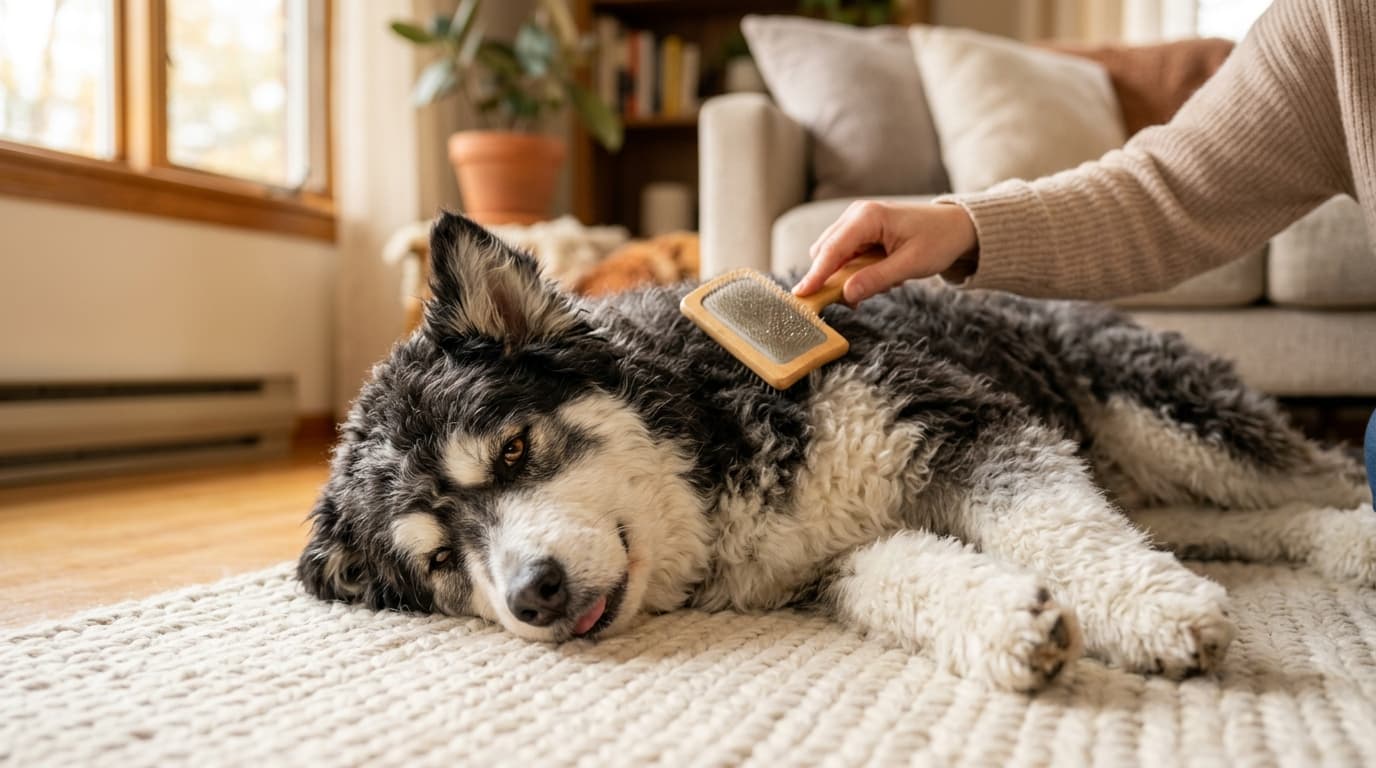
Hair that does not fall out mats instead, so a minimal-shedding coat needs a slicker brush and a metal comb used more often — not an expensive vacuum. This is the buying decision people get backwards.
Energy · Very High
Buy toys for replacement cost, not novelty
Very High energy sets the toy budget: chase-and-fetch toys and chews get destroyed on a schedule, so durability per dollar matters more than the feature list. No toy substitutes for the exercise itself.
Trainability · Stubborn
High-value food is the leverage, not the gadget
Trainability rated "Stubborn" means the payoff comes from what you are paying with. High-value training treats and short sessions move this breed further than any piece of hardware, which is worth knowing before you buy a training tool.
The Huskydoodle gear checklist
These slots do different jobs, so this is a checklist rather than a comparison — each one links to the ranked picks for that slot, where products are compared against others of the same kind.
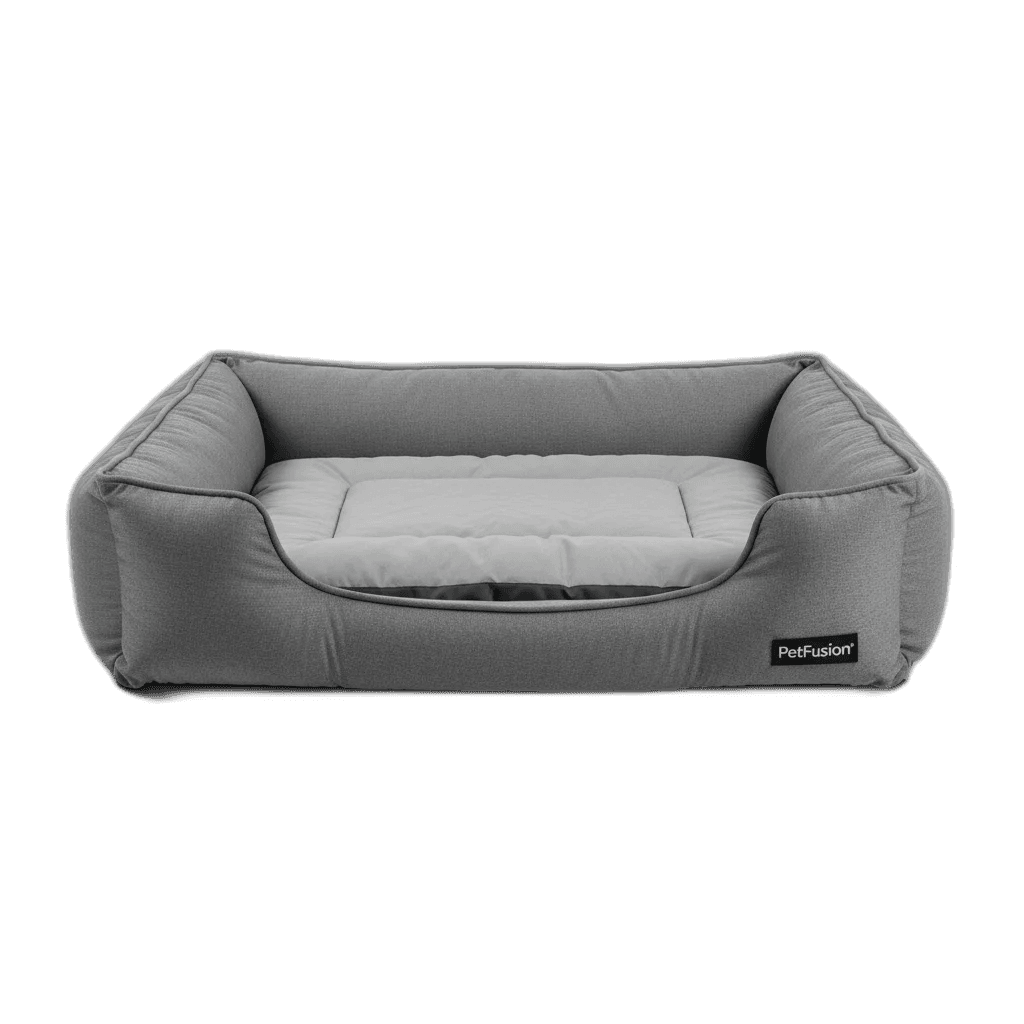
Orthopedic Dog Beds
Memory foam and supportive beds for seniors, large breeds, and dogs with joint issues.
Current top pick for this slot: PetFusion Ultimate Dog Bed
See all orthopedic dog beds picks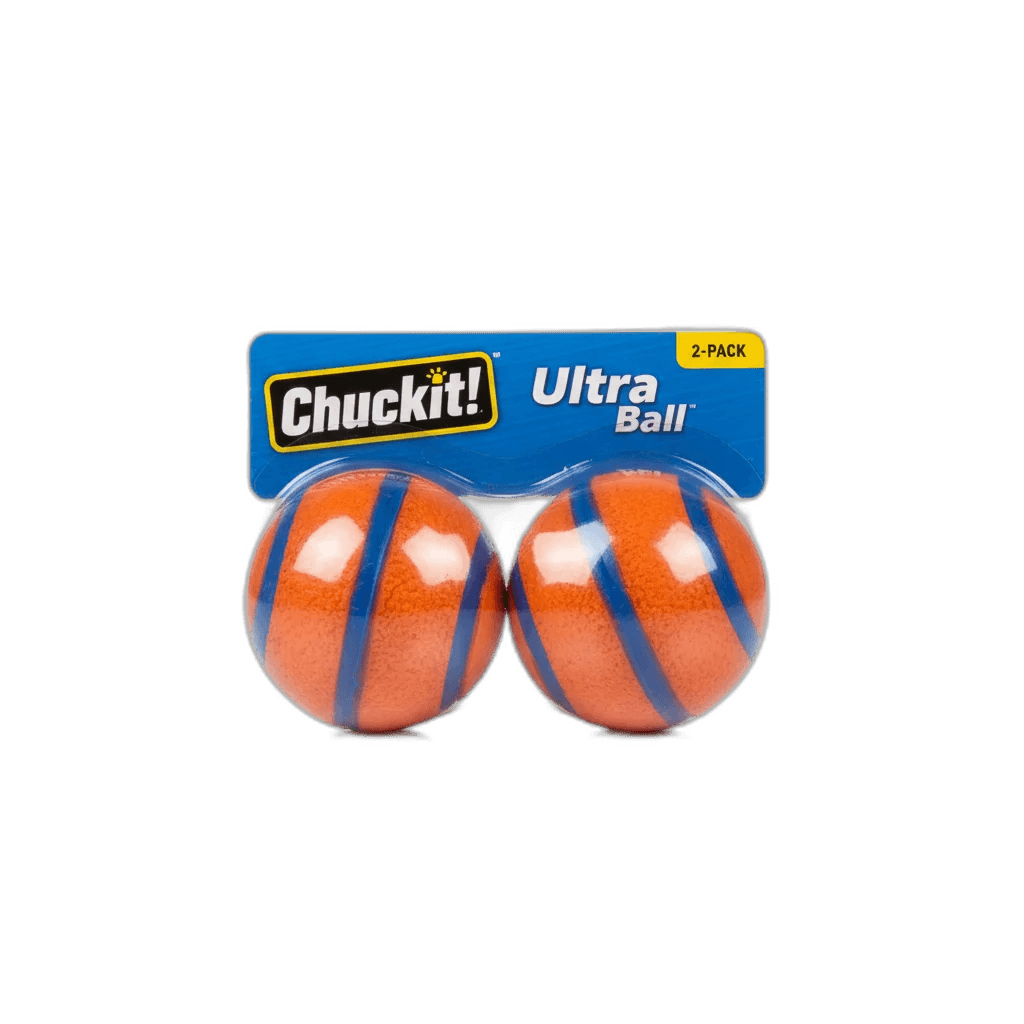
Fetch Toys
Balls, frisbees, and launchers for dogs who live to retrieve.
Current top pick for this slot: ChuckIt! Ultra Ball (2-Pack)
See all fetch toys picks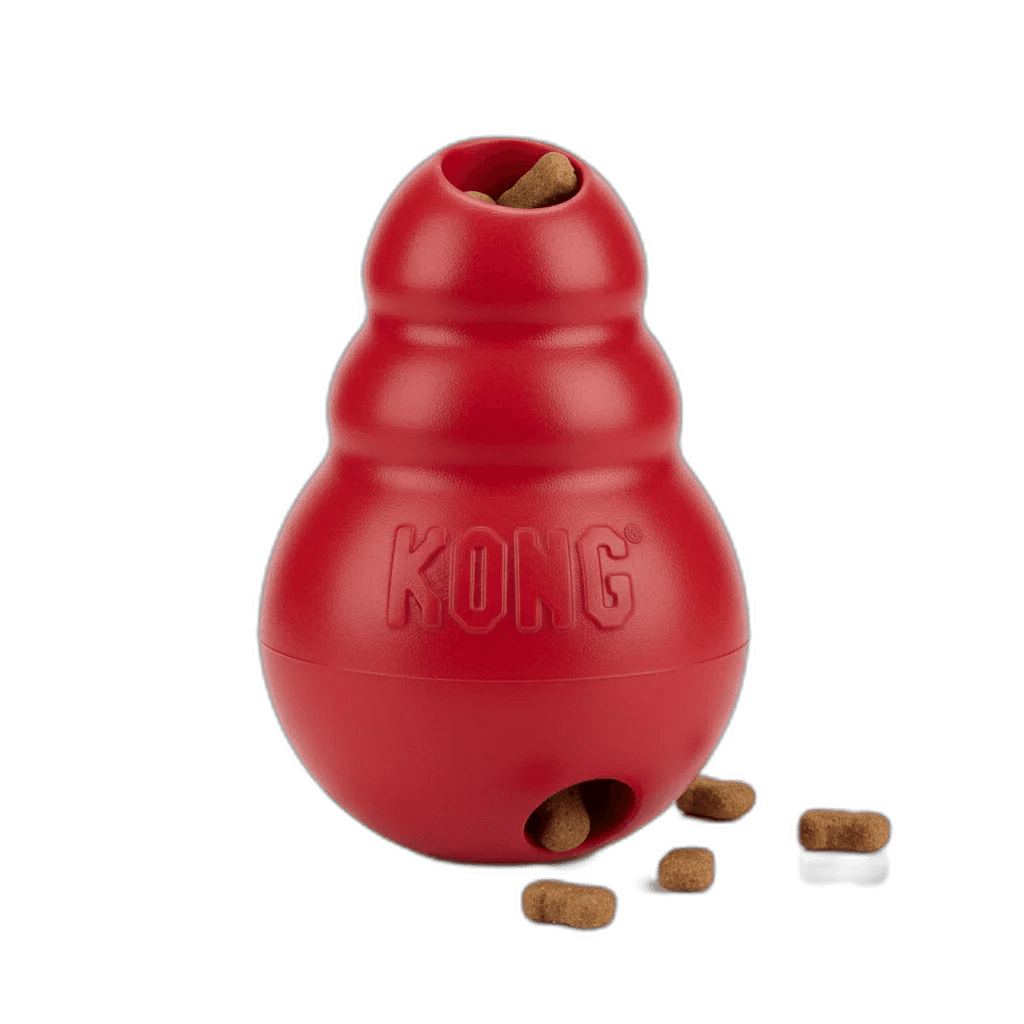
Puzzle & Treat Dispensing Toys
Interactive toys that challenge your dog's brain and slow down fast eaters.
Current top pick for this slot: Kong Wobbler Treat Dispensing Toy
See all puzzle & treat dispensing toys picks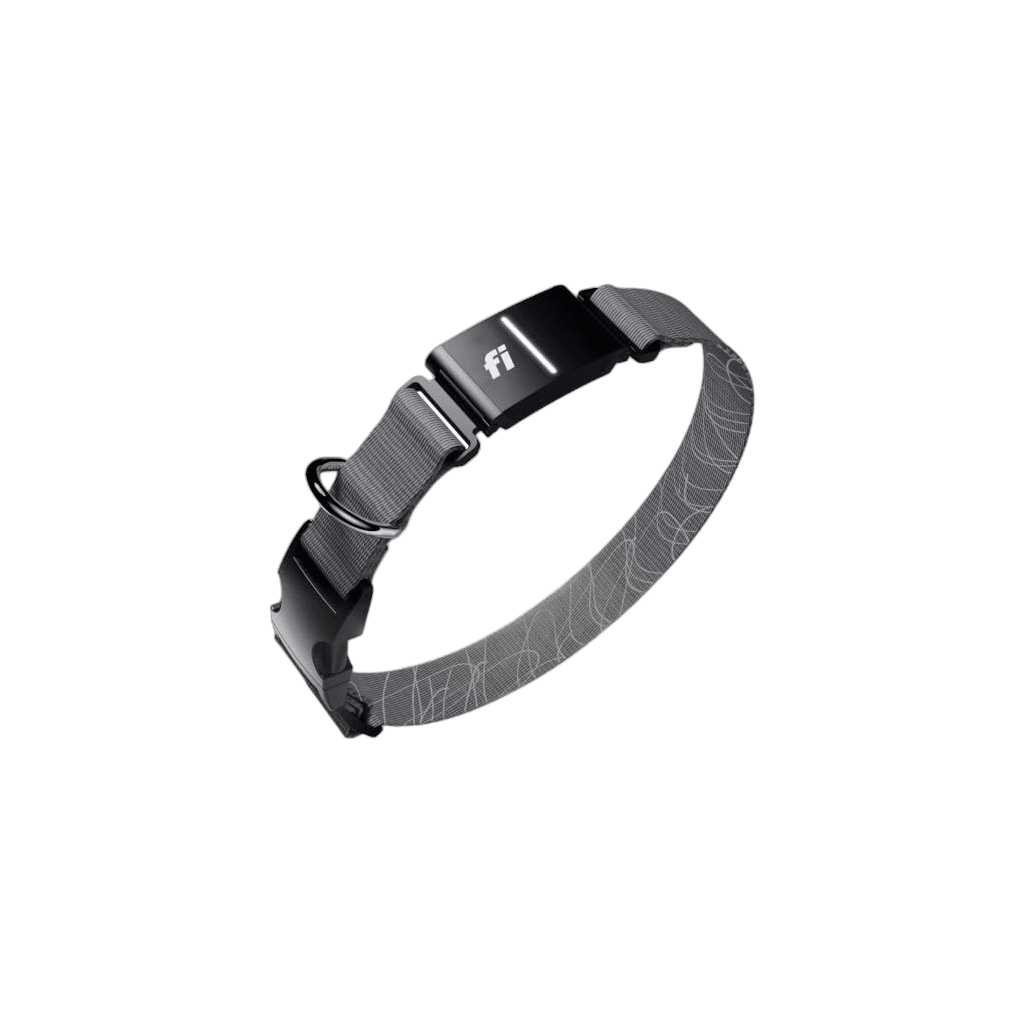
GPS & Activity Trackers
Location trackers and fitness monitors for adventurous dogs.
Current top pick for this slot: Fi Series 3+ GPS Dog Collar & Tracker (Membership Required, Gray)
See all gps & activity trackers picks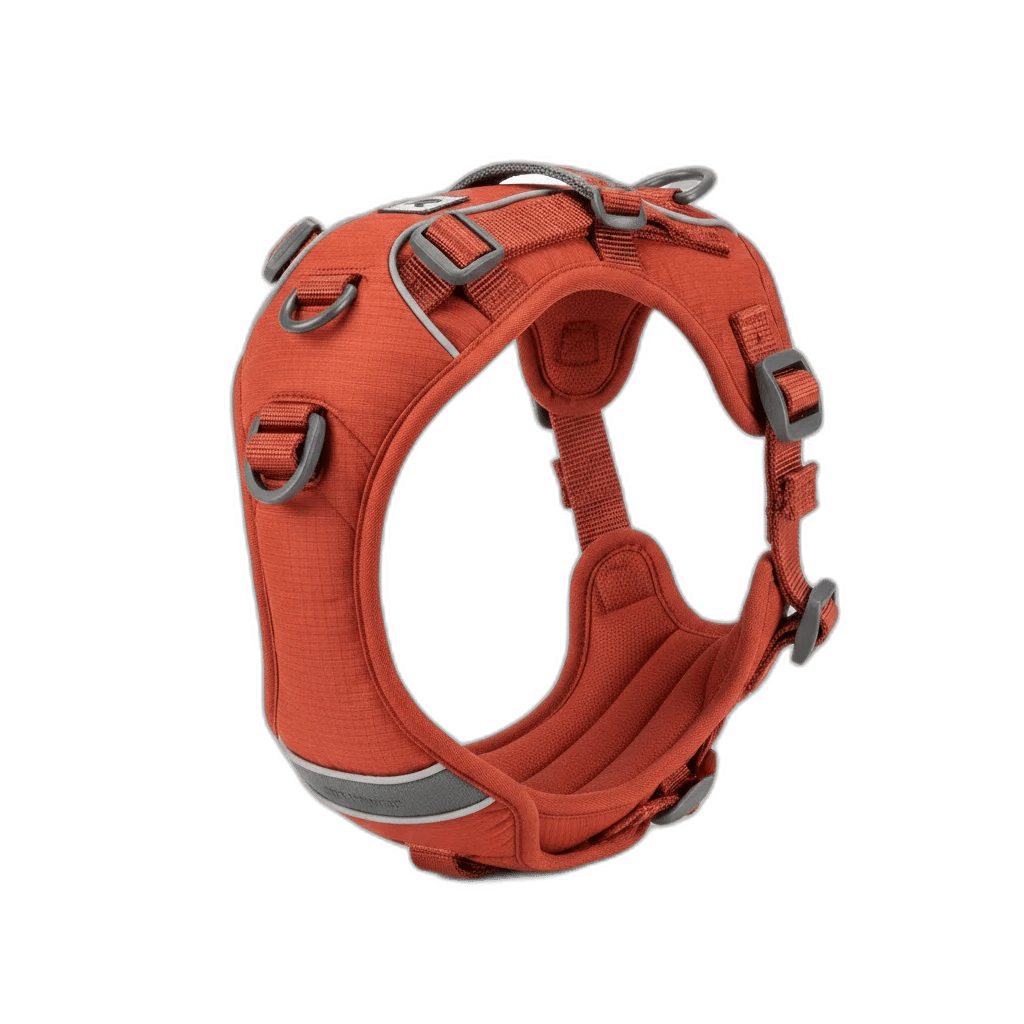
Dog Harnesses
No-pull, front-clip, and padded harnesses for every walking style.
Current top pick for this slot: Ruffwear Front Range Padded Harness
See all dog harnesses picks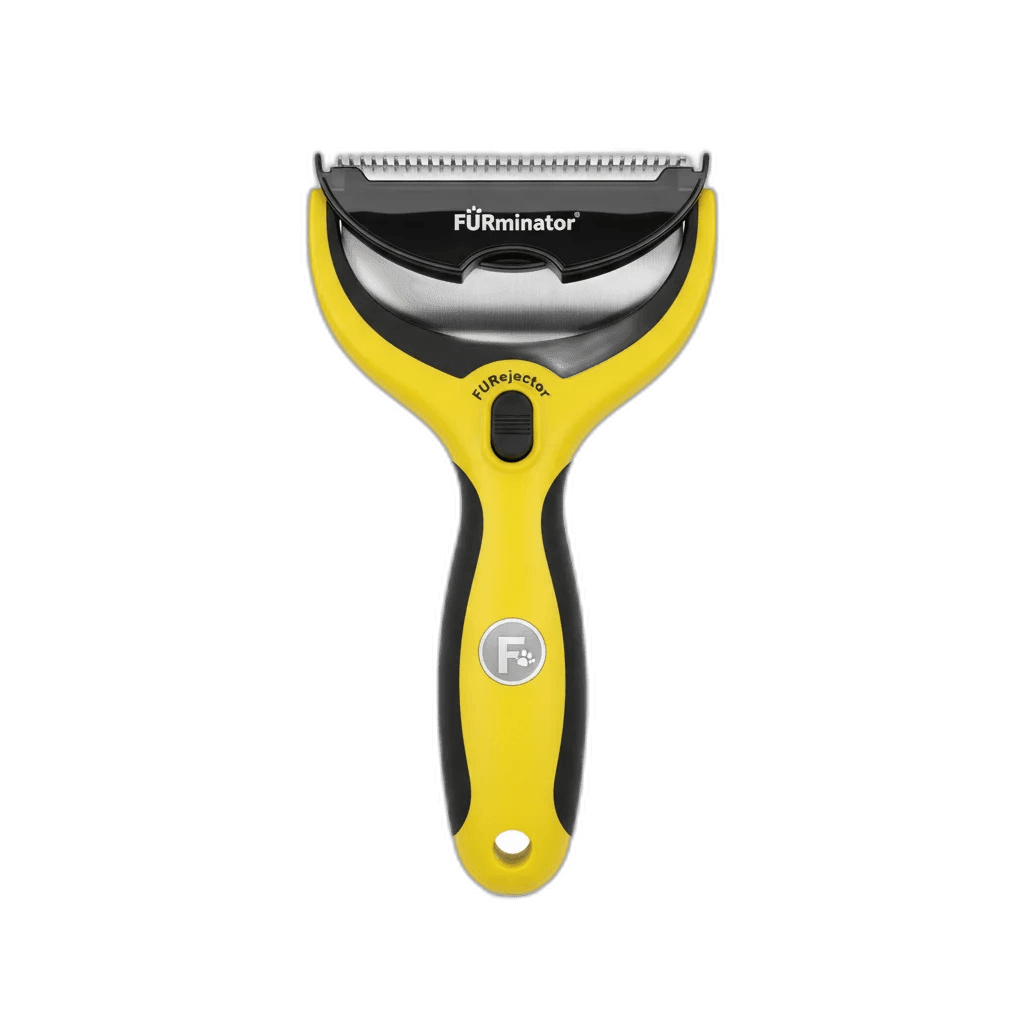
Dog Brushes & Deshedding Tools
Slicker brushes, undercoat rakes, and deshedding tools for every coat type.
Current top pick for this slot: FURminator Undercoat Deshedding Tool (Large)
See all dog brushes & deshedding tools picks
Prices are approximate and may vary. Please check the latest price on Amazon. As an Amazon Associate I earn from qualifying purchases.
Life with a Huskydoodle
Your Huskydoodle will learn exactly how to open the back gate within two weeks of moving in, then demonstrate the skill at the least convenient possible moment — fence inspection is not paranoia, it is maintenance.
The howling is not a phase: your Huskydoodle will announce the mail carrier, commiserate when you leave, and occasionally offer a full-throated opinion about dinner timing, and the neighbors will form views about this before you have a chance to warn them.
An hour of vigorous exercise will leave most dogs ready for rest — your Huskydoodle will drink from the bowl, shake the water everywhere, and look at you with the same expectant energy it had before you started, because the Husky side of this dog is not bounded by normal dog-tired math.
The intelligence is a joy until it is aimed at your limitations: your Huskydoodle will figure out which commands you enforce and which ones you let slide and will optimize its compliance accordingly, with a precision that feels personal.
The bond with a well-exercised, well-trained Huskydoodle is genuinely remarkable — this is an athletic, brilliant, deeply loyal dog that makes every long run and every training session feel like a partnership rather than a chore.
Editorial synthesis of public dog-owner discussions
Owners of Husky-Poodle crosses on breed forums are consistent on two points: the intelligence and energy are both higher than expected even for people who researched the breed thoroughly, and the Husky's recall resistance does not train away in most individuals regardless of how much work goes into it — the experienced consensus is to plan for leash and fence management as a permanent feature rather than a training phase to move past.
Paraphrased by PawBench from public discussion — not a quotation, and not a counted sample.
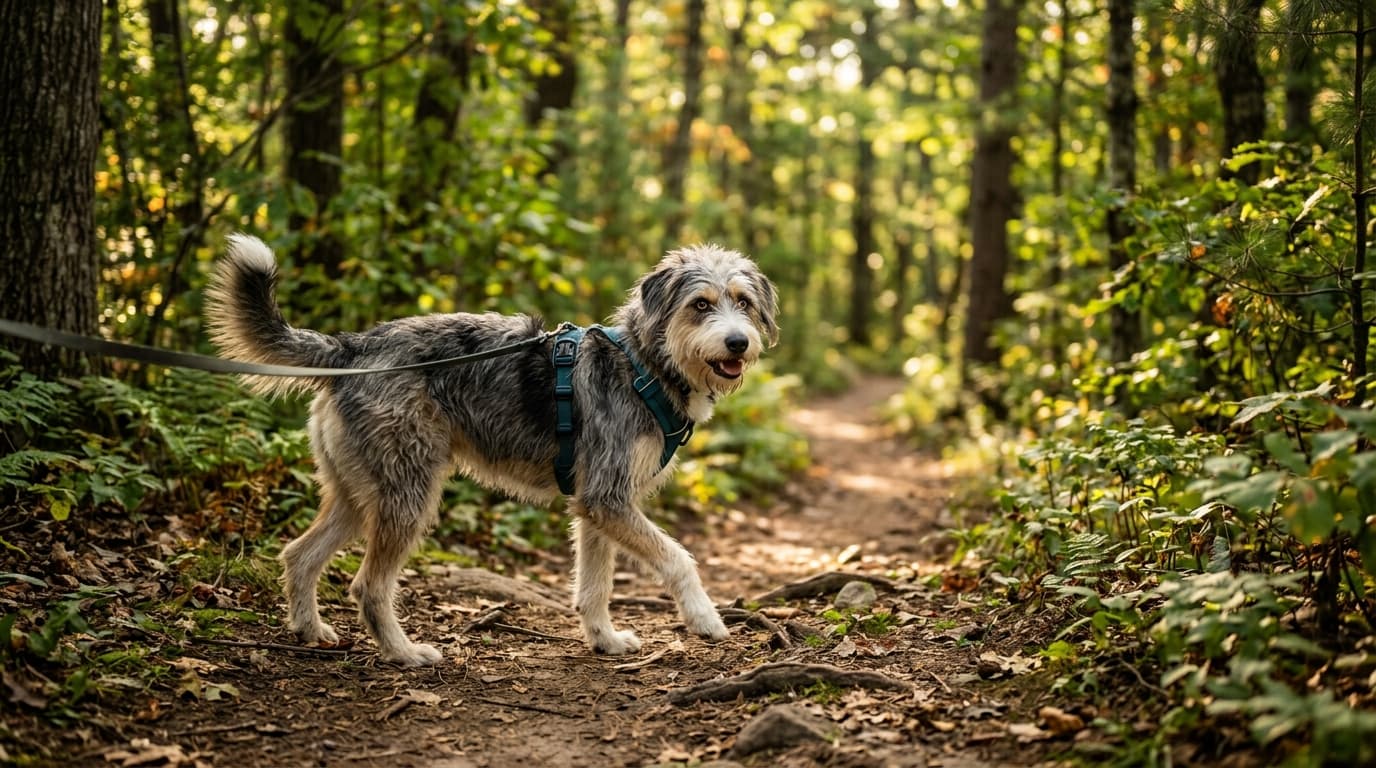
Games Huskydoodles Actually Love
Canicross or Run Alongside
The Huskydoodle's sled-dog heritage produces a dog that loves to run with purpose rather than just around a yard — canicross (owner runs with dog attached via waist belt
Fetch with a Flirt Pole
The Husky prey drive activates on moving targets, and a flirt pole — a lunge whip with a toy on the end — channels that chase instinct into a controlled
Howl Along Sessions
Huskydoodles that inherit the Husky's vocalization tend to howl more when they have company — owners who howl with their dog create a genuine communication ritual that many Huskydoodles engage
About the Huskydoodle
Origin & Build
- •The Huskydoodle emerged as an intentional designer cross in the late 1990s and 2000s, primarily in the United
- •Breeders sought to combine the Siberian Husky's striking visual appeal and sled-dog athleticism with the Poodle's lower-shedding coat
- •The cross is produced using a Standard or Miniature Poodle dam and a Siberian Husky sire, or vice
- •There is no formal breed registry or governing association for Huskydoodles, and the breed varies significantly in size,
Temperament
- •The Huskydoodle is an affectionate, people-bonded dog with an independent streak that distinguishes it from more handler-dependent doodle
- •The Poodle's trainability makes the Huskydoodle capable of learning complex commands quickly, but the Husky's self-directed intelligence means
- •This is a vocal breed — howling, 'talking,' and sustained vocalization are common, particularly when the dog is
- •The Huskydoodle is typically good with children and other dogs when socialized early, and its Husky heritage produces
Exercise Needs
- •Huskydoodles require 60 to 90 minutes of vigorous daily exercise — and vigorous means running, hiking, swimming,
- •The Siberian Husky's sled-dog stamina means the Huskydoodle does not tire at the same rate as most medium-sized
- •Canicross (owner running with the dog attached via waist harness), swimming, and agility training are particularly effective because
- •A securely fenced yard is necessary for off-leash exercise — the Husky's escape drive makes any unsecured space
Health Watch
- •Huskydoodles inherit health vulnerabilities from both parent breeds
- •Hip dysplasia is a shared concern from both Husky and Poodle lines and represents a compounded genetic risk
- •Progressive retinal atrophy (PRA) is documented in both parent breeds and can appear in Huskydoodles — responsible breeders
- •Bloat (gastric dilatation-volvulus) is a risk in deep-chested dogs of this size range
Gear Tips
- A GPS tracker collar or tag is practical equipment for a Huskydoodle, not an optional accessory — the Husky's escape-artist creativity
- Use a 30-to-50-foot long-line leash for exercise in unfenced spaces — the Huskydoodle's prey drive makes reliable off-leash recall in uncontrolled environments
- Invest in puzzle feeders at Level 3 complexity or higher, and rotate them on a 3-to-4-day cycle — the Poodle intelligence
- A front-clip no-pull harness is essential for daily walks — the Huskydoodle's athletic build and prey-drive-activated acceleration require a walking setup that
- Budget for professional grooming every 6 to 8 weeks regardless of coat appearance — the blend of Husky density and Poodle curl
Keep Them Happy
- Structure training in 10-to-15-minute sessions three times daily rather than one long session — the Huskydoodle's Poodle intelligence means rapid learning, but
- Enroll in agility, canicross, or nose work classes — structured dog sports with external instructors and progressive difficulty levels give the Huskydoodle
- Rotate puzzle feeders on a 3-to-4-day cycle without repeating solved types — the Poodle intelligence in this cross solves static puzzles within
- Invest in a solid fence inspection routine — a bored Huskydoodle is motivated to test every weakness in a fence perimeter,
Buying guides for this breed type
Huskydoodles share buying considerations with other breeds in these clusters:
Shop by category
Browse research-backed picks across every product category — not just for Huskydoodles.
Frequently Asked Questions
- Do Huskydoodles shed?
- It depends on which parent's coat genetics dominate. Huskydoodles with predominantly Poodle coat genetics shed minimally and are lower-allergen. Those that inherit more of the Husky's double coat will shed moderately year-round with significant seasonal blow periods in spring and fall. Even low-shedding Huskydoodles require
- Are Huskydoodles good apartment dogs?
- Generally not — their exercise requirements (60 to 90 minutes of vigorous daily activity), vocal tendencies (howling, talking), and mental enrichment needs are difficult to meet in apartment settings. Owners who live in apartments and commit to daily long runs, dog parks, and consistent mental
- Can a Huskydoodle be trusted off-leash?
- With extensive training from puppyhood, some Huskydoodles develop reliable recall in low-distraction environments. However, the Husky's prey drive and self-directed independence mean that in the presence of moving wildlife, other dogs, or novel environmental stimulation, recall reliability drops significantly in most individuals. Experienced Huskydoodle owners
- Are Huskydoodles good for first-time owners?
- Most experienced dog owners and Huskydoodle-specific resources advise against this match. The combination of Husky stubbornness, high exercise needs, vocal behavior, escape drive, and the Poodle's need for consistent mental engagement produces a dog that rewards experienced, confident owners with an active lifestyle. First-time owners