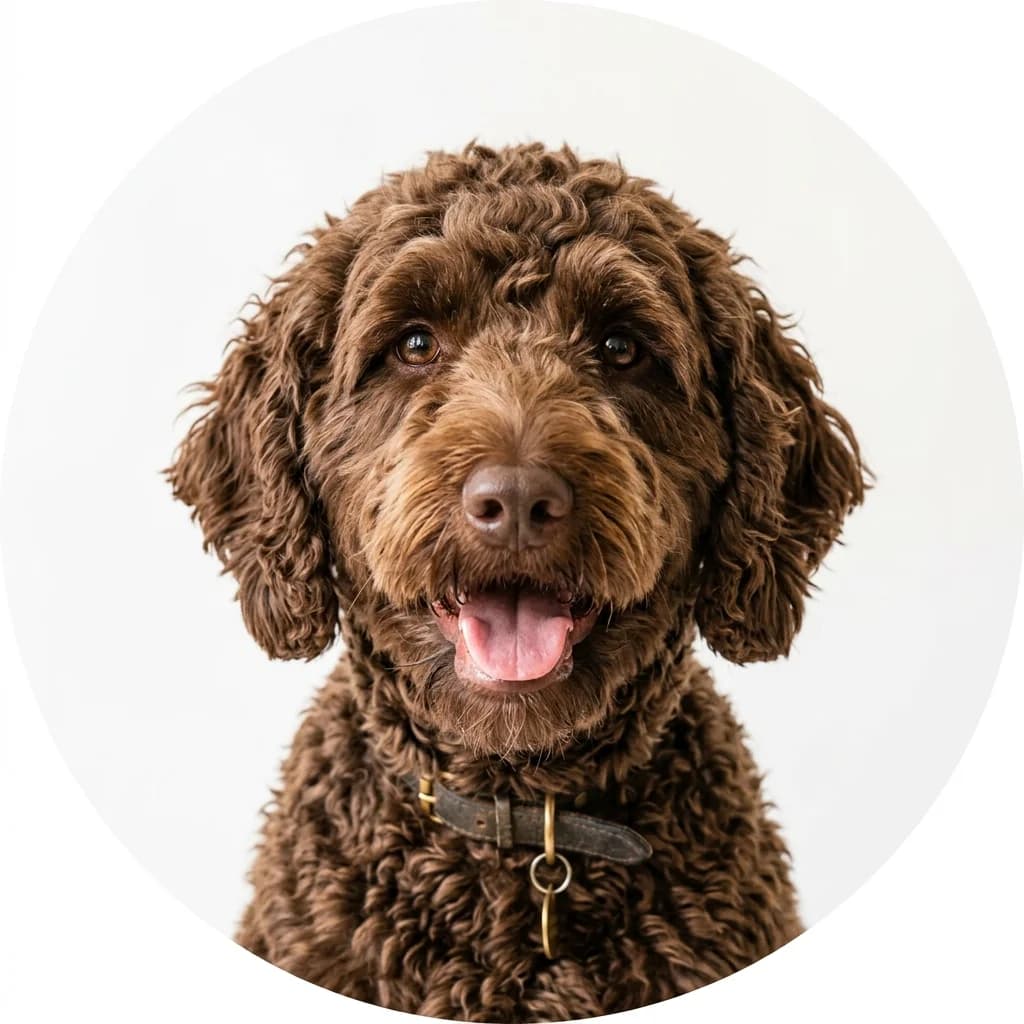
Best Gear for Labradoodles
The Labradoodle, originally bred in Australia as a hypoallergenic guide dog, combines the Labrador's trainability and social warmth with the Poodle's low-shedding intelligence — available in three sizes and multiple coat types.
A cross between labrador retriever × poodle
The Labradoodle, originally bred in Australia as a hypoallergenic guide dog, combines the Labrador's trainability and social warmth with the Poodle's low-shedding intelligence — available in three sizes and multiple coat types.
Weight
50-90 lbs
Lifespan
12-14 yrs
Energy
Very High
Shedding
Minimal
Trainability
Smart
What changes your buying decision for a Labradoodle
Most gear advice is breed-agnostic. These are the 5traits on this breed’s profile that actually change which product is the right one — each one read straight off the stats above.
Breed profile
Walk gear is a fit decision, not a brand decision
A harness that fits is the one that stays put and stops rubbing. Girth varies far more between individual dogs than between Labradoodles and any other breed, so measure before you buy rather than ordering the size on the breed chart.
Weight · 50-90 lbs
Large sizing decides the bed and the crate
At 50-90 lbs a Labradoodle sits in most brands' large band — but "Large" is a marketing word, not a measurement. Buy to the manufacturer's stated weight rating and the dog's measured length, because the same label covers very different sleeping surfaces from one brand to the next.
Shedding · Minimal
Low-shedding is not low-maintenance
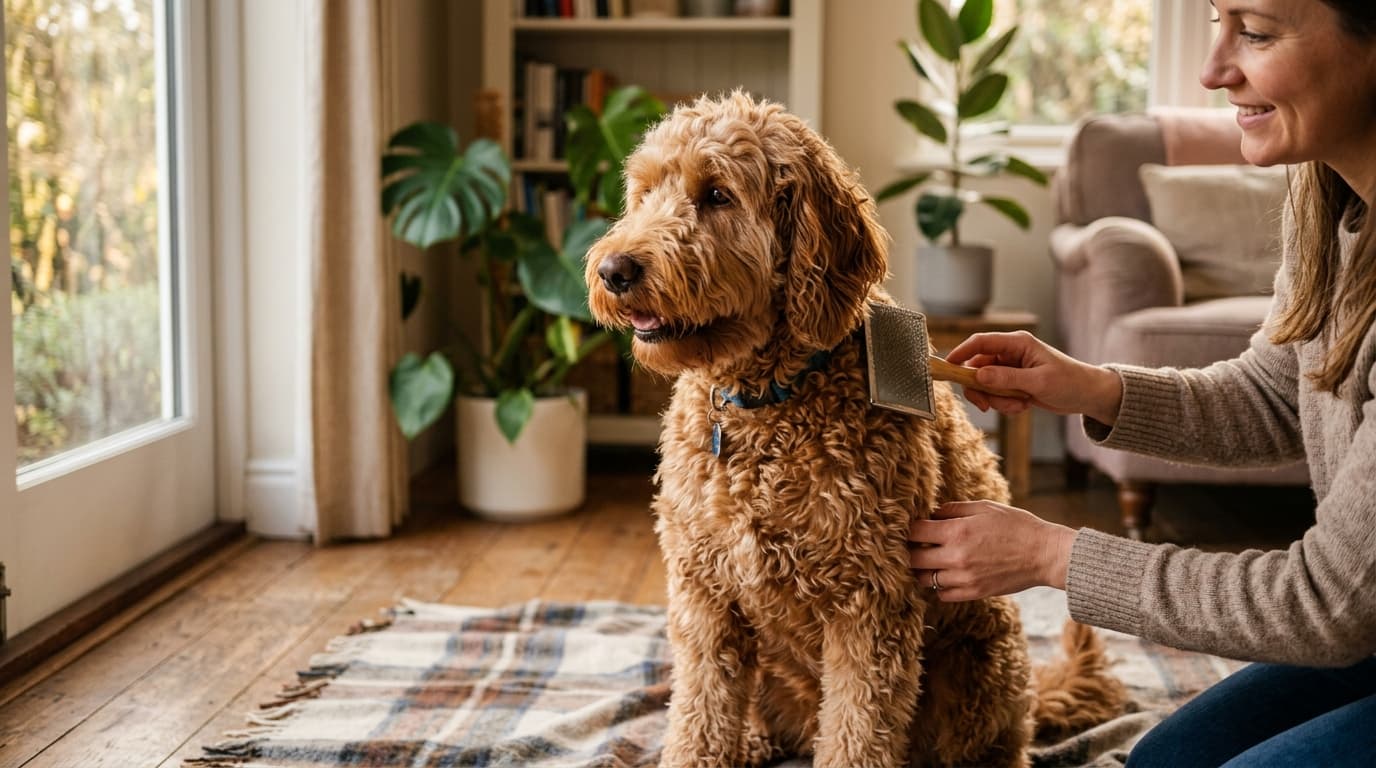
Hair that does not fall out mats instead, so a minimal-shedding coat needs a slicker brush and a metal comb used more often — not an expensive vacuum. This is the buying decision people get backwards.
Energy · Very High
Buy toys for replacement cost, not novelty
Very High energy sets the toy budget: chase-and-fetch toys and chews get destroyed on a schedule, so durability per dollar matters more than the feature list. No toy substitutes for the exercise itself.
Trainability · Smart
Spend on the reward, not the hardware
Trainability rated "Smart" means most of the budget belongs in rewards and a plain fixed-length leash. Corrective hardware solves a problem this breed does not usually present.
The Labradoodle gear checklist
These slots do different jobs, so this is a checklist rather than a comparison — each one links to the ranked picks for that slot, where products are compared against others of the same kind.
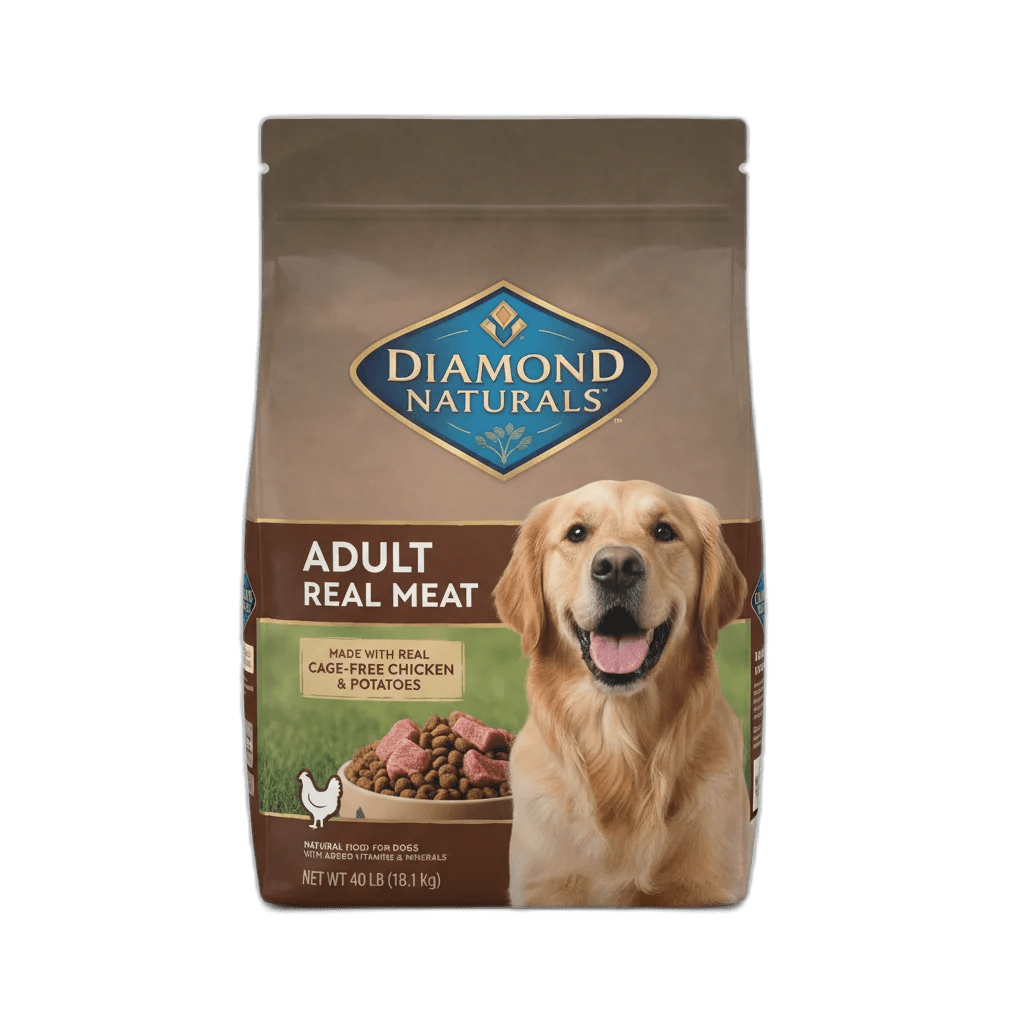
Dry Dog Food
Kibble picks ranked by ingredient quality, protein content, and value per pound.
Current top pick for this slot: Diamond Naturals Adult Real Meat
See all dry dog food picks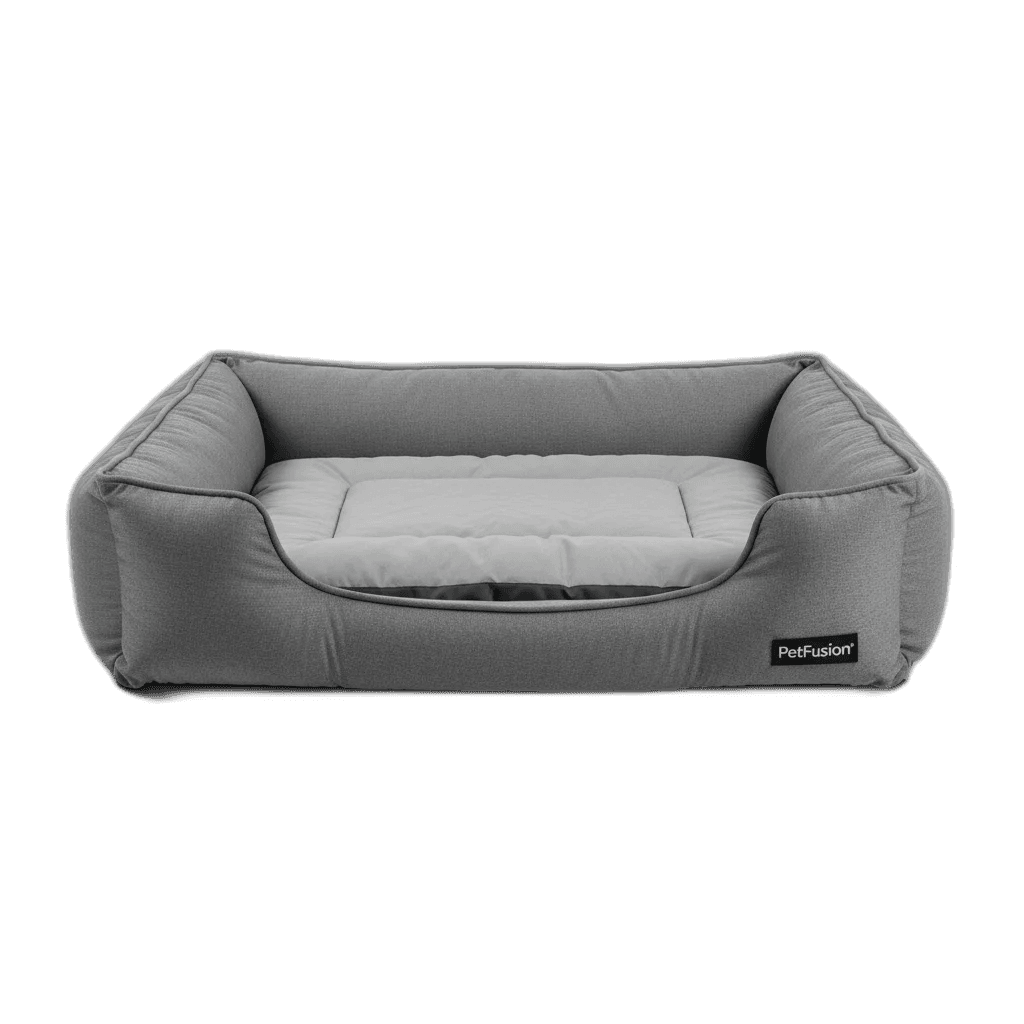
Orthopedic Dog Beds
Memory foam and supportive beds for seniors, large breeds, and dogs with joint issues.
Current top pick for this slot: PetFusion Ultimate Dog Bed
See all orthopedic dog beds picks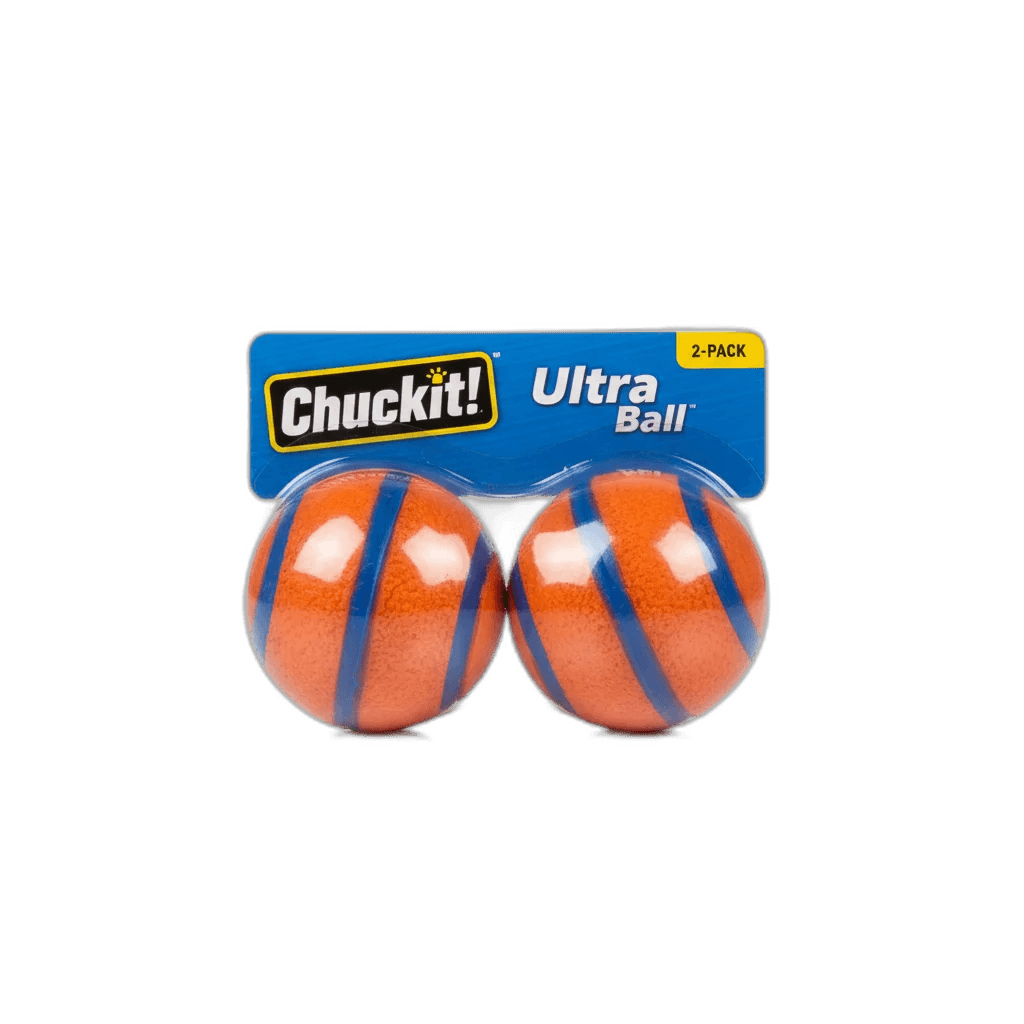
Fetch Toys
Balls, frisbees, and launchers for dogs who live to retrieve.
Current top pick for this slot: ChuckIt! Ultra Ball (2-Pack)
See all fetch toys picks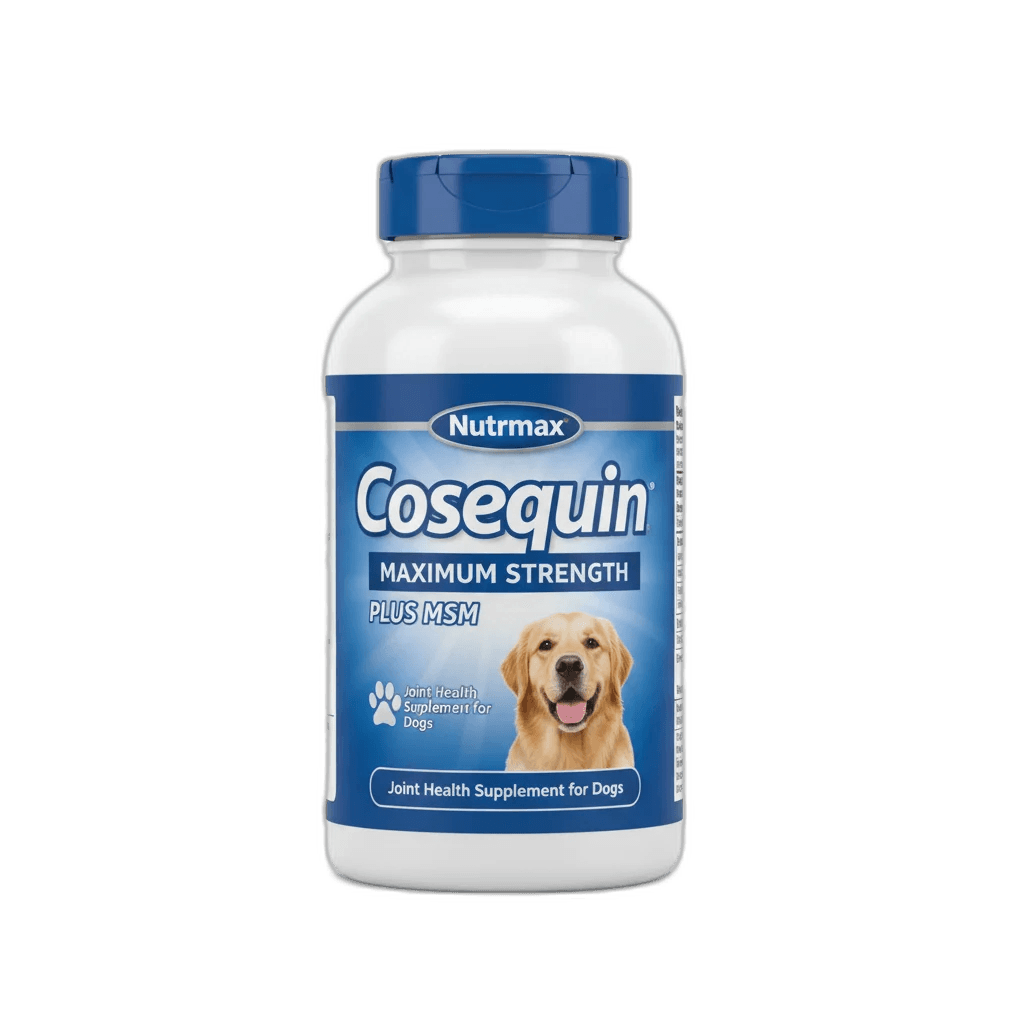
Joint & Mobility Supplements
Glucosamine, chondroitin, and hip & joint support for aging dogs.
Current top pick for this slot: Nutramax Cosequin Maximum Strength Plus MSM
See all joint & mobility supplements picks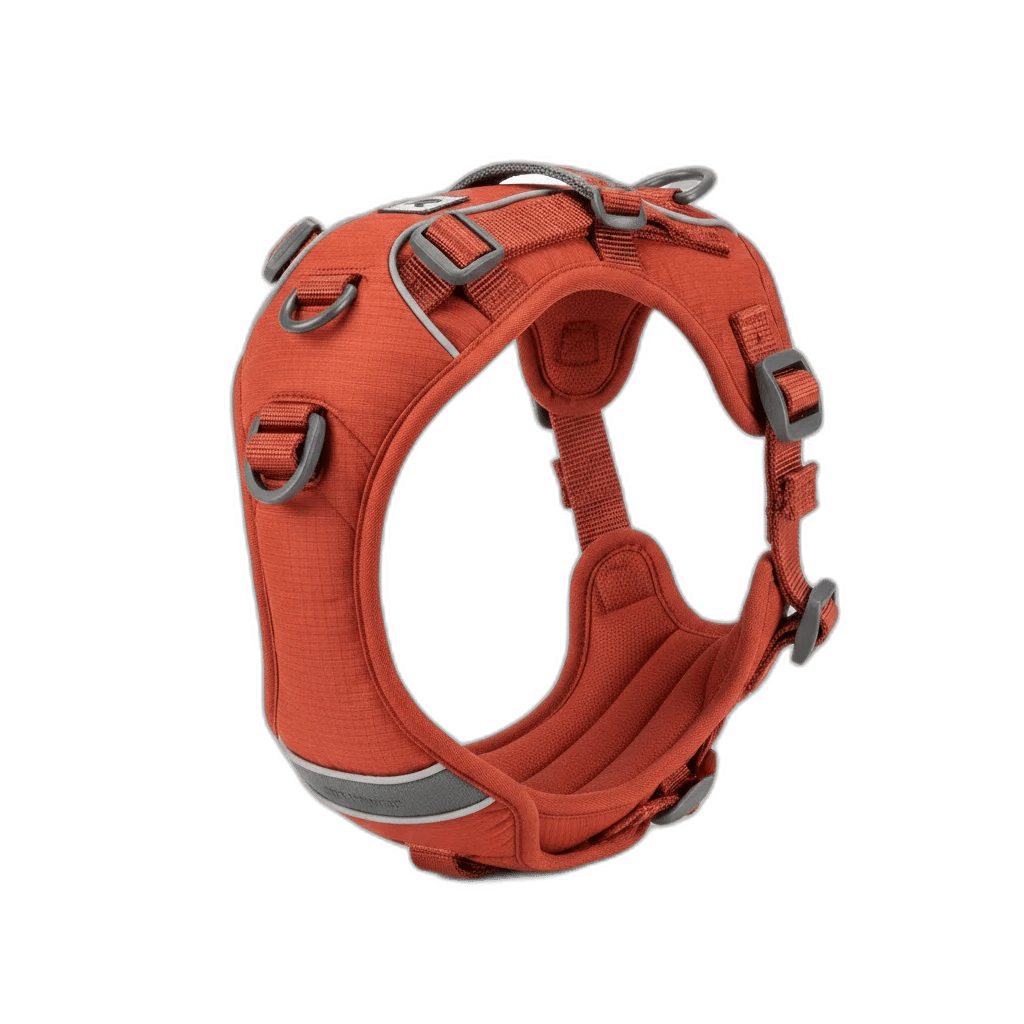
Dog Harnesses
No-pull, front-clip, and padded harnesses for every walking style.
Current top pick for this slot: Ruffwear Front Range Padded Harness
See all dog harnesses picks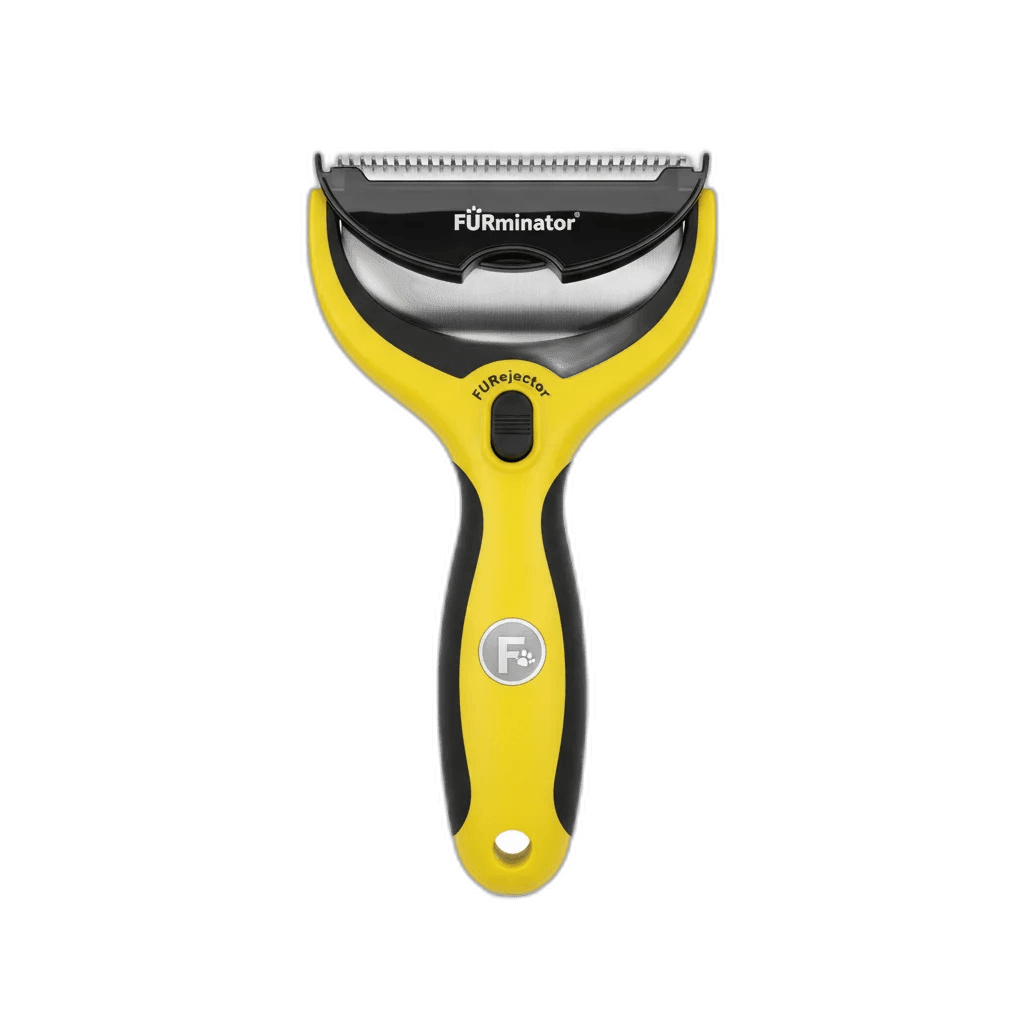
Dog Brushes & Deshedding Tools
Slicker brushes, undercoat rakes, and deshedding tools for every coat type.
Current top pick for this slot: FURminator Undercoat Deshedding Tool (Large)
See all dog brushes & deshedding tools picks
Prices are approximate and may vary. Please check the latest price on Amazon. As an Amazon Associate I earn from qualifying purchases.
Life with a Labradoodle
Your Labradoodle will eat anything that falls on the floor within 0.3 seconds — the Lab food drive survived the Poodle cross completely intact, possibly amplified.
The grooming bill will genuinely surprise you every time, even after years of ownership, because the fleece coat grows faster than you expect and mats at a speed that defies physics.
Your Labradoodle has the Poodle's intelligence and the Lab's enthusiasm for applying it to unauthorized projects — expect them to figure out the recycling bin, the treat cabinet, and your socks.
They will retrieve anything you throw, including things you didn't intend to throw, like the TV remote and your reading glasses.
Separation anxiety is a real risk — this is a breed that was literally purpose-built to bond intensely with one handler, and that devotion comes with a cost when you have to leave the house.
Editorial synthesis of r/labradoodle discussions
r/labradoodle will tell you two things immediately: verify the coat type before you buy (a hair-coat doodle will cover your couch in fur), and find a groomer you trust before the dog comes home — the grooming relationship is longer than most.
Paraphrased by PawBench from public discussion — not a quotation, and not a counted sample.
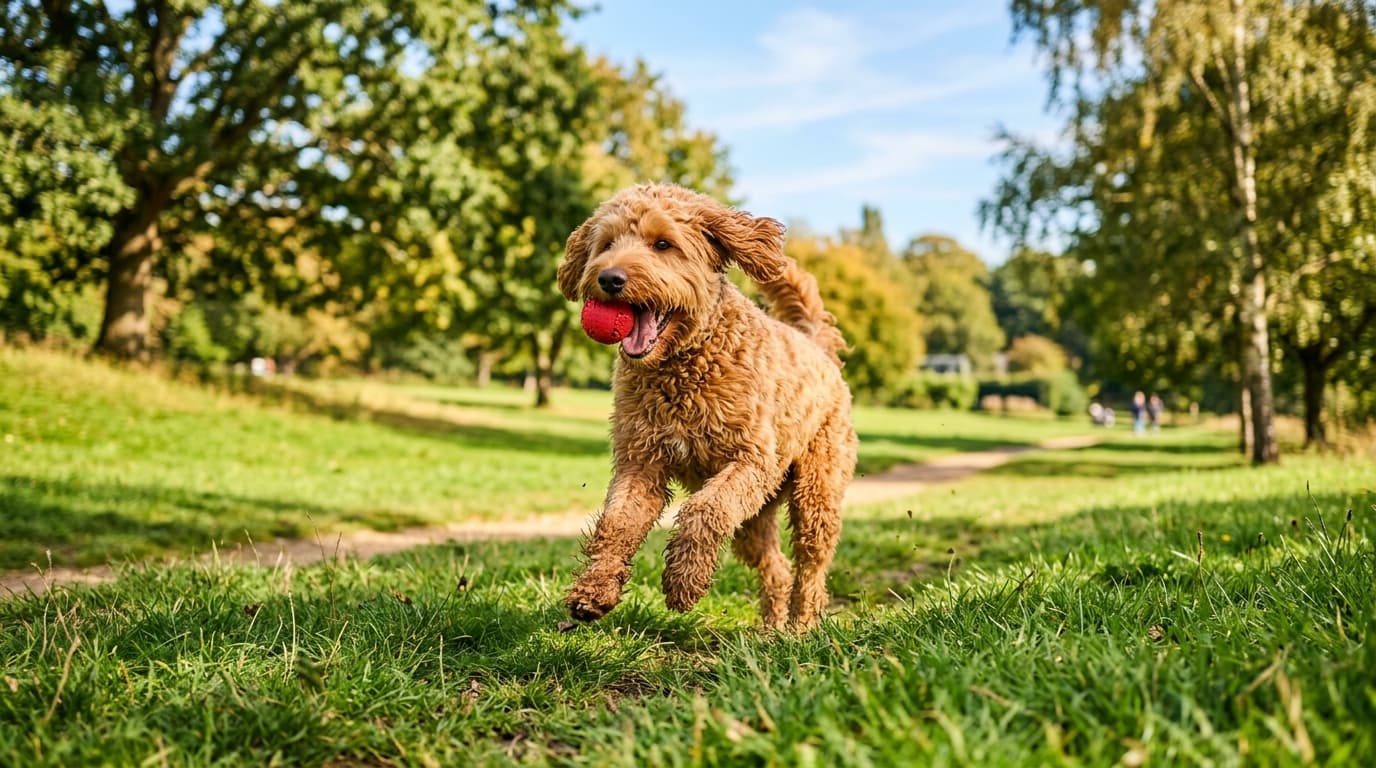
Games Labradoodles Actually Love
Dock Diving
Both parent breeds have a strong affinity for water — Labs were literally bred to retrieve from cold Atlantic waters. Dock diving channels this instinct perfectly and provides explosive physical
Scent Work
The Poodle's working dog lineage and the Lab's nose make Labradoodles natural scent detection dogs. Teaching basic nose work — finding a hidden odor or treat in a grid
Retrieval Drills
Multiple-retrieve sequences where the dog must fetch, return, drop, and immediately go again — builds the retrieve drive, reinforces 'drop it' which Labs notoriously resist, and burns enormous energy
About the Labradoodle
Origin & Build
- •The Labradoodle was first intentionally bred in 1988 by Wally Conron of Australia's Royal Guide Dog Association, making
- •The goal was a guide dog with a hypoallergenic coat suitable for allergy-affected handlers
- •The breed gained rapid global popularity and has since developed into both the 'standard' Labradoodle (F1 to F3
- •Standard sizes weigh 50 to 90 pounds; miniatures 30 to 45 pounds; toys under 30 pounds
Temperament
- •Labradoodles combine the Labrador's open, enthusiastic friendliness with the Poodle's sharp trainability and people-orientation
- •They are typically excellent with children, other dogs, and strangers — the classic social retriever personality amplified
- •They are eager to work and do well in therapy dog and service dog roles
- •Like both parent breeds, they struggle when isolated for long periods and can develop separation anxiety or destructive
Exercise Needs
- •Standard Labradoodles require 60 to 90 minutes of vigorous daily activity
- •They share the Lab's love of water, making swimming an excellent joint-friendly workout
- •Fetch, running, hiking, and dog sports all suit this breed well
- •Miniature Labradoodles do well with 45 to 60 minutes
Health Watch
- •Hip and elbow dysplasia are the primary structural concerns, particularly in standard sizes — both parent breeds carry
- •Exercise-induced collapse (EIC) is a Lab-specific genetic condition that can be passed on
- •Progressive retinal atrophy affects vision and is hereditary
- •Addison's disease (hypoadrenocorticism) appears in Poodle-influenced lines
Gear Tips
- Identify your Labradoodle's coat type early — hair, fleece, or wool — because grooming requirements differ significantly. Wool coats need a slicker
- A front-clip no-pull harness is essential — Labradoodles carry the Lab's leash-pulling enthusiasm and need redirection hardware, not collar corrections, from
- Slow-feeder bowls or puzzle feeders are important from puppyhood; Labs and their mixes eat fast, swallow air, and are prone to bloat
- Budget for professional grooming every six to eight weeks if your dog has a fleece or wool coat — the grooming cost
- Dry your Labradoodle's ears thoroughly after every swim or bath — the floppy ear structure traps moisture and chronic ear infections are
Keep Them Happy
- Incorporate fetch into training sessions — a Labradoodle that earns a retrieve as a reward for a training drill is more motivated
- Rotate puzzle feeders regularly; the Poodle intelligence in this mix solves stationary puzzles quickly and needs new challenge levels to stay genuinely
- Swim sessions once or twice a week are the highest-ROI exercise for standard Labradoodles — maximum energy expenditure, minimal joint stress, deeply
- Start crate training and alone-time conditioning early — the combination of Lab bonding depth and Poodle sensitivity makes separation anxiety develop quickly
Buying guides for this breed type
Labradoodles share buying considerations with other breeds in these clusters:
Shop by category
Browse research-backed picks across every product category — not just for Labradoodles.
Frequently Asked Questions
- Are Labradoodles hypoallergenic?
- No dog is truly hypoallergenic, but Labradoodles with fleece or wool coats shed very little and may be tolerated by many allergy sufferers. The critical variable is coat type — a hair-coat Labradoodle (more common in F1 crosses) sheds like a Labrador and is not
- What is an Australian Labradoodle versus a standard Labradoodle?
- A standard Labradoodle is a direct cross between a Labrador Retriever and a Poodle (F1 through F3). An Australian Labradoodle has been selectively bred over multiple generations and typically includes Cocker Spaniel in the genetic lineage alongside Lab and Poodle. Australian Labradoodles tend to be
- How much exercise does a Labradoodle need?
- Standard Labradoodles need 60 to 90 minutes of vigorous exercise daily — they are high-energy dogs that do not do well in sedentary households. Miniature Labradoodles need 45 to 60 minutes. Swimming is ideal because it burns significant energy while being easier on the joints.
- Do Labradoodles have genetic health problems?
- Labradoodles can inherit hip and elbow dysplasia from both parent breeds, exercise-induced collapse (EIC) from the Labrador side, progressive retinal atrophy from both sides, and Addison's disease from Poodle lines. Responsible breeders perform health screenings on both parents before breeding. The hybrid vigor from crossing