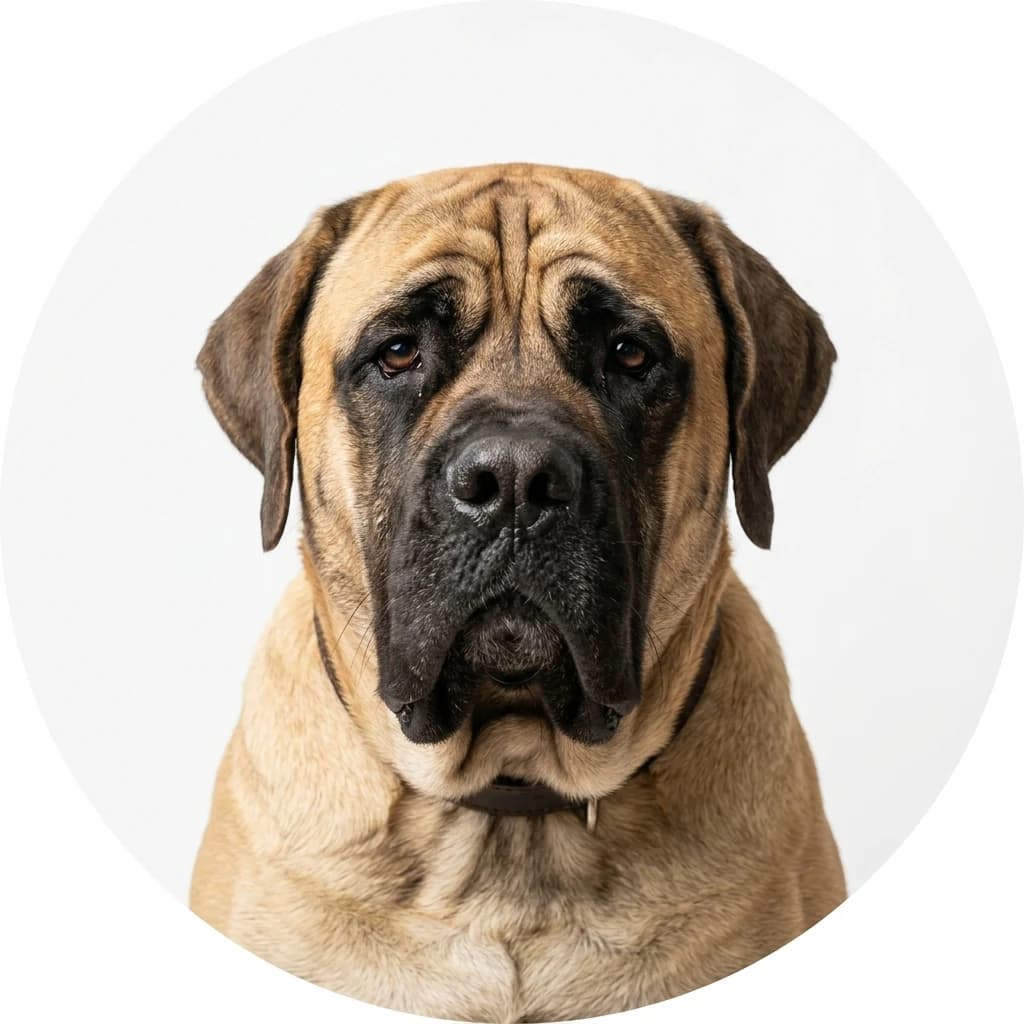
Best Gear for Mastiffs
English Mastiffs are among the largest dog breeds, weighing 120-230 lbs, prone to bloat (GDV), hip and elbow dysplasia, osteosarcoma, and cardiomyopathy. They're surprisingly low-energy and calm indoors.
English Mastiffs are among the largest dog breeds, weighing 120-230 lbs, prone to bloat (GDV), hip and elbow dysplasia, osteosarcoma, and cardiomyopathy. They're surprisingly low-energy and calm indoors.
Weight
160-230 lbs
Lifespan
6-10 yrs
Energy
High
Shedding
Moderate
Trainability
Moderate
What changes your buying decision for a Mastiff
Most gear advice is breed-agnostic. These are the 5traits on this breed’s profile that actually change which product is the right one — each one read straight off the stats above.
Breed profile
Walk gear is a fit decision, not a brand decision
A harness that fits is the one that stays put and stops rubbing. Girth varies far more between individual dogs than between Mastiffs and any other breed, so measure before you buy rather than ordering the size on the breed chart.
Weight · 160-230 lbs
Giant sizing decides the bed and the crate
At 160-230 lbs a Mastiff sits in most brands' giant band — but "Large" is a marketing word, not a measurement. Buy to the manufacturer's stated weight rating and the dog's measured length, because the same label covers very different sleeping surfaces from one brand to the next.
Shedding · Moderate
Weekly brushing, not daily
Moderate shedding is a weekly-brush commitment. A slicker brush plus a metal comb covers it; the specialist deshedding tools are aimed at heavier coats than this one.
Energy · High
Buy toys for replacement cost, not novelty
High energy sets the toy budget: chase-and-fetch toys and chews get destroyed on a schedule, so durability per dollar matters more than the feature list. No toy substitutes for the exercise itself.
Trainability · Moderate
Spend on the reward, not the hardware
Trainability rated "Moderate" means most of the budget belongs in rewards and a plain fixed-length leash. Corrective hardware solves a problem this breed does not usually present.
The Mastiff gear checklist
These slots do different jobs, so this is a checklist rather than a comparison — each one links to the ranked picks for that slot, where products are compared against others of the same kind.
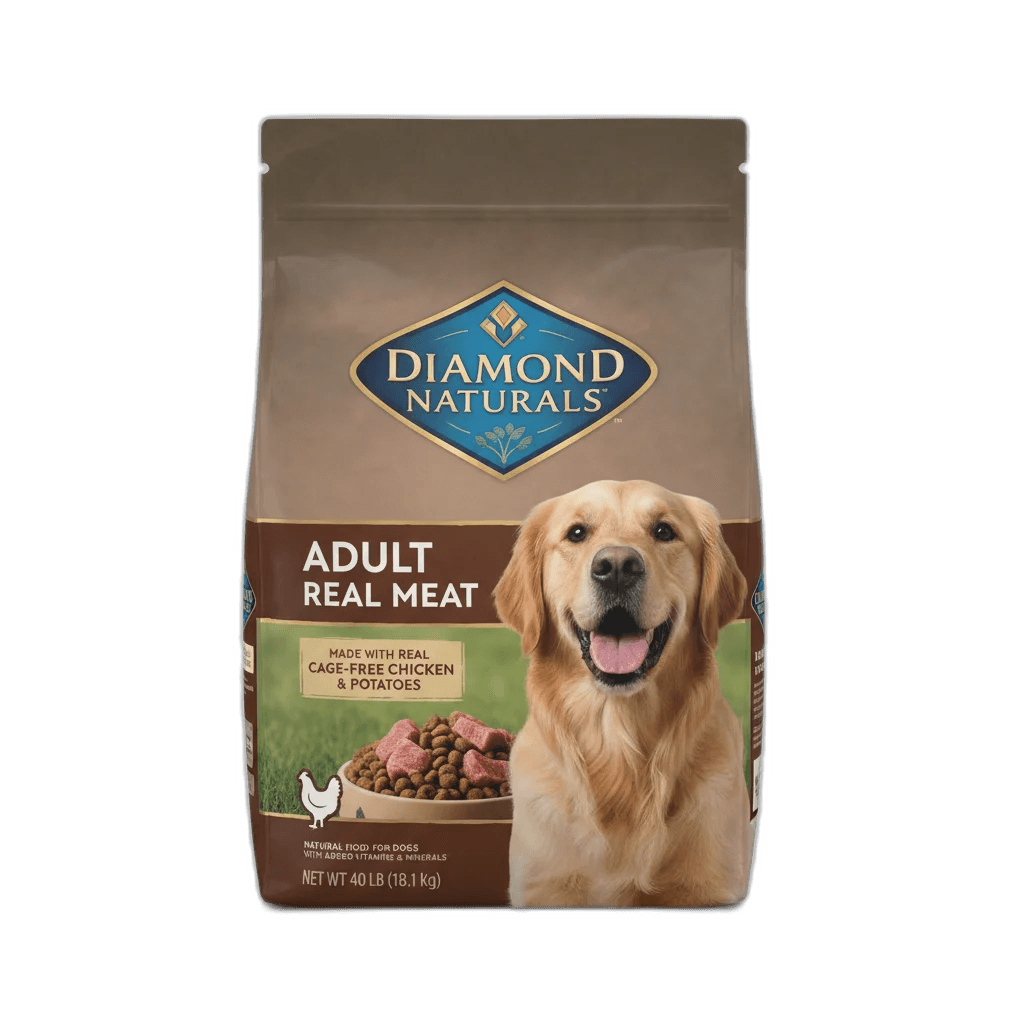
Dry Dog Food
Kibble picks ranked by ingredient quality, protein content, and value per pound.
Current top pick for this slot: Diamond Naturals Adult Real Meat
See all dry dog food picks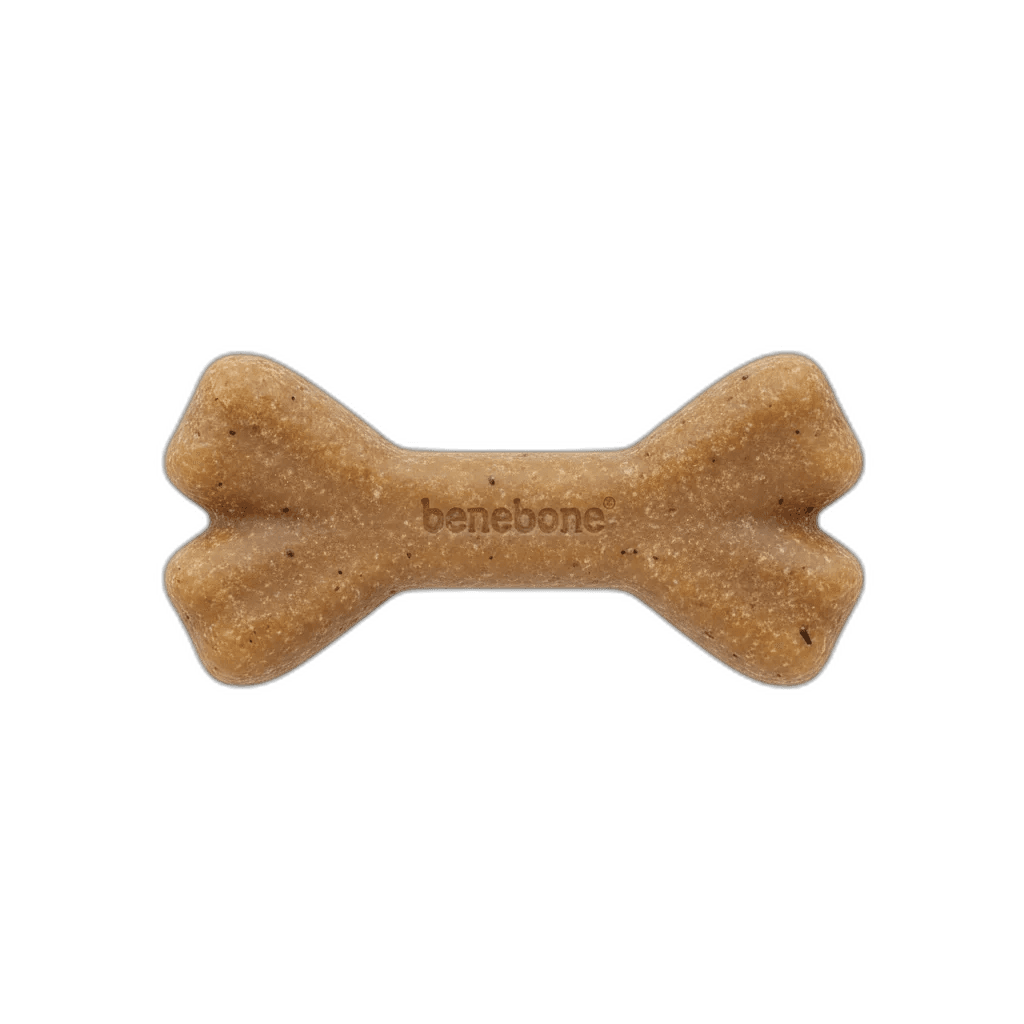
Dog Chew Toys
Durable chew toys for aggressive chewers and teething puppies.
Current top pick for this slot: Benebone Wishbone Chew (Large)
See all dog chew toys picks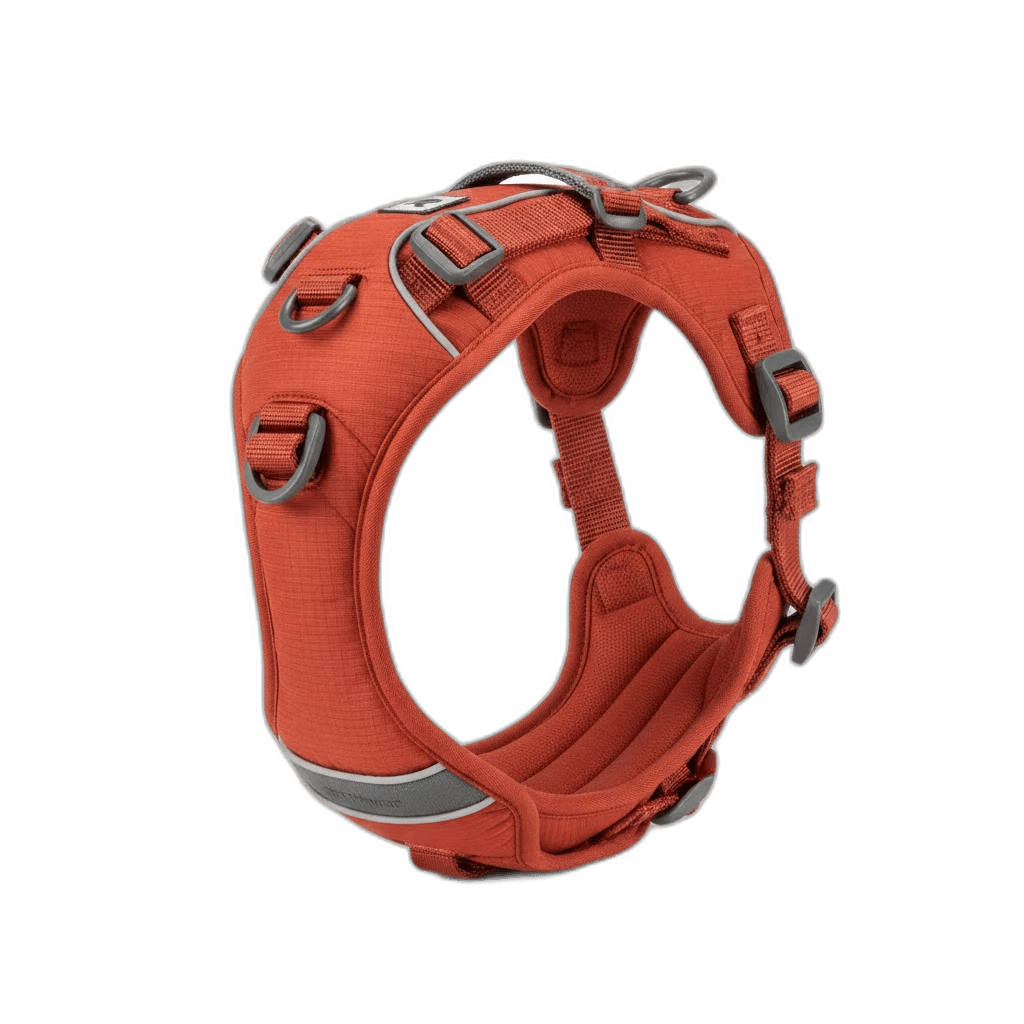
Dog Harnesses
No-pull, front-clip, and padded harnesses for every walking style.
Current top pick for this slot: Ruffwear Front Range Padded Harness
See all dog harnesses picks
Prices are approximate and may vary. Please check the latest price on Amazon. As an Amazon Associate I earn from qualifying purchases.
Life with a Mastiff
Your mastiff will see the couch as a shared resource, position themselves diagonally across it, and look mildly put out when you suggest moving. You will sit on the floor.
The first time someone sees your mastiff drool they will be alarmed. By month three you will have designated drool towels on every floor of your house and won't think about it at all.
Your 150-pound dog will attempt to sit on your lap. Not beside you — on you. And because those eyes are utterly without guile or irony, you will let it happen.
People will stop on the street to ask if that's a small horse, a baby lion, or 'what kind of dog' — and the genuine shock on their face when you say the weight never gets old.
You will feel completely safe at all times, not because your mastiff is aggressive — they're not — but because a thief who opens the door and sees 160 pounds of ancient guardian dog will quietly close it again.
Editorial synthesis of r/Mastiff discussions
r/Mastiff regulars say the breed's defining paradox is this: you get the most imposing-looking dog on earth, and then discover it's a 160-pound anxiety-prone baby who needs reassurance at thunderstorms, strangers, and occasionally loud paper bags.
Paraphrased by PawBench from public discussion — not a quotation, and not a counted sample.
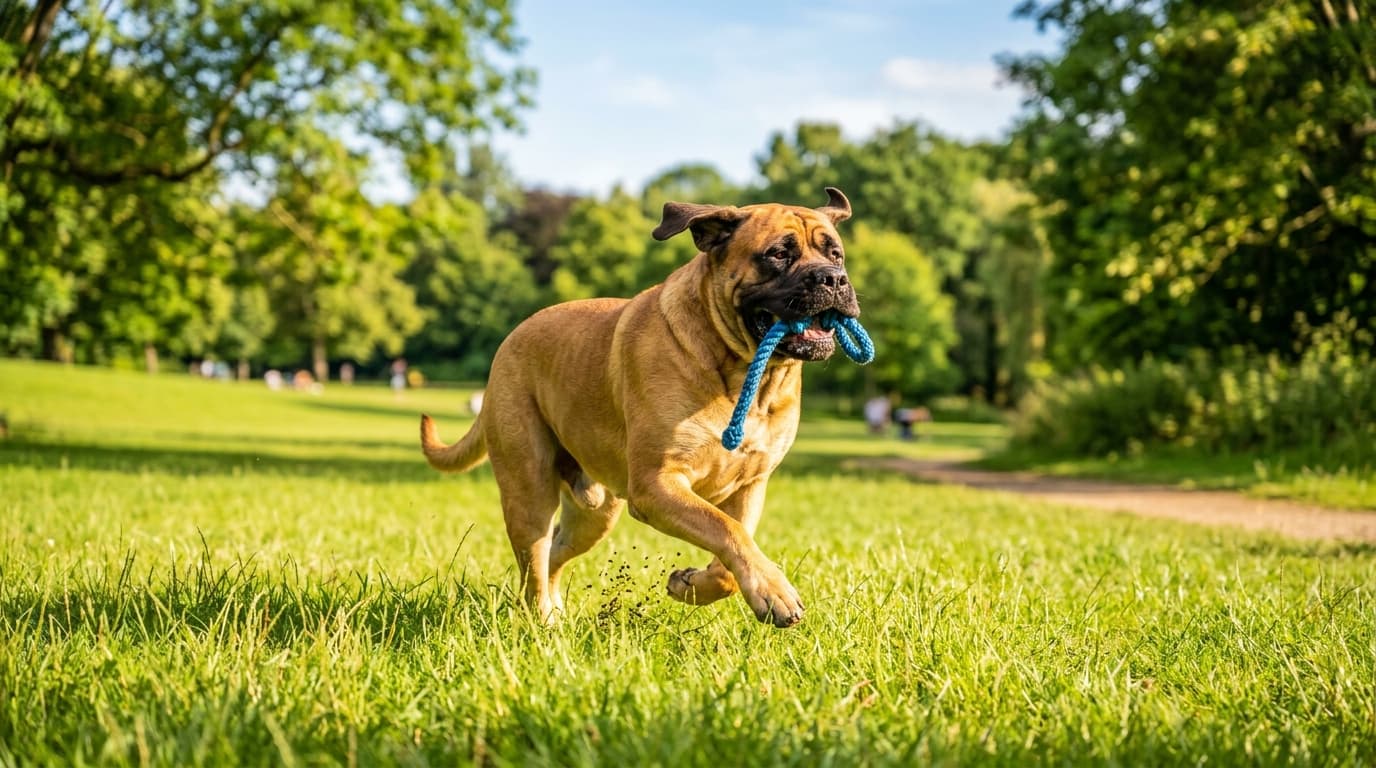
Games Mastiffs Actually Love
Slow-Pace Tracking Walk
Mastiffs were medieval guard dogs, not sprinters — they're built for deliberate, purposeful movement. A long, unhurried walk on a long lead where they're allowed to sniff and investigate everything
Scent Hide-and-Find
Hide treats under cups, behind furniture, or in cardboard boxes around a room and let your mastiff work through them methodically. Giant breeds respond extremely well to nose work because
Gentle Tug with Rules
Mastiffs love to test their own strength without aggression. A thick rope toy tug session with 'take it' and 'drop it' commands channels their natural physical power, provides bonding contact,
About the Mastiff
Origin & Build
- •The English Mastiff is among the oldest dog breeds, with ancestors depicted in ancient Egyptian and Roman art
- •They were used as war dogs, bear-baiters, and estate guardians before evolving into the gentle companions known today
- •Males stand at least 30 inches and weigh 160 to 230 pounds; females stand at least 27.5 inches
- •Their coat is short, straight, and dense in fawn, apricot, or brindle with a characteristic black mask, ears,
Temperament
- •Mastiffs are calm, patient, and deeply devoted to their families — the phrase "gentle giant" was practically coined
- •They're naturally protective without being aggressive, using their sheer presence as a deterrent rather than active confrontation
- •They're good-natured with children and generally tolerant of other pets when properly socialized
- •Training requires patience and consistency, as they can be stubborn, but they're sensitive dogs who respond poorly
Exercise Needs
- •Adult Mastiffs need just 30 to 60 minutes of moderate exercise daily, usually in the form of leisurely
- •They're not built for endurance or high-impact activities, and overexertion can stress their joints and cardiovascular system
- •Puppies under 18 to 24 months should have strictly limited exercise — no running on hard surfaces, jumping,
- •Without any exercise, Mastiffs gain weight rapidly, which worsens their predisposition to joint and heart problems
Health Watch
- •Bloat (GDV) is the most acute health threat and many owners discuss preventive gastropexy with their vet
- •Hip and elbow dysplasia are prevalent and should be screened before breeding
- •Osteosarcoma (bone cancer) and dilated cardiomyopathy are serious concerns that disproportionately affect the breed
- •Ligament injuries (especially cranial cruciate) are common due to their extreme weight
Gear Tips
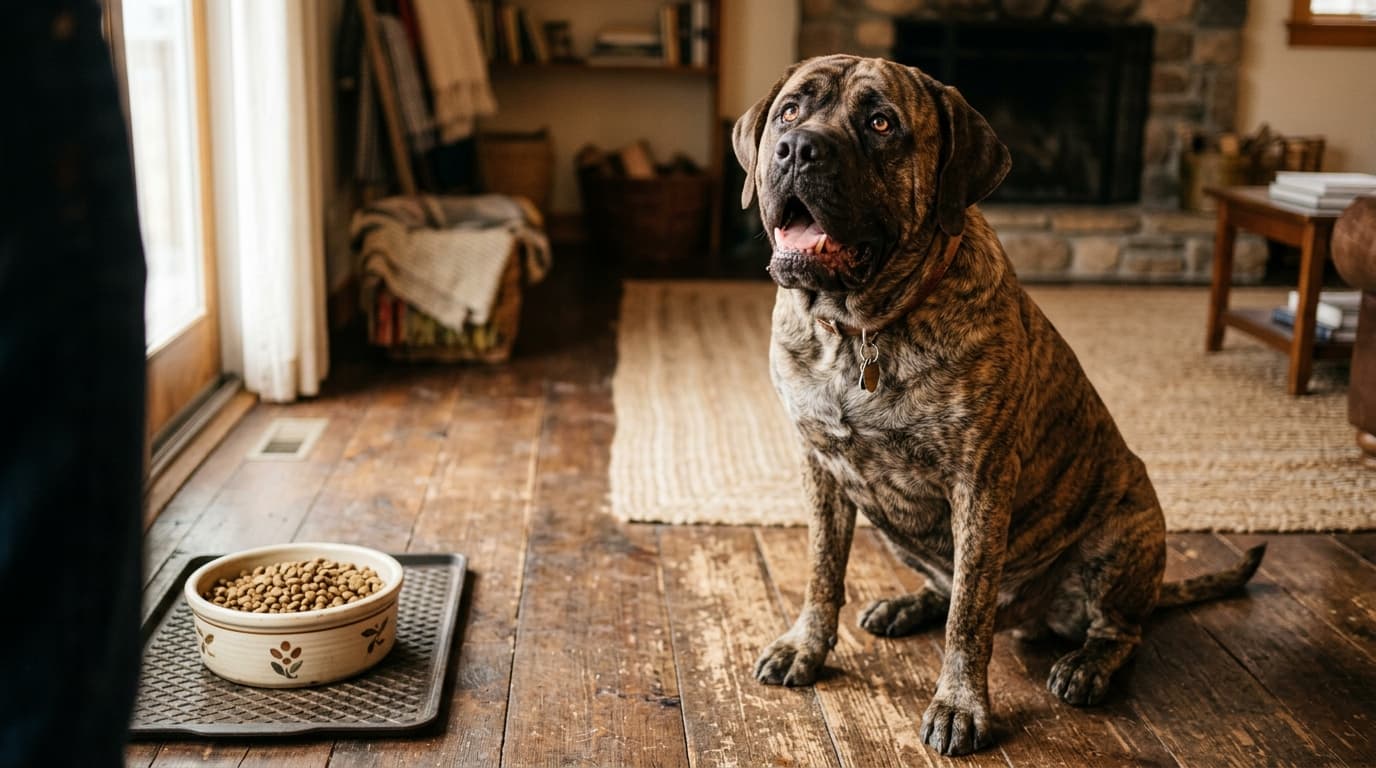
- You need the biggest of everything — a 54-inch crate, an XXL orthopedic bed, and harnesses specifically designed for giant breeds. Standard
- A front-clip, no-pull harness rated for 200+ pounds is essential for walk training — even a gentle Mastiff can pull you off
- Keep drool rags everywhere — seriously. A pack of microfiber towels placed in every room saves your furniture, clothes, and sanity. Many
- A slow-feeder bowl (the largest size available) reduces bloat risk, which is a serious life-threatening concern for deep-chested giant breeds. Pair it
- Invest in a heavy-duty, machine-washable orthopedic bed with at least 7 inches of supportive foam — Mastiffs spend a lot of time
- Use a ramp for vehicle access instead of letting your Mastiff jump in and out of cars — the repeated impact is
Keep Them Happy
- Exercise needs are lower than most people expect but must still happen daily — Mastiffs who don't get regular moderate exercise gain
- Start socialization absurdly early. A 60-pound mastiff puppy that's fearful of strangers becomes a 160-pound adult that's fearful of strangers, and that's
- Mastiffs are biddable but slow to respond — they think through commands before executing them. Owners who interpret the pause as defiance
- Keep a drool rag in every room, in your car, and in your coat pocket. This isn't optional maintenance — it's
Buying guides for this breed type
Mastiffs share buying considerations with other breeds in these clusters:
Shop by category
Browse research-backed picks across every product category — not just for Mastiffs.
Frequently Asked Questions
- How much does a Mastiff eat per day?
- Adult Mastiffs typically eat 6 to 10 cups of high-quality food daily, split into two meals — never one large meal, as this increases bloat risk. Monthly food costs run $150 to $300 depending on the brand and your dog's specific weight. Large-breed-specific formulas
- What size crate does an English Mastiff need?
- Most adult Mastiffs need a 54-inch crate, which is the largest standard size available from most manufacturers. Some extra-large males may need custom or heavy-duty crates from specialty brands like Impact or Gunner. The crate should allow the dog to stand, turn around, and lie
- Are Mastiffs good family dogs?
- Mastiffs are excellent family dogs known for their patience, gentleness, and protective nature around children. Their calm indoor temperament makes them less chaotic than many smaller, higher-energy breeds. However, supervision with small children is essential simply because of the dog's size — an accidental bump
- How do you transport a Mastiff in a car?
- Most Mastiff owners use an SUV or minivan with the rear seats folded down, fitted with a waterproof, drool-proof cargo liner. A non-slip ramp rated for at least 250 pounds prevents joint damage from jumping in and out. Crash-tested vehicle harnesses exist for giant breeds,