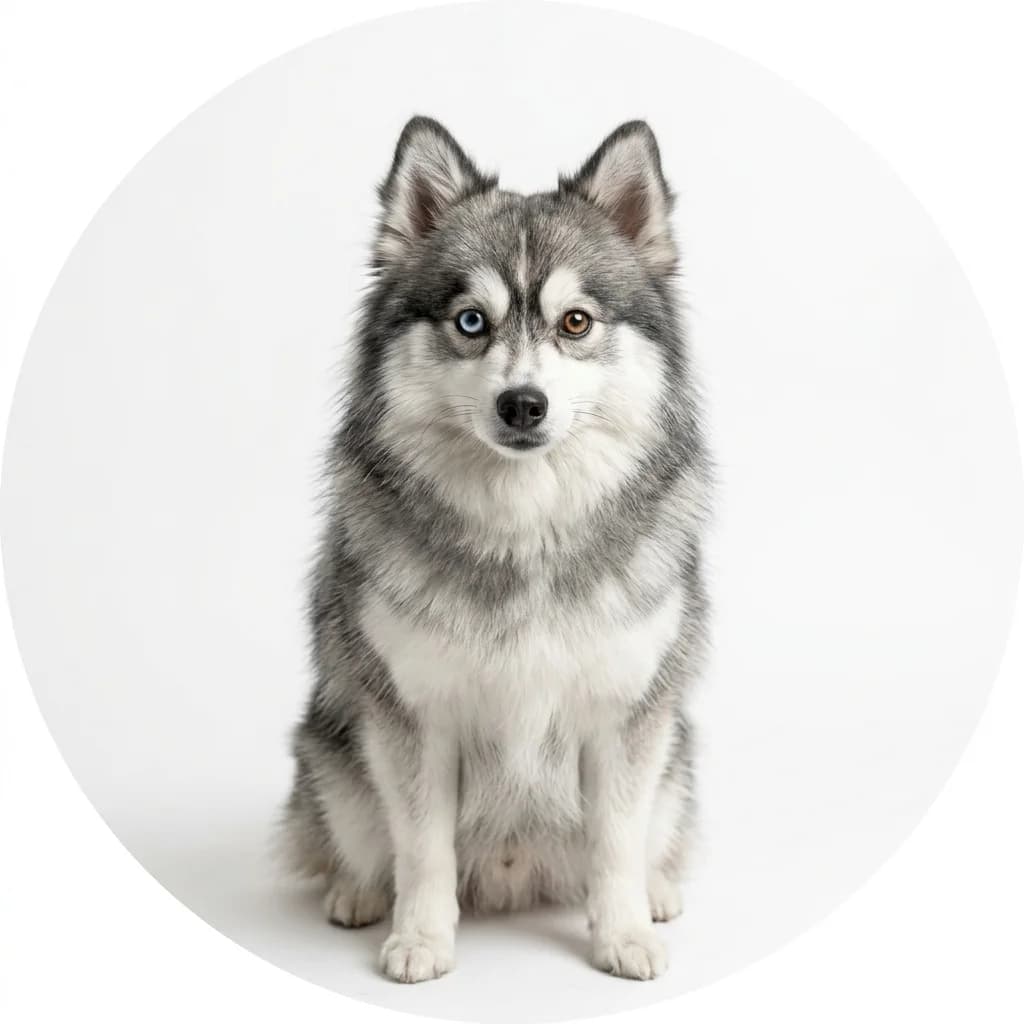
Best Gear for Pomskys
The Pomsky blends the Pomeranian's compact boldness with the Siberian Husky's striking looks and vocal personality — producing a small-to-medium dog with enormous presence, a thick double coat, and an independent streak that demands an experienced hand.
A cross between siberian husky
The Pomsky blends the Pomeranian's compact boldness with the Siberian Husky's striking looks and vocal personality — producing a small-to-medium dog with enormous presence, a thick double coat, and an independent streak that demands an experienced hand.
Weight
12-20 lbs
Lifespan
12-15 yrs
Energy
Moderate
Shedding
Moderate
Trainability
Stubborn
What changes your buying decision for a Pomsky
Most gear advice is breed-agnostic. These are the 5traits on this breed’s profile that actually change which product is the right one — each one read straight off the stats above.
Breed profile
Walk gear is a fit decision, not a brand decision
A harness that fits is the one that stays put and stops rubbing. Girth varies far more between individual dogs than between Pomskys and any other breed, so measure before you buy rather than ordering the size on the breed chart.
Weight · 12-20 lbs
Small sizing decides the bed and the crate
At 12-20 lbs a Pomsky sits in most brands' small band — but "Large" is a marketing word, not a measurement. Buy to the manufacturer's stated weight rating and the dog's measured length, because the same label covers very different sleeping surfaces from one brand to the next.
Shedding · Moderate
Weekly brushing, not daily
Moderate shedding is a weekly-brush commitment. A slicker brush plus a metal comb covers it; the specialist deshedding tools are aimed at heavier coats than this one.
Energy · Moderate
One durable chew, one active toy
Moderate energy suits a small rotation rather than a big shelf — one hard-wearing chew for downtime and one active toy for the daily session.
Trainability · Stubborn
High-value food is the leverage, not the gadget
Trainability rated "Stubborn" means the payoff comes from what you are paying with. High-value training treats and short sessions move this breed further than any piece of hardware, which is worth knowing before you buy a training tool.
The Pomsky gear checklist
These slots do different jobs, so this is a checklist rather than a comparison — each one links to the ranked picks for that slot, where products are compared against others of the same kind.

Dry Dog Food
Kibble picks ranked by ingredient quality, protein content, and value per pound.
Current top pick for this slot: Diamond Naturals Adult Real Meat
See all dry dog food picks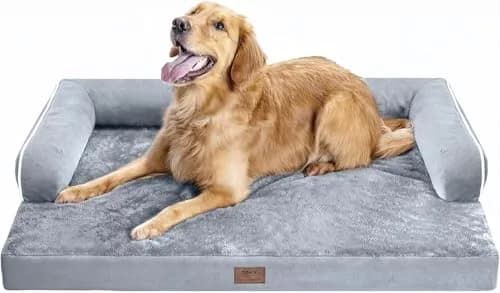
Bolster & Sofa Dog Beds
Beds with raised edges for dogs who like to lean, nest, or rest their head.
Current top pick for this slot: MEKIY Orthopedic Washable Dog Bed with Bolster for Medium
See all bolster & sofa dog beds picks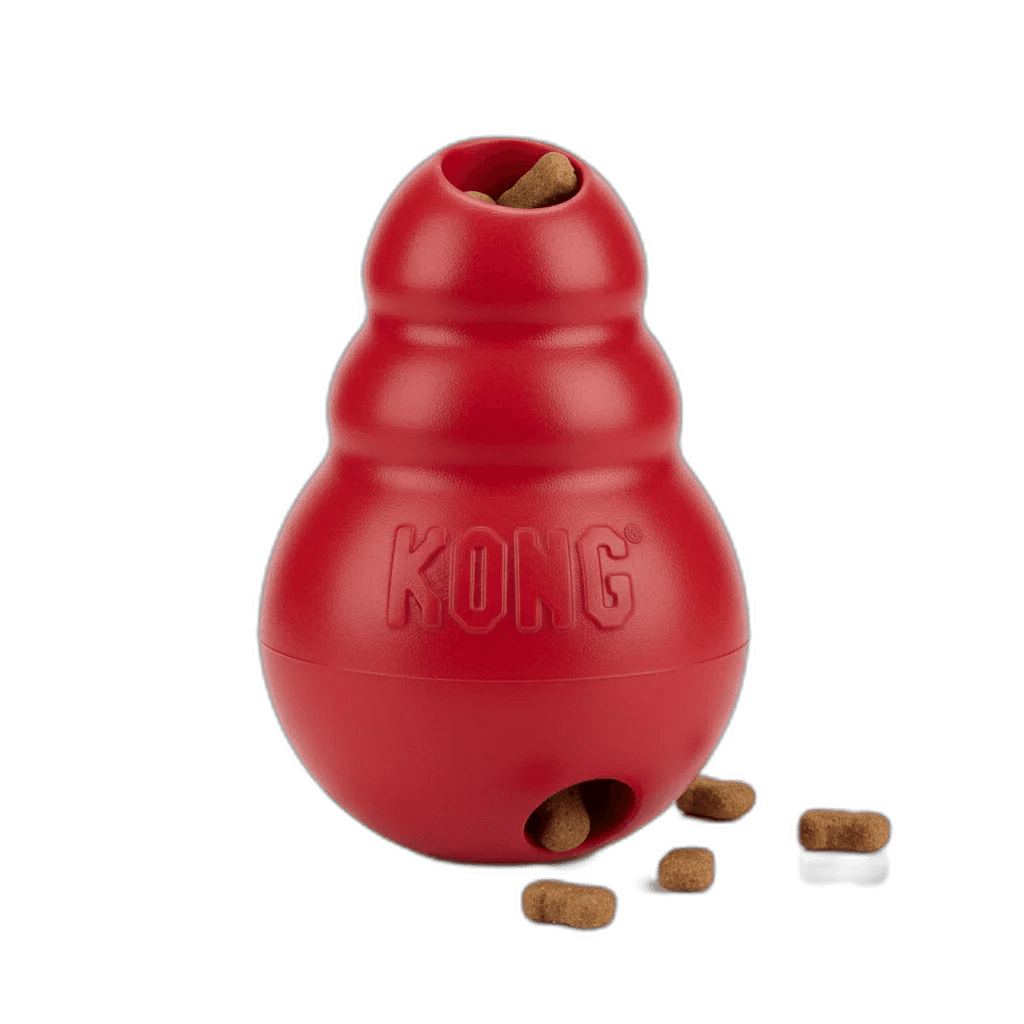
Puzzle & Treat Dispensing Toys
Interactive toys that challenge your dog's brain and slow down fast eaters.
Current top pick for this slot: Kong Wobbler Treat Dispensing Toy
See all puzzle & treat dispensing toys picks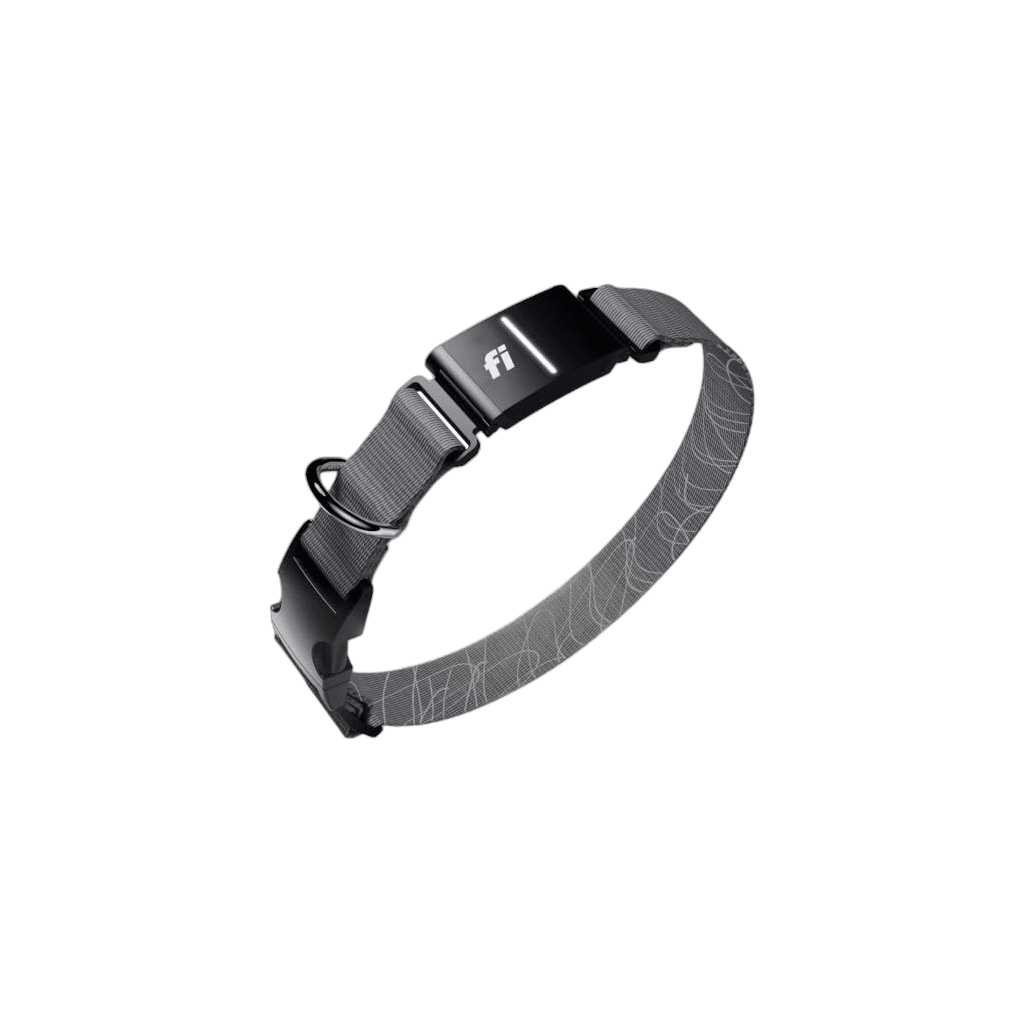
GPS & Activity Trackers
Location trackers and fitness monitors for adventurous dogs.
Current top pick for this slot: Fi Series 3+ GPS Dog Collar & Tracker (Membership Required, Gray)
See all gps & activity trackers picks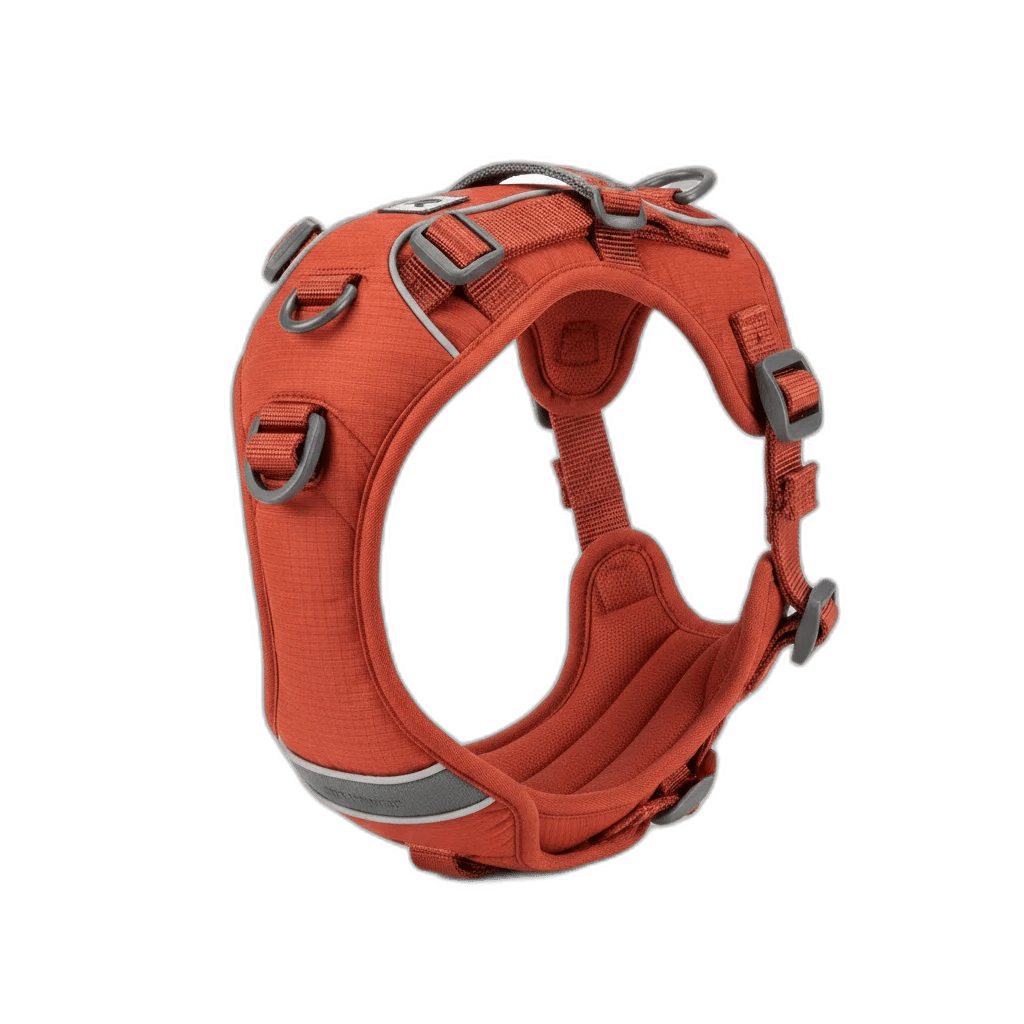
Dog Harnesses
No-pull, front-clip, and padded harnesses for every walking style.
Current top pick for this slot: Ruffwear Front Range Padded Harness
See all dog harnesses picks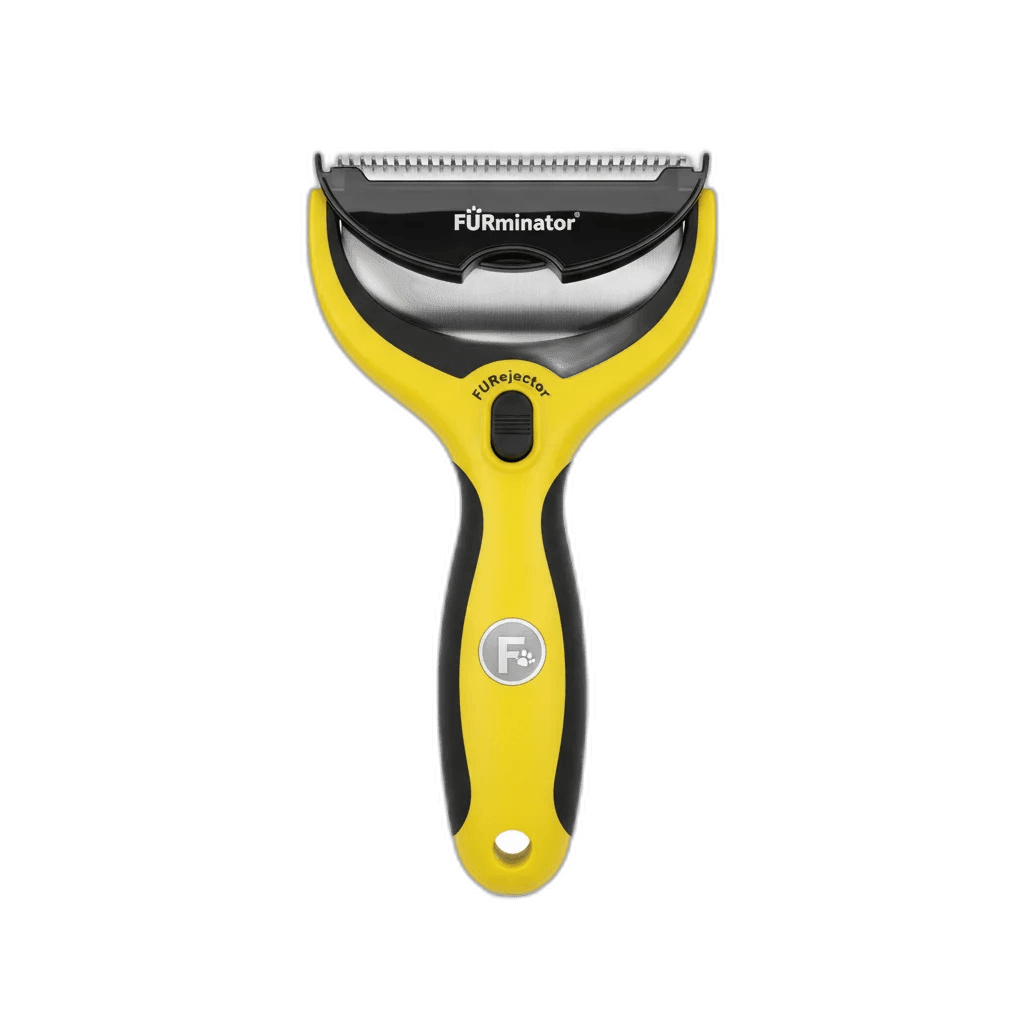
Dog Brushes & Deshedding Tools
Slicker brushes, undercoat rakes, and deshedding tools for every coat type.
Current top pick for this slot: FURminator Undercoat Deshedding Tool (Large)
See all dog brushes & deshedding tools picks
Prices are approximate and may vary. Please check the latest price on Amazon. As an Amazon Associate I earn from qualifying purchases.
Life with a Pomsky
Your Pomsky will announce every passing car, every neighbor's footstep, every squirrel within a 50-foot radius — the Husky's talking gene combined with the Pomeranian's alarm instinct creates a small dog with the vocal output of a much larger opinion.
The coat blow will arrive twice a year and will make you question every life decision — fur comes off in literal chunks for weeks and no amount of brushing feels like enough until the day it suddenly stops.
Your Pomsky will ignore the recall command you practiced 200 times in the backyard the moment a bird flies overhead — the Husky prey drive is not a training failure, it is a hardware limitation that requires management, not correction.
Every stranger at the dog park will ask if your Pomsky is a miniature Husky or a wolf puppy, and your Pomsky will lean into the attention with the confident energy of a dog who absolutely knows it is the most attractive animal present.
The stubbornness is real — your Pomsky will make deliberate eye contact while doing the exact thing you just said 'no' to, and the Pomeranian half of their personality ensures they feel entirely justified.
Editorial synthesis of r/Pomsky discussions
Across r/Pomsky discussions, one theme recurs: the breed is more dog than it looks, and the Husky stubbornness hits harder than most new owners expect. Veteran members say the two non-negotiables are never trusting the recall off-leash and starting professional training before 12 weeks — the ones who skipped early classes are the ones posting rescue surrender questions two years later.
Paraphrased by PawBench from public discussion — not a quotation, and not a counted sample.
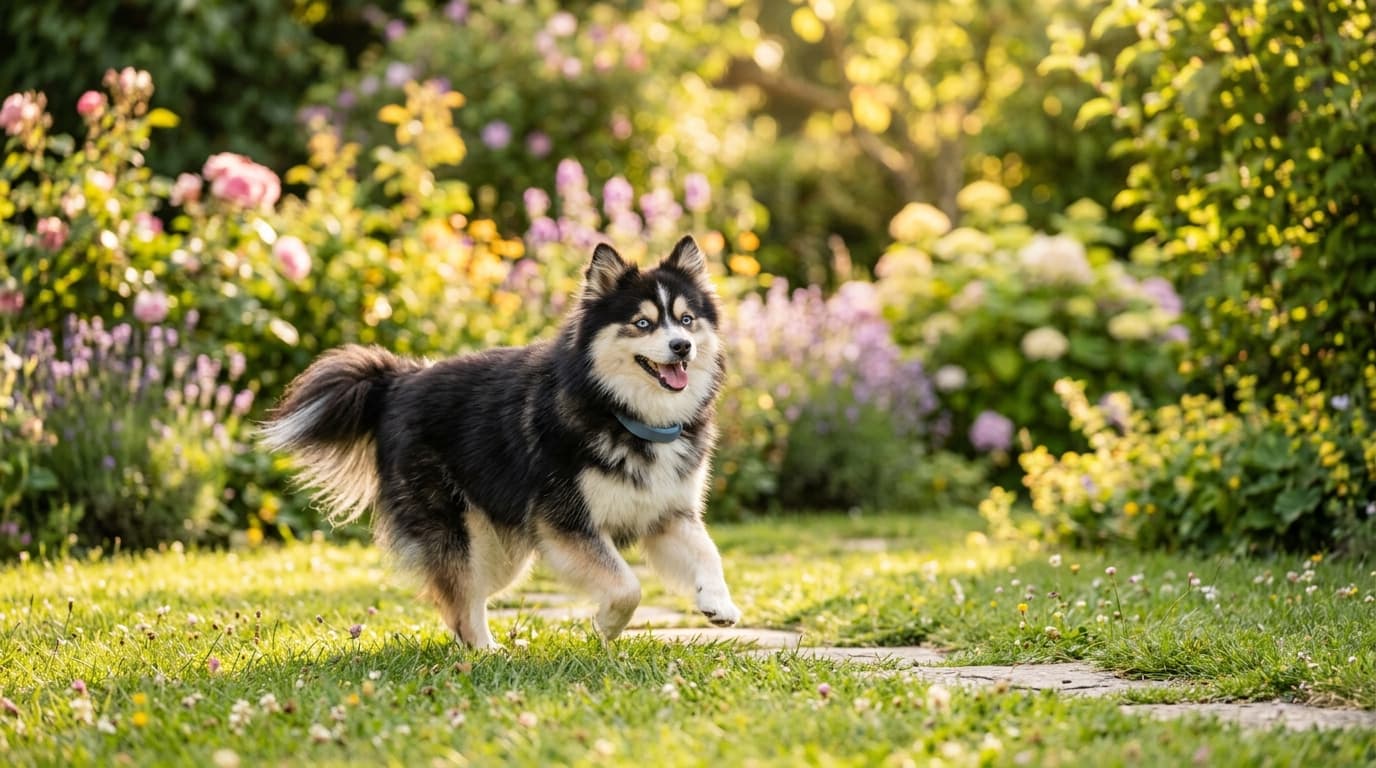
Games Pomskys Actually Love
Chase and Redirect Fetch
Pomskies have the Husky's love of running but often lack the retriever instinct, so a two-toy fetch — throwing one while the dog chases, then showing the second toy
Puzzle Feeder Rotation
The Husky intelligence in this mix needs daily mental challenge. Feeding meals through rotating puzzle feeders — switching the type every three to four days before they master it —
Nose Work Trails
Hide small food rewards in boxes or around a room and let the Pomsky work to find them using scent — this taps both the Husky's environmental curiosity and
About the Pomsky
Origin & Build
- •The Pomsky was developed intentionally in the early 2010s by breeders seeking a Husky-like dog in a smaller,
- •Because the size gap between a Pomeranian (3–7 lbs) and a Siberian Husky (35–60 lbs) makes natural breeding
- •The American Pomsky Kennel Club (APKC) was established in 2012 to create breed standards and maintain a registry
- •The breed remains unrecognized by the AKC and other major kennel clubs, and the significant variability in size,
Temperament
- •The Pomsky's temperament is genuinely difficult to predict because it sits at the intersection of two very different
- •The result ranges from a playful, affectionate companion to a headstrong, reactive small dog who barks at everything
- •Early socialization — exposure to children, strangers, other dogs, and varied environments before 16 weeks — is
- •They are not recommended for first-time owners, as the Husky stubbornness requires consistent, confident leadership
Exercise Needs
- •Pomskies need 30 to 45 minutes of intentional daily exercise — more than their small size suggests
- •The Husky heritage instills a genuine drive for activity, and a Pomsky that doesn't get enough movement becomes
- •Daily walks combined with indoor fetch, tug, or puzzle sessions work well for apartment owners
- •Off-leash exercise requires a securely fenced area, as the Husky prey drive and Pomeranian bolting instinct make reliable
Health Watch
- •Pomskies inherit health vulnerabilities from both parent breeds
- •Patellar luxation — the kneecap slipping out of its groove — is common in small breeds and affects
- •Collapsing trachea, a structural weakness in the airway, is inherited from the Pomeranian side and makes collar use
- •Dental disease is nearly universal without active preventive care, given both parent breeds' small jaw structures
Gear Tips
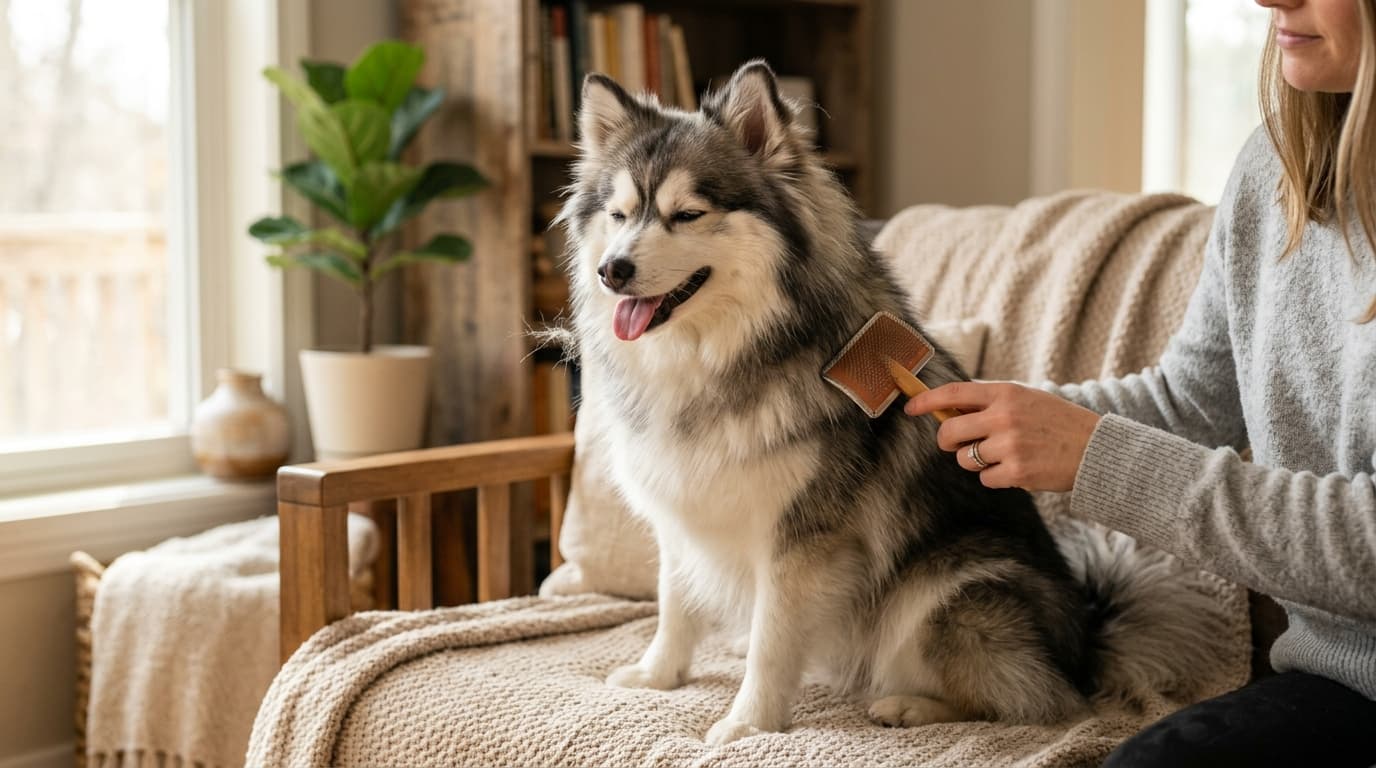
- An undercoat rake or deshedding tool is mandatory equipment — the Pomsky's double coat releases fur in volumes that overwhelm standard brushes,
- Use a padded harness instead of a collar for all walks — both the Pomeranian and Husky parent contribute to trachea fragility
- Invest in interactive puzzle toys and rotate them weekly — the Husky intelligence in this cross means they solve static puzzles
- A long-line leash (20–30 feet) in a safely fenced area is the best compromise for off-leash exercise — the Pomsky's Husky-derived prey
- Start dental hygiene routines with a finger brush and enzymatic toothpaste at 8 weeks — both parent breeds are dental disease-prone,
Keep Them Happy
- Train in 5-minute sessions three times daily rather than one long session — the Pomeranian attention span plus Husky independence means engagement
- Socialize aggressively before 16 weeks — expose the puppy to strangers, children, other dogs, traffic, and novel environments while the socialization window
- Use high-value rewards (real meat, cheese) only for recall training specifically — the Husky recall difficulty is the Pomsky's most dangerous trait
- Channel the Husky talking into a cue — teaching 'speak' and 'quiet' on command gives you a vocabulary tool for the barking
Buying guides for this breed type
Pomskys share buying considerations with other breeds in these clusters:
Shop by category
Browse research-backed picks across every product category — not just for Pomskys.
Frequently Asked Questions
- How big do Pomskies get?
- Size varies significantly and is not fully predictable even within a litter. The APKC recognizes three categories: Toy Pomskies under 15 pounds, Mini Pomskies at 12 to 20 pounds, and Standard Pomskies at 20 to 35 pounds. A Pomsky's adult size depends heavily on which
- Do Pomskies shed a lot?
- Yes — Pomskies are heavy shedders year-round with two annual coat blows in spring and fall where shedding becomes extreme and lasts several weeks. The double coat inherited from both parent breeds requires brushing at least three times per week between blow seasons and daily
- Are Pomskies good for first-time dog owners?
- Generally no. Experienced Pomsky owners and rescues consistently report that the breed's combination of Husky stubbornness, Pomeranian reactivity, and high vocal output overwhelms owners who haven't worked with independent or assertive breeds before. Pomskies end up in rescues frequently — often surrendered by owners who
- What generation of Pomsky is more predictable in size and coat?
- F1 Pomskies (direct Pomeranian × Husky cross) are the most variable — the size, coat type, and temperament can lean strongly toward either parent. F1B Pomskies (an F1 Pomsky bred back to a Pomeranian) tend to be smaller and are slightly more predictable in coat