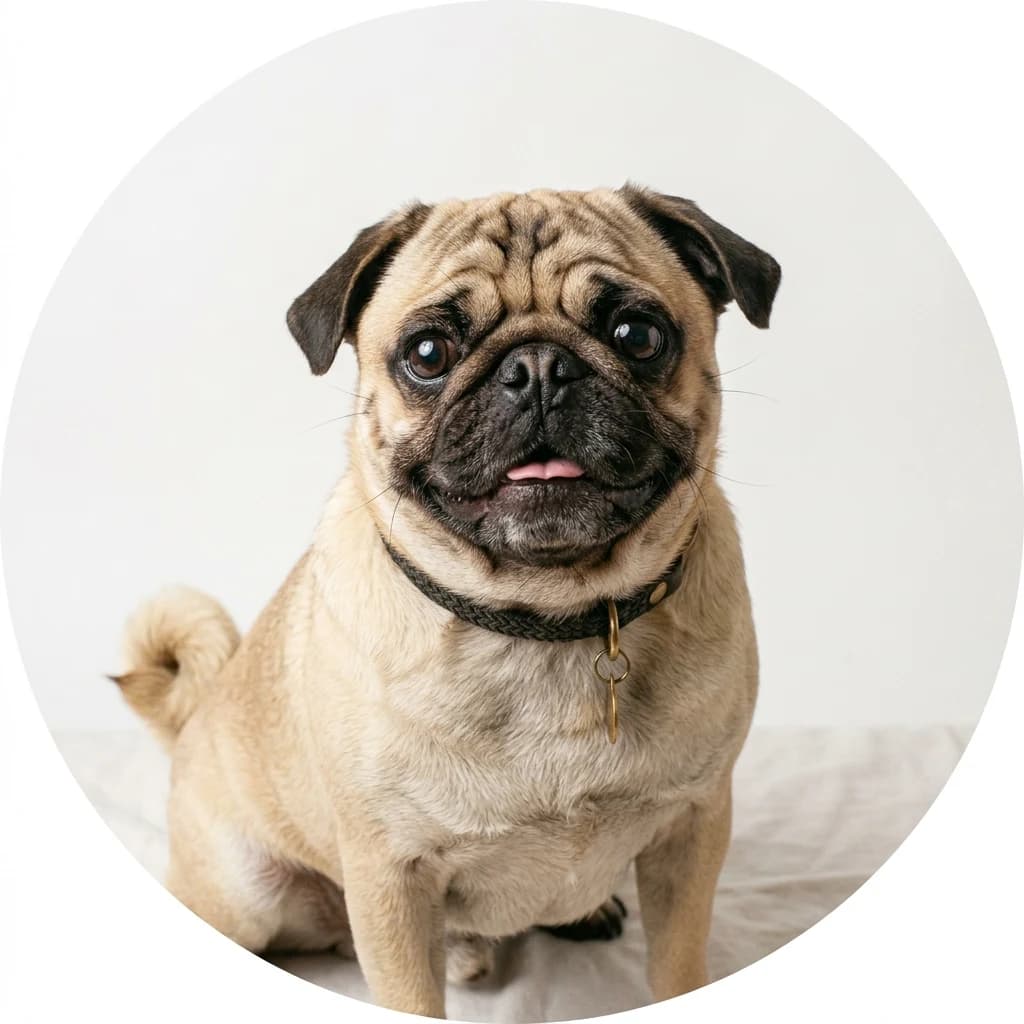
Best Gear for Pugs
Pugs are small brachycephalic dogs prone to breathing difficulties, overheating, corneal ulcers, skin fold dermatitis, and obesity. They're low-energy but charming companions that struggle in warm weather.
Pugs are small brachycephalic dogs prone to breathing difficulties, overheating, corneal ulcers, skin fold dermatitis, and obesity. They're low-energy but charming companions that struggle in warm weather.
Weight
14-18 lbs
Height
10-13 in
Lifespan
12-15 yrs
Energy
Moderate
Shedding
Moderate
Trainability
Stubborn
What changes your buying decision for a Pug
Most gear advice is breed-agnostic. These are the 5traits on this breed’s profile that actually change which product is the right one — each one read straight off the stats above.
Breed profile
Buy a harness, not a collar
Pugs are a flat-faced (brachycephalic) breed, so lead pressure lands on an airway that is already working hard. That single fact rules out neck-loading walk gear entirely and makes chest fit — not brand, not price — the thing to get right.
Weight · 14-18 lbs
Small sizing decides the bed and the crate
At 14-18 lbs a Pug sits in most brands' small band — but "Large" is a marketing word, not a measurement. Buy to the manufacturer's stated weight rating and the dog's measured length, because the same label covers very different sleeping surfaces from one brand to the next.
Shedding · Moderate
Weekly brushing, not daily
Moderate shedding is a weekly-brush commitment. A slicker brush plus a metal comb covers it; the specialist deshedding tools are aimed at heavier coats than this one.
Energy · Moderate
One durable chew, one active toy
Moderate energy suits a small rotation rather than a big shelf — one hard-wearing chew for downtime and one active toy for the daily session.
Trainability · Stubborn
High-value food is the leverage, not the gadget
Trainability rated "Stubborn" means the payoff comes from what you are paying with. High-value training treats and short sessions move this breed further than any piece of hardware, which is worth knowing before you buy a training tool.
The Pug gear checklist
These slots do different jobs, so this is a checklist rather than a comparison — each one links to the ranked picks for that slot, where products are compared against others of the same kind.
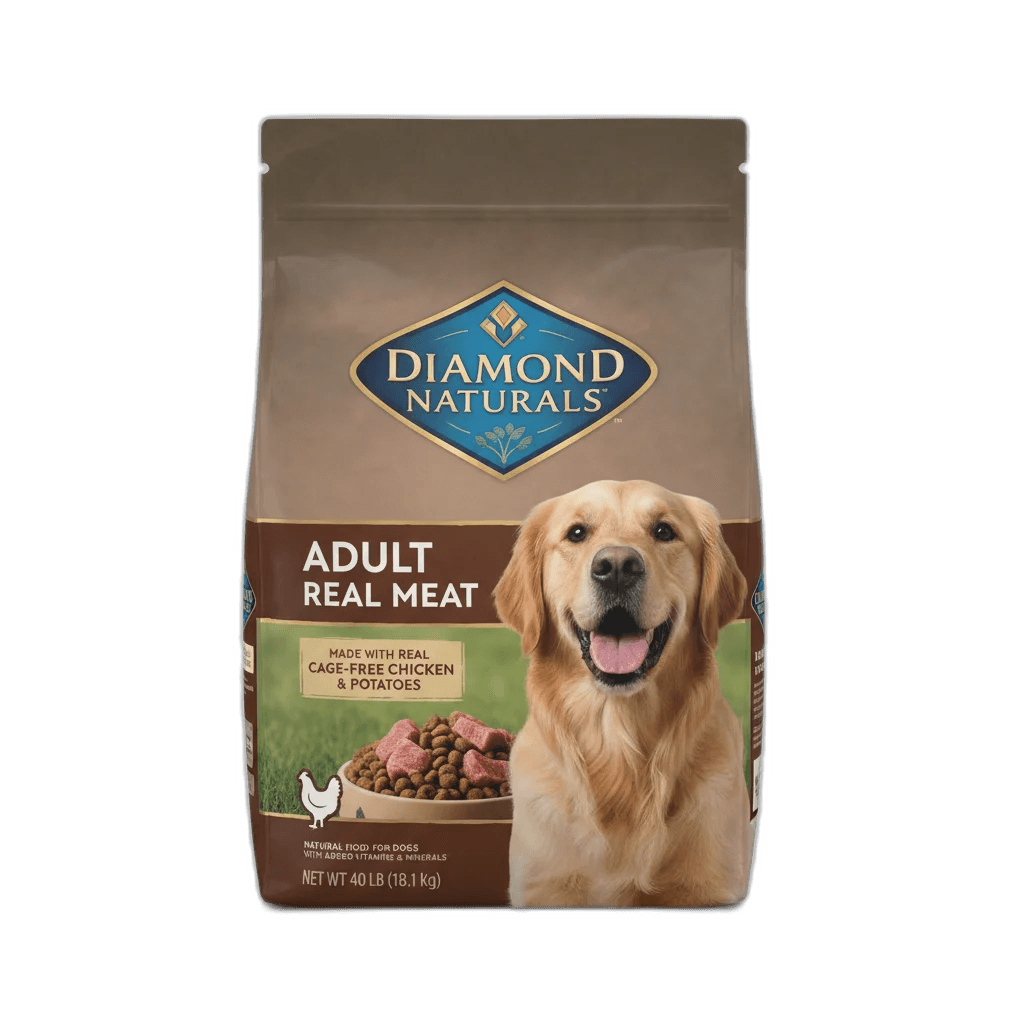
Dry Dog Food
Kibble picks ranked by ingredient quality, protein content, and value per pound.
Current top pick for this slot: Diamond Naturals Adult Real Meat
See all dry dog food picks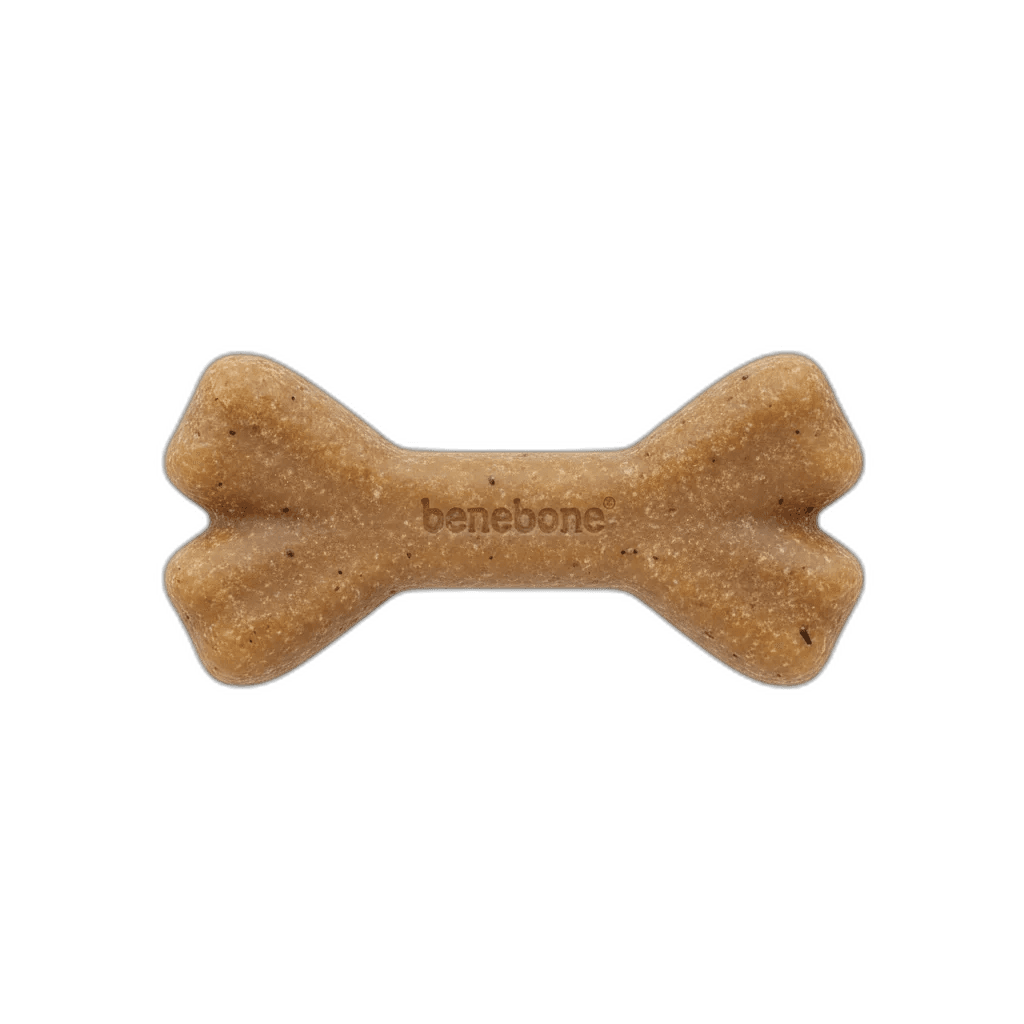
Dog Chew Toys
Durable chew toys for aggressive chewers and teething puppies.
Current top pick for this slot: Benebone Wishbone Chew (Large)
See all dog chew toys picks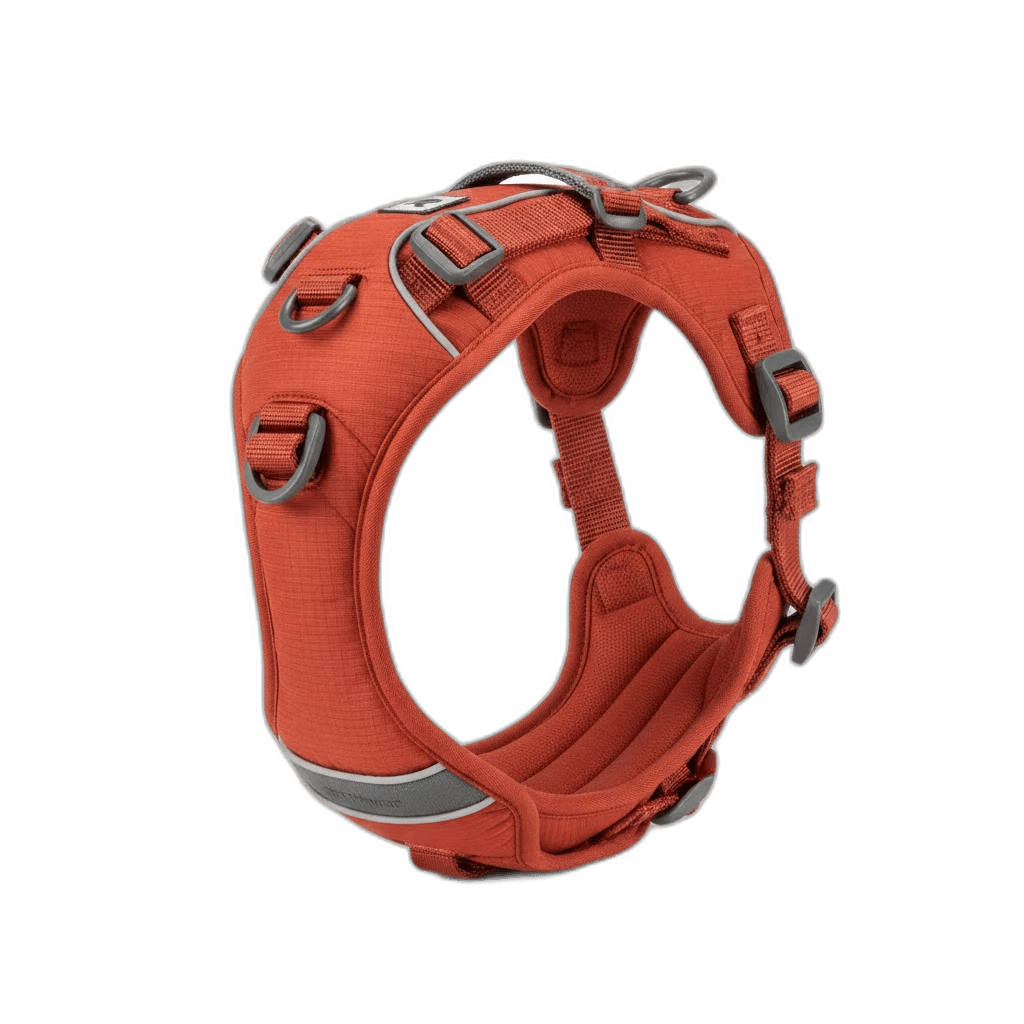
Dog Harnesses
No-pull, front-clip, and padded harnesses for every walking style.
Current top pick for this slot: Ruffwear Front Range Padded Harness
See all dog harnesses picks
Prices are approximate and may vary. Please check the latest price on Amazon. As an Amazon Associate I earn from qualifying purchases.
Life with a Pug
Your pug will locate the single patch of sunlight in the entire house — a rectangle roughly the size of a paperback novel — and arrange themselves in it with complete satisfaction.
Without any warning, your pug will launch into full Pugtona mode: sprinting figure-eights, face-planting into the couch corner, skidding across the hardwood, and then stopping dead and looking at you like nothing happened.
You will describe your pug's snoring to non-pug-owners and they won't believe you until they hear it. Then they'll ask if your dog is okay. He is fine. He's just a pug.
Your pug will stare at you eating with an expression of such pure betrayal that you will, embarrassingly often, share something you shouldn't have.
The wrinkles require weekly cleaning and your pug will make a face like you're performing minor surgery on them every single time.
Editorial synthesis of r/Pugs discussions
r/Pugs has one running truth: you think you're getting a low-energy dog and you're actually getting a low-exercise dog — those are different things. Pugs need mental stimulation and human connection just as urgently as high-energy breeds; they just can't run a 5K to get it.
Paraphrased by PawBench from public discussion — not a quotation, and not a counted sample.
Games Pugs Actually Love
Muffin Tin Nose Work
Drop treats in a few cups of a muffin tin, cover all the cups with tennis balls, and let your pug sniff out the winners. This is perfect for pugs
Hide-and-Seek with the Owner
Pugs are people-obsessed, not toy-obsessed. Hiding in another room and calling them creates genuine excitement — they're following your scent and sound, not just chasing an object. The reunion when
Which Hand? Treat Guess
Conceal a treat in one fist, offer both closed hands, and let your pug sniff out the right one. Simple, endlessly repeatable, and just mentally taxing enough to satisfy
About the Pug
Origin & Build
- •The Pug is a compact, sturdy toy breed weighing 14 to 18 pounds and standing 10 to 13
- •With their flat face, deep wrinkles, large round eyes, and curled tail, Pugs have one of the most
- •Pugs are also highly prone to obesity, which dangerously compounds their breathing problems
Temperament
- •They are charming, mischievous, and remarkably people-oriented — Pugs were bred for centuries as companions to Chinese royalty
- •Pugs are excellent with children, seniors, and other pets, and their adaptable nature makes them well-suited to apartments
Exercise Needs
- •Their temperament is even-keeled, playful, and affectionate without being overly demanding of physical activity
- •Exercise needs are low to moderate — short walks and indoor play sessions are sufficient, and overexertion must
Health Watch
- •Pugs are brachycephalic, meaning their shortened skull compresses the airway structures, leading to breathing difficulties that range
- •Brachycephalic obstructive airway syndrome (BOAS) is the defining health challenge of the breed, and many Pugs require surgical
- •Their prominent eyes are vulnerable to corneal ulcers, dry eye, and proptosis (eye displacement from trauma)
- •Skin fold dermatitis is common in the deep facial wrinkles and requires daily cleaning
Gear Tips
- Every piece of gear for a Pug should account for their compromised breathing. A well-fitted, step-in harness with a back-clip attachment is
- Look for lightweight, breathable mesh harnesses that do not add heat. A cooling mat or cooling vest is critical gear for any
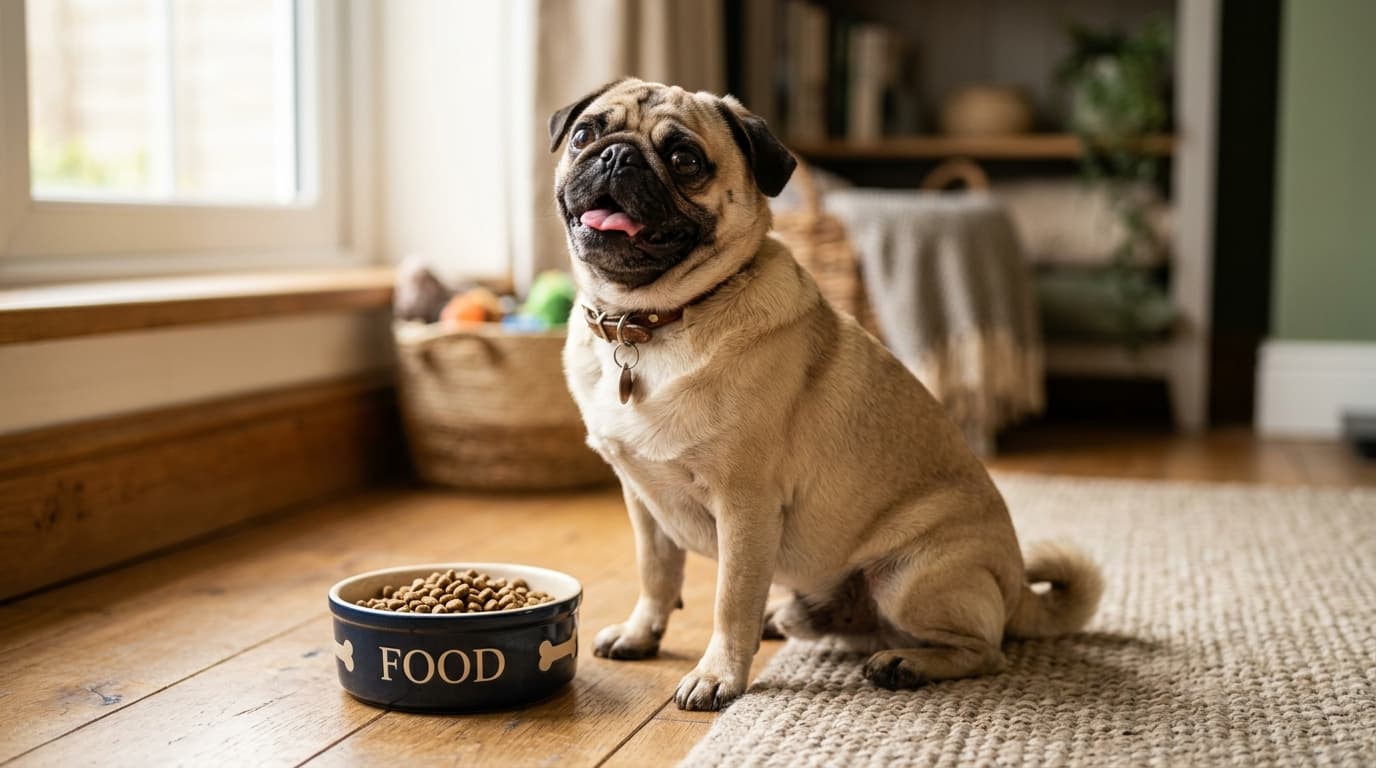
- For feeding, a weight-management small-breed formula with controlled calories is the top priority — even an extra pound on a Pug significantly
- Pet-safe facial wipes or a gentle antimicrobial cleanser should be used daily to clean between their deep wrinkles and prevent bacterial
- An orthopedic bed with a slight incline can help with nighttime breathing.
- Choose soft, appropriately sized toys — Pugs are not aggressive chewers but can choke on small parts due to their flat facial
Keep Them Happy
- Never exercise a pug in heat or humidity — brachycephalic dogs can't cool themselves efficiently through panting, and overheating can become
- Use puzzle feeders and snuffle mats for every meal instead of a bowl — pugs finish their food in seconds and
- Pugs are exceptionally treat-motivated, which makes them surprisingly good at trick training. Teaching 'spin,' 'roll over,' and 'bow' burns mental energy
- Watch weight carefully — a pug at ideal weight looks skinnier than owners expect, and extra pounds make their already-compromised breathing dramatically
Buying guides for this breed type
Pugs share buying considerations with other breeds in these clusters:
Shop by category
Browse research-backed picks across every product category — not just for Pugs.
Frequently Asked Questions
- Do Pugs have a lot of breathing problems?
- Yes, breathing difficulty is the most significant health issue in Pugs. Their flat-faced (brachycephalic) anatomy compresses the airway, causing snoring, snorting, and in severe cases, dangerous respiratory distress. Many Pugs benefit from BOAS surgery to widen the nostrils or shorten the soft palate, and owners
- How do I keep my Pug at a healthy weight?
- Pugs are genetically predisposed to weight gain and have voracious appetites. Feed measured portions of a calorie-controlled formula, eliminate table scraps, and use low-calorie treats sparingly. Even moderate obesity in a Pug can turn manageable breathing issues into a medical emergency, so regular weigh-ins
- Are Pugs high-maintenance dogs?
- Pugs are low-maintenance in terms of exercise and training but require consistent daily care for their wrinkles, eyes, and breathing. Facial folds must be cleaned daily to prevent infection, and their eyes should be checked regularly for signs of irritation or injury. Temperature management is
- Can Pugs be left alone during the workday?
- Pugs can tolerate being alone for moderate periods (four to six hours) better than many companion breeds, but they are social dogs that prefer company. Extended isolation can lead to anxiety and destructive behavior. A second pet or a midday dog walker can help if