Best Gear for Puggles
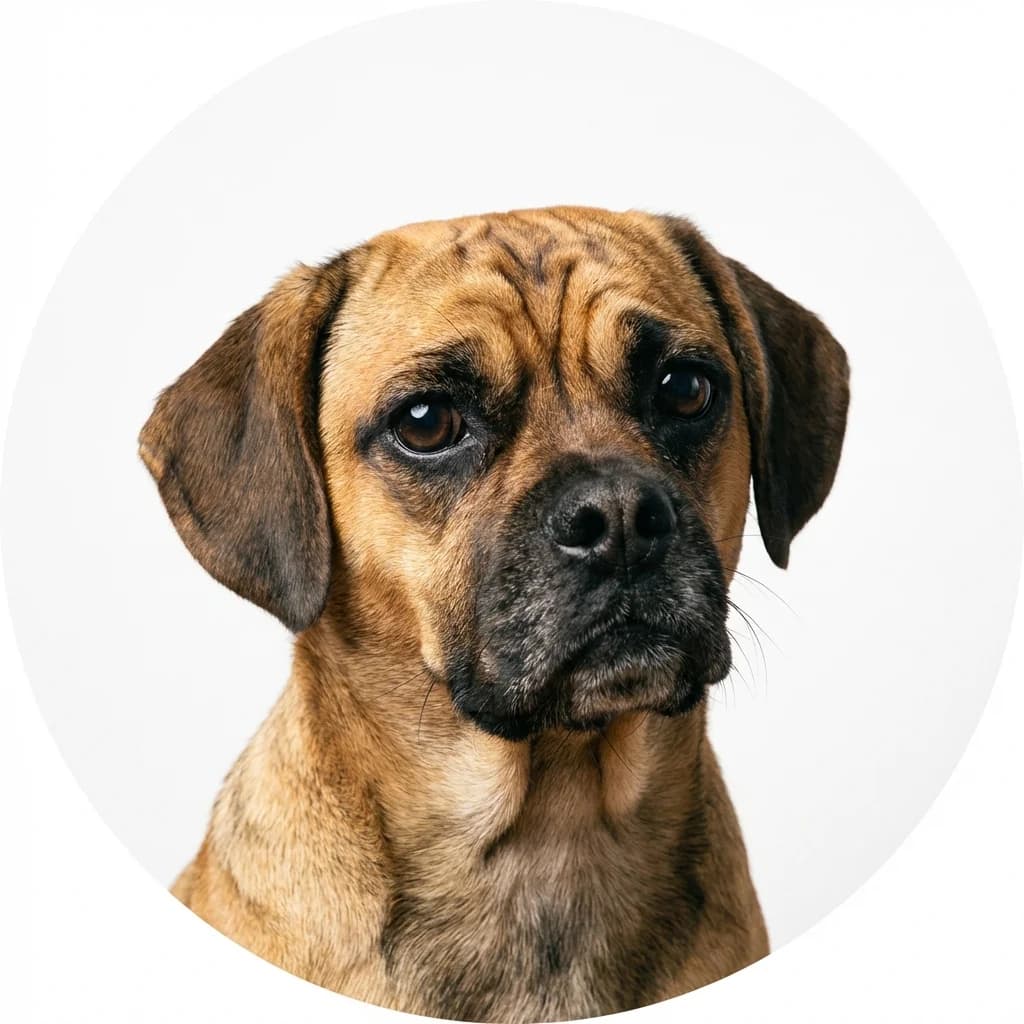
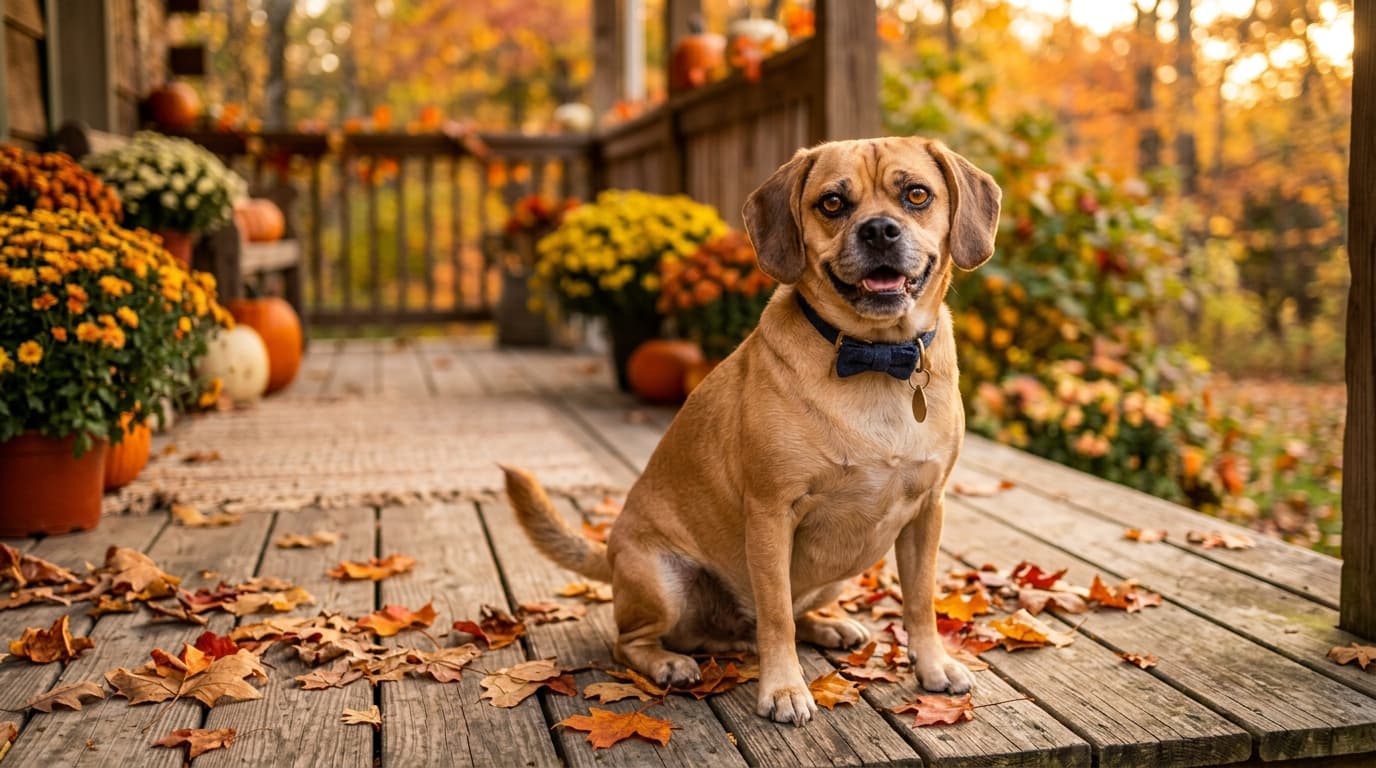
The Puggle crosses the Pug's affectionate, comical personality with the Beagle's curious nose and hound energy — producing a sociable, food-motivated companion who is friendlier than a Beagle with a longer snout than a Pug, but who inherits both parents' stubborn streaks in full.
The Puggle crosses the Pug's affectionate, comical personality with the Beagle's curious nose and hound energy — producing a sociable, food-motivated companion who is friendlier than a Beagle with a longer snout than a Pug, but who inherits both parents' stubborn streaks in full.
Weight
14-30 lbs
Lifespan
10-15 yrs
Energy
High
Shedding
Moderate
Trainability
Moderate
What changes your buying decision for a Puggle
Most gear advice is breed-agnostic. These are the 5traits on this breed’s profile that actually change which product is the right one — each one read straight off the stats above.
Breed profile
Buy a harness, not a collar
Puggles are a flat-faced (brachycephalic) breed, so lead pressure lands on an airway that is already working hard. That single fact rules out neck-loading walk gear entirely and makes chest fit — not brand, not price — the thing to get right.
Weight · 14-30 lbs
Medium sizing decides the bed and the crate
At 14-30 lbs a Puggle sits in most brands' medium band — but "Large" is a marketing word, not a measurement. Buy to the manufacturer's stated weight rating and the dog's measured length, because the same label covers very different sleeping surfaces from one brand to the next.
Shedding · Moderate
Weekly brushing, not daily
Moderate shedding is a weekly-brush commitment. A slicker brush plus a metal comb covers it; the specialist deshedding tools are aimed at heavier coats than this one.
Energy · High
Buy toys for replacement cost, not novelty
High energy sets the toy budget: chase-and-fetch toys and chews get destroyed on a schedule, so durability per dollar matters more than the feature list. No toy substitutes for the exercise itself.
Trainability · Moderate
Spend on the reward, not the hardware
Trainability rated "Moderate" means most of the budget belongs in rewards and a plain fixed-length leash. Corrective hardware solves a problem this breed does not usually present.
The Puggle gear checklist
These slots do different jobs, so this is a checklist rather than a comparison — each one links to the ranked picks for that slot, where products are compared against others of the same kind.
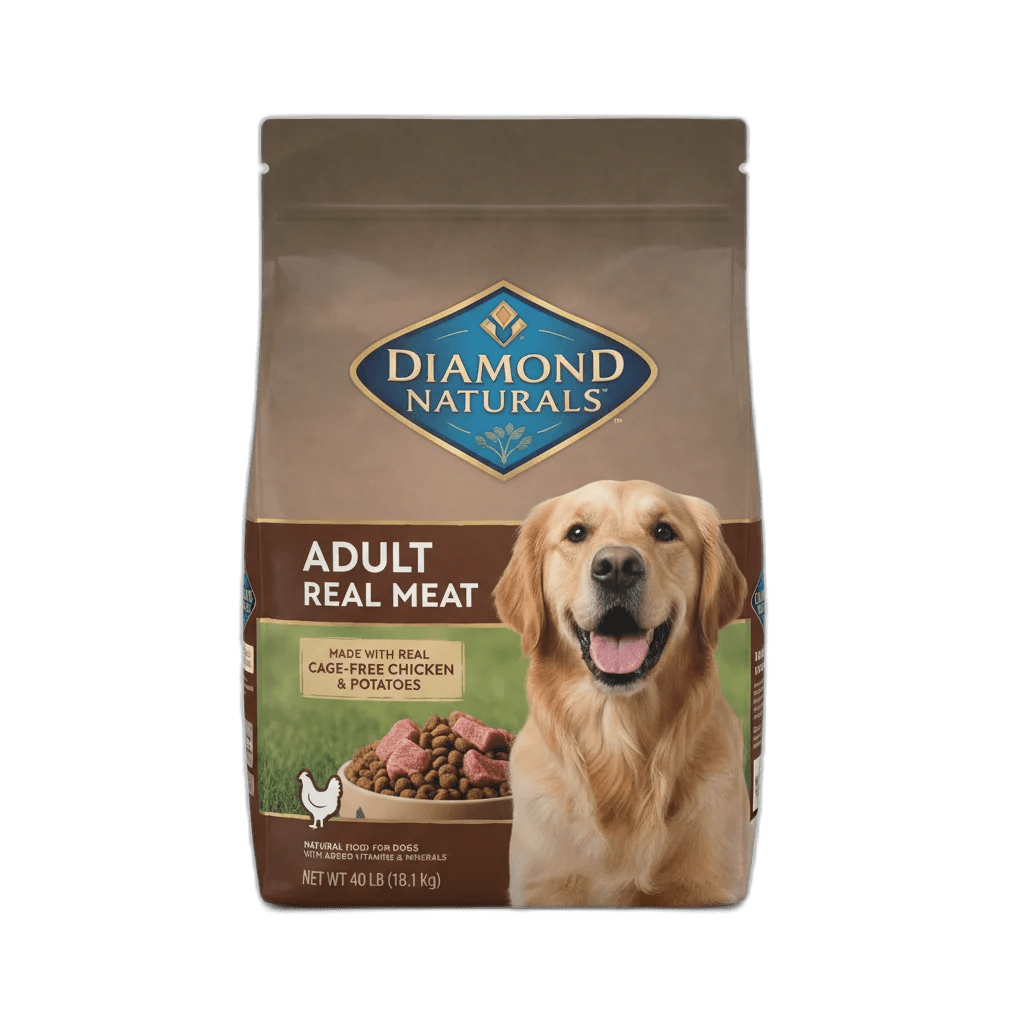
Dry Dog Food
Kibble picks ranked by ingredient quality, protein content, and value per pound.
Current top pick for this slot: Diamond Naturals Adult Real Meat
See all dry dog food picks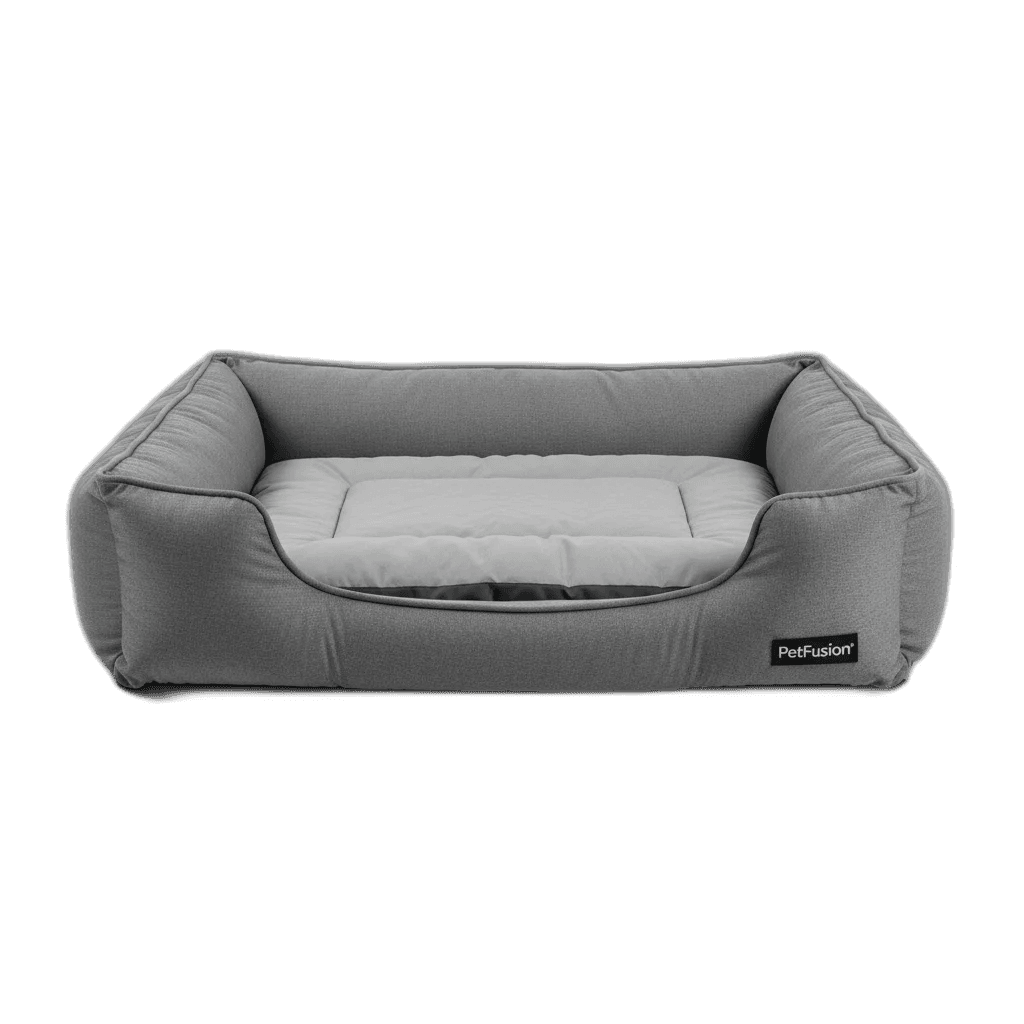
Orthopedic Dog Beds
Memory foam and supportive beds for seniors, large breeds, and dogs with joint issues.
Current top pick for this slot: PetFusion Ultimate Dog Bed
See all orthopedic dog beds picks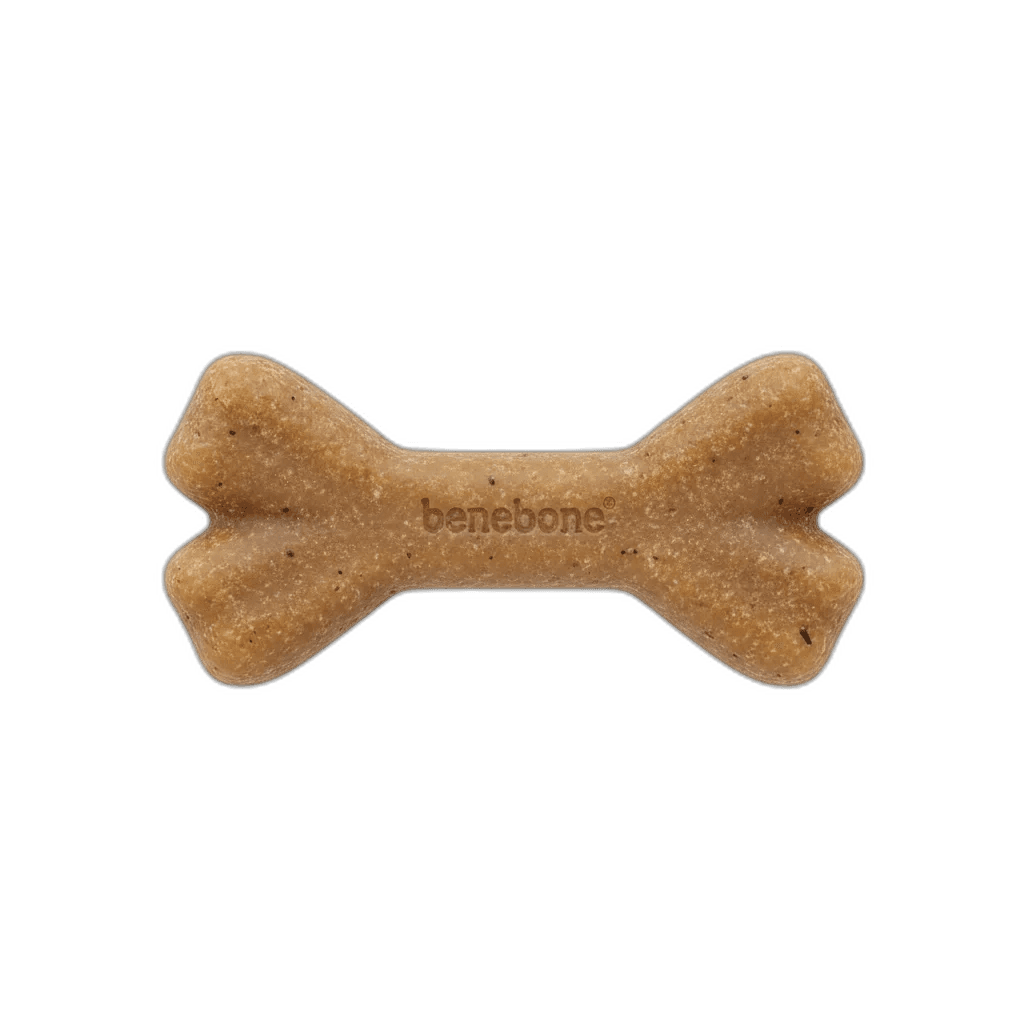
Dog Chew Toys
Durable chew toys for aggressive chewers and teething puppies.
Current top pick for this slot: Benebone Wishbone Chew (Large)
See all dog chew toys picks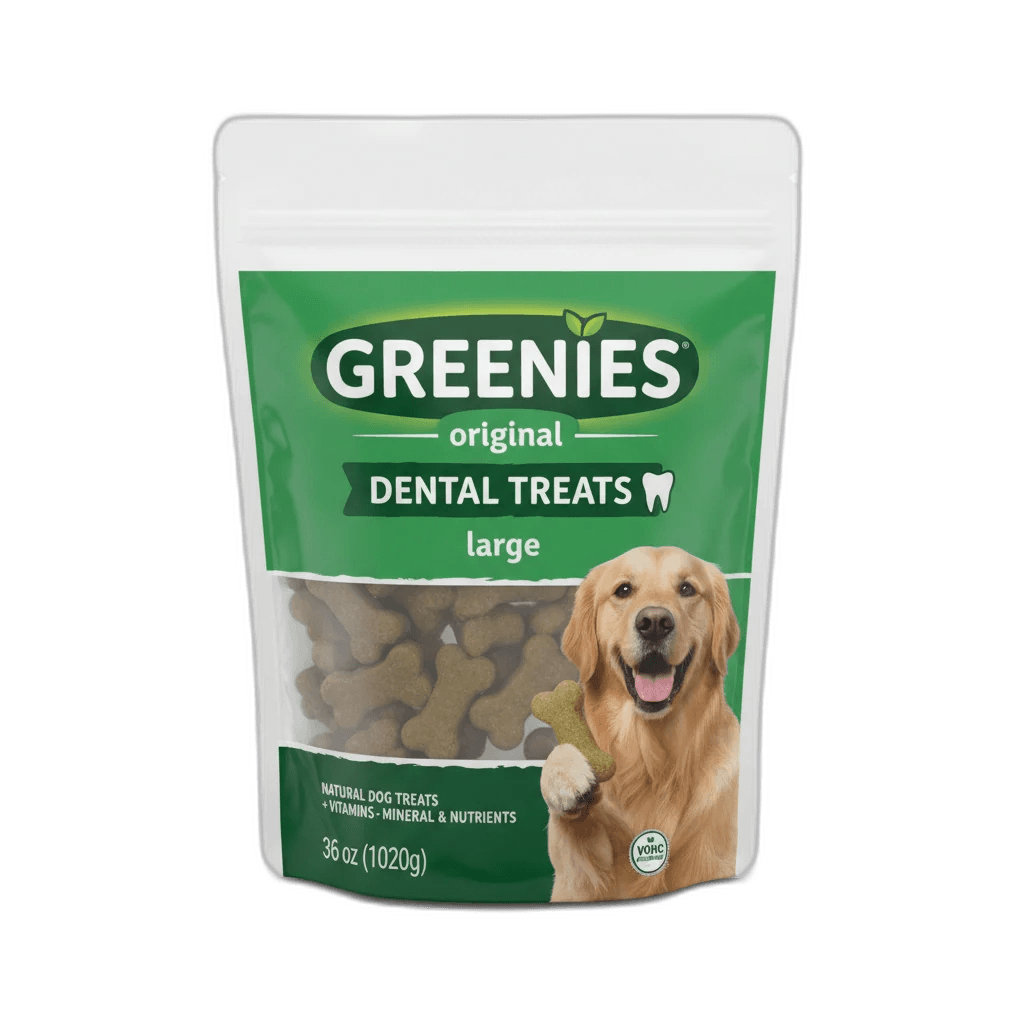
Dog Dental Care
Dental chews, water additives, and brushing kits for better oral health.
Current top pick for this slot: Greenies Original Dental Treats (Large, 36oz)
See all dog dental care picks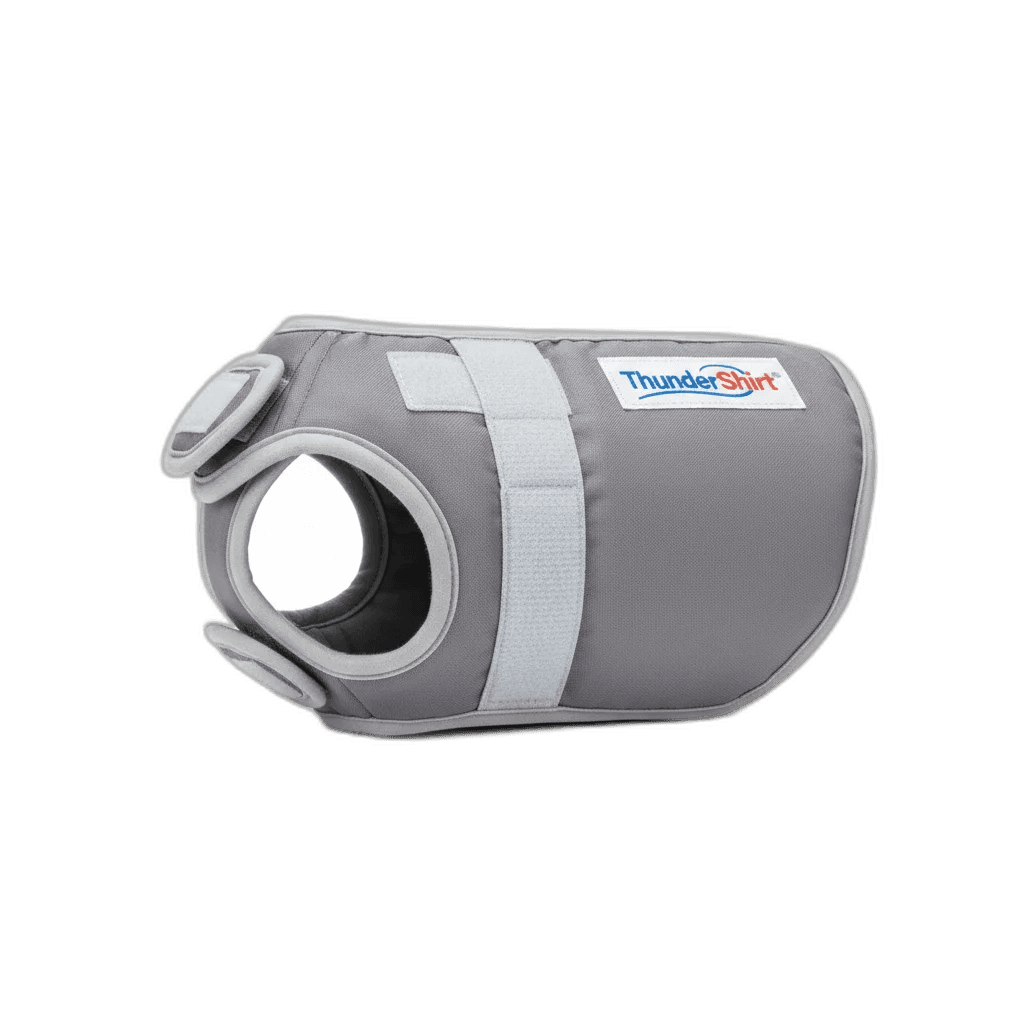
Dog Calming & Anxiety Aids
Calming chews, anxiety wraps, and pheromone products for stressed dogs.
Current top pick for this slot: ThunderShirt Classic Anxiety Vest
See all dog calming & anxiety aids picks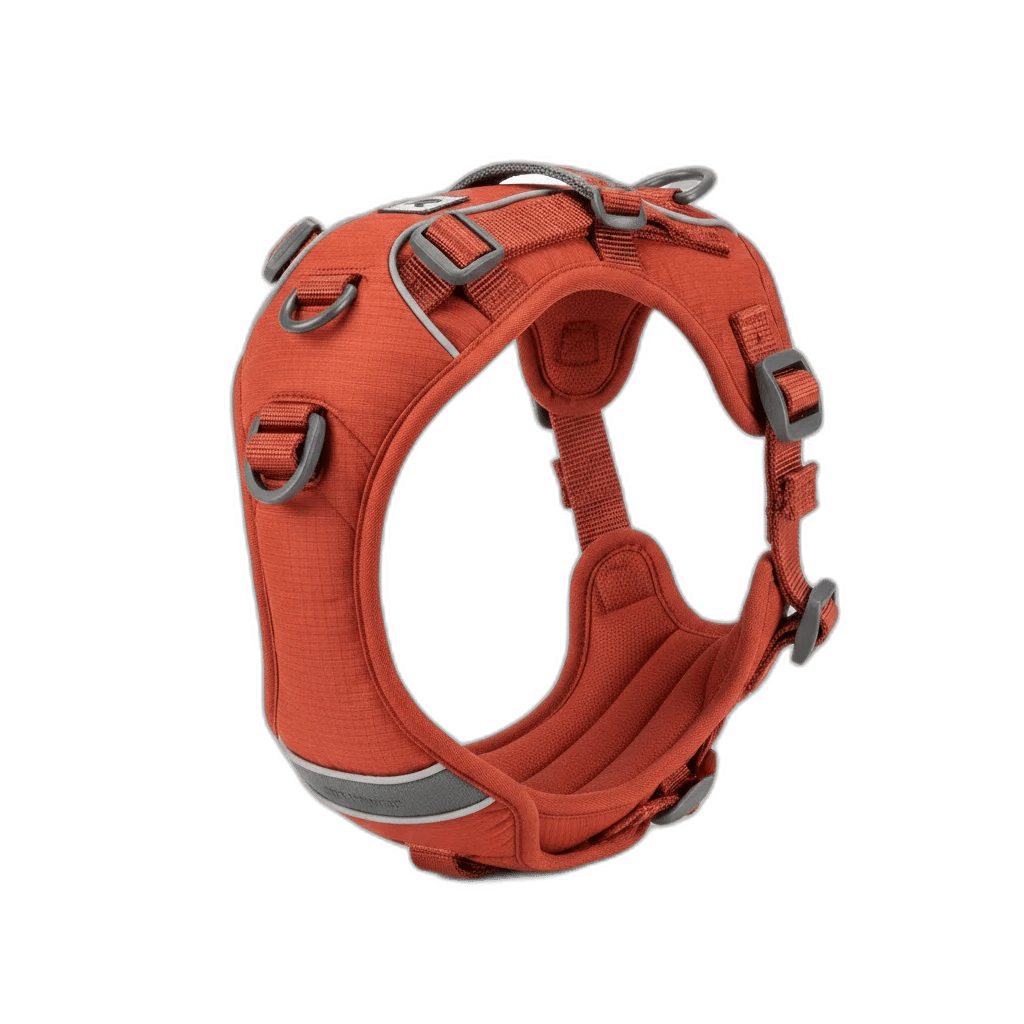
Dog Harnesses
No-pull, front-clip, and padded harnesses for every walking style.
Current top pick for this slot: Ruffwear Front Range Padded Harness
See all dog harnesses picks
Prices are approximate and may vary. Please check the latest price on Amazon. As an Amazon Associate I earn from qualifying purchases.
Life with a Puggle
Your Puggle's nose will make every walk a negotiation — they are following a scent trail you cannot perceive, and the harness is the only thing that gives you any say in the matter.
The howling will happen when you leave — a Puggle left alone without a Kong stuffed with peanut butter and thirty minutes of pre-departure exercise will announce its solitude to the entire building.
Food management is a permanent job: your Puggle would eat until physically stopped, and the combination of Pug food obsession and Beagle indiscriminate consumption means the treat math matters every single day.
The personality is genuinely charming — the Pug's comedy gene and the Beagle's cheerful curiosity produce a dog that makes people smile at the dog park, and Puggles seem to be aware of this and lean into it deliberately.
Your Puggle will greet your houseguests with more enthusiasm than you do, introduce themselves to every dog they pass, and make friends with the mail carrier — the Beagle friendliness is not selective, it is indiscriminate.
Editorial synthesis of r/beagle and r/dogs discussions
r/beagle and r/dogs threads on Puggles consistently surface the same two themes: the howling when alone surprises owners who expected a quieter Pug-adjacent dog, and the nose is more powerful than anyone warns you about. Experienced owners say early exercise routines and a stocked Kong before departure are the two habits that make the most practical difference in day-to-day life.
Paraphrased by PawBench from public discussion — not a quotation, and not a counted sample.
Games Puggles Actually Love
Snuffle Mat Scent Work
Hiding kibble or small treats in a snuffle mat and letting the Puggle work through it engages the Beagle's powerful nose and provides more meaningful mental fatigue than a standard
Find It
Toss a treat across the room and say 'find it' — then progress to hiding treats in another room while the Puggle waits in a sit-stay. The Beagle nose makes
Structured Fetch
Puggles enjoy fetch but often lose interest before the owner does — keep sessions short (5 to 7 throws) with high-value reward at the end, and mix in a 'find
About the Puggle
Origin & Build
- •The Puggle was developed intentionally in the 1980s by Wisconsin breeder Wallace Havens, who crossed Pugs and Beagles
- •The breed exploded in popularity in the early 2000s, becoming the most widely owned designer breed in
- •Despite mass popularity, Puggles have no AKC recognition and are registered by designer breed clubs
- •The breed is widely available through both responsible breeders and puppy mills — quality varies enormously, and health
Temperament
- •Puggles are among the most genuinely friendly crossbreeds — they combine the Pug's social warmth and comedic people-focus
- •They are excellent with children, tolerant with other dogs, and open rather than suspicious with strangers
- •However, temperament varies significantly across individuals: some lean toward the Pug's laziness and prefer couch time, while others
- •Training is possible but requires patience — both parent breeds have independent, food-motivated personalities that make them trainable
Exercise Needs
- •Puggles need 30 to 60 minutes of daily physical activity split between walks and play
- •The Beagle heritage gives them more genuine exercise drive than a purebred Pug, but the residual brachycephalic anatomy
- •All outdoor exercise must be on leash or in a securely fenced area, as the Beagle nose will
Health Watch
- •Puggles retain some brachycephalic risk despite their longer muzzle — they can still overheat, snore, and experience mild
- •Hip dysplasia can be inherited from either parent
- •Eye conditions are inherited from the Pug side, including corneal ulcers and progressive retinal atrophy
- •Epilepsy is seen in some lines, particularly those with heavier Beagle genetics
Gear Tips
- A slow feeder or puzzle bowl is essential — the Puggle inherits both the Pug's food obsession and the Beagle's vacuum-eating speed,
- A front-clip no-pull harness is the practical tool for Puggle walks — the Beagle nose-led pulling is constant and predictable, and
- Keep a snuffle mat or food-dispensing Kong in the indoor enrichment rotation — feeding part of each meal through nose-work enrichment satisfies
- Watch the waistline from day one — free feeding a Puggle leads to obesity reliably, and measured meals twice daily with limited
- Invest in a GPS tracker or high-visibility ID tag and get the dog microchipped early — Puggles are escape artists once
Keep Them Happy
- Exercise before alone-time always — a Puggle that has had a 30-minute walk and a snuffle mat session before you leave is
- Train with food rewards exclusively in the early months — both parent breeds are food-motivated above almost all other reward types,
- Keep outdoor sessions on leash even in yards that appear secure — Beagle-heritage dogs find fence gaps that look physically impossible from
- Socialize with children and other dogs during the first four months — the natural Puggle friendliness is the foundation, and early positive
Buying guides for this breed type
Puggles share buying considerations with other breeds in these clusters:
Shop by category
Browse research-backed picks across every product category — not just for Puggles.
Frequently Asked Questions
- Do Puggles bark and howl a lot?
- Many do — particularly those who lean toward Beagle genetics. The Beagle hound howl is a documented and consistent Puggle trait that surfaces most prominently when the dog is left alone without adequate exercise and enrichment. A well-exercised Puggle with mental enrichment available is dramatically
- Are Puggles easier to breathe than Pugs?
- Yes, generally — the Beagle cross extends the muzzle enough to reduce the most severe brachycephalic symptoms that affect purebred Pugs. Puggles typically breathe more easily, overheat less quickly, and snore less intensely than Pugs. However, they are not free of brachycephalic concerns — heat
- Can Puggles be trusted off-leash?
- Rarely. The Beagle's scent drive is one of the most powerful instincts in the dog world, and it overrides learned recall commands reliably when something interesting is at nose level. A Puggle who has been impeccably trained to come when called in a quiet yard
- Are Puggles good with kids?
- Generally yes — Puggles are among the more reliably child-friendly crossbreeds. The Pug's patient, gentle temperament and the Beagle's robust playfulness combine into a dog that tolerates the noise, movement, and energy of children without the territorial or reactive tendencies that complicate some other breeds.