
Best Gear for Rhodesian Ridgebacks
Rhodesian Ridgebacks are powerful, athletic dogs weighing 70-85 lbs, originally bred to track lions. They're prone to hip and elbow dysplasia, hypothyroidism, and dermoid sinus (a condition unique to ridged breeds).
Rhodesian Ridgebacks are powerful, athletic dogs weighing 70-85 lbs, originally bred to track lions. They're prone to hip and elbow dysplasia, hypothyroidism, and dermoid sinus (a condition unique to ridged breeds).
Weight
70-85 lbs
Height
25-27 in
Lifespan
10-12 yrs
Energy
High
Shedding
Moderate
Trainability
Stubborn
What changes your buying decision for a Rhodesian Ridgeback
Most gear advice is breed-agnostic. These are the 5traits on this breed’s profile that actually change which product is the right one — each one read straight off the stats above.
Breed profile
Walk gear is a fit decision, not a brand decision
A harness that fits is the one that stays put and stops rubbing. Girth varies far more between individual dogs than between Rhodesian Ridgebacks and any other breed, so measure before you buy rather than ordering the size on the breed chart.
Weight · 70-85 lbs
Large sizing decides the bed and the crate
At 70-85 lbs a Rhodesian Ridgeback sits in most brands' large band — but "Large" is a marketing word, not a measurement. Buy to the manufacturer's stated weight rating and the dog's measured length, because the same label covers very different sleeping surfaces from one brand to the next.
Shedding · Moderate
Weekly brushing, not daily
Moderate shedding is a weekly-brush commitment. A slicker brush plus a metal comb covers it; the specialist deshedding tools are aimed at heavier coats than this one.
Energy · High
Buy toys for replacement cost, not novelty
High energy sets the toy budget: chase-and-fetch toys and chews get destroyed on a schedule, so durability per dollar matters more than the feature list. No toy substitutes for the exercise itself.
Trainability · Stubborn
High-value food is the leverage, not the gadget
Trainability rated "Stubborn" means the payoff comes from what you are paying with. High-value training treats and short sessions move this breed further than any piece of hardware, which is worth knowing before you buy a training tool.
The Rhodesian Ridgeback gear checklist
These slots do different jobs, so this is a checklist rather than a comparison — each one links to the ranked picks for that slot, where products are compared against others of the same kind.
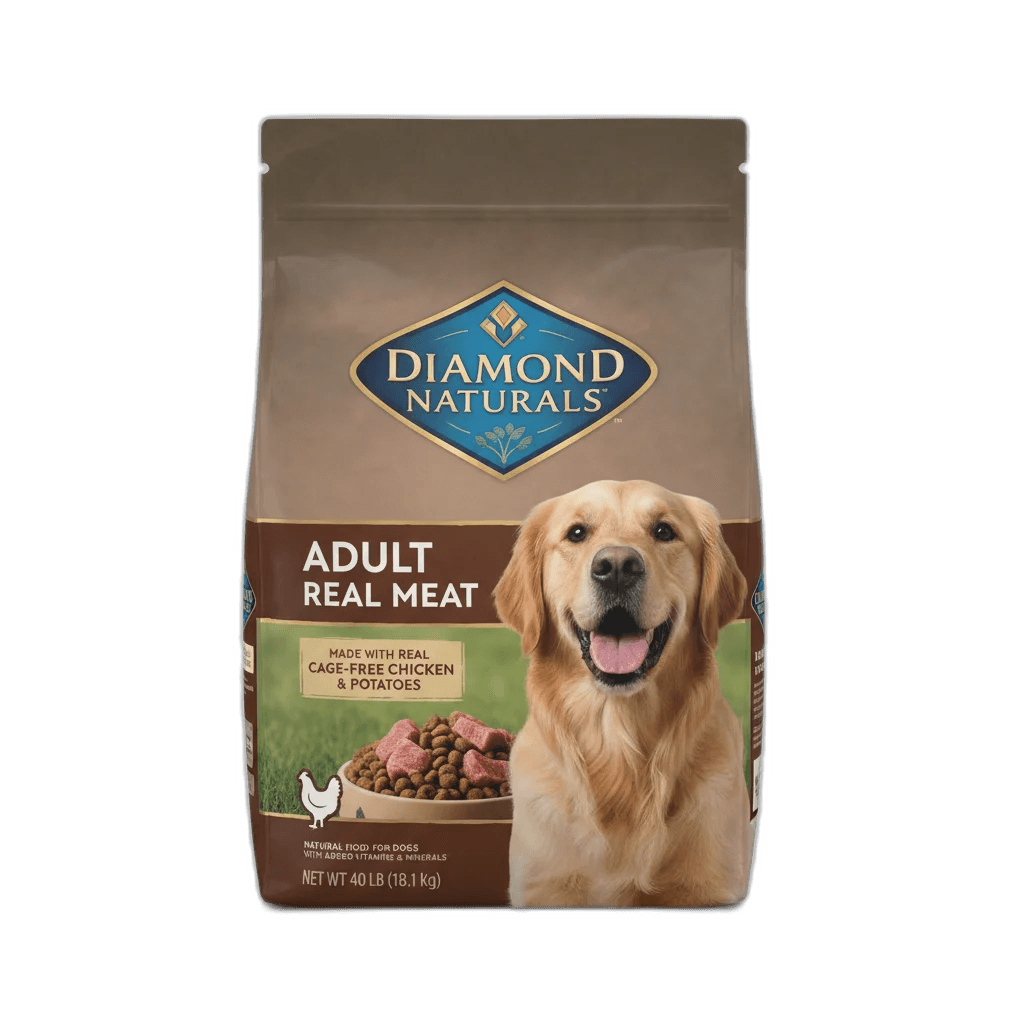
Dry Dog Food
Kibble picks ranked by ingredient quality, protein content, and value per pound.
Current top pick for this slot: Diamond Naturals Adult Real Meat
See all dry dog food picks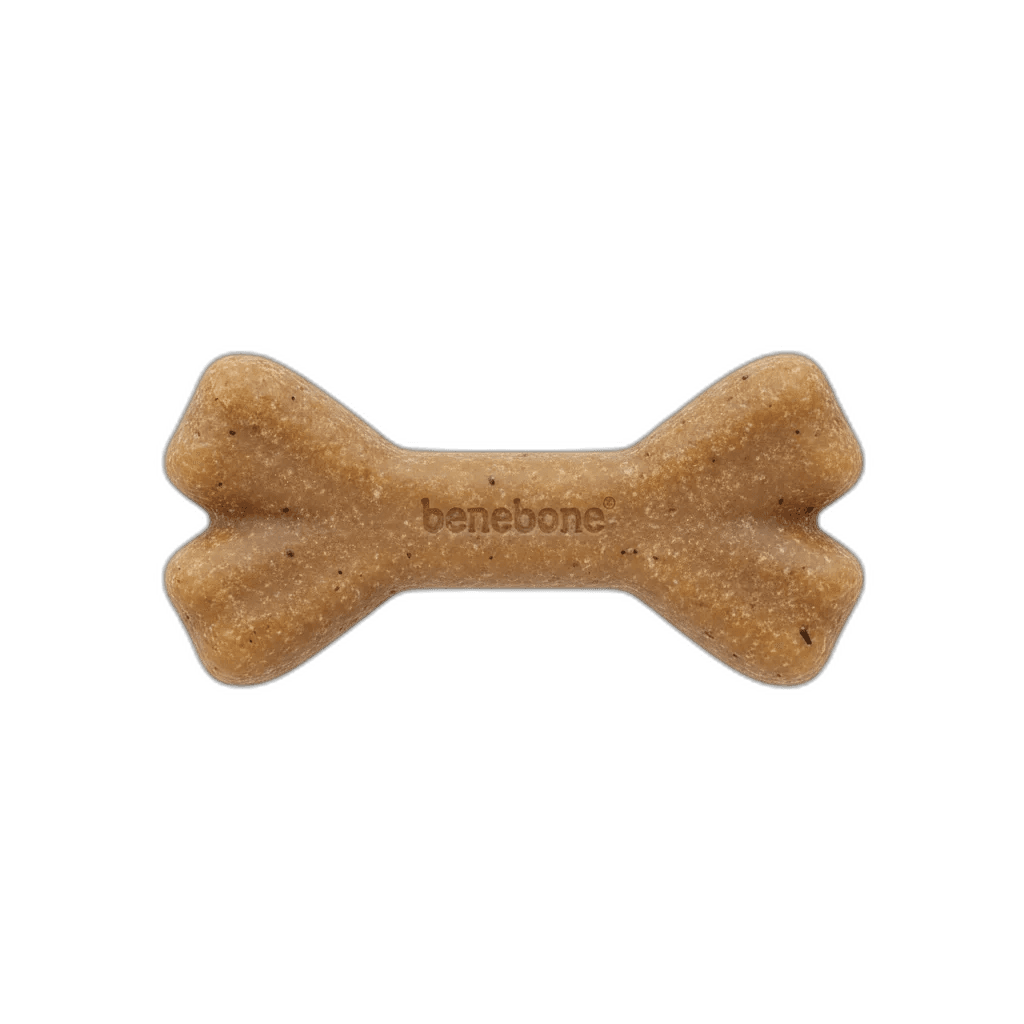
Dog Chew Toys
Durable chew toys for aggressive chewers and teething puppies.
Current top pick for this slot: Benebone Wishbone Chew (Large)
See all dog chew toys picks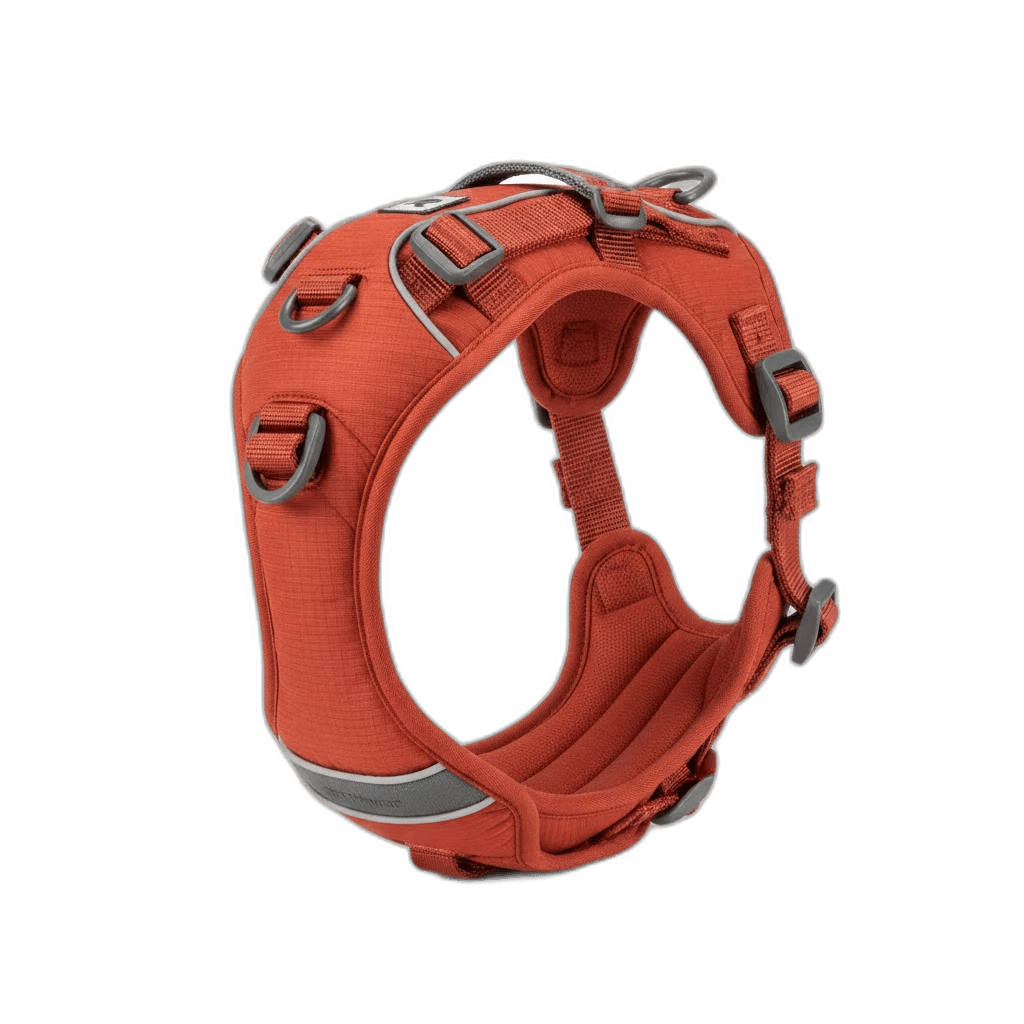
Dog Harnesses
No-pull, front-clip, and padded harnesses for every walking style.
Current top pick for this slot: Ruffwear Front Range Padded Harness
See all dog harnesses picks
Prices are approximate and may vary. Please check the latest price on Amazon. As an Amazon Associate I earn from qualifying purchases.
Life with a Rhodesian Ridgeback
You called your Ridgeback's name from across the yard. They looked directly at you, made eye contact, and chose not to come. This was not disobedience — it was a considered decision.
Your 85-pound dog is currently convinced they are a lap dog and there is nothing you can do about it. You have tried. They have outlasted you.
Someone described your Ridgeback as 'intimidating' and your Ridgeback chose that exact moment to be scared of a plastic bag.
You thought the adolescent phase would pass by one year. At 18 months you thought by two. At two years you finally have a dog. It was worth it.
The silent sulk after you didn't share your dinner could qualify as performance art — the sighs, the repositioning, the long-suffering glances. Full Oscar-worthy commitment.
Editorial synthesis of r/RhodesianRidgeback discussions
r/RhodesianRidgeback puts it plainly: there's a meme of a puppy, an adult, and a velociraptor labeled 'ages 0–6 months, 6–18 months, and 18 months to 2 years.' Survive the adolescent phase and you have one of the most loyal, sensible, magnificent dogs alive. But you have to survive it first.
Paraphrased by PawBench from public discussion — not a quotation, and not a counted sample.
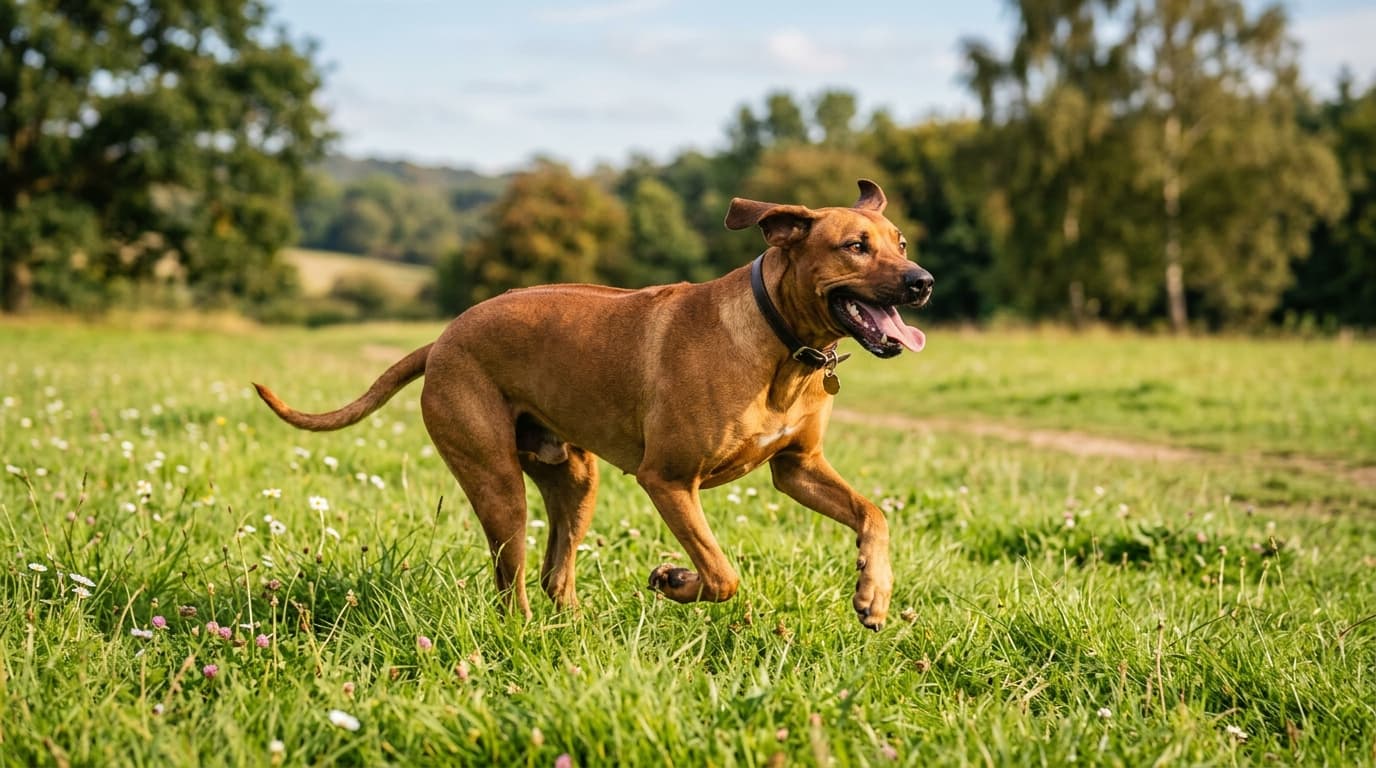
Games Rhodesian Ridgebacks Actually Love
Long-Distance Chase and Lure
Ridgebacks were built to run alongside horses and cover enormous distances at speed. A lure coursing setup or even a long-line flirt pole lets them open up their stride
Tracking on Leash
Lay a scent trail through varied terrain and let them follow it to a reward. Ridgebacks are hounds with real tracking ability — nose-down tracking exercises burn mental energy
Tug and Strength Games
Ridgebacks are powerful and love testing that power in structured play. Thick rope tug toys with clear 'drop it' training make for a game that burns energy, builds engagement,
About the Rhodesian Ridgeback
Origin & Build
- •Rhodesian Ridgebacks trace their roots to southern Africa, where European settlers crossed their dogs with the ridged hunting
- •They weigh 70 to 85 pounds and stand 25 to 27 inches, with a muscular, streamlined build designed
- •Their short, dense wheaten coat ranges from light gold to deep red and requires minimal grooming
- •The distinctive dorsal ridge, formed by hair growing in the opposite direction, should have two identical crowns (whorls)
Temperament
- •Ridgebacks are confident, even-tempered dogs who form deep bonds with their families but operate with a streak
- •They're naturally protective and reserved around strangers without being aggressive, making them excellent watchdogs
- •With other dogs, they can be dominant if not properly socialized, and their prey drive is high enough
- •Training requires patience, consistency, and mutual respect — they'll shut down with heavy-handed methods but thrive with fair,
Exercise Needs
- •Plan for at least 90 minutes of vigorous exercise daily, including running, hiking, or structured play sessions
- •Ridgebacks are outstanding running and cycling partners thanks to their endurance and efficient gait, and they excel
- •Without sufficient exercise, they become destructive, restless, and may develop escape-artist tendencies — a bored Ridgeback can clear
- •They handle heat better than most large breeds but should still avoid intense midday exercise in summer
Health Watch
- •The top health concerns are hip and elbow dysplasia, hypothyroidism, and dermoid sinus, a congenital neural tube defect
- •Bloat (gastric dilatation-volvulus) is a serious risk given their deep, narrow chest
- •Degenerative myelopathy and certain cancers also appear in the breed, and responsible breeders screen for these conditions
- •Ridgebacks typically live 10 to 12 years
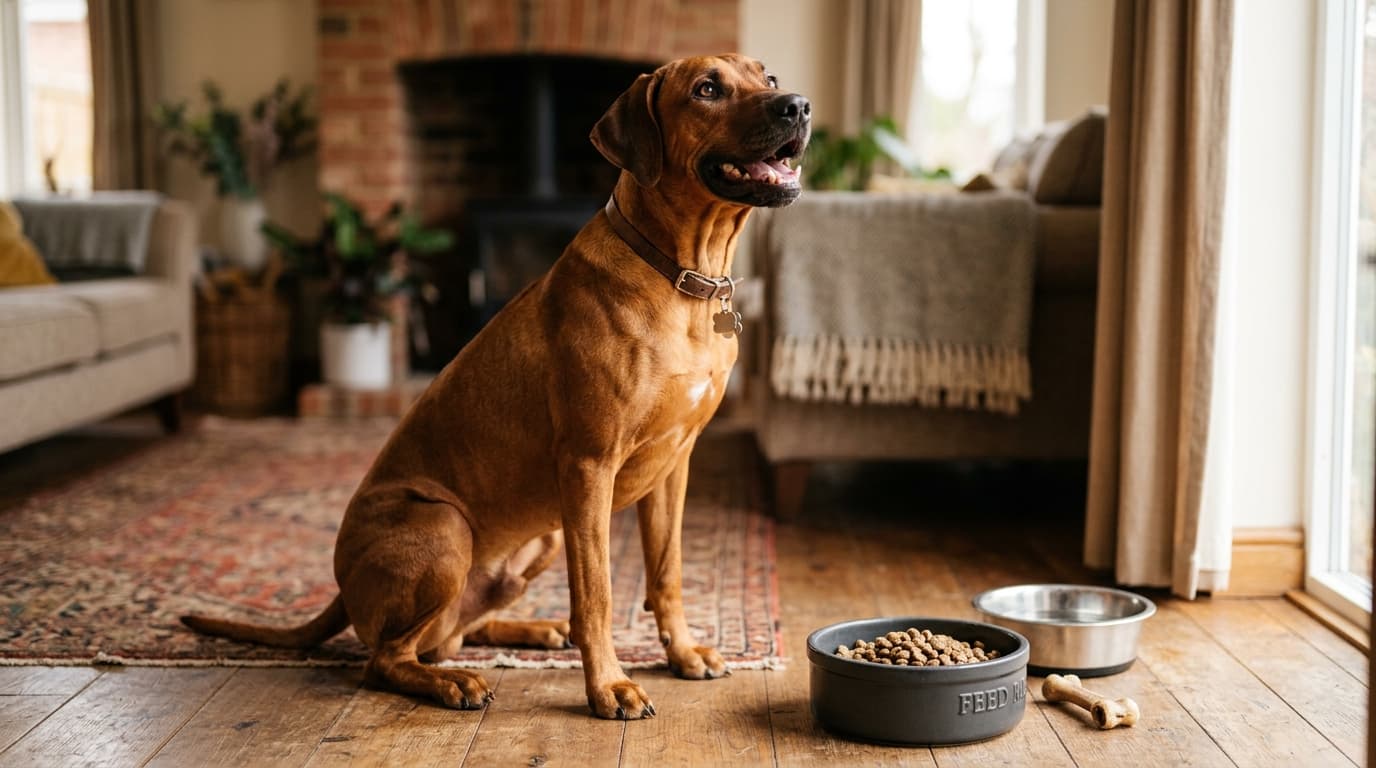
Gear Tips
- Use a no-pull front-clip harness rated for strong dogs — Ridgebacks have immense pulling power and a standard collar puts too much
- A heavy-duty rubber grooming mitt is ideal for their short coat; it removes loose hair, stimulates circulation, and most Ridgebacks actually enjoy
- Invest in a large, durable elevated dog bed with a weight rating of at least 100 pounds — Ridgebacks run hot
- Get a slow-feeder bowl or puzzle feeder to reduce bloat risk; Ridgebacks tend to inhale their food, and slowing them down helps
- A long-line leash (30 to 50 feet) is essential for recall training since their high prey drive and independent nature make reliable
- For cold weather, a lightweight fleece-lined jacket is a smart add since their short single coat offers minimal insulation below 40 degrees
Keep Them Happy
- Exercise must be genuinely vigorous — jogging, hiking, or lure coursing. A Ridgeback that only gets walks is a Ridgeback looking
- Train with high-value rewards and keep sessions interesting. They are intelligent enough to get bored fast — varying rewards (liver, cheese, tug,
- Establish clear boundaries and leadership early. Ridgebacks respect confident, consistent handling and will gently test anyone they sense is unsure about
- Don't mistake independence for stubbornness. When your Ridgeback hesitates on a command, ask whether the command is actually interesting to them —
Buying guides for this breed type
Rhodesian Ridgebacks share buying considerations with other breeds in these clusters:
Shop by category
Browse research-backed picks across every product category — not just for Rhodesian Ridgebacks.
Frequently Asked Questions
- What harness can handle a Rhodesian Ridgeback's pulling strength?
- Look for a front-clip no-pull harness with reinforced stitching and hardware rated for dogs over 80 pounds. Brands that use aluminum or stainless-steel buckles rather than plastic are essential for this breed. The front attachment point redirects pulling force to the side, making walks more
- Do Rhodesian Ridgebacks need a lot of exercise?
- Absolutely — expect to provide at least 90 minutes of vigorous daily exercise, ideally including running, hiking, or an activity like lure coursing. They were bred for all-day endurance in the African bush, so low-key walks alone won't satisfy them. A tired Ridgeback is
- Are Rhodesian Ridgebacks good family dogs?
- Ridgebacks can be wonderful family dogs for experienced owners who provide firm, consistent leadership and early socialization. They're gentle and patient with children they're raised with, though their size means toddler interactions need supervision. Their protective nature makes them naturally vigilant around the home without
- What is dermoid sinus in Rhodesian Ridgebacks?
- Dermoid sinus is a congenital condition where a tube-like tract forms under the skin along the spine, potentially connecting to the spinal cord. It's unique to ridged breeds and can lead to serious infections if untreated, requiring surgical removal. Reputable breeders check puppies at birth,