
Best Gear for Scottish Terriers
Scotties are compact, independent terriers with a wiry double coat, prone to bladder cancer (transitional cell carcinoma at rates 18x higher than other breeds), von Willebrand's disease, and Scottie cramp.
Scotties are compact, independent terriers with a wiry double coat, prone to bladder cancer (transitional cell carcinoma at rates 18x higher than other breeds), von Willebrand's disease, and Scottie cramp.
Weight
18-22 lbs
Lifespan
12-14 yrs
Energy
High
Shedding
Heavy
Trainability
Stubborn
What changes your buying decision for a Scottish Terrier
Most gear advice is breed-agnostic. These are the 5traits on this breed’s profile that actually change which product is the right one — each one read straight off the stats above.
Breed profile
Walk gear is a fit decision, not a brand decision
A harness that fits is the one that stays put and stops rubbing. Girth varies far more between individual dogs than between Scottish Terriers and any other breed, so measure before you buy rather than ordering the size on the breed chart.
Weight · 18-22 lbs
Small sizing decides the bed and the crate
At 18-22 lbs a Scottish Terrier sits in most brands' small band — but "Large" is a marketing word, not a measurement. Buy to the manufacturer's stated weight rating and the dog's measured length, because the same label covers very different sleeping surfaces from one brand to the next.
Shedding · Heavy
Heavy shedding is a tool problem, not a shampoo problem
Heavy shedding means an undercoat rake or deshedding tool does the work a slicker brush only redistributes. Budget for the tool before the shampoo, and expect seasonal coat blow to set the pace.
Energy · High
Buy toys for replacement cost, not novelty
High energy sets the toy budget: chase-and-fetch toys and chews get destroyed on a schedule, so durability per dollar matters more than the feature list. No toy substitutes for the exercise itself.
Trainability · Stubborn
High-value food is the leverage, not the gadget
Trainability rated "Stubborn" means the payoff comes from what you are paying with. High-value training treats and short sessions move this breed further than any piece of hardware, which is worth knowing before you buy a training tool.
The Scottish Terrier gear checklist
These slots do different jobs, so this is a checklist rather than a comparison — each one links to the ranked picks for that slot, where products are compared against others of the same kind.
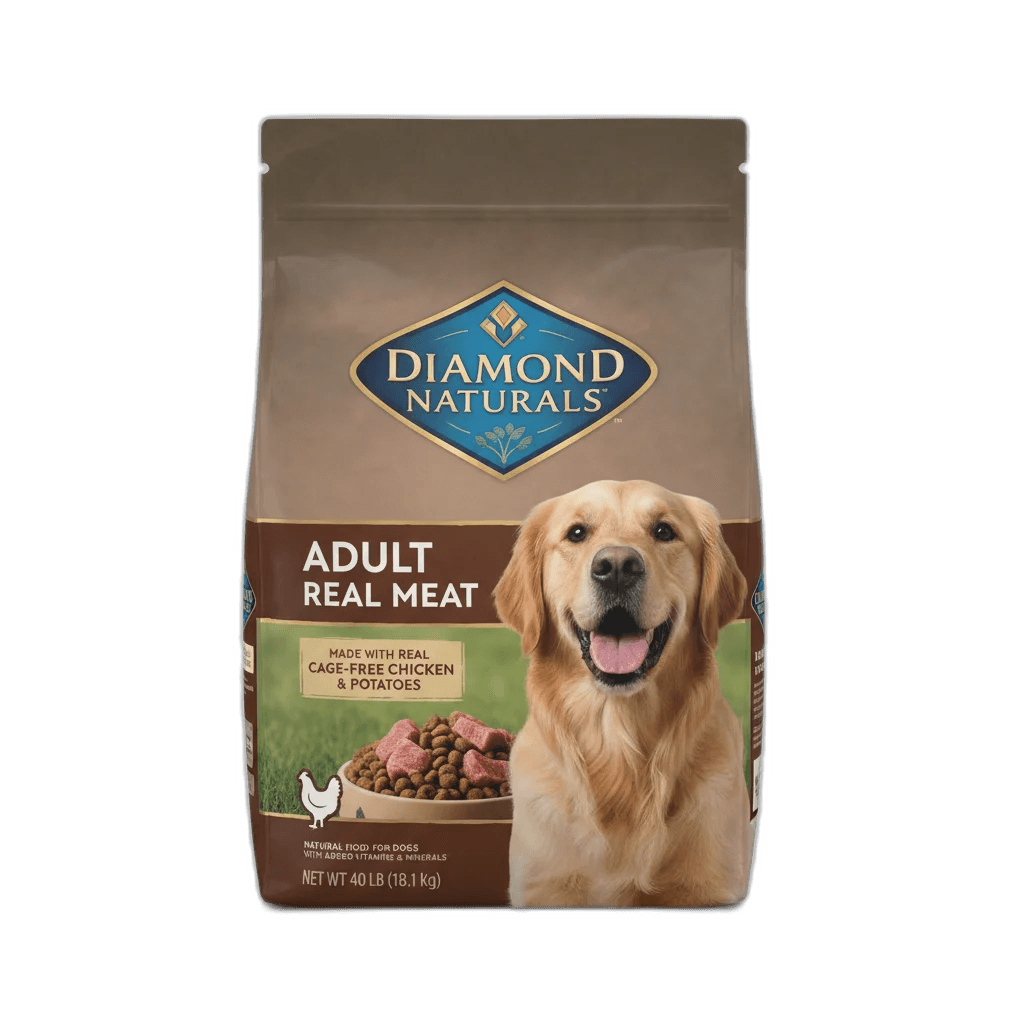
Dry Dog Food
Kibble picks ranked by ingredient quality, protein content, and value per pound.
Current top pick for this slot: Diamond Naturals Adult Real Meat
See all dry dog food picks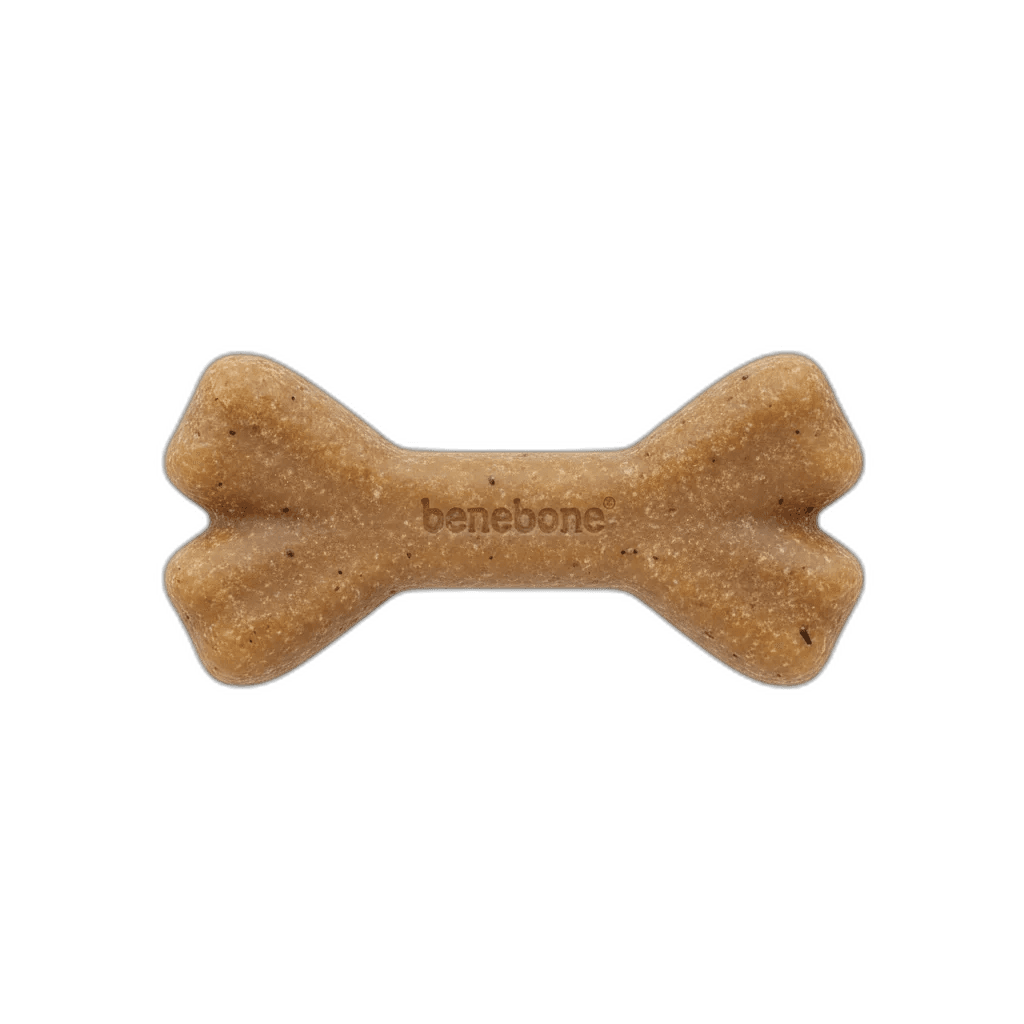
Dog Chew Toys
Durable chew toys for aggressive chewers and teething puppies.
Current top pick for this slot: Benebone Wishbone Chew (Large)
See all dog chew toys picks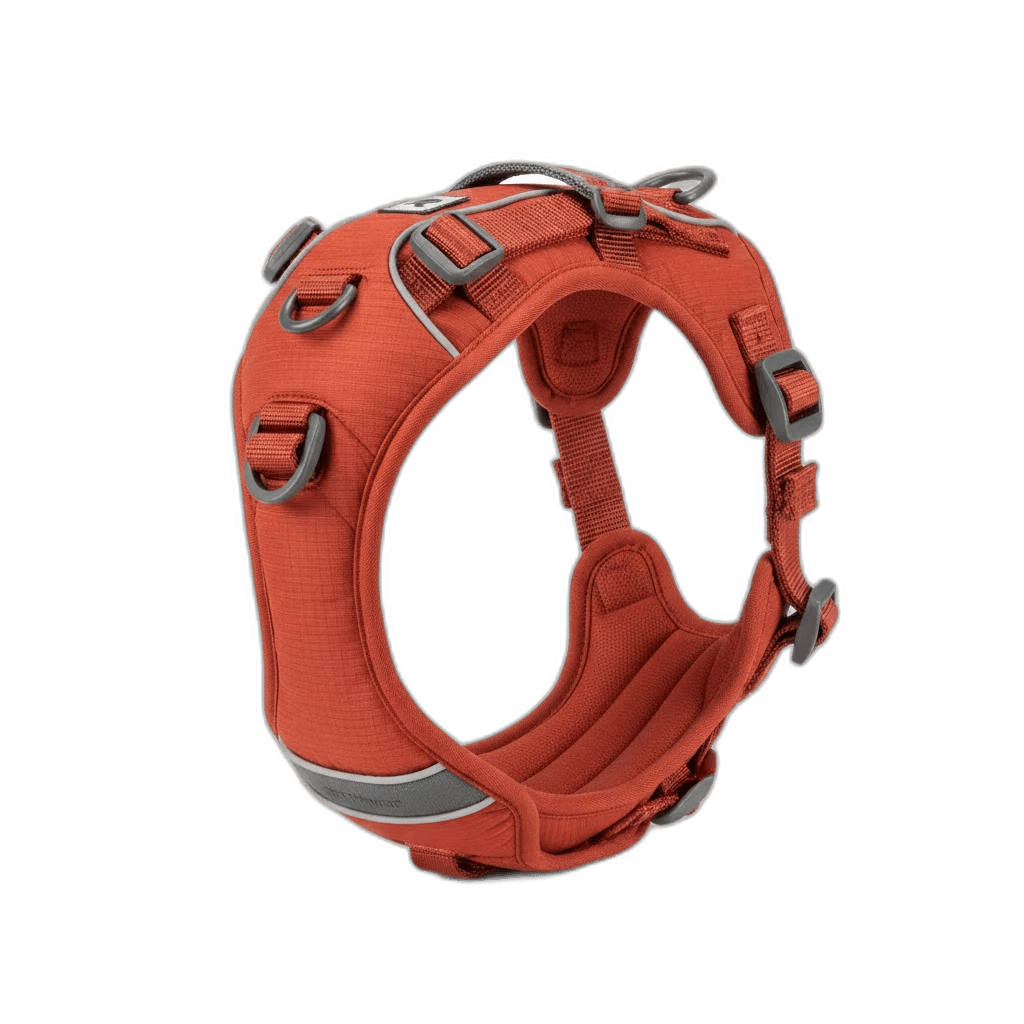
Dog Harnesses
No-pull, front-clip, and padded harnesses for every walking style.
Current top pick for this slot: Ruffwear Front Range Padded Harness
See all dog harnesses picks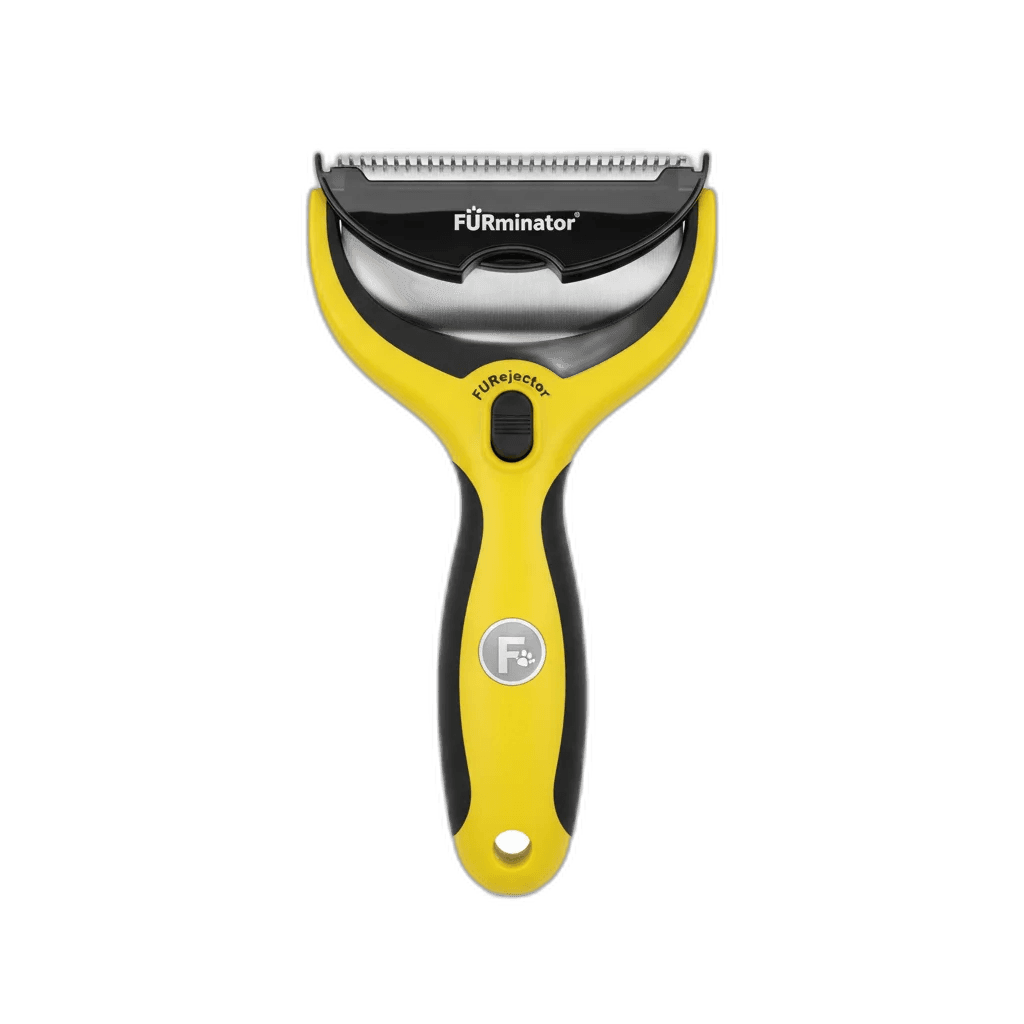
Dog Brushes & Deshedding Tools
Slicker brushes, undercoat rakes, and deshedding tools for every coat type.
Current top pick for this slot: FURminator Undercoat Deshedding Tool (Large)
See all dog brushes & deshedding tools picks
Prices are approximate and may vary. Please check the latest price on Amazon. As an Amazon Associate I earn from qualifying purchases.
Life with a Scottish Terrier
Your Scottie has heard your command. They have processed it. They have decided it doesn't apply to them right now and would like to revisit it later, on their own schedule.
They consider themselves your companion, not your pet. There is a distinction. The distinction matters to them enormously. You will respect it.
The toy is fine. The squeaker, however, must be surgically extracted immediately. Your Scottie will not rest until that squeaker is located, removed, and neutralized. This is not negotiable.
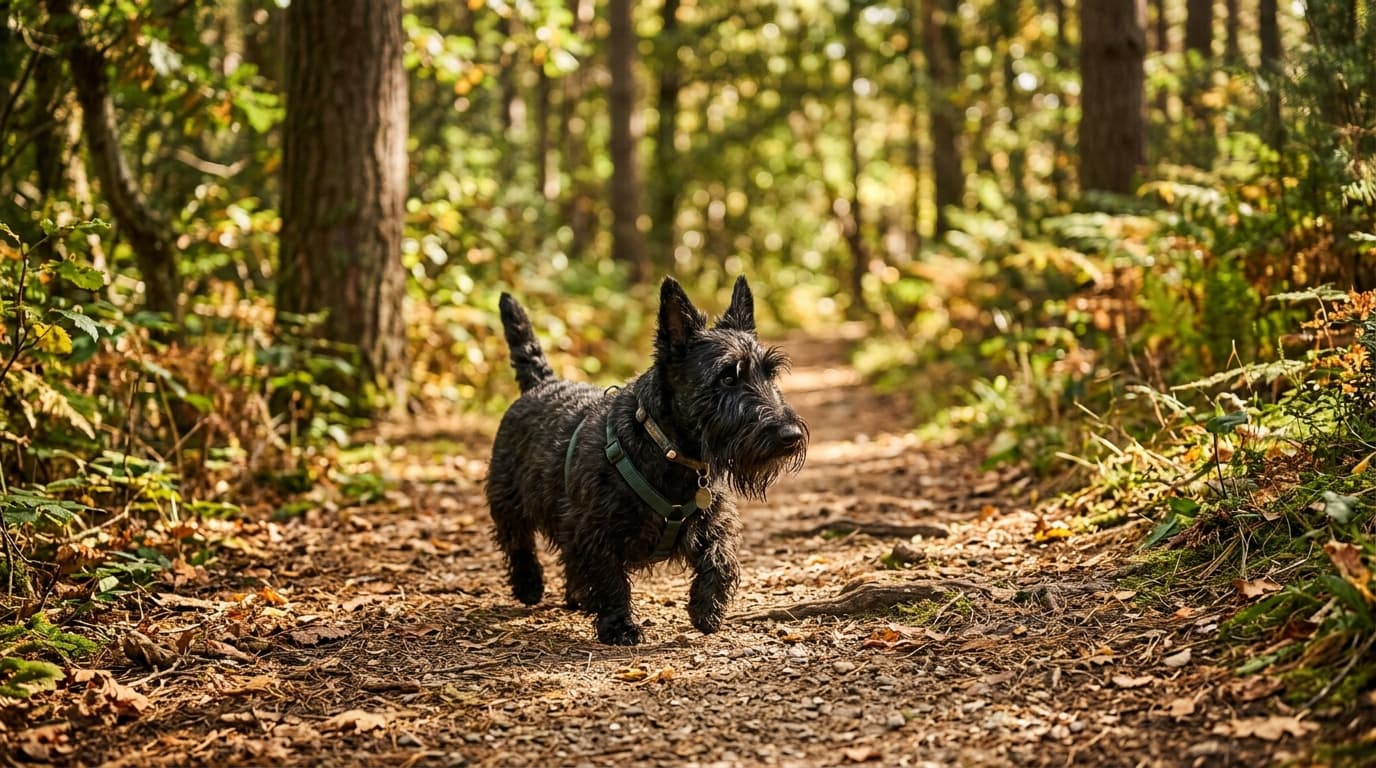
You cannot rush a Scottie on a walk. They inspect the perimeter at their own pace, following their own investigative protocol. You are not the one setting the agenda. You never were.
They pick a person. One person. The loyalty is absolute and a little overwhelming. Everyone else in the house is tolerated. You are chosen. This is an honor you did not ask for and cannot refuse.
Editorial synthesis of r/scottishterrier discussions
r/scottishterrier agrees on one thing above all else: you don't train a Scottie, you negotiate with them — and if the deal doesn't seem worth it to them, they'll simply opt out. Respect the process and you'll earn a loyalty that's unmatched in any other breed.
Paraphrased by PawBench from public discussion — not a quotation, and not a counted sample.
Games Scottish Terriers Actually Love
Earthdog Chase
Roll a treat down a hallway or into a cardboard tube 'tunnel' and let your Scottie chase and root it out. Scotties were bred specifically to bolt vermin from underground
Perimeter Patrol
Let your Scottie lead a full slow-walk 'inspection' of the yard or a new area, investigating every corner, scent, and suspicious object at their own pace. What looks like
Squeaker Puzzle Toy
Give them a durable treat puzzle that requires pawing, nudging, and problem-solving to release the reward. Scotties are intense, persistent problem-solvers — a puzzle toy that requires genuine effort, rather
About the Scottish Terrier
Origin & Build
- •Scottish Terriers are one of the oldest terrier breeds, developed in the Scottish Highlands to hunt badgers, foxes,
- •They weigh 18 to 22 pounds and stand about 10 inches tall with a compact, heavy-boned body set
- •Their wiry double coat comes in black, wheaten, or brindle, with the classic Scottie trim featuring longer furnishings
- •The breed's long, rectangular head with prominent eyebrows and beard give them an unmistakably serious, dignified expression
Temperament
- •Scotties are fiercely independent, loyal, and carry themselves with a quiet confidence that borders on aloofness
- •They're devoted to their families but not demonstrative about it — they show love by being near you,
- •They're territorial, wary of strangers, and can be confrontational with other dogs, particularly those of the same sex
- •Training is a negotiation rather than a command-and-comply exercise; short, varied sessions with clear rewards work best since
Exercise Needs
- •Scotties need 45 to 60 minutes of daily exercise through walks, yard play, and structured activities
- •They enjoy earthdog trials and nose work, which tap into their original vermin-hunting instincts and satisfy both body
- •Without enough activity, they can become destructive diggers and develop territorial barking
- •Their short legs and compact build mean they're not built for long-distance running or intense heat, so keep
Health Watch
- •The most alarming health statistic for Scotties is their 18 times higher rate of bladder cancer (transitional cell
- •Von Willebrand's disease, a blood clotting disorder, should be tested for before any surgery
- •Scottie cramp is a breed-specific movement disorder triggered by excitement or stress that causes temporary stiffness but isn't
- •Hypothyroidism and patellar luxation round out the key concerns, and Scotties typically live 12 to 14 years
Gear Tips
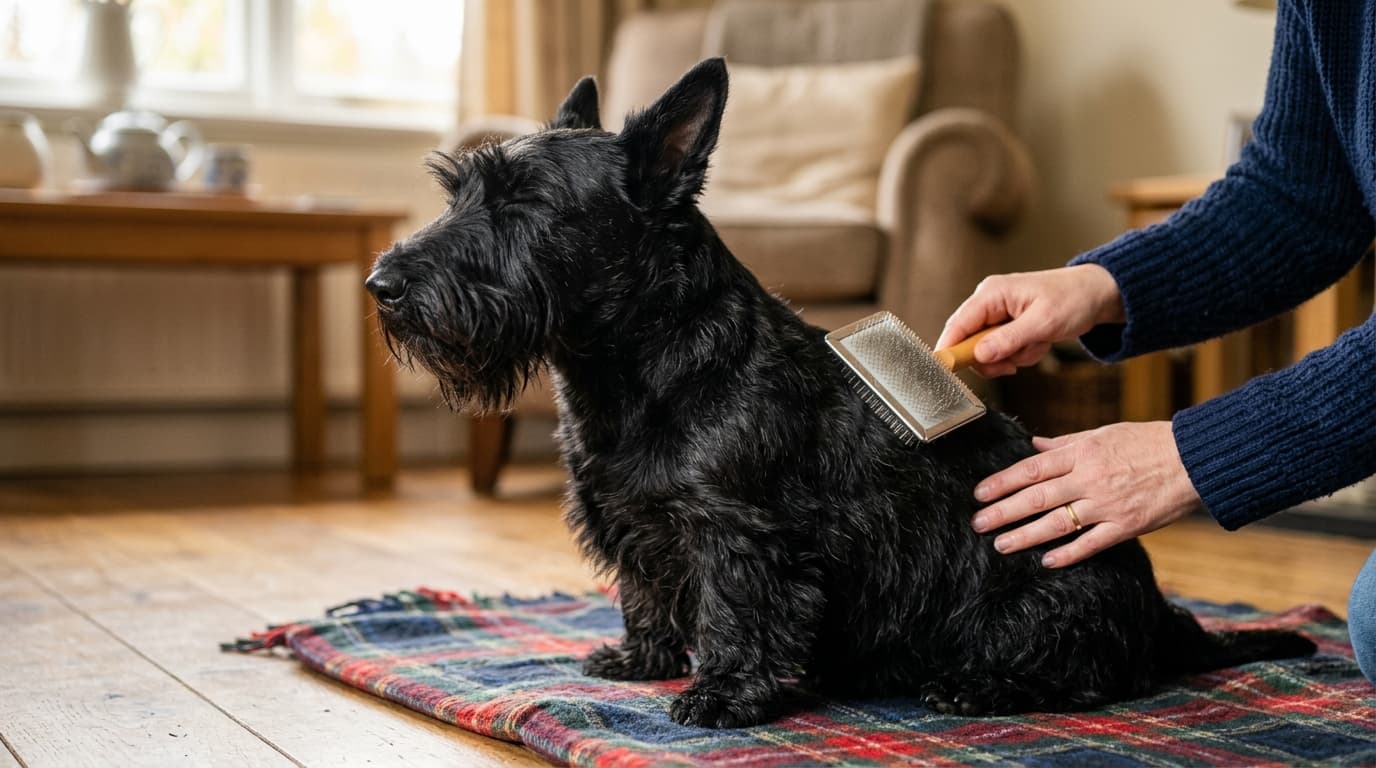
- A stripping knife and coarse slicker brush are the core grooming tools — hand-stripping every six to eight weeks maintains the correct
- Choose a well-fitted H-style harness that accommodates their deep chest and short legs; standard harnesses designed for proportionally built dogs often ride
- A sturdy digging box or sandbox gives Scotties an approved outlet for their hardwired burrowing instinct and saves your yard from
- Use a fixed-length 6-foot leash rather than a retractable — Scotties have intense prey drive and zero recall once they spot something
- An appropriately sized crate (24 inches) with a firm, supportive bed works well since Scotties actually appreciate having a defined territory
- Keep a pet-safe first aid kit with styptic powder on hand, as von Willebrand's disease can cause excessive bleeding from even minor
Keep Them Happy
- Keep training sessions short (5–8 minutes) and reward-heavy. Scotties are intelligent but strongly independent — they respond to training that feels like
- Secure fencing is non-negotiable. Scotties were bred to work independently out of sight of humans and will absolutely self-deploy into the neighborhood
- Provide a designated dig area. Their digging instinct is ancient and strong — redirecting it to an acceptable zone is far more
- Rotate enrichment toys regularly. A Scottie who has mastered a puzzle toy will ignore it forever after. Introducing new challenges weekly keeps
Buying guides for this breed type
Scottish Terriers share buying considerations with other breeds in these clusters:
Shop by category
Browse research-backed picks across every product category — not just for Scottish Terriers.
Frequently Asked Questions
- Are Scottish Terriers prone to cancer?
- Unfortunately, yes — Scotties have an 18 times higher rate of bladder cancer (transitional cell carcinoma) than the average dog breed, making it the most significant health concern in the breed. Early detection through regular urinalysis and veterinary checkups is critical since symptoms like blood
- What is Scottie cramp and should I worry about it?
- Scottie cramp is a breed-specific movement disorder where excitement, stress, or exercise triggers temporary stiffness and a goose-stepping gait. It's not painful and episodes pass within minutes once the dog calms down. While there's no cure, it's generally manageable by avoiding known triggers and keeping
- How do you groom a Scottish Terrier properly?
- The gold standard is hand-stripping every six to eight weeks, which removes dead outer coat while preserving the wiry texture and correct color. Between stripping sessions, weekly brushing with a slicker brush and comb keeps the furnishings mat-free. Many pet owners opt for clipping
- Are Scottish Terriers good for first-time dog owners?
- Scotties can be challenging for first-time owners because their independence and stubbornness require patience and a sense of humor. They're not eager-to-please dogs who live for your approval, and training methods that work on retrievers or herding breeds often fall flat. If you appreciate