
Best Gear for Weimaraners
Weimaraners are large, athletic hunting dogs with a distinctive silver-gray coat, prone to bloat (GDV), hip dysplasia, and severe separation anxiety. They need 1-2 hours of hard exercise daily.
Weimaraners are large, athletic hunting dogs with a distinctive silver-gray coat, prone to bloat (GDV), hip dysplasia, and severe separation anxiety. They need 1-2 hours of hard exercise daily.
Weight
70-90 lbs
Height
25-27 in
Lifespan
10-13 yrs
Energy
High
Shedding
Moderate
Trainability
Moderate
What changes your buying decision for a Weimaraner
Most gear advice is breed-agnostic. These are the 5traits on this breed’s profile that actually change which product is the right one — each one read straight off the stats above.
Breed profile
Walk gear is a fit decision, not a brand decision
A harness that fits is the one that stays put and stops rubbing. Girth varies far more between individual dogs than between Weimaraners and any other breed, so measure before you buy rather than ordering the size on the breed chart.
Weight · 70-90 lbs
Large sizing decides the bed and the crate
At 70-90 lbs a Weimaraner sits in most brands' large band — but "Large" is a marketing word, not a measurement. Buy to the manufacturer's stated weight rating and the dog's measured length, because the same label covers very different sleeping surfaces from one brand to the next.
Shedding · Moderate
Weekly brushing, not daily
Moderate shedding is a weekly-brush commitment. A slicker brush plus a metal comb covers it; the specialist deshedding tools are aimed at heavier coats than this one.
Energy · High
Buy toys for replacement cost, not novelty
High energy sets the toy budget: chase-and-fetch toys and chews get destroyed on a schedule, so durability per dollar matters more than the feature list. No toy substitutes for the exercise itself.
Trainability · Moderate
Spend on the reward, not the hardware
Trainability rated "Moderate" means most of the budget belongs in rewards and a plain fixed-length leash. Corrective hardware solves a problem this breed does not usually present.
The Weimaraner gear checklist
These slots do different jobs, so this is a checklist rather than a comparison — each one links to the ranked picks for that slot, where products are compared against others of the same kind.

Dry Dog Food
Kibble picks ranked by ingredient quality, protein content, and value per pound.
Current top pick for this slot: Diamond Naturals Adult Real Meat
See all dry dog food picks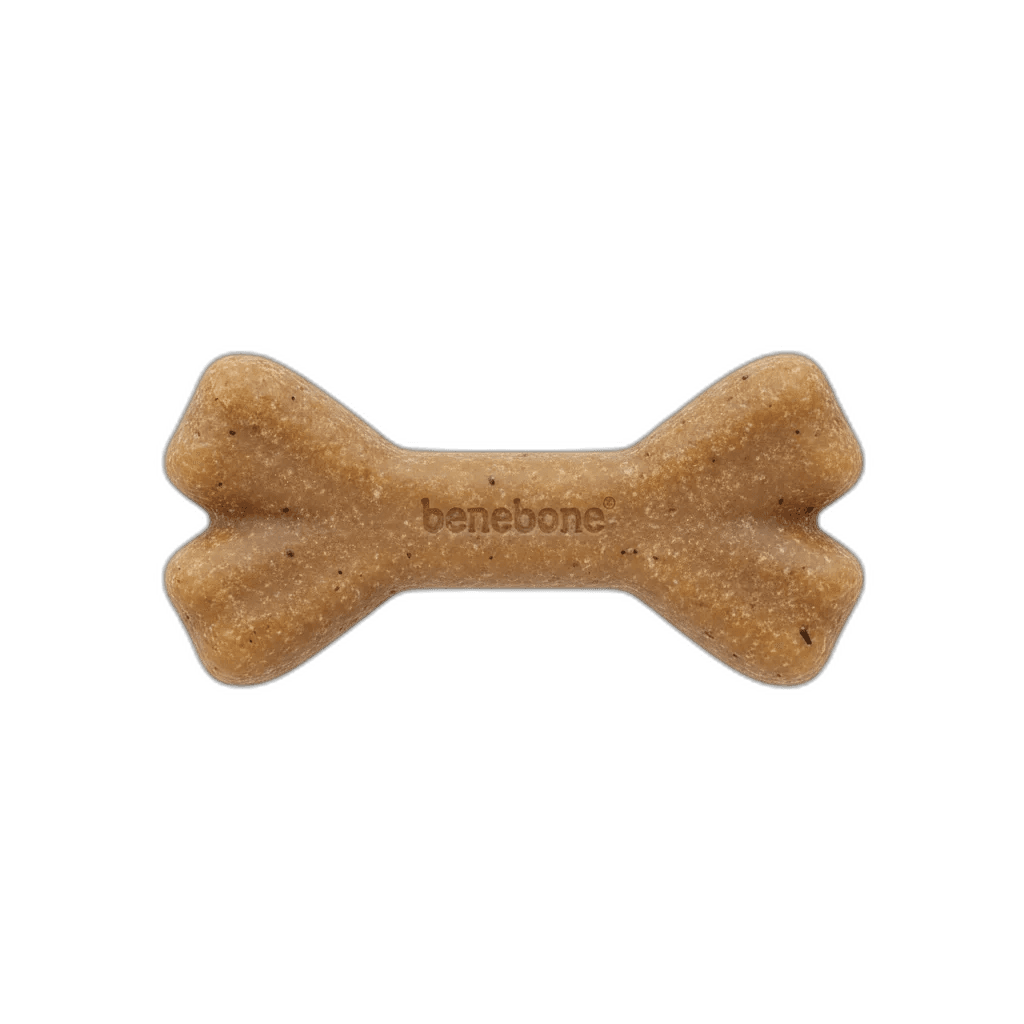
Dog Chew Toys
Durable chew toys for aggressive chewers and teething puppies.
Current top pick for this slot: Benebone Wishbone Chew (Large)
See all dog chew toys picks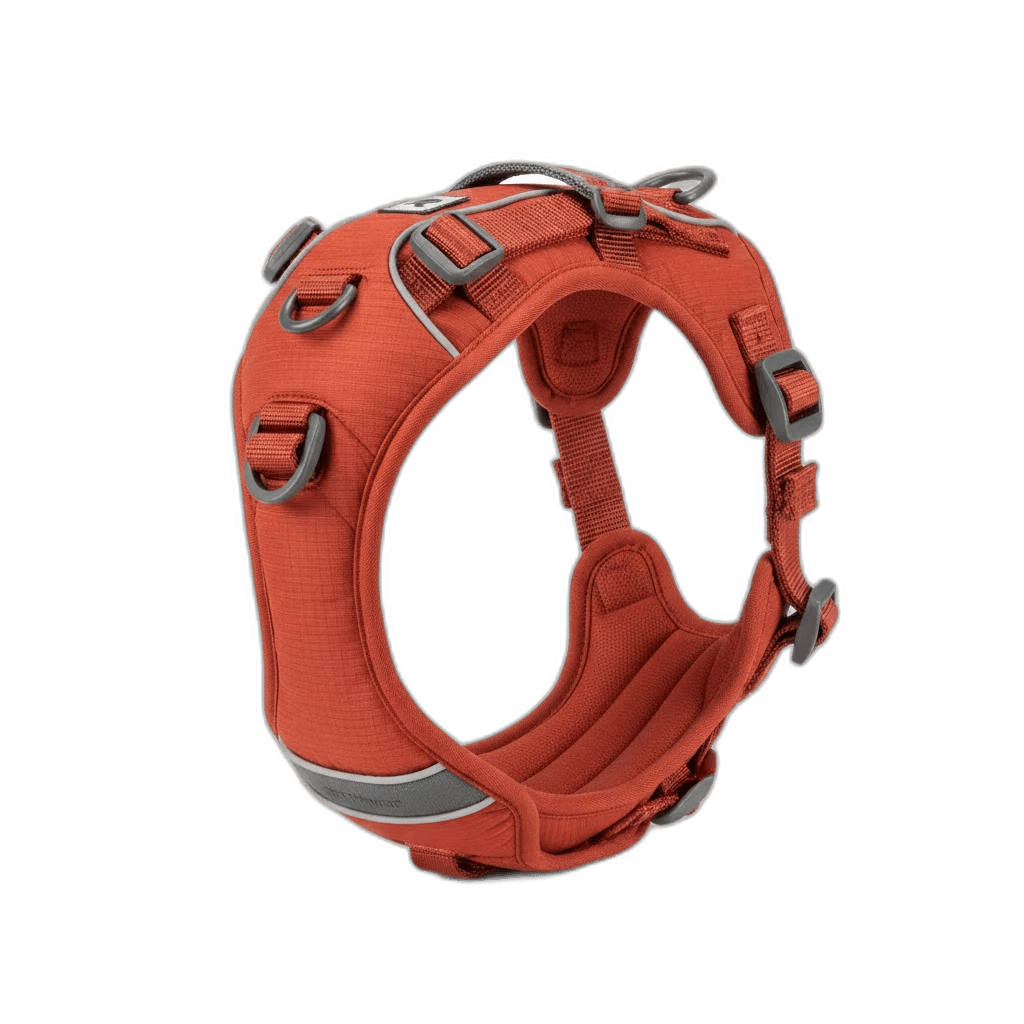
Dog Harnesses
No-pull, front-clip, and padded harnesses for every walking style.
Current top pick for this slot: Ruffwear Front Range Padded Harness
See all dog harnesses picks
Prices are approximate and may vary. Please check the latest price on Amazon. As an Amazon Associate I earn from qualifying purchases.
Life with a Weimaraner
You thought 'Velcro dog' was a cute nickname until your Weimaraner followed you into a bathroom you'd locked. You're still not sure how.
Your roast chicken made it exactly to the counter's edge before those long silver legs resolved the situation. The counter is now clear of anything important.
You bought a giant dog bed. It is decorative. Your Weimaraner has claimed your mattress and you've migrated to a sliver on the left edge.
Your Weim has an expressive range that rivals most character actors. There's the 'I can't believe you're leaving' look, the 'you've been gone too long' look, and the 'you walked past my leash and didn't grab it' look.
Someone called your dog 'the gray ghost' and you realized immediately they also own a Weimaraner, because nobody else knows that phrase.
Editorial synthesis of r/weimaraner discussions
r/weimaraner has a running joke that says it all: 'heart of gold, brain of Skittles.' They love with everything they have and outsmart you constantly — often at the same time.
Paraphrased by PawBench from public discussion — not a quotation, and not a counted sample.

Games Weimaraners Actually Love
Upland Hunt Drill
Weimaraners were German hunting dogs built to quarter terrain and point game. Hide a scented bumper or treat-filled toy in varied cover and send them to find it — they
Tracking on a Long Line
Drag a treat or toy along a trail through the yard or park, then send your Weim to follow the scent to the end. Their noses are exceptional and tracking
Distance Obedience Games
Work on 'place,' 'sit-stay,' and 'down-stay' at increasing distances with variable rewards — Weimaraners are smart enough to get bored with predictable training, and varied challenges keep them sharp
About the Weimaraner
Origin & Build
- •The Weimaraner is a large, athletic sporting breed originally developed in early 19th-century Germany for hunting large game
- •Males stand 25 to 27 inches at the shoulder and weigh 70 to 90 pounds, while females are
- •Their striking silver-gray coat is short, sleek, and easy to maintain, and their light amber or blue-gray eyes
Temperament
- •Separation anxiety is arguably the breed's most defining behavioral trait, and it can manifest as destructive chewing, excessive
Exercise Needs
- •Exercise requirements are substantial: Weimaraners need 90 minutes to two hours of vigorous activity daily, including running, hiking,
- •They excel in hunting, agility, tracking, and dock diving
- •A bored or under-exercised Weimaraner will find ways to entertain itself, usually at the expense of furniture
- •With proper exercise and care, Weimaraners live 10 to 13 years
Health Watch
- •Gastric dilatation-volvulus (bloat/GDV) is the most acute health threat — this life-threatening emergency occurs when the stomach twists
- •Prophylactic gastropexy during spay or neuter surgery is worth discussing with your veterinarian
- •Hip dysplasia affects the breed at moderate rates, and hypertrophic osteodystrophy (HOD) can occur during rapid growth phases
- •Hypothyroidism, entropion, and certain skin allergies are also seen

Gear Tips
- Weimaraners need gear that can handle sustained, high-intensity use. A front-clip, no-pull harness rated for at least 80 pounds is essential —
- Padded chest panels prevent chafing during long runs or hikes. A slow-feeder bowl or puzzle feeder is one of the most important
- For their severe separation anxiety, consider a heavy-duty crate with reinforced latches — standard wire crates are often bent open by determined
- Durable rubber toys and interactive puzzle toys provide mental stimulation during alone time.
- Their short coat offers little insulation, so a fleece-lined jacket is necessary for cold-weather outings.
- A long tracking lead (20 to 30 feet) is useful for exercising their hunting instincts safely in open areas.
Keep Them Happy
- Exercise hard before leaving them alone. A tired Weimaraner can handle an hour or two solo; an un-exercised one will redecorate your
- Puzzle feeders and sniff mats at mealtime add 10 minutes of mental work that pays off all afternoon. Their intelligence needs daily
- Train consistently and use clear boundaries early. Weimaraners are smart enough to identify and exploit every inconsistency in your rules — they
- Counter-surfing is hardwired. Don't leave food unattended anywhere within reach — those long legs mean 'reach' extends to most of your kitchen.
Buying guides for this breed type
Weimaraners share buying considerations with other breeds in these clusters:
Shop by category
Browse research-backed picks across every product category — not just for Weimaraners.
Frequently Asked Questions
- How bad is Weimaraner separation anxiety really?
- It is one of the most severe of any breed. Weimaraners are known to destroy crates, chew through drywall, break through windows, and bark for hours when left alone. Early crate training, gradual desensitization to departures, and ensuring adequate exercise before leaving can help manage
- Are Weimaraners good for first-time dog owners?
- Weimaraners are generally not recommended for first-time owners due to their extreme exercise needs, separation anxiety, and strong-willed personality. They require experienced handling, consistent training, and a very active lifestyle. An under-stimulated Weimaraner can become a significant behavioral challenge.
- How much exercise does a Weimaraner actually need?
- A healthy adult Weimaraner needs 90 minutes to two hours of vigorous exercise every day — not just a casual walk, but running, swimming, hiking, or structured sport activities. Puppies need appropriately limited exercise to protect growing joints, but adult Weimaraners have seemingly limitless stamina
- What is bloat and why are Weimaraners at risk?
- Bloat (gastric dilatation-volvulus or GDV) is a life-threatening emergency where the stomach fills with gas and twists on itself, cutting off blood flow. Weimaraners are at high risk due to their deep, narrow chest cavity. Feeding smaller, more frequent meals, using a slow-feeder bowl,